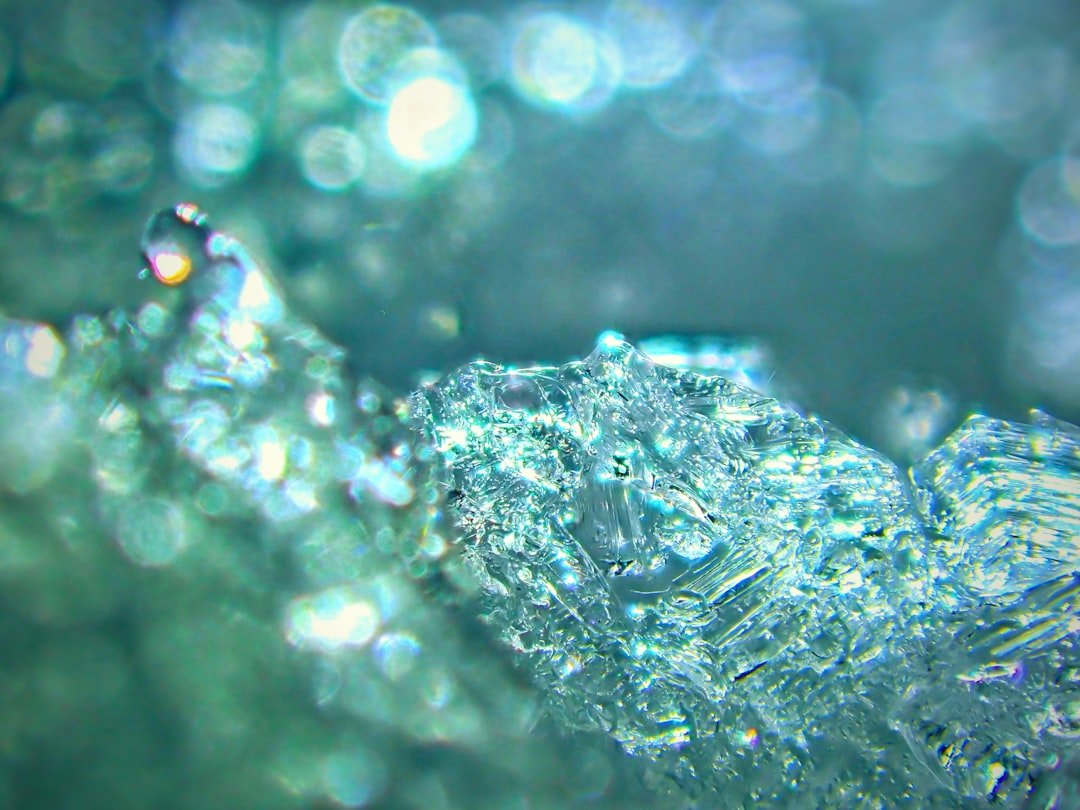
A Toxic Molecule’s Hidden Potential (Image Credits: Unsplash)
Researchers revealed that hydrogen cyanide, a substance lethal to humans, formed reactive ice crystals that potentially drove prebiotic reactions in frigid settings across the solar system.[1][2]
A Toxic Molecule’s Hidden Potential
Hydrogen cyanide earned its reputation as a deadly poison, yet scientists demonstrated its capacity to foster chemistry essential for life’s emergence. In environments too cold for typical reactions, this molecule solidified into crystals that acted as catalysts. The discovery challenged assumptions about prebiotic processes, showing how extremes could enable complexity.[1]
Studies confirmed hydrogen cyanide’s abundance in space, from comets to atmospheres like that of Saturn’s moon Titan. When combined with water, it produced polymers, amino acids, and nucleobases – foundational elements of proteins and DNA. This duality positioned the molecule as a bridge between simple compounds and biological precursors.[3]
Computer Models Reveal Crystal Geometry
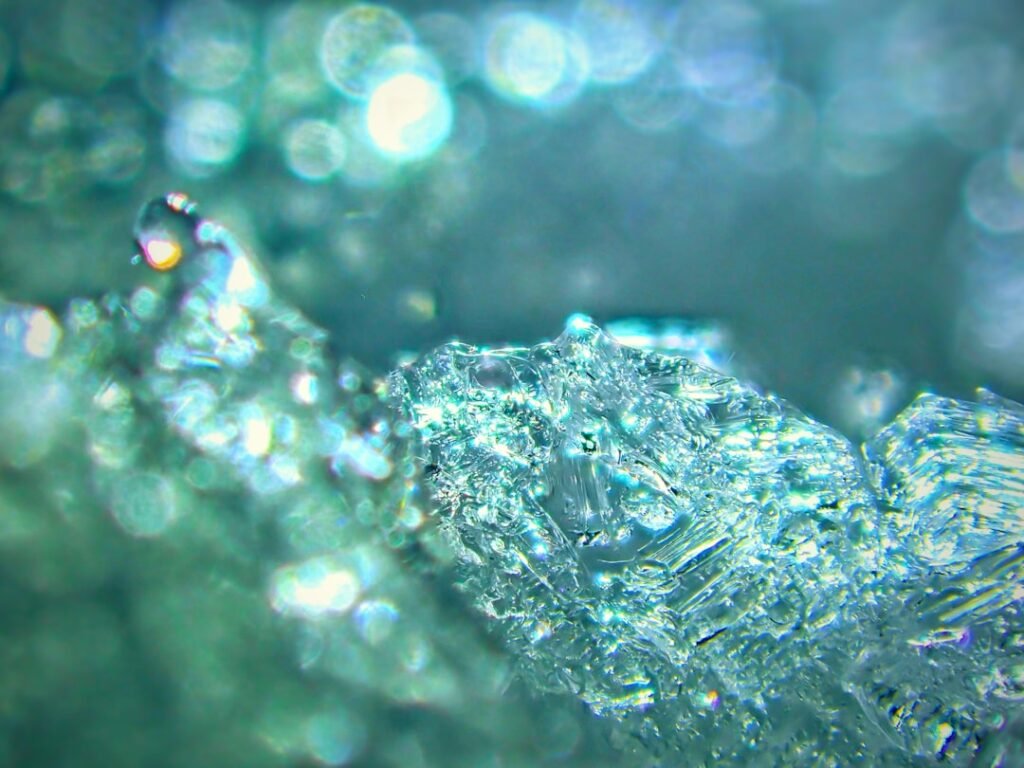
Teams modeled hydrogen cyanide crystals as cylinders roughly 450 nanometers long, featuring rounded bases and multifaceted tips resembling cut gemstones. These structures aligned with observed cobweb-like formations, where branches extended from central points. The geometry maximized surface exposure, particularly at the reactive tips.[1]
Simulations highlighted electric fields on certain facets, which oriented molecules and facilitated atom exchanges. Researchers identified two pathways converting hydrogen cyanide to hydrogen isocyanide, a more reactive isomer. Reaction times ranged from minutes to days, depending on temperature, proving viable chemistry in icy voids.[2]
Reactive Hubs in Extreme Cold
The crystal surfaces created localized conditions that overcame kinetic barriers in subzero realms. Electric fields concentrated charges, promoting transformations impossible in bulk ice. Hydrogen isocyanide emerged as a key intermediate, paving the way for diverse prebiotic molecules.
- Needle-like shapes with high aspect ratios increased reactive area.
- Polar facets generated strong fields up to 1.25 V/Å.
- Fractures exposed fresh surfaces, accelerating catalysis.
- Radiation or acids supplied protons for isomerization.
- Cobweb networks linked crystals via electrostatic attraction.
Such dynamics suggested crystals functioned as natural reactors, diversifying organics on early Earth or distant moons.[4]
Cosmic Relevance and Next Steps
Detections of hydrogen cyanide on comets and Titan underscored its universal role. Frozen networks there might build organic complexity, mirroring early Earth scenarios. Martin Rahm, the lead researcher, stated, “While the exact path from simple molecules to living systems may never be fully reconstructed, identifying plausible mechanisms for each intermediate step is achievable.”[1]
Funding from the Swedish Research Council supported the work, published in ACS Central Science. Scientists proposed experiments crushing crystals with water under cryogenic conditions to validate predictions. These tests could confirm surface-driven synthesis of life’s precursors.
Key Takeaways
- Hydrogen cyanide crystals enabled fast reactions in cold environments via electric fields.
- Isomerization to hydrogen isocyanide opened paths to amino acids and nucleobases.
- Findings apply to early Earth, Titan, and comets, broadening life’s potential habitats.
This research reframed a poison as a pioneer of complexity, urging deeper probes into icy chemistries. What do you think about cyanide’s role in life’s story? Tell us in the comments.