For most of human history, we stared at the night sky and assumed it was mostly empty: silent stars, cold rocks, dead space. Now, piece by piece, science is quietly tearing that assumption apart. The more we learn, the harder it becomes to believe that life is rare. In fact, when you look closely, the universe starts to seem suspiciously friendly to biology.
It’s not that we’ve already found aliens hiding behind every comet. We haven’t. But the clues are piling up: in the chemistry of deep space, in the atmospheres of distant exoplanets, in the stubborn resilience of microbes on Earth. Put those clues together, and a shocking picture begins to emerge – a universe that might be buzzing with life in ways we’re only just beginning to imagine.
The Cosmic Recipe for Life Is Everywhere
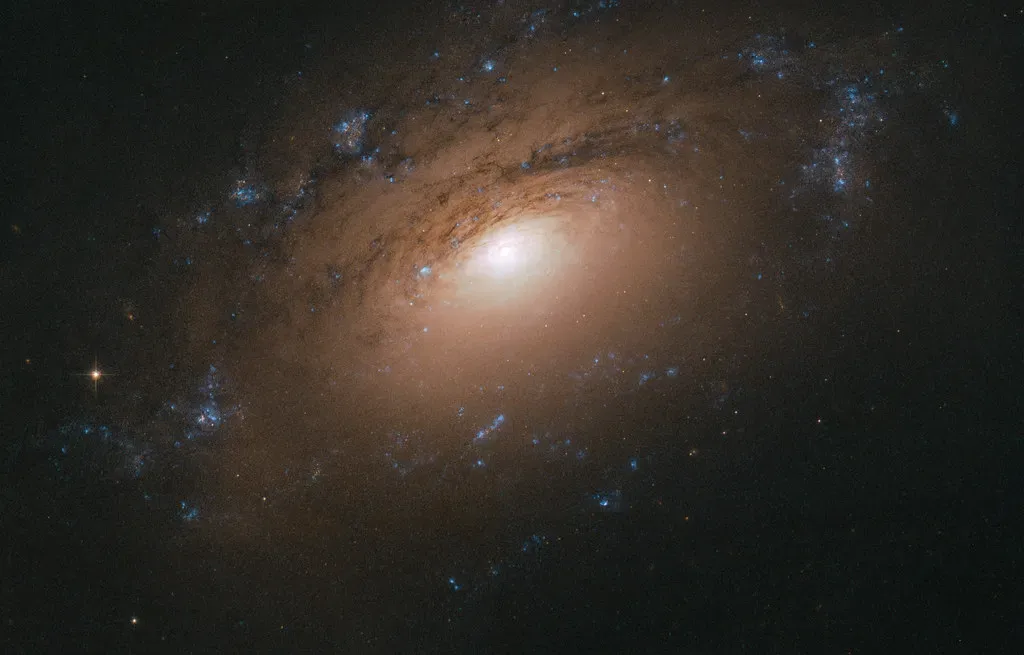
Imagine opening your pantry and discovering that every shelf, every drawer, every corner is stocked with the same ingredients: flour, sugar, salt, oil. That’s what astronomers keep finding when they look around our galaxy. The basic building blocks of life – carbon-based molecules, water, organic compounds – are not rare exotic delicacies; they’re more like cosmic staples scattered all over space. Telescopes routinely detect complex organic molecules in interstellar clouds, where stars and planets are born.
On comets, in meteorites, in the thin atmospheres of icy moons, we keep stumbling on ingredients that look suspiciously like the starters for biology. Even amino-acid-like molecules, related to those that make up our proteins, have been found in space rocks that fell to Earth. When you see the same recipe repeated across thousands of light years, you have to ask: is nature trying the same experiment over and over, not just here, but everywhere?
Exoplanets: The Galaxy’s Hidden Neighborhoods
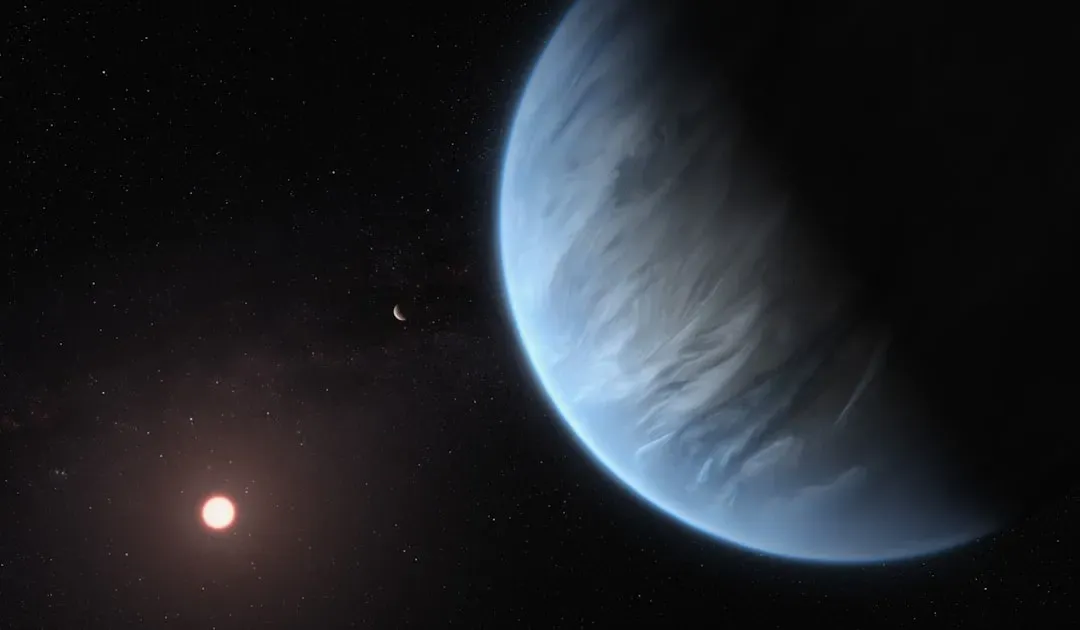
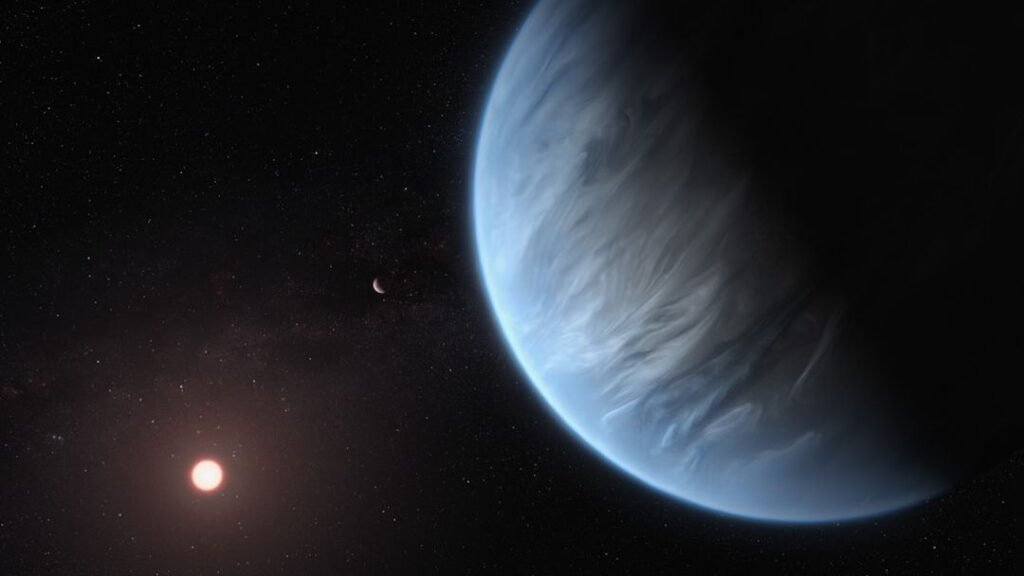
Thirty years ago, we didn’t know for sure that other stars had planets. Now, astronomers have cataloged thousands, and they’re pretty sure that most stars have at least one. That discovery alone is a psychological earthquake. Instead of our solar system being a quirky one-off, it looks more like just another house on an endless cosmic street. Many of those planets orbit in what scientists call the “habitable zone,” where temperatures could allow liquid water on the surface.
Some of the most intriguing worlds are “super-Earths” and “mini-Neptunes,” planets bigger than Earth but smaller than Neptune, which we don’t even have in our own solar system. We’ve found rocky worlds roughly the size of Earth around small, cool stars, and some of them may have thick atmospheres, clouds, even oceans. We don’t yet know what they truly look like up close, but if you imagine one of those planets with blue seas, greenish land, and a humid sky, it doesn’t feel like pure fantasy anymore – it feels like a reasonable guess.
Atmospheres as Alien Biosignature Billboards
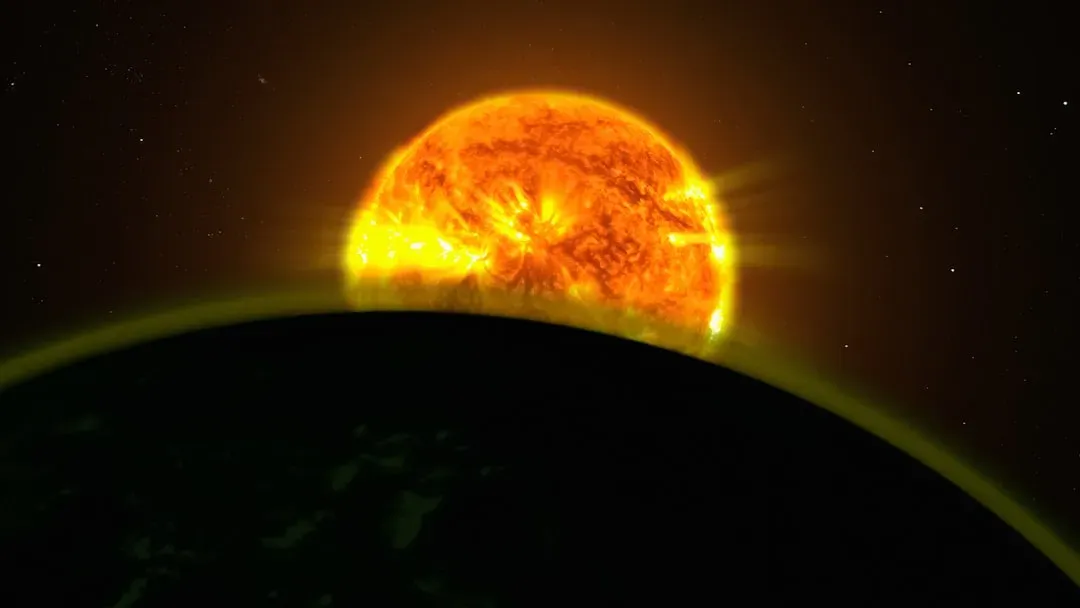
One of the most thrilling shifts in astronomy is happening right now: we’re beginning to read the chemistry of distant worlds’ atmospheres. Using telescopes like the James Webb Space Telescope, scientists can see how starlight filters through a planet’s air when it passes in front of its star. That tiny dimming of light carries a chemical fingerprint, revealing gases like water vapor, methane, carbon dioxide, and more. Suddenly, atmospheres have become crime scenes where we’re looking for biological fingerprints.
Researchers are especially interested in combinations of gases that don’t sit comfortably together unless something is constantly replenishing them – like oxygen and methane coexisting in large amounts. On Earth, that strange mix is maintained by life: plants, animals, microbes endlessly reshaping the air. If we spot such “out-of-balance” atmospheres on distant planets, it might be the first whisper that something alive is working behind the scenes, reshuffling the chemistry just like life does here.
Life on Earth Is Shockingly Hard to Kill
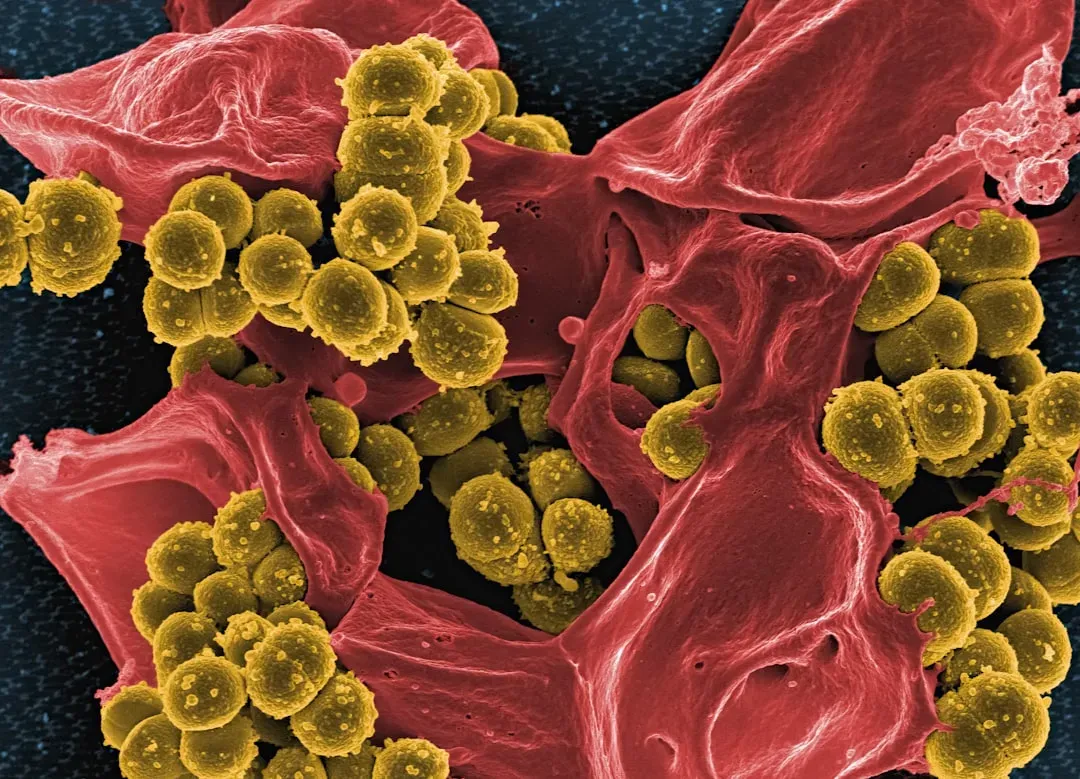
When you hear that liquid water, moderate temperatures, and a calm environment are ideal for life, it’s easy to picture Earth-like forests and gentle oceans. But our own planet is full of organisms that never got that memo. Microbes thrive in boiling hot vents on the ocean floor, in acidic hot springs, inside Antarctic ice, and even in nuclear reactors. Some survive brutal radiation, near-total dryness, and extremes of cold that would destroy most complex life in seconds. They’re like nature’s way of bragging: “You think I’m fragile? Watch this.”
If life can cling to the undersides of rocks in the driest deserts and exist kilometers beneath the seafloor in darkness, then the range of habitable environments in the universe explodes. Suddenly, places we once considered “dead” – frozen moons, buried oceans, underground aquifers on Mars – start to look less hopeless. It’s not that every harsh world is teeming with creatures, but Earth’s extremophiles prove one thing clearly: once life gets started, it’s astonishingly good at hanging on.
Alien Oceans in Our Own Backyard
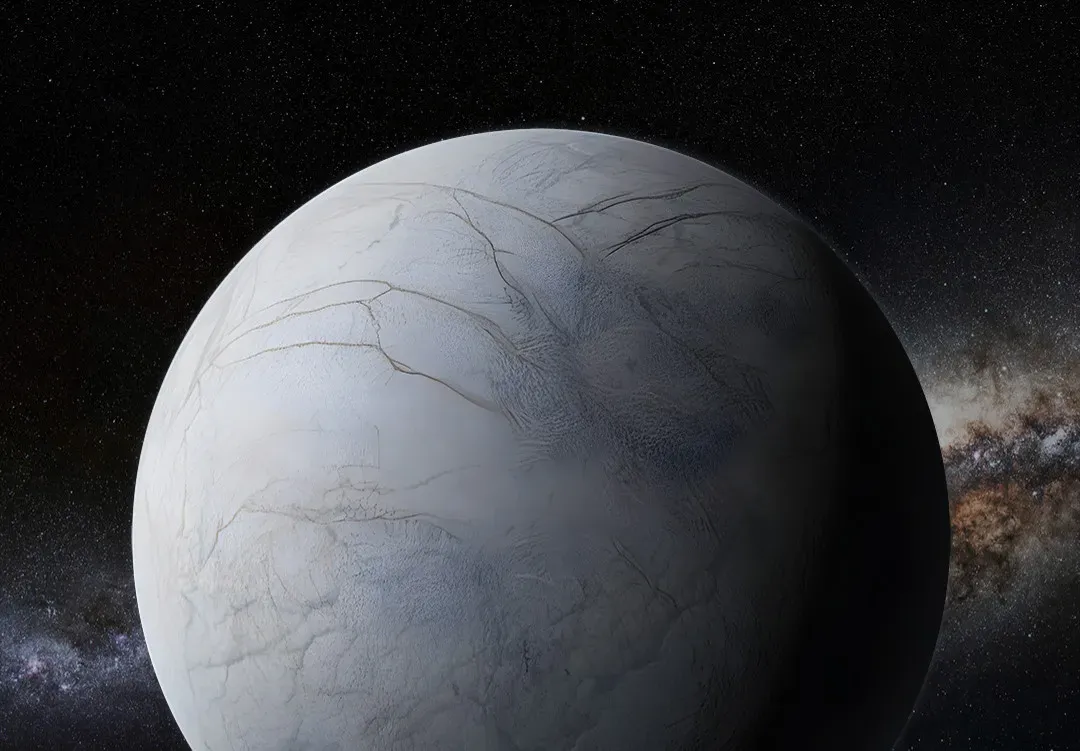
We tend to picture life on planets, bathed in starlight. Yet some of the most promising places to look for alien ecosystems in our solar system are not planets at all, but icy moons with hidden oceans. Europa, a moon of Jupiter, likely has a deep, global saltwater ocean beneath its frozen crust. Saturn’s moon Enceladus shoots plumes of watery vapor and ice into space, laced with organics and chemicals that look eerily like the ingredients around Earth’s hydrothermal vents, where life thrives without sunlight.
These worlds probably never see a sunrise on their ocean floors, but they’re warmed from within by tidal forces and internal heat. Imagine entire alien biospheres powered not by starlight, but by chemical energy, like dark underwater cities of microbes clustered around hot vents. Upcoming missions are heading to these moons to taste the plumes, probe the ice, and hunt for signs of biology. If we find even simple life there, it would be a powerful hint that the universe doesn’t need Earth-like conditions to ignite living chemistry.
The Fermi Paradox: Where Is Everybody?
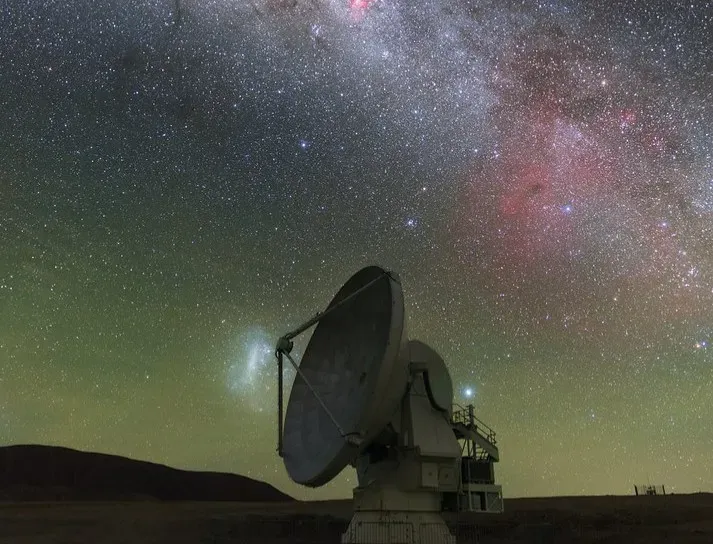
Here’s the unsettling part: if the universe is so friendly to life, why don’t we see it? This puzzle, often called the Fermi paradox, hangs over all these discoveries like a dark cloud. The galaxy is old and vast, and if intelligent civilizations were common, you might expect to see obvious signs of them by now – engineering on star-sized scales, unmistakable transmissions, colossal structures that block starlight. But so far, we’ve mostly heard static and seen only natural-looking stars and galaxies.
There are many possible explanations, and none of them are entirely comfortable. Maybe intelligent life is genuinely rare, even if simple life is common. Maybe civilizations don’t last long enough to become galaxy-spanning. Or maybe advanced beings communicate in ways we’re not expecting, or choose to stay quiet, like hikers keeping their voices low in a dark forest. The silence doesn’t prove we’re alone, but it does remind us that a biologically active universe doesn’t have to be a noisy one.
Reimagining “Life” Beyond Our Own Definition
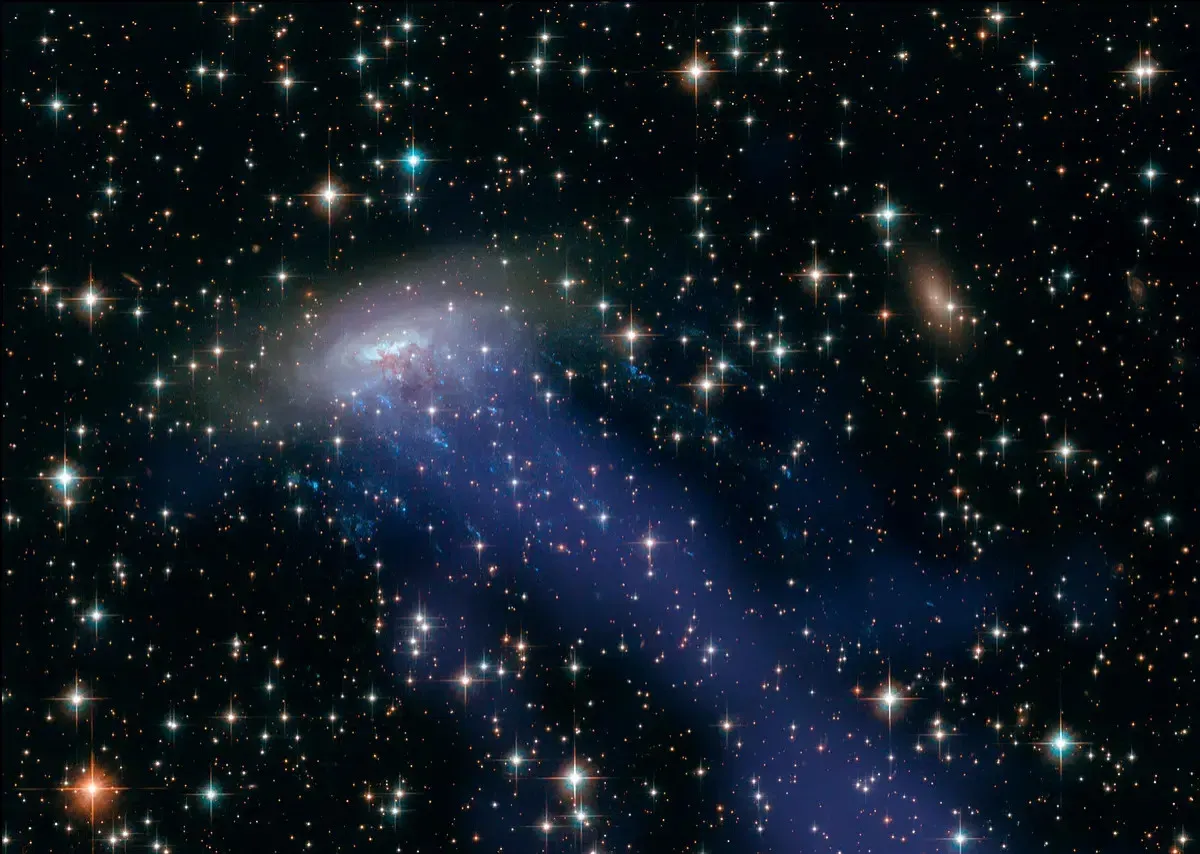
We talk about life as if we know what it is, but our only real example is Earth. That’s like trying to define music after hearing only one song. What if other forms of life don’t use DNA, don’t rely on water, or don’t build cells the way we do? Some scientists speculate about life in methane lakes, like those on Saturn’s moon Titan, or organisms based on silicon instead of carbon. These ideas may sound wild, but the universe is under no obligation to stick to our favorite chemistry set.
There’s also the possibility that truly advanced life might blur the line between biology and technology. Civilizations could merge with their machines, spread as self-replicating probes, or exist mostly in digital or quantum substrates we wouldn’t recognize as “alive” at all. To such beings, our current telescopes and radio searches might be about as effective as a snail trying to understand the internet. If that’s even remotely possible, then the universe could be far more alive – and far stranger – than our present tools and imaginations can fully grasp.
Why a Living Universe Changes Everything for Us
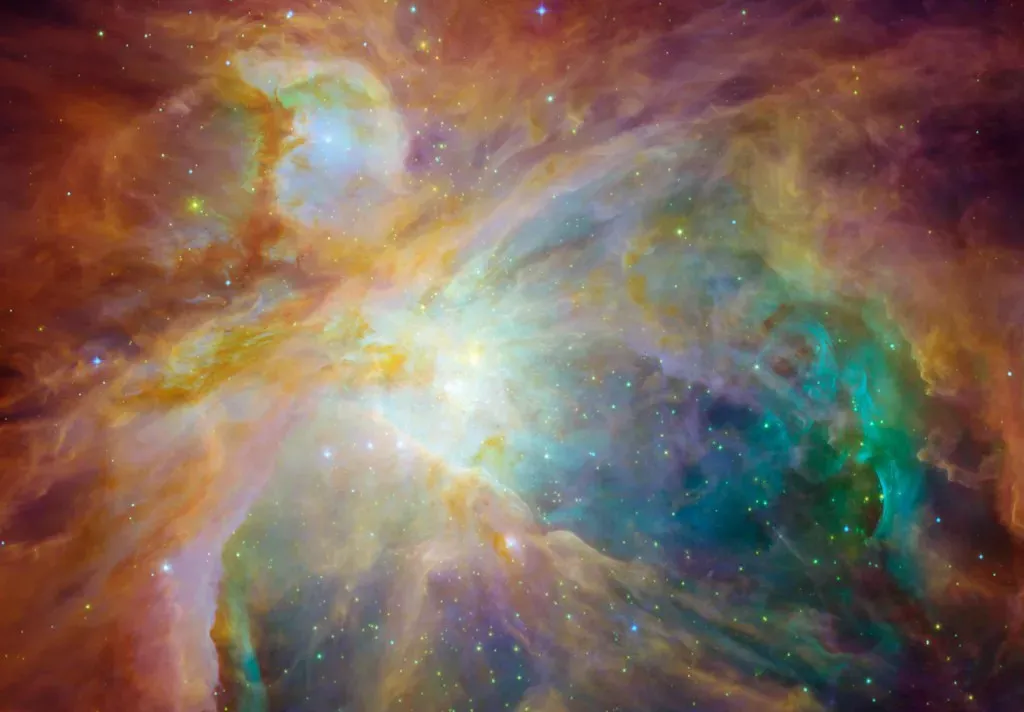
Thinking of the universe as potentially alive in countless hidden pockets does something subtle but powerful to our sense of meaning. It shrinks our loneliness. Instead of a tiny blue dot adrift in endless emptiness, Earth becomes one voice in a vast cosmic choir, even if we haven’t heard the other singers yet. That shift can be both humbling and comforting: we’re not the center of everything, but we might not be the only flicker of awareness either.
It also puts a kind of responsibility on us. If intelligent life is rare, then our little civilization suddenly matters a lot; we become one of the universe’s few chances to understand itself. And if life is common, then someday, somewhere, we may be the ones others discover and study. Either way, the idea of a more alive universe nudges us to take better care of our planet and our future. After all, if the cosmos really is full of life, don’t we want to be around long enough to finally meet our neighbors?