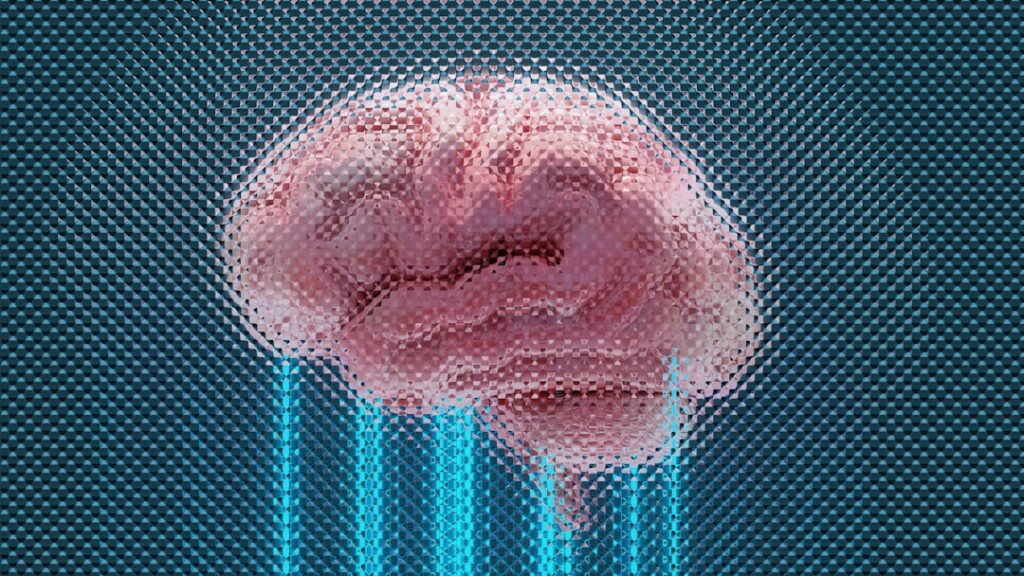

The last decade has quietly rewritten almost everything we thought we knew about the brain. Ideas that once sounded like science fiction – decoding thoughts, rewriting memories, growing brain organoids in a dish – are now serious lines of research, with early results already shifting medicine, ethics, and even what it means to be “you.”
What surprises me most is how personal it all feels. These aren’t just lab curiosities; they touch our moods, our decisions, our sense of self. Some of the findings are comforting, others a bit unsettling, but together they paint a far more dynamic, living picture of the brain than the static organ we were taught about in school.
The Brain Is Never “Finished”: Adult Neurogenesis and Lifelong Plasticity
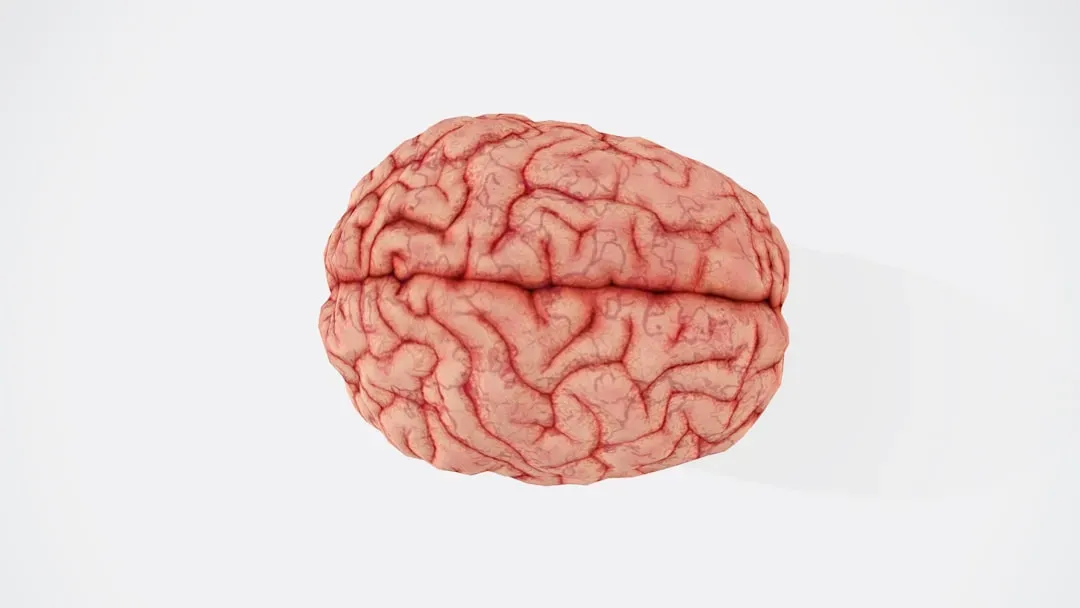
For a long time, textbooks confidently stated that adults don’t grow new brain cells. That idea has pretty much collapsed. Studies in humans and animals show that certain regions of the brain, especially the hippocampus (critical for memory and emotion), keep generating new neurons well into adulthood, although the rate changes with age and health.
This doesn’t mean you can magically regrow a damaged brain, but it does mean your brain is more like a constantly renovated house than a fixed building. Exercise, sleep, diet, stress, and social connection all seem to influence how many of these new neurons survive and wire in. The practical implication is powerful: lifestyle is no longer just “good for your health” in a vague way – it literally reshapes the wiring that supports learning, mood, and resilience.
Brain Organoids: Mini-Brains in a Dish Challenging Old Assumptions
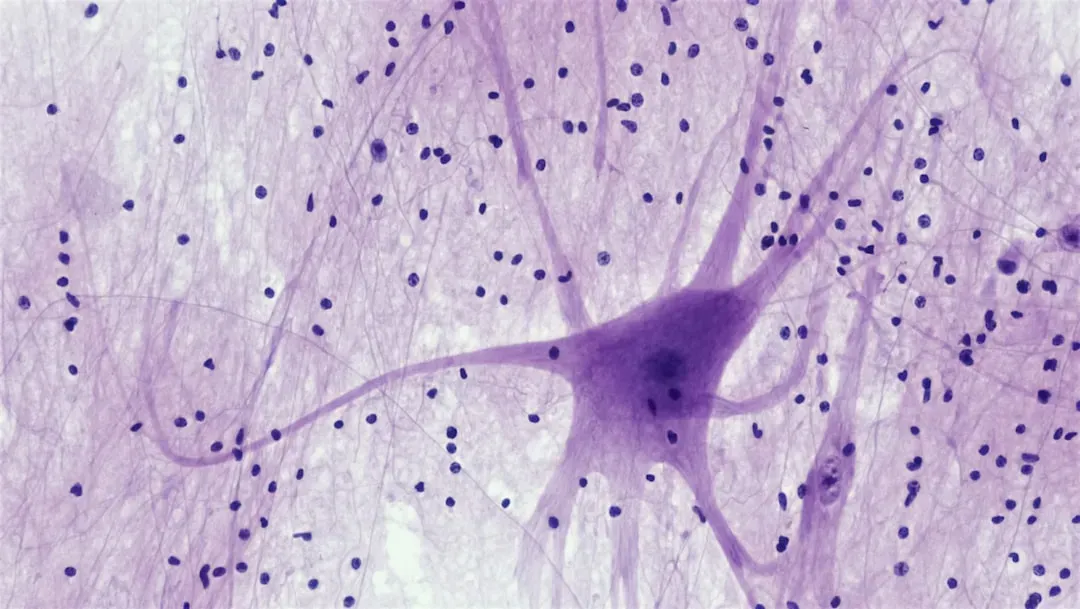
One of the most shocking developments is the ability to grow tiny, complex clusters of human brain cells in the lab, called brain organoids. They’re not conscious mini-people, but they do show organized electrical activity, form layers, and even develop primitive sensory responses when connected to certain devices. Researchers now use them to study autism, epilepsy, neurodegenerative diseases, and how infections like Zika or COVID-era viruses affect development.
These organoids are rewriting how we think about brain development and disease, because for the first time we can watch human-like neural tissue grow and misgrow in real time. They also raise tough moral questions: at what point does a clump of cells deserve moral consideration, if it starts to show patterns of activity we associate with awareness or pain? The science is outpacing our ethical frameworks, and that alone is a sign of how radical this shift really is.
Reading and Writing the Brain: Brain–Computer Interfaces Go Mainstream
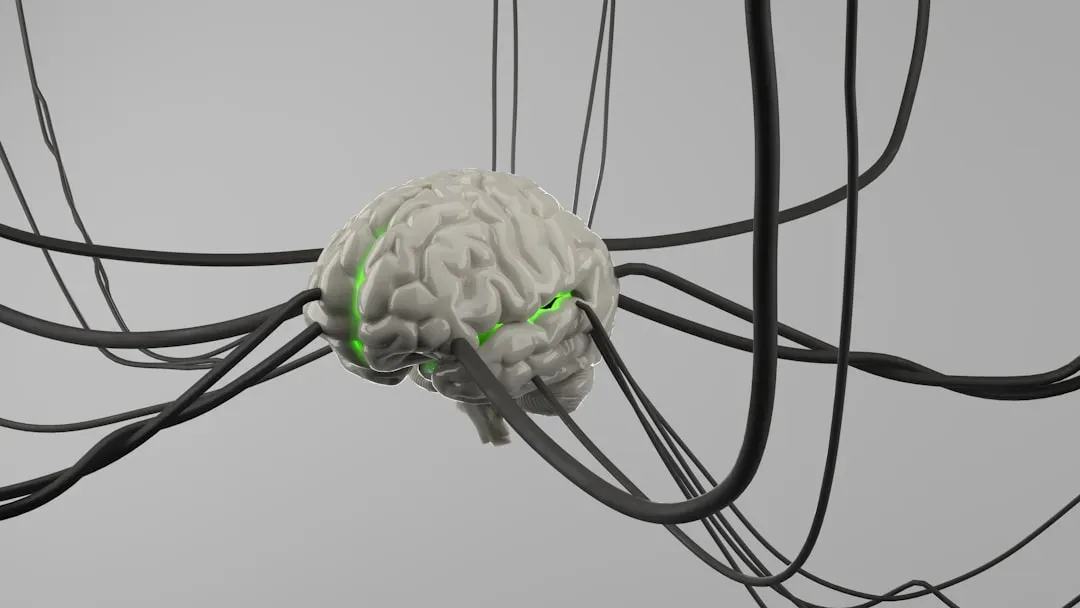
Brain–computer interfaces (BCIs) used to be fringe experiments with clunky equipment and shaky results. Now, several research groups and companies have shown paralyzed people using implanted electrodes to move robotic arms, type messages, or control cursors with remarkably fine control and speed. Non-invasive headsets, while far less precise, are also getting better at tracking basic states like attention, fatigue, or simple intention signals.
The leap isn’t just in hardware but in decoding algorithms that can turn noisy neural firing into stable, meaningful commands. This is changing how we view the separation between “mind” and machine: the line is getting blurrier. It’s thrilling for people with severe disabilities, but it also raises big questions around privacy, consent, and who owns or controls the data that comes directly from your brain.
Memory as a Moving Target: Editing, Erasing, and Rewriting Recall
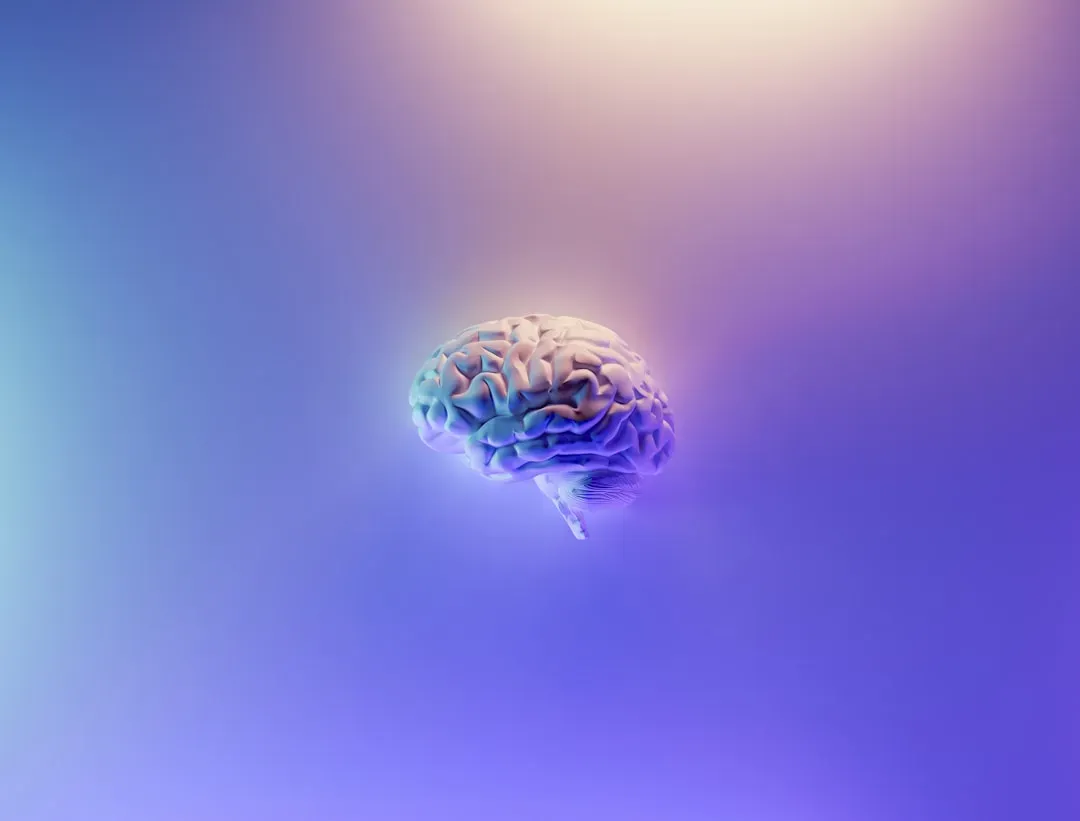
Neuroscience has shown that every time you recall a memory, you don’t just “play it back” like a video; you rebuild it. During this reconsolidation window, the memory becomes malleable, and that vulnerability can be used to weaken or slightly update what you remember. In animals, researchers have even identified specific “engrams” – clusters of neurons that encode a particular memory – and turned them on or off with light-sensitive tools in stunning experiments.
In humans, early clinical approaches combine this science with therapy to soften traumatic memories, such as those in post-traumatic stress disorder, by disrupting reconsolidation at the right time. It doesn’t erase the past, but it can disconnect the emotional charge from the raw facts. The fact that our memories are living, editable constructs rather than fixed records forces us to rethink everything from eyewitness testimony to our nostalgia-soaked personal narratives.
Glial Cells and the “Hidden Half” of Brain Intelligence
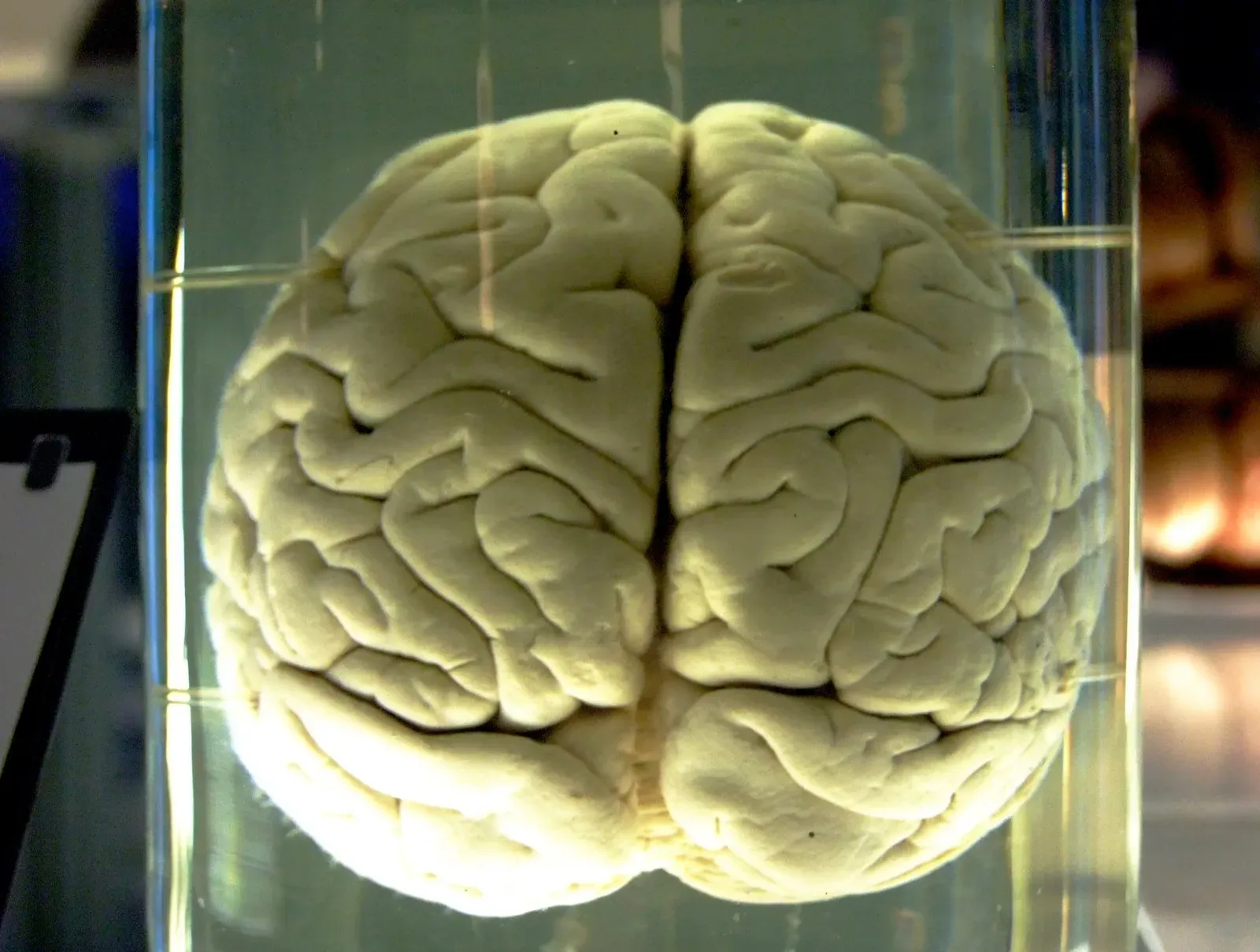
For decades, glial cells were dismissed as passive support staff for the brain’s star players, the neurons. That view is crumbling. Astrocytes, microglia, and other glia actively shape synaptic strength, clear debris, prune connections, and even influence blood flow and immune responses in the brain. In some disorders, like multiple sclerosis or certain forms of dementia, glial dysfunction appears to be a big part of the problem.
Researchers are now finding that glia participate in information processing in more subtle, chemical ways than the fast electrical spikes of neurons. It’s almost like discovering that half the cast in a movie, previously labeled as extras, actually co-wrote the script. This shift doesn’t just refine our map of the brain; it suggests new treatment targets, where supporting or calming glia might help conditions previously blamed entirely on neurons.
The Connectome: Mapping Brain Wiring Like a Cosmic Web
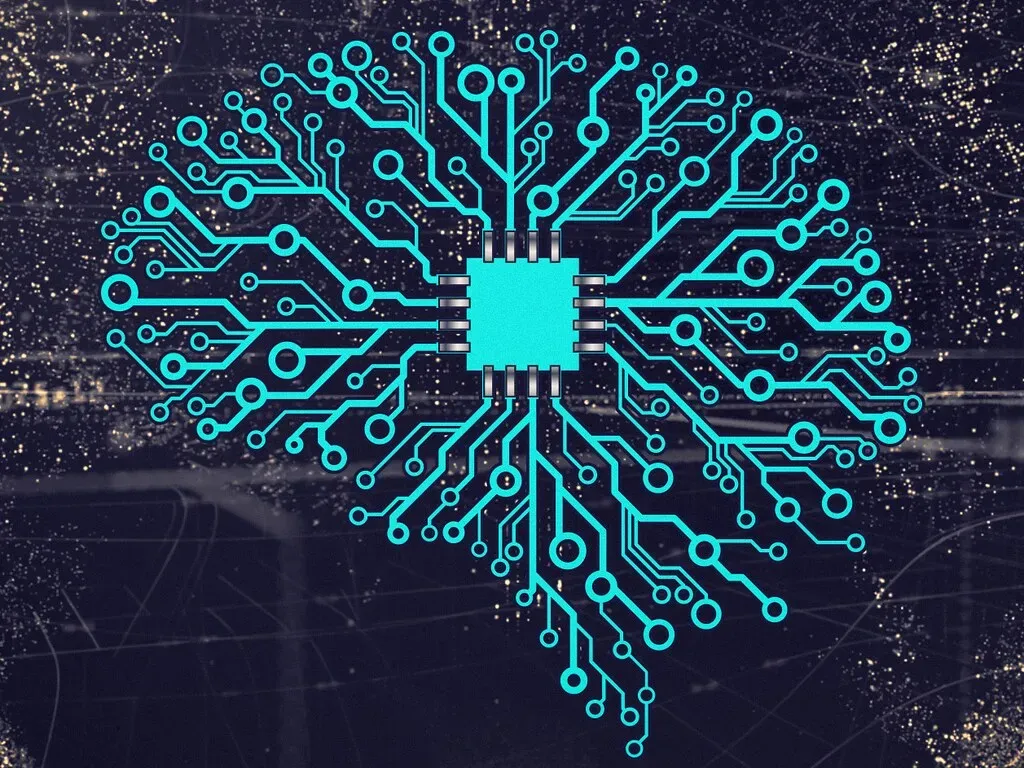
Instead of just studying individual regions, modern neuroscience is obsessed with the connectome – the full wiring diagram of how billions of neurons link together. Using advanced MRI techniques and painstaking electron microscopy reconstructions, teams have started to map these networks in animals and, to a coarser degree, in humans. Even partial maps reveal brain organization that looks more like a complex internet than a set of isolated modules.
Certain patterns of connectivity are emerging as signatures of conditions like depression, schizophrenia, or autism, shifting the narrative from “chemical imbalance” to “network imbalance.” That’s changing how we think about treatments too, with approaches such as targeted brain stimulation or personalized therapy trying to gently nudge networks back into healthier patterns. Seeing the brain as a dynamic graph of connections rather than a collection of spots on a scan is a fundamental mental reset.
Predicting Decisions Before You’re Aware: Consciousness Under the Microscope

Experiments using brain imaging and sophisticated analysis have shown that neural activity can predict which button you’ll press or which option you’ll choose seconds before you consciously feel you’ve made a decision. These findings don’t “disprove” free will in any simple way, but they do challenge our everyday sense of being a completely conscious driver of our choices.
One way to look at it is that your conscious mind is more like the spokesperson for a giant, mostly unconscious committee. By the time the spokesperson declares the decision, a lot of background voting has already happened in your neural circuits. This reframing has deep implications for how we think about responsibility, self-control, and even legal accountability, especially in cases where brain disorders clearly influence behavior.
Microbiome and Brain: Your Gut Bacteria Are in on the Conversation
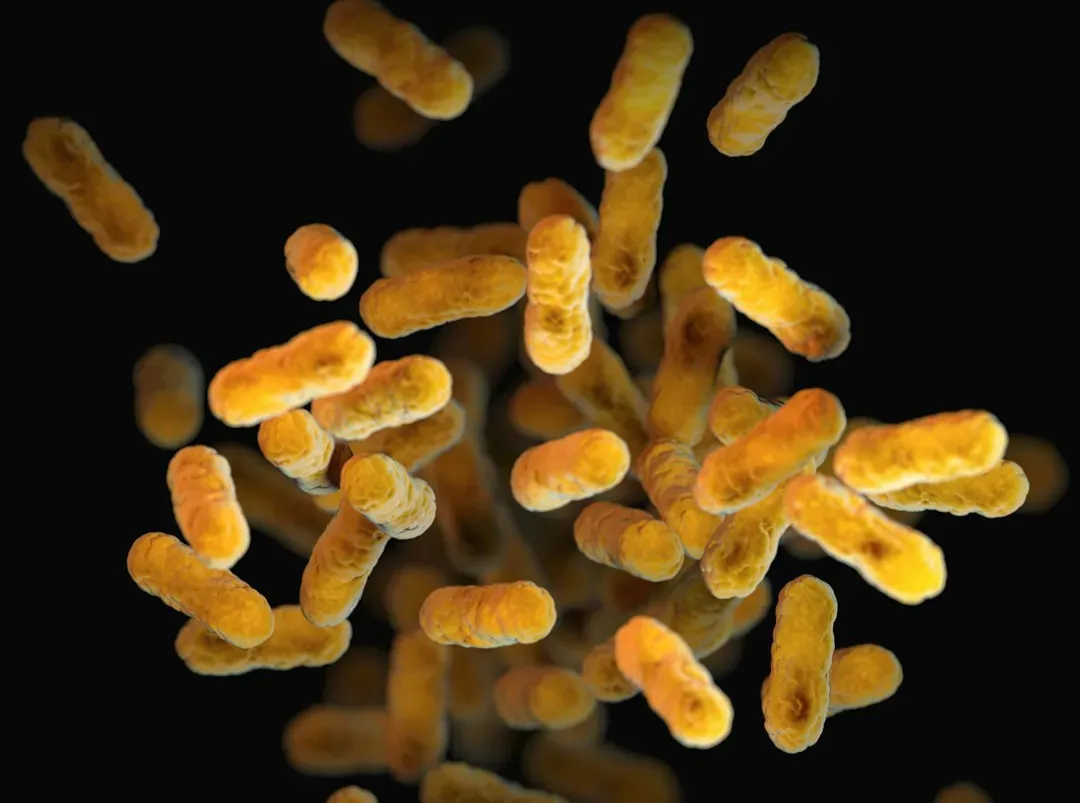
A few years ago, the idea that gut bacteria could change your mood would’ve sounded like a wellness fad. Now it’s a serious research field. Studies have shown that the trillions of microbes in your gut communicate with the brain through neural, hormonal, and immune pathways, influencing anxiety, appetite, pain perception, and possibly even social behavior in animals.
In humans, early work suggests that certain microbial profiles are associated with conditions like depression, irritable bowel syndrome, or even neurodevelopmental differences. We’re nowhere near prescribing a specific “brain probiotic” with guaranteed effects, but the fact that your mental state is entangled with what lives in your gut is a radical change from the brain-in-a-box view. It opens up softer, lifestyle-based ways to support brain health alongside traditional psychiatric tools.
AI Meets Brain Data: Decoding Thoughts, Images, and Language
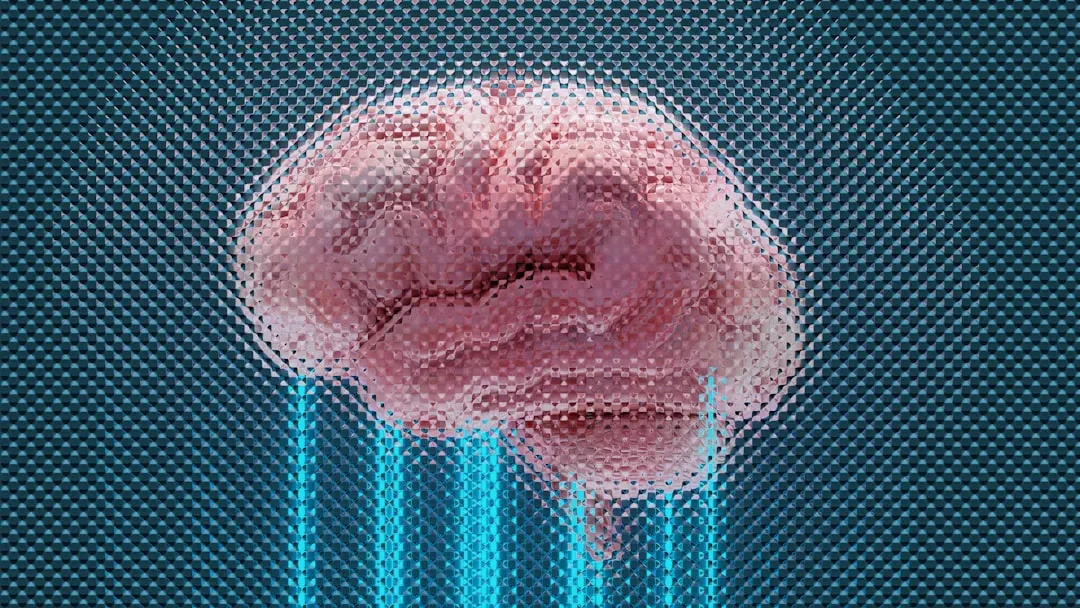
The combination of powerful artificial intelligence models with brain imaging has led to some eerie demos. Researchers have used AI to reconstruct roughly what someone is seeing, or even generate text that approximates the gist of what a person is hearing or thinking, just from their brain activity patterns. These reconstructions are not perfect mind-reading, but they’re far beyond random noise and getting better fast.
This work helps scientists understand how the brain represents language, images, and concepts by comparing its patterns to those of AI networks trained on huge datasets. It’s a two-way street: AI helps decode the brain, and neuroscience insights help build more brain-like AI. The idea that parts of our inner life might be translated into digital form blurs boundaries around thought privacy, identity, and communication, especially for people who can’t speak due to paralysis or injury.
Psychedelics and the Brain: Rethinking Treatment and Consciousness
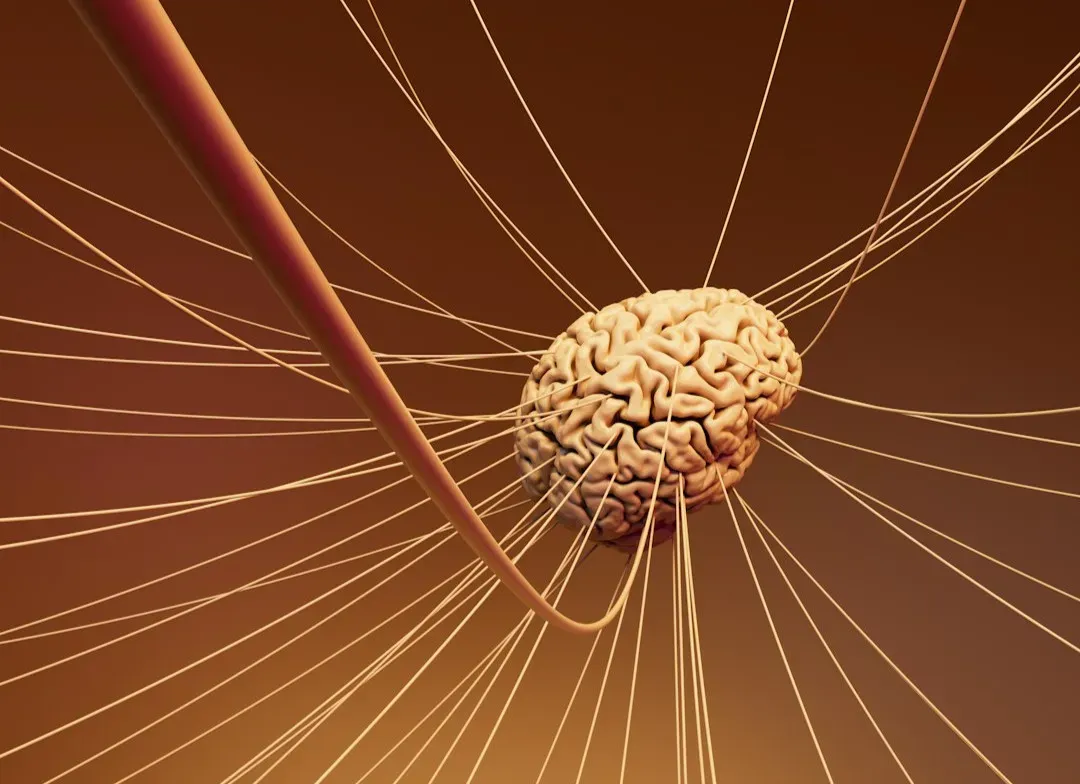
Modern brain imaging has finally started to explain why psychedelics like psilocybin and LSD can be so disruptive yet, in controlled settings, therapeutically promising. These drugs temporarily loosen the normal constraints of brain networks, especially in regions that act as central hubs for our sense of self, habits, and predictions. The result is a flood of unusual connections, vivid experiences, and, for some people, long-lasting shifts in mood or outlook after only one or two guided sessions.
Clinical trials have reported that, for certain patients, psychedelic-assisted therapy can alleviate treatment-resistant depression, end-of-life anxiety, and addiction with durability that’s rare in psychiatry. The idea that a carefully supported, intense brain state shift can rewrite entrenched patterns challenges our long-standing model of mental illness as something managed by daily pills alone. It forces us to take seriously the role of meaning, context, and deep subjective experience in changing the brain.
A Brain That’s Stranger – and More Hopeful – Than We Thought
Across all these breakthroughs, one thread keeps coming up: the brain is less static, less isolated, and less predictable than we once believed. It grows new cells, rewires memories, negotiates with microbes, shares patterns with AI, and can be nudged, decoded, and supported in ways that seemed impossible not long ago.
That can feel unsettling, because it suggests our sense of self is built on shifting ground, but it’s also deeply hopeful. If the brain is this flexible and this interconnected, then change – healing, learning, recovery, reinvention – is more possible than we used to think. Which of these shifts in how we see the brain surprised you most?