There are certain things in this world that photos simply cannot do justice. The Northern Lights are at the very top of that list. You can scroll through thousands of Instagram images, watch hours of YouTube footage, and still feel completely unprepared for the moment the sky above you starts to ripple and glow in curtains of green, violet, and crimson. It is, frankly, one of the most jaw-dropping things the natural world has ever managed to produce.
What makes the aurora borealis so endlessly fascinating is that it sits precisely at the crossroads of breathtaking beauty and genuinely mind-bending science. This is not just a pretty light show. It is the visible signature of a cosmic interaction playing out millions of miles away, a story that begins on the surface of the sun and ends directly above your head. So pull on a warm coat, look up, and let’s dive in.
What You’re Actually Looking At: The Physics Behind the Glow
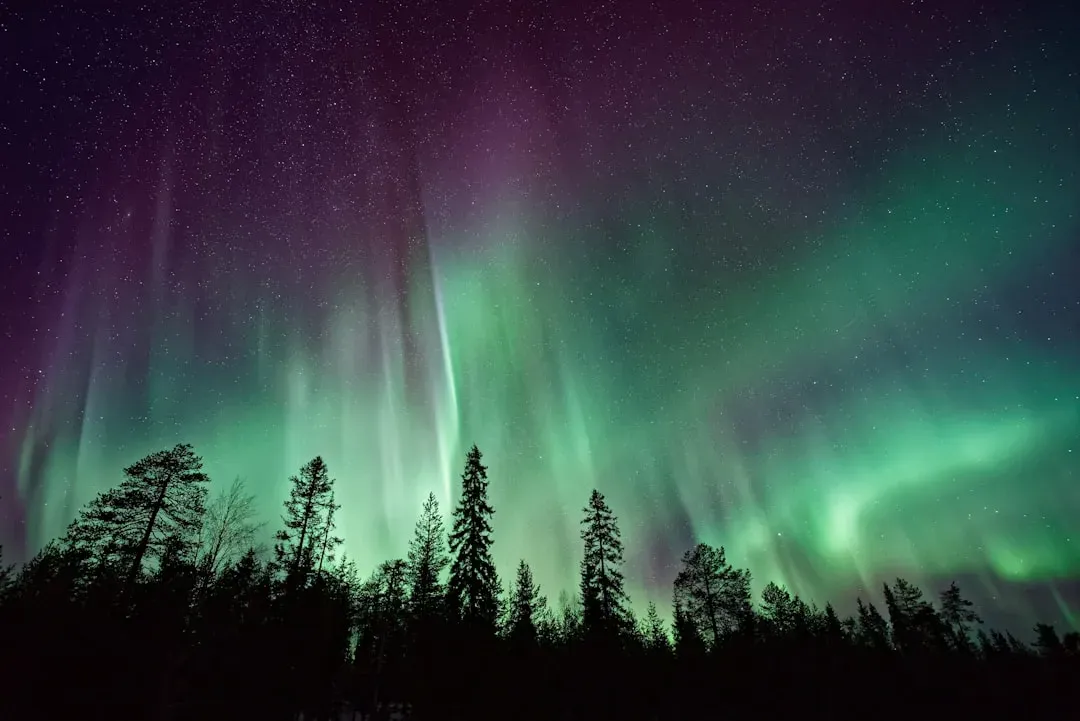
Let’s be real. Most people see the aurora and assume it is simply some kind of atmospheric magic. The actual explanation is both simpler and stranger than you might imagine. The aurora borealis is a luminous dance caused by solar particles colliding with Earth’s atmosphere, and guided by our planet’s magnetic field, these charged particles energize oxygen and nitrogen high above the poles. Think of it like a neon sign, except the tube is Earth’s entire upper atmosphere and the electricity is streaming in directly from space.
The solar maximum causes solar eruptions, and this increase of activity brings ions, or electrically charged particles, closer to Earth. This stream of particles is known as the solar wind. As solar winds get closer to Earth, the charged particles collide with gases in the Earth’s atmosphere. When they collide, light is emitted, and the light emits at various wavelengths, creating a colorful display throughout the night sky. It is, honestly, nothing short of cosmic alchemy.
Why the Colors Are So Different From Each Other
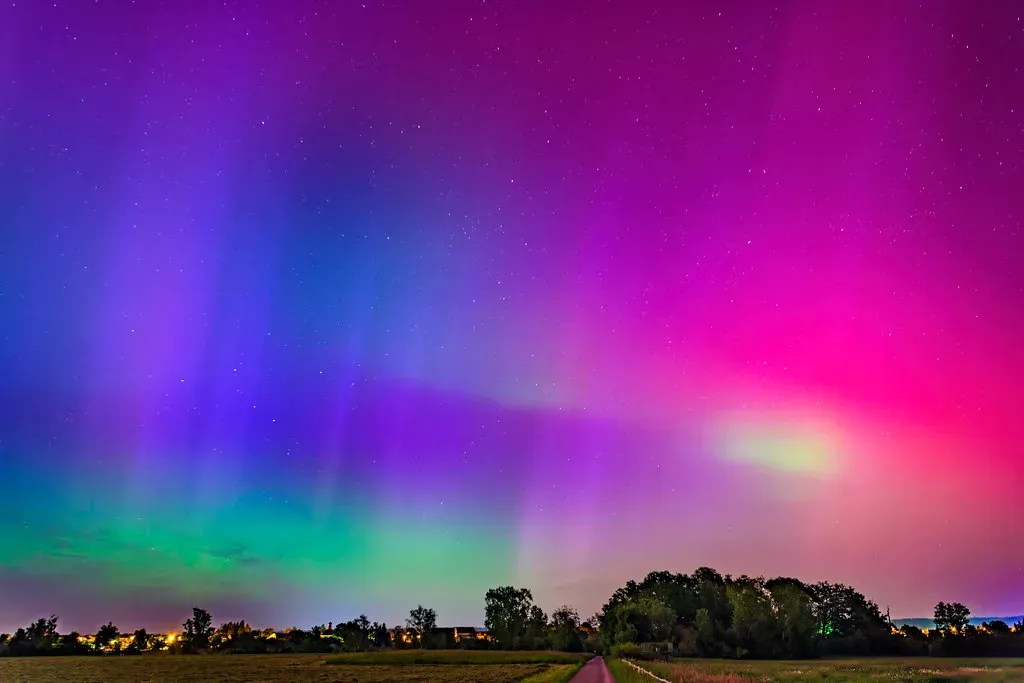
One of the most common questions people ask is why the aurora appears in so many different colors. The answer lies in chemistry, altitude, and the specific gases being energized at any given moment. The colors of an aurora come from atoms and molecules being energized by colliding with energetic particles in the upper atmosphere, and the most common color is green, which is produced when oxygen is excited by electrons around 60 miles above Earth’s surface.
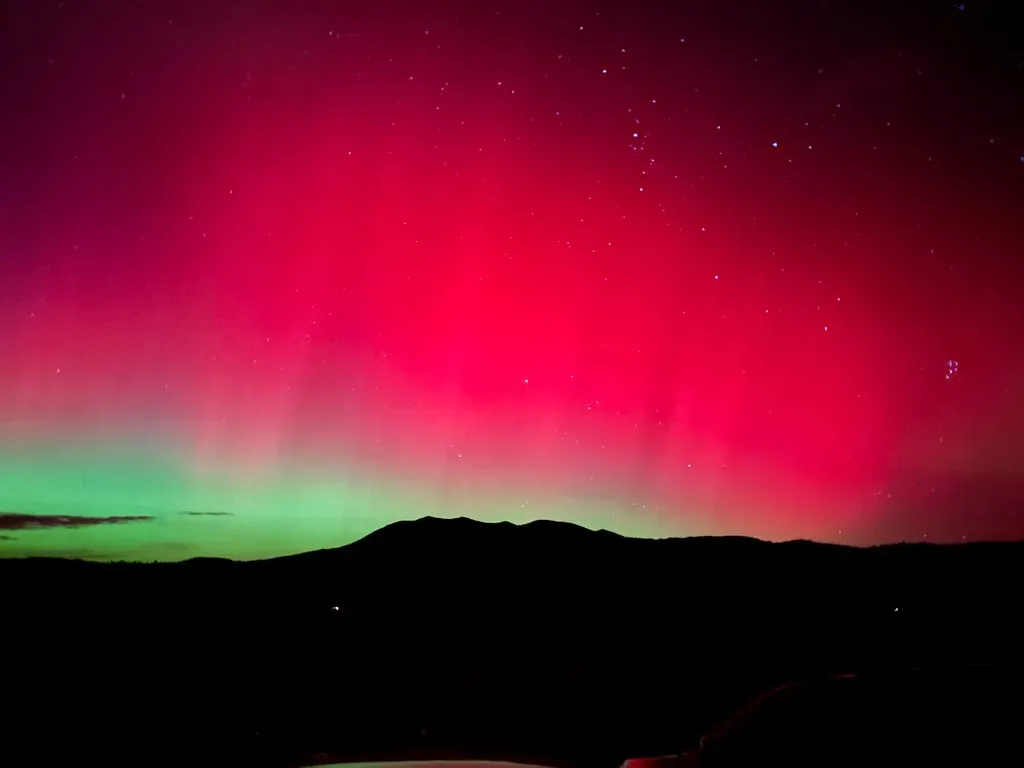
Red is most commonly associated with some really intense solar activity. Oxygen is less concentrated at higher altitudes, meaning it moves more vigorously than oxygen elsewhere, resulting in the red colours. Blue and purple shades occur rarely and are dependent on very high solar activity. So when you see a rare red or violet aurora blazing overhead, you are witnessing the sun at its most furiously active. That is not something to take lightly.
The Solar Cycle: Why Right Now Is an Extraordinary Time to Look Up
Here is a piece of information that should genuinely change your travel plans if you have been sitting on the fence about an aurora trip. We’re in the middle of solar maximum, the most active phase of the sun’s 11-year cycle, which means more frequent, brighter, and farther-reaching northern lights displays through at least 2026. The timing, in short, could not be better.
Solar scientists now believe that Solar Cycle 25, the one we’re in right now, will have a double peak, extending the window for aurora activity well into 2026. In other words: more time, more power, more Northern Lights. Think of the sun as a performer delivering not one but two encores. After the current solar maximum, the next one won’t be until 2036. If that number doesn’t motivate you, nothing will.
When Storms Collide: Cannibal CMEs and Extreme Aurora Events
You might think a geomagnetic storm sounds alarming, and honestly, in the context of aurora chasing, it is the most exciting thing that can happen to you. A geomagnetic storm happens when charged particles from the sun’s atmosphere interact with the Earth’s magnetic field. In addition to creating dazzling displays of color, such storms can disrupt technology on Earth, from satellites and GPS to radio communications and the power grid. So yes, there is a genuinely wild side to this phenomenon.
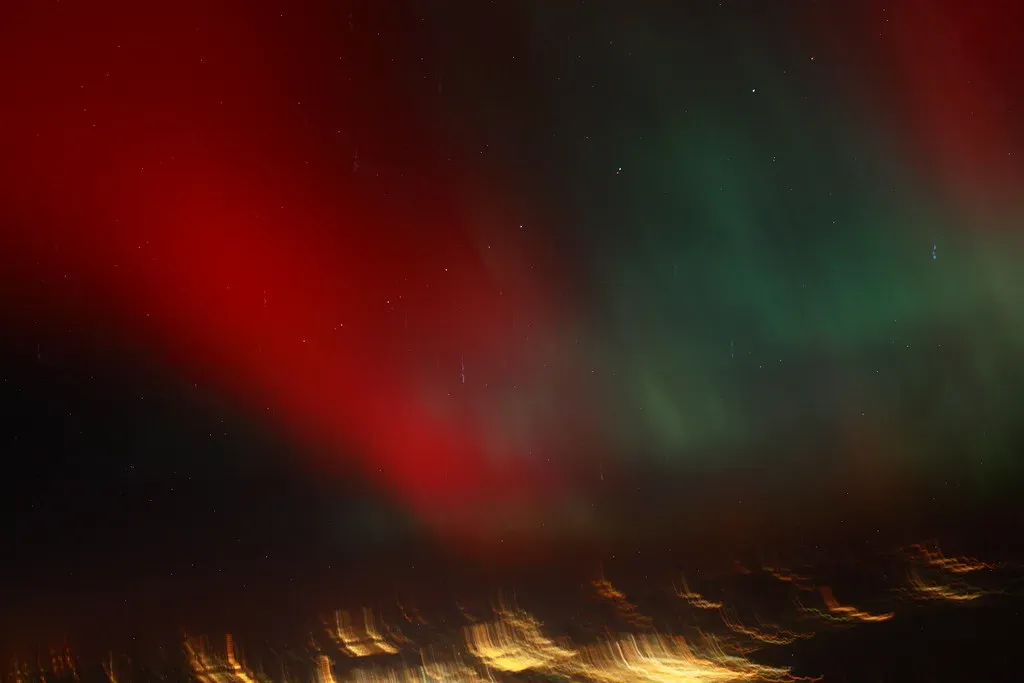
Several so-called ‘cannibal’ storms have reached the Earth in recent years, resulting in particularly good aurora borealis conditions. When one solar storm catches up with another, it can ‘eat’ it up – hence the term ‘cannibal storm’. When this phenomenon occurs, solar storms gather into a gas cloud that is more powerful than the storms were individually. The gas cloud drags a magnetic field from the sun, which eventually hits the Earth’s magnetic field and creates beautiful colours across the sky. The universe’s way of saying go outside.
Ancient Myths and the Stories That Tried to Explain the Unexplainable
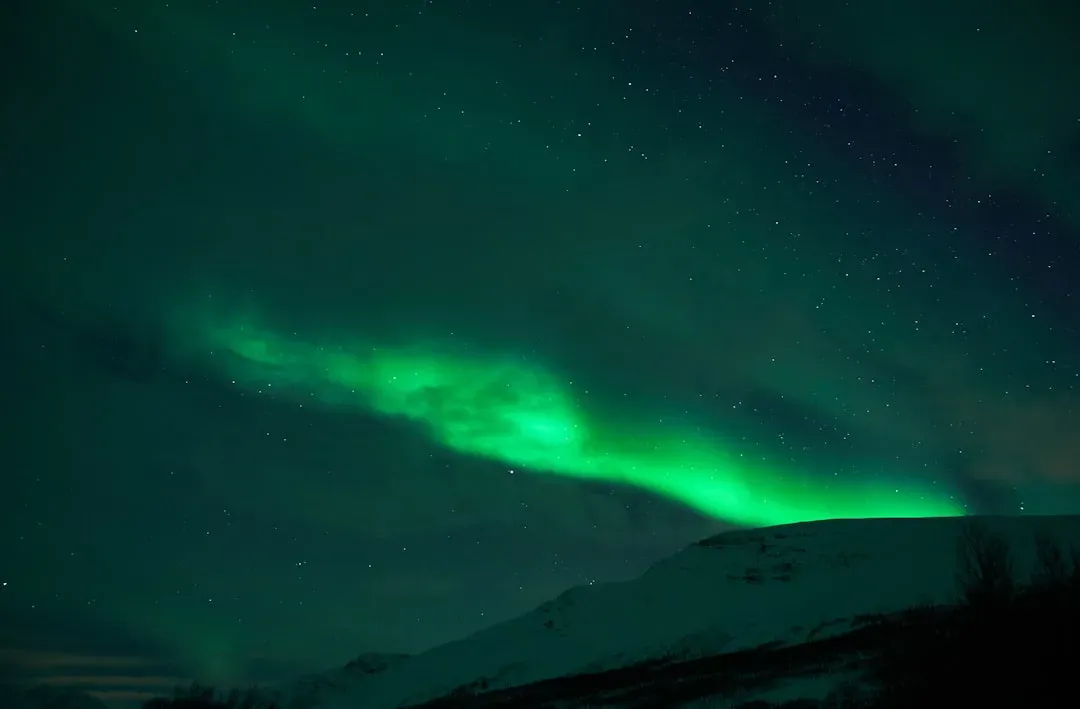
Before science came along with its very satisfying explanations, ancient cultures looked up at the shifting sky and built entire mythologies around what they saw. I think that is one of the most human things imaginable. According to Norse mythology, the aurora borealis was thought to be the shining armor of Valkyries, mystical female figures who selected fallen warriors for the afterlife. Staring at rippling green curtains of light on a cold night, that story makes a strange kind of sense.
In Finland, the Northern Lights are known as ‘revontulet’, which can be literally translated as ‘fire fox’. The name comes from the myth that Arctic foxes were responsible for creating the aurora. They would run through the sky so fast that when their large, furry tails brushed against the mountains, they created sparks that lit up the sky. Meanwhile, in Sami mythology, the northern lights are caused by the deceased who bled to death cutting themselves, their blood spilling on the sky. Cultures that lived beneath this sky every winter had no shortage of dramatic explanations.
The Best Places on Earth to Chase the Aurora
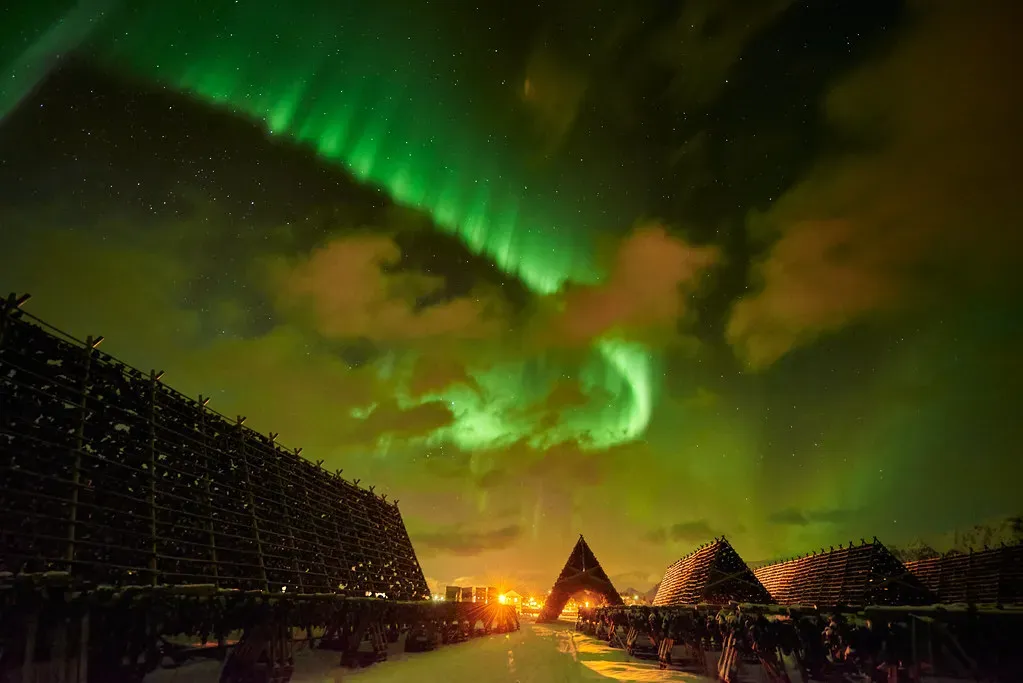
Not all aurora viewing experiences are created equal. Your latitude matters enormously, as does cloud cover, light pollution, and sheer luck. The northern lights are most commonly seen at high northern latitudes located beneath the auroral oval, a shifting ring around the magnetic pole that typically crosses through Alaska, northern Canada, southern Greenland, Iceland, and northern Norway. You can think of it like aurora real estate, and those are the most desirable postcodes on the planet.
Located directly under the auroral oval in central Alaska, Fairbanks is one of the best places on Earth to see the northern lights, with consistent activity and a long aurora season from August to April, dark skies and minimal light pollution. Over in Scandinavia, Tromsø is the Gateway to the Arctic, and its accessibility, vibrant city life, and surrounding wilderness make it an ideal base for aurora chasers. The choice of destination genuinely shapes the entire experience.
Timing Is Everything: When to Step Outside
You wouldn’t show up to a concert three hours before doors open and expect the headliner to be performing. The same logic applies to aurora hunting. Getting your timing right dramatically increases your chances of seeing something spectacular. The best aurora is usually within an hour or two of midnight, between 10 PM and 2 AM local time, and these hours of active aurora expand towards evening and morning as the level of geomagnetic activity increases.
Beyond the nightly window, the seasons matter just as much. The best seasons for aurora watching are around the spring and fall equinoxes. Due to subtleties in the way the solar wind interacts with Earth’s magnetosphere, there is a tendency towards larger geomagnetic storms, and thus better auroras, to occur near the equinoxes. New moon periods and minimal light pollution significantly improve visibility of faint aurora, so keep an eye on the lunar calendar alongside the space weather forecast.
How to Photograph the Northern Lights Like a Pro
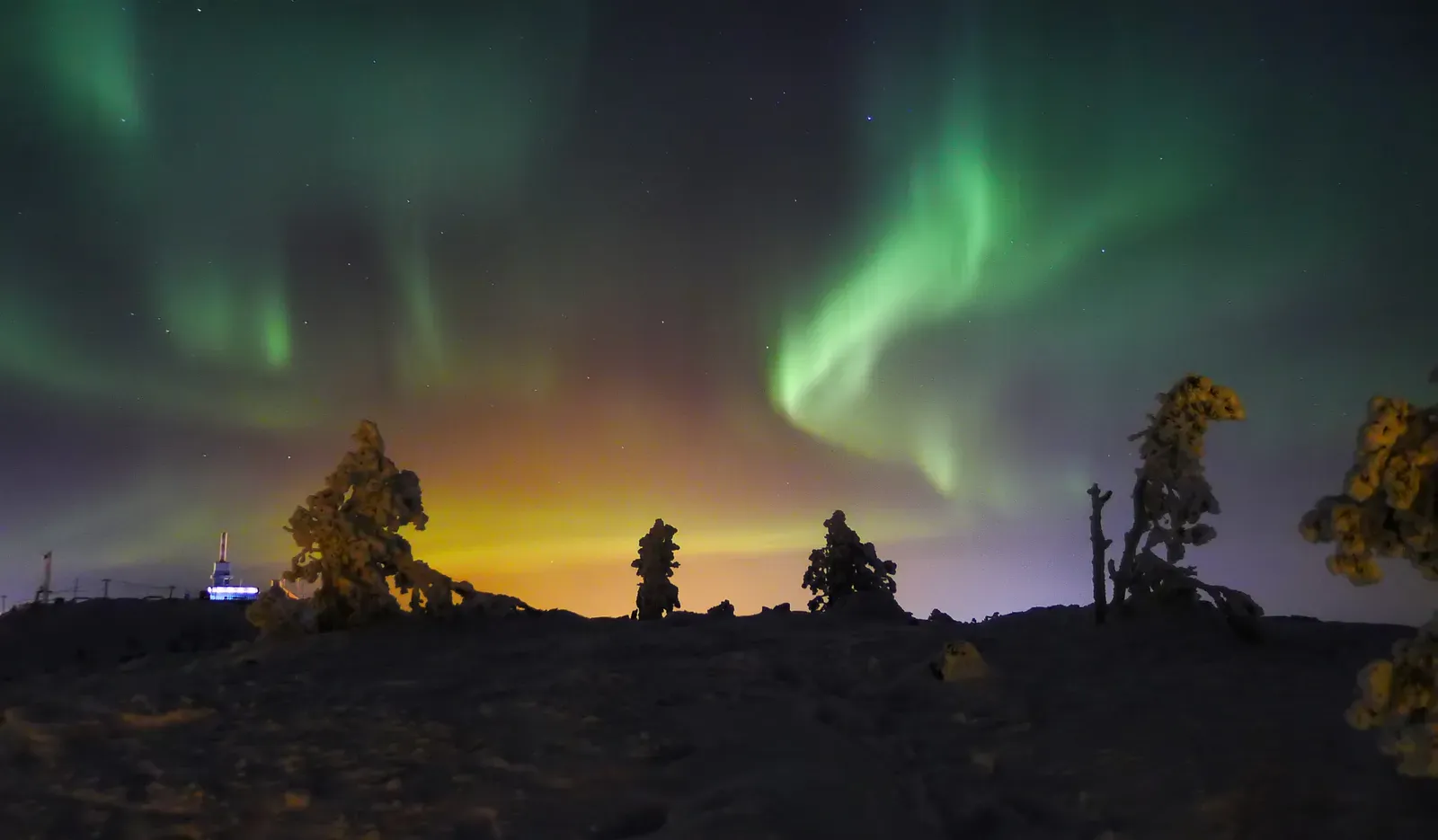
You’ve made the trip. You’re standing in a frozen field somewhere above the Arctic Circle. The sky is alive. Now what? The good news is that capturing a great aurora photo doesn’t require a degree in astrophysics, but it does require a few deliberate settings. The best settings to photograph the Northern Lights are aperture f/2.8, ISO 3200 to 8000, and a shutter speed of 1 to 12 seconds.
Cameras are far more sensitive to light than the human eye and will often capture colors and shapes you cannot see. This can sometimes result in unexpectedly spectacular photographs. One critical tip that is easy to forget: set your focus on the farthest possible point, or “focus to infinity,” and it’s best to set the focus during daylight and mark the correct lens position, instead of fumbling with your lens in the dark. Always bring a tripod. Your hands will be cold, and your photos will thank you for it.
NASA Is Still Unlocking the Aurora’s Deepest Secrets
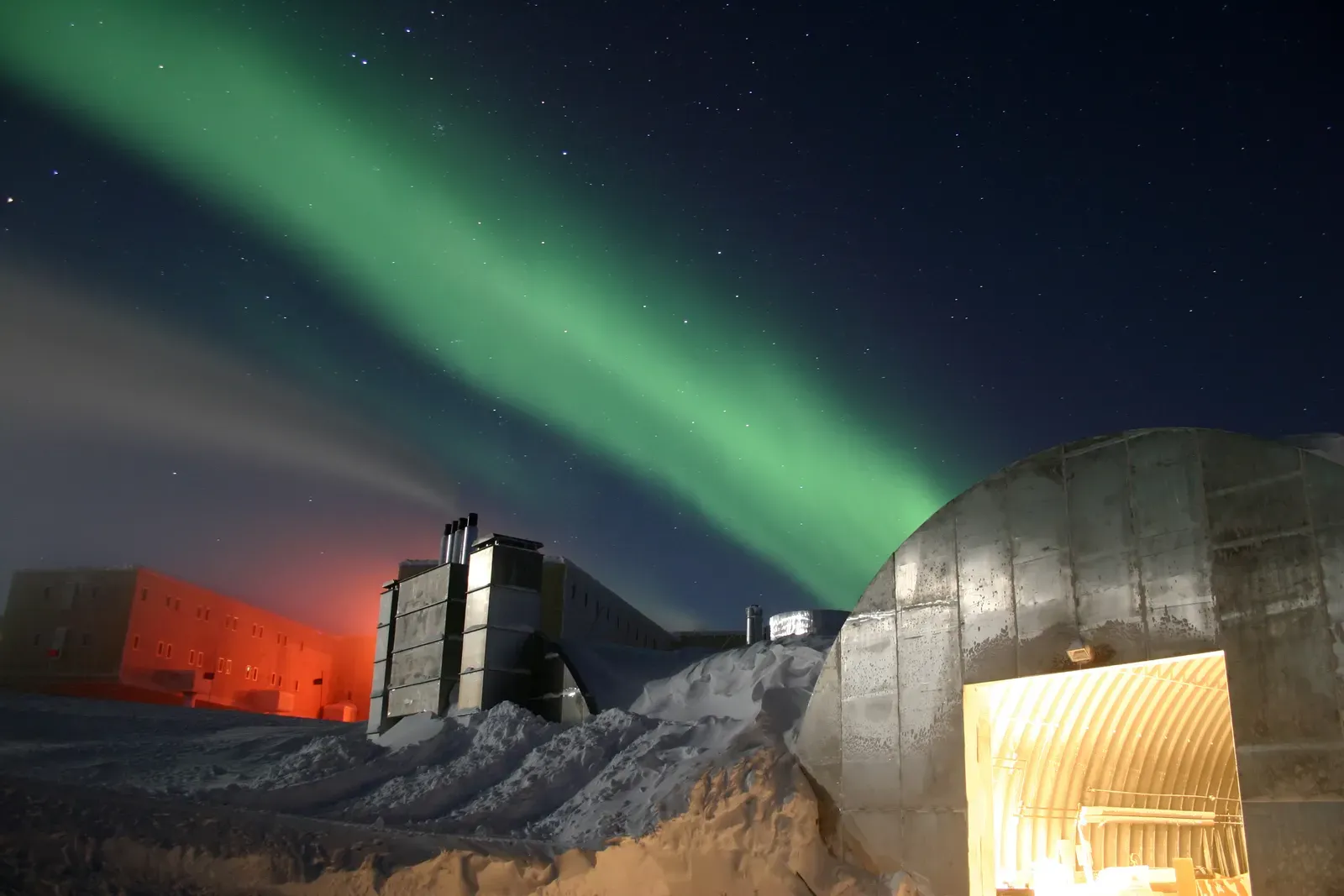
Even in 2026, with everything science has discovered about the aurora, researchers are still actively probing its mysteries. The lights that ancient peoples regarded as gods or spirits continue to reveal new surprises to the scientists who study them. NASA has pulled off a high-flying aurora investigation, launching three rockets into the glowing northern lights over Alaska. One mission targeted mysterious dark patches called black auroras, while the twin GNEISS rockets created a 3D scan of the aurora’s electrical currents. All rockets reached their planned altitudes and returned strong data, providing an unprecedented look at how these dazzling light shows are wired from space to sky.
In February 2026, a minor geomagnetic storm produced a striking display of light swirling across northern skies. The VIIRS instrument on the Suomi NPP satellite acquired images, and a vivid display of the aurora lit up skies over the Denmark Strait and eastern Canada during the storm. NASA’s EZIE satellite mission, launched in March 2025, measures auroral electrical currents from orbit. By combining satellite observations, ground imagery, and direct measurements from sounding rockets, scientists can examine the system from multiple angles at once. The more we learn, the more astonishing this natural phenomenon becomes.
Conclusion: A Light Show Worth Every Degree of Cold
There is a reason that seeing the Northern Lights sits near the top of nearly every bucket list on the planet. It is one of those rare experiences where reality genuinely exceeds expectation, where you stand there with your mouth open wondering how something so enormous and alive can exist just above your head every single night.
The science behind the aurora is, if anything, even more staggering than the mythology it replaced. A star 93 million miles away is painting the sky above you in real time. You are watching the sun’s energy collide with Earth’s invisible magnetic shield, translated into green fire and violet ribbons. And right now, in 2026, the conditions for witnessing it are better than they have been in over two decades. The window will not stay open forever. So the real question is: what exactly are you waiting for? Share your aurora experience or dream destination in the comments below.