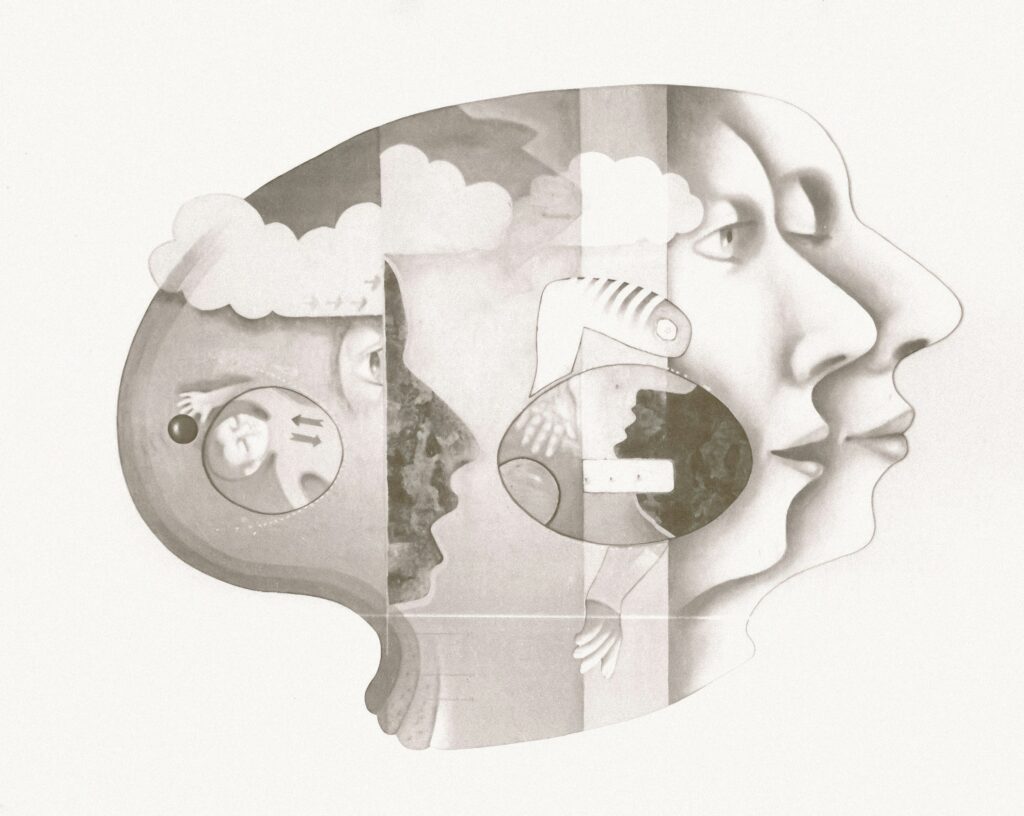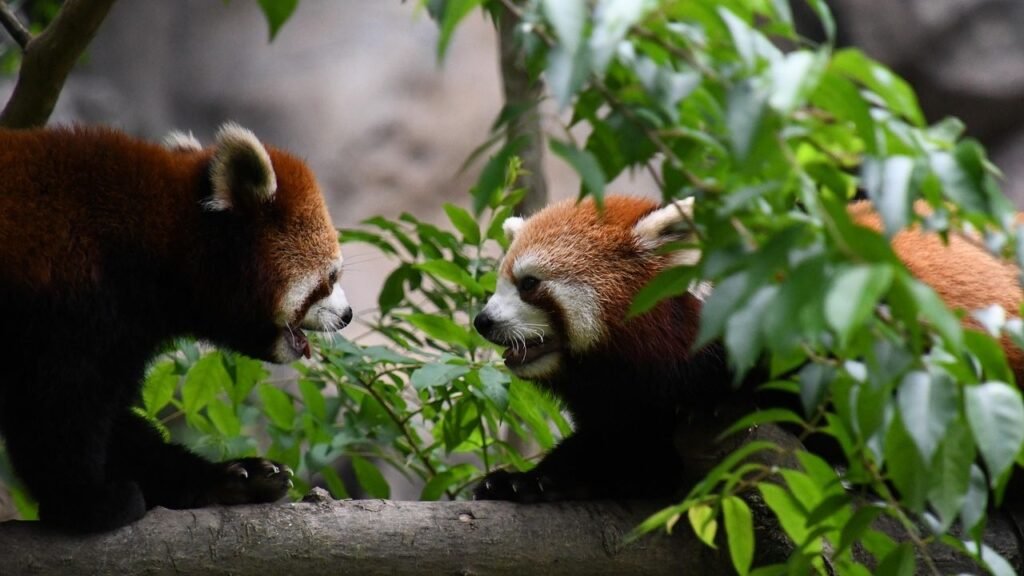
Walk outside for a moment and listen. The frantic chatter of birds, the low rumble of a passing dog, the almost musical buzzing of insects – for most of human history, this all blended into background noise. But in the last few years, scientists have started to realize something quietly staggering: a lot of that “noise” is structured, meaningful, and sometimes shockingly complex. We are surrounded by conversations we barely understand.
In the labs, forests, oceans, and even in our own living rooms, researchers are decoding these non-human languages with tools that didn’t exist a decade ago. Artificial intelligence is picking out patterns that human ears could never detect, long-term field studies are rewriting what we thought animals could do, and old assumptions about human uniqueness are starting to crack. Piece by piece, we’re beginning to ask a daring question: what if animals have been saying far more than we ever knew?
The Surprising Complexity of Animal “Languages”
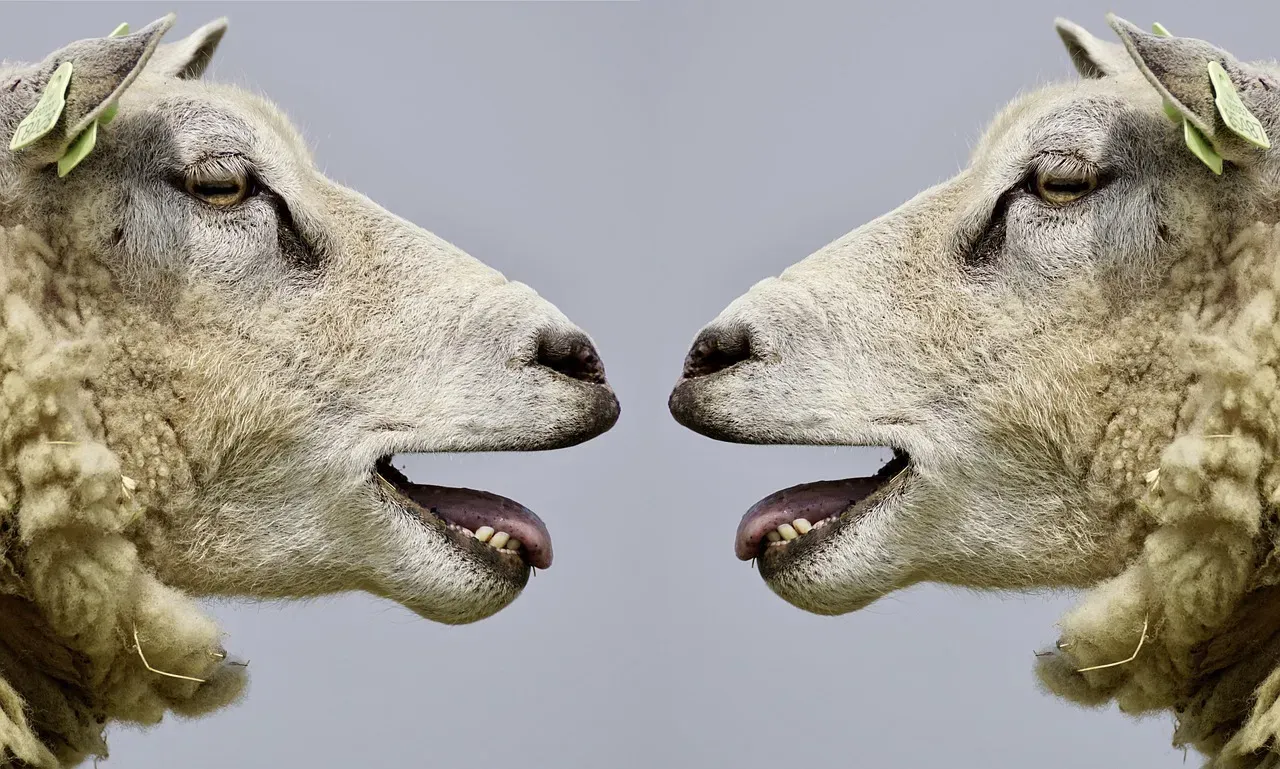
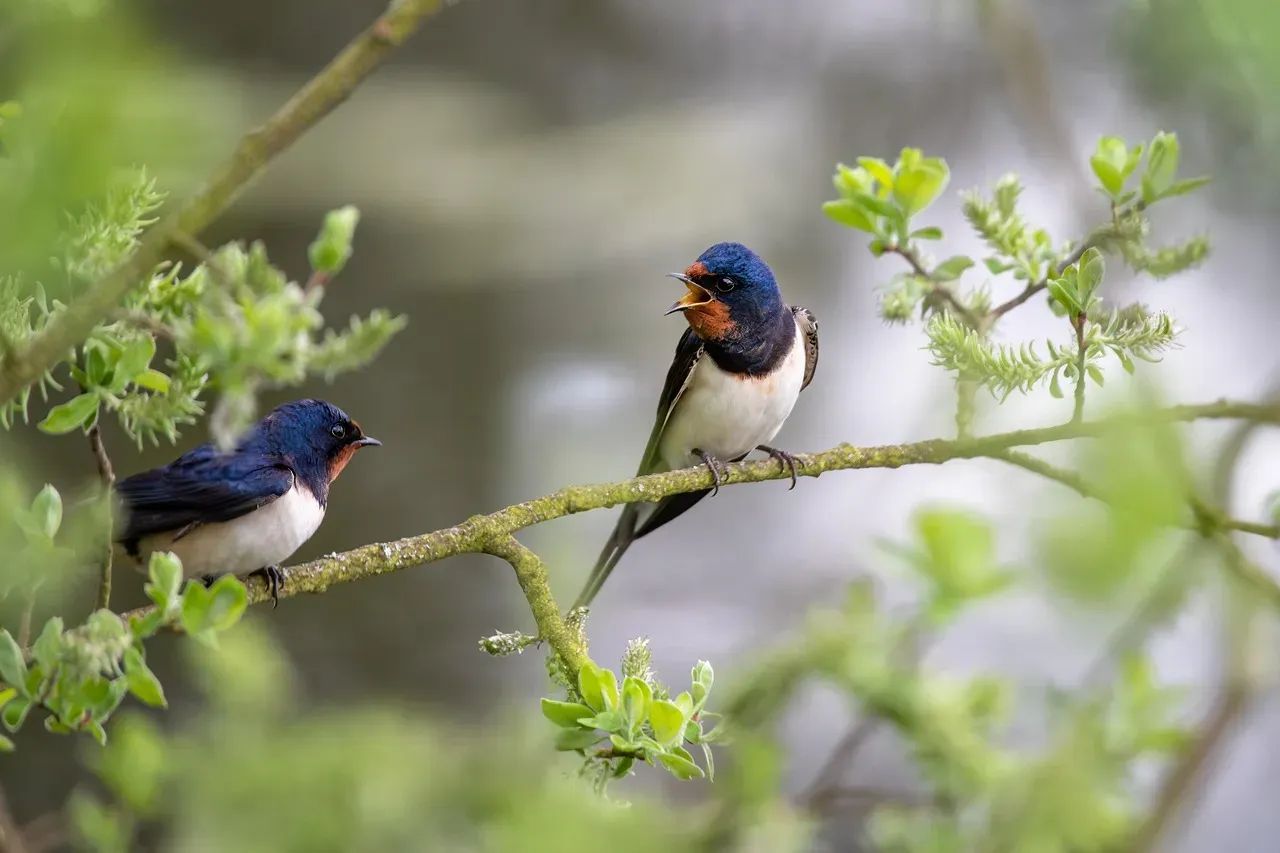
One of the most shocking discoveries of the last few decades is that many animals don’t just make random noises; they combine sounds in ways that resemble simple grammar. Songbirds, for example, arrange their notes in sequences, and changing the order can change the message, a bit like moving words around in a sentence. Some primates have different calls for specific predators, and when they combine those calls with other sounds, the meaning shifts in surprisingly precise ways. It’s not on the level of human language, but it’s not primitive grunting either.
Researchers studying prairie dogs found that their warning calls can encode details such as predator type, size, and even color, suggesting a richness we once thought impossible for small rodents. Dolphins use individual whistles that function somewhat like names, and elephants combine low-frequency rumbles with body posture and touch to build nuanced social conversations. The more we look, the more we find rules, patterns, and context shaping animal signals. It’s like suddenly realizing that what you thought was static on the radio is actually a foreign station you never learned to tune into.
How AI Is Helping Decode Animal Conversations
Until recently, a huge barrier to understanding animal communication was sheer volume: hours upon hours of recordings from forests, oceans, and fields that no human could fully process. Now, artificial intelligence is changing the game by scanning vast audio libraries for recurring patterns, subtle structures, and context-based changes that humans would easily miss. Machine learning models can cluster similar calls, detect variations tied to behavior, and even predict what an animal might do next based on sound alone. That’s not science fiction; it’s happening right now across research projects around the world.
For example, AI tools are being used to analyze sperm whale click patterns, known as codas, in an effort to see if there’s something like a rule-based system beneath the surface. Similar efforts are underway with birds, bats, and even insects, where incredibly fast or high-pitched sounds are far beyond the natural limits of human perception. A lot of this work is still in early stages, and scientists are careful not to claim they’ve “translated” an animal language. But the fact that algorithms can detect structure and context where we once heard randomness suggests that these communication systems are far richer than we imagined.
What Animals Are Actually Saying: Warnings, Names, and Negotiations
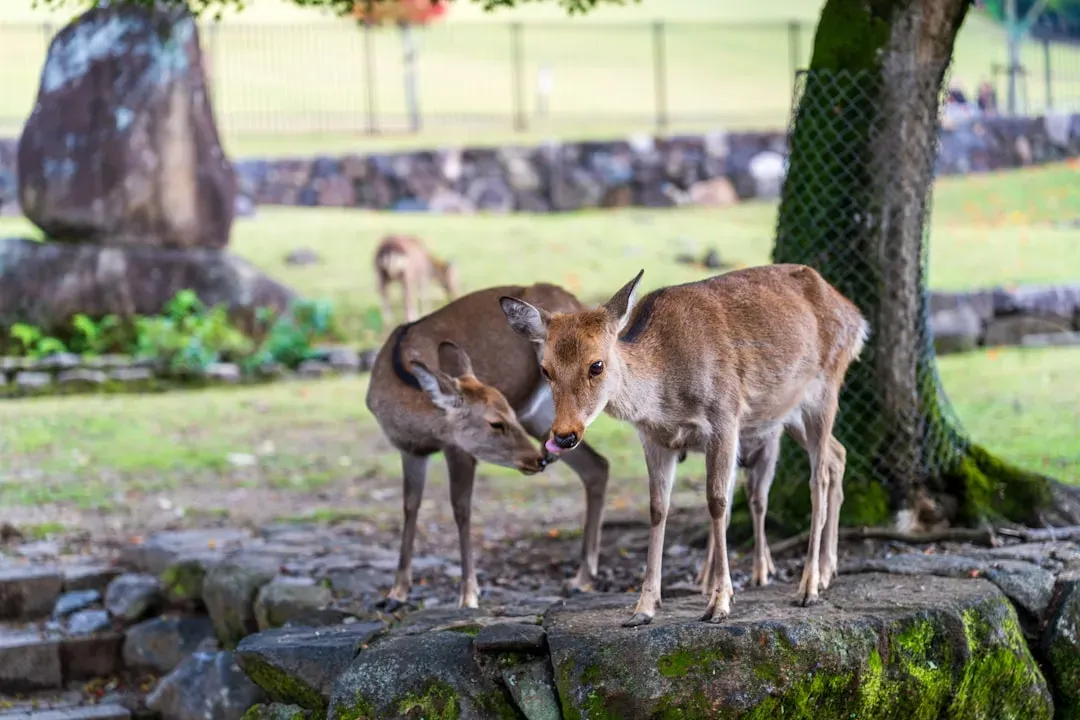
When researchers start decoding animal signals, certain themes appear again and again. Danger is one of the most common topics: many species have distinct alarm calls for different threats, like hawks versus snakes, and group members react accordingly without needing to see the danger themselves. Some primates essentially shout “look up” or “watch the ground,” changing the group’s behavior in seconds. Even chickens use different calls depending on whether a predator is in the air or on the ground, guiding how other birds respond.
But it’s not all about survival in the strict sense. Social life takes up a lot of communicative bandwidth: dolphins use signature whistles that behave a lot like names, elephants greet each other with unique rumbles and tactile signals, and ravens engage in vocal back-and-forths that seem to mediate cooperation and conflict. Even in fish and insects, scientists are finding signals involved in courting, territory disputes, and coordination of group movements. It turns out that many animals are not just broadcasting raw emotion; they’re negotiating, coordinating, and sometimes even persuading, in ways that sound surprisingly familiar if you listen closely.
Beyond Sounds: Body Language, Smell, and Silent Signals
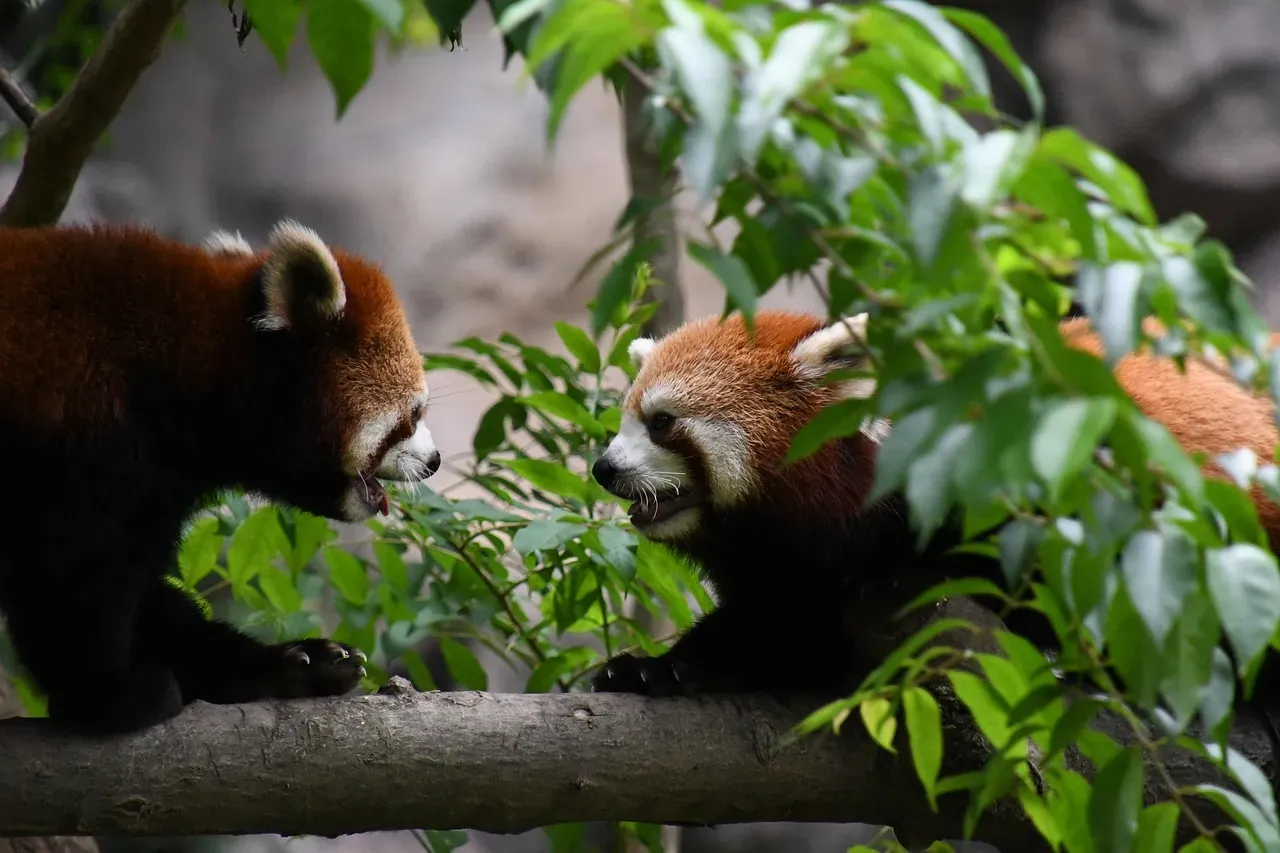
Focusing only on sounds can be misleading, because a huge chunk of animal communication is silent to us. Think of a dog that stiffens its body before growling, or a cat that flicks its tail in irritation long before it hisses. For many species, posture, facial expression, color changes, and tiny movements carry messages as clearly as any call or bark. Horses, for instance, use ear position, eye direction, and slight shifts in weight to tell others where to move or when to back off. Primates rely heavily on glances and subtle gestures that humans often overlook.
On top of that, entire communication networks exist in scent, which we’re poorly equipped to detect. Ants leave chemical trails that tell others exactly where to go and what to expect, while mammals from wolves to mice use scent marks to broadcast territory, reproductive status, and identity. Even fish can communicate stress, readiness to mate, or group membership through chemical signals dissolved in water. When you step back and view sound, sight, and smell together, what animals are “saying” becomes less like a single language and more like a multi-channel broadcast, with each signal reinforcing or modifying the others.
Do Pets Really Understand Us – And Do We Understand Them?

Anyone who’s lived with a dog or cat has probably had a moment of genuine shock at how well they seem to “get” what we’re saying. While it’s easy to over-interpret, research backs up the idea that many companion animals learn to understand a surprising number of human words, tones, and gestures. Some dogs can memorize the names of dozens or even hundreds of objects, and they use this knowledge flexibly, not just as a trick. Cats tend to be more subtle, but experiments show they can recognize their names and distinguish their owners’ voices from strangers, even if they pretend not to care.
On the flip side, humans are finally getting better at reading pet communication beyond the obvious bark or meow. Studies have mapped how dog tail wag direction can signal positive or negative feelings, and how specific cat vocalizations and ear positions correlate with stress, contentment, or anticipation. There are projects using AI to analyze pet sounds to distinguish, for example, between a dog’s playful bark and a distressed one. Living with animals has become a kind of long-running, informal language class, and it’s slowly teaching us that our pets are not just reacting; they’re expressing, requesting, and sometimes complaining in their own languages.
The Moral Question: If Animals Have Rich Communication, What Do We Owe Them?
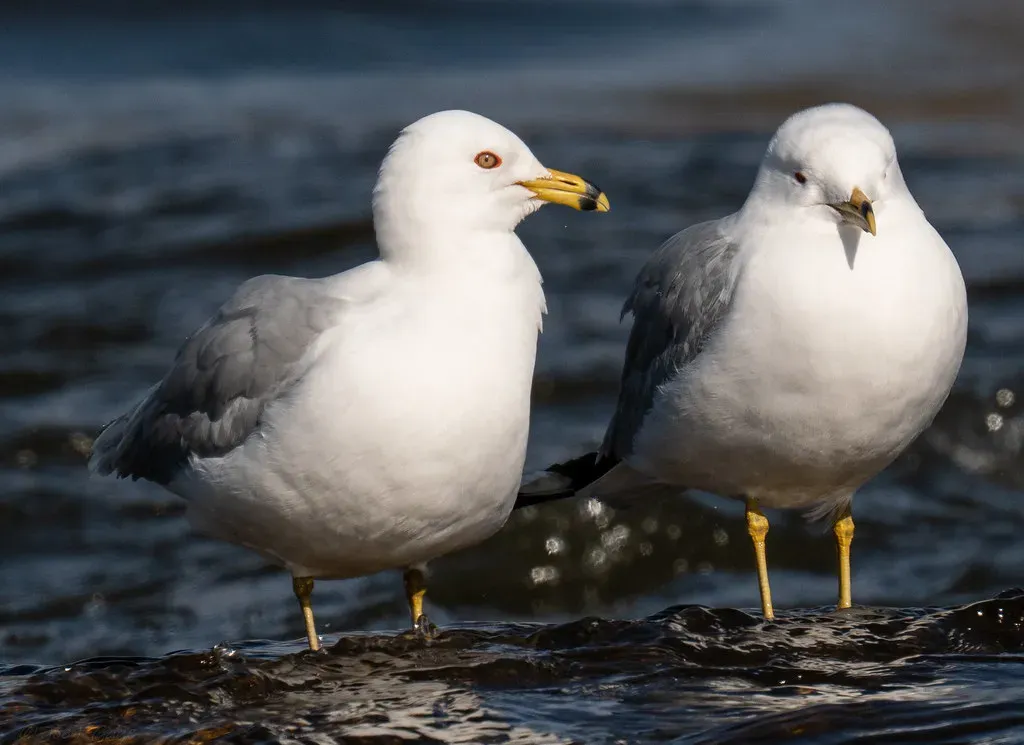
As evidence piles up that many animals have complex ways of exchanging information and perhaps even sharing experiences, uncomfortable ethical questions start to surface. If whales have culturally distinct dialects and pass on vocal traditions across generations, what does that mean for loud human activity in the ocean that drowns out their calls. If farm animals use specific sounds and body signals to show fear, distress, or contentment, can we really ignore those signals in how we house and handle them. The idea that animals are “mute” or “simple” has quietly made it easier to treat them as objects instead of as beings with their own perspectives.
Understanding their communication doesn’t suddenly turn animals into humans, and most scientists are careful not to overstate what we know. But once you realize that many species are constantly signaling their needs, warnings, and social bonds, it becomes harder to shrug off their experience as a blank. Better knowledge of animal communication could guide more humane farming, improve conservation practices, and shape laws about noise pollution and habitat protection. It’s not just about curiosity; it forces us to decide whether we choose to listen to what other creatures are clearly trying to say.
Where This Research Is Heading Next
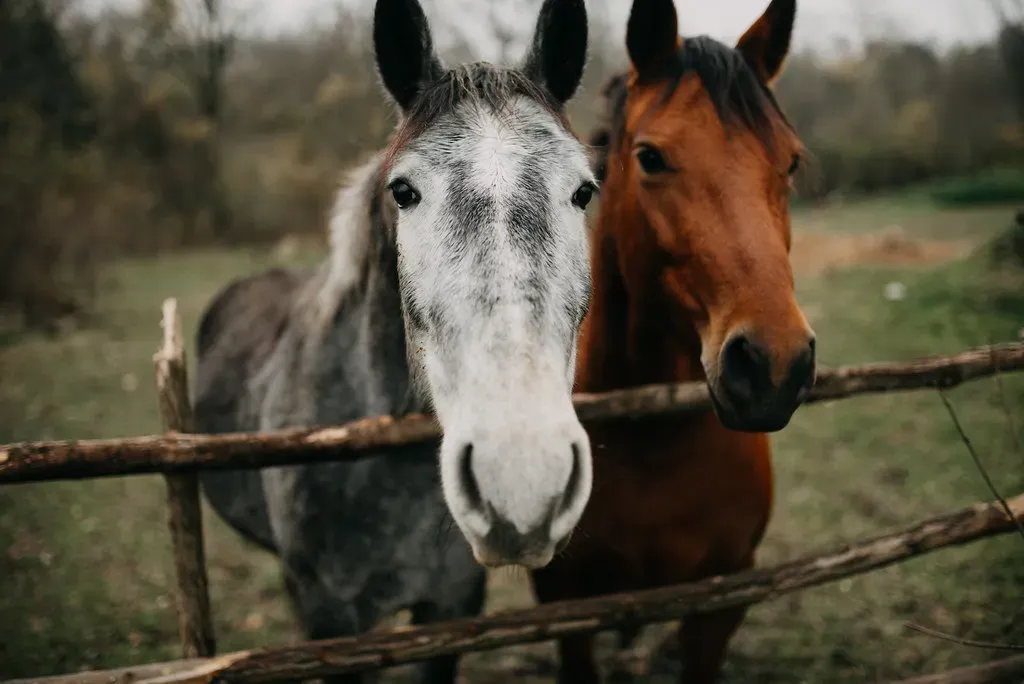
The next phase of animal communication research is moving from “can we detect patterns” to “can we interact meaningfully.” Some projects are experimenting with playing synthesized versions of animal calls back to them and measuring how behavior changes, almost like trying simple phrases in a new language and watching how people respond. Others are building long-term, non-invasive recording systems that track the sounds and signals of entire communities over years, not just during quick field trips. This kind of time scale is crucial for understanding how communication shifts with seasons, climate, social changes, and human interference.
There’s also growing interest in creating shared interfaces, such as wearable devices for pets that translate certain signals into alerts for humans, or tools that allow farmers to monitor the emotional state of livestock through sound and behavior analysis. None of this means we’re on the verge of chatting fluently with whales or arguing philosophy with parrots. But each small breakthrough chips away at the silence that once separated us from the rest of the animal world. The real transformation may not be that we finally “talk” with animals, but that we finally admit they’ve been talking all along.