Have you ever stared up at the night sky and felt that mix of wonder and unease wash over you? Space has this funny way of making us feel ridiculously small and yet deeply curious at the same time. The thing is, the more we discover about the cosmos, the weirder it gets.
Sure, you might think you know a thing or two about what’s out there. Maybe you’ve heard about black holes or distant galaxies. Still, what scientists have found recently goes way beyond anything most of us learned in school. We’re talking about objects and phenomena that sound more like science fiction than science fact. So buckle up, because the universe is about to blow your mind in ways you never expected.
All the Planets in Our Solar System Could Fit Between Earth and the Moon
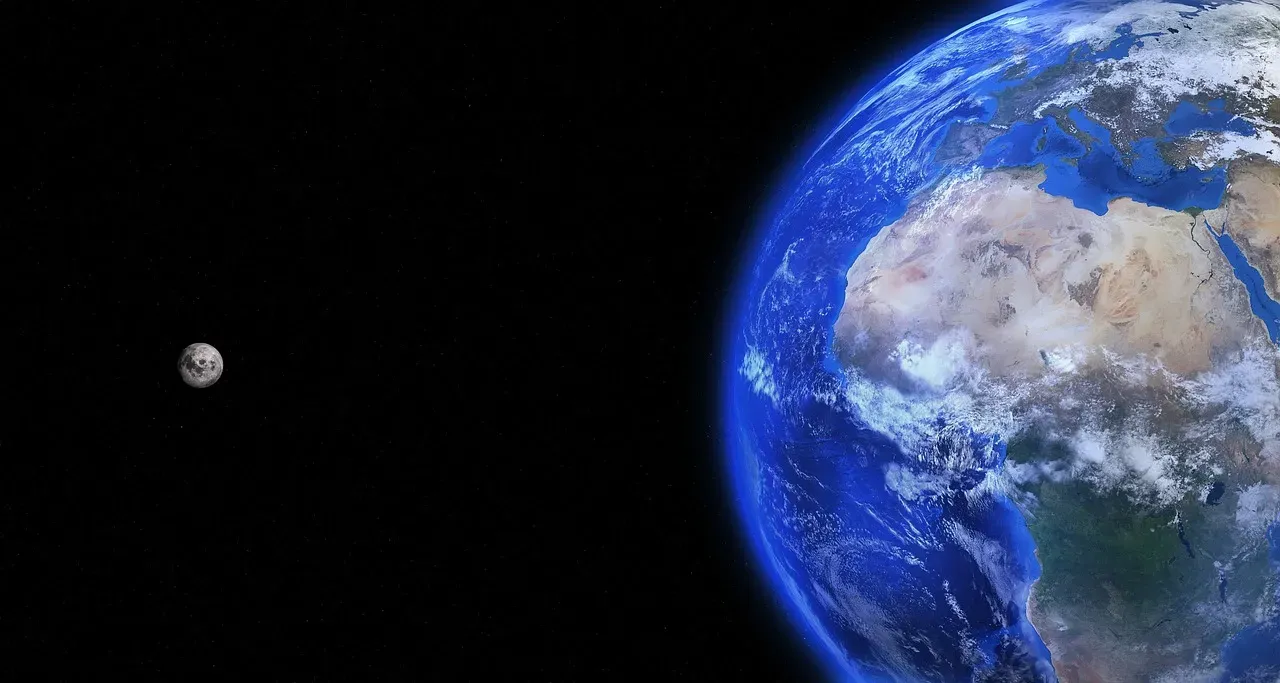
If you took all the other planets in the solar system, you could pack them tightly between Earth and the moon. Sounds impossible, right? I mean, Jupiter alone is massive. The trick here is that space is absurdly empty, and distances are way bigger than we typically imagine.
The average distance is 384,400 km or 238,555 miles, and the diameter of the seven remaining planets added together would leave 8,030 km or 4,990 miles to spare. It’s a relatively tight fit when you think about it. This really makes you appreciate just how vast the distances between celestial bodies actually are, even within our own cosmic neighborhood.
There’s a Giant Cloud of Alcohol Floating in Space
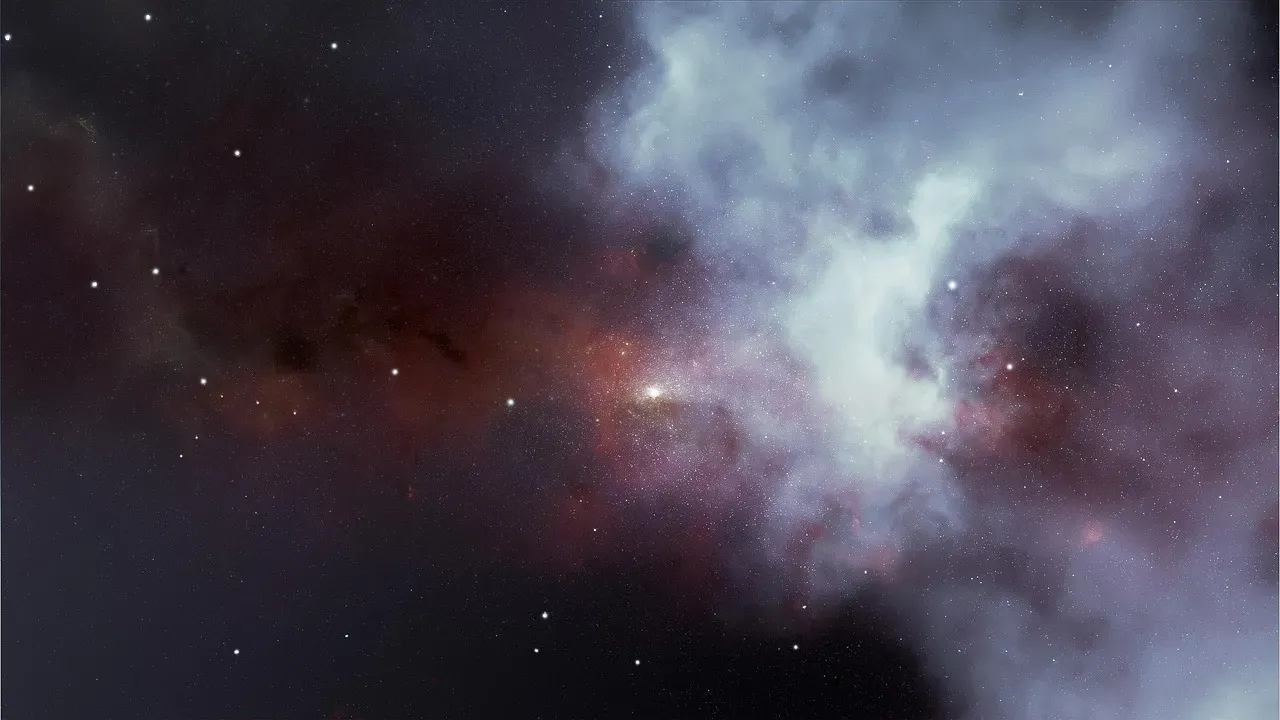
Here’s something that sounds straight out of a party planner’s dream. There’s a giant gas cloud in space with enough alcohol to make 400 trillion trillion pints of beer. Yes, you read that correctly. We’re talking about an unimaginable amount of booze drifting through the cosmos.
This massive cloud is made up of methanol and ethanol, among other compounds. Before you start planning an interstellar pub crawl, though, remember it’s also mixed with all sorts of other chemicals that would make it completely undrinkable. The universe has a sense of humor, apparently. It teases us with cosmic cocktails we can never actually enjoy.
Neutron Stars Spin Faster Than Your Kitchen Blender
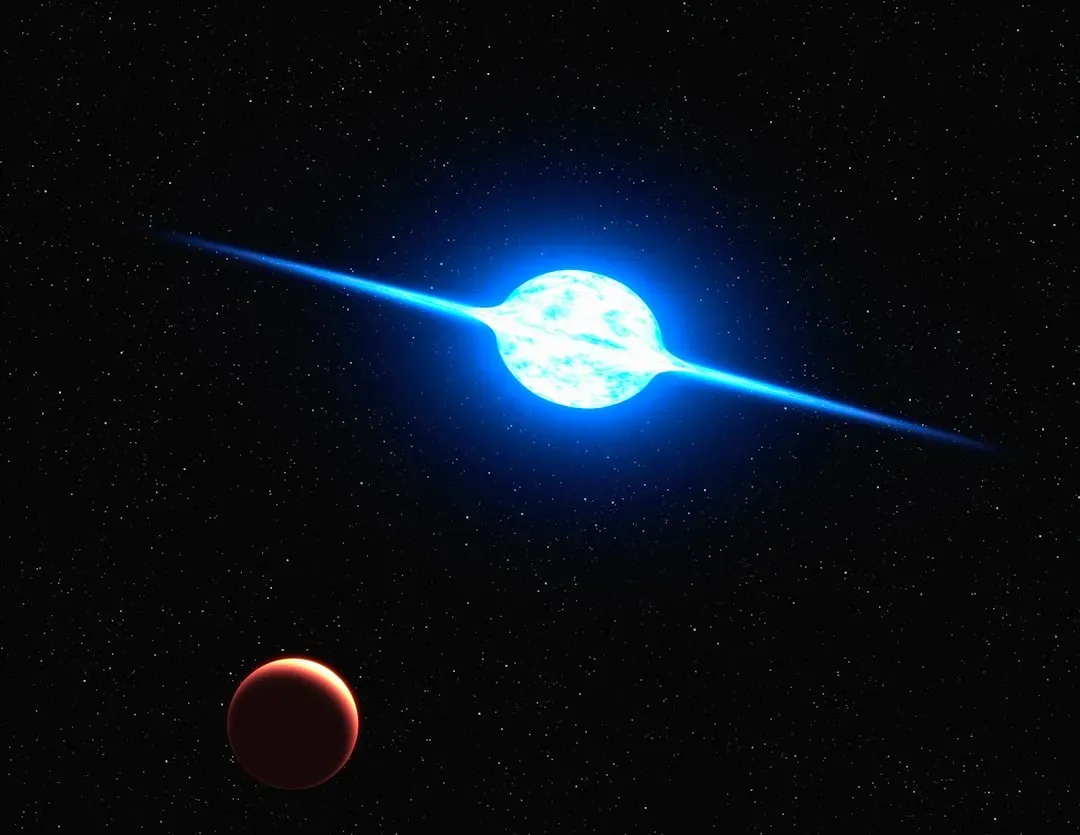
Neutron stars spin 600 times per second – faster than a blender. Let that sink in for a moment. These incredibly dense remnants of dead stars rotate at speeds that are almost incomprehensible. One rotation happens in less time than it takes you to blink.
Just a teaspoonful of neutron star would weigh over a trillion kilograms. That’s more than the entire human population combined. Imagine something so dense that a single teaspoon of it outweighs every person on Earth. Neutron stars aren’t just fast, they’re ridiculously heavy too. They’re like nature’s way of showing off.
A Diamond Planet Actually Exists
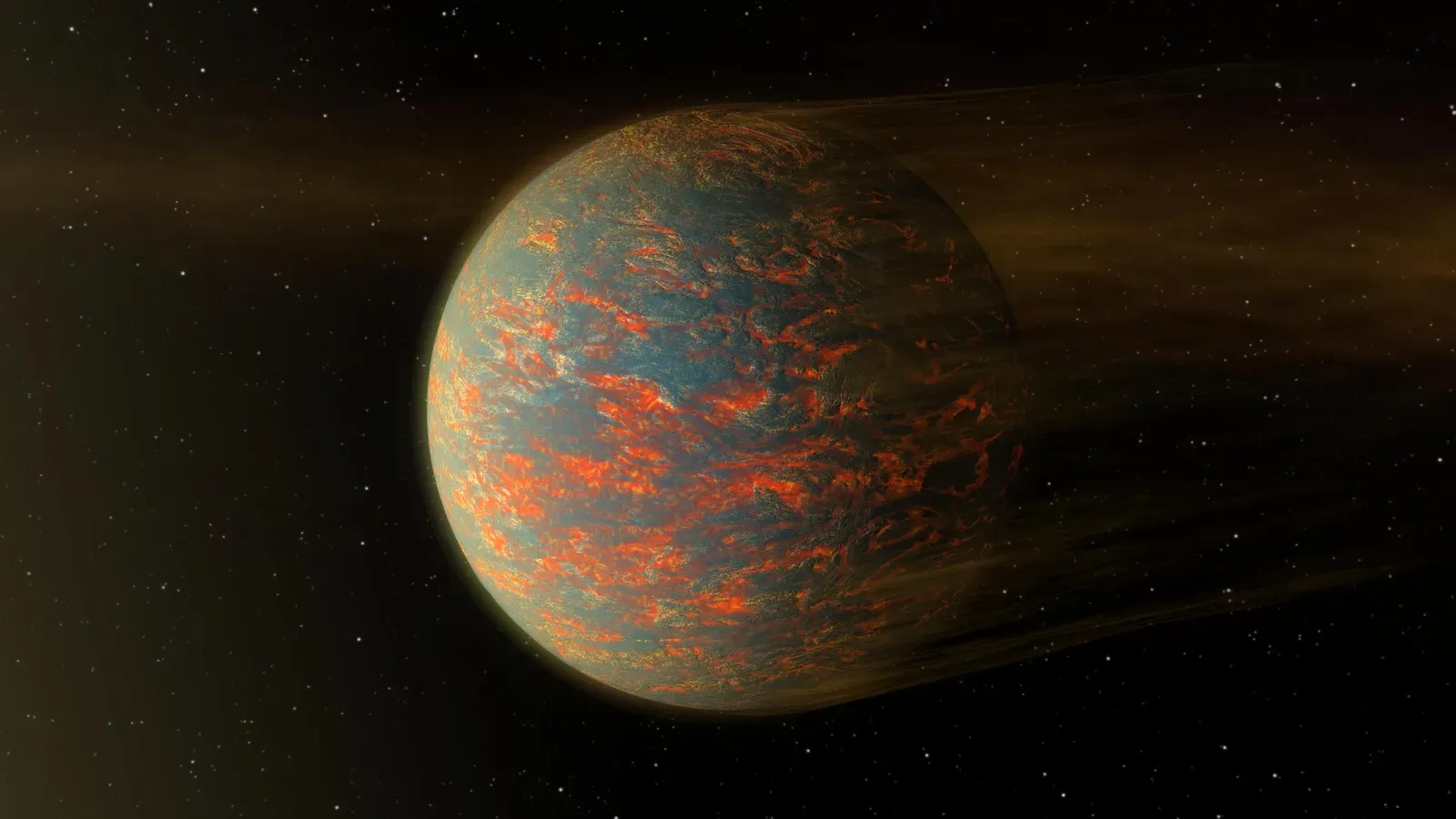
Forget everything you thought you knew about precious gems. 1/3 of its mass is pure diamond (worth $26.9 nonillion – if anyone could mine it). This planet, called 55 Cancri e, orbits so close to its star that its surface is molten lava. Not exactly the kind of place you’d want to visit for jewelry shopping.
Under extreme pressure, carbon becomes diamond. The conditions on this planet are so intense that carbon has crystallized into one massive gemstone. Honestly, it’s hard to wrap your head around a world made of diamond. It makes our little Earth look pretty ordinary by comparison.
The Coldest Spot in the Universe Was Created on Earth
You’d think the coldest place would be some distant corner of deep space, right? Well, yes and no. The Boomerang Nebula (-458°F) Colder than deep space itself due to gas expanding rapidly. That nebula holds the natural record.
However, Scientists have hit -459.67°F (absolute zero is -459.67°F). Researchers in laboratories here on Earth have essentially matched absolute zero, the theoretical limit where atoms stop moving entirely. It’s wild to think that we’ve created conditions on our planet colder than most of the universe. Sometimes the most extreme environments aren’t millions of light years away. They’re right here in a lab.
There’s a Star That Refuses to Die
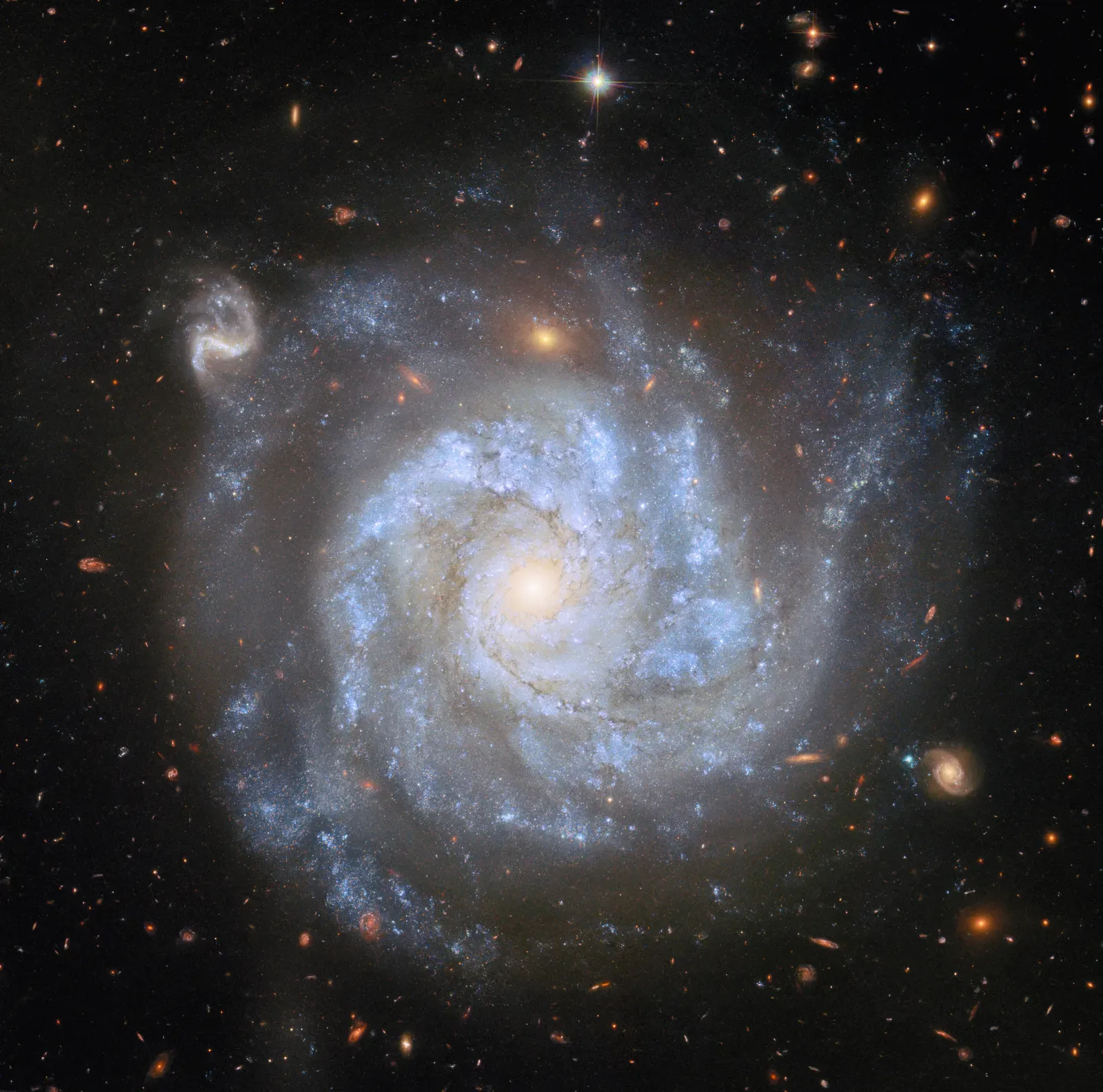
In 2014, iPTF14hls exploded – then kept shining for 600 days (normal supernovae fade in 100). This so-called zombie star has astronomers completely baffled. Stars aren’t supposed to behave this way. When they go supernova, they should explode once and fade away.
Scientists think it’s a “pulsational pair-instability” supernova, possibly re-exploding for decades. Should have died multiple times – yet keeps reviving. It’s like the cosmic equivalent of a horror movie villain who just won’t stay down. This discovery could completely rewrite what we know about how massive stars die.
A Runaway Black Hole Is Tearing Through Space
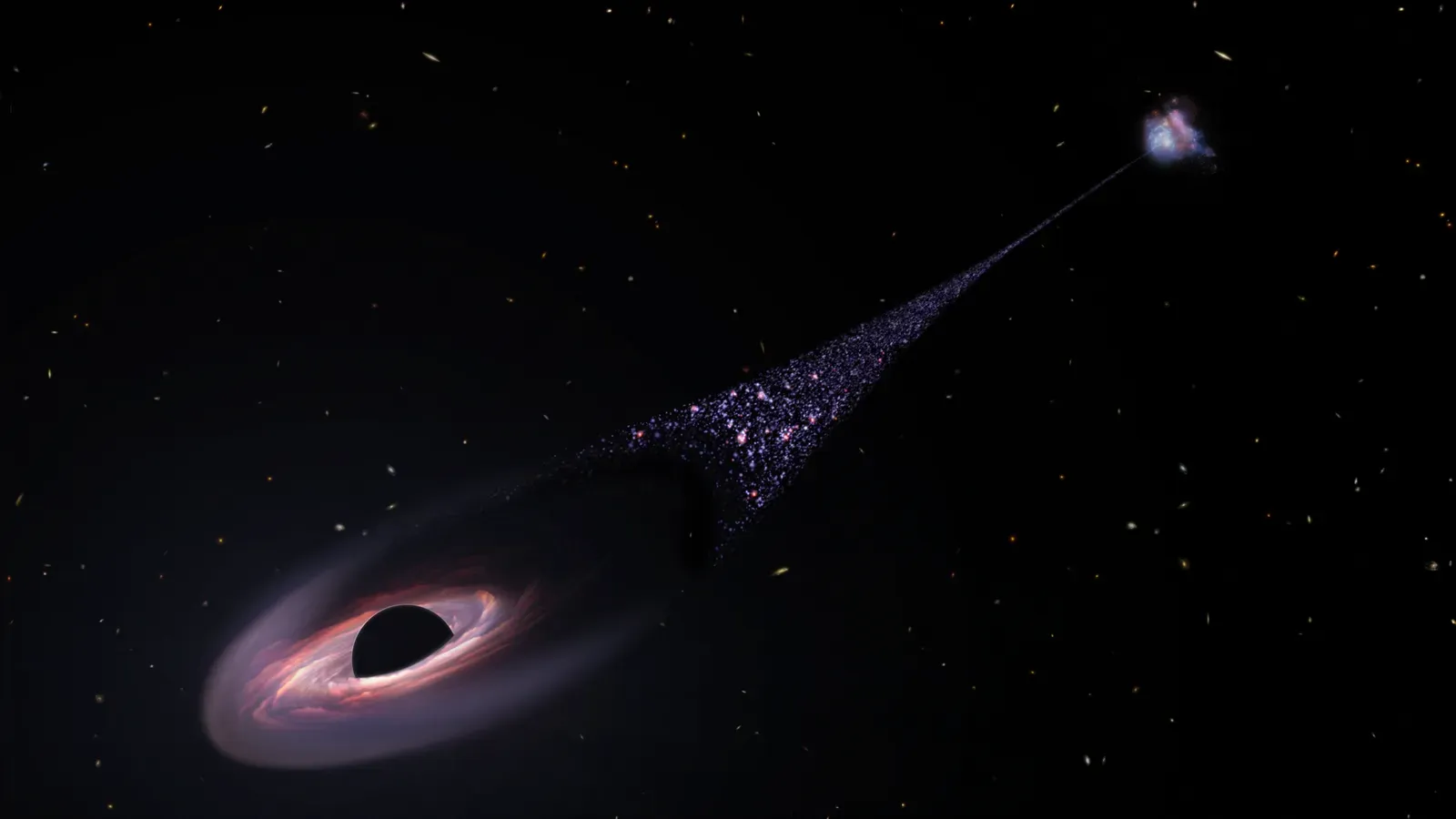
In April 2023, astronomers reported the detection of something never seen before: a “runaway” black hole, untethered from any galaxy and blazing through space at 4,500 times the speed of sound with an enormous trail of stars streaking behind it. Picture a cosmic cannonball smashing through the universe, dragging a wake of newborn stars in its path.
The black hole is estimated to be 20 million times the mass of Earth’s sun, while its bright tail could measure more than 200,000 light-years long (about twice the diameter of the Milky Way). How does something this massive get ejected from its home galaxy? It’s mind-boggling. Space isn’t just vast and empty. It’s violent and chaotic in ways we’re only beginning to understand.
Dinosaurs Saw a Completely Different Night Sky
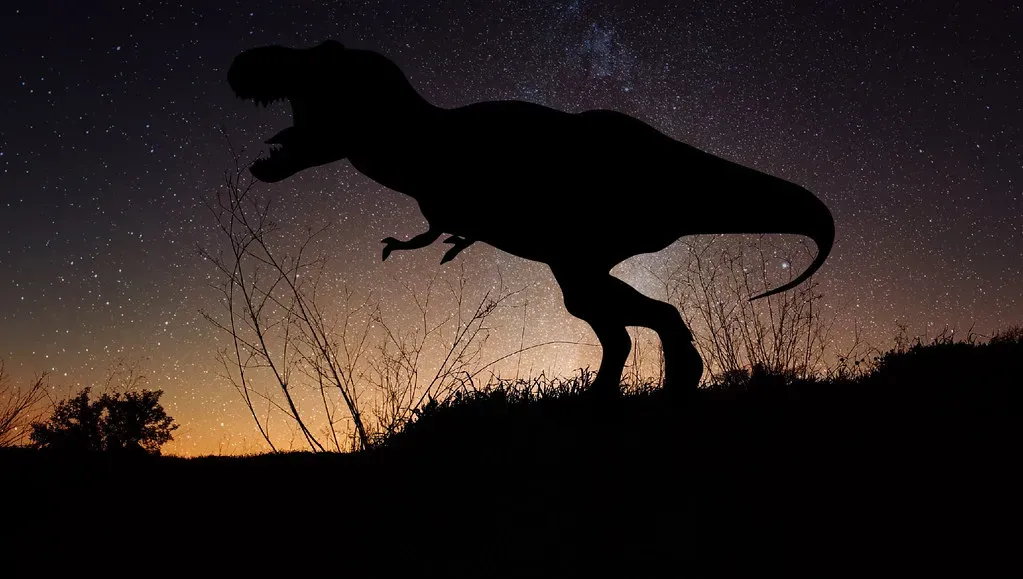
When the dinosaurs looked up at the night sky, they saw different stars and constellations than we see now. Stars aren’t eternal fixtures. They’re born, they move, and they die. Some of our most familiar stars didn’t even exist during the age of dinosaurs.
Its bright blue star denoting one knee is Rigel, which is just 8 million years old. And its famous red star Betelgeuse marking Orion’s shoulder is only 10 million years old. The constellation Orion, something we take for granted in our night sky, would have been completely unrecognizable to a T-Rex. The universe is constantly changing, even if it happens on timescales we can barely comprehend.
Most of the Universe Is Completely Unknown to Science
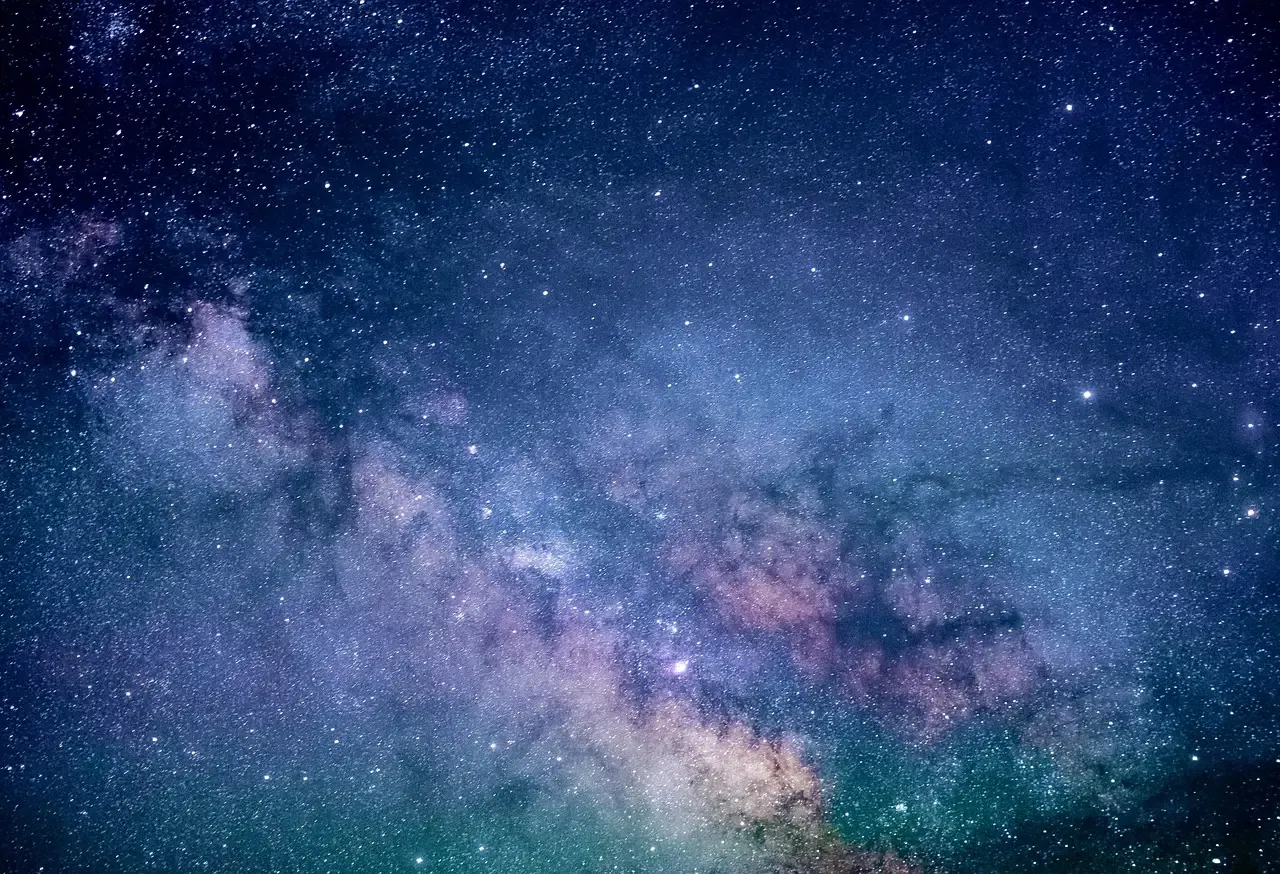
All the stars, galaxies, planets and other matter that can be detected only make up 4%, with the other 96% being what cannot be seen, detected or even understood by astronomers. Let me repeat that. Everything we know, everything we can see and measure, is less than five percent of what’s actually out there.
73% of the mass of the universe is dark energy, and this is something that scientists are stumped by. We’ve given names to these mysterious components, dark matter and dark energy, but we don’t really know what they are. It’s humbling, honestly. We’re exploring a universe where the vast majority remains a complete mystery.
You Could Hear the Sun Screaming If Space Wasn’t a Vacuum
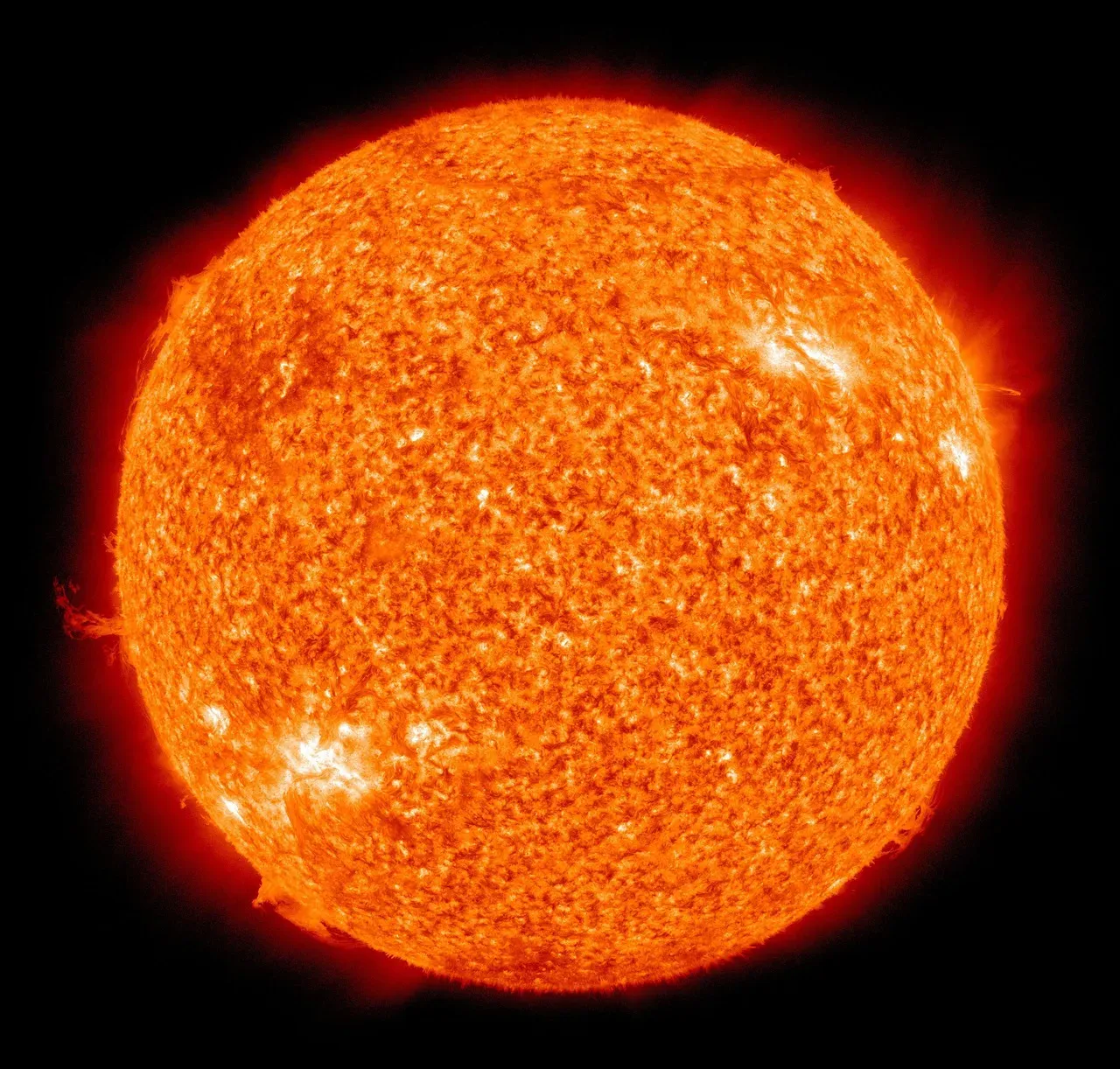
While it might seem charming to not only see but be able to hear the universe around us, mostly what we’d hear is the sound of the sun screaming. The sun isn’t the peaceful, silent ball of light we imagine. It’s actually incredibly loud.
Sound can’t travel through the vacuum of space, so we’re spared from the constant roar. If it could, though, the noise would be deafening. The sun’s surface is a cauldron of nuclear reactions, explosions, and massive eruptions of plasma. It’s probably a good thing we can’t hear it. Silence in space isn’t just peaceful, it’s a blessing.
Conclusion: The Universe Never Stops Surprising Us
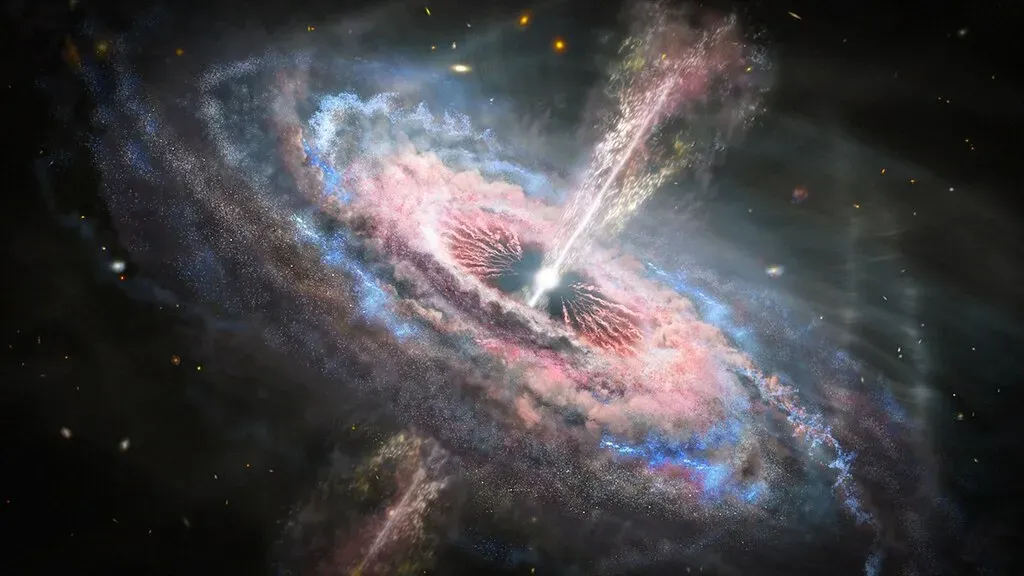
From spinning neutron stars to zombie supernovae, the cosmos is filled with phenomena that challenge everything we thought we knew. Each discovery raises more questions than it answers. That’s what makes space exploration so thrilling.
The universe isn’t just big. It’s bizarre, violent, beautiful, and utterly mysterious. We’ve barely scratched the surface of what’s out there. Every time we point our telescopes into the darkness, we find something that makes us rethink reality itself. What’s your take on these cosmic oddities? Which one left you the most stunned?