
Most of us grew up on a space story that started in Europe: Galileo, Newton, maybe a little Copernicus. What almost never gets mentioned is that long before telescopes and physics textbooks, Native peoples across the Americas were already mapping the skies, tracking planetary cycles, and building stone observatories that lined up with the Sun and stars with stunning precision. Once you see how much they understood, it feels almost shocking that this hasn’t been standard history all along.
Native American astronomy isn’t a side note or a “folk” curiosity; it’s a complete way of reading the universe that ties together science, timekeeping, navigation, and meaning. It shows up in architecture, in seasonal ceremonies, in stories passed down over hundreds of generations. And the more archaeologists, historians, and Indigenous scholars piece together, the clearer it becomes: a huge part of the global human story of astronomy has been hiding in plain sight.
1. Chaco Canyon Was a High‑Tech Sky Lab in the Desert
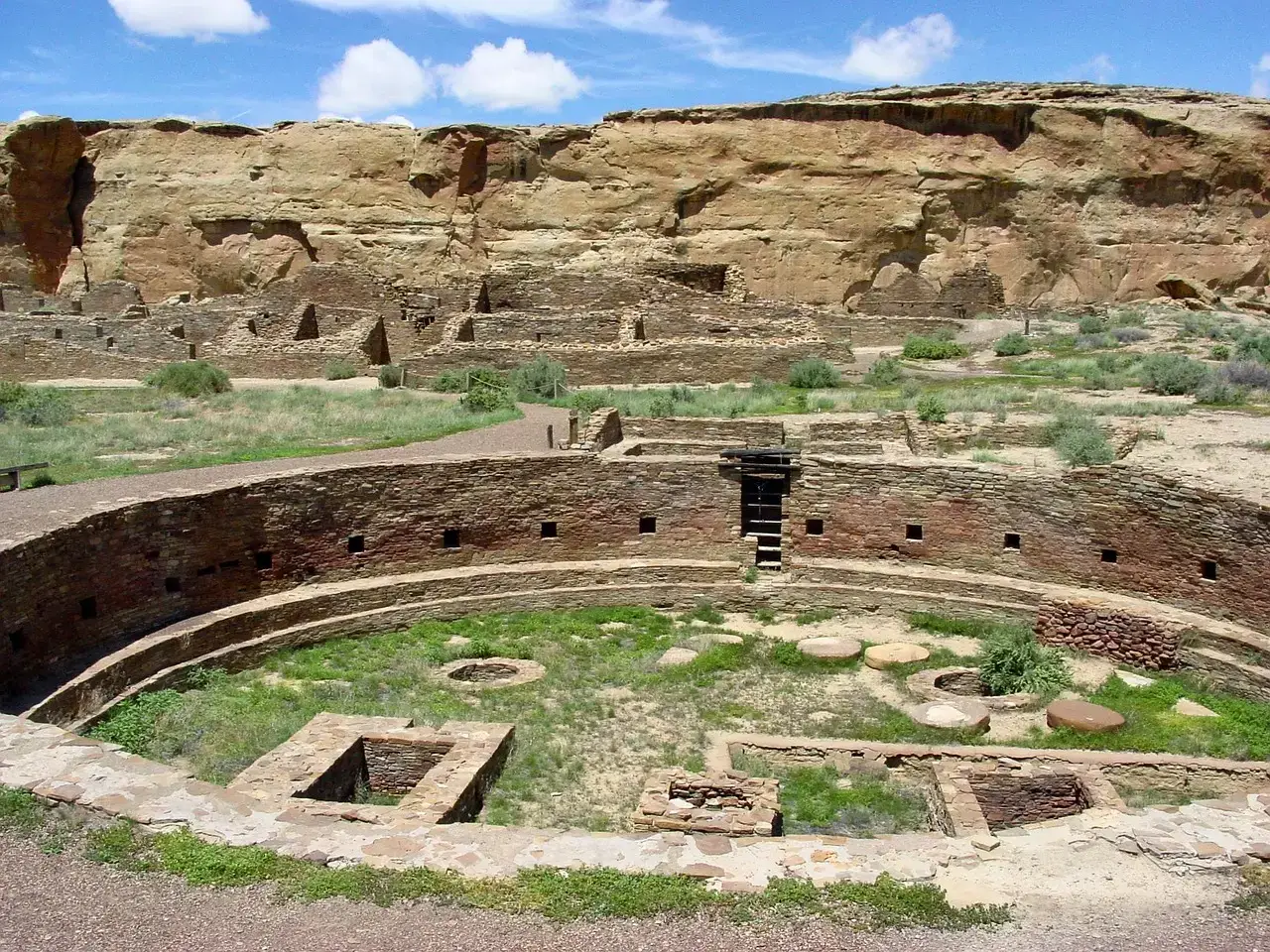
If you walked into Chaco Canyon in what is now New Mexico around a thousand years ago, you’d see something that looks strangely like a research campus built out of stone. Massive multi‑story great houses, roads aligned in straight lines for miles, and kivas (ceremonial structures) that quietly lock in on solar and lunar directions. Archaeologists have long noticed that some of these buildings line up almost perfectly with the rising or setting Sun at solstices and equinoxes, which is not the kind of thing you get by accident.
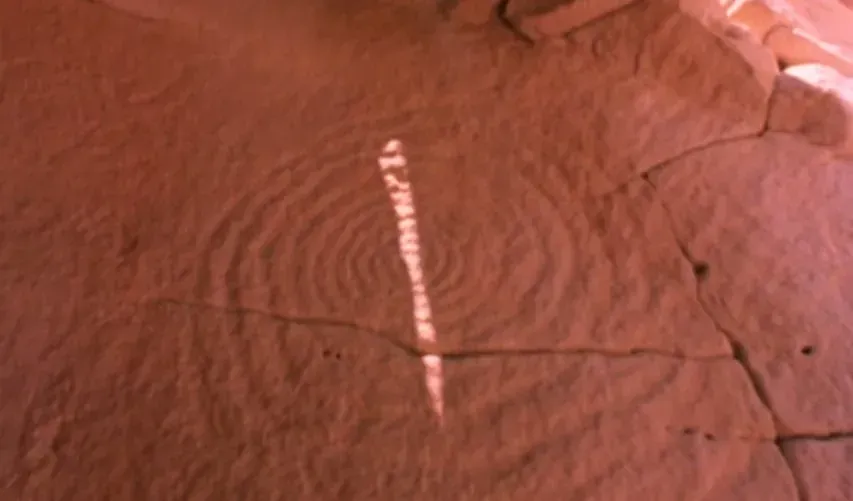
On a nearby rock formation at Fajada Butte, researchers documented what’s come to be known as the “sun dagger”: slabs of stone that cast narrow beams of light across a spiral carving exactly at the summer and winter solstices and at key points in the lunar cycle. Even allowing for later erosion and shifting rocks, the fact that this system worked at all means Chacoan sky‑watchers tracked the Sun’s and Moon’s movements with impressive care. When you stand there, it feels less like an old ruin and more like somebody’s carefully tuned astronomical instrument, just built out of sandstone instead of steel.
2. The “Sun Dagger” Also Tracks a Rare 18‑Year Lunar Cycle
The Sun is the easy celebrity in most sky stories, because its yearly path is relatively simple to track: shortest day, longest day, and the halfway points. The Moon, though, is trickier, because in addition to its monthly phases, its rising and setting points slowly drift over an almost eighteen‑and‑a‑half‑year rhythm known as the major lunar standstill cycle. Most people alive today haven’t consciously noticed that cycle at all; it’s long, subtle, and easy to miss unless you’re watching on purpose.
Evidence from Fajada Butte suggests the same spiral and light‑slab system that marked the solstices also recorded shifts in the Moon’s extreme positions over that long cycle. If that interpretation is correct, it means Chacoan observers patiently tracked lunar behavior for decades, maybe generations, to recognize and then mark a pattern that takes nearly two decades to repeat. That’s not “folk superstition”; that’s methodical, long‑term sky data gathering carved straight into stone. It’s the kind of patience‑based science we tend to associate with formal observatories, not with a sandstone mesa in the high desert.
3. The Big Dipper Wasn’t Just a Spoon – It Was a Cosmic Bear
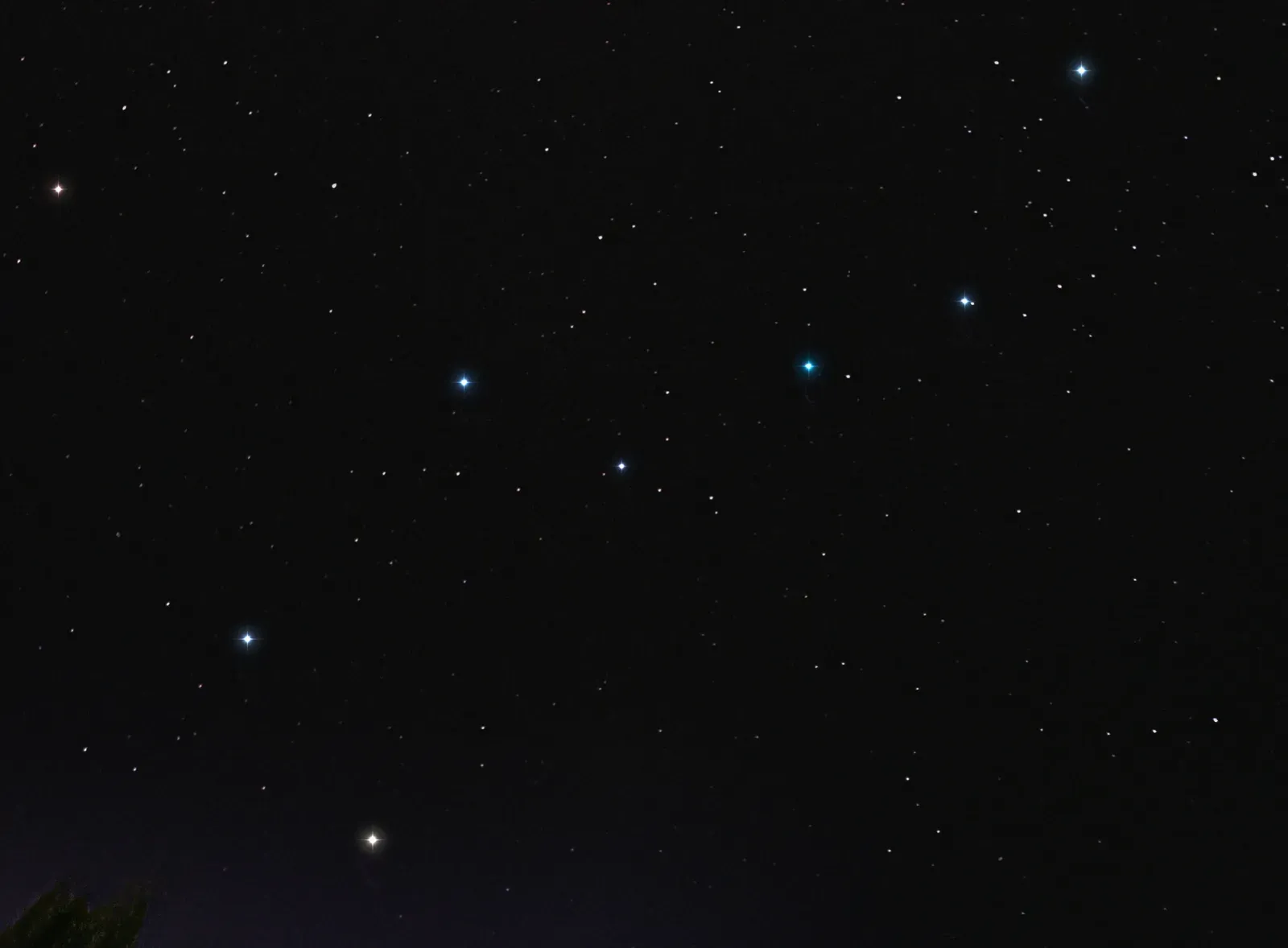
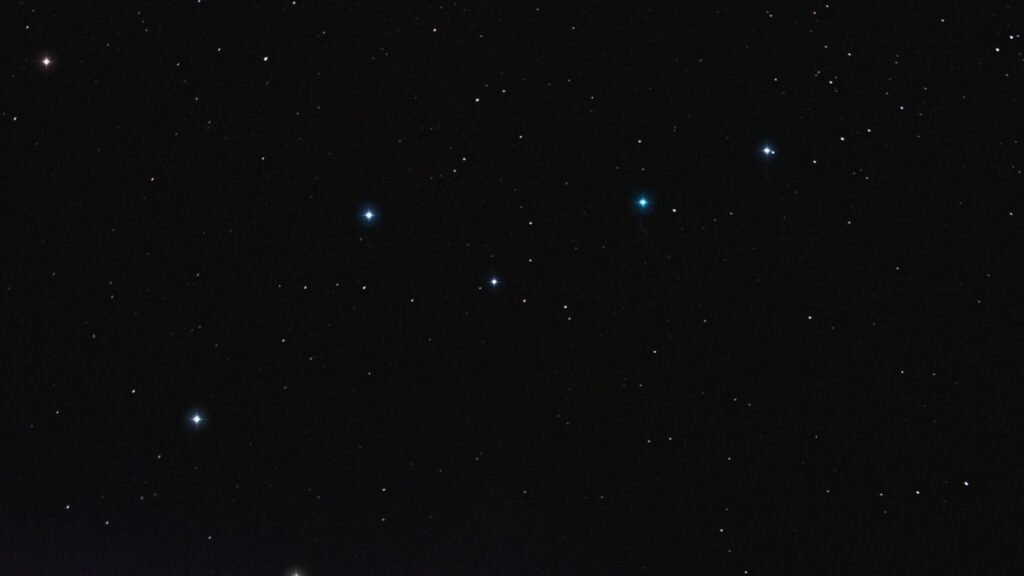
If you look up at the Big Dipper tonight, you probably see a cooking utensil because that’s what you were taught; your mind jumps to a shape that matches your culture. For many Native peoples of the Northern Plains and Great Lakes regions, those same stars form the body and tail of a great bear in the sky, often being chased or hunted by other stars nearby. The story shifts by nation and language, but the basic pattern repeats: the bear’s movements explain the seasons, the hunt, and the cycle of life and death.
What makes this so interesting from an astronomical point of view is how those stories line up with actual sky behavior. As the Earth orbits the Sun, the Big Dipper circles around the North Star, changing its position over the year. In some versions of the bear story, the bear is “wounded” in the fall, and the reddish autumn leaves are linked to its blood falling to Earth as the constellation lowers in the sky. So a child learning that story isn’t just getting a myth; they’re learning a seasonal sky clock, anchored in a narrative they’ll remember much more easily than a dry diagram.
4. Some Southwestern Petroglyphs Show a Supernova Explosion
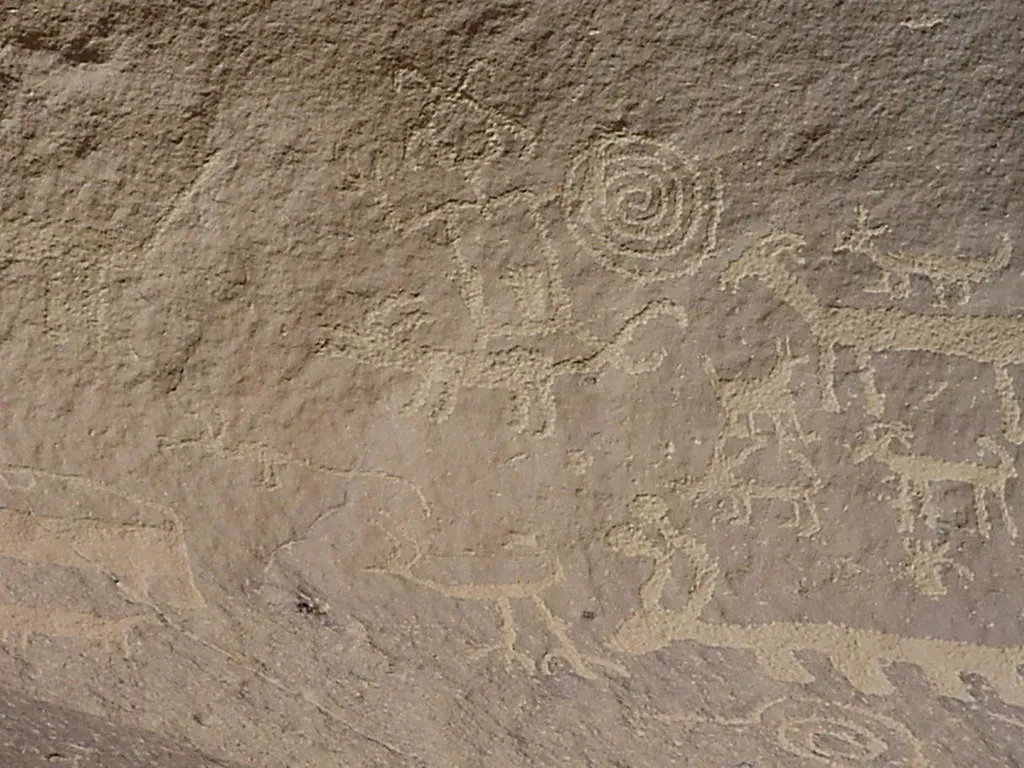
One well‑known panel near Chaco Canyon shows what looks like a large star or burst symbol next to a crescent Moon and the outline of a hand. Astronomers have noted that on a particular early July morning in 1054, the crescent Moon and the supernova would indeed have appeared close together in that part of the sky. While no one can say with absolute certainty that this rock carving is a supernova “record,” the timing and placement fit strikingly well. It’s a powerful reminder that monumental celestial events were not just abstract astronomical data; they were witnessed, interpreted, and literally carved into the landscape by people whose descendants are still here.
5. Mesoamerican Calendars Tracked Venus With Stunning Precision
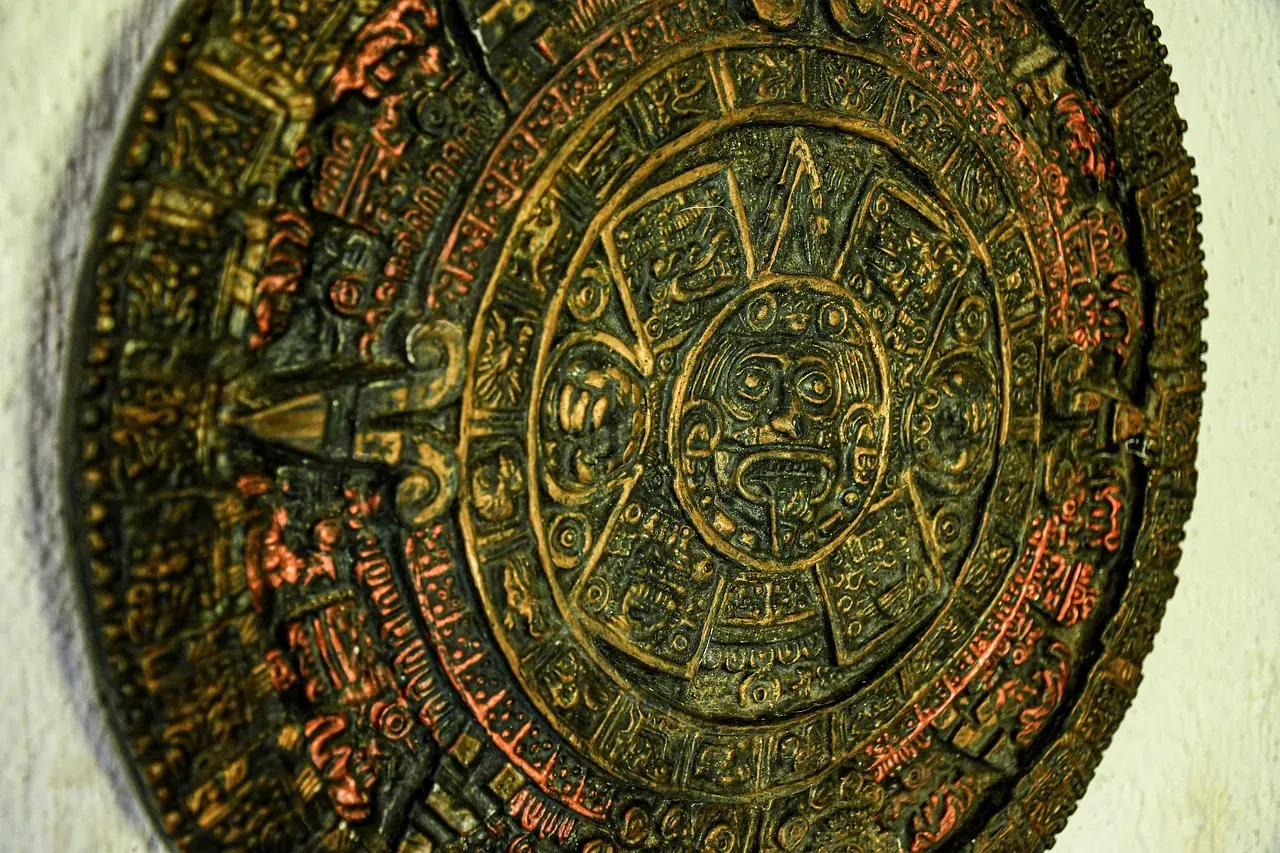
Many people have heard of the Maya “Long Count” calendar because of all the hype around the year 2012, but fewer know that Maya and other Mesoamerican astronomers tracked Venus with a level of detail that still impresses modern scholars. The planet’s cycle – from appearing as morning star, disappearing, then returning as evening star – was carefully measured over generations. The classic Venus table in the Dresden Codex, a pre‑Columbian Maya manuscript, shows calculated corrections that kept the predicted positions of Venus accurate over long periods.
Venus mattered not only as a bright light in the sky but as a timing signal for ritual and political decisions. Certain Venus risings were linked to war campaigns, royal ceremonies, and other high‑stakes moments, which meant getting the timing wrong could have real‑world consequences. To keep that system functioning, Maya astronomer‑priests effectively ran a long‑term observational program, noting small discrepancies and adjusting their counts, much like modern scientists tweak models when the data drift. It’s hard not to see that as a kind of observatory, even if the tools were codices and temple stairs instead of computers and domes.
6. Mound Builders in the Midwest Created Earth‑Sized Star Maps
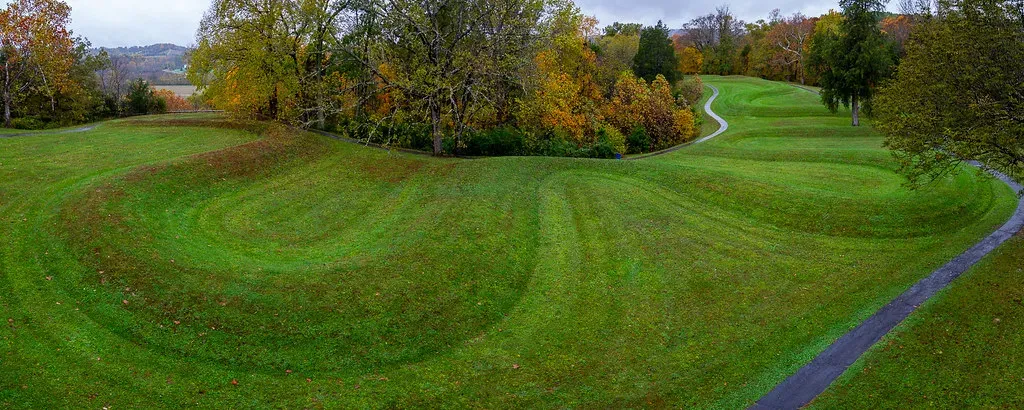
When you look at aerial photos of places like the Serpent Mound in Ohio, it’s obvious this wasn’t just random dirt piling; it’s a deliberate, sweeping design that only fully makes sense from above or at a distance. The long, coiled snake shape lines up with solar events, including the summer solstice sunset at its head. Other mound complexes in the Mississippi and Ohio River valleys show alignments with solstices, equinoxes, and important lunar positions, turning entire hillsides into giant observatory canvases.
There is also evidence that some geometric earthworks correspond closely to certain star patterns, suggesting that the builders were mapping sky shapes onto the land. In a way, they pulled the constellations down to Earth, fixing them into the soil and shaping sacred spaces where sky and ground mirrored each other. Standing on one of these mounds today, you get a strange double sense of scale: your feet on a human‑made hill that stretches like a designed landscape, your eyes on the same stars those builders watched centuries ago. It’s as if the whole place was built to keep that conversation between Earth and sky going.
7. The Navajo Night Sky Is a Living Map of Stories and Ethics
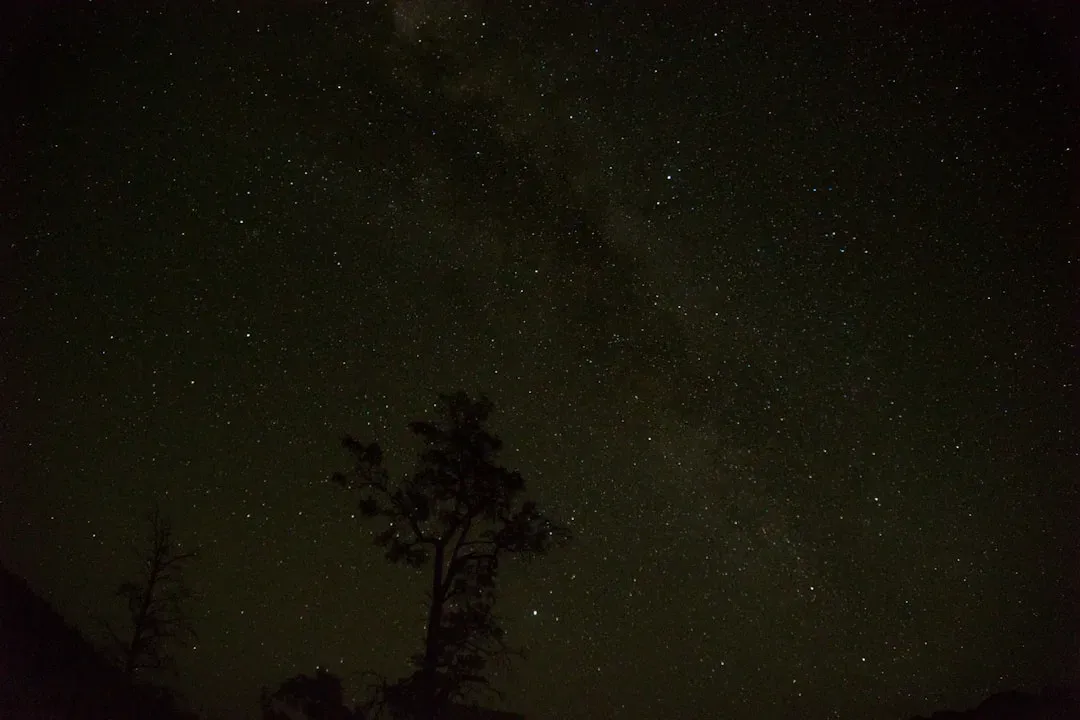
In many Diné (Navajo) traditions, the night sky is not just a decoration above the desert; it’s a living, instructive text. Constellations are tied to stories about balance, relationships, and right behavior, and some are only discussed during certain seasons. For example, sets of stars associated with farming, healing, and protection each come with lessons that are retold when those patterns are visible, binding moral guidance to the rhythm of the year in a very concrete way.
Some Navajo constellations do not line up with Greek ones at all; they carve out different shapes from the same stars, rearranging the sky into a distinctly Diné worldview. This means that what you see when you look up is in part what you’ve been taught to see, and that training shapes how you move through the world. I remember the first time I learned that a patch of sky Europeans see as just the Milky Way dust cloud is imagined in some Navajo teachings as the path of departed spirits; suddenly, that pale band wasn’t just pretty, it was charged with responsibility and memory. Astronomy here is inseparable from ethics and identity.
8. Inuit Sky Knowledge Helped People Survive in Harsh Arctic Nights
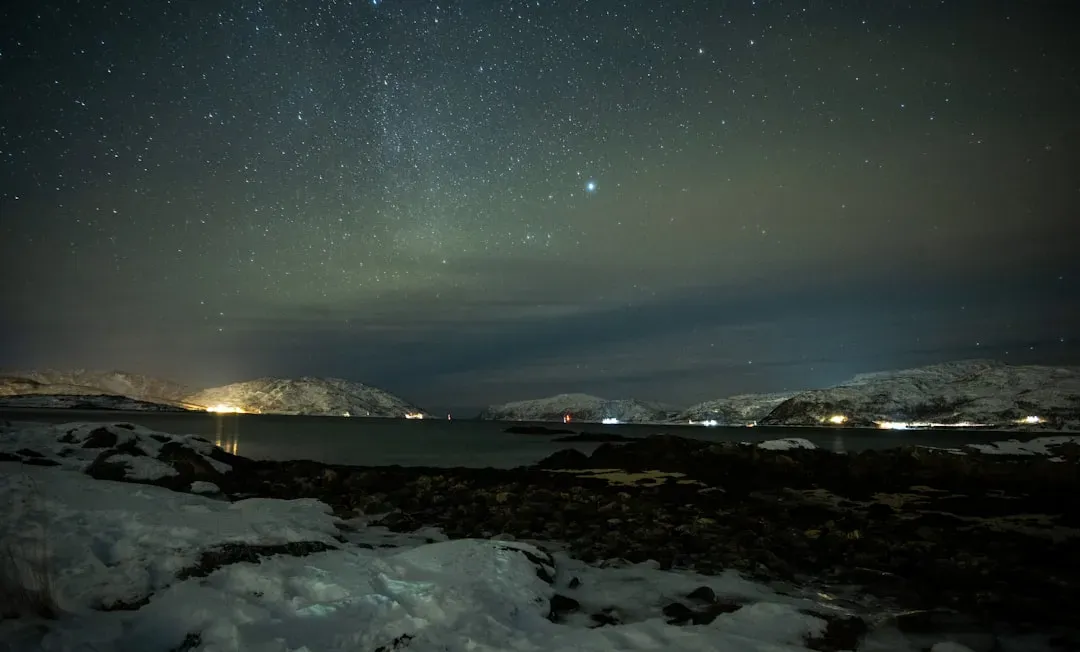
Far north, where winter darkness can stretch for weeks and the Sun barely skims the horizon, the sky is more than a backdrop – it’s a lifeline. Inuit communities across the Arctic developed extremely detailed knowledge of star positions, moonlight, and the dance of the aurora to help with navigation, hunting, and timing seasonal activities. In a landscape where landmarks can be buried under snow and ice, knowing exactly where a particular star rises or sets on the horizon can mean the difference between getting home or getting dangerously lost.
Inuit names for stars and constellations often highlight their practical role: some star groupings are associated with tools, sled parts, or animal behavior, making them easy to remember and directly tied to daily life. Even the subtle change in the location of the North Star over long periods has been noticed and integrated into oral traditions, showing just how closely people watched the heavens. When you realize that this was done with no electricity, no metal instruments, and often in brutal cold, the level of observational discipline becomes incredibly impressive. The sky, in that environment, is both map and memory palace.
9. Hopi Ceremonial Cycles Are Synchronized With Solar and Stellar Events
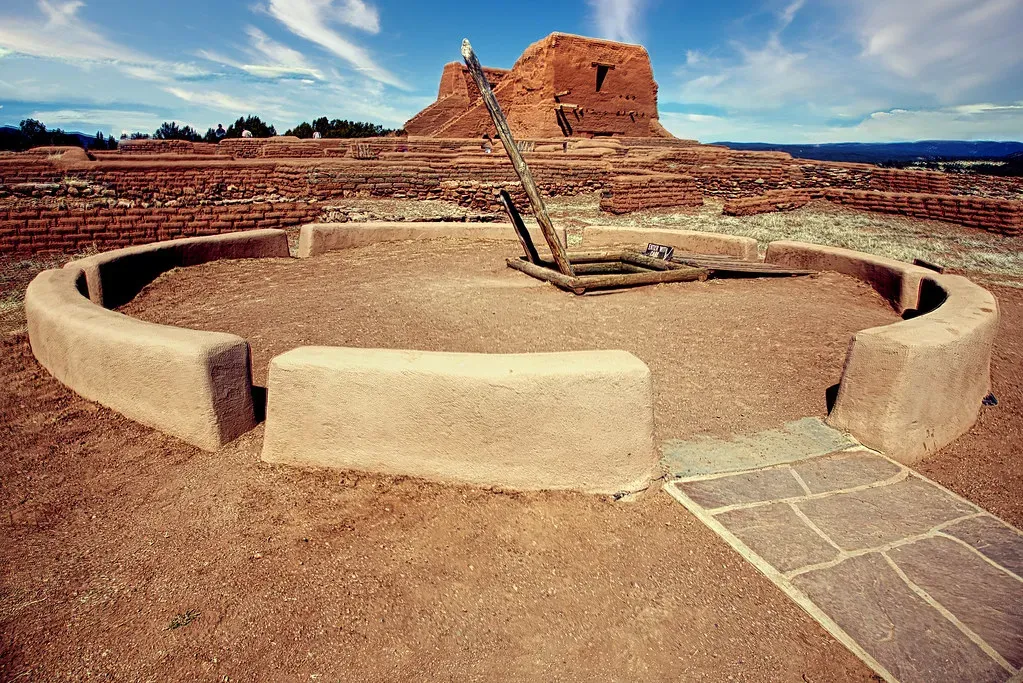
On the high mesas of what is now northeastern Arizona, Hopi ceremonial life follows a complex rhythm that’s deeply connected to the movements of the Sun and stars. Certain religious societies are responsible for watching horizon points where the Sun rises or sets, marking when it has reached key turning points like solstices. Those observations then cue ceremonial cycles that guide planting, harvest, and community rituals, so an error in watching the sky would ripple through the whole agricultural year.
In simple terms, Hopi priests act like human calendars, carrying forward an unbroken chain of observation that links present‑day communities to distant ancestors who watched the same horizon. This isn’t astronomy for astronomy’s sake; it is practical, spiritual, and social all at once. The line between “scientist” and “religious leader” simply does not exist the way it often does in modern Western culture. Time is literally read off the sky, then woven into songs, dances, and community obligations, so the calendar is something you experience with your whole body, not just see on a wall.
10. Many Native Sky Traditions Treated the Cosmos as a Relationship
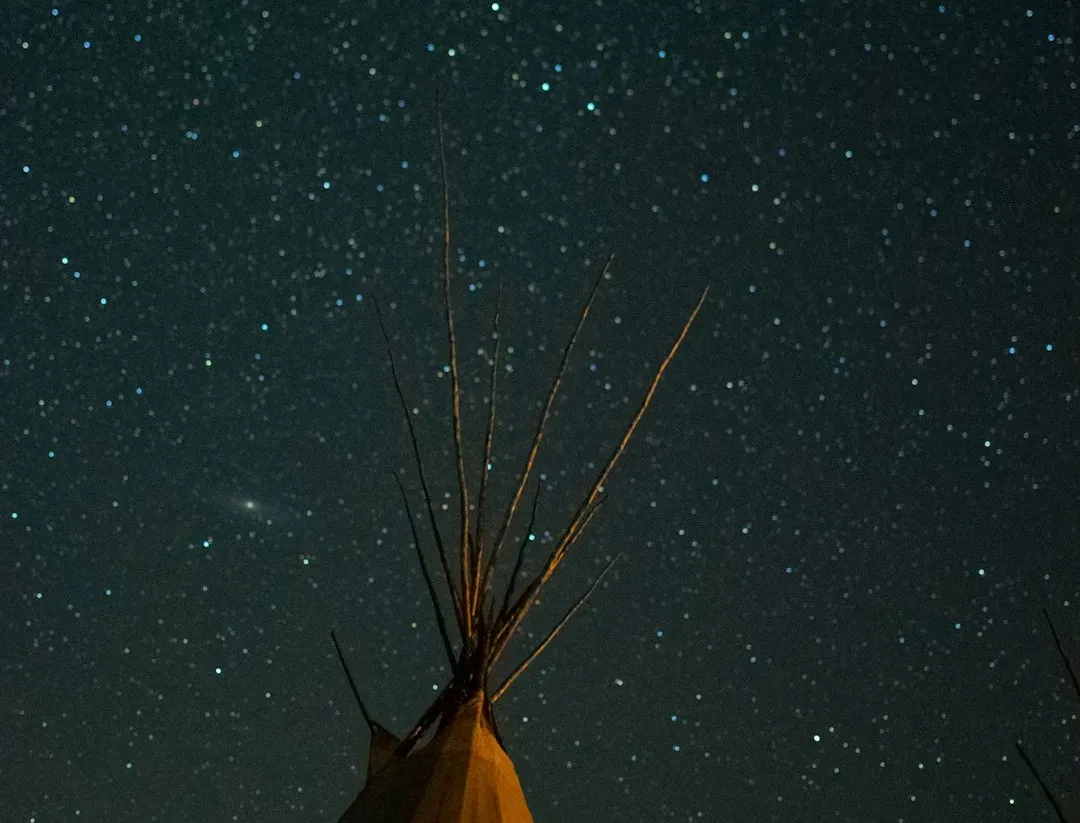
One of the most powerful differences between many Native American astronomy traditions and the European scientific model that followed is this: the sky was rarely seen as a cold, mechanical clock. Instead, it was a community of beings, forces, and patterns that humans were in direct relationship with. The Sun wasn’t just a ball of hot gas; it was a relative that needed respect. The stars were not merely distant nuclear furnaces; they were elders, animals, and guides whose movements carried meaning.
That perspective led to an approach where observation and interpretation went hand in hand. You could measure the solstice, but you also asked what it meant for your obligations, for your harvest, for how you treated others. In a world wired to think that serious knowledge must be stripped of feeling, this can sound unscientific, but the reality is more nuanced. Native astronomers produced accurate calendars, tracked complex cycles, and built observatories, all while holding on to a sense of relationship with the cosmos that many people today quietly miss. Maybe that’s the most surprising fact of all: the oldest sky science on this continent might have something vital to teach our very modern, very tired world about how to belong under the stars again.