On a gray Tuesday in a Boston lab earlier this year, a volunteer watched a swirl of colored dots on a screen and, with the help of a brain–computer interface, learned a new pattern so quickly it startled the scientists tuning the electrodes. Moments like this are not science fiction anymore; they are early signals that our cognitive limits may be far more flexible than we once believed. As we step into 2026, researchers are quietly assembling something radical: a toolkit for making the human brain sharper, more resilient, and perhaps even upgradeable. Yet every new gain in memory or focus carries an echoing question: what are we turning ourselves into? Between the promise of amplified intelligence and the risk of widening inequalities, the future of the brain has never felt more electrifying – or more uncertain.
The Hidden Clues: What Today’s Labs Reveal About Tomorrow’s Minds
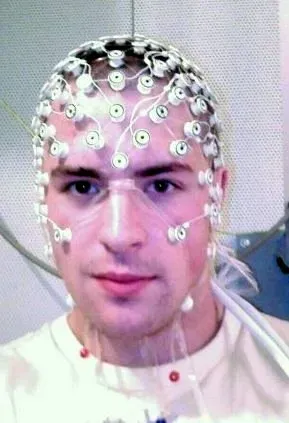
Walk into a modern neuroscience lab and the first thing that hits you is how ordinary the gear looks for something that could rewrite human potential: caps bristling with electrodes, tablets running training games, vials of experimental molecules stacked in freezers. Behind that everyday clutter, though, lies a quiet revolution in how precisely we can measure and modulate thought. Scientists can now track tiny voltage changes across networks of neurons in real time, watching attention rise and fall like a heartbeat. That level of detail is exposing subtle patterns – micro-fluctuations in working memory, timing signatures of decision-making – that hint at unused capacity hiding in plain sight.
One surprising realization is that human brains are not strictly limited by raw biology; they are heavily constrained by noise, inefficiency, and habit. When researchers use noninvasive stimulation or tightly structured training to clean up some of that noise, people can sometimes learn faster or focus longer than old models predicted. In trials of transcranial magnetic and electrical stimulation, for example, modest boosts have been seen in skills ranging from numerical reasoning to motor learning for rehabilitation patients. The improvements are not superpowers, and they vary widely between individuals, but they are strong enough to convince many scientists that we have been underestimating our own potential. The clues emerging now are less about turning us into entirely new creatures and more about revealing what was always possible with better tuning.
From Ancient Tools to Modern Science: How We’ve Always Hacked Our Brains
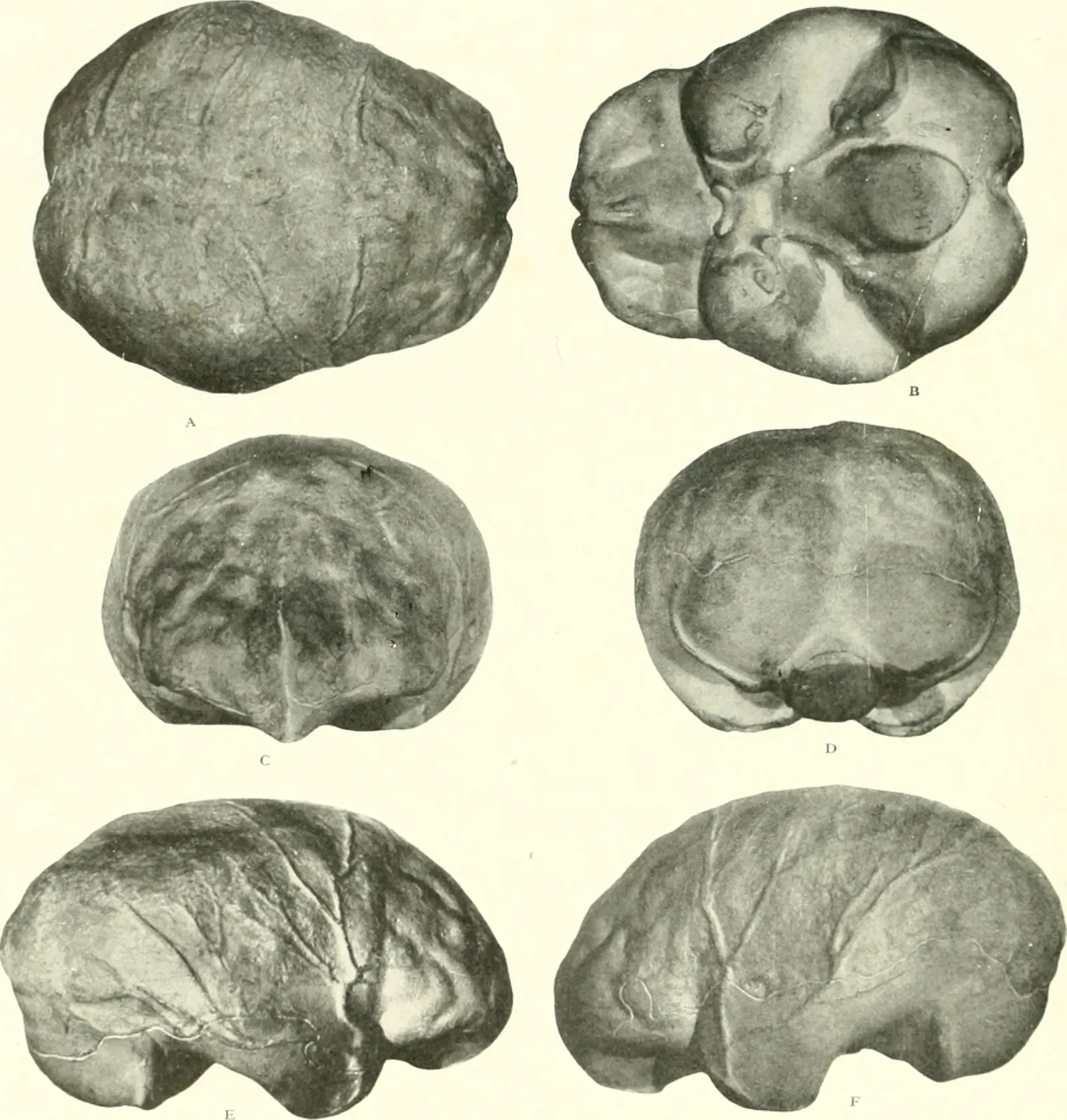
Humans have been trying to sharpen their minds for as long as we have had questions to solve and stories to remember. Ancient scholars used elaborate memory palaces, mapping ideas onto imagined buildings to hold vast amounts of information long before hard drives existed. Philosophers swore by specific diets, sleep rituals, and meditative practices to clear the mind and strengthen attention. In a way, the glowing brain-training apps on today’s phones are just flashy descendants of those old mental exercises and mnemonic tricks. What has changed is that, in 2025, we can measure what they actually do under the skull instead of just guessing.
Neuroscientists now track how practices like mindfulness, deep reading, and even learning a musical instrument reshape the structure of the brain over months and years. Imaging studies show thicker regions of cortex in people who practice certain forms of meditation, and stronger connectivity in networks tied to attention and self-control. Longitudinal work with bilingual individuals has suggested more robust cognitive reserve in later life, potentially delaying the onset of dementia symptoms. All of this supports a reassuring idea: brain enhancement is not only about high-tech gadgets or exotic drugs. It is also an extension of a very old human habit – systematically sculpting the mind through culture, training, and lifestyle, now guided by better evidence.
Faster Circuits: Neurostimulation and the Quest for Instant Upgrades
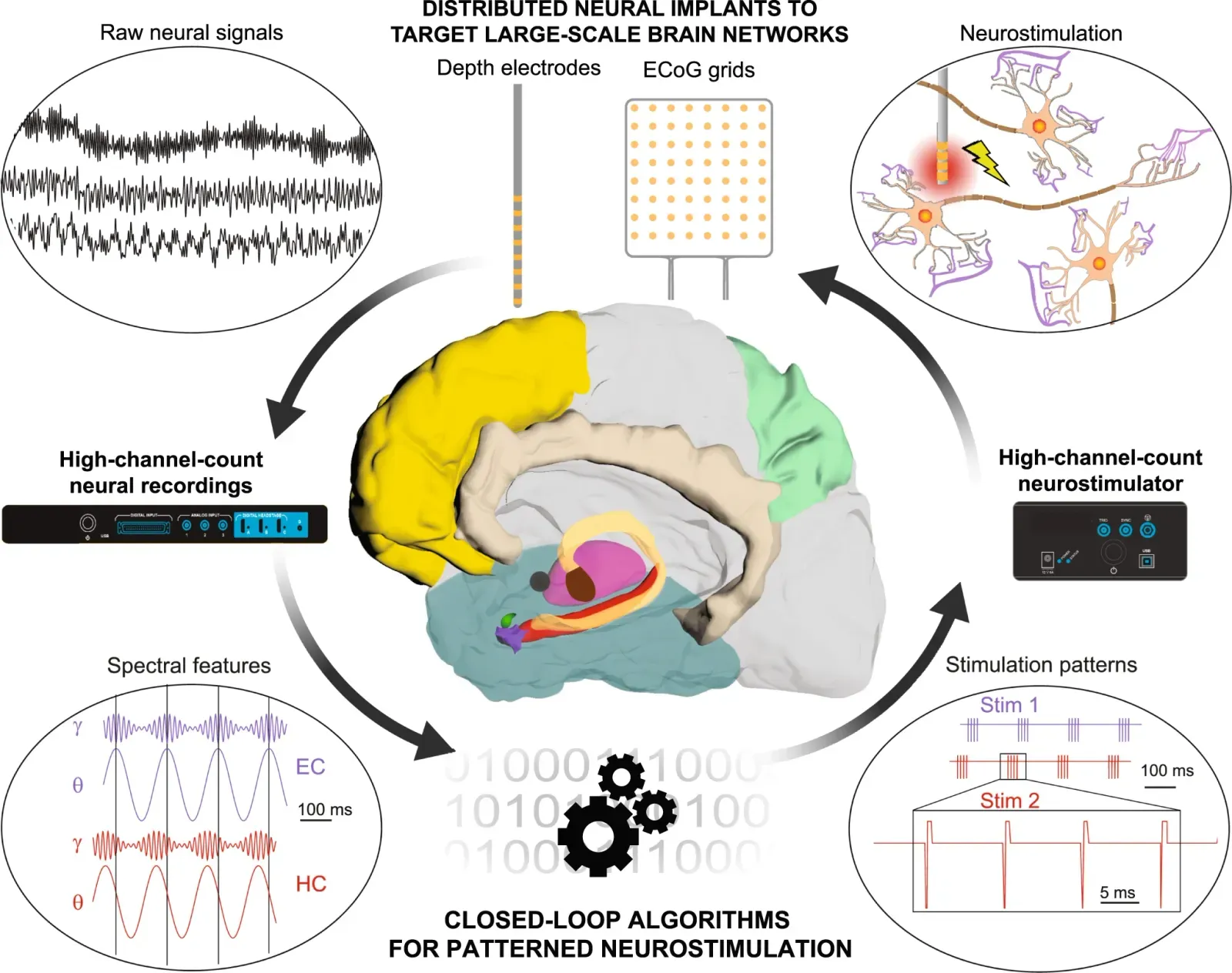
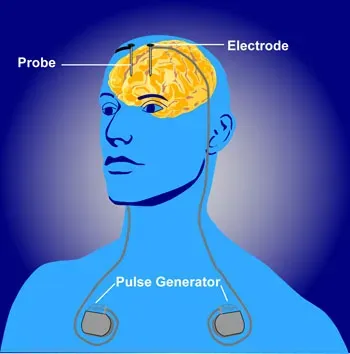
Among the flashiest tools shaping the 2026 brain are neurostimulation techniques that nudge neurons with magnetic fields or small electrical currents. These approaches grew out of clinical treatments for depression, epilepsy, and movement disorders, but researchers quickly began testing them in healthy volunteers too. The basic idea is deceptively simple: by synchronizing or disrupting activity in specific brain networks, you may temporarily make them more or less efficient. In controlled experiments, some people pick up new motor skills, language elements, or problem-solving strategies more quickly when stimulation is applied at just the right frequency and timing. It is not a Hollywood-style instant download, but it is faster learning than many researchers expected a decade ago.
The reality, however, is more nuanced than the hype. Effects can be small, and they depend heavily on individual brain anatomy, genetics, and even sleep or stress levels from the night before. Consumer-grade devices that promise at-home brain boosting often have far less rigorous data than clinical tools, and many scientists caution that we are still in an exploratory phase. That said, the direction is clear: as mapping and modeling improve, so does the precision of stimulation. In 2026, we are edging toward an era where finely targeted neurostimulation might be part of routine rehabilitation, high-stakes training for pilots or surgeons, and eventually, perhaps, personalized learning plans for students who struggle in traditional classrooms.
Smarter Chemistry: The New Generation of Cognitive Enhancers

The story of the 2026 brain would not be complete without the pharmaceutical angle, from prescription stimulants to a new wave of compounds designed to fine-tune neurotransmitters more delicately. For years, students and professionals have quietly used medications meant for attention disorders to stay alert and focused, despite medical warnings about side effects and dependency. Now, researchers are experimenting with subtler molecules that aim to enhance learning windows, support memory consolidation during sleep, or reduce cognitive fatigue without the jarring highs and lows. In early-phase studies, some of these agents show hints of improving performance on demanding tasks, especially when combined with structured training rather than used in isolation.
What makes this frontier both exciting and unsettling is how personal chemical enhancement can become. The same dose that helps one person concentrate might make another anxious or disrupt their sleep. Long-term impacts are often unclear, especially when drugs are taken outside of clinical guidance or for off-label purposes. Regulators and ethicists are beginning to wrestle with questions that sound abstract but have concrete stakes: should workplaces quietly reward people who are chemically boosted, even if they insist it is voluntary? Should schools draw hard lines, or accept that some families will experiment anyway? As new compounds move from animal models into human trials in the mid-2020s, these questions will become less hypothetical and more immediate.
Why It Matters: The High Stakes of an Upgraded Mind
It can be tempting to treat cognitive enhancement as a personal hobby, like buying a better running shoe or a nicer coffee machine, but the stakes are much higher. If certain tools genuinely help people learn faster, recover from brain injuries more fully, or stay sharp later into life, then access becomes a question of fairness and public health. History suggests that when a performance advantage appears, it rarely remains optional for long in competitive environments. Just as professional sports grapple with performance-enhancing drugs, high-pressure academic and corporate cultures may subtly push people toward whatever edge is available, whether or not it is safe or evenly distributed.
There is also a deeper, philosophical layer that many scientists admit they feel personally, even if their days are filled with data and code. When you alter the way a person pays attention, remembers, or regulates emotion, you are not just changing a score on a test; you are shifting the texture of their inner life. One person’s dream of being more focused and productive could be another person’s nightmare of losing spontaneity or creativity. At a societal level, widespread enhancement could change how we think about responsibility, merit, and what it means to struggle through difficult learning. The conversation around a smarter, faster brain is therefore not just about boosting potential, but about deciding what kind of humans we want to be as that potential expands.
Global Perspectives: Who Gets the Smarter Brain?
Zoom out from gleaming research hubs in wealthy countries, and the global picture of cognitive enhancement looks far less symmetrical. While high-income regions invest heavily in cutting-edge devices and tailored drugs, many communities around the world still battle preventable threats to brain development like malnutrition, untreated infections, and air pollution. In that context, the most powerful form of enhancement might simply be ensuring basic health, education, and safety. Public health researchers repeatedly find that early childhood interventions – clean water, adequate food, enriched early learning – have enormous, lifelong impacts on cognitive outcomes. The gap between these fundamental measures and boutique enhancement tools is striking.
At the same time, emerging economies are not just passive spectators. Some are investing in low-cost digital training programs, tele-neurology services, and scalable mental health support as part of broader development goals. International collaborations are beginning to test whether certain enhancement techniques, such as remote cognitive training combined with simple at-home devices, can be adapted for low-resource settings. But there is a real risk that the most advanced neurotechnologies remain concentrated where money and data centers already cluster. If that happens, the phrase “smarter, faster, stronger” could become less a story of shared human progress and more a description of a privileged slice of the world pulling further ahead.
The Future Landscape: Inside the 2026 Brain and Beyond
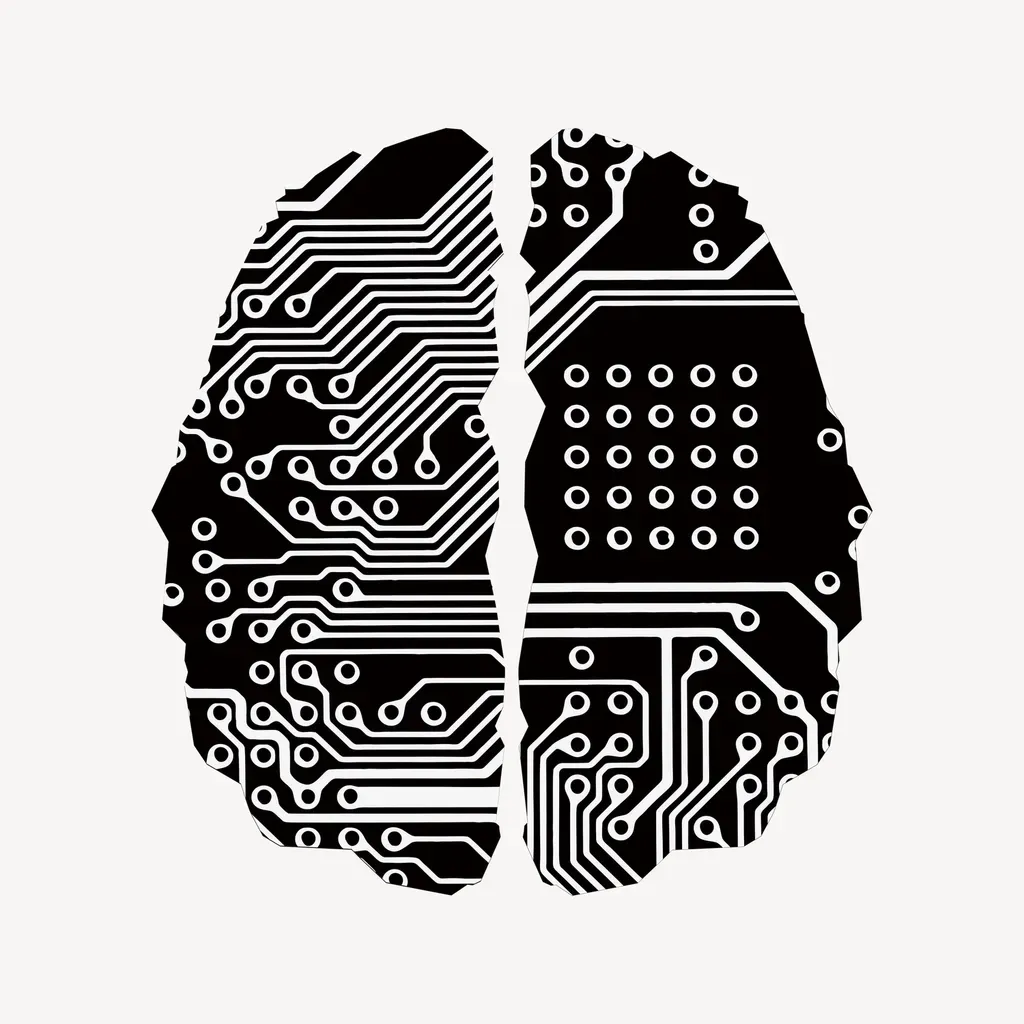
Looking ahead, the most realistic vision of the 2026 brain is not a single dramatic breakthrough but a convergence of many small, measurable gains. Imagine a student whose school uses adaptive learning software informed by cognitive science, a musician who pairs practice with safe stimulation sessions in a clinic, and an older adult who takes part in a program that combines exercise, sleep tracking, and targeted training to protect memory. None of them are superheroes, but all are nudging their brains toward more efficient patterns. In the background, algorithms digest massive datasets of neural recordings, eyetracking logs, and performance metrics, hunting for patterns that predict who benefits most from which intervention. Bit by bit, our models of attention, learning, and resilience become more personalized and predictive.
New challenges will surface just as quickly as the tools. Questions about data privacy will intensify when “health records” include brainwave signatures and detailed cognitive profiles. Legal systems may eventually have to decide whether certain enhancements are acceptable in high-risk roles, or whether they introduce liability when something goes wrong. Education systems could split between cautious approaches that restrict enhancement and more experimental ones that embrace it. And always, there will be people like me who remember struggling through exams with nothing but paper flashcards and coffee, wondering whether a generation raised on smarter aids will lose something intangible in the trade. The landscape ahead looks powerful, but also messy in very human ways.
What You Can Do Now: Everyday Choices for a Stronger Brain
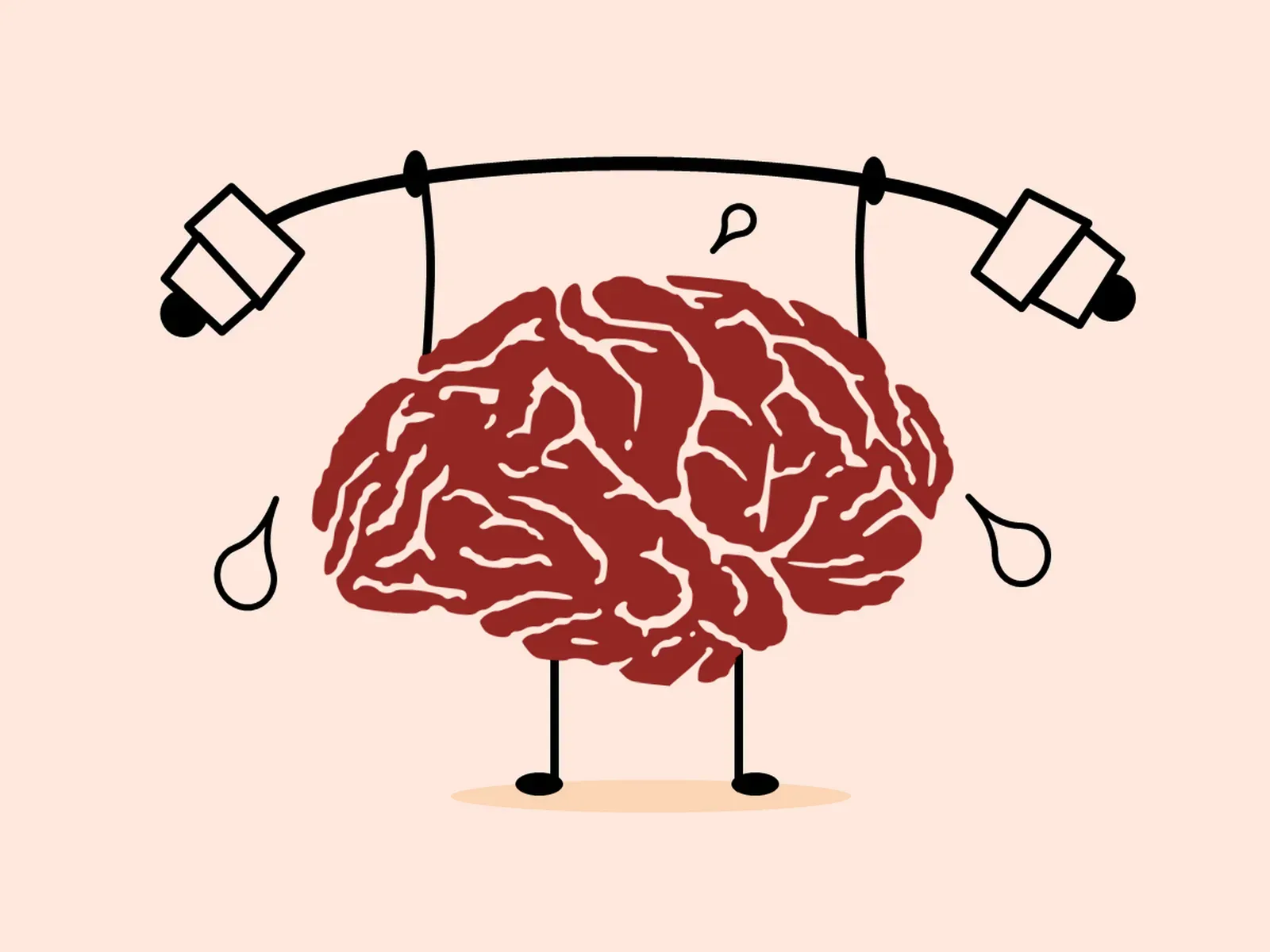
For all the buzz about brain chips and futuristic pills, the most reliable levers you have over your own cognition in 2025 are surprisingly ordinary. Consistent sleep, physical activity, and mentally engaging activities form a kind of quiet, baseline enhancement that decades of research keep confirming. Learning a challenging new skill – whether it is a language, an instrument, or even a complex video game – pushes your brain to form new connections and maintain flexibility. Regular social interaction, creative hobbies, and time in nature are all linked with better mood and cognitive resilience. Think of these habits as the rich soil that any high-tech seed would need to grow.
If you are curious about more experimental tools, the most important step is to approach them with a scientist’s mindset rather than a shopper’s impulse. Look for interventions backed by peer-reviewed studies, be skeptical of extravagant promises, and talk with medical professionals before trying anything that affects your brain chemistry or applies current directly to your head. You can also support responsible progress by paying attention to how schools, employers, and policymakers frame enhancement, and by speaking up when fairness and safety are at stake. Even small actions – participating in a study, sharing accurate information, or simply modeling healthy habits – contribute to a broader culture that treats human cognition as something precious, not just a performance metric to be hacked.
Suhail Ahmed is a passionate digital professional and nature enthusiast with over 8 years of experience in content strategy, SEO, web development, and digital operations. Alongside his freelance journey, Suhail actively contributes to nature and wildlife platforms like Discover Wildlife, where he channels his curiosity for the planet into engaging, educational storytelling.
With a strong background in managing digital ecosystems — from ecommerce stores and WordPress websites to social media and automation — Suhail merges technical precision with creative insight. His content reflects a rare balance: SEO-friendly yet deeply human, data-informed yet emotionally resonant.
Driven by a love for discovery and storytelling, Suhail believes in using digital platforms to amplify causes that matter — especially those protecting Earth’s biodiversity and inspiring sustainable living. Whether he’s managing online projects or crafting wildlife content, his goal remains the same: to inform, inspire, and leave a positive digital footprint.