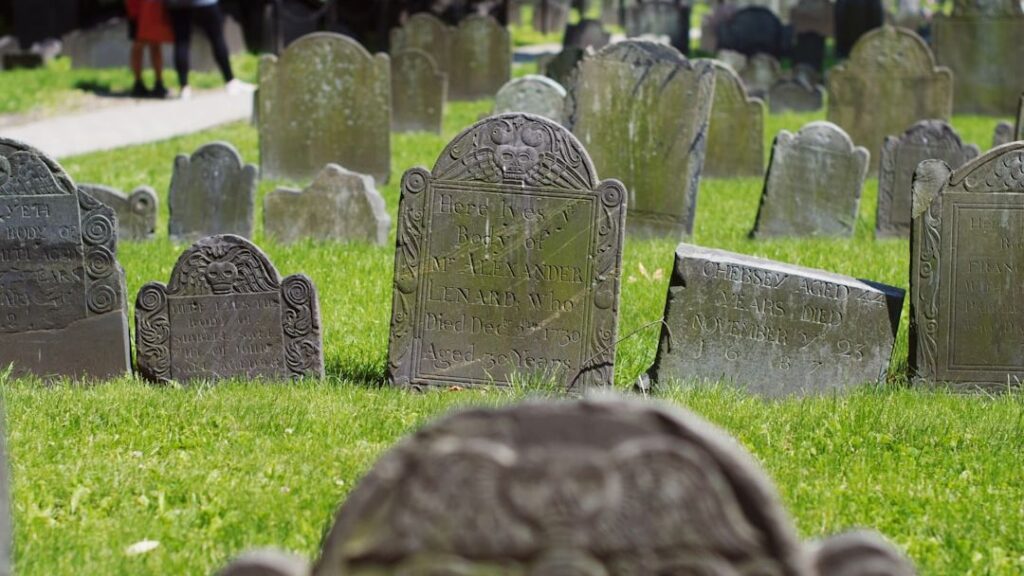

When you let yourself really think about death, it can feel like staring into a cliff edge: unsettling, dizzying, and strangely clarifying. You might prefer to look away, distract yourself, or joke it off, but that quiet awareness that life ends never fully disappears. Instead of being only a source of fear, though, it can become a powerful lens that sharpens how you see your own life.
If you stay with the discomfort for a moment, you start to notice something unexpected: ordinary moments feel heavier, more vivid, almost lit from the inside. A cup of coffee, a message from a friend, the sound of rain on a window – they all land differently when you remember they will not last forever. Thoughts about death are not just morbid background noise; they can be one of the strongest forces pushing you toward a more awake, deliberate way of living.
The Shock Of Finiteness: Why Death Thoughts Wake You Up

Few things snap your attention into the present like suddenly realizing you will not be here forever. When you truly feel your own finiteness, even just for a few seconds, it has the intensity of a psychological alarm clock. You are pulled out of autopilot, out of scrolling, out of mindless routine, and into a raw awareness that your time is not just limited, it is vanishing moment by moment.
You might notice this after a health scare, an accident, or even a difficult dream: your senses sharpen, colors seem brighter, and you feel oddly more alive. That is not an illusion; your brain responds to perceived threats by heightening focus and arousal, and thoughts of death can trigger a similar effect. Instead of treating that jolt as a problem to be numbed, you can treat it like a wake-up call, a reminder that your days are not rehearsal but the actual show.
How Mortality Makes Every Moment Feel More Precious

When you imagine a resource as infinite, you tend to waste it without even noticing. Time often feels that way in your everyday life, like an endless background stream you can dip into whenever you want. The moment you remember that your time is actually a shrinking pool, every hour starts to feel more precious, more deliberate, less casual. Death awareness flips an internal switch from “someday” to “now or maybe never.”
You can feel this shift in small ways: you might savor your meals more, stay present a bit longer in conversations, or feel a quiet gratitude just for waking up. Psychologists who study how reminders of mortality affect behavior consistently find that people often become more focused on what they truly value, not less. You are nudged to stop postponing meaningful experiences to an imaginary later and to treat today as one of a finite number of chances you actually get.
Death Thoughts And Your Sense Of Meaning
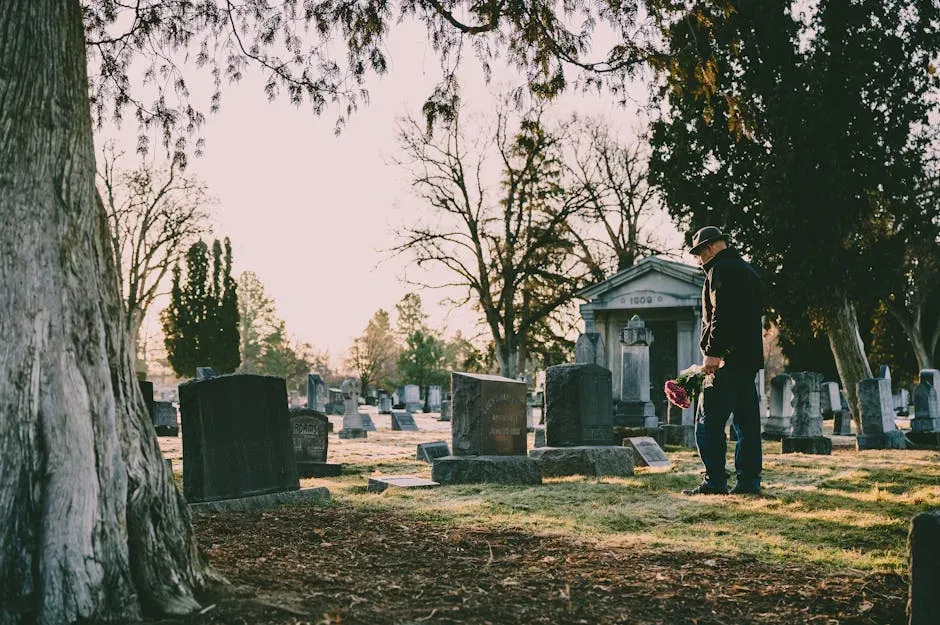
When you seriously confront death, a natural question hits you: if this all ends, what is the point? That question can feel heavy, but it is also one of the most powerful doors into deeper meaning. Instead of floating through your days based on habit or social pressure, you are pushed to ask what genuinely matters to you, not just what looks good from the outside.
Research on meaning in life shows that people who face their mortality and then reflect on their values often report a stronger sense of purpose. You might find yourself drawn toward contribution, creativity, service, or connection, simply because those things feel worth doing even under the shadow of an ending. Death awareness strips away a lot of noise: if something would feel empty on your last day, it starts to look less compelling right now too.
Why Facing Death Often Deepens Your Relationships

When you remember that everyone you love is temporary, your tolerance for pettiness quietly shrinks. Arguments that once felt huge can start to look embarrassingly small compared to the reality that one day, either you will attend their funeral or they will attend yours. That realization can be heartbreaking, but it also makes tenderness feel more urgent and more natural. You begin to see each interaction as one of a limited number of chances to show up fully.
People who have come close to death often describe a similar pattern: less interest in impressing others, more desire for honest, intimate connection. You may find yourself saying “I love you” more often, apologizing quicker, or actually putting your phone away when someone is talking to you. Death thoughts do not necessarily make you gloomy around others; they can actually make you more present, more forgiving, and more open, simply because you know this shared time will not last.
The Paradox Of Fear: How Anxiety About Death Can Still Help You Grow

It is natural to feel fear, dread, or resistance when you dwell on your own death. Your brain is wired to avoid threats, and nothing is more final than the end of your own existence. If you push those thoughts away too aggressively, though, they tend to leak back in as vague anxiety, restless distraction, or an underlying sense that something important is being avoided. Trying to never think about death often makes it loom even larger in the background.
When you let yourself approach that fear gently, instead of running from it, something curious happens: the anxiety can become a teacher. You start to see where you are living out of alignment with what you say you care about, and that gap becomes harder to ignore. That discomfort can nudge you to change your habits, have difficult conversations, or finally begin a project you have been postponing. The fear is not pleasant, but if you listen to it, it can point you toward a more honest life.
Mortality As A Filter For Your Choices And Priorities

One surprisingly practical use of death awareness is as a decision-making tool. When you ask yourself how you would feel about a choice if you knew your life were much shorter, you often get a clearer answer. Trivial concerns fall away quicker, while real desires and values rise to the surface. You may find that certain goals you chased for years, like status symbols or empty achievements, feel strangely hollow under that lens.
This does not mean you have to live every day as if it were your last; that idea can be unrealistic and even stressful. Instead, you can use mortality as a quiet background filter: would this matter to you looking back from the end of your life? If the honest answer is no, maybe it should not dominate your schedule or steal your peace of mind. Over time, this filter helps you invest your limited attention into fewer, deeper, more personally meaningful things.
Death Thoughts And The Expansion Of Spiritual Or Philosophical Awareness
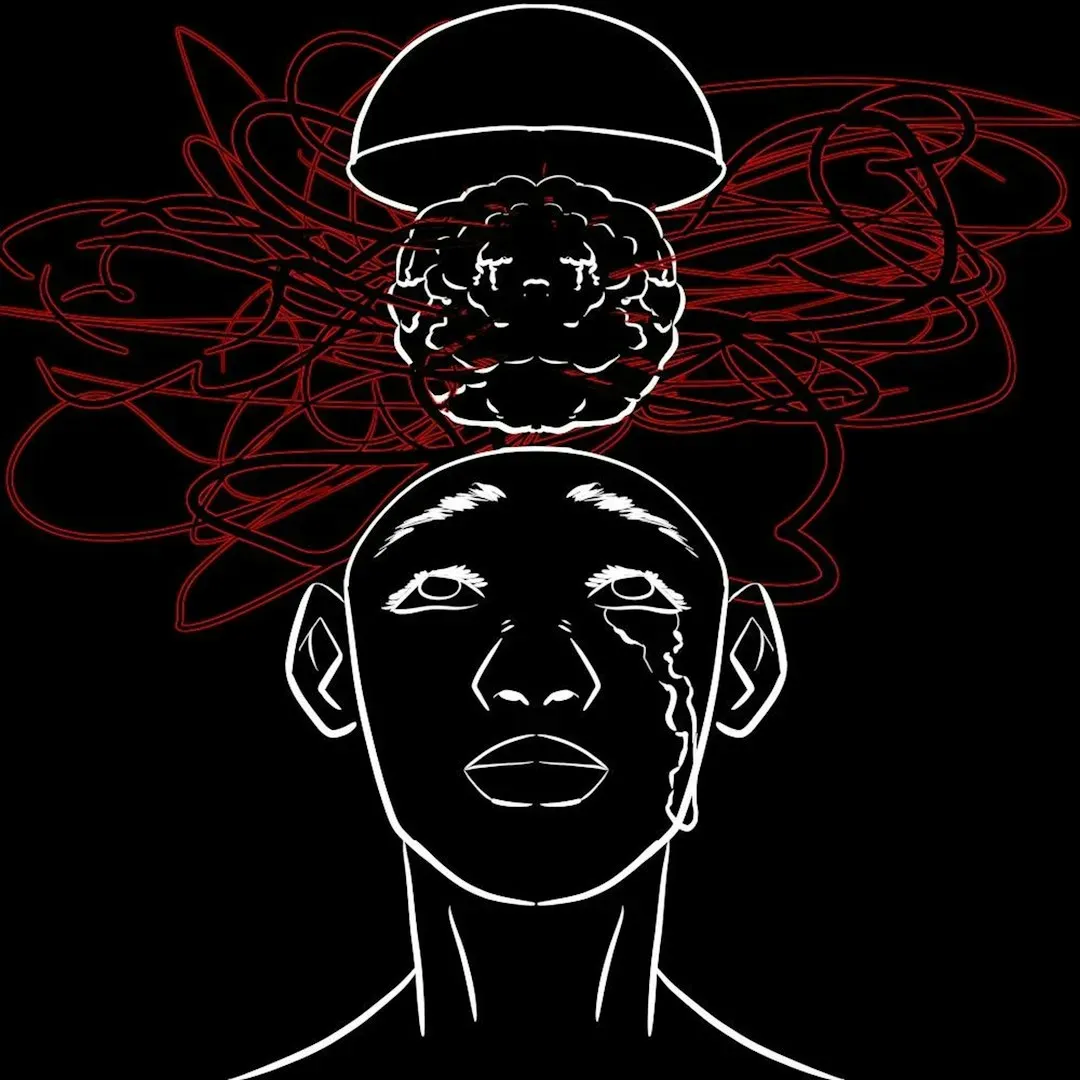
Thinking about death often opens a door into questions you might otherwise postpone indefinitely. You may wonder what, if anything, continues after you die, or what it means to live a good life if there is no guarantee of anything beyond it. Whether you lean religious, spiritual, agnostic, or atheist, mortality tends to pull you toward some kind of larger perspective. It pushes you to explore beliefs and ideas that make sense not only on an easy day, but also on your last.
This exploration can deepen your sense of connection to something bigger than your individual story, whether that is a community, a tradition, the natural world, or a larger universe. People who contemplate death thoughtfully often report feeling both smaller and more connected at the same time. You begin to see your life as one short chapter in a much longer book, and oddly, that realization can make your chapter feel more meaningful, not less, because of how precious and unrepeatable it is.
Turning Awareness Of Death Into A Daily Practice Of Aliveness
It is one thing to have a sudden, intense realization about death and life; it is another thing to keep that awareness alive once daily routines close back in. If you want thoughts about death to actually intensify your consciousness instead of just scaring you once in a while, you can turn them into a gentle, regular practice. That might look like taking a brief moment each day to remember your finiteness and silently ask how you want to use the time you have left.
You do not need dramatic rituals to do this. You could pause before sleep to reflect on whether you lived in a way you would be content with if the day had been your last. You might send one message of appreciation each day, or give ten extra seconds of attention to a simple moment like sunlight on the floor. Small, repeated acts rooted in mortality awareness slowly reshape how awake you feel in your own life, turning death from a distant terror into a quiet reminder to really be here now.
Conclusion: Letting The Thought Of Death Make Your Life Brighter, Not Darker
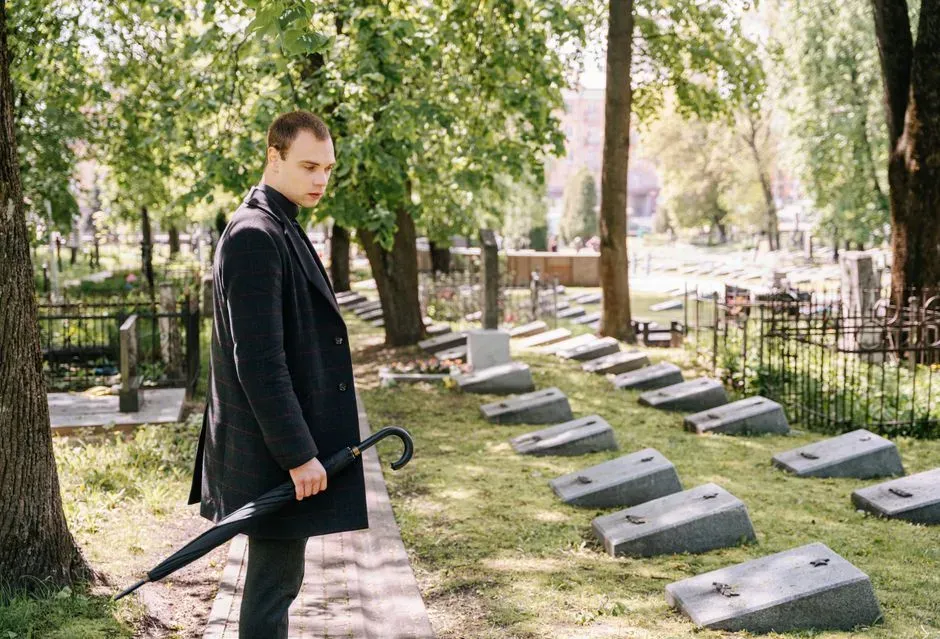
When you stop running from the fact that you will die, your life does not suddenly become darker; it often becomes sharper, richer, and more honest. You start to feel the weight of your hours, the sweetness of your relationships, and the fragility of your own story in a way that makes passivity much harder to tolerate. Death stops being only an enemy at the end of the road and becomes a strange kind of guide, insisting that you pay attention while you still can.
You do not have to dwell obsessively on the end of your life to benefit from this awareness; you only have to let it matter enough to change how you show up today. If you let thoughts about death sit beside you rather than behind you, they can quietly shape your choices, deepen your love, and intensify your gratitude for simply being here at all. So the next time that uncomfortable thought surfaces, instead of pushing it away, you might ask yourself: what is it trying to wake you up to right now?