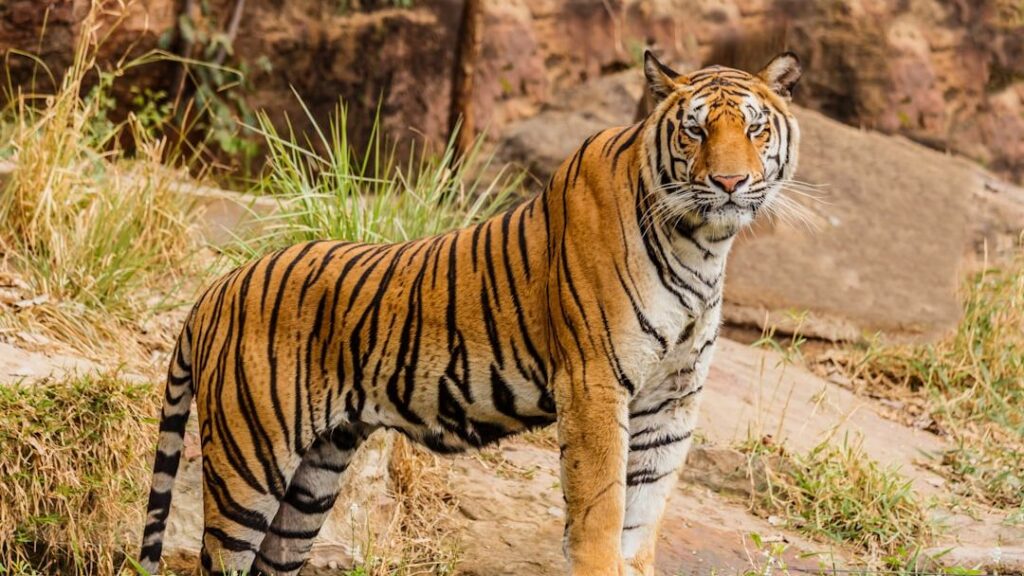

If you have ever watched a tiger move, you know there is something unnervingly deliberate about every step. Nothing is rushed, nothing is wasted. You are not looking at a mindless “killing machine” but at a calculating predator that weighs risk and reward in a split second. Before a tiger attacks, it is already several moves ahead of you, like a grandmaster quietly lining up a checkmate.
Understanding what that big striped brain is doing before it strikes is not about turning you into a wildlife whisperer. It is about seeing the logic behind behavior that at first feels terrifying and random. When you realize how much thinking, testing, and decision‑making happens before a tiger commits to violence, the animal becomes less of a movie monster and more of a brutally efficient strategist. That shift in perspective is both humbling and, honestly, a little chilling.
1. The slow, deliberate stalk: testing distance and risk
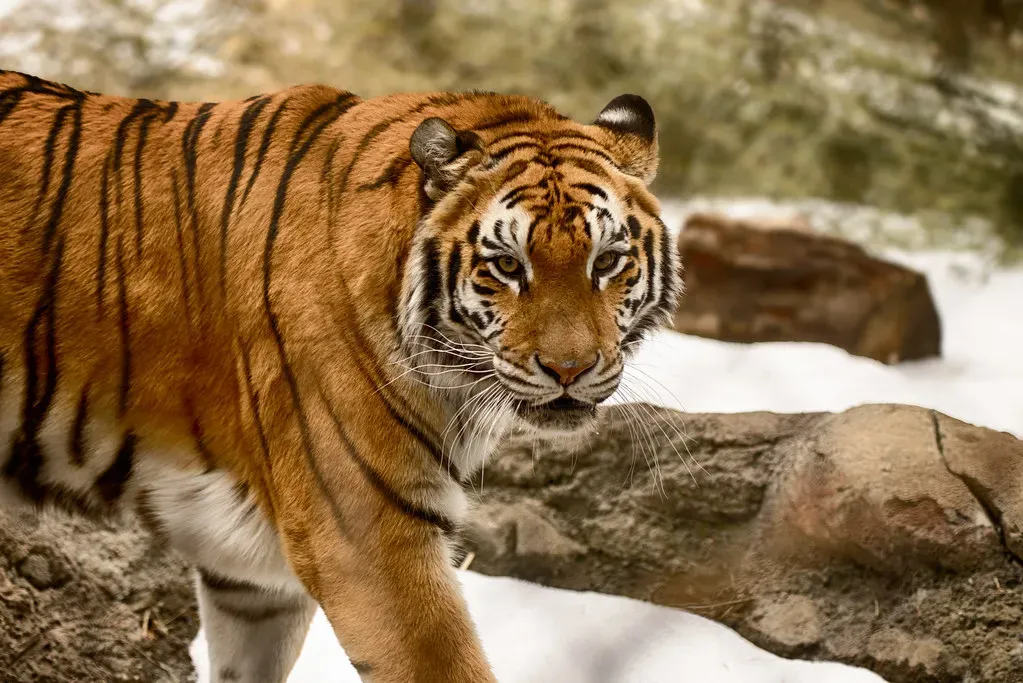
When a tiger stalks, it is not just sneaking up on something; it is running a constant mental calculation. You will see the body drop low, shoulders rolling in exaggerated slow motion, each paw placed like it is stepping through broken glass. What you are watching is a predator trying to get close enough to strike while staying just outside your awareness. Researchers have found that tigers usually try to close the gap to just a few dozen meters before committing to a charge, because their sprint is powerful but short‑lived. ([animalstart.com](https://animalstart.com/how-do-tigers-hunt/?utm_source=openai))
As a tiger creeps forward, it is also gauging whether the attack is worth the risk. It is checking wind direction, available cover, and how alert you or the prey appear to be. If you look up suddenly, turn your body, or change your posture in a way that shows you have detected it, the tiger often aborts the attempt because the element of surprise is gone. Studies of tiger attacks suggest they rarely continue an ambush once they know they have been seen, especially with humans. ([enviroliteracy.org](https://enviroliteracy.org/what-happens-when-you-stare-at-a-tiger/?utm_source=openai))
2. Freezing in place: deciding whether you’ve noticed it
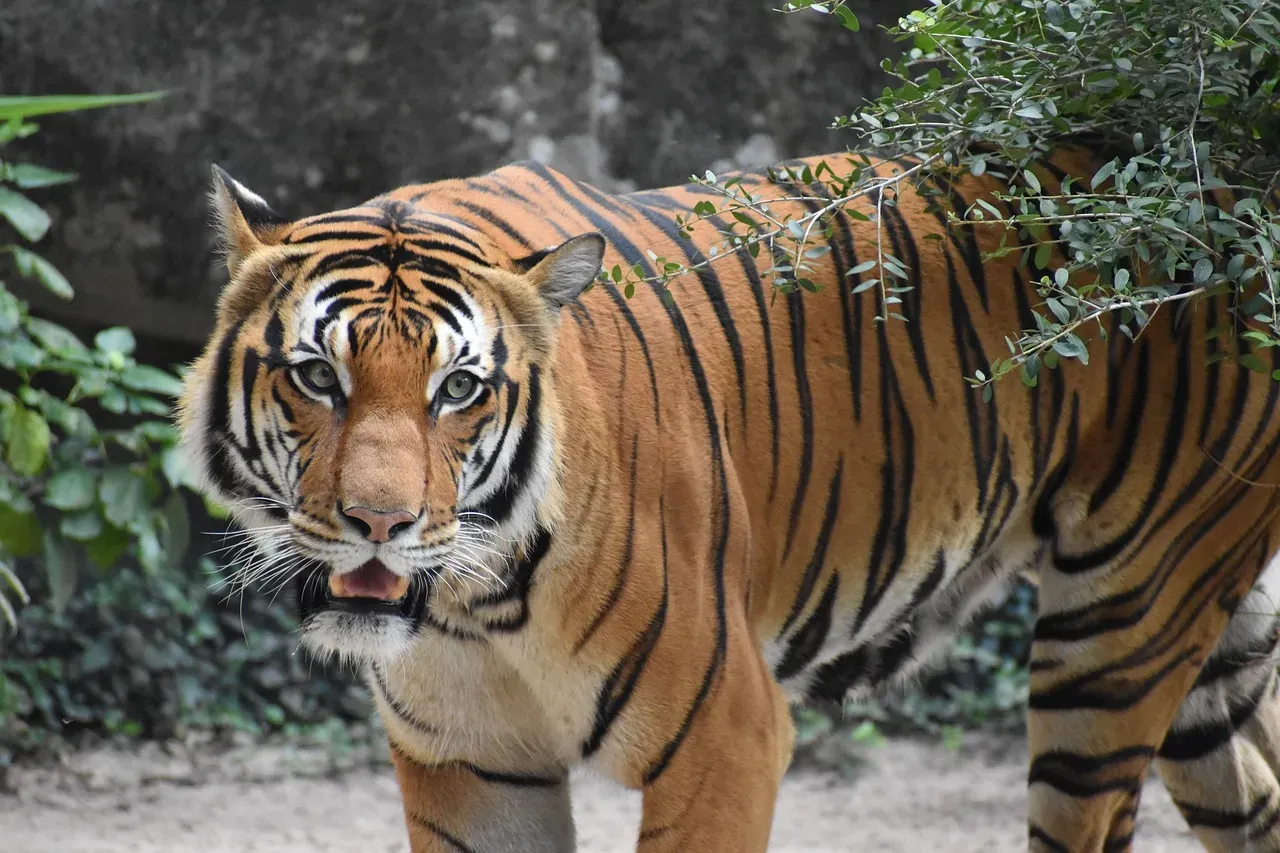
One of the eeriest tiger behaviors is the sudden freeze. You might catch a glimpse of stripes between branches, and then everything stops: no tail flick, no ear twitch, just a statue. That stillness is not hesitation; it is analysis. In that moment, the tiger is reading your reaction, trying to work out if you have truly seen it or just glanced its way. For an ambush predator, preserving doubt in your mind is a powerful advantage. ([enviroliteracy.org](https://enviroliteracy.org/what-are-common-behaviors-of-tigers/?utm_source=openai))
If you stare directly, raise your body, or change direction, you are telling the tiger that its cover is blown. Field observations and safety guidelines from tiger‑range areas note that once a person clearly indicates they have spotted a stalking tiger, the animal is less likely to proceed with a full attack. It may shift position, melt back into cover, or circle to find a better angle. Freezing gives it time to choose between advancing, repositioning, or abandoning the attempt altogether. ([enviroliteracy.org](https://enviroliteracy.org/what-happens-when-you-stare-at-a-tiger/?utm_source=openai))
3. Using cover and terrain: thinking like a shadow, not a sprinter
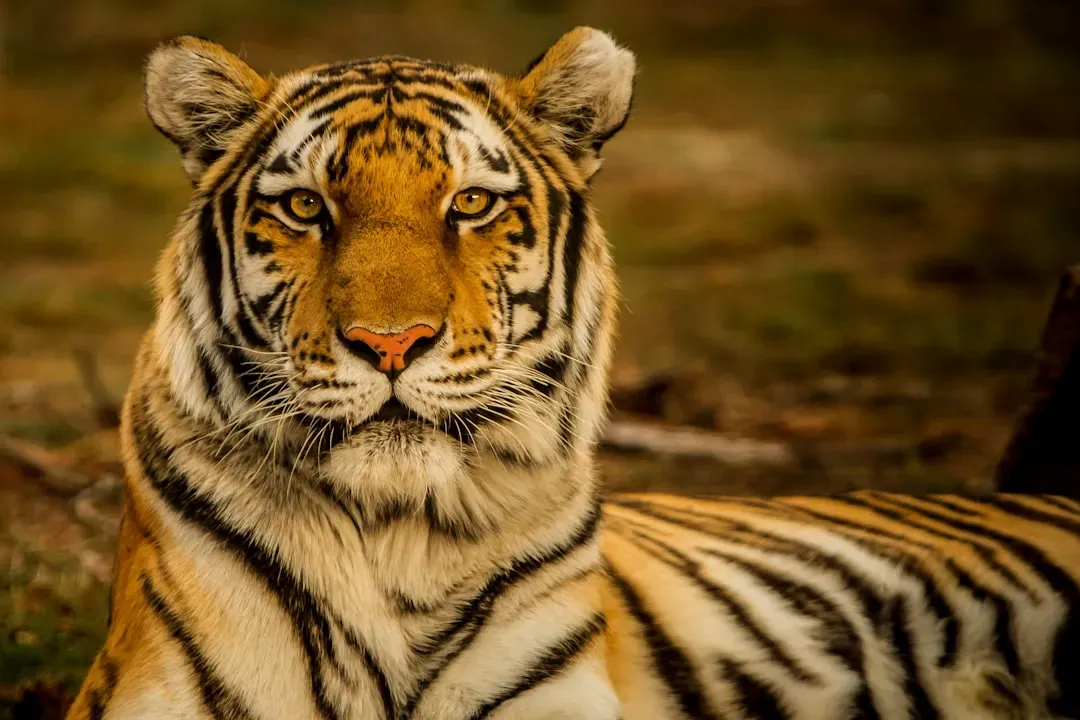
Tigers do not rely on speed alone; they rely on the environment. When a tiger is lining up an attack, it will almost always use bushes, tall grass, rocks, or fallen logs as stepping stones, moving between them like pieces on a chessboard. You will rarely see a tiger walk straight across open ground toward something it intends to kill. Instead, it angles in from the side or behind, often staying downwind so its scent reaches you as late as possible. ([enviroliteracy.org](https://enviroliteracy.org/what-are-common-behaviors-of-tigers/?utm_source=openai))
This use of terrain shows you just how tactical a tiger’s mind really is. The animal is effectively asking itself: “How close can I get without being seen, and where is the best place to launch from?” By getting within that short striking distance, it keeps the explosive charge brief, because the cat can only sustain top speed for a handful of seconds. In other words, the tiger is managing its own limitations, using the landscape to stretch its power farther than its muscles alone could. ([animalstart.com](https://animalstart.com/how-do-tigers-hunt/?utm_source=openai))
4. Locking its gaze: analyzing your posture and attention
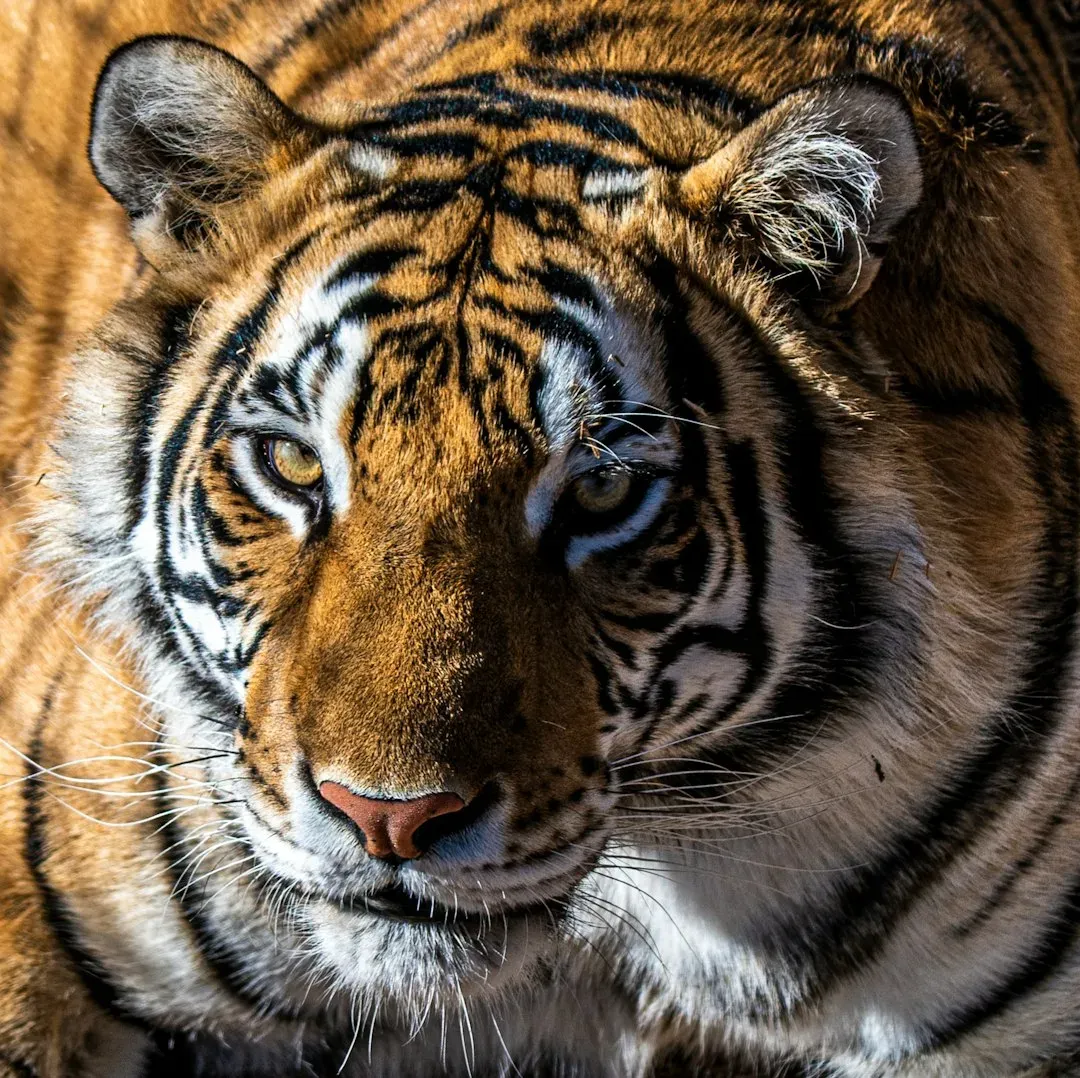
If you ever find a tiger staring at you with that unblinking, burning focus, you are not just being watched; you are being evaluated. Eye contact and gaze direction are a huge part of how tigers think before they act. A tiger that is weighing an attack will often fix its eyes on your center of mass while it reads how you move, whether you look afraid, and how aware you seem. Your body language – upright versus crouched, calm versus frantic – feeds into the tiger’s decision. ([enviroliteracy.org](https://enviroliteracy.org/what-happens-when-you-stare-at-a-tiger/?utm_source=openai))
Interestingly, experts who study tiger encounters note that when you clearly show a tiger that you see it, especially by facing it and not turning your back, you can sometimes disrupt its ambush strategy. The tiger depends heavily on surprise, and losing that advantage can make you a less attractive target. That does not make eye contact some magic shield, and it can be risky in the wrong context, but it reveals something important: the tiger is not blindly aggressive. It is constantly reassessing whether the odds are still in its favor. ([enviroliteracy.org](https://enviroliteracy.org/what-happens-when-you-stare-at-a-tiger/?utm_source=openai))
5. Crouched body and coiled muscles: loading the spring
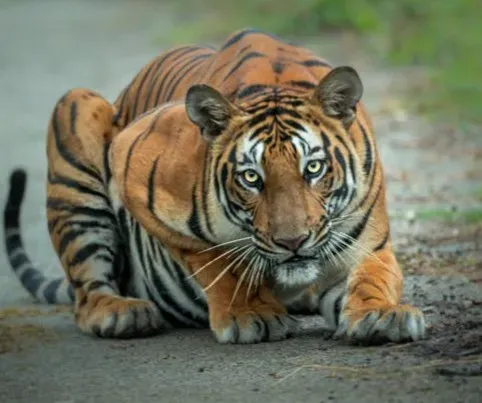
Just before a tiger commits, its body language changes from fluid to tightly wound. The hindquarters drop slightly, muscles along the spine tense, and the tiger’s weight shifts toward its back legs. You might see a subtle rocking motion, as if it is measuring the ground under its paws. That posture is the biological equivalent of pulling back a slingshot – it is loading the spring for an explosive pounce. ([animaldiversity.org](https://animaldiversity.org/accounts/Panthera_tigris/?utm_source=openai))
In that coiled moment, the tiger is making its final calculation: distance, angle, and the likely reaction the instant it moves. Studies of hunting behavior show that tigers usually attack from very close range because they want to minimize the chance of a long pursuit, which costs energy and increases the risk of injury. If something in those last seconds feels off – maybe you turn unexpectedly, or another animal appears – the tiger may release that tension not with an attack, but by easing back into cover. Even at the very threshold of violence, it is still thinking in probabilities, not pure aggression. ([enviroliteracy.org](https://enviroliteracy.org/what-are-common-behaviors-of-tigers/?utm_source=openai))
6. Tail, ears, and whiskers: tiny signals of a big decision
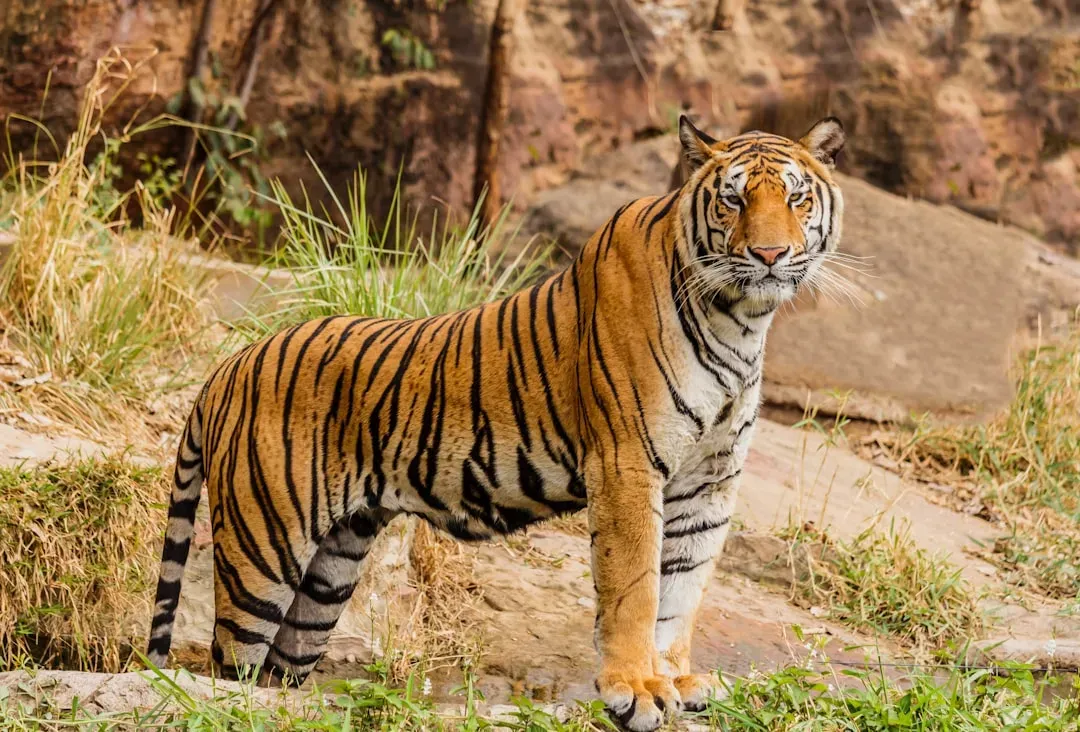
While the big movements catch your eye, some of the most revealing tiger behaviors before an attack are tiny. Watch the tail: a slow, controlled sway can indicate focus, while a quick, agitated flick may show rising tension or irritation. Ears that flatten back against the head, combined with narrowed eyes and forward‑pushed whiskers, are classic signs of a cat that is preparing for a possible strike or defense. These small shifts are like the “status lights” on a very dangerous machine. ([animaldiversity.org](https://animaldiversity.org/accounts/Panthera_tigris/?utm_source=openai))
At the same time, you have to be careful not to overinterpret every flick or twitch, because tigers also use these signals in non‑aggressive situations. A tiger may pin its ears during a social dispute with another tiger, or flick its tail while annoyed but not actually planning to attack. What matters is the combination and the context: focused stare, low body, steady advance, and tight tail all together are much more meaningful than any one sign on its own. If you think of the tiger’s body language as a full sentence instead of a single word, you start to read what it is truly considering. ([enviroliteracy.org](https://enviroliteracy.org/what-are-common-behaviors-of-tigers/?utm_source=openai))
7. Hissing, growling, and snarling: warnings before commitment
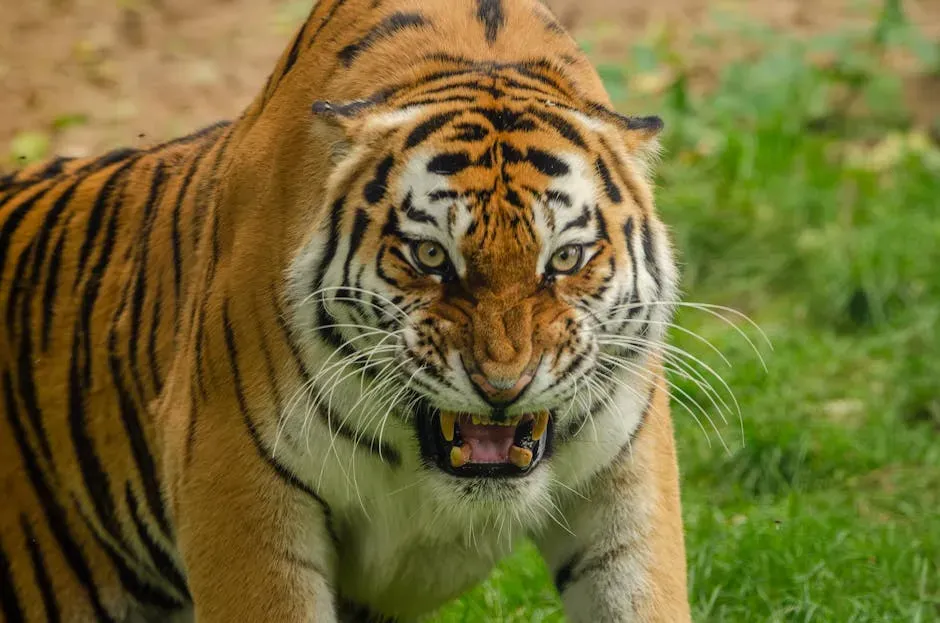
A tiger that is truly thinking about attacking does not always stay silent. Sometimes it warns first. Hissing, deep growls, or a full‑on snarl with exposed teeth are often the tiger’s way of saying it wants you to back off so it does not have to escalate. Biologists describe hissing and snarling as threat displays that sit on a spectrum: a hiss may reflect fear and irritation, while a snarl is closer to a serious intention to fight or attack if you keep pushing. ([enviroliteracy.org](https://enviroliteracy.org/why-do-tigers-hiss/?utm_source=openai))
In these moments, the tiger is weighing whether a display alone will solve the problem. Think of it like a final verbal warning before a punch is thrown. If you retreat or change your behavior, the tiger may decide it has successfully defended its space without risking a costly physical clash. If you ignore the warning, move closer, or trap the animal further, you increase the chances that it will follow through. Underneath the roar and theatrics, there is a survival logic at work: avoid injury if possible, but do not hesitate if you feel cornered. ([enviroliteracy.org](https://enviroliteracy.org/do-tigers-feel-fear/?utm_source=openai))
8. Ambushing from the side or behind: reading your blind spots
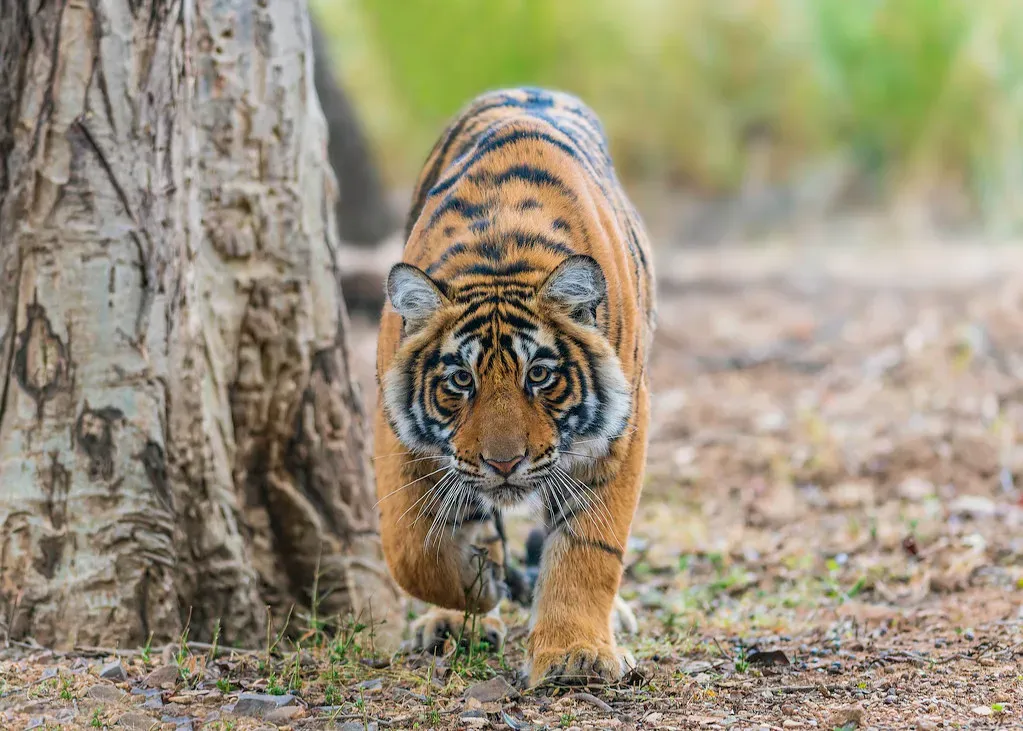
Tigers almost never attack head‑on if they can avoid it. Instead, they prefer to approach from the side or from behind, using your blind spots the same way they use cover in the landscape. When they are deciding how to attack, they are effectively mapping what you can and cannot see, and how fast you might react. That is why people bending over, crouching, or facing away from dense vegetation are at higher risk in tiger habitat: those positions open up more angles for a close, unseen approach. ([en.wikipedia.org](https://en.wikipedia.org/wiki/Tiger_attack?utm_source=openai))
Accounts of tiger attacks on humans and prey animals show that this side‑or‑rear strategy is remarkably consistent. The tiger’s mind leans heavily on the element of surprise, because that gives it a much higher chance of landing the first, disabling bite to the neck or throat. When you stand upright, turn frequently, or travel in a group, you unintentionally reduce the opportunities for the tiger to exploit your blind side. Again, the pattern is clear: the cat is not simply lunging at anything it sees; it is always chasing the lowest‑risk, highest‑success scenario. ([animalstart.com](https://animalstart.com/how-do-tigers-hunt/?utm_source=openai))
9. Reading your movement: chase instinct versus caution
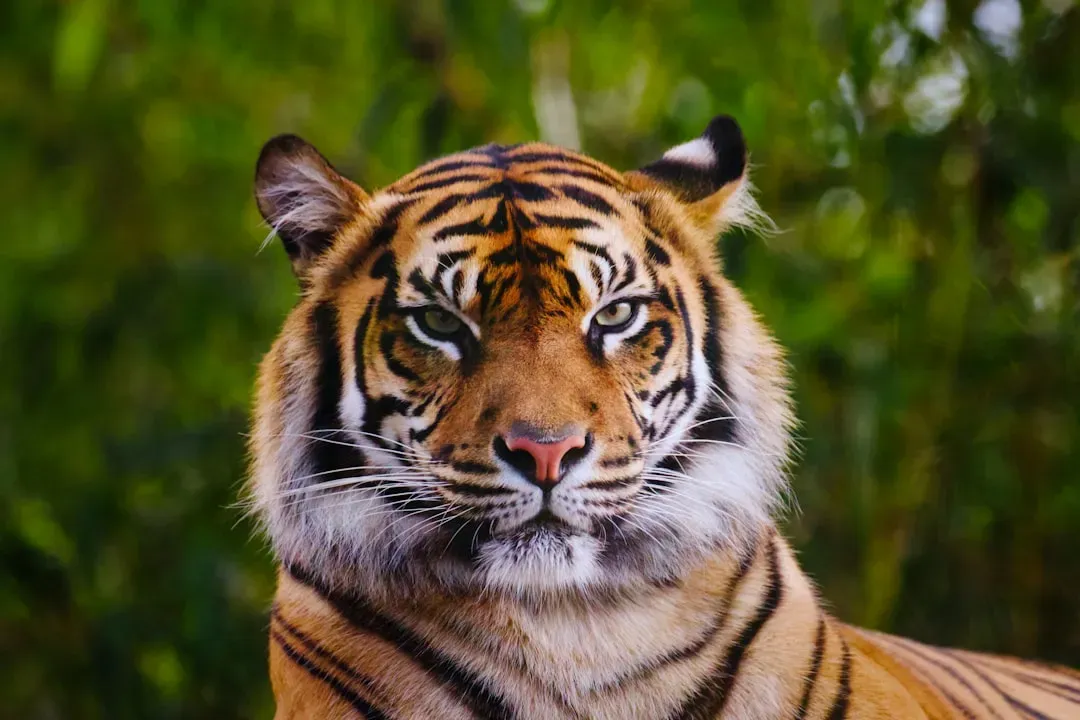
Your own movement can flip switches in a tiger’s head. Fast, erratic motion – running, cycling, or suddenly bolting – can trigger a predator’s chase instinct, making you look more like typical prey. Safety advisories from tiger regions often warn against running for exactly this reason. On the other hand, slow, steady backing away while facing the tiger can send a very different signal: you have seen it, you are not easy to ambush, but you are also not rushing toward it. ([en.wikipedia.org](https://en.wikipedia.org/wiki/Tiger_attack?utm_source=openai))
Researchers who have analyzed tiger attacks note that many incidents involving humans are better described as defensive or opportunistic than purely predatory. If you move in a way that makes the tiger think you are about to attack, surprise it at close range, or trap it in a corner, you are forcing it to make a split‑second choice between flight and fight. In that frame of mind, your sudden movement can push it toward aggression. When you see it as a thinking animal reacting to your signals, not a mindless monster, how you move around it starts to feel far more important. ([enviroliteracy.org](https://enviroliteracy.org/do-tigers-feel-fear/?utm_source=openai))
10. Defensive charges and bluff attacks: forcing you to back off
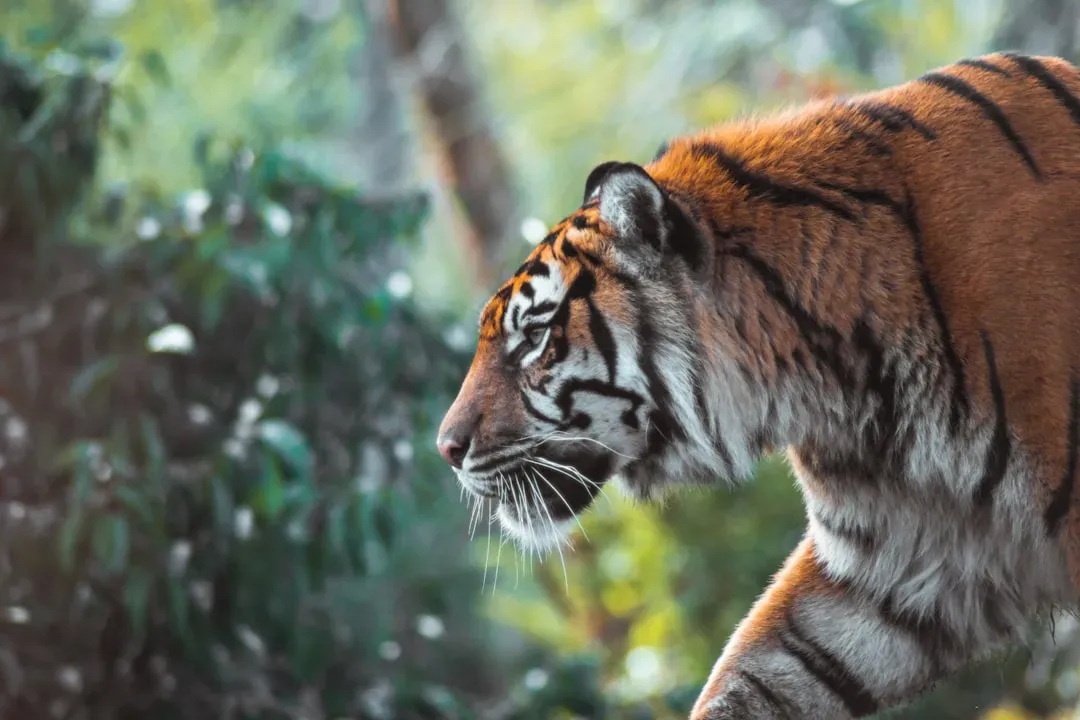
Not every tiger that charges intends to follow through with a full attack. Sometimes, it is bluffing – though from your perspective, that distinction does not feel very comforting. In a defensive charge, a tiger may rush forward a short distance, roar or snarl, then stop or veer away at the last second. Wildlife workers in tiger areas sometimes describe these as “mock charges,” where the primary goal is to scare you enough that you retreat. ([wildtigerhealthcentre.org](https://wildtigerhealthcentre.org/wp-content/uploads/2020/04/WTHC_Info_sheet-How_to_respond_to_meeting_a_tiger.pdf?utm_source=openai))
What is going on in the tiger’s head here is a brutal cost‑benefit calculation. It wants you gone but does not necessarily want to risk the injuries that come with a prolonged fight. A sudden rush is a way to test your reaction: if you flinch and run, it has succeeded without serious effort. If you stand firm, keep eye contact, or present a united front with others, the tiger may decide the bluff failed and either withdraw or escalate. The behavior makes more sense when you see it as an intense negotiation over space and fear, not just random aggression. ([enviroliteracy.org](https://enviroliteracy.org/do-tigers-feel-fear/?utm_source=openai))
11. Guarding kills or cubs: attacks driven by protection, not hunger
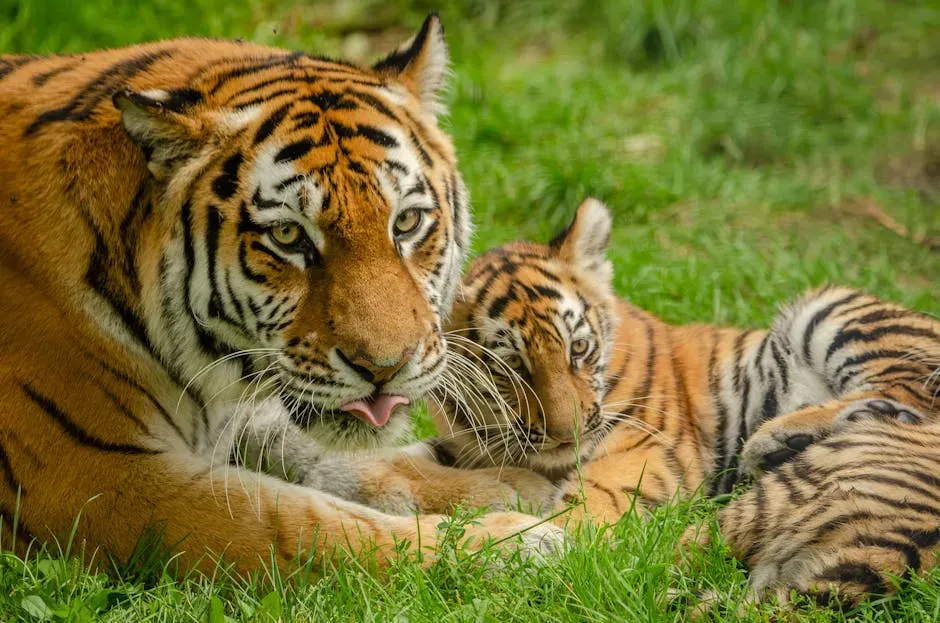
One of the most misunderstood tiger behaviors is the sudden, explosive attack when you stumble too close to a carcass or cubs. In those situations, the tiger is thinking very differently than during a normal hunt. It is not weighing you as prey; it is treating you as a threat to something it values. A tigress with young cubs, or any tiger guarding a fresh kill, often shows a sharp shift into hyper‑defensive mode: body between you and the cubs or carcass, intense stare, and a readiness to charge if you keep approaching. ([animaldiversity.org](https://animaldiversity.org/accounts/Panthera_tigris/?utm_source=openai))
Here, the decision to attack is fueled by protective instinct and fear more than by hunger. Studies and reports from tiger landscapes indicate that many attacks on humans happen when people unknowingly get too close to hidden cubs or a tiger feeding. The tiger’s thought process, if you could put it into human words, would be something like: “If I do not drive you off now, I might lose everything.” When you understand that frame, you realize that slowly backing away and giving space is not just respectful – it directly changes what the tiger is likely to choose next. ([enviroliteracy.org](https://enviroliteracy.org/do-tigers-feel-fear/?utm_source=openai))
12. Choosing not to attack: the silent decision you never see
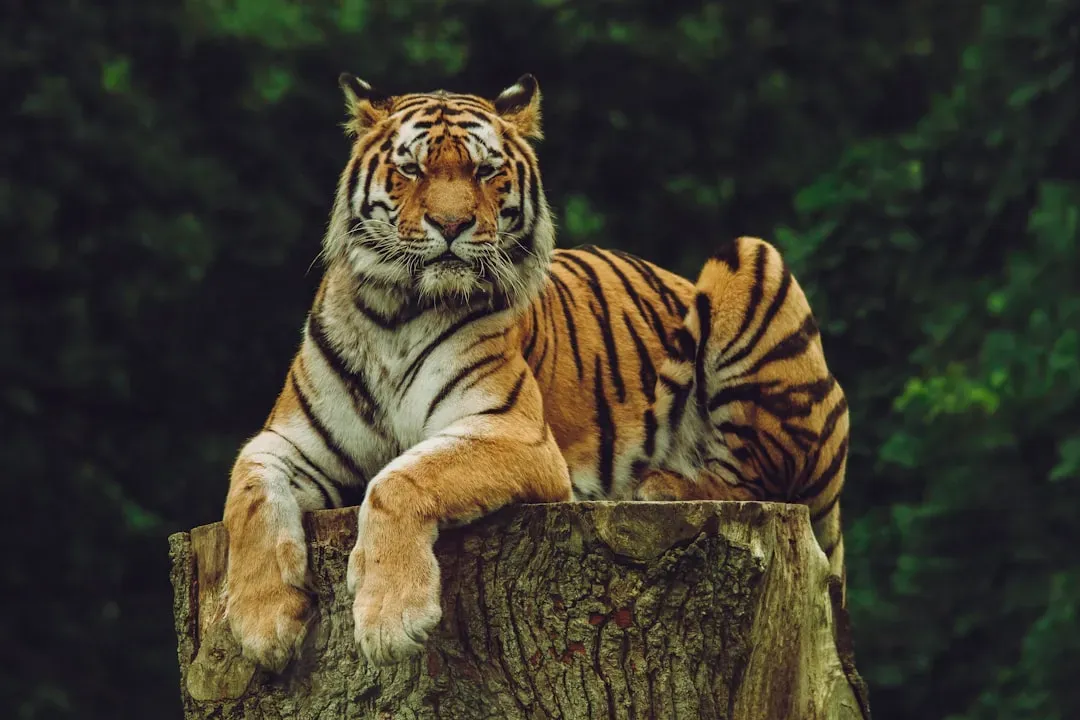
Maybe the most revealing behavior of all is the one you rarely notice: the tiger that decides you are not worth the trouble. Field evidence from across tiger range shows that these cats usually avoid humans when they have other options. They skirt around villages at night, change direction when they detect people, and often abandon a stalk once they realize a potential target is alert, grouped with others, or simply too risky. The fact that relatively few human encounters end in attack, despite overlapping habitats, tells you how often tigers consciously choose restraint. ([enviroliteracy.org](https://enviroliteracy.org/what-are-common-behaviors-of-tigers/?utm_source=openai))
In those quiet non‑events, a tiger has still gone through the same mental checklist: surprise, distance, risk of injury, potential payoff. It has read your posture, your movement, and maybe even your numbers if you are in a group, and then walked away. You never feel the danger you avoided, but the decision was still made. When you start to see tigers this way – as animals constantly weighing their options rather than blindly attacking – you gain a deeper respect for both their power and their judgment. That respect is one of the most important tools you have for staying safe in their world.
Conclusion: A calculating predator, not a movie monster
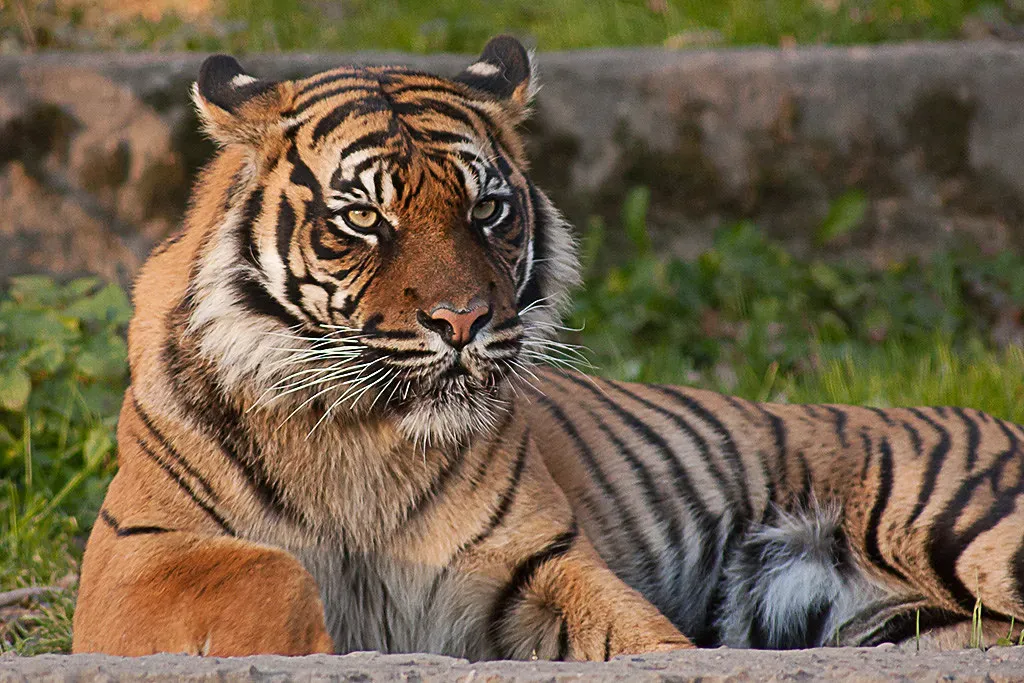
When you pull all these behaviors together, a clear picture emerges: before a tiger attacks, it is running through a brutally efficient decision tree. It stalks to shorten the distance, freezes to read your awareness, uses cover and wind like tools, and constantly watches how you move. Its body language – ears, tail, posture – shifts as it weighs whether to bluff, warn, strike, or slip away. Underneath the fur and muscle is a brain tuned to minimize risk and maximize success, not a creature that attacks just because it can.
For you, that understanding is more than just fascinating trivia. It changes how you interpret a growl, a stare, or even the fact that nothing seems to happen at all. Most of the time, the most important decision a tiger makes about you is the one to avoid you entirely. Knowing that does not make these animals any less dangerous, but it does make them more knowable – and, in an odd way, more relatable. Next time you see footage of a tiger moving through the forest, you might find yourself wondering: at that exact second, what choice do you think it was quietly making?