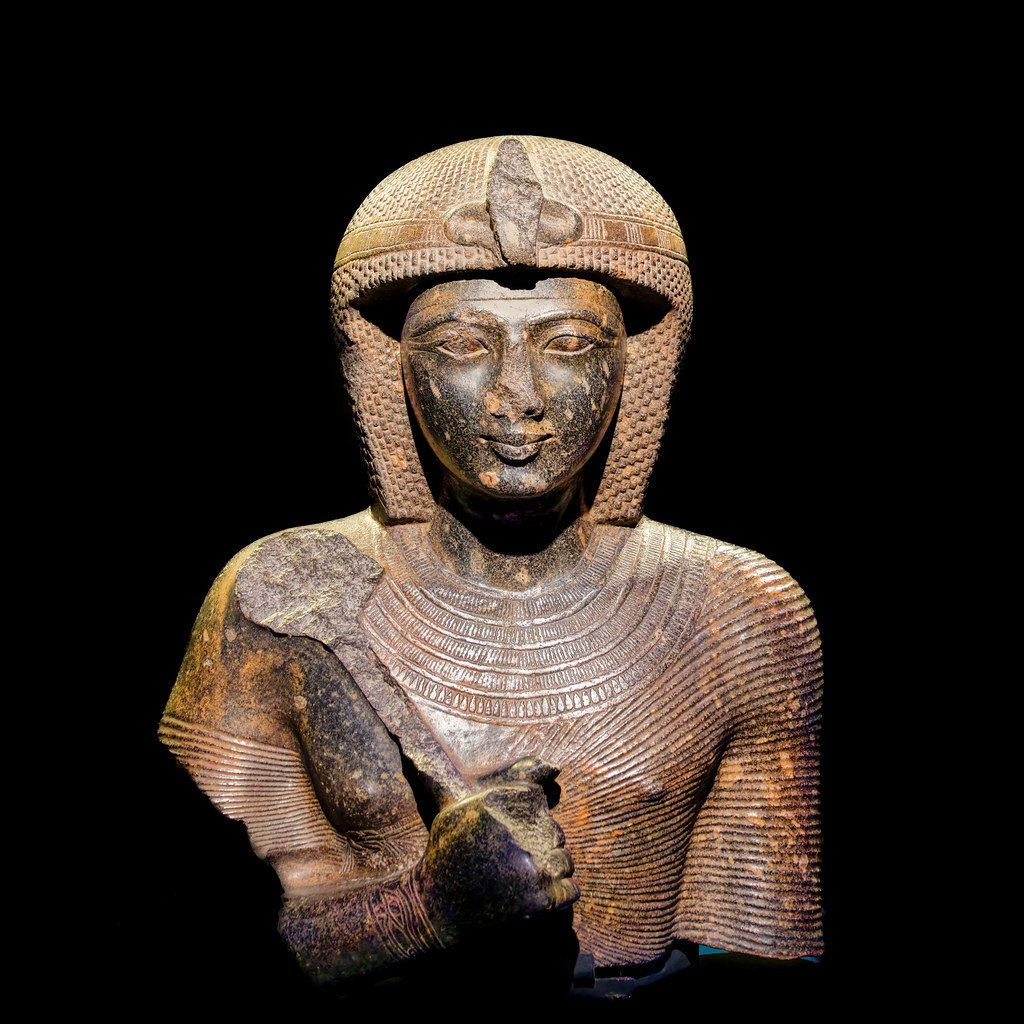
You think you know ancient Egypt? Think again. When it comes to legendary rulers, few figures loom as large as . This pharaoh didn’t just rule Egypt. He dominated it for more than six decades, leaving behind monuments so colossal they still make you feel tiny when you stand before them. Let me be real with you, this guy was everywhere. From the sands of Nubia to the cliffs of Abu Simbel, his name echoes through history like no other.
What made him so special? Was it his military genius, his architectural obsession, or simply the fact that he outlived nearly everyone around him? Maybe it was all of the above. Here’s the thing: wasn’t born into royalty the way you might expect. His grandfather was a military officer who climbed the ranks, and his father seized the throne. Yet Ramesses turned his family’s humble beginnings into a dynasty that would define an era. His story is packed with drama, ambition, and a legacy that refuses to fade.
He Ruled for an Astonishing Sixty-Six Years
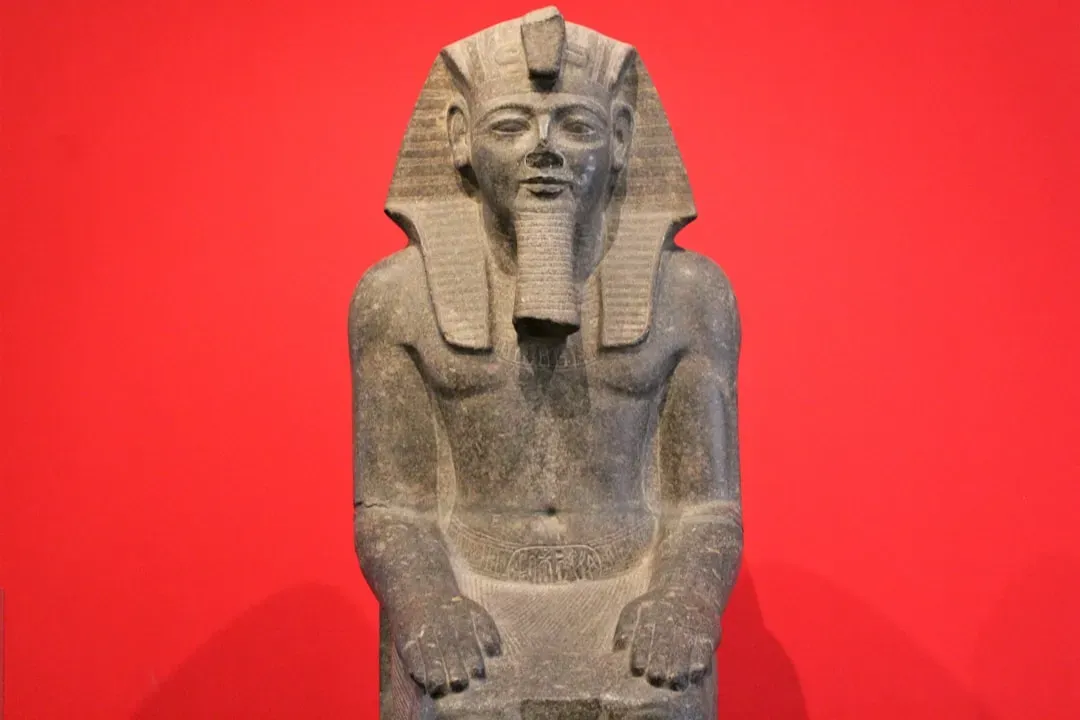
reigned for sixty-six years, making his rule one of the longest in Egyptian history, possibly matched only by Pepi II who lived a thousand years earlier. Imagine that. His reign from 1279 to 1213 BCE was the second longest in all of Egyptian history, and during that time, Egypt reached heights of power and prosperity rarely seen before or after.
When you rule for that long, you witness generations come and go. He likely died around the age of ninety or ninety-one, a lifespan that was almost unthinkable in the ancient world. The pharaoh who took the throne as a young man in his twenties watched his children grow old, his enemies fade, and his kingdom flourish. By the end of his life, Egypt was unmatched in wealth and influence.
He Wasn’t Actually Born into Royalty
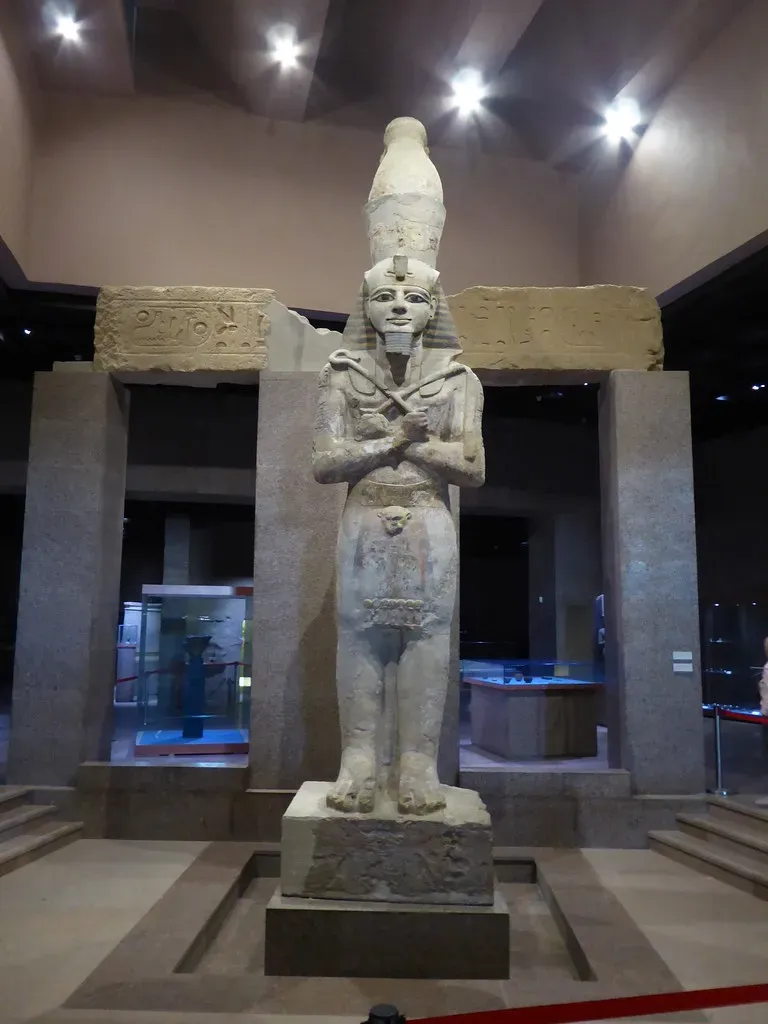
‘s grandfather, Ramesses I, elevated their commoner family to royalty through military prowess. That’s right, this legendary pharaoh came from a family of military officers, not ancient royal blood. His grandfather worked his way up under Pharaoh Horemheb and eventually took the throne himself. Talk about a family glow-up.
‘s father, Seti I, secured the nation’s wealth by opening mines and quarries and fortifying Egypt’s borders against threats like the Hittites. Ramesses grew up watching his father build an empire, learning the ropes of war and diplomacy from an early age. His father appointed him as coregent at a young age, and he accompanied his father on campaigns abroad as a teenager. By the time he took the throne, he was already a seasoned leader.
The Battle of Kadesh Was His Defining Military Moment
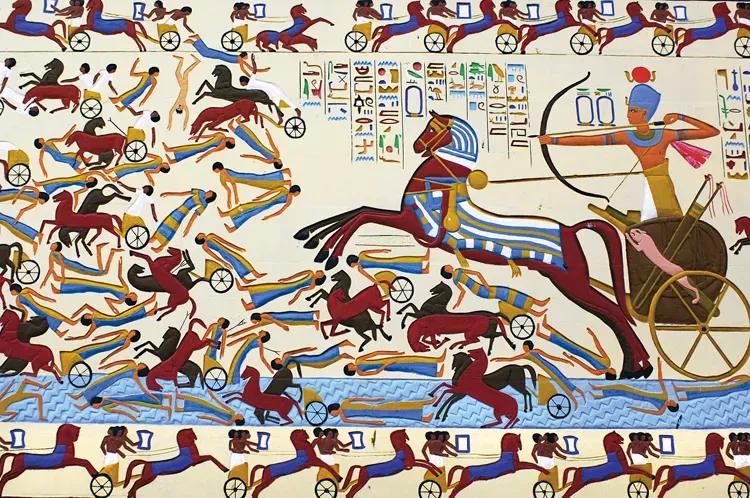
The Battle of Kadesh in his fifth regnal year was the climactic engagement in a campaign that Ramesses fought in Syria against the resurgent Hittite forces of Muwatalli II. This wasn’t just another skirmish. It was one of the largest chariot battles in history, involving thousands of soldiers and hundreds of war chariots clashing in the heat of the Syrian desert.
Here’s where it gets interesting. claimed victory in inscriptions, but historians believe it ended in a stalemate. Still, Ramesses made sure everyone knew he was the hero. He covered temple walls from Luxor to Abu Simbel with scenes of his bravery, depicting himself charging into battle and single-handedly turning the tide. Was it propaganda? Absolutely. But it worked. The aftermath led to the world’s first recorded peace treaty, signed between the two powers, cementing his reputation as both a warrior and a statesman.
He Signed the First Peace Treaty in History
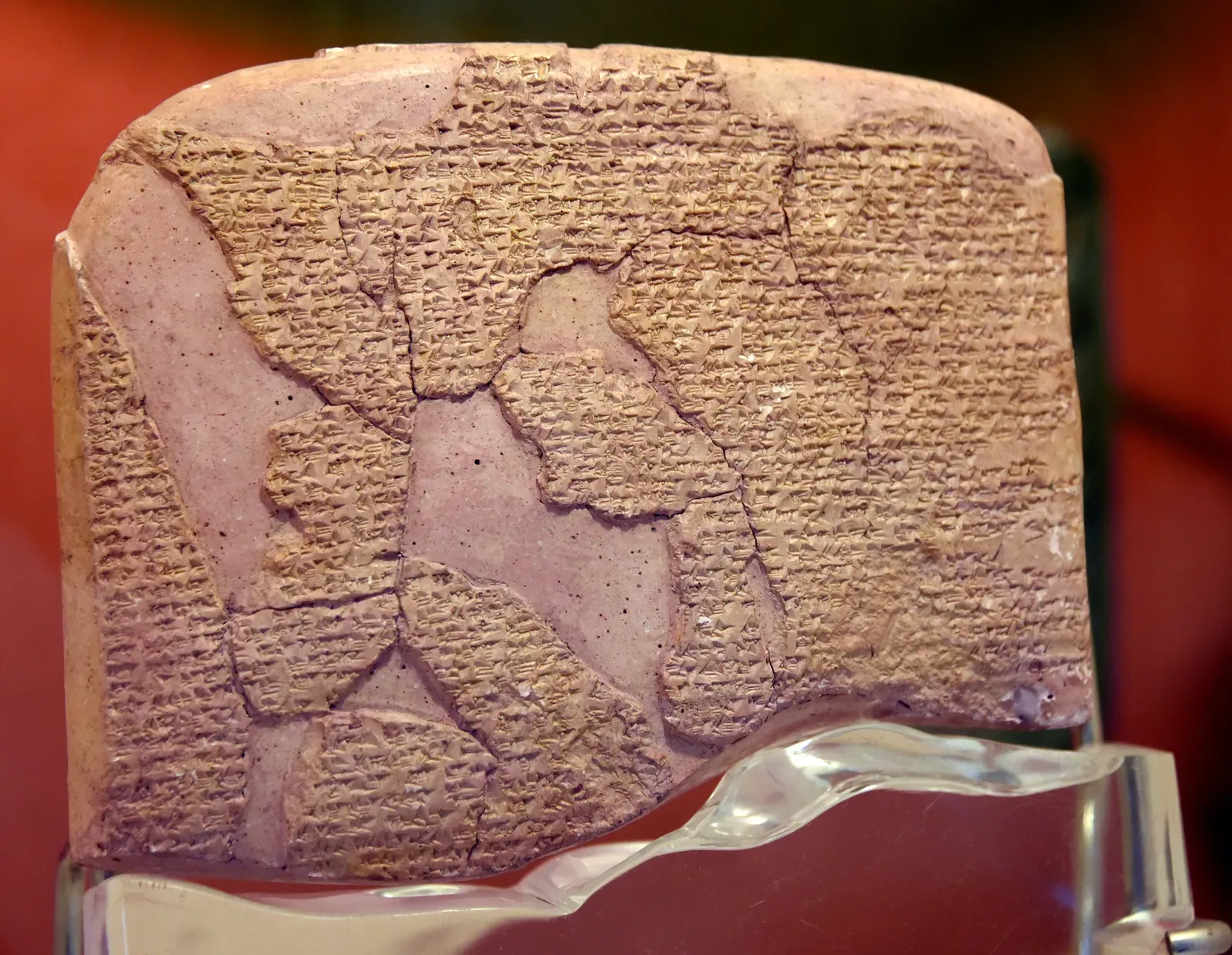
After years of back-and-forth conflict with the Hittites, Ramesses did something revolutionary. He signed the first peace treaty in history, creating a formal agreement between Egypt and the Hittite Empire that stabilized the region for decades. Think about that. This pharaoh didn’t just fight wars; he knew when to make peace.
The treaty wasn’t just a piece of paper. married one, and possibly two, Hittite princesses following the drafting of the Egyptian-Hittite peace treaty in 1258 BCE. These diplomatic marriages sealed the deal and turned former enemies into allies. A replica of the treaty tablet even sits at the United Nations headquarters in New York today, a testament to its enduring significance.
He Built More Monuments Than Any Other Pharaoh
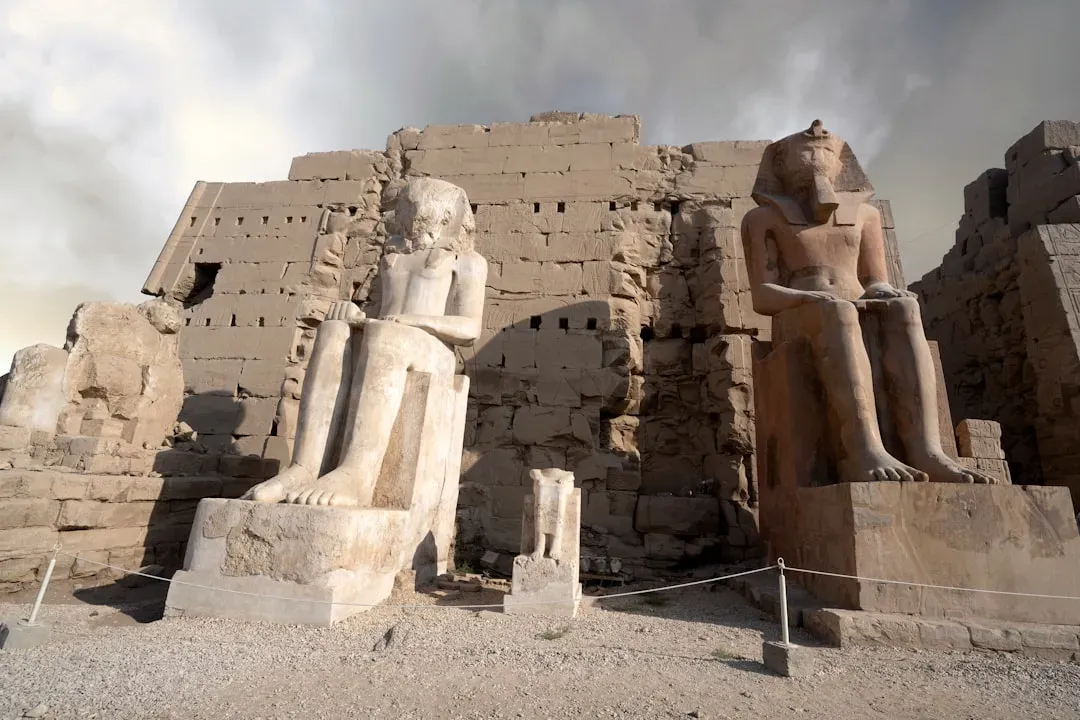
Honestly, had a building obsession. His interest in architecture resulted in the erection of more monuments than any of the other ancient Egyptian pharaohs. Everywhere you look in Egypt, from the Delta to Nubia, you’ll find his mark. Temples, statues, entire cities – this guy left his name on everything.
Ramesses built extensively from the Delta to Nubia, covering the land with buildings in a way no monarch before him had. He didn’t just construct new monuments either. He also renovated older temples, sometimes even slapping his name on them. Some call it propaganda, others call it genius. Either way, it worked. His legacy became literally carved in stone.
Abu Simbel Stands as His Greatest Architectural Triumph
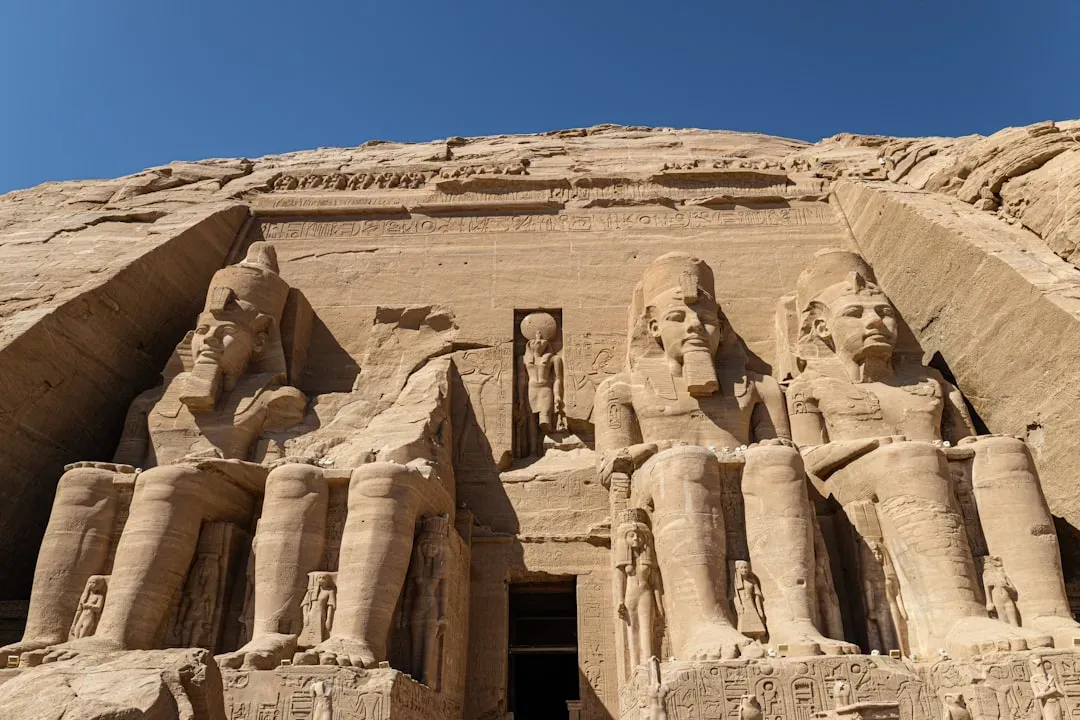
If you’ve seen pictures of those massive statues carved into a cliff face, you’ve seen Abu Simbel. At its entrance, four sixty-plus-foot-tall seated statues of him serve as sentries, staring out over the desert with an expression of eternal power. The temple itself was carved deep into the mountainside, a feat of engineering that still baffles experts today.
There are two temples, the Great Temple dedicated to himself, and the Small Temple dedicated to his chief wife Queen Nefertari. Twice a year, the sun’s rays penetrate the temple and illuminate the inner sanctuary, a testament to the precision of ancient Egyptian architects. When the Aswan High Dam threatened to flood the site in the 1960s, UNESCO orchestrated a massive rescue operation, moving both temples stone by stone to higher ground. It remains one of the most impressive preservation efforts in history.
He Had Over One Hundred Children
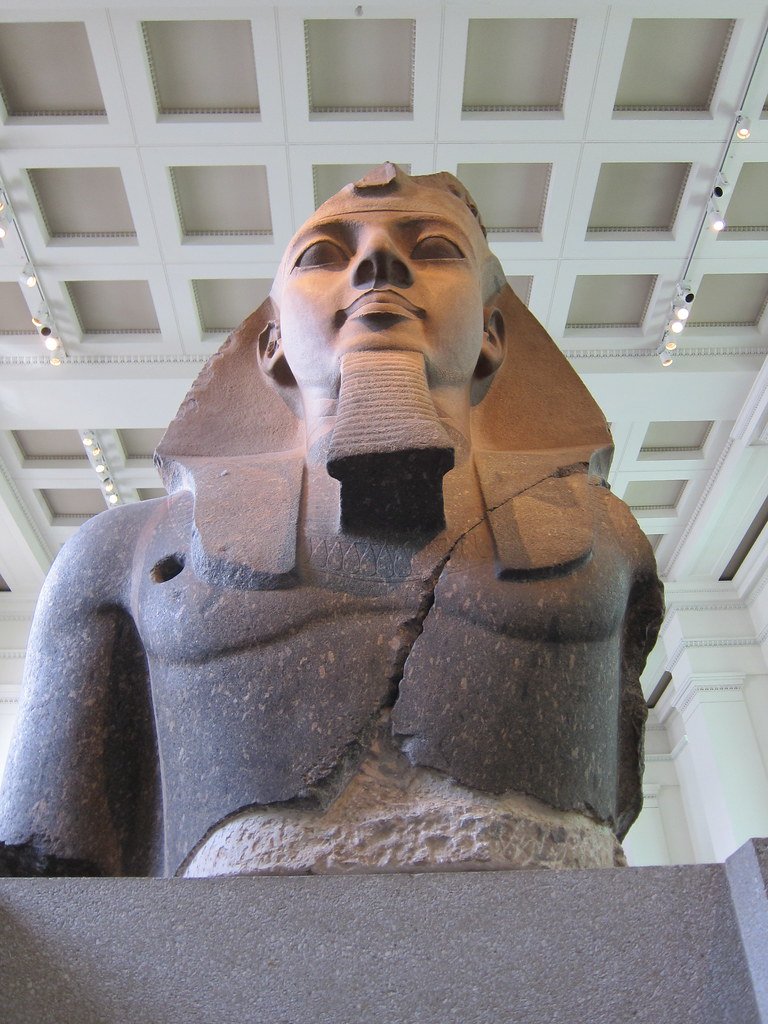
Let’s be real, didn’t do anything halfway. He had over two hundred wives and concubines and over one hundred children, many of whom he outlived. Can you imagine trying to remember all those names? His massive family wasn’t just for show – it was a political strategy, strengthening alliances and ensuring a long line of succession.
His first and perhaps favorite wife was Nefertari, to whom he dedicated one of the temples at Abu Simbel. She held a special place in his heart, and her tomb in the Valley of the Queens is considered one of the most beautiful in all of Egypt. Yet despite his clear affection for Nefertari, Ramesses continued to marry throughout his life, including several of his own daughters – a common practice among Egyptian royalty to preserve the bloodline.
He Lived to Around Ninety Years Old
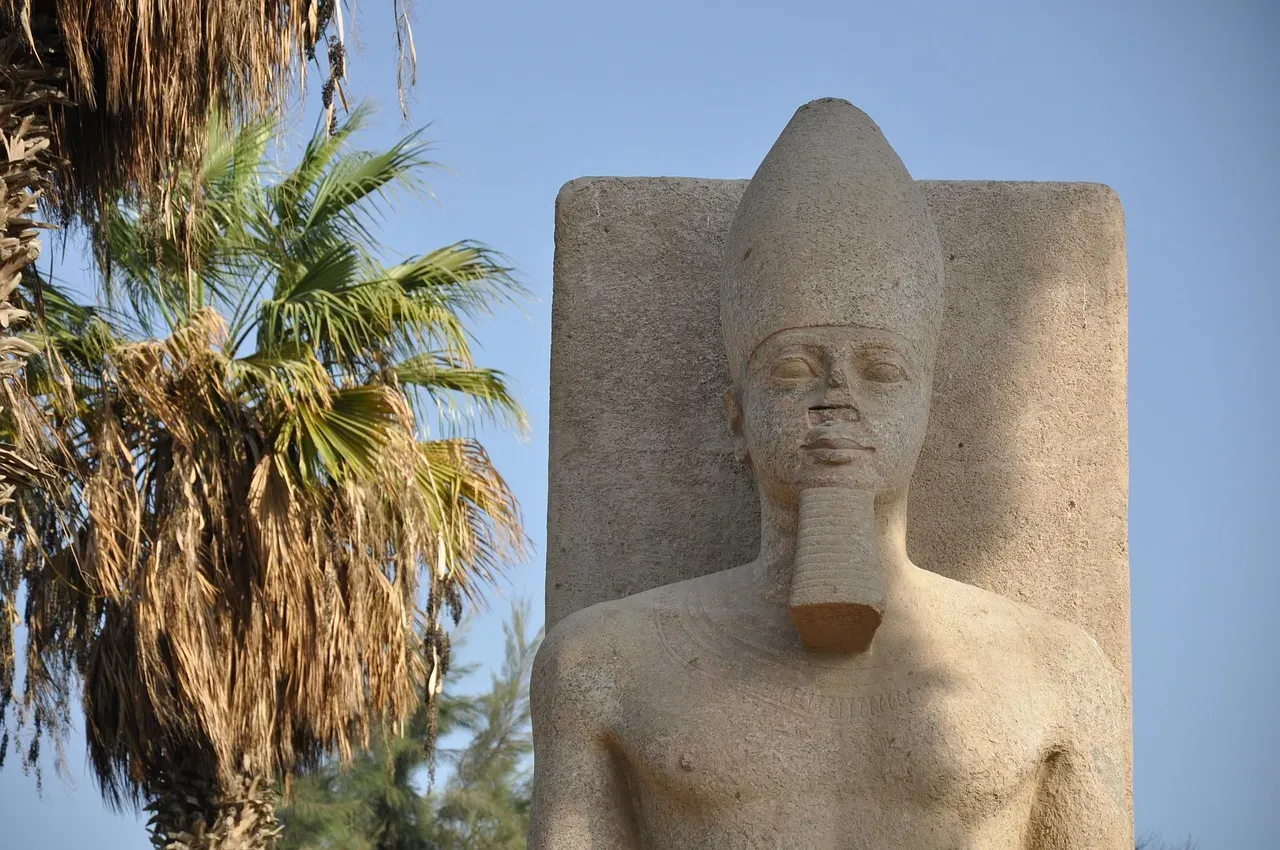
Estimates of his age at death vary, although ninety or ninety-one is considered to be the most likely figure. In the ancient world, where most people didn’t make it past forty, this was nothing short of miraculous. How did he do it? Maybe good genes, maybe luck, or maybe sheer stubbornness.
By the time of his death, aged about ninety years, Ramesses was suffering from severe dental problems and was plagued by arthritis, hardening of the arteries and heart disease. His mummy reveals the toll those final years took on him. CT scans show severe arthritis that caused him to walk with a hunched back, and dental abscesses that must have caused excruciating pain. Yet he kept going, ruling until the very end.
His Mummy Traveled to France for Scientific Study
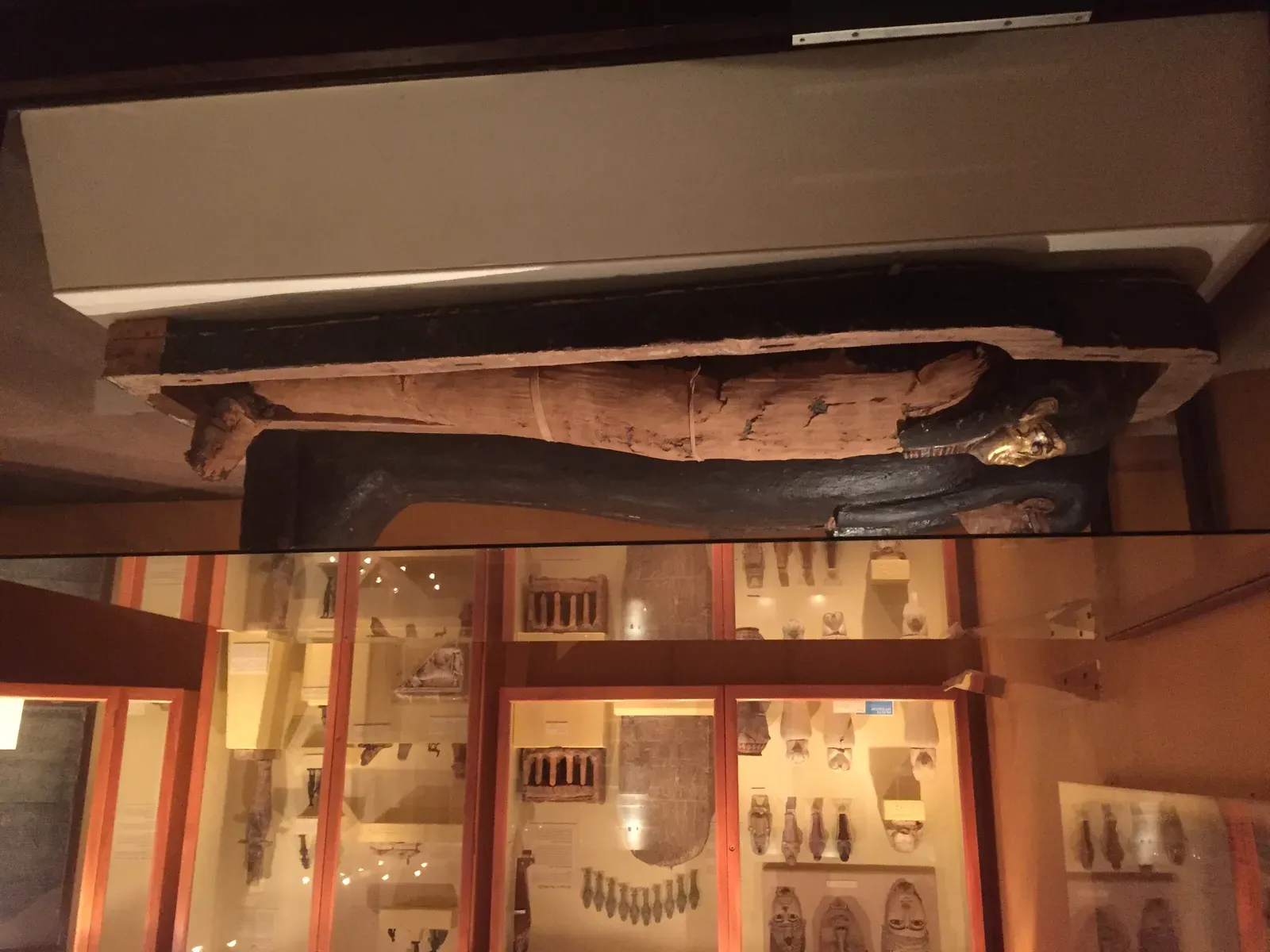
Here’s something wild. In 1976, more than three thousand years after his death, ‘s mummy was flown to Paris for examination. The examination was initiated primarily to address the deterioration of the mummy caused by a fungal infestation, but it also gave scientists a rare chance to study one of history’s greatest rulers in unprecedented detail.
The examination confirmed that he stood approximately 170 cm tall at the time of his death, and considering natural shrinkage, it is likely that he was considered tall for his time. The study also revealed fascinating details about his appearance and health. His hair had been dyed with henna, his nose stuffed with peppercorns and seeds to preserve its shape, and his body showed all the signs of a man who had lived an extraordinarily long life.
He Was Worshipped as a God During His Lifetime
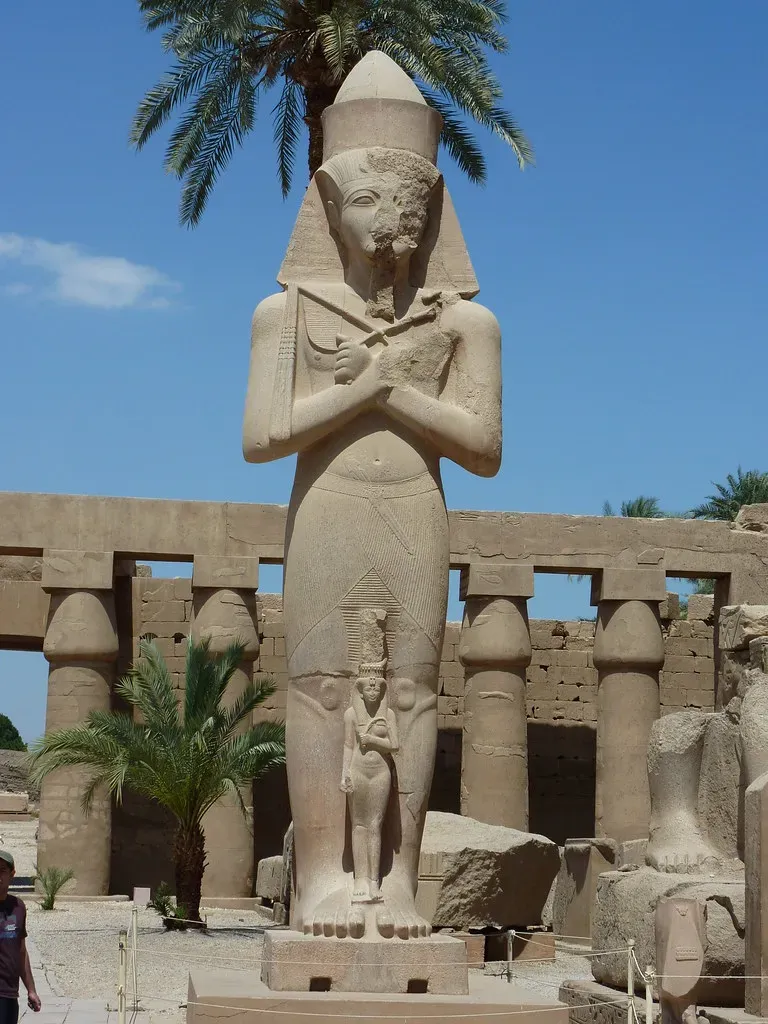
was one of the few pharaohs who was worshipped as a deity during his lifetime. This wasn’t just symbolic. Temples were built in his honor, and people made offerings to him as if he were Amun or Ra. In a way, he achieved immortality twice – once as a living god, and again through his enduring legacy.
He celebrated an unprecedented thirteen or fourteen Sed festivals – more than any other pharaoh. These festivals were traditionally held after thirty years of rule to rejuvenate the pharaoh’s strength, but Ramesses held them more frequently as his reign stretched on. Each one reinforced his divine status and reminded his people that their god-king was still very much in charge.
Nine Pharaohs Named Themselves After Him
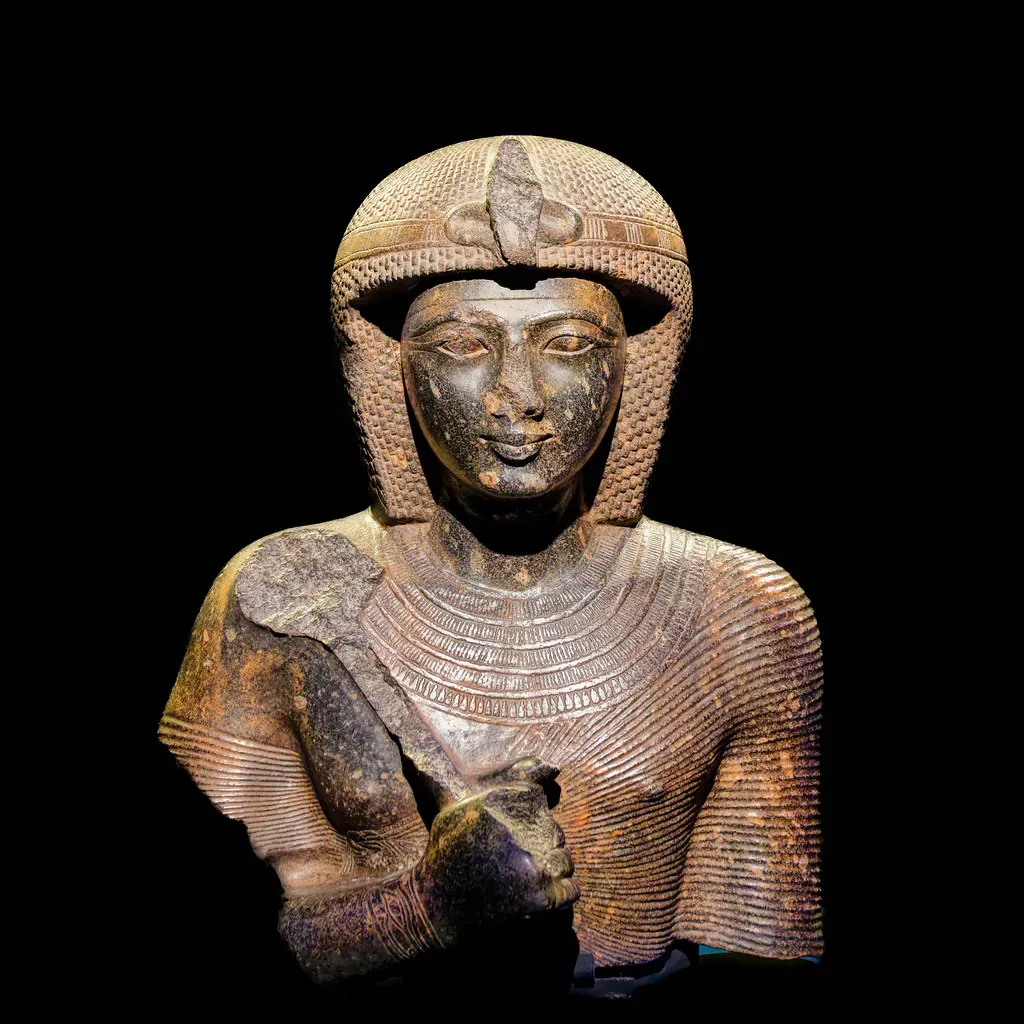
had such a great legacy that at least nine later pharaohs were named after him. That’s the ultimate compliment, isn’t it? Long after his death, rulers looked back at his reign and thought, “I want to be like that guy.” His name became synonymous with power, prosperity, and greatness.
Even a thousand years after his death, people still worshipped him at temples like Abydos. His influence stretched across centuries, shaping how future generations viewed kingship and divine authority. Ramesses the Great wasn’t just a title – it was a standard that no one else could quite reach.
remains one of the most fascinating figures in ancient history, a pharaoh whose ambition and achievements continue to captivate us thousands of years later. From his unprecedented sixty-six-year reign to the towering monuments that still bear his name, his legacy is impossible to ignore. He wasn’t perfect – his propaganda machine worked overtime, and his massive family caused succession headaches after his death – but he understood something fundamental about power: leave a mark so deep that time itself can’t erase it.
What do you think about Ramesses the Great? Did you expect his story to be this complex?