You’ve probably been taught since childhood that dinosaurs went extinct millions of years before the first human ever took a breath. That’s the narrative found in textbooks, museums, and documentaries across the globe. It’s presented as scientific fact, carved in stone as firmly as the fossils themselves.
Yet there exists a collection of puzzling discoveries scattered across continents that challenges this comfortable timeline. From ancient stone carvings to mysterious footprints, these findings have sparked heated debates in scientific circles and beyond. Some researchers see them as evidence of something extraordinary. Others dismiss them entirely. The truth, as always, lies somewhere in the complex intersection of evidence, interpretation, and belief.
What if everything you thought you knew about the age of dinosaurs wasn’t quite accurate? Let’s examine five controversial discoveries that have led some to question whether our ancestors might have encountered these magnificent creatures after all.
The Paluxy River Footprints in Texas
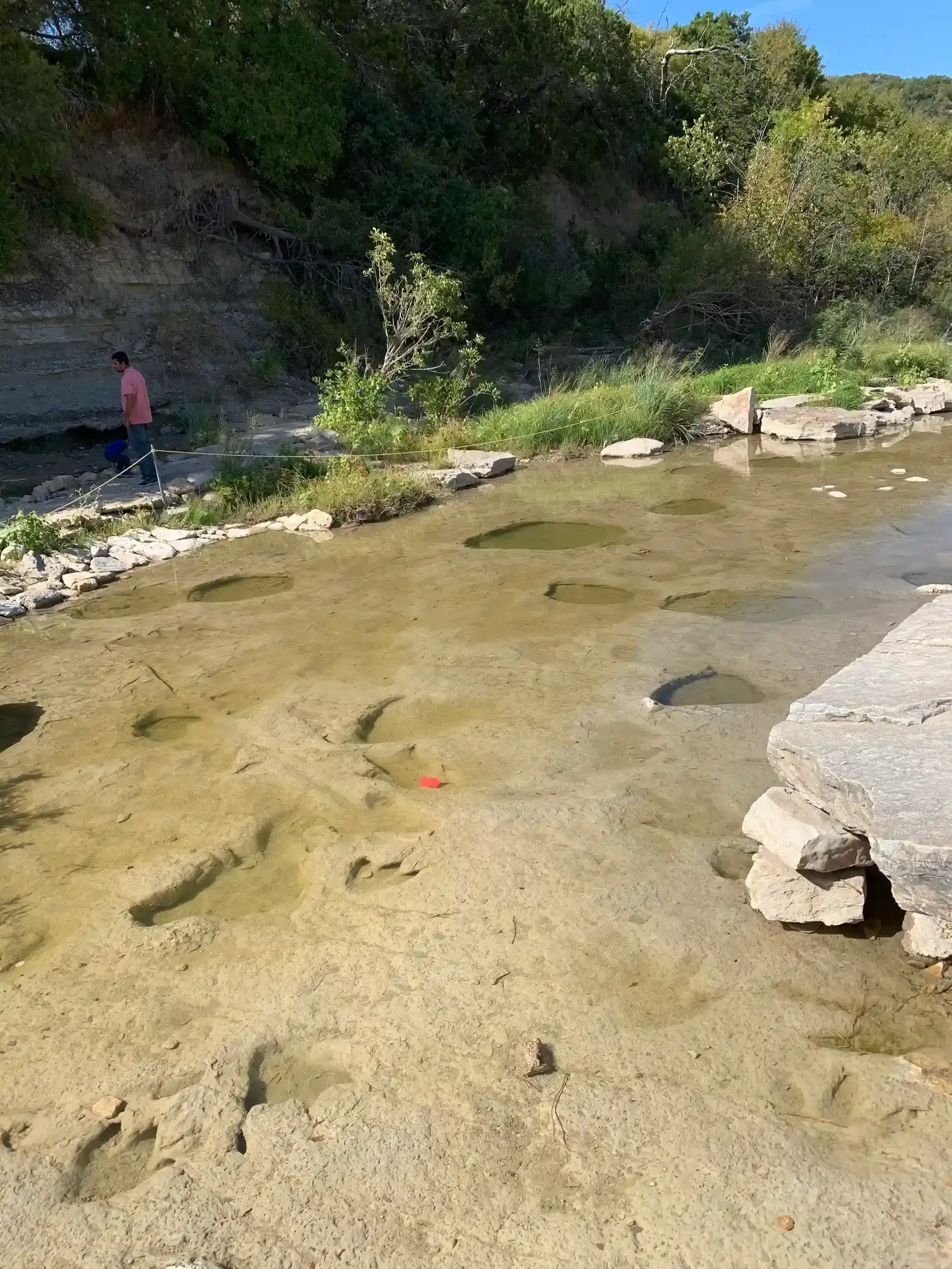
In the limestone beds of the Paluxy River near Glen Rose, Texas, lies one of the most debated paleontological sites in North America. The area is best known for numerous dinosaur footprints found in its bed near Glen Rose at the Dinosaur Valley State Park. What makes this location particularly controversial is that alongside these well-preserved dinosaur tracks, some observers have claimed to identify human footprints in the very same rock layers.
The Paluxy River became famous for controversy in the early 1930s when locals found dinosaur and supposed human footprints in the same rock layer in the Glen Rose Formation. If genuine, such a discovery would completely overturn conventional geological understanding. The excitement around these findings led to extensive documentation, films, and expeditions throughout the mid-20th century.
However, the story grows more complicated upon closer examination. Some of these tracks were fake, carved by locals to sell during the Great Depression. Other man tracks are scour marks eroded by the river. Scientific investigation revealed that many of the supposed human prints were actually elongated dinosaur tracks, created when these creatures occasionally pressed their metatarsi into soft mud. In 1986, Glen Kuban found that most tracks are V-shaped, with indentations at the front that indicated the presence of three robust digit impressions. Kuban determined that the tracks were made by bipedal dinosaurs with three toes.
Even creation scientists who initially championed these findings eventually backed away. The evidence simply didn’t hold up under rigorous scrutiny, though the site remains a fascinating window into how we interpret ancient traces.
The Ica Stones of Peru
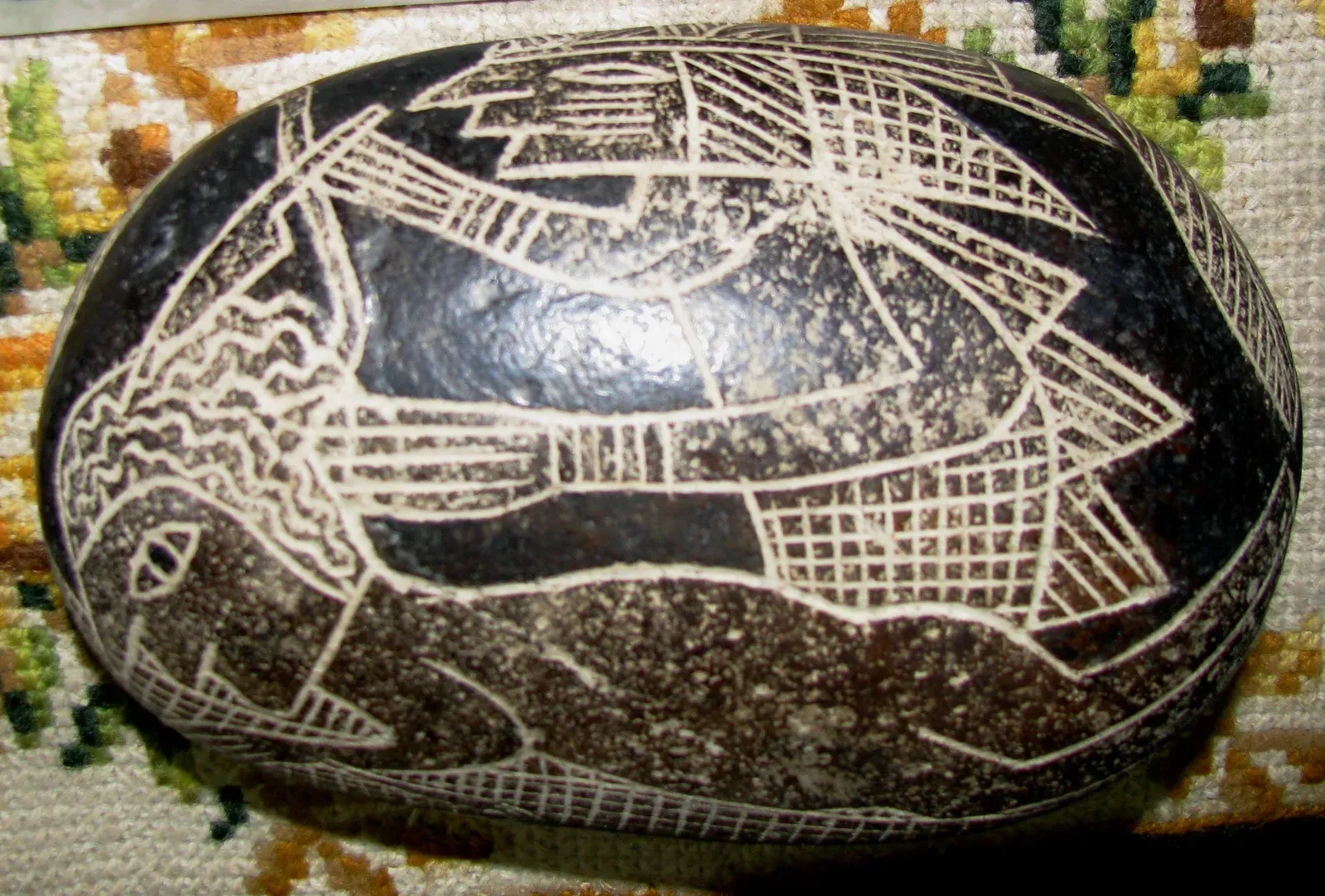
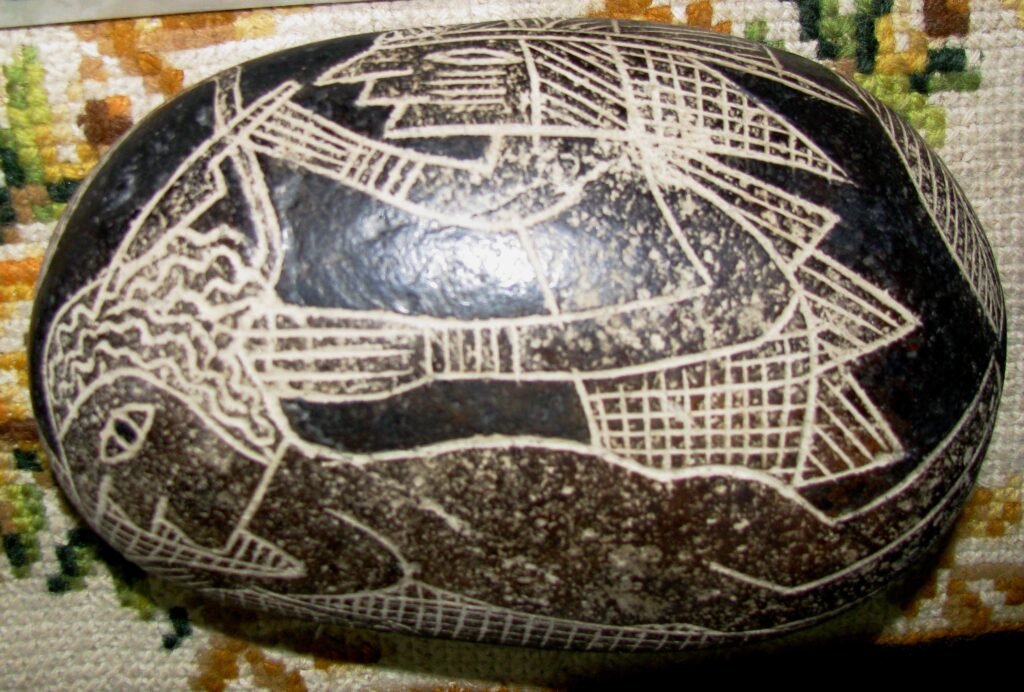
In the Ica Province of Peru, thousands of engraved stones have captured imaginations and ignited controversy for decades. The Ica stones are a collection of andesite stones with engraved motifs created as a work of art in the 1960s by Peruvian farmer Basilio Uschuya and others in the Ica Province. The artifacts, many of which notably depict non-avian dinosaurs and modern technology, were originally sold as having genuine Pre-Columbian origin. The collection, numbering over 15,000 pieces, shows intricate carvings of humans alongside creatures that bear striking resemblances to dinosaurs.
Dr. Javier Cabrera Darquea, a Peruvian physician, became the stones’ most devoted collector and promoter. The engravings depict scenes that seem impossible: humans riding dinosaurs, performing complex surgeries, and using telescopes. Some stones show sauropods with elaborate details that wouldn’t be discovered by modern paleontologists until decades after the stones first appeared.
The problem? Following a BBC special critical of the stones, in 1973 Uschuya admitted to carving the stones himself, and artificially aging them in order to pass them off as ancient artifacts. Later, Uschuya would claim he only confessed to avoid prosecution, since selling archaeological artifacts was illegal in Peru. This back-and-forth confession created a muddy situation that persists today.
One of the stones for instance shows a Tyrannosaurus-like theropod dinosaur with a nearly upright posture and dragging its tail behind it; this is accurate to depictions of Tyrannosaurus in the 1960s but does not reflect the current scientific understanding of the animal. Additionally, some depictions of theropods on the stones show them as having five fingers and five toes. This detail suggests the carvings were based on mid-20th century popular culture rather than firsthand observation of living dinosaurs.
Ancient Rock Art at Natural Bridges National Monument
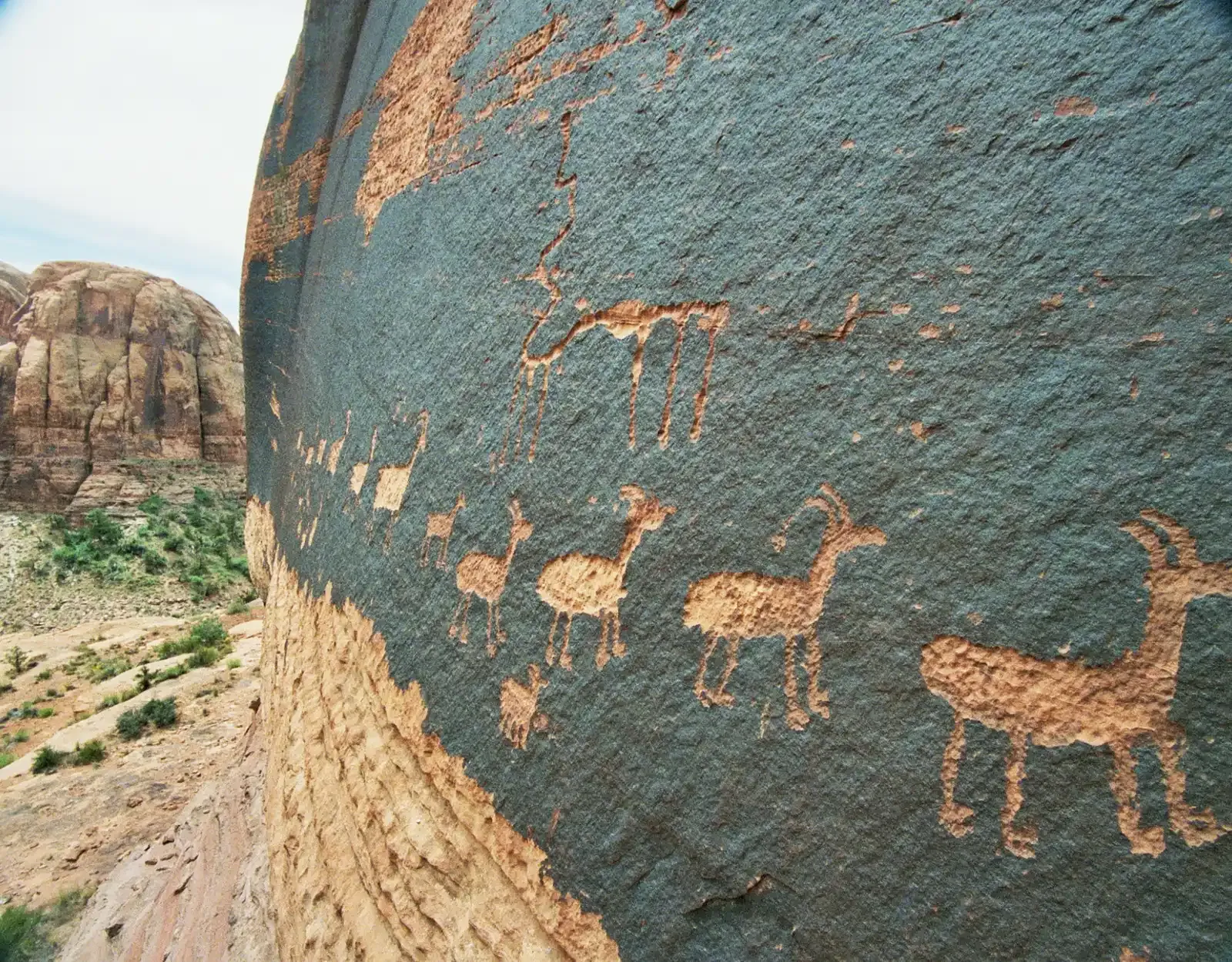
In southeastern Utah’s Natural Bridges National Monument, beneath the Kachina Bridge, ancient petroglyphs tell stories carved into stone by the Anasazi people centuries ago. Among the depictions of mountain goats, handprints, and human figures, one carving stands apart. It appears to show a creature with a long neck, extended tail, small head, and bulky body – features strikingly similar to a sauropod dinosaur.
The rock art is believed by experts to be between 500 and 1,500 years old. That places its creation at a time when, according to standard chronology, dinosaurs had been extinct for roughly 65 million years. How could ancient peoples carve such an accurate representation of an animal they theoretically never saw?
Skeptics offer alternative explanations. The figure could represent a mythical creature, a stylized lizard, or simply an abstract design that coincidentally resembles a dinosaur. Without written records from the Anasazi explaining what they intended to depict, we’re left interpreting ancient art through modern eyes. Pareidolia, the tendency to see familiar patterns in random or ambiguous images, could be at play here.
Still, the carving is oddly specific. Unlike vague serpent or dragon imagery found worldwide, this petroglyph contains anatomical details consistent with sauropod body structure. Whether it represents actual observation or creative imagination remains an open question that continues to fascinate researchers on both sides of the debate.
The Acámbaro Figurines from Mexico
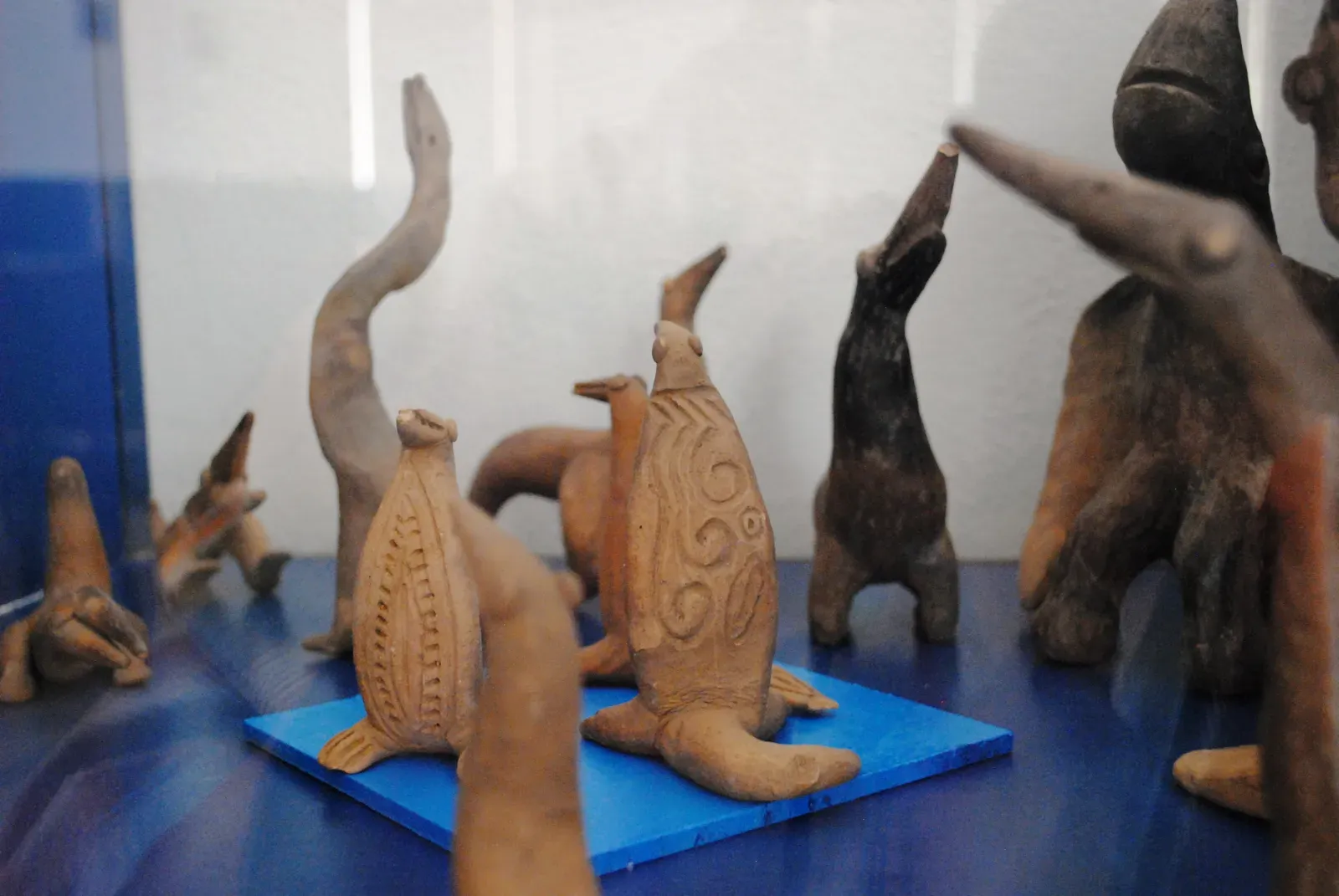
The Acámbaro figures are about 33,000 small ceramic figurines allegedly found by Waldemar Julsrud in July 1944, in the Mexican city of Acámbaro, Guanajuato. Among this massive collection were hundreds of pieces that appeared to depict dinosaurs – creatures like Triceratops, Stegosaurus, and various sauropods, all rendered in startling detail.
Julsrud, a German immigrant and hardware merchant with archaeological interests, claimed local farmers brought him these artifacts from excavation sites around the area. Waldemar Julsrud had purchased from local excavators more than 33,000 clay figurines made by a previously unknown culture. Most astonishing, however, was that the figurines included representations of dinosaurs eating humans, humans riding dinosaurs, and other examples of humans and dinosaurs together.
The collection sparked immediate controversy. Professional Mexican archaeologists immediately pronounced these artifacts to be fakes, but observers outside the archaeological community were intrigued. In 1952, archaeologist Charles DiPeso conducted an investigation and concluded the figurines were modern creations. Their surfaces displayed no signs of age; no dirt was packed into their crevices; and though some figurines were broken, no pieces were missing and no broken surfaces were worn. Furthermore, the excavation’s stratigraphy clearly showed that the artifacts were placed in a recently dug hole.
DiPeso also learned that a local family had been making and selling these figurines to Julsrud for a peso apiece since 1944, presumably inspired by films shown at Acámbaro’s cinema, locally available comic books and newspapers. Thermoluminescence dating conducted in the 1970s suggested the pieces had been fired approximately 30 years before testing, confirming their modern origin. The Acámbaro figurines stand as a cautionary tale about the importance of provenance and proper archaeological methodology.
Soft Tissue Found in Dinosaur Fossils
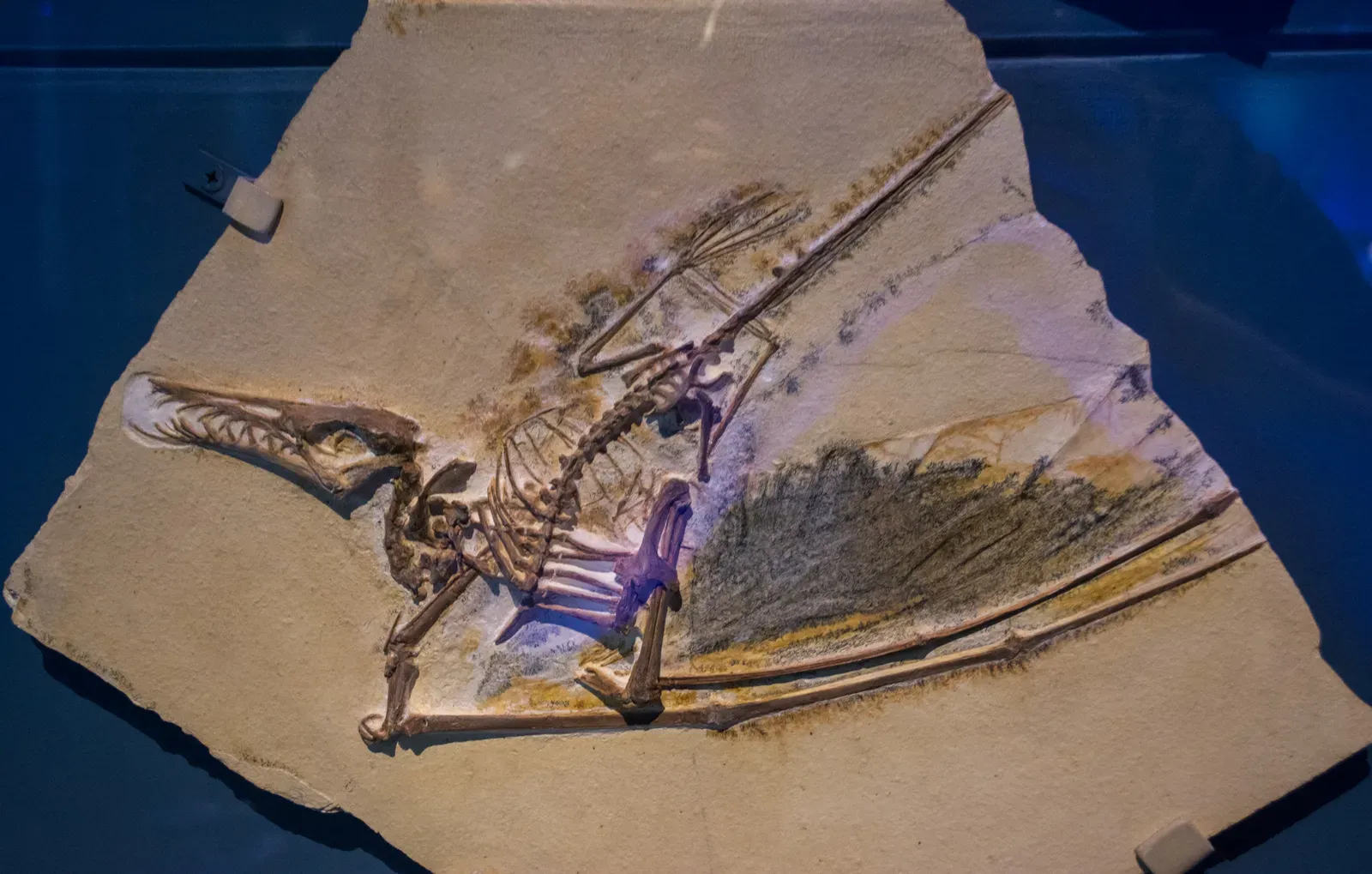
Perhaps the most scientifically intriguing discovery doesn’t involve ancient art or footprints at all. Back in 2005, Mary Schweitzer became the first person to find still-soft and flexible tissues in a dinosaur bone – the 68-million-year-old leg of a Tyrannosaurus Rex. This discovery sent shockwaves through the paleontological community because it challenged long-held assumptions about fossilization and tissue preservation.
Schweitzer, one of the first scientists to use the tools of modern cell biology to study dinosaurs, has upended the conventional wisdom by showing that some rock-hard fossils tens of millions of years old may have remnants of soft tissues hidden away in their interiors. When she dissolved the mineral portion of T. rex bone in weak acid, she recovered structures that looked remarkably like blood vessels and bone cells – flexible, transparent, and branching just like those in modern animals.
Schweitzer and Wittmeyer have now found probable blood vessels, bone-building cells and connective tissue in another T. rex, in a theropod from Argentina and in a 300,000-year-old woolly mammoth fossil. The findings have been replicated across multiple specimens and different species, lending credibility to the initial controversial discovery.
How could delicate organic material survive for tens of millions of years? Schweitzer and her colleagues found that dinosaur soft tissue is closely associated with iron nanoparticles. The blood vessels soaked in red blood cells remain recognizable after sitting at room temperature for two years. Dinosaurs’ iron-rich blood, combined with a good environment for fossilization, may explain the amazing existence of soft tissue. Iron from hemoglobin appears to act as a natural preservative, forming cross-links that stabilize proteins over geological time scales.
This discovery doesn’t prove humans and dinosaurs coexisted, as some have claimed. Rather, it reveals that our understanding of biomolecular preservation remains incomplete. Science continues learning how organic materials can persist under specific conditions far longer than previously thought possible.
Conclusion
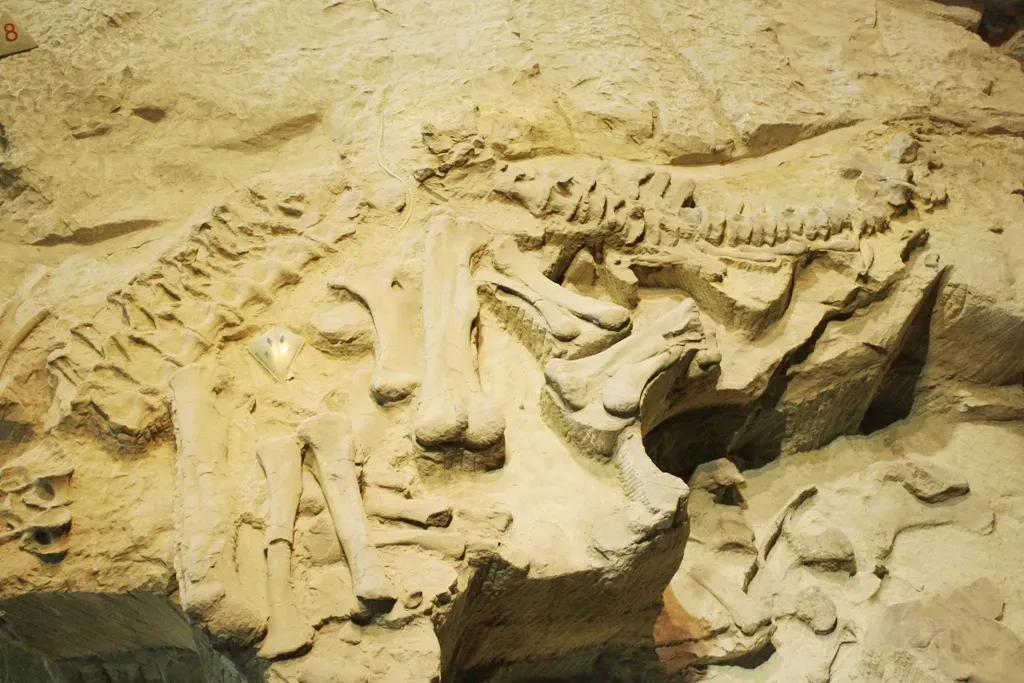
The question of whether humans and dinosaurs ever shared the same world isn’t as straightforward as it might seem at first glance. Mainstream science maintains a clear position: Those had been extinct for almost 66 million years before the first humans began to make their mark. The fossil record, radiometric dating, and geological evidence overwhelmingly support this timeline.
Yet the discoveries we’ve explored reveal something important about how we interpret evidence. The Paluxy River tracks turned out to be misidentified dinosaur prints and deliberate hoaxes. The Ica stones and Acámbaro figurines were modern creations inspired by popular culture. Ancient rock art remains open to interpretation, with no definitive way to know the artist’s true intent.
The soft tissue findings stand apart from these other claims. They represent genuine scientific puzzles that researchers are actively working to understand through rigorous methodology. They don’t challenge the timeline of extinction but rather expand our knowledge of preservation processes.
What these discoveries collectively demonstrate is the critical importance of skepticism, proper investigation, and intellectual honesty when evaluating extraordinary claims. They remind us that our ancestors were creative, that humans throughout history have told stories and created art depicting creatures from imagination and mythology, and that modern scientific methods exist precisely to help us distinguish between genuine ancient mysteries and more recent fabrications.
The real story of dinosaurs and their relationship to humanity is fascinating enough without needing embellishment. These magnificent creatures dominated Earth for over 160 million years before a catastrophic event wiped them out, paving the way for mammals – and eventually us – to flourish. That’s the narrative supported by overwhelming evidence, even if it lacks the sensational appeal of humans riding Triceratops into battle.
What do you think about these controversial discoveries? Do any of them make you question conventional timelines, or do they strengthen your confidence in established science?