Slip beneath the surface and the world changes – sound softens, light shards into blue, and the simple act of breathing becomes the biggest engineering problem on Earth. For more than a century, tanks and hoses have kept divers tethered to bubbles, while fish glide past with effortless calm. Now, a wave of biotech research is testing materials that can snatch oxygen from water the way gills do, turning a sci‑fi fantasy into a credible design challenge. The core idea is bold but simple: boost the interface between water and an oxygen‑hungry material, then release that oxygen on demand. It’s a moonshot with fins, and the early data suggests it isn’t as impossible as it once sounded.
The Hidden Clues
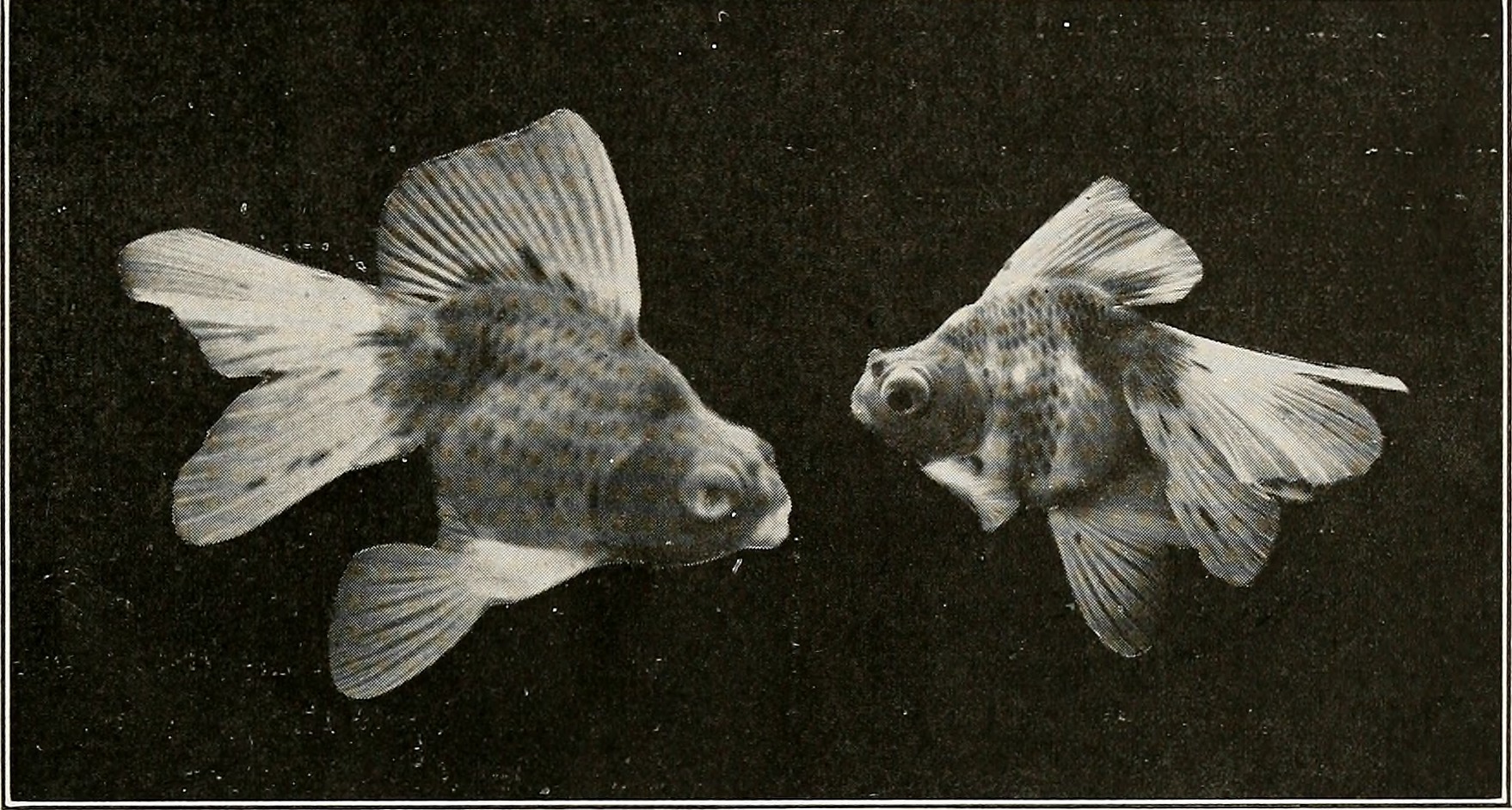
Here’s the surprising part: water holds far less oxygen than air, yet fish manage just fine by sweeping huge volumes across ultra‑thin gill membranes. A resting human uses roughly about a quarter liter of oxygen per minute, which would require pushing dozens of liters of water across an extractor just to break even. That mismatch has doomed many flashy “artificial gill” concepts that ignored simple math and fluid dynamics.
Biotech teams are approaching the puzzle differently, treating water as a moving reservoir and focusing on surfaces that make oxygen hop out of solution. The goal isn’t magic; it’s maximizing contact, minimizing resistance, and handing the captured oxygen to a user at the right pressure. When you think of it like a high‑speed handoff, the problem shifts from fantasy to materials science and smart pumping.
From Ancient Tools to Modern Science
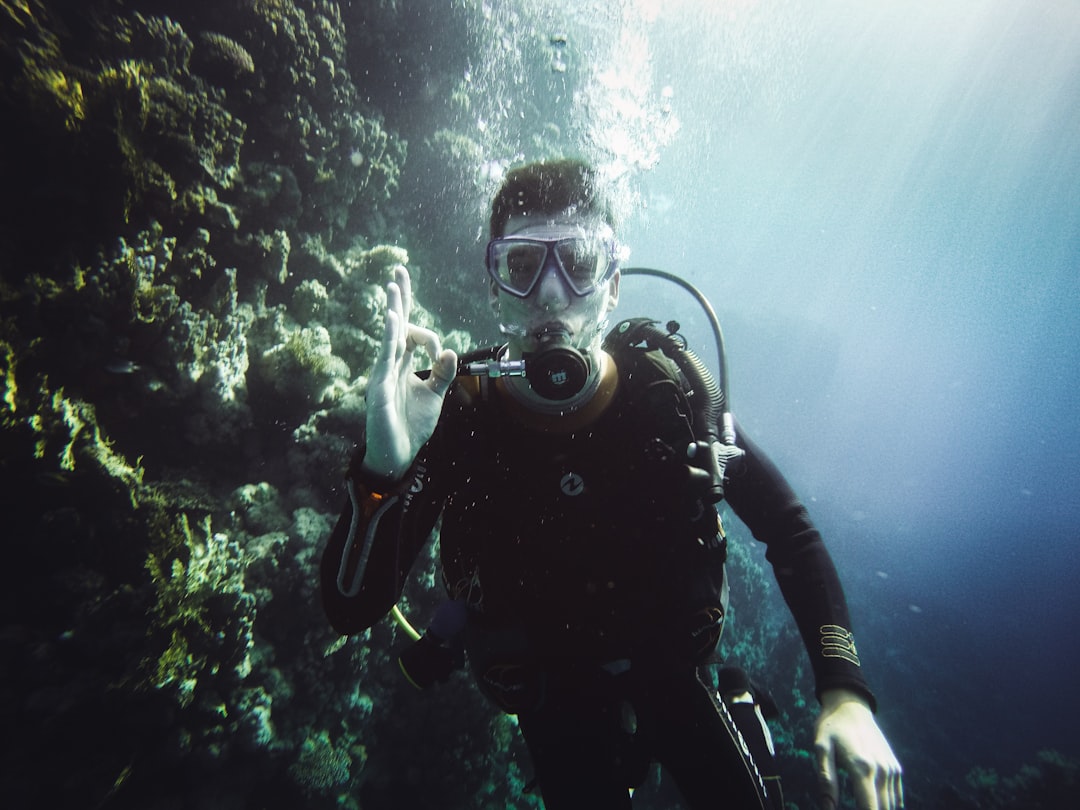
Traditional scuba solved breathing with compressed gas, then rebreathers cut weight and bubbles by recycling what you exhale. Medical oxygenators pushed things further, using hollow fibers to swap gases for patients’ blood with stunning efficiency. All of that tech operates on the same physics: huge surface area, thin barriers, relentless flow.
I still remember the first time I watched a compact rebreather unpacked on a dock – no clanking steel, just a tidy bag that felt almost subversive. That same minimalist spirit is guiding today’s gill‑mimicking experiments: keep the footprint small, make the interface enormous, and let chemistry do the heavy lifting. The question is whether materials can finally make the leap from air‑based systems to water‑fed oxygen harvesting.
Inside the Fish Gill Advantage
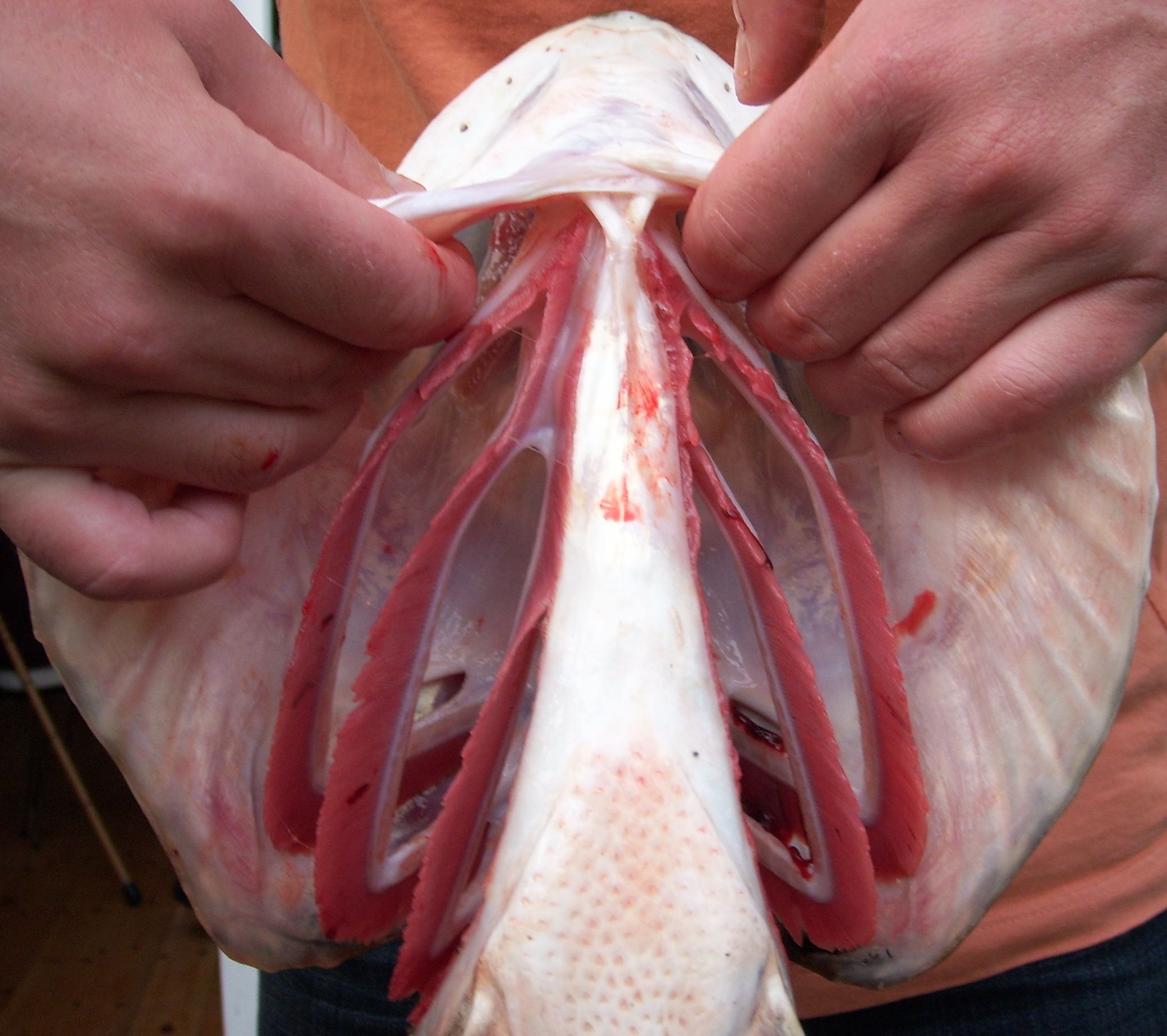
Fish win with design, not luck. Their gills run water and blood in opposite directions, creating a counter‑current that keeps the oxygen gradient high from end to end, like two trains passing with windows aligned for maximum exchange. Microscopic lamellae stack into a feathery architecture that turns a small mouth into a stadium‑sized surface.
Engineers borrow that trick with microchannels that amplify area while thinning the diffusion distance to a whisper. Add flow control that smooths turbulence where it hurts and boosts it where it helps, and you get closer to fish‑level extraction. The lesson is blunt: form dictates function when oxygen is scarce.
The Materials Race
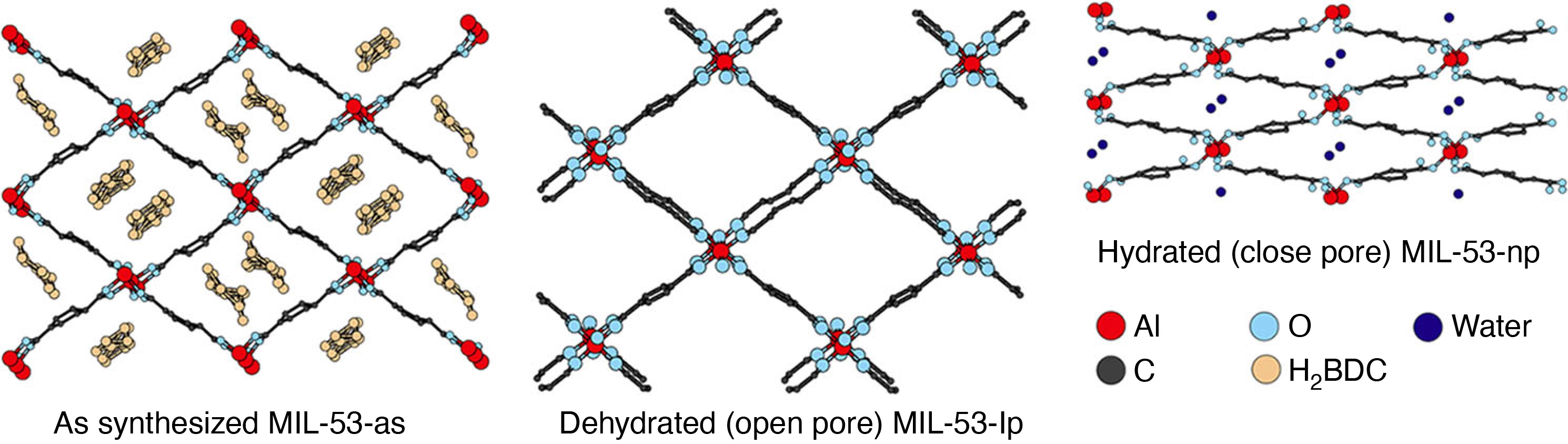
Three families of materials dominate the conversation. Metal‑organic frameworks and related porous crystals can latch onto oxygen selectively, packing it into their intricate scaffolds and then releasing it with small nudges like warmth, light, or pressure changes. Hemoglobin‑inspired polymers, meanwhile, mimic the oxygen‑binding pocket of blood proteins but with synthetic durability and tunable affinity.
On another track, advanced membranes try to act like a one‑way door, speeding oxygen through while slowing everything else. Pair those surfaces with micro‑pumps and thermal cues and you have the outline of a wearable extractor: absorb from water, shuttle internally, then deliver a smooth breath. None of it is plug‑and‑play yet, but the knobs – temperature, flow, pore size, binding strength – are increasingly precise.
How Close Are We
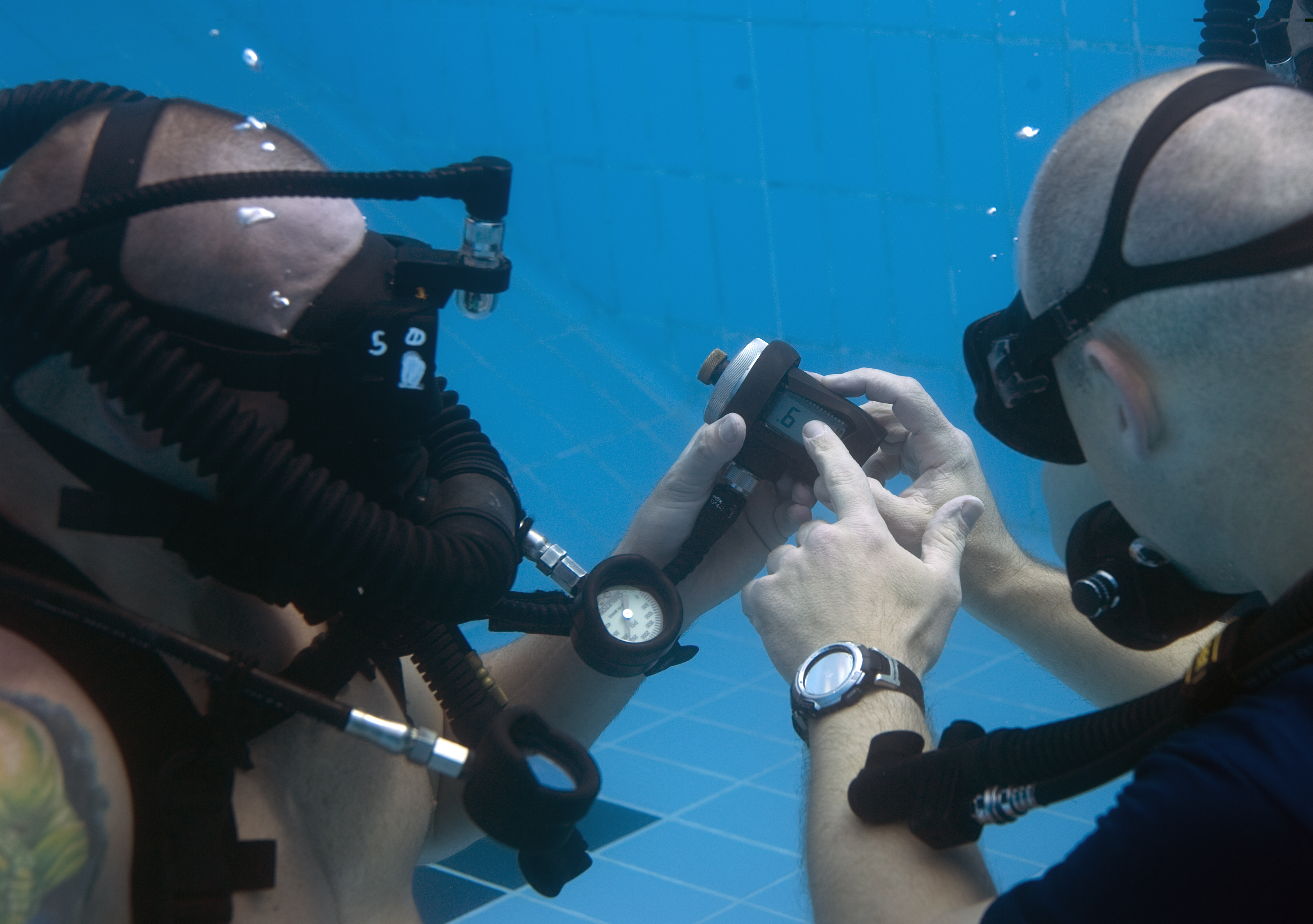
Reality check: even at rest, a person would need a device that can move and process extraordinary volumes of water without guzzling battery power. Add exercise and the oxygen demand climbs, turning the flow challenge from steep to brutal. Any workable system must also strip out carbon dioxide safely, regulate pressure, and avoid cooling the user with frigid intake water.
Still, prototypes in labs are ticking boxes that once seemed immovable – faster uptake rates, gentler release, and better selectivity against nitrogen that just gets in the way. The likely first wins won’t be endless underwater strolls; they’ll be minutes‑to‑hours of assisted breathing that lighten tank loads or extend emergency survivability. Progress looks incremental, then all at once if efficiencies stack.
Why It Matters
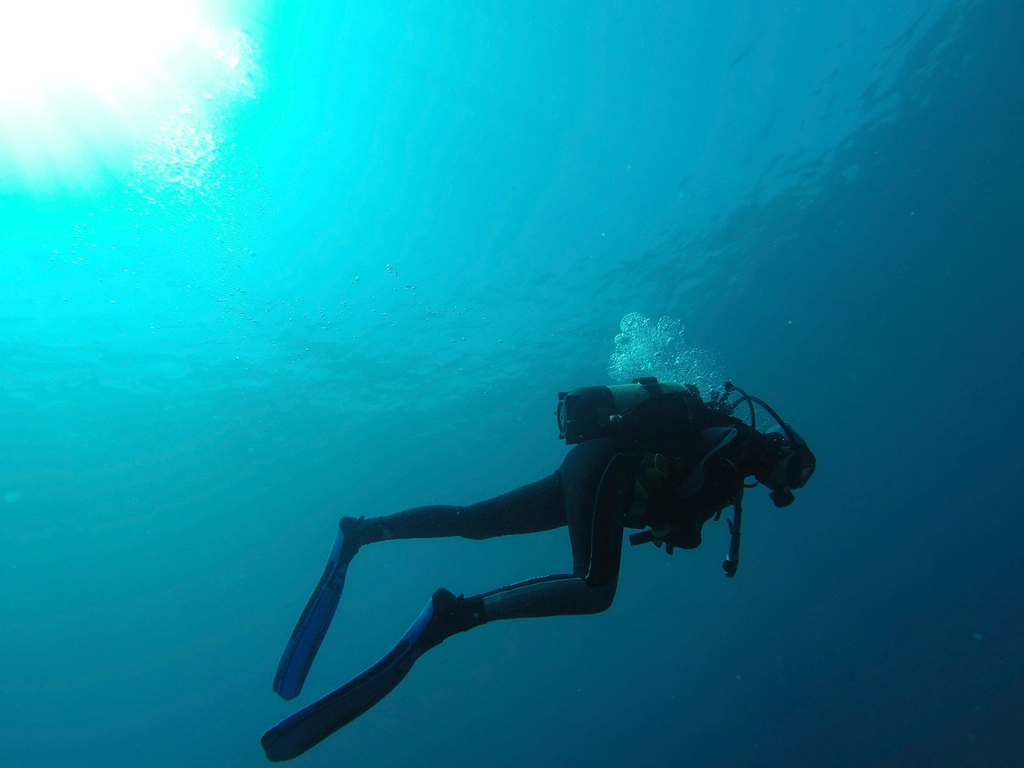
This isn’t only about thrill‑seeking dives. Underwater oxygen harvesting could transform rescue operations in flooded tunnels, buy time for trapped submariners, and change how marine scientists work in fragile habitats that hate bubbles and noise. The environmental angle is just as compelling: less heavy gear and fewer gas refills mean a smaller operational footprint for ocean research.
Stack it against the status quo and the difference is strategic. Scuba is proven but bulky; rebreathers are efficient but complex and expensive; surface umbilicals limit range. A gill‑mimicking pack, even as a hybrid with small tanks, would redraw the map for where people can safely go and how long they can stay. That’s a genuine shift in capability, not just convenience.
The Future Landscape
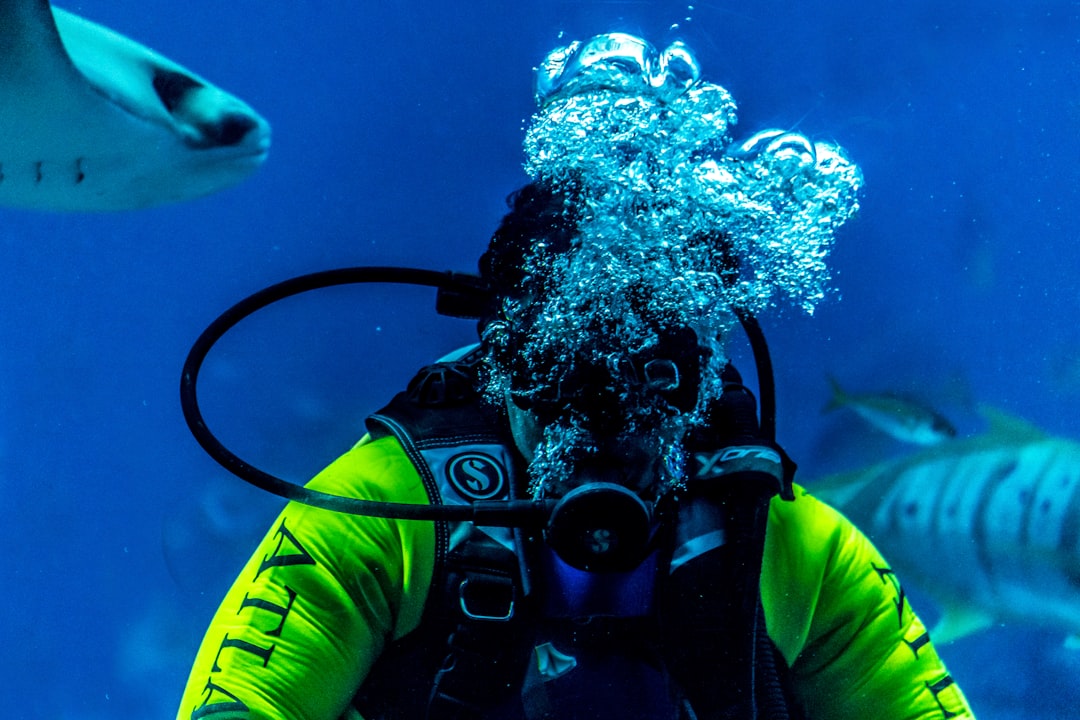
Expect near‑term systems to be hybrids that sip oxygen from water while leaning on small onboard reserves to smooth out spikes in demand. Materials will likely be modular – cartridges for oxygen capture, thermal units to trigger release, and membranes that resist biofouling with smarter coatings. Power will be the quiet king, so any breakthrough that trims pump energy or recycles heat from the user will ripple through the whole design.
There are hard questions too: sourcing of metals, long‑term stability in saltwater, and rigorous standards to prevent catastrophic failures at depth. Add policy and training, because devices that change how we breathe underwater will demand new safety doctrine. When the pieces click, it could look less like a gadget and more like a second set of lungs you strap on.
Global Perspectives
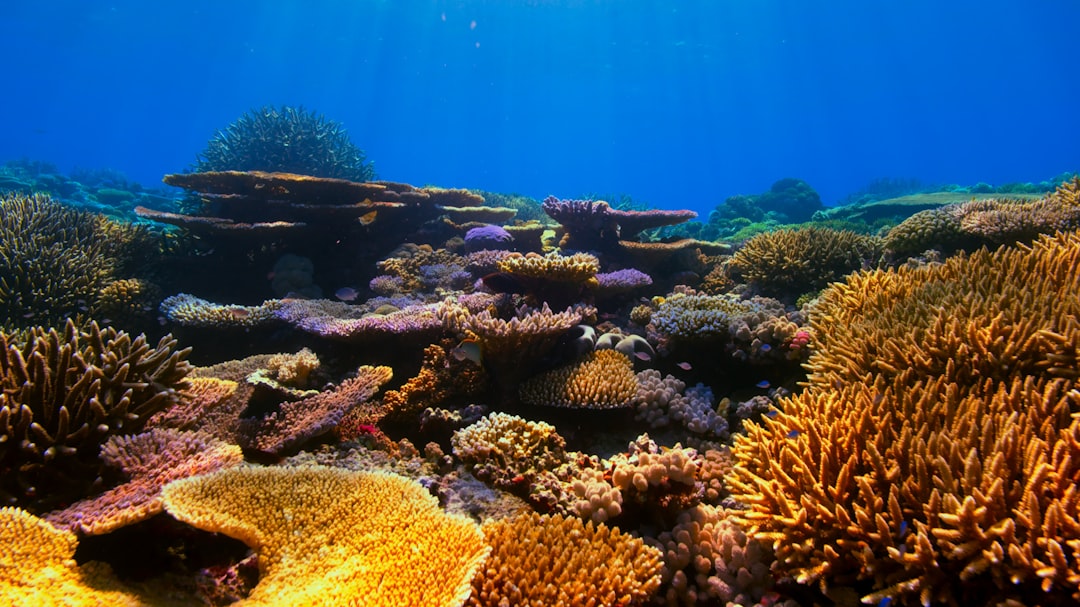
Urban coasts, coral nations, and lake‑rich regions all face different risks and opportunities. In places where oxygen‑poor waters are expanding, tools that stretch human work time without heavy support ships could lower costs and broaden access. For developing labs and small dive teams, simpler, modular systems could be the difference between sampling a reef once a year and monitoring it weekly.
Equity matters in technology adoption. Materials that avoid rare or geopolitically sensitive inputs will spread faster and cheaper, and designs that can be repaired in the field will outcompete elegant but fragile hardware. The ocean doesn’t care about patents; it rewards resilience.
Ethics, Safety, and the Human Factor
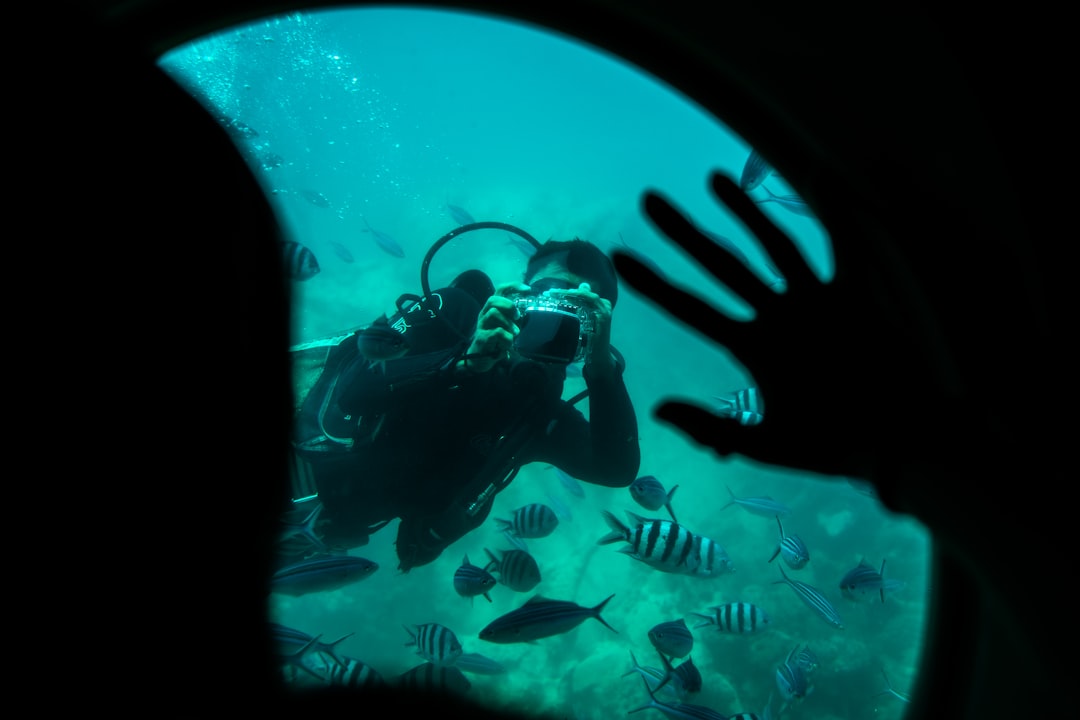
Any technology that alters how we breathe changes how we behave. Longer bottom times tempt risk, and quiet operation might draw people into caves and wrecks they aren’t trained to navigate. Clear rules, conservative dive planning, and brutally honest failure‑mode testing must come first, not after viral videos.
There’s also the human body to consider: cold stress, carbon dioxide buildup, and sensory overload wipe out gains fast. The safest system will be the one that helps divers maintain good habits rather than replace them. Engineering can stretch limits, but judgment keeps you alive.
Conclusion
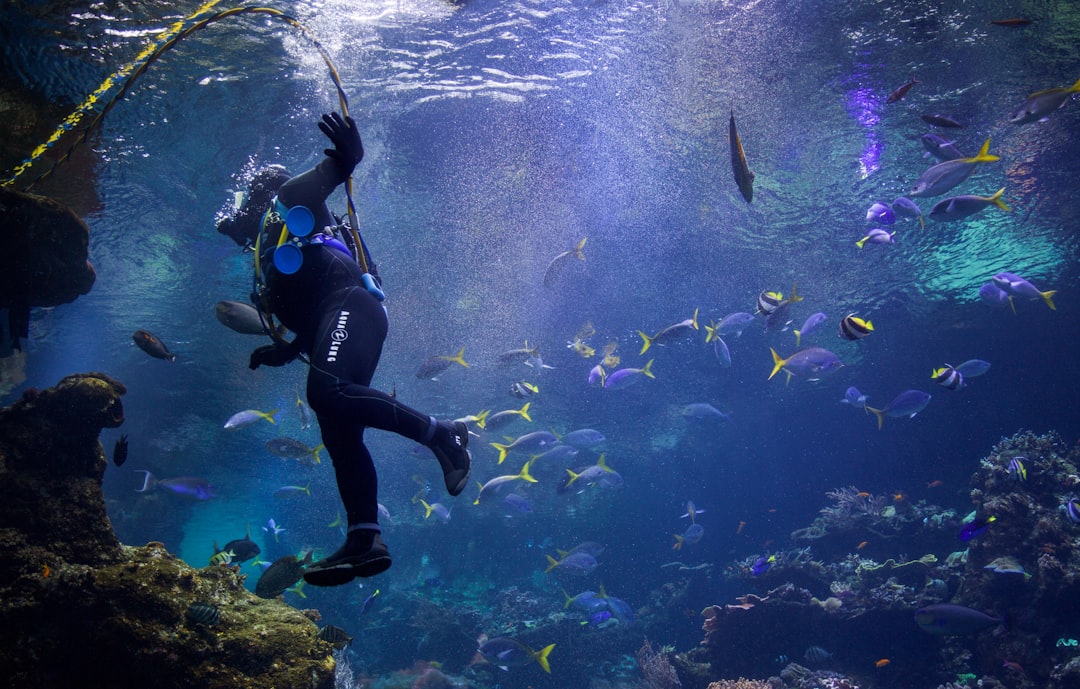
If this future excites you, start small and practical. Support local water‑quality monitoring, because cleaner, cooler waters hold more oxygen and make any extractor more effective. If you dive, invest in training that emphasizes gas planning and rescue skills – the mindset today will carry over to tomorrow’s gear.
For readers on shore, back marine science programs, community restoration projects, and materials research at universities, and stay curious about how these discoveries move from bench to bay. The next breakthrough might be a smarter membrane, a thriftier pump, or a recyclable cartridge that cuts costs in half. Would you take a breath of the ocean if it were as easy as turning a dial?
Suhail Ahmed is a passionate digital professional and nature enthusiast with over 8 years of experience in content strategy, SEO, web development, and digital operations. Alongside his freelance journey, Suhail actively contributes to nature and wildlife platforms like Discover Wildlife, where he channels his curiosity for the planet into engaging, educational storytelling.
With a strong background in managing digital ecosystems — from ecommerce stores and WordPress websites to social media and automation — Suhail merges technical precision with creative insight. His content reflects a rare balance: SEO-friendly yet deeply human, data-informed yet emotionally resonant.
Driven by a love for discovery and storytelling, Suhail believes in using digital platforms to amplify causes that matter — especially those protecting Earth’s biodiversity and inspiring sustainable living. Whether he’s managing online projects or crafting wildlife content, his goal remains the same: to inform, inspire, and leave a positive digital footprint.