A tiny parasitic worm may hold the key to restoring blue crab populations in the Chesapeake Bay. Despite feeding on crab eggs, the worm Carcinonemertes carcinophila is now being studied as a biological marker that could help scientists track crab reproduction and improve fishery management. With crab numbers at historic lows, this surprising ally may offer new hope for one of the region’s most iconic species.
A Parasite with Purpose
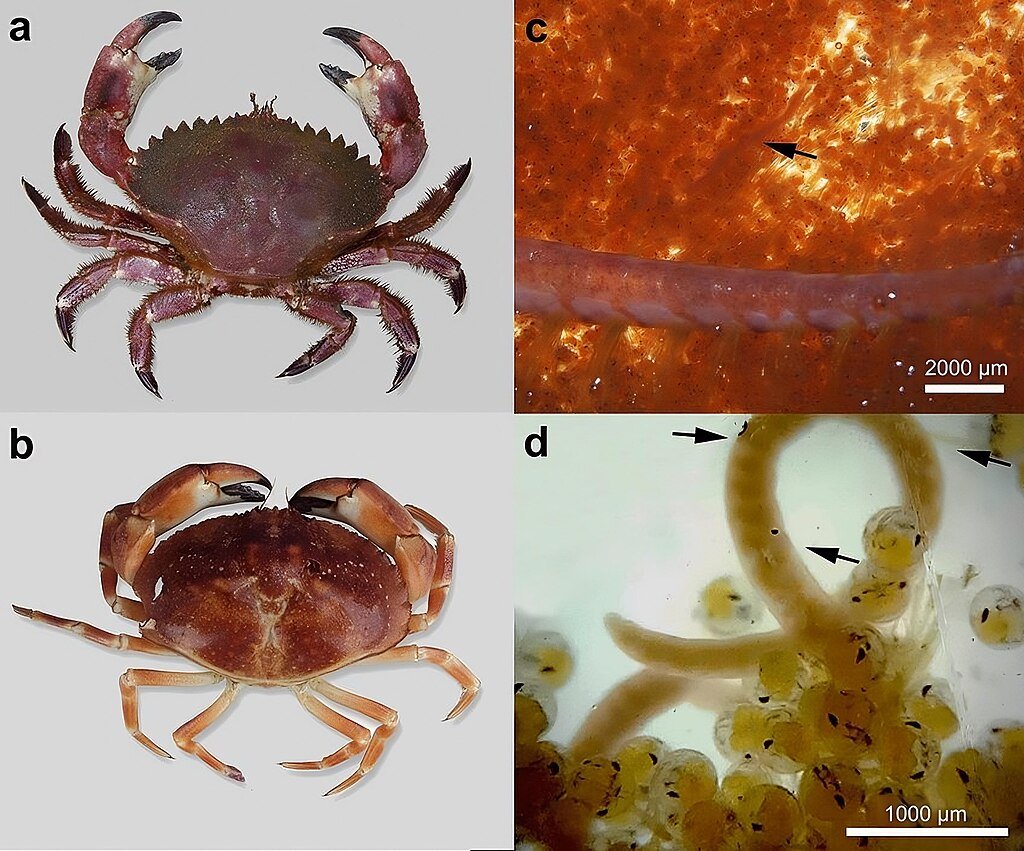
The worm lives on female blue crabs and feeds on their egg clutches, but it doesn’t consume enough to significantly harm reproduction. Instead, it changes color and shape after feeding, offering researchers a visual cue that a crab has spawned. This makes the worm a potential biomarker, an indicator of reproductive history that could help distinguish first-time spawners from older, less fecund crabs.
Survival Across Salinity Zones
One challenge was determining whether the worm could survive in the bay’s varying salinity levels. Researchers at William & Mary and VIMS found that C. carcinophila tolerates salinity as low as 10 parts per thousand and can recover from brief exposure to even lower levels. This resilience means the worm can remain on crabs throughout their adult lives, even as females migrate from low-salinity areas to saltier spawning grounds.
Primiparous vs. Multiparous Crabs
Female crabs that have never spawned, known as primiparous, produce more offspring than multiparous crabs that have spawned multiple times. Identifying and protecting these first-time spawners could be key to rebuilding crab populations. The worm’s presence and physical changes offer a natural tag to estimate spawning frequency, even during winter months when direct observation is difficult.
Conclusion
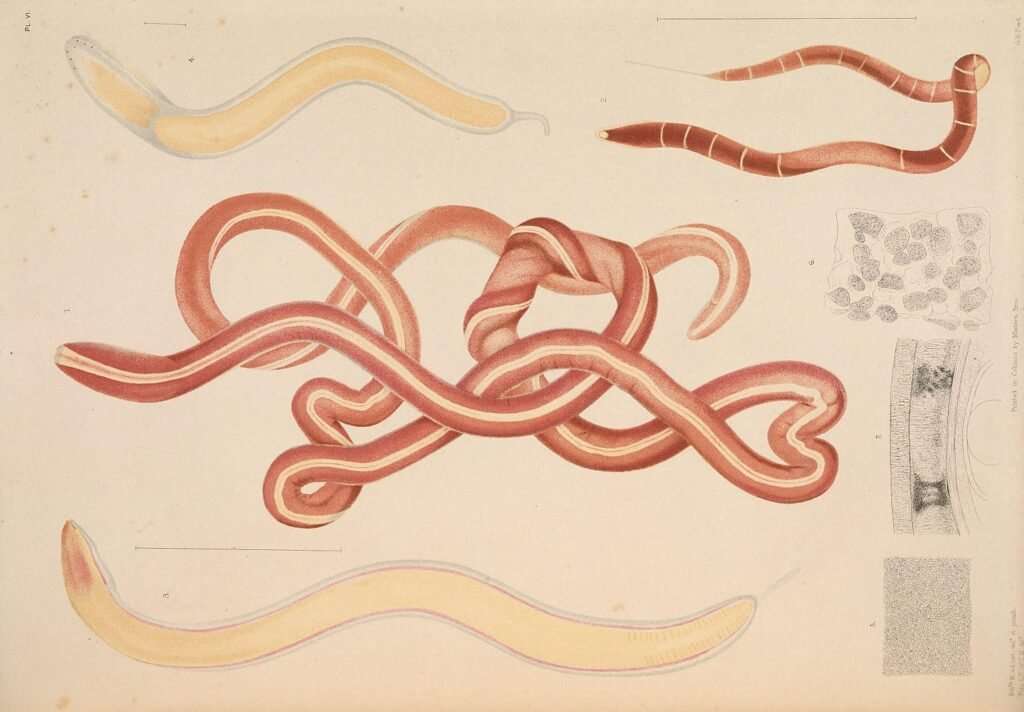
What once seemed like a threat may become a tool for conservation. By using Carcinonemertes carcinophila as a living record of crab reproduction, scientists can better understand spawning patterns and guide sustainable harvest practices. In the delicate balance of Chesapeake Bay’s ecosystem, even a parasitic worm can play a vital role in recovery.
Source: