Picture this: you’re standing in a modern zoo, looking at the largest animals on Earth. A towering giraffe stretches its neck toward the sky, an elephant trumpets in the distance, and a massive saltwater crocodile lounges by the water’s edge. These creatures seem enormous, but they’re practically miniature compared to the colossal beasts that once ruled our planet millions of years ago.
The ancient Earth was home to creatures so impossibly large that if they existed today, they would literally collapse under their own weight. These prehistoric giants pushed the boundaries of what biology could achieve, living in a world where the very laws of physics seemed more forgiving. Their existence challenges our understanding of how life can scale up, and their extinction raises fascinating questions about the limits of size in the natural world.
The Physics Problem with Giant Creatures

When animals grow larger, they face what scientists call the “square-cube law” – a fundamental principle that explains why giants can’t exist in our modern world. As an animal doubles in size, its surface area increases by four times, but its volume and weight increase by eight times. This means that larger animals need disproportionately stronger bones, more powerful hearts, and more efficient respiratory systems to survive.
Think of it like building a house of cards. You can stack a few cards without problems, but as you build higher, the structure becomes increasingly unstable. The same principle applies to living creatures – there’s a point where biology simply can’t keep up with the demands of size.
Yet somehow, millions of years ago, creatures managed to exceed these apparent limits. The secret lies in understanding how Earth’s ancient atmosphere, gravity, and environmental conditions created a perfect storm for gigantism.
Argentinosaurus: The Dinosaur That Defied Gravity
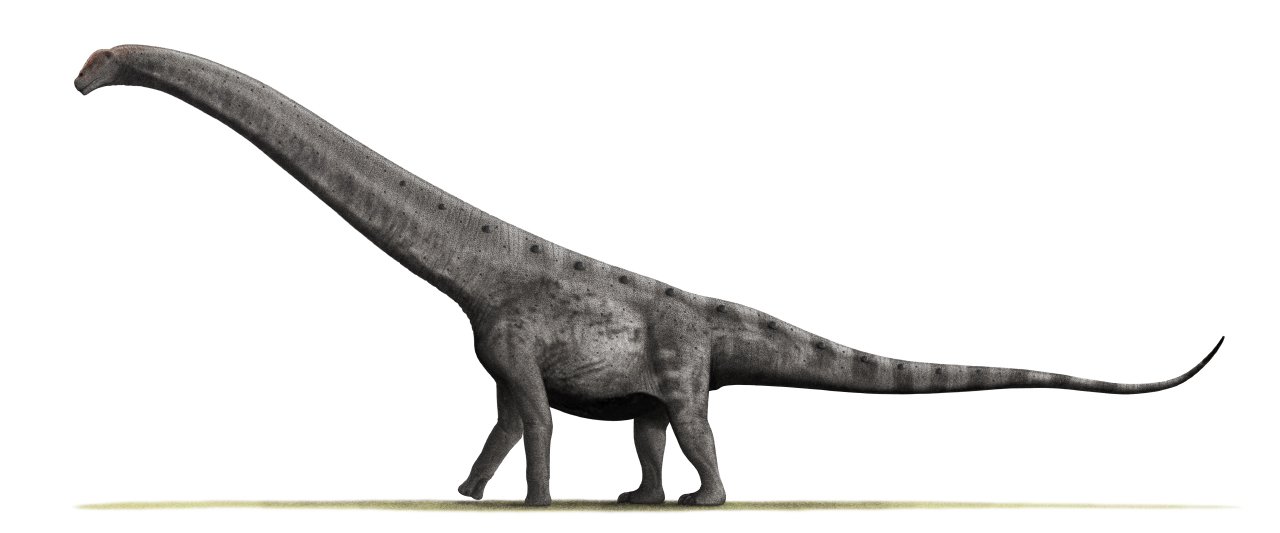
Meet Argentinosaurus, a titanosaur that stretched up to 115 feet long and weighed as much as 12 African elephants combined. This massive herbivore roamed South America around 95 million years ago, and its size would be physically impossible for any land animal today. The sheer weight of its body would crush its own bones and organs if it tried to move.
What made Argentinosaurus possible was a combination of factors that no longer exist on Earth. The Cretaceous period featured higher atmospheric pressure, which provided better support for massive bodies. Additionally, these giants had hollow bones filled with air sacs, similar to modern birds, which reduced their overall density while maintaining structural strength.
The dinosaur’s circulatory system was another marvel of biological engineering. Its heart would have needed to pump blood over 40 feet vertically to reach its brain, requiring blood pressure that would be lethal to any modern animal. Scientists believe these giants had multiple hearts or extremely powerful cardiac muscles that modern creatures simply cannot replicate.
Quetzalcoatlus: The Flying Impossibility
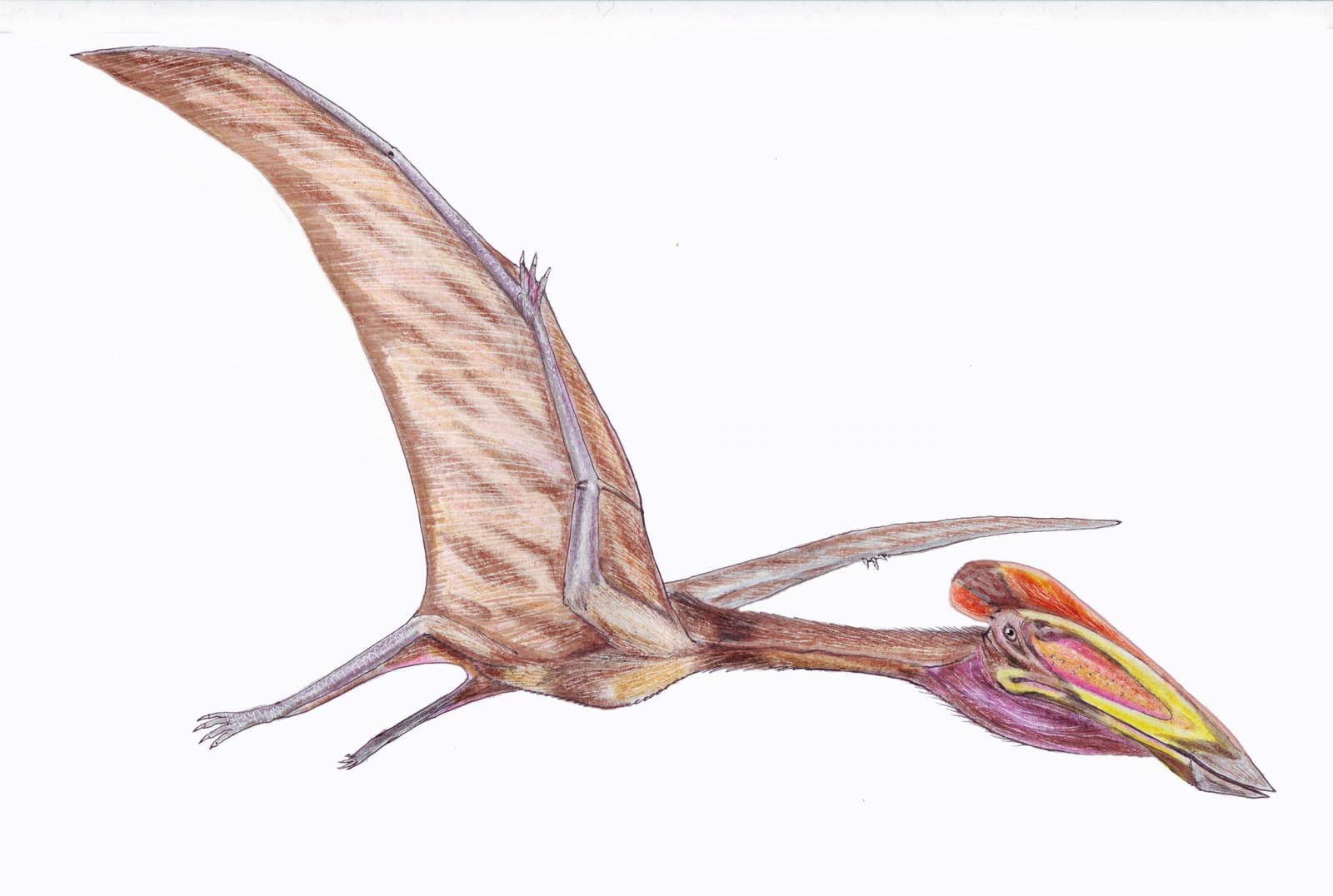
Imagine a flying creature with a wingspan wider than a small airplane – that was Quetzalcoatlus, the largest flying animal ever discovered. With wings stretching up to 36 feet across, this pterosaur was roughly the size of a modern F-16 fighter jet, yet it somehow managed to achieve powered flight 68 million years ago.
According to modern physics, Quetzalcoatlus should never have been able to leave the ground. The power required for such a massive creature to generate lift would exceed what its muscles could possibly produce. Yet fossil evidence clearly shows these giants soared through ancient skies, hunting prey and covering vast distances.
The secret to their flight likely lay in the atmospheric conditions of their time. The late Cretaceous period had significantly denser air, which would have provided more lift for the same amount of wing area. Additionally, these creatures had incredibly efficient flight mechanics, with hollow bones and specialized wing structures that maximized lift while minimizing weight.
Megalodon: The Ocean’s Ultimate Predator
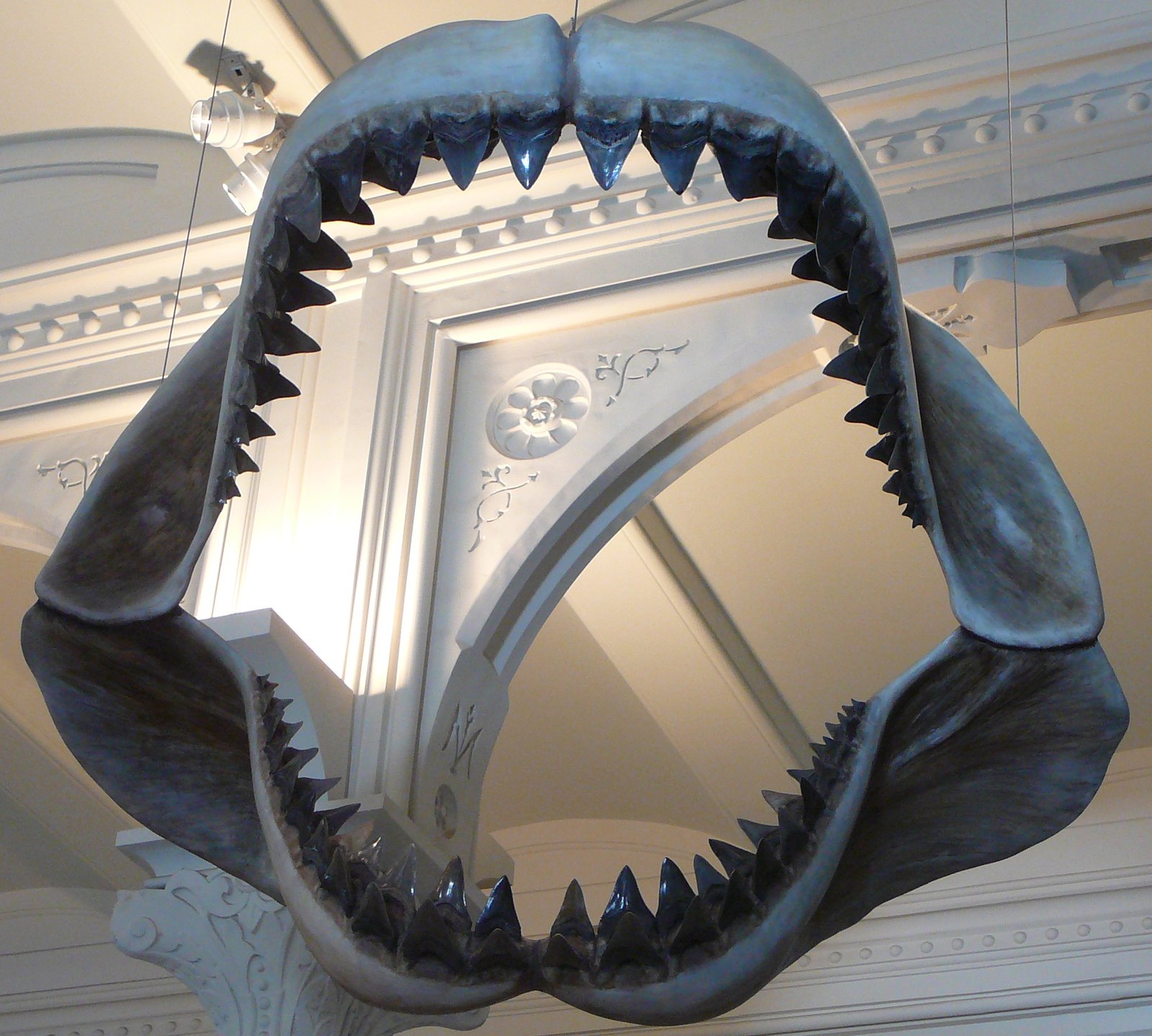
In the depths of ancient oceans swam Megalodon, a shark so massive it makes today’s great whites look like minnows. Reaching lengths of up to 82 feet and weighing over 100 tons, this prehistoric predator had jaws that could crush a small car and teeth the size of human hands.
Water provides much better support for large bodies than air, which is why whales can grow to enormous sizes today. However, even in the ocean, Megalodon pushed the boundaries of what’s physically possible. Its massive size would have required tremendous amounts of energy to maintain, and its hunting success rate would need to be impossibly high to sustain such a gigantic body.
The key to Megalodon’s success was the abundance of large prey in ancient oceans. Massive whales, sea turtles, and other marine giants provided the caloric density needed to fuel such an enormous predator. Without this prehistoric buffet, a creature of Megalodon’s size simply couldn’t survive in modern oceans.
The Atmospheric Advantage of Ancient Earth
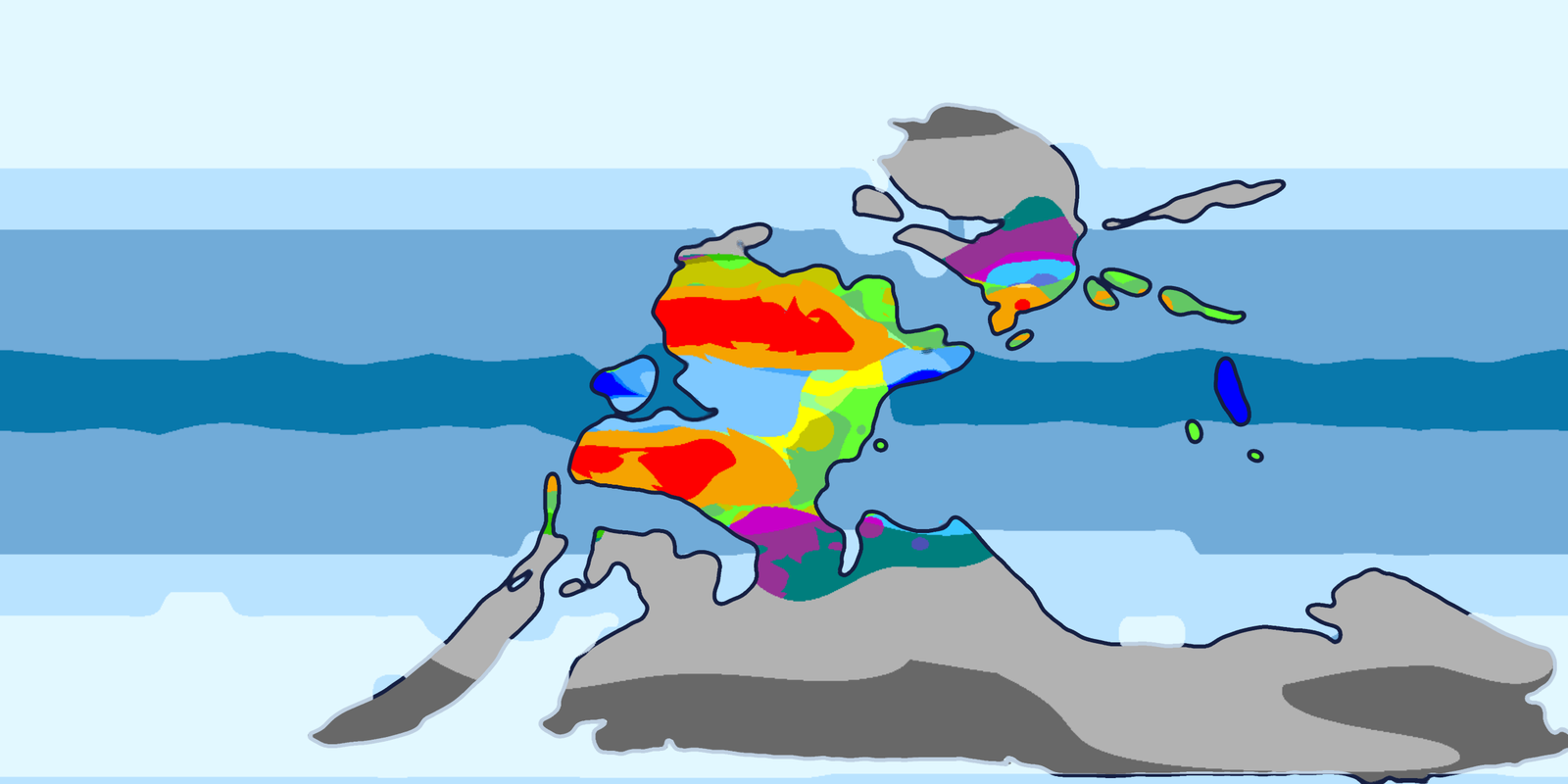
One of the most crucial factors enabling prehistoric gigantism was Earth’s ancient atmosphere. During the Carboniferous period, oxygen levels reached up to 35% of the atmosphere, compared to today’s 21%. This oxygen-rich environment allowed for more efficient respiration and metabolism, supporting larger body sizes.
Higher atmospheric pressure also played a vital role in supporting massive creatures. The denser air provided better buoyancy for flying animals and more efficient gas exchange for all organisms. This created an environment where the normal constraints of size were significantly relaxed.
Additionally, the greenhouse effect of ancient atmospheres meant more stable, warm temperatures across the globe. This reduced the energy requirements for maintaining body temperature, allowing more resources to be devoted to growth and maintaining massive body structures.
Arthropleura: The Giant Millipede That Shouldn’t Exist
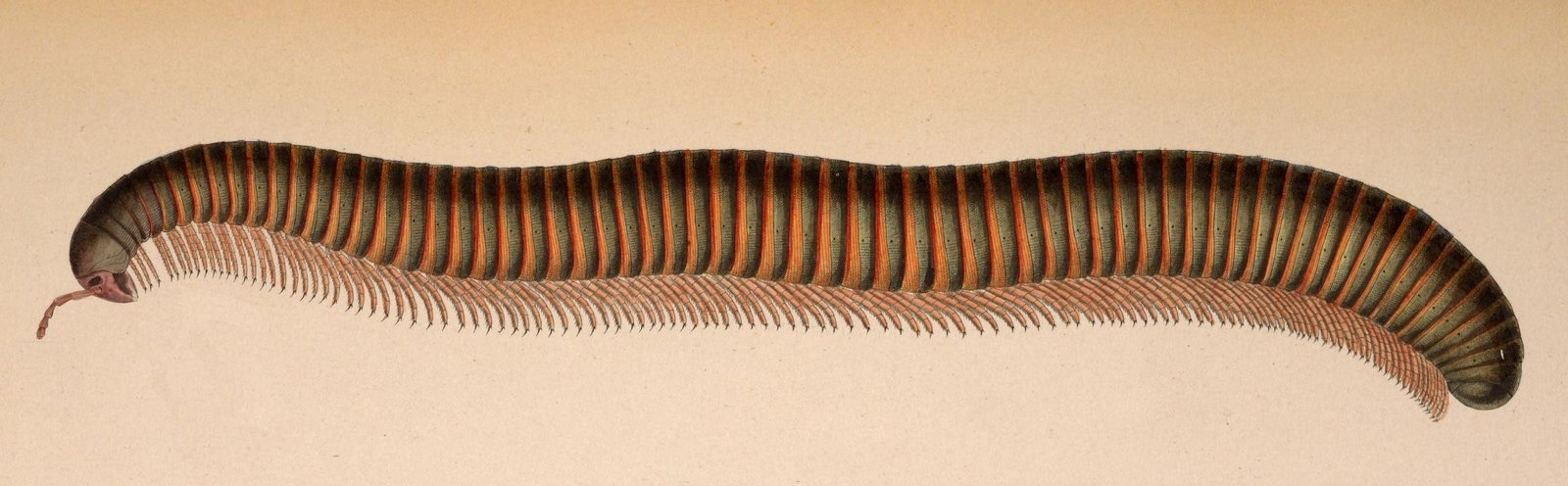
Picture a millipede the size of a small car, and you’ll have an idea of what Arthropleura looked like. This massive arthropod stretched up to 8 feet long and weighed over 100 pounds, making it one of the largest land invertebrates ever discovered. By today’s standards, such a creature would be impossible due to the limitations of its respiratory system.
Arthropods breathe through a system of tubes called tracheae, which deliver oxygen directly to their tissues. This system works well for small creatures but becomes increasingly inefficient as size increases. An Arthropleura-sized millipede today would literally suffocate under its own bulk, unable to deliver enough oxygen to its massive body.
The high oxygen content of the Carboniferous atmosphere made Arthropleura’s existence possible. With nearly twice the oxygen concentration of today’s air, these giants could maintain efficient respiration despite their enormous size. The moment oxygen levels dropped, creatures like Arthropleura vanished from the fossil record.
Dracorex: The Dragon That Walked Among Dinosaurs
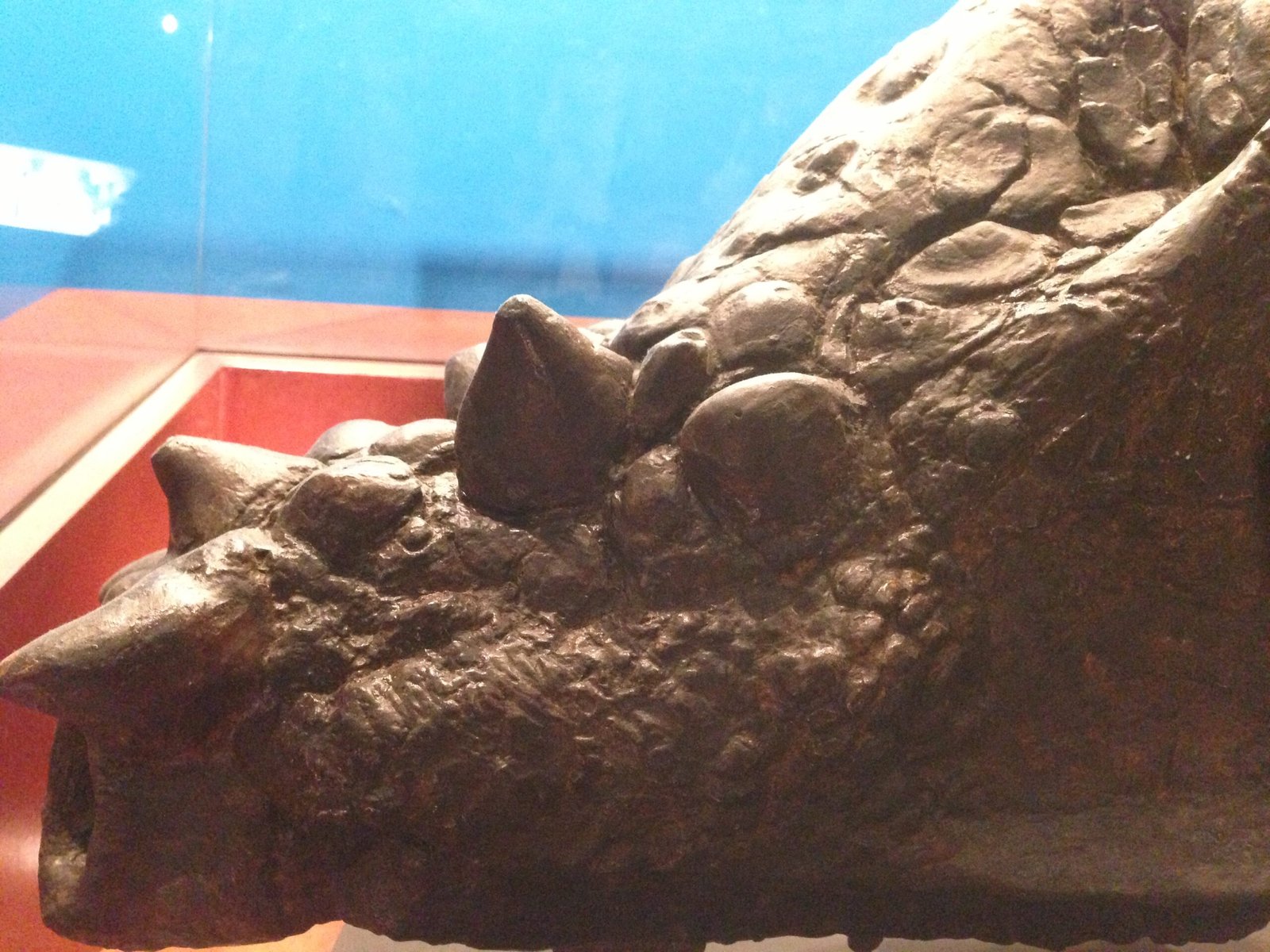
While not the largest dinosaur, Dracorex represents something equally fascinating – a creature whose skull structure would be physically impossible in today’s world. This pachycephalosaur had a skull covered in spikes and horns that would have made it impossibly top-heavy by modern standards.
The creature’s name literally means “dragon king of Hogwarts,” reflecting its mythical appearance. Its elaborate cranial decorations would have required tremendous neck strength to support, and the blood flow to maintain such complex bone structures would tax any modern animal’s cardiovascular system.
Dracorex’s existence highlights how prehistoric creatures could dedicate enormous resources to ornamental features that would be evolutionary dead ends today. The abundance of resources and different environmental pressures of the Mesozoic era allowed for such extravagant biological displays.
Gravitational Mysteries of the Past
Some scientists propose that Earth’s gravity might have been weaker in the past, allowing for the existence of massive creatures that would be impossible today. While this theory remains highly controversial, it offers an intriguing explanation for prehistoric gigantism that goes beyond atmospheric conditions.
The idea suggests that as Earth’s mass has increased over geological time through asteroid impacts and cosmic dust accumulation, gravity has gradually strengthened. This would explain why creatures could grow to enormous sizes in the past but are limited by physical constraints today.
However, mainstream science largely rejects this theory, pointing to the lack of evidence for significant changes in Earth’s gravitational field over biological timescales. The atmospheric and environmental explanations remain the most widely accepted reasons for prehistoric gigantism.
Gigantopithecus: The Ape That Towers Over King Kong
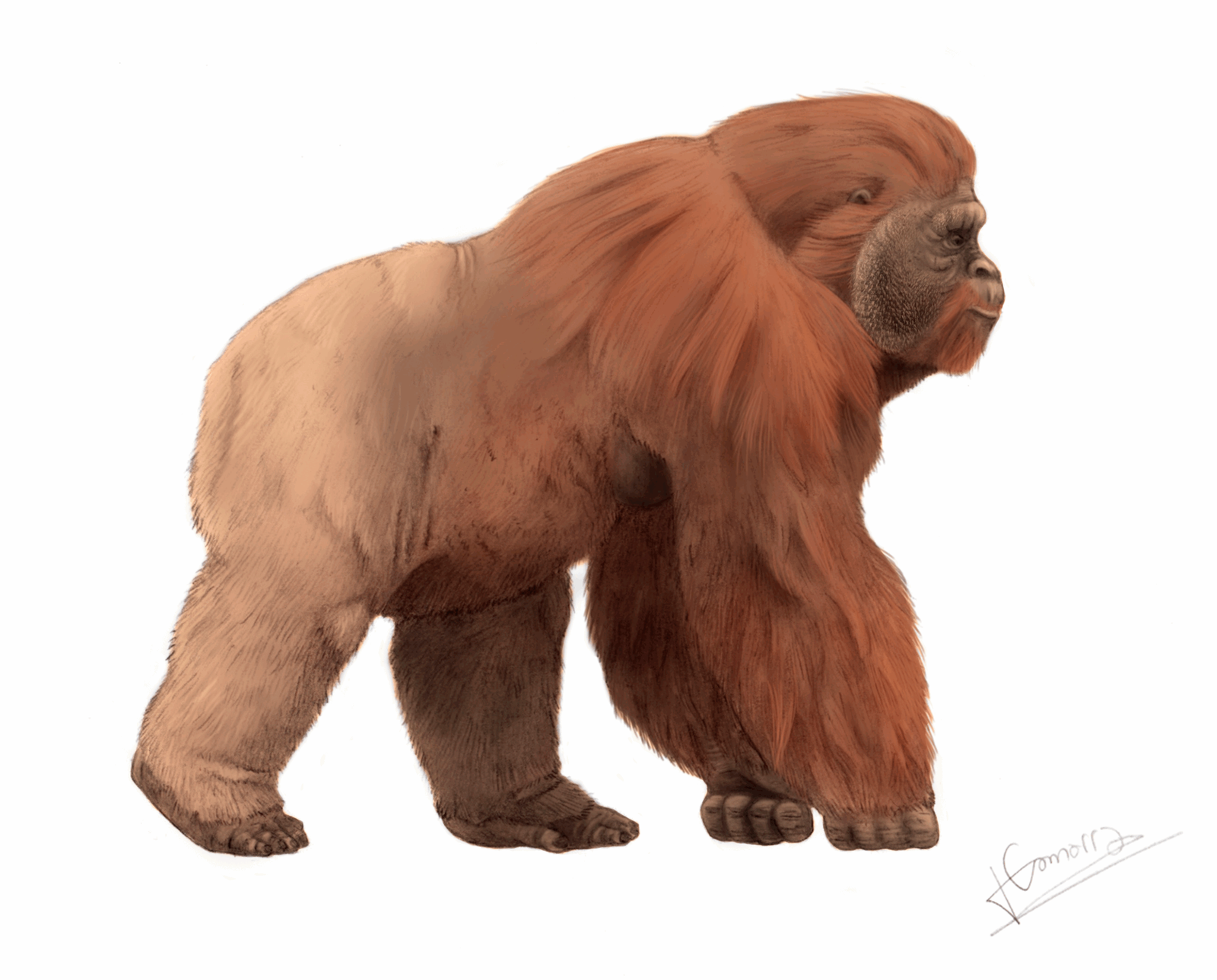
Standing over 10 feet tall and weighing up to 1,200 pounds, Gigantopithecus was a real-life version of King Kong. This massive ape lived in Asia until relatively recently, surviving until about 300,000 years ago. Its size would make it physically impossible for any primate to exist today.
The creature’s massive frame would have required enormous amounts of food to maintain, and its locomotion would have been severely limited by its weight. Modern great apes are already at the upper limits of what their body structure can support, making Gigantopithecus a biological impossibility in today’s world.
The extinction of Gigantopithecus coincides with climate changes that reduced the availability of its primary food sources. This giant ape represents how environmental changes can quickly eliminate creatures that push the boundaries of biological possibility.
The Metabolism Problem
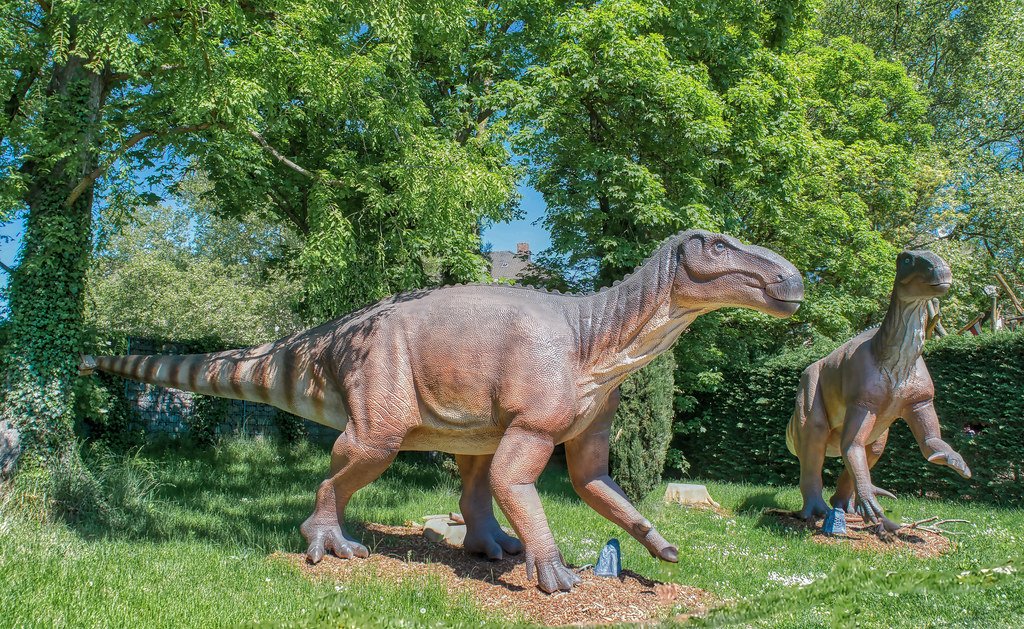
One of the biggest challenges facing prehistoric giants was maintaining their massive metabolisms. Large animals need exponentially more food than smaller ones, and the energy requirements of creatures like Argentinosaurus would have been staggering. A single individual would have needed to consume hundreds of pounds of vegetation daily.
The digestive systems of these giants would have needed to be incredibly efficient to extract enough nutrients from their food. Modern large herbivores like elephants spend up to 18 hours a day eating, and prehistoric giants would have faced even greater demands on their time and energy.
The abundance of plant life in prehistoric environments made such massive consumption possible. Ancient forests were more productive and contained higher concentrations of nutrients, providing the caloric density needed to sustain enormous herbivores.
Heat Regulation in Giant Bodies

Large animals face unique challenges in regulating their body temperature. As size increases, the ratio of surface area to volume decreases, making it harder to dissipate heat. This is why modern elephants have large ears and why whales need the ocean’s cooling effect to survive.
Prehistoric giants would have faced even greater thermoregulation challenges. Their massive bodies would have generated enormous amounts of heat, and without efficient cooling mechanisms, they would have literally cooked themselves from the inside out.
The cooler, more stable climates of prehistoric Earth helped alleviate these thermal challenges. Without the temperature extremes of modern climates, these giants could maintain their body temperature more easily, allowing resources to be devoted to growth rather than temperature regulation.
The Structural Engineering of Giant Bones
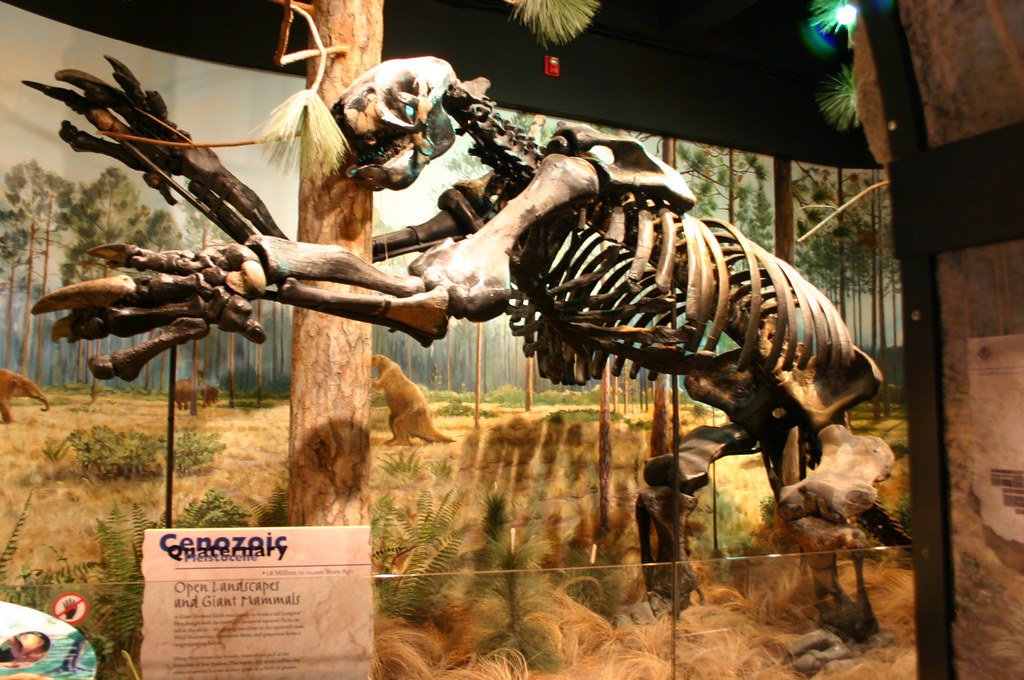
The bones of prehistoric giants represent some of the most impressive examples of biological engineering ever discovered. These structures needed to support weights that would challenge modern construction materials, yet they were composed of the same basic materials as modern bones.
Dinosaur bones achieved their strength through hollow chambers and internal bracing structures that maximized strength while minimizing weight. These adaptations were taken to extremes that modern animals simply cannot replicate, representing the pinnacle of biological structural engineering.
The calcium and phosphorus content of prehistoric bones was also different from modern specimens, suggesting that the chemistry of ancient environments allowed for stronger bone formation. This mineral-rich environment provided the building blocks for structures that would be impossible to create today.
Cardiovascular Challenges of Giants
The circulatory systems of prehistoric giants faced challenges that would be insurmountable for modern animals. Pumping blood through massive bodies requires enormous pressure and incredibly powerful hearts, especially for creatures like the long-necked sauropods.
Some scientists believe that the largest dinosaurs had multiple hearts or auxiliary pumping organs to assist circulation. This would have been necessary to maintain blood flow to their extremities and prevent blood from pooling in their lower bodies.
The blood chemistry of these giants would also have needed to be different from modern animals. Higher oxygen-carrying capacity and different pressure tolerances would have been essential for survival in such massive bodies.
The Respiratory Revolution
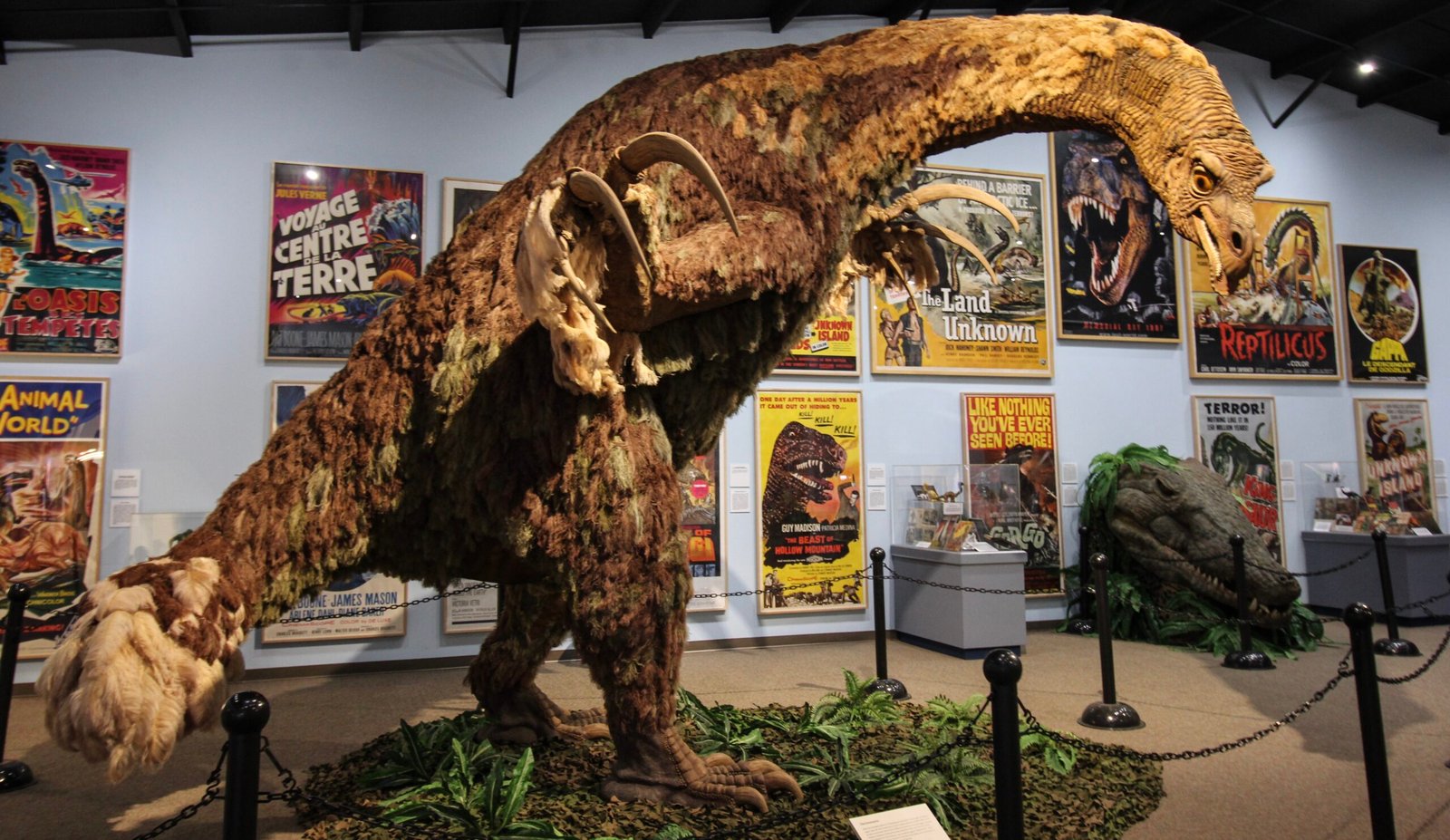
Breathing becomes increasingly difficult as animals grow larger, which is why modern large mammals have such efficient respiratory systems. Prehistoric giants pushed these systems to their absolute limits, developing breathing mechanisms that would be impossible to replicate today.
Many dinosaurs had respiratory systems similar to modern birds, with air sacs that extended throughout their bodies. This system provided incredible efficiency in oxygen exchange, allowing for the support of massive body sizes that would otherwise be impossible.
The higher oxygen content of ancient atmospheres made these efficient respiratory systems even more effective. The combination of advanced breathing mechanisms and oxygen-rich air created the perfect conditions for supporting enormous bodies.
Modern Limitations and Ancient Possibilities
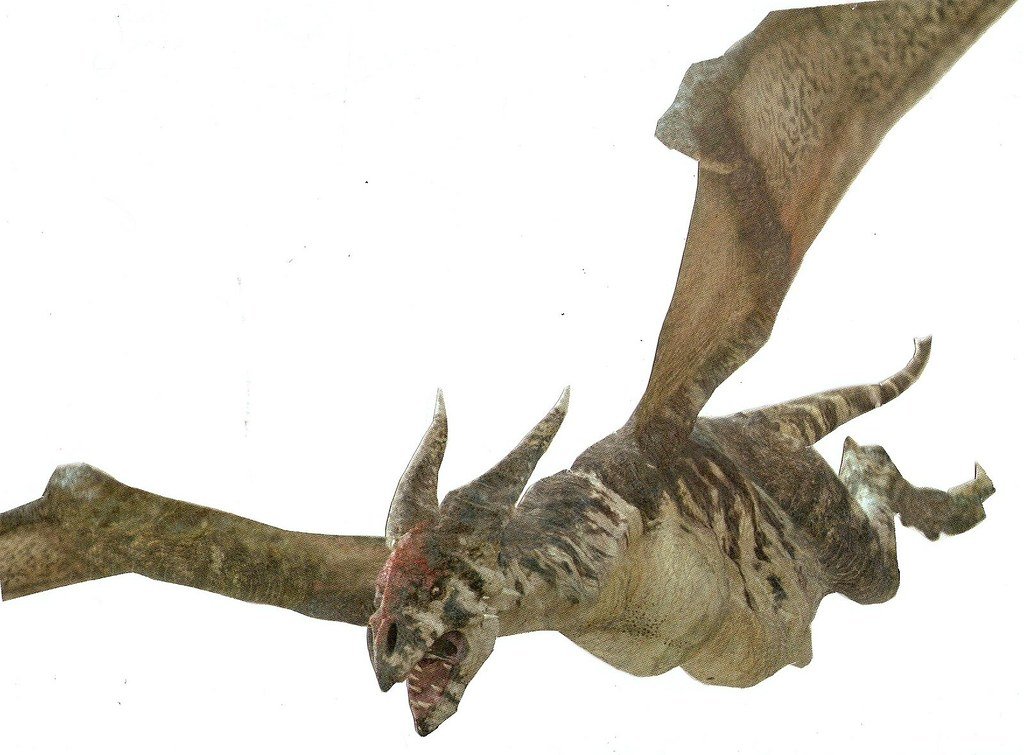
Today’s animals are constrained by environmental factors that didn’t exist in prehistoric times. Modern atmospheric conditions, gravity, and ecological pressures create hard limits on how large creatures can grow, limits that were apparently much more flexible in the past.
The largest modern land animals, like elephants and giraffes, are already pushing the boundaries of what’s physically possible. Their bones are at the limits of their strength, their hearts work at maximum capacity, and their metabolisms are finely tuned to their environments.
Understanding these modern limitations helps us appreciate just how remarkable prehistoric giants truly were. These creatures didn’t just grow large – they fundamentally redefined what was biologically possible, achieving sizes that challenge our understanding of life itself.
The Great Extinction and Size Limits
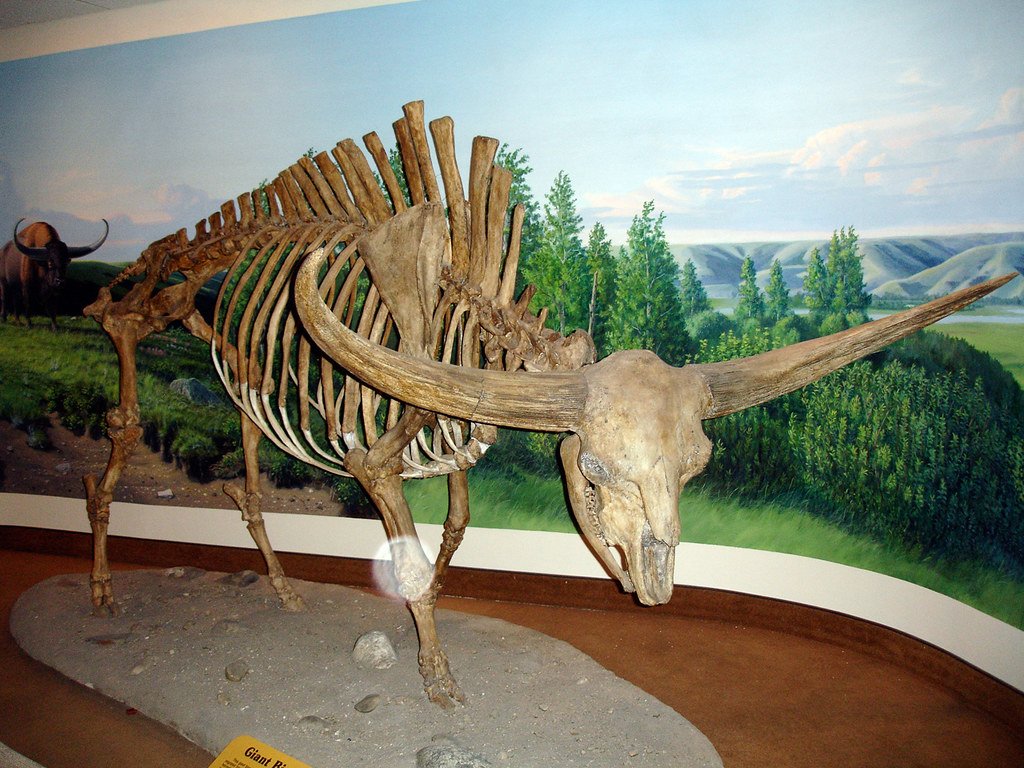
The extinction of prehistoric giants wasn’t just a loss of species – it was a fundamental shift in the physics of life on Earth. As environmental conditions changed, the biological and physical constraints that had allowed for gigantism disappeared, leaving only smaller, more efficient creatures.
This great downsizing wasn’t gradual – it was relatively sudden in geological terms. The fossil record shows a clear trend toward smaller body sizes following major extinction events, suggesting that the conditions supporting giants were fragile and easily disrupted.
The survivors of these extinctions were invariably smaller, more adaptable creatures that could thrive under the new physical constraints. This represents one of the most dramatic examples of how environmental changes can reshape the fundamental limits of biological possibility.
What We Can Learn from Prehistoric Giants
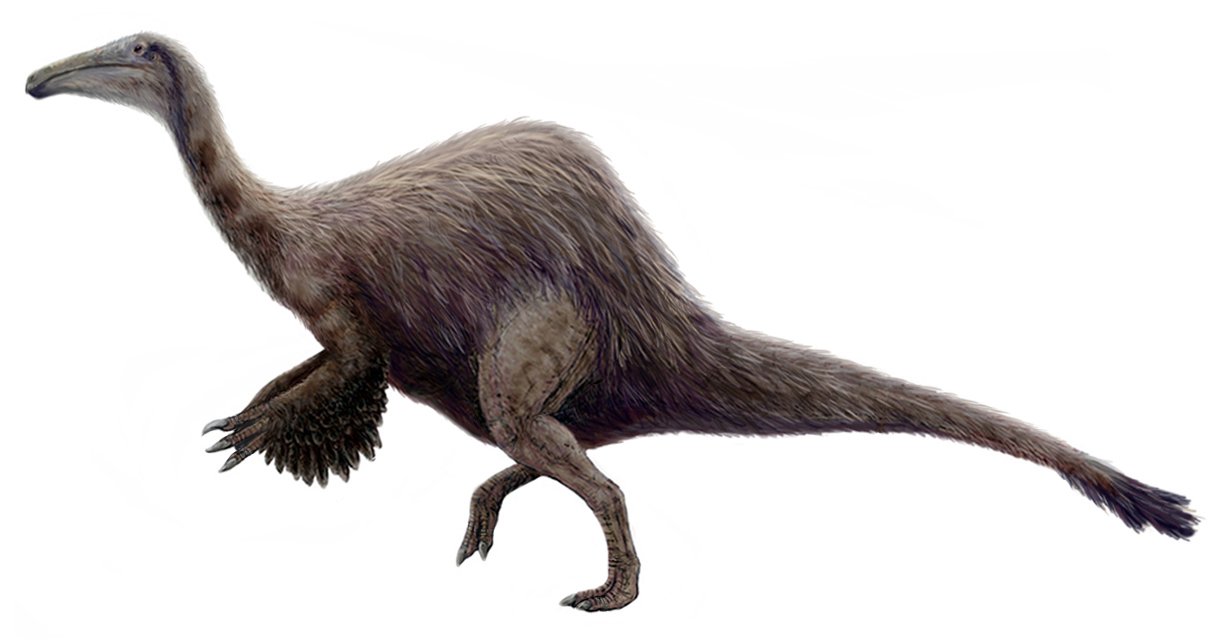
These ancient titans teach us that the laws of physics aren’t absolute when it comes to biology – they’re more like guidelines that can be bent under the right conditions. The existence of prehistoric giants shows us that life is far more adaptable and creative than we might imagine.
Studying these creatures also helps us understand the delicate balance between organism and environment. The giants of the past existed because of a perfect storm of conditions that allowed them to push biological boundaries. When those conditions changed, the giants disappeared.
Perhaps most importantly, these prehistoric giants remind us that our modern world represents just one snapshot in the long history of life on Earth. The creatures we see today are not the largest or most impressive that life has produced – they’re simply the ones that are best adapted to current conditions.
The Legacy of Giants

The prehistoric giants that once ruled our planet left us with more than just fossilized bones and scientific curiosity. They showed us that life can achieve the seemingly impossible when conditions align, pushing the boundaries of what we thought was physically possible.
Their existence challenges our understanding of natural limits and reminds us that evolution is capable of producing solutions to problems we can barely comprehend. These ancient creatures were living proof that biology can sometimes bend the rules of physics, at least for a while.
Today, as we face our own environmental changes and challenges, the story of prehistoric giants serves as both inspiration and warning. It shows us the incredible potential of life to adapt and thrive, but also the fragility of the conditions that make such extraordinary achievements possible.
The next time you visit a natural history museum and stand before the skeleton of a massive dinosaur, remember that you’re looking at something that shouldn’t exist by today’s standards. These prehistoric giants were living violations of the physical laws that govern our modern world, creatures so impossibly large that they seem more like legends than reality. Yet they were real, and they thrived for millions of years in a world where the impossible was simply another day at the office. What other “impossible” creatures might emerge if Earth’s conditions changed again?