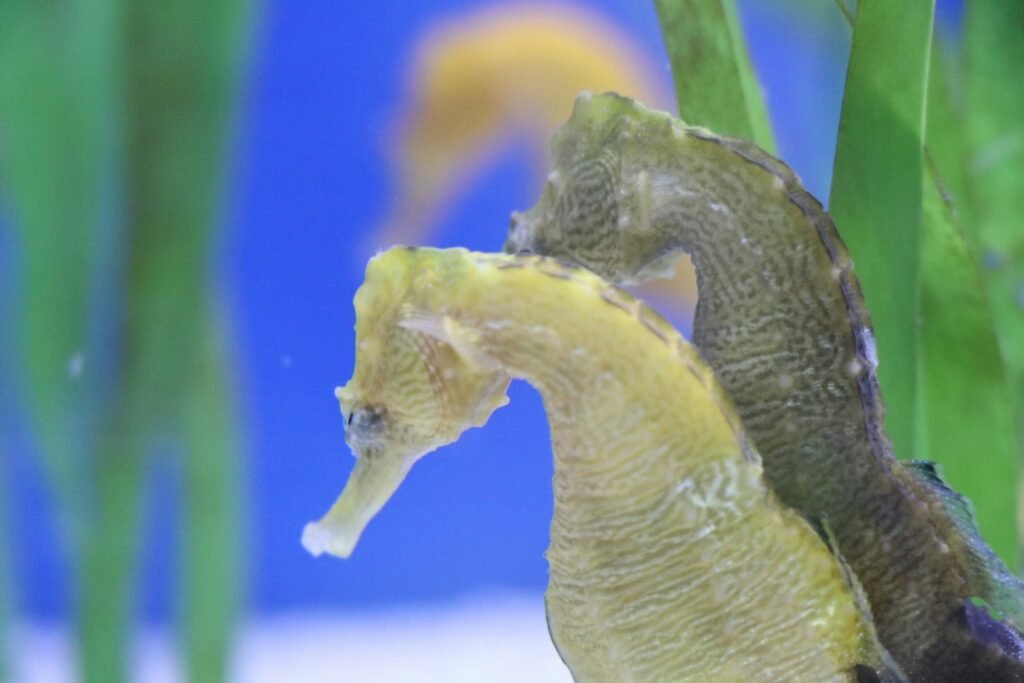
In the vast underwater realm where logic often gets turned upside down, one creature stands out as nature’s ultimate rule-breaker. Picture this: a tiny, delicate fish with a horse-like head, a monkey-like tail, and the most extraordinary parenting arrangement you’ve ever heard of. While millions of species across the planet follow the same reproductive script where females carry and birth their young, seahorses decided to flip that ancient playbook entirely. These remarkable marine marvels have created a world where fathers experience pregnancy, labor pains, and the miraculous moment of bringing new life into the world.
The Seahorse Family Tree Revolution

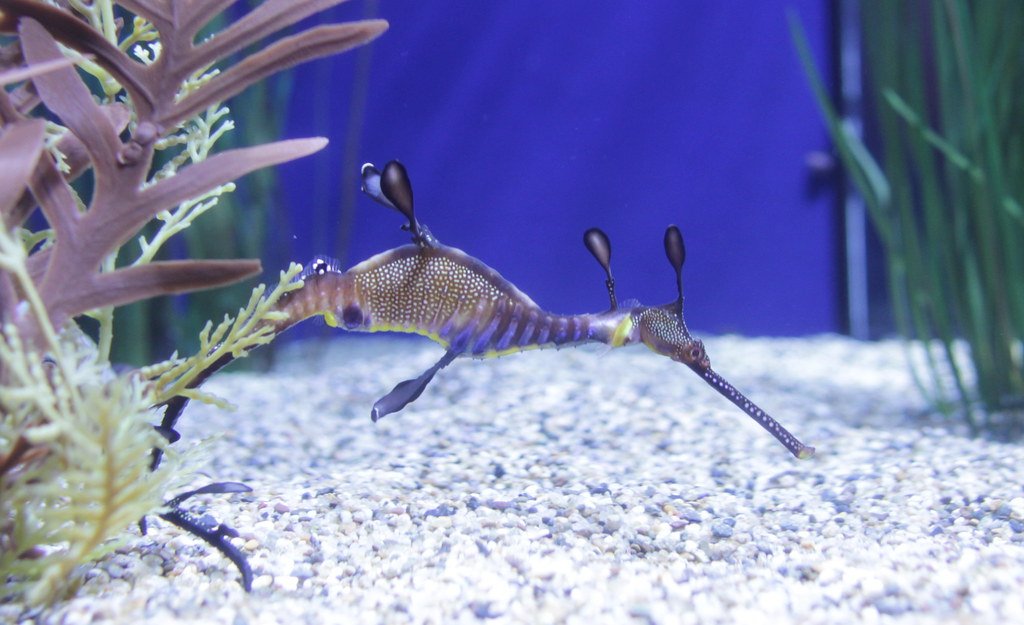
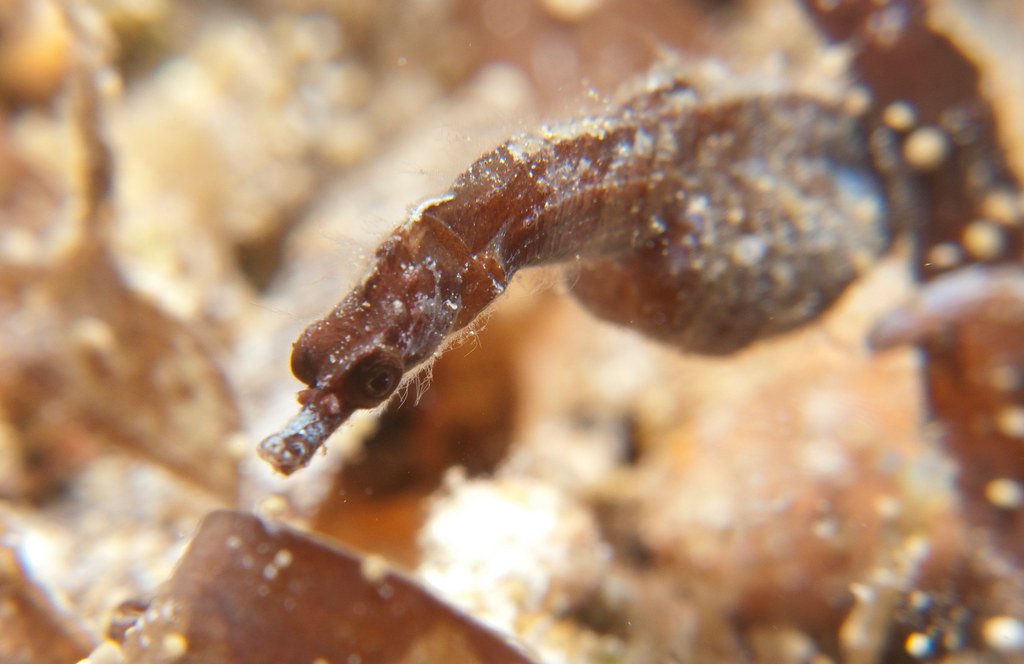
Seahorses belong to the Syngnathidae family, which includes their close relatives the pipefish and sea dragons. This entire family has embraced male pregnancy as their evolutionary strategy, making them unique among all vertebrates on Earth. The family name itself, Syngnathidae, comes from Greek words meaning “fused jaw,” but it’s their reproductive habits that truly set them apart from every other creature swimming in our oceans.
What makes this even more fascinating is that this trait isn’t a recent evolutionary experiment. Scientists believe male pregnancy in seahorses evolved approximately 25 million years ago, proving this isn’t just some quirky accident of nature. Instead, it represents a highly successful reproductive strategy that has allowed these creatures to thrive in diverse marine environments across the globe.
Meet the Remarkable Brood Pouch
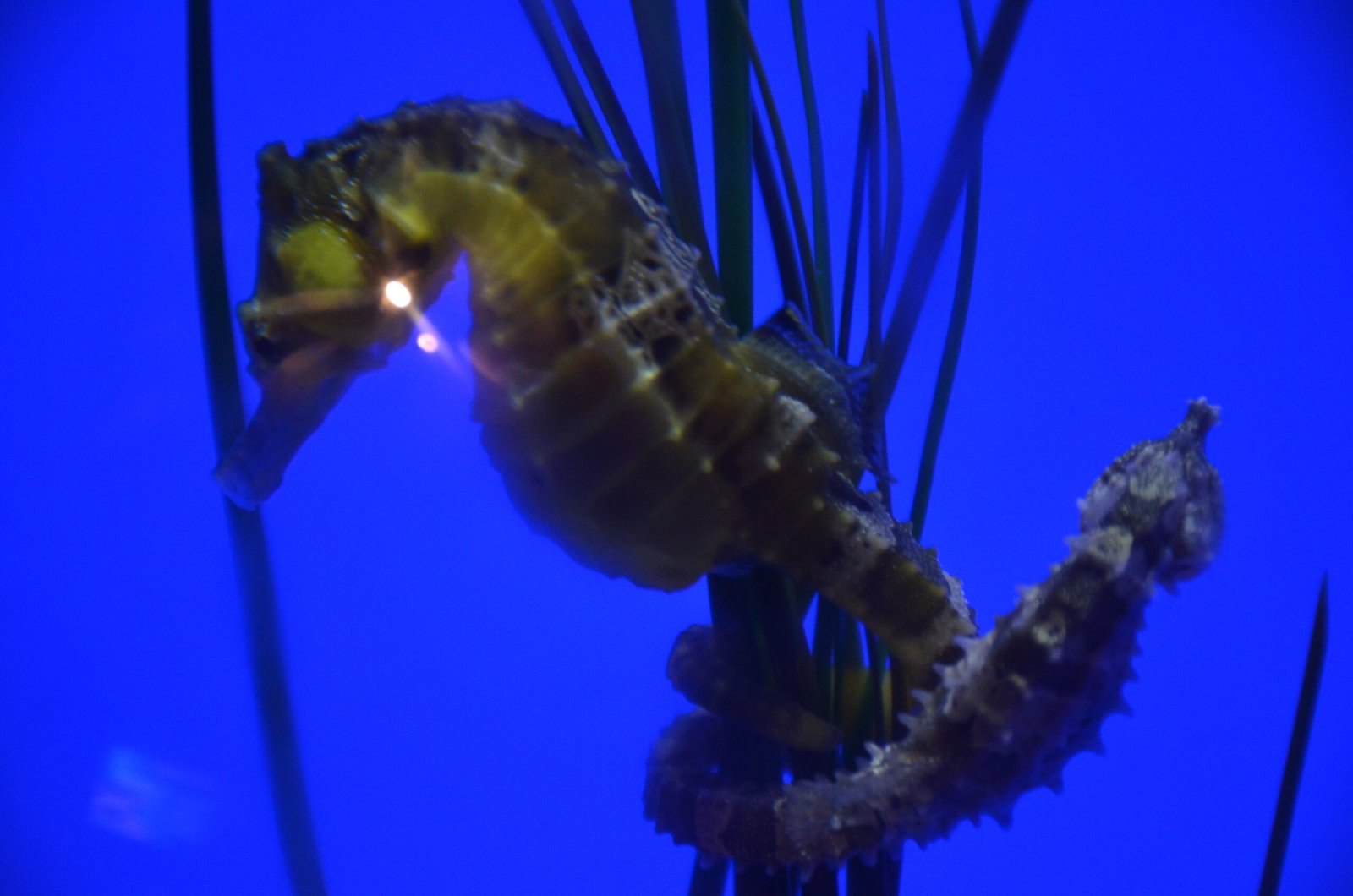
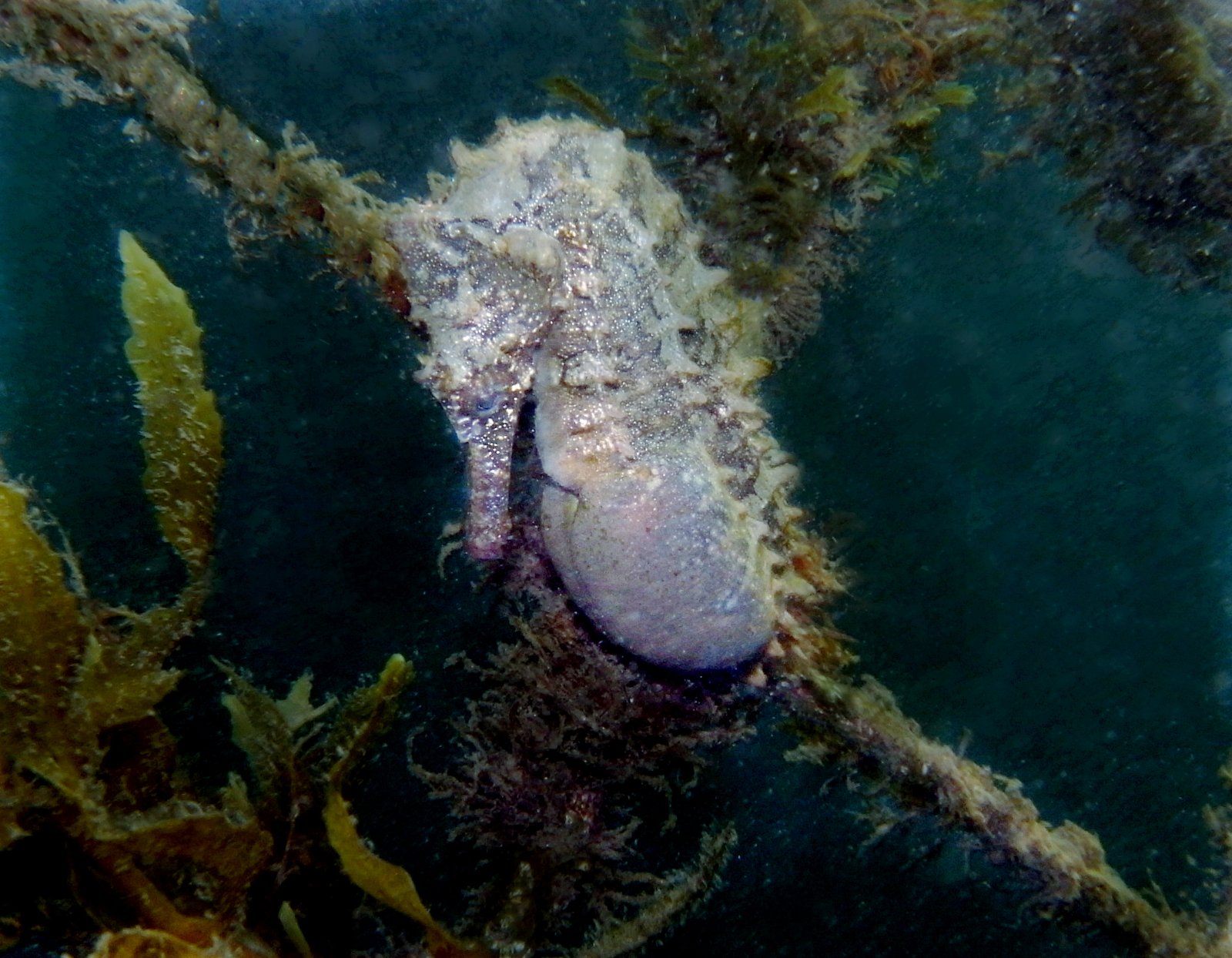
The male seahorse’s superpower lies in his brood pouch, a specialized structure located on his belly that functions remarkably similar to a mammalian uterus. This pouch isn’t just a simple carrying case for eggs; it’s a sophisticated biological nursery complete with its own blood supply, oxygen delivery system, and waste removal network. The pouch walls are lined with tissue that can regulate temperature, provide nutrients, and even filter out harmful substances.
During pregnancy, this pouch undergoes dramatic changes that mirror what happens in female mammals during gestation. The walls thicken, blood vessels multiply, and the entire structure transforms into a life-support system for hundreds of developing embryos. It’s like having a portable aquarium specifically designed to nurture baby seahorses from fertilization to birth.
The Intricate Courtship Dance

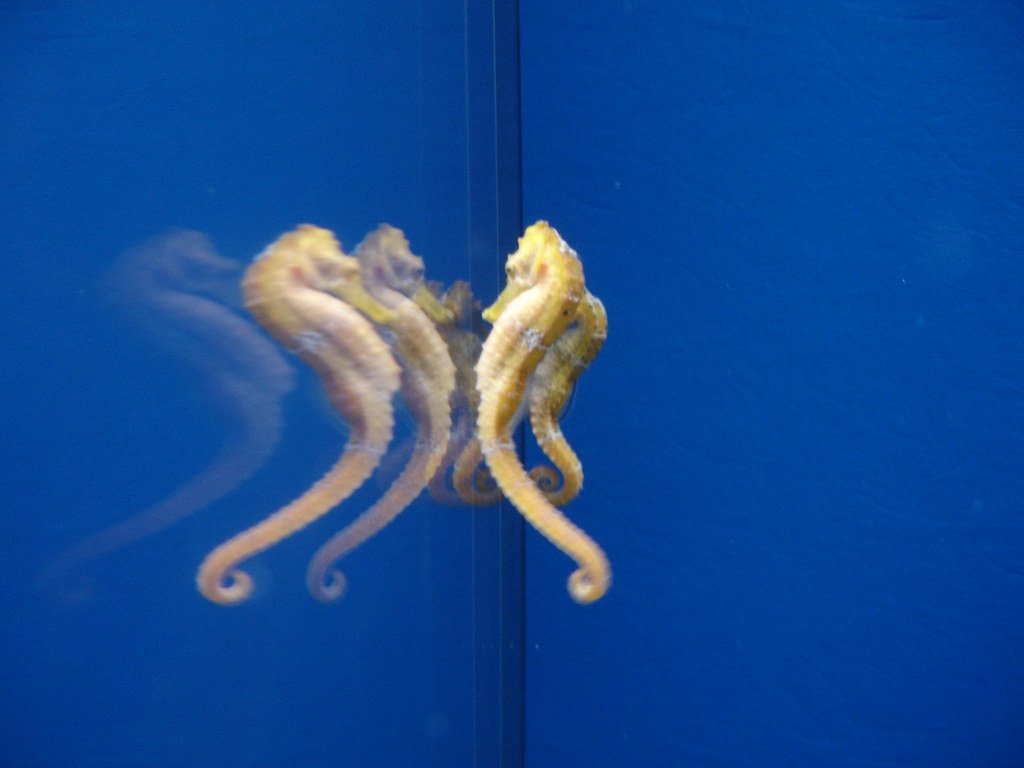
Before any male pregnancy can occur, seahorses engage in one of the most elaborate and beautiful courtship rituals in the animal kingdom. These dances can last for hours or even days, with potential partners swimming together in perfect synchronization, changing colors, and performing intricate movements that look more like underwater ballet than typical animal mating behavior. The male inflates his brood pouch to show the female he’s ready and available for parenthood.
During these courtship displays, the couple often greets each other every morning with a brief reunion dance, reinforcing their pair bond. This daily ritual continues throughout their relationship, which can last for an entire breeding season or even multiple seasons. Some seahorse species are monogamous, while others may change partners, but the courtship dance remains a crucial element regardless of their mating system.
The Moment of Egg Transfer

When the female is ready to deposit her eggs, the actual transfer happens in mere seconds during a brief but crucial moment called the “rise.” Both seahorses swim upward together, their bellies pressed close, and the female quickly deposits her eggs directly into the male’s open brood pouch. This process requires perfect timing and coordination, as the eggs must be fertilized immediately upon transfer.
The number of eggs transferred varies dramatically depending on the species, ranging from as few as five in smaller seahorse species to over 2,000 in larger ones. Each egg is tiny, typically measuring less than two millimeters in diameter, but packed with all the nutrients needed for early development. The entire transfer and fertilization process happens so quickly that researchers often need high-speed cameras to capture the details.
Pregnancy Hormones in Male Bodies

Once pregnant, male seahorses experience hormonal changes that are remarkably similar to those in pregnant female mammals. Their bodies begin producing prolactin, the same hormone responsible for milk production in female mammals, though in seahorses it helps regulate the brood pouch environment. They also produce isotocin, a hormone similar to oxytocin in mammals, which plays a role in contractions during birth.
These hormonal shifts affect the male’s behavior and physiology in ways that researchers are still discovering. Pregnant males become more territorial and protective, often anchoring themselves to seagrass or coral with their tails and rarely venturing far from their chosen spot. Their metabolism changes to support the developing embryos, and they may alter their feeding patterns to ensure adequate nutrition for their growing brood.
The Incredible Transformation Inside
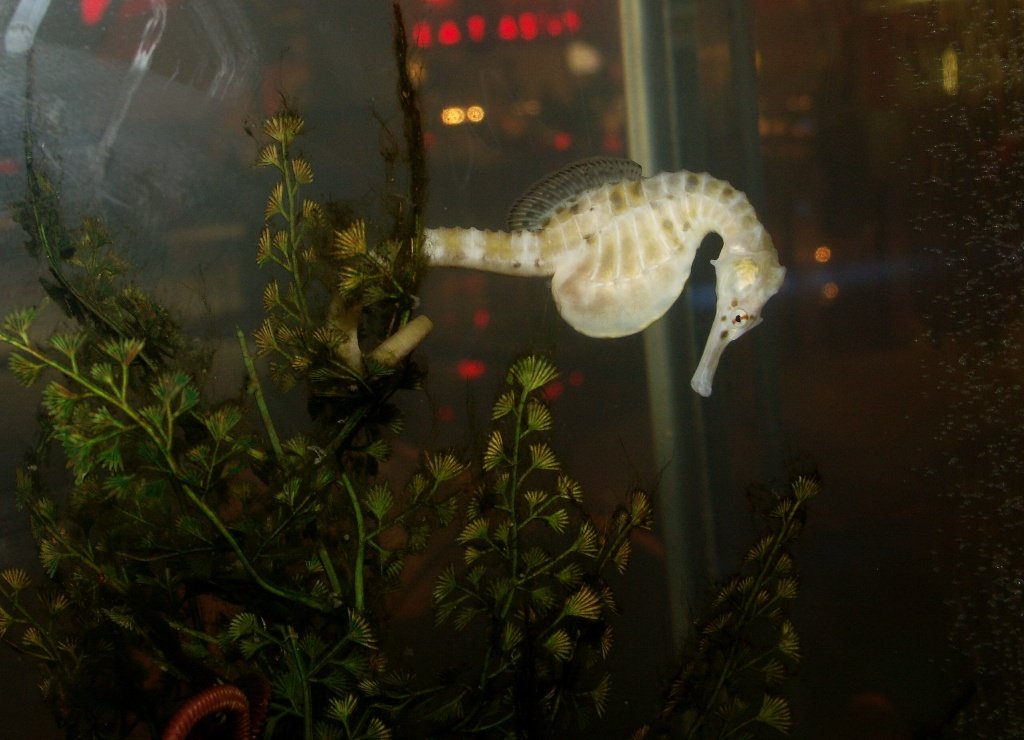
Inside the male’s brood pouch, an extraordinary transformation takes place over the course of two to four weeks, depending on the species. The fertilized eggs initially draw nutrients from their yolk sacs, but as development progresses, they become increasingly dependent on nutrients provided directly by the father through the pouch lining. This is true pregnancy, not just external egg-carrying.
The developing embryos go through all the typical stages of fish development, from initial cell division through organ formation and eventual hatching within the pouch. The father’s body carefully regulates the pouch environment, maintaining optimal salinity, oxygen levels, and temperature. It’s like having hundreds of tiny aquariums all perfectly calibrated for marine life development.
Evolutionary Advantages of Male Pregnancy

But why did evolution favor this unusual arrangement? Scientists have proposed several compelling theories for why male pregnancy offers significant advantages over traditional female pregnancy. First, it allows females to prepare the next batch of eggs while males are busy with pregnancy duties, effectively doubling the reproductive output of a mated pair. This means seahorse couples can have multiple broods per breeding season rather than being limited by female pregnancy duration.
Male pregnancy also appears to reduce the energy burden on females, who can focus entirely on producing high-quality eggs rather than dividing their energy between egg production and pregnancy maintenance. This specialization may lead to better survival rates for both parents and offspring, as each sex can optimize their role in the reproductive process.
The Miracle of Seahorse Birth
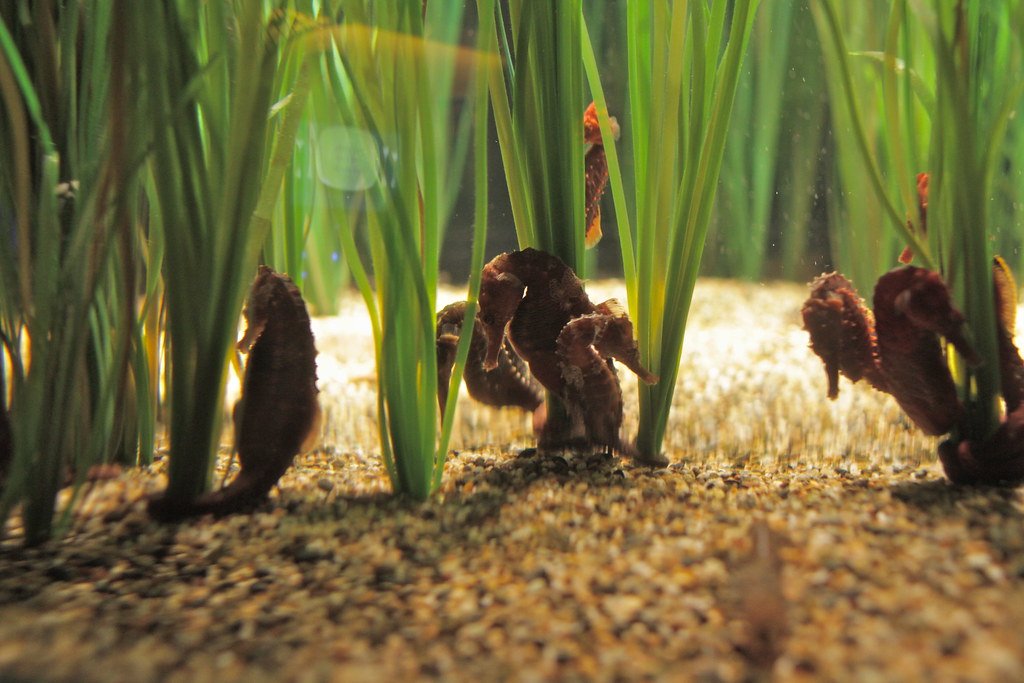
When it’s time for birth, male seahorses experience something remarkably similar to labor contractions in mammals. The expectant father anchors himself to a piece of seagrass or coral and begins a series of muscular contractions that help expel the fully-formed baby seahorses from his pouch. These contractions can be so intense that the male’s entire body bends and straightens rhythmically, sometimes lasting for hours.
The babies emerge one by one, each perfectly formed and ready to swim immediately upon birth. Unlike many fish species that are born as larvae, baby seahorses are miniature versions of their parents, complete with their characteristic horse-like heads and prehensile tails. They’re typically only a few millimeters long but are immediately independent and capable of hunting tiny plankton on their own.
Nurturing Beyond Birth
While seahorse fathers don’t provide post-birth care like some animal species, their investment in their offspring during pregnancy is extraordinary. The male’s body works tirelessly to ensure each embryo receives optimal nutrition, and the pouch environment is so perfectly calibrated that survival rates within the pouch are remarkably high. This intensive prenatal care compensates for the lack of parental guidance after birth.
Some research suggests that the father’s pouch may also provide immunological benefits to the developing young, potentially transferring antibodies or other protective compounds that help the babies survive their first vulnerable weeks in the wild. This biological investment represents one of the most intensive forms of male parental care found anywhere in the animal kingdom.
Species Variations in Male Pregnancy
Not all seahorse species experience pregnancy in exactly the same way, adding another layer of complexity to this already fascinating phenomenon. Some species have more sophisticated pouch structures with better blood supply networks, while others have simpler arrangements. The pregnancy duration also varies significantly, with some species completing development in just two weeks while others take up to six weeks.
Larger seahorse species tend to carry more eggs and have longer pregnancy periods, while smaller species often have shorter pregnancies but may breed more frequently throughout the season. These variations suggest that male pregnancy has continued to evolve and adapt to different environmental pressures and ecological niches even after its initial development millions of years ago.
The Role of Environmental Factors
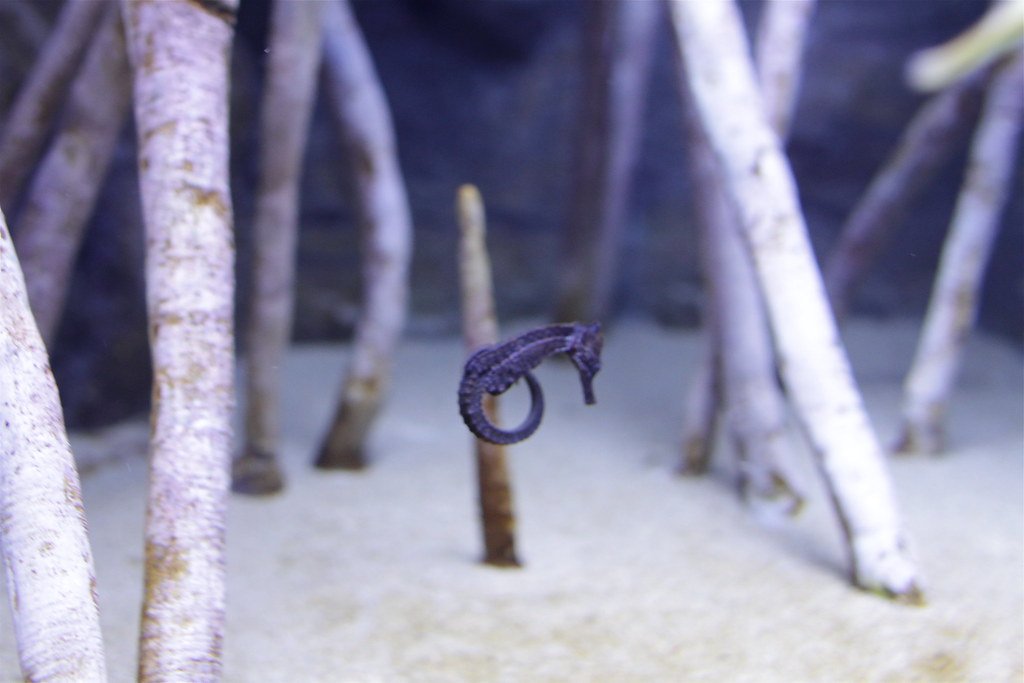
Environmental conditions play a crucial role in seahorse pregnancy success, with water temperature, salinity, and food availability all affecting both pregnancy duration and offspring survival rates. Warmer waters generally lead to shorter pregnancy periods, while cooler conditions may extend development time. The father’s ability to regulate his pouch environment becomes even more critical in challenging conditions.
Climate change and ocean acidification pose new challenges for pregnant male seahorses, as these changes can affect the delicate balance of their internal pregnancy environment. Research shows that even small changes in ocean chemistry can impact embryo development and survival rates, making seahorse populations particularly vulnerable to environmental shifts.
Comparing Seahorses to Other Unique Parents
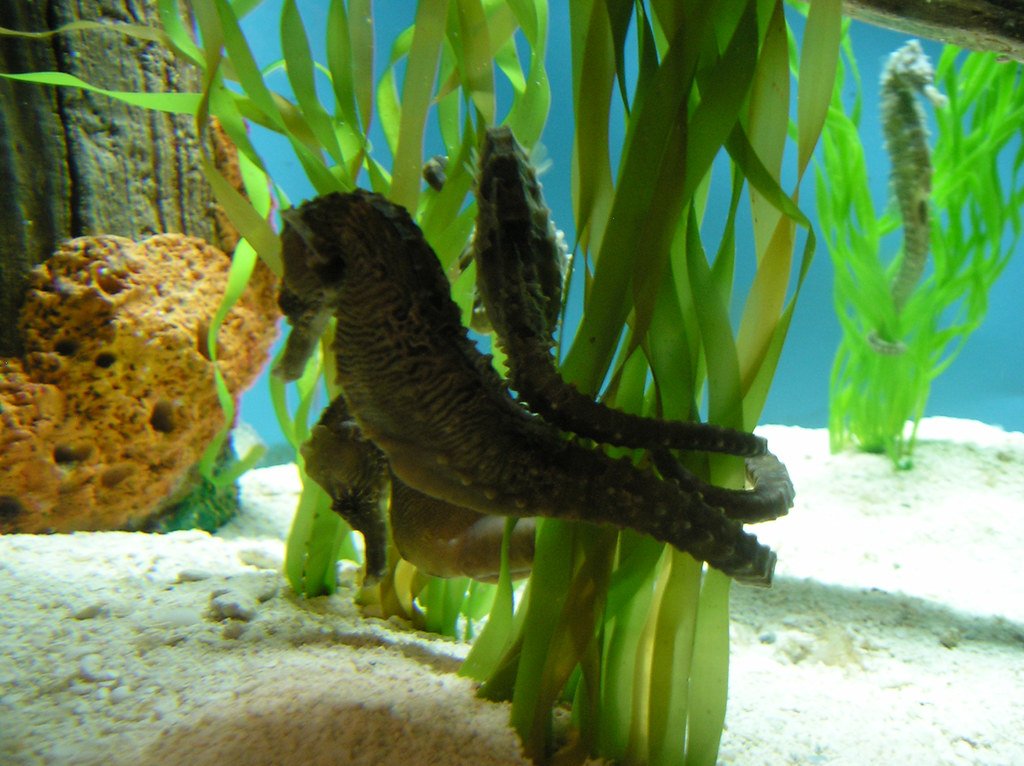
While seahorses are the only vertebrates where males experience true pregnancy, they’re not the only animals with unusual parenting arrangements. Emperor penguins have males that incubate eggs on their feet for months, and several fish species have males that guard eggs in their mouths. However, none of these examples involve the internal development and direct nutrient transfer that characterizes seahorse male pregnancy.
What sets seahorses apart is the completeness of their role reversal and the biological sophistication of the male pregnancy system. Their brood pouch represents a level of evolutionary adaptation that goes far beyond simple egg-guarding or nest-building behaviors found in other species with involved fathers.
The Science Behind Sex Role Reversal
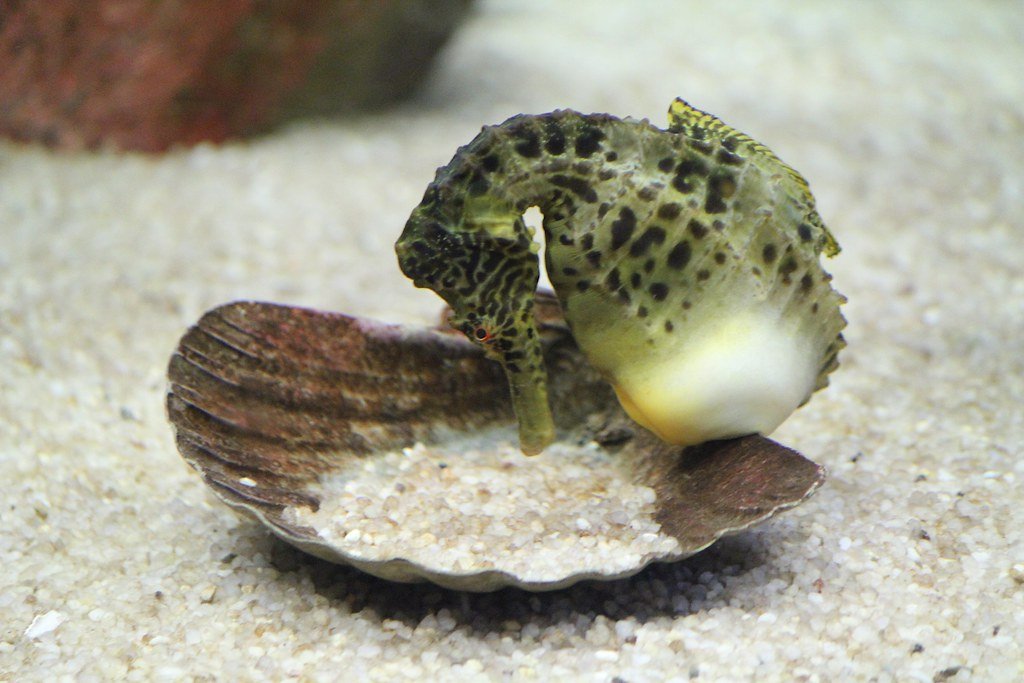
Seahorses challenge our basic assumptions about sex roles in nature, demonstrating that evolution doesn’t follow rigid rules about which sex should carry offspring. In seahorse populations, females often compete for access to males, particularly high-quality males with proven breeding success. This competition can be intense, with females displaying bright colors and aggressive behaviors typically associated with males in other species.
This sex role reversal extends beyond just pregnancy, affecting everything from courtship behavior to territorial disputes. Understanding these dynamics helps scientists better appreciate the flexibility of evolutionary strategies and the diverse ways that successful reproduction can be achieved in nature.
Conservation Implications of Male Pregnancy
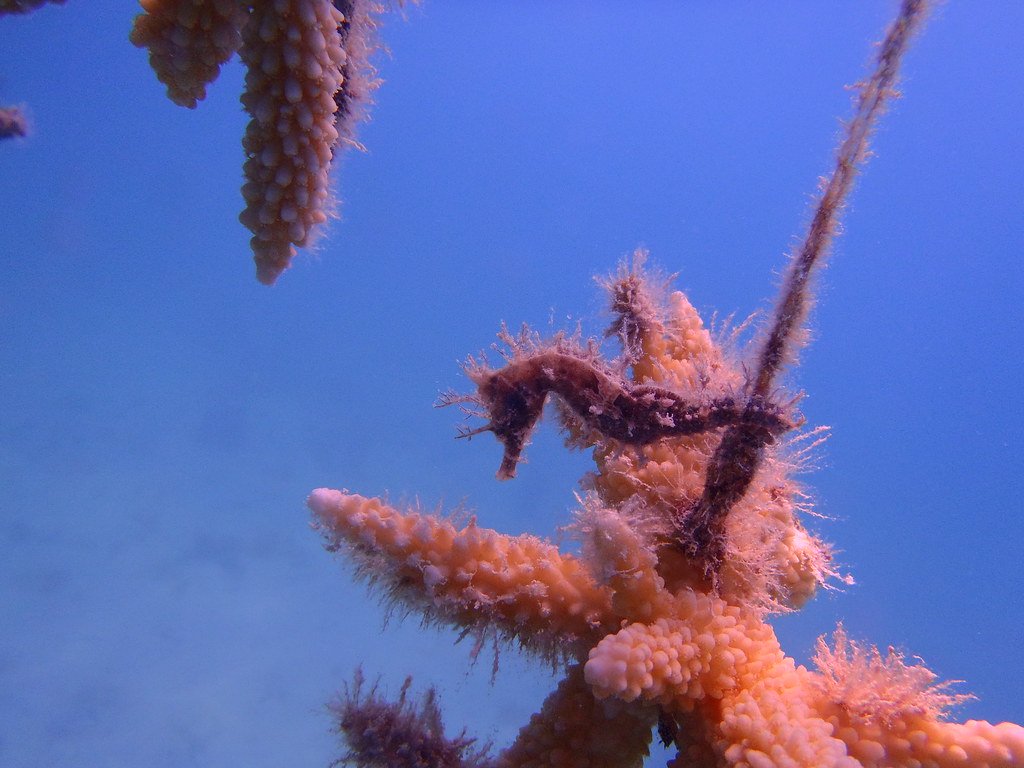
The unique reproductive strategy of seahorses has important implications for conservation efforts, as the loss of breeding males can have devastating effects on population recovery. Unlike species where multiple females can be fertilized by a single male, seahorse populations require roughly equal numbers of both sexes to maintain reproductive capacity. This makes them particularly vulnerable to fishing pressure and habitat destruction.
Many seahorse species are already facing population declines due to capture for traditional medicine, aquarium trade, and habitat loss. Their slow reproductive rate, combined with their specialized pregnancy requirements, means that population recovery can take much longer than for species with more conventional reproductive strategies.
Modern Research and Future Discoveries
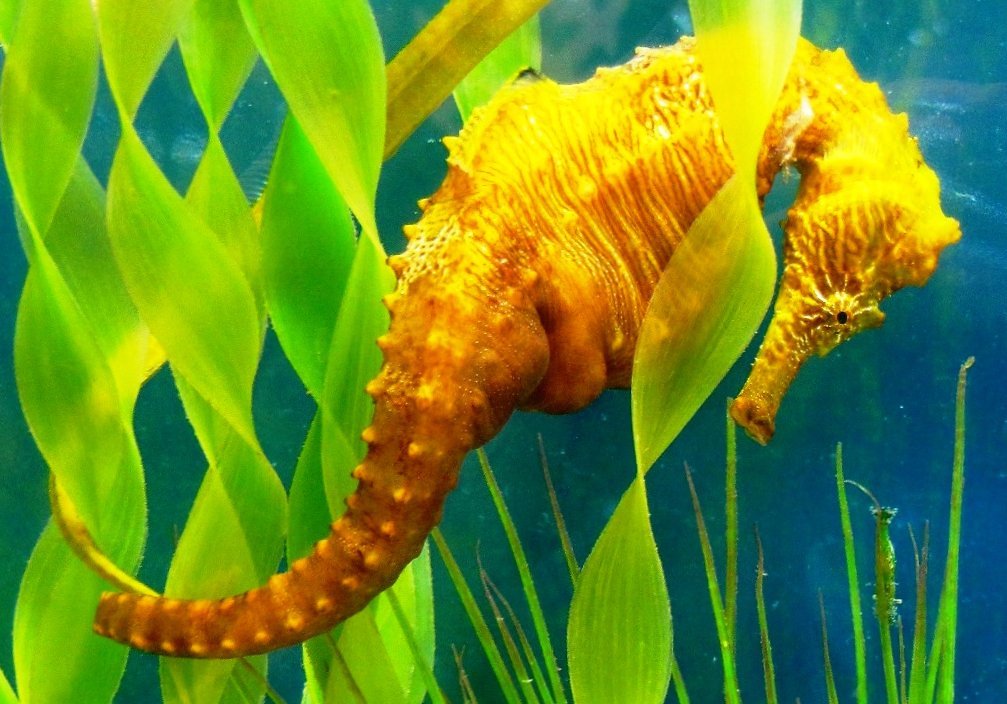
Current research into seahorse male pregnancy is revealing new insights into developmental biology, hormone regulation, and evolutionary adaptation. Scientists are using advanced genetic techniques to understand how the genes controlling pregnancy have evolved and how they compare to pregnancy-related genes in mammals. These studies may eventually contribute to human fertility research and our understanding of pregnancy biology.
Recent discoveries have also revealed that seahorse pregnancy involves complex molecular signaling between father and offspring, similar to the communication that occurs between mother and fetus in mammals. This research is opening new avenues for understanding how pregnancy evolved and how it functions at the cellular level across different animal groups.
The Broader Impact on Marine Ecosystems

Seahorses play important ecological roles in their marine environments, serving as both predators of small crustaceans and prey for larger fish and seabirds. Their unique reproductive strategy affects their population dynamics and their ability to respond to environmental changes. Understanding these relationships is crucial for marine conservation efforts and ecosystem management.
The loss of seahorse populations can have cascading effects on marine food webs, as these specialized predators help control populations of small invertebrates. Their presence often indicates healthy seagrass beds and coral reefs, making them valuable indicator species for marine ecosystem health.
Lessons from Nature’s Rule Breakers
The story of seahorse fathers challenges us to reconsider our assumptions about gender roles, parenting, and the possibilities of biological adaptation. These remarkable creatures demonstrate that evolution is endlessly creative, finding solutions to reproductive challenges that seem to defy logic but work perfectly in practice. Their success over millions of years proves that unconventional approaches can be highly effective when they serve the species’ survival needs.
In a world where we often see rigid categories and fixed roles, seahorses remind us that nature is far more flexible and innovative than we might expect. They show us that caring, nurturing, and the miracle of bringing new life into the world aren’t limited by traditional boundaries. Perhaps most importantly, they demonstrate that being different isn’t just acceptable in nature – sometimes it’s the key to extraordinary success.
Conclusion
Seahorses have rewritten the rules of reproduction in a way that challenges everything we thought we knew about pregnancy and parenting in the animal kingdom. Their male pregnancy represents one of evolution’s most creative solutions to the challenges of marine reproduction, combining biological innovation with devoted parental care in a package that has proven successful for millions of years.
From their sophisticated brood pouches to their hormone-driven pregnancy experiences, male seahorses demonstrate that nature’s solutions to survival challenges can be both surprising and remarkably effective. Their story reminds us that the natural world still holds countless mysteries and that even our most basic assumptions about life can be beautifully overturned by careful observation and study.
As we continue to explore and protect our ocean environments, the seahorse’s unique approach to reproduction serves as both a wonder to marvel at and a reminder of how much we still have to learn about the incredible diversity of life on our planet. What other biological surprises might be waiting in the depths, ready to challenge our understanding once again?