Picture this: You’re a marine biologist studying coral reefs in a remote Pacific island, but you can’t be yourself because revealing your sexual orientation might jeopardize your research partnerships with local communities. Or imagine being a field ecologist who loves studying migratory birds, yet you hide your gender identity to avoid discrimination from your research team. This isn’t science fiction—it’s the harsh reality many LGBTQ+ scientists face in conservation work today. While we’ve made incredible strides in protecting endangered species and fragile ecosystems, we’ve often overlooked protecting the very scientists who dedicate their lives to this crucial work.
The Hidden Struggles of LGBTQ+ Conservation Scientists

Conservation fieldwork takes scientists to some of the most remote and culturally diverse locations on Earth, from rainforest canopies to Arctic tundra. Many of these locations are in countries or communities where LGBTQ+ rights are limited or non-existent. A transgender botanist studying medicinal plants in rural areas might face not just professional challenges, but genuine safety concerns. The stress of constantly monitoring their behavior, speech, and appearance can be mentally exhausting and scientifically counterproductive. Research shows that when scientists can’t be authentic, their work quality often suffers because they’re expending emotional energy on self-protection rather than scientific discovery. The irony is striking: we’re fighting to preserve biodiversity in nature while struggling to embrace human diversity in science.
Breaking the Silence in Remote Research Stations

Research stations in Antarctica, Amazon research camps, and marine biology vessels operate like small, isolated communities where personal dynamics can make or break scientific missions. When LGBTQ+ scientists feel forced to hide their identities, it creates an atmosphere of secrecy that undermines the collaborative spirit essential for breakthrough discoveries. One wildlife photographer shared how pretending to be straight during a three-month elephant research project in Kenya drained her creativity and passion for her work. The constant fear of accidental disclosure meant she couldn’t form genuine friendships with her colleagues, missing out on the informal conversations that often spark innovative research ideas. These stories highlight how discrimination doesn’t just hurt individuals—it weakens the entire scientific enterprise.
Cultural Sensitivity Meets Personal Safety
Conservation work often requires building trust with indigenous communities and local populations who may have traditional views on sexuality and gender. This creates a complex ethical dilemma for LGBTQ+ scientists who must balance respect for local cultures with their own safety and authenticity. A gay ornithologist working with traditional communities in Papua New Guinea described the delicate dance of being respectful while protecting himself from potential hostility. The challenge isn’t just about hiding identity—it’s about navigating conversations about family, relationships, and personal life that naturally arise during long-term fieldwork. Some scientists have developed creative strategies like focusing conversations on their work passion or creating fictional heterosexual relationships to deflect personal questions. These survival tactics, while necessary, highlight the additional emotional labor LGBTQ+ scientists must perform just to do their jobs.
The Mental Health Crisis in Field Research

The isolation inherent in conservation fieldwork, combined with identity suppression, creates a perfect storm for mental health challenges among LGBTQ+ scientists. Depression and anxiety rates are already higher in the LGBTQ+ community, and the added stress of fieldwork isolation can be devastating. A climate researcher studying glacial retreat in Greenland shared how six months of hiding his sexuality led to severe depression that nearly ended his career. The lack of mental health resources in remote locations compounds the problem, as scientists can’t easily access LGBTQ+-friendly therapists or support groups. Many field stations and research programs are only now beginning to recognize that mental health support isn’t a luxury—it’s essential infrastructure for successful scientific missions. The cost of ignoring these issues isn’t just measured in human suffering, but in lost scientific potential and abandoned research projects.
Building Inclusive Field Teams From the Ground Up

Creating truly inclusive conservation teams requires intentional effort from project leaders and institutions, not just good intentions. Successful inclusive teams start with explicit non-discrimination policies that specifically mention sexual orientation and gender identity, but they don’t stop there. Pre-deployment training should include discussions about creating respectful environments and responding to discrimination. One successful Antarctic research program implemented “buddy systems” where team members are paired to check in on each other’s wellbeing throughout the mission. Clear protocols for reporting harassment or discrimination, with multiple reporting options, help ensure that problems are addressed quickly before they escalate. The most effective teams also create opportunities for optional sharing and connection, recognizing that some scientists may choose to be open about their identities while others prefer privacy.
Technology as a Lifeline for Isolated Scientists

Modern technology offers unprecedented opportunities to maintain connection and support for LGBTQ+ scientists in remote locations. Satellite internet allows scientists in the most isolated research stations to participate in virtual LGBTQ+ support groups and connect with online communities. Secure communication apps enable private conversations with trusted friends and partners back home, providing emotional anchors during difficult periods. One marine biologist studying deep-sea ecosystems credited daily video calls with her wife as the key to surviving a challenging six-month research voyage. However, technology isn’t a complete solution—poor internet connectivity in many field locations means these resources aren’t always available when needed most. The key is building multiple support systems and communication channels so scientists aren’t completely cut off from their support networks.
Mentorship Networks That Transcend Boundaries

Experienced LGBTQ+ conservation scientists are creating informal mentorship networks to support younger colleagues entering the field. These mentors share practical strategies for navigating challenging situations, from dealing with uncomfortable questions to finding safe spaces in foreign countries. A senior wildlife ecologist who has worked on six continents now regularly mentors young LGBTQ+ researchers, sharing not just scientific expertise but survival wisdom. These relationships often extend beyond professional guidance to provide emotional support and validation that being LGBTQ+ doesn’t disqualify someone from a successful conservation career. Virtual mentorship programs are expanding these networks globally, connecting isolated scientists with experienced role models regardless of geographic distance. The impact goes both ways—mentors often report renewed purpose and energy from supporting the next generation of diverse conservationists.
Redefining Courage in Scientific Exploration

The traditional narrative of scientific courage focuses on physical bravery—diving with sharks, climbing mountains, or venturing into dangerous wilderness areas. But for many LGBTQ+ scientists, true courage means the daily decision to pursue their scientific passions despite facing discrimination and isolation. A transgender primatologist studying endangered lemurs in Madagascar showed incredible courage not just in her willingness to work in challenging conditions, but in her gradual decision to live authentically while conducting research. This redefinition of courage recognizes that scientific bravery isn’t just about facing external dangers—it’s about being true to yourself while pushing the boundaries of human knowledge. When we celebrate diverse forms of courage, we inspire more young people to see themselves as potential scientists and conservationists.
Funding Organizations Leading the Change

Progressive funding organizations are beginning to recognize that diversity and inclusion aren’t just moral imperatives—they’re scientific necessities that lead to better research outcomes. The National Science Foundation now requires diversity and inclusion plans for major research grants, pushing institutions to think seriously about creating welcoming environments for all scientists. Some private foundations specifically target funding toward LGBTQ+ researchers or projects that address conservation challenges through inclusive approaches. These funding requirements are driving real change in how research programs are designed and implemented. However, the change is still uneven, with some organizations embracing inclusion while others lag behind due to institutional inertia or cultural resistance. The scientists applying for these grants are increasingly vocal about the importance of inclusive work environments as a factor in their success.
Universities Stepping Up Their Game

Academic institutions are slowly recognizing their responsibility to protect all students and faculty, including those doing fieldwork in challenging locations. Progressive universities now provide pre-departure training that includes LGBTQ+ safety considerations and cultural navigation strategies. Some institutions offer emergency evacuation insurance that specifically covers situations where scientists face persecution based on their sexual orientation or gender identity. Student support services are extending their reach through technology, offering virtual counseling sessions and peer support groups accessible from anywhere in the world. These institutional changes aren’t happening fast enough, but they represent a growing recognition that duty of care extends beyond physical safety to include emotional and psychological wellbeing. The universities making these investments are often seeing improved retention rates and better research outcomes from their diverse faculty and students.
International Collaboration and Diplomatic Considerations
Conservation work increasingly requires international collaboration, which means navigating complex diplomatic and cultural terrains where LGBTQ+ rights vary dramatically. Scientists working on transboundary conservation projects—like tracking migratory species or studying shared ecosystems—face unique challenges when their work spans countries with different levels of LGBTQ+ acceptance. A conservation geneticist studying jaguar populations across Central America had to carefully plan travel routes and research partnerships to ensure her safety as a lesbian woman. International scientific organizations are beginning to develop protocols for these situations, including guidance on country selection, partnership vetting, and emergency procedures. The goal isn’t to avoid challenging locations entirely, but to ensure that LGBTQ+ scientists can participate in global conservation efforts with appropriate support and safety measures. These diplomatic considerations are becoming increasingly important as conservation challenges require truly global solutions.
The Power of Visible Role Models

When successful LGBTQ+ conservation scientists share their stories publicly, it creates ripple effects that transform the entire field. Young scientists who might have abandoned their conservation dreams due to identity concerns suddenly see possibilities they hadn’t imagined. A prominent gay whale researcher who came out publicly at a major scientific conference inspired dozens of graduate students to pursue marine conservation careers they had previously thought impossible. These visible role models also help normalize LGBTQ+ presence in conservation, making it easier for colleagues and collaborators to become allies and advocates. Social media platforms have amplified these voices, creating global communities of LGBTQ+ conservationists who support each other across disciplines and continents. The courage of these visible leaders is gradually shifting cultural norms within the scientific community, making it safer for others to be authentic while pursuing their research passions.
Creating Safe Spaces in Hostile Environments

Even in locations where being openly LGBTQ+ might be dangerous, creative conservation leaders are finding ways to create pockets of safety and acceptance within their research teams. This might involve establishing clear team norms about respectful communication, creating private spaces for personal expression, or simply ensuring that team members feel valued for their scientific contributions rather than judged for their personal lives. A research station director in a conservative region implemented “diversity dinners” where team members could share their backgrounds and experiences in a supportive environment. These initiatives don’t solve broader societal challenges, but they provide crucial respite and support for LGBTQ+ scientists working in difficult conditions. The key is recognizing that even small gestures of inclusion and acceptance can have profound impacts on individual wellbeing and team dynamics. These safe spaces often become the foundation for stronger, more innovative research teams.
Legal Protections and Emergency Protocols
Smart conservation organizations are developing comprehensive legal and safety protocols specifically designed to protect LGBTQ+ researchers in challenging situations. This includes understanding local laws regarding homosexuality and gender identity, establishing relationships with LGBTQ+-friendly legal resources in research locations, and creating clear evacuation procedures if situations become dangerous. Emergency protocols might include code words for distress situations, pre-arranged check-in schedules with supervisors, and rapid response teams that can provide assistance when needed. One international conservation organization now requires all field sites to have documented safety plans that specifically address LGBTQ+ concerns, including local contact information for supportive resources. These preparations aren’t just bureaucratic paperwork—they’re literal lifelines that can mean the difference between successful research missions and dangerous situations. The investment in these protocols demonstrates organizational commitment to protecting all team members, regardless of their identity.
The Innovation Advantage of Inclusive Teams

Research consistently shows that diverse teams produce more innovative solutions and make fewer critical errors than homogeneous groups. In conservation work, where creative problem-solving can mean the difference between species survival and extinction, this diversity advantage is particularly crucial. LGBTQ+ scientists often bring unique perspectives shaped by their experiences navigating challenging social environments—skills that translate directly to creative conservation strategies. A gay botanist’s experience building community acceptance for himself helped him develop innovative approaches to gaining local support for forest protection initiatives. Transgender scientists’ deep understanding of identity fluidity has led to breakthrough insights in animal behavior research. These contributions aren’t just feel-good stories—they represent real scientific advantages that come from including diverse voices in conservation teams. Organizations that prioritize inclusion aren’t just doing the right thing morally; they’re positioning themselves for greater scientific success.
Training the Next Generation of Inclusive Leaders

The future of inclusive conservation depends on training current graduate students and early-career scientists to become leaders who naturally prioritize diversity and inclusion. This means going beyond awareness training to develop practical skills for creating inclusive environments and addressing discrimination when it occurs. Progressive graduate programs now include coursework on team dynamics, cultural competency, and inclusive leadership as core requirements for conservation students. Field schools are incorporating exercises that help students practice navigating difficult conversations about identity and discrimination. Professional development workshops teach scientists how to be effective allies and advocates for their LGBTQ+ colleagues. The goal is creating a generation of conservation leaders who see inclusion as a fundamental aspect of scientific excellence, not an additional burden or political agenda. These educational initiatives are slowly but steadily changing the culture of conservation from within.
Global Networks Breaking Down Isolation

The internet has enabled the creation of global networks that connect LGBTQ+ conservation scientists across continents and disciplines, breaking down the isolation that once characterized this work. Online communities provide platforms for sharing experiences, seeking advice, and celebrating successes that might not be recognized in traditional scientific circles. Annual virtual conferences specifically for LGBTQ+ scientists in environmental fields have become major events that combine scientific presentations with community building and mentorship opportunities. These networks also serve practical functions, helping scientists identify safe and inclusive research opportunities, connect with potential collaborators, and access resources for dealing with discrimination. A marine biologist working in the Pacific now regularly contributes to a global discussion forum where LGBTQ+ scientists share strategies for dealing with isolation and maintaining mental health during long research deployments. These connections transform individual struggles into collective strength and shared wisdom.
Policy Changes That Make Real Differences
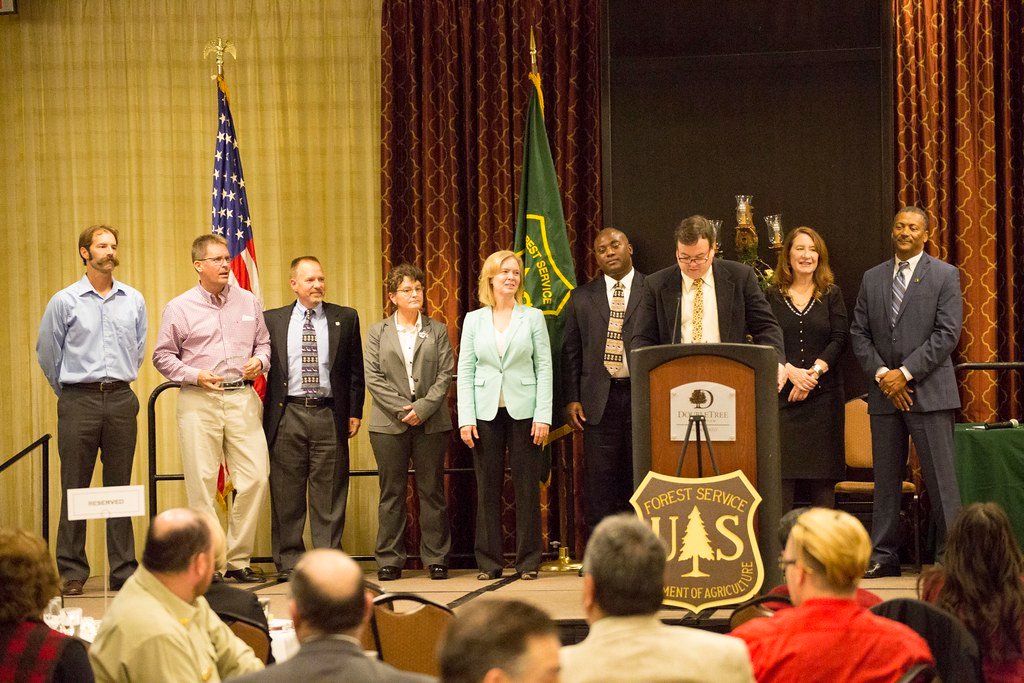
Effective policy changes are moving beyond symbolic gestures to create real protections and opportunities for LGBTQ+ conservation scientists. This includes updating anti-discrimination policies to explicitly include sexual orientation and gender identity, providing domestic partner benefits for field assignments, and ensuring that health insurance covers LGBTQ+-specific medical needs even in remote locations. Some organizations now require diversity and inclusion training for all supervisors and team leaders, not as a one-time checkbox exercise but as ongoing professional development. Grant application processes increasingly ask applicants to demonstrate how they will create inclusive environments, making diversity and inclusion a competitive advantage rather than an afterthought. These policy changes work best when they’re developed with input from LGBTQ+ scientists themselves, ensuring that solutions address real challenges rather than perceived problems. The most effective policies combine clear expectations with practical support systems and accountability measures.
Measuring Success and Continuing Progress

Creating truly inclusive conservation requires ongoing measurement and assessment to ensure that good intentions translate into real change. This means collecting data on LGBTQ+ representation in field research, tracking retention rates among diverse scientists, and regularly surveying team members about their experiences with inclusion and discrimination. Exit interviews with scientists who leave conservation careers can provide crucial insights into what drives talented people away from the field. Anonymous reporting systems allow organizations to identify problems before they escalate into crises. Some institutions now conduct regular climate surveys that specifically assess LGBTQ+ scientists’ experiences and use that data to guide policy improvements. Success metrics might include increased representation, improved retention rates, higher job satisfaction scores, or reduced reports of discrimination. The key is using this data not just to measure progress but to guide continuous improvement efforts that make conservation more welcoming for everyone.
The path toward truly inclusive conservation isn’t just about protecting LGBTQ+ scientists—it’s about strengthening the entire scientific enterprise by ensuring that our most talented researchers can focus their energy on solving critical environmental challenges rather than hiding their authentic selves. When we create environments where all scientists can thrive, we unlock innovative solutions that benefit both human communities and the natural world we’re working to protect. The conservation challenges facing our planet are too urgent and complex to waste any scientific talent due to discrimination or exclusion. Every barrier we remove, every support system we build, and every inclusive policy we implement brings us closer to a future where scientific excellence and human authenticity go hand in hand. What kind of discoveries might we unlock when every scientist feels free to bring their whole self to the vital work of conservation?