
Imagine walking into your kitchen at dawn, groggy and half-awake, only to find your cat’s breakfast already prepared—measured to the gram, tailored to her age, breed, and even her latest blood test results. No guesswork, no guilt, just a bowl of food that claims to be as unique as your feline’s purr. This isn’t science fiction; it’s the new frontier of pet care, powered by artificial intelligence. The promise is intoxicating: healthier pets, fewer vet visits, and the end of one-size-fits-all kibble. But as AI quietly takes over our pets’ plates, should we be celebrating—or second-guessing—this high-tech revolution in animal nutrition?
The Dawn of Data-Driven Pet Care
Pet nutrition has always involved a bit of guesswork, even for the most devoted owners. For decades, store shelves have overflowed with generic formulas, each promising to be “complete and balanced.” Now, thanks to AI, this is changing fast. Algorithms can sift through mountains of data—from breed predispositions to activity levels—turning the art of feeding into a science. It feels a bit like having a nutritionist, vet, and chef all rolled into one, working behind the scenes to keep tails wagging and whiskers twitching.
How AI Knows What Your Pet Needs

At the heart of AI-powered pet nutrition lies a web of interconnected data points. These systems analyze everything from your pet’s age, weight, and breed to more nuanced factors like allergies or chronic conditions. Some platforms even use wearable tech, tracking your dog’s daily steps or your cat’s nap cycles. By comparing these details with vast databases of veterinary insights, AI can recommend meal plans more personalized than any pet store aisle could hope to offer.
From Breed Bias to Individual Insights
It’s easy to assume that all Labradors or Siamese cats have the same dietary needs. But AI has revealed a tapestry of individual differences that can’t be ignored. For instance, two golden retrievers of the same age may need wildly different diets if one is a couch potato and the other runs agility courses. AI’s power lies in noticing these subtle cues and adjusting recommendations accordingly, challenging the old “one-bag-fits-all” mindset.
The Magic of Machine Learning in Pet Food Formulas

Machine learning algorithms are a bit like eager students—they learn more with every new pet profile. As more owners sign up and share data, the AI becomes smarter, spotting patterns between food ingredients and health outcomes. It might notice that dogs with a certain genetic marker thrive on salmon oil, or that older cats benefit from specific fiber blends. This feedback loop accelerates innovation in pet food, with recipes evolving much faster than ever before.
Wearables and Smart Bowls: Feeding the AI Beast

The gadgets aren’t just for humans anymore. Pet wearables, like smart collars and GPS trackers, feed streams of data into AI systems. Even “smart bowls” can monitor how quickly your dog eats or how much water your cat drinks. This constant flow of data gives AI a real-time view of your pet’s habits, allowing it to tweak nutritional advice on the fly—like a personal chef who never sleeps.
Genetic Testing: Getting Under the Fur
It’s no longer just about what you can see. Pet DNA kits are now as common as chew toys, offering insights into breed makeup, potential allergies, and disease risks. AI analyzes this genetic goldmine, suggesting diets to avoid triggers like grain sensitivity or to support fragile joints. For pets with mysterious health issues, this can be a game-changer, transforming confusion into clarity.
Real-World Impact: Success Stories and Skepticism

Some pet owners rave about AI-driven nutrition, claiming shinier coats, boundless energy, and fewer vet bills. Take Lucy, a twelve-year-old beagle whose arthritis improved after an algorithm recommended an omega-rich diet. But skeptics worry about over-reliance on technology. What if the data is wrong? What if the AI misses something a human vet would catch? These questions keep the debate lively and, frankly, necessary.
Nutrition Beyond the Bowl: Supplements and Treats
Personalized nutrition doesn’t stop at breakfast and dinner. AI can also suggest supplements, like glucosamine for joint health or probiotics for sensitive tummies. Even treat time gets a makeover, with portion sizes and ingredients matched to your pet’s unique needs. For pets with allergies or chronic issues, this attention to detail can mean the difference between discomfort and delight.
Tackling Obesity with Tech
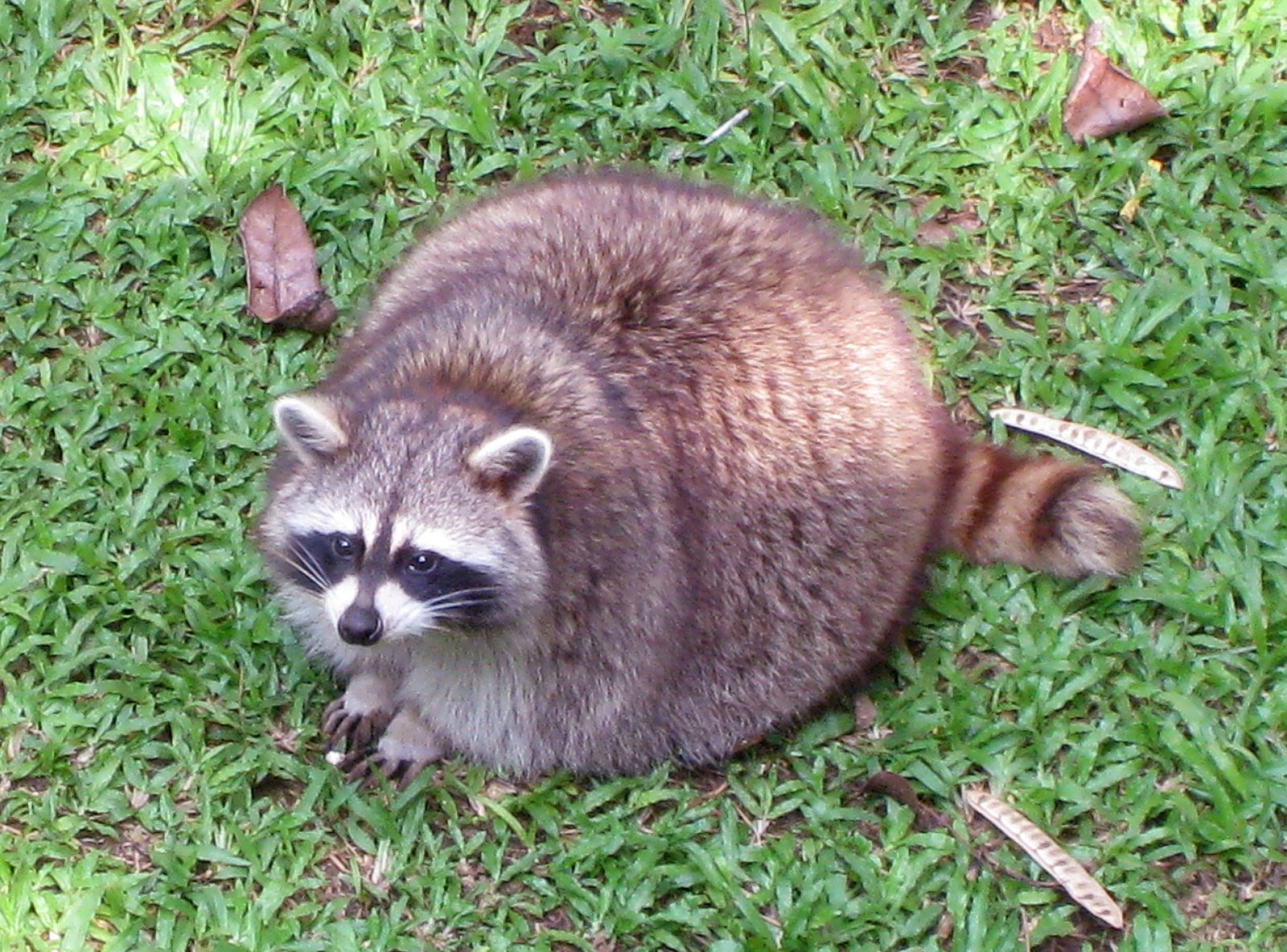
Pet obesity is a silent epidemic, with more than half of dogs and cats in some countries overweight. AI-powered nutrition plans offer a new weapon in the fight, setting precise calorie targets and tracking progress with ruthless accuracy. Owners get nudges if their pet gains a pound, while the AI recalibrates meal plans to get things back on track. It’s a bit like having a digital personal trainer for your four-legged friend.
Managing Chronic Conditions the Smart Way
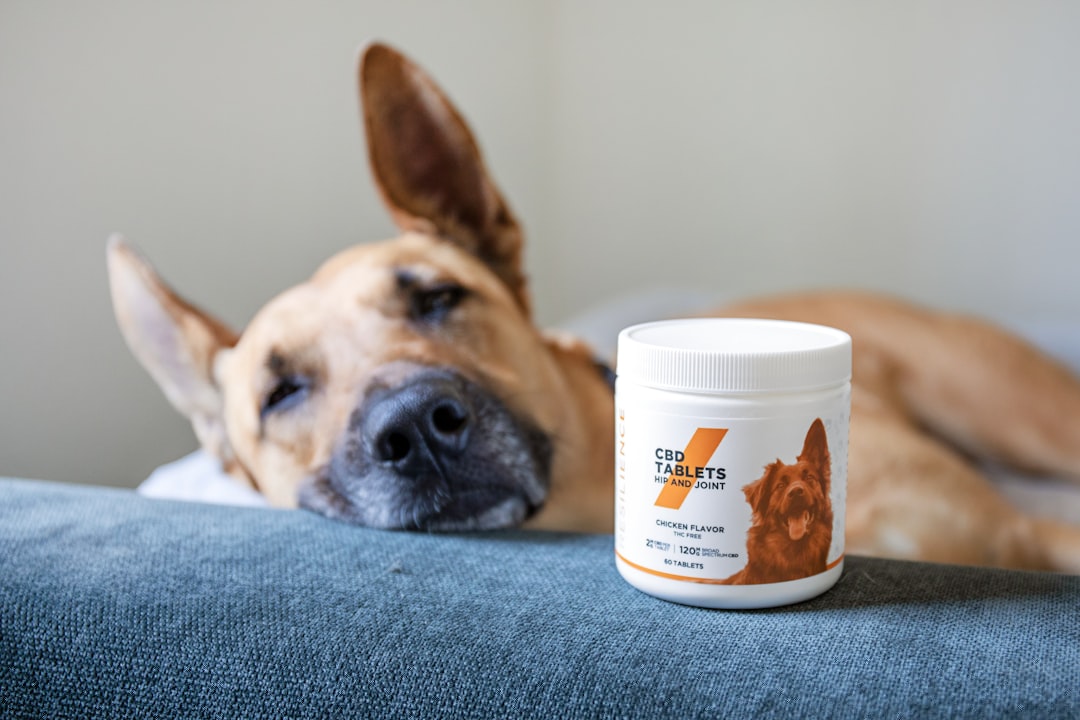
For pets with diabetes, kidney disease, or food sensitivities, nutrition can be a daily struggle. AI steps in as a vigilant assistant, flagging risky ingredients and helping owners juggle complex dietary restrictions. This can reduce the risk of flare-ups or emergencies, giving peace of mind to families who have enough to worry about as it is.
AI and the Human Touch: Partners or Rivals?

No matter how smart the software, AI isn’t meant to replace the bond between pet and owner—or the wisdom of a trusted veterinarian. Instead, it acts as a partner, offering insights that humans might miss. The best outcomes seem to happen when AI recommendations are combined with gut instinct and professional guidance. After all, no algorithm can measure the joy in your dog’s eyes when you say “dinner time.”
Privacy Concerns: Who Owns Your Pet’s Data?

With all this data flying around, privacy is a growing concern. Owners hand over sensitive details about their pets’ health, habits, and even genetic makeup. Who owns this information? Some companies promise strict confidentiality, while others might use the data for research—or marketing. It’s a complicated issue, and one that pet lovers should approach with open eyes.
The Cost of Customization
Personalized pet nutrition isn’t cheap. AI-powered meal plans and supplements often cost more than standard kibble. For some, the benefits far outweigh the expense; for others, it’s a luxury they can’t afford. This raises tough questions about equity in pet care and whether high-tech solutions will deepen the gap between pampered pets and those with less.
Environmental Impact: Can AI Make Pet Food Greener?
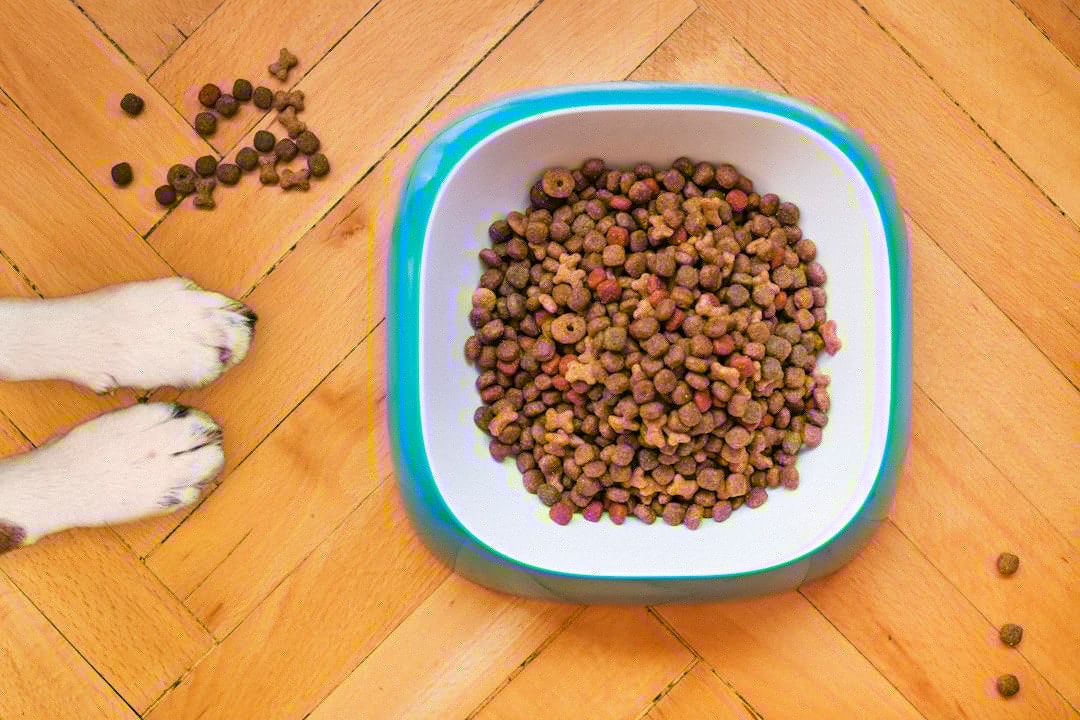
Pet food production leaves a massive environmental footprint, from meat sourcing to packaging waste. AI could help shrink this impact by optimizing ingredient sourcing, reducing waste, and even recommending sustainable proteins like insects or lab-grown meat. If enough pet owners adopt these planet-friendly options, the environmental savings could be significant—turning pet bowls into tiny battlegrounds in the fight against climate change.
The Risk of Over-Optimization

With all this focus on precision, there’s a risk of losing sight of the bigger picture. Pets, like people, are resilient—sometimes a little variety or the occasional table scrap is just fine. Some experts caution against obsessing over micro-adjustments, reminding us that a balanced diet doesn’t need to be perfect to be effective. After all, a happy pet is more than the sum of its nutritional macros.
Bridging the Gap Between Science and Love

Science has given us incredible tools for understanding animal health, but the heart of pet ownership is still love and intuition. AI can suggest the perfect meal, but it’s up to owners to notice if their dog’s tail wags a bit higher, or if their cat’s eyes gleam with mischief after dinner. The challenge is to use technology without letting it overshadow the simple joys of caring for another being.
Veterinarians Weigh In: Help or Hype?
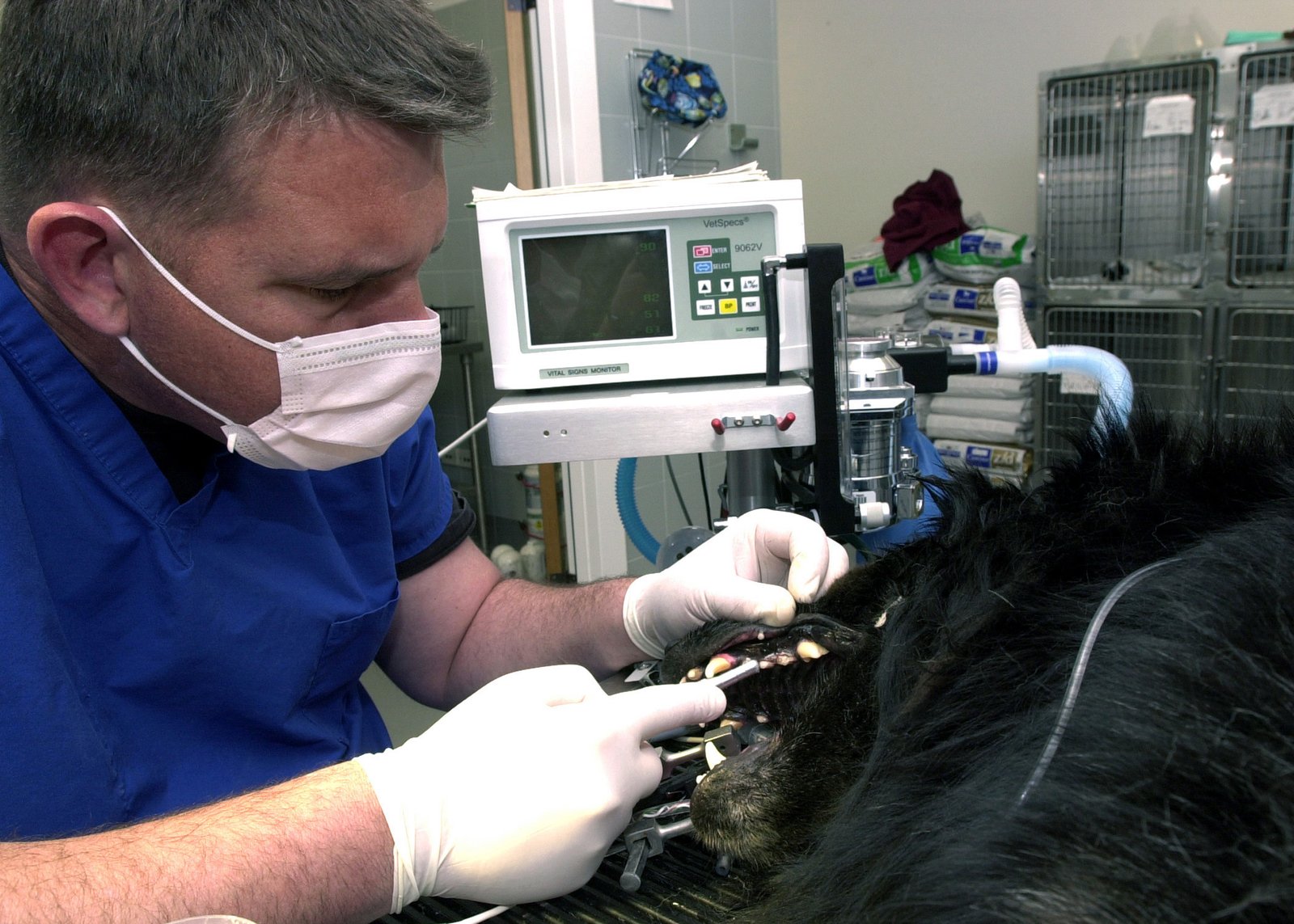
Many vets see promise in AI-driven nutrition, especially for pets with complex needs. They appreciate the ability to monitor progress and tweak diets remotely. Still, some worry that owners might skip regular check-ups, trusting the algorithm over professional advice. The consensus? Use AI as a tool, not a replacement. As one vet put it, “Let the tech handle the numbers, but let me handle the nose-to-tail care.”
Custom Diets for Exotic Pets

It’s not just dogs and cats getting the AI treatment. Owners of birds, reptiles, and even ferrets are starting to see personalized nutrition options, too. AI can account for the quirky needs of parrots or the delicate digestion of a bearded dragon, offering hope for pets who often fall through the cracks of mainstream pet care.
The Future: AI That Grows With Your Pet

Imagine a world where your pet’s nutritional plan evolves in real time, adjusting to life’s changes—puppyhood, senior years, or a new health diagnosis. AI is inching closer to this vision, using ongoing data to update recommendations as your pet grows and changes. It’s a future where every meal reflects not just who your pet is, but who they’re becoming.
What If AI Gets It Wrong?

No system is perfect. There’s always the risk that an AI could misinterpret data or make a recommendation that doesn’t suit your pet. This is why human oversight remains crucial. Owners need to stay alert for changes in behavior, appetite, or appearance, and consult their vet if something seems off. AI is a tool, not a crystal ball—one more ally in the ongoing adventure of pet care.
Is the AI Revolution in Pet Nutrition Here to Stay?
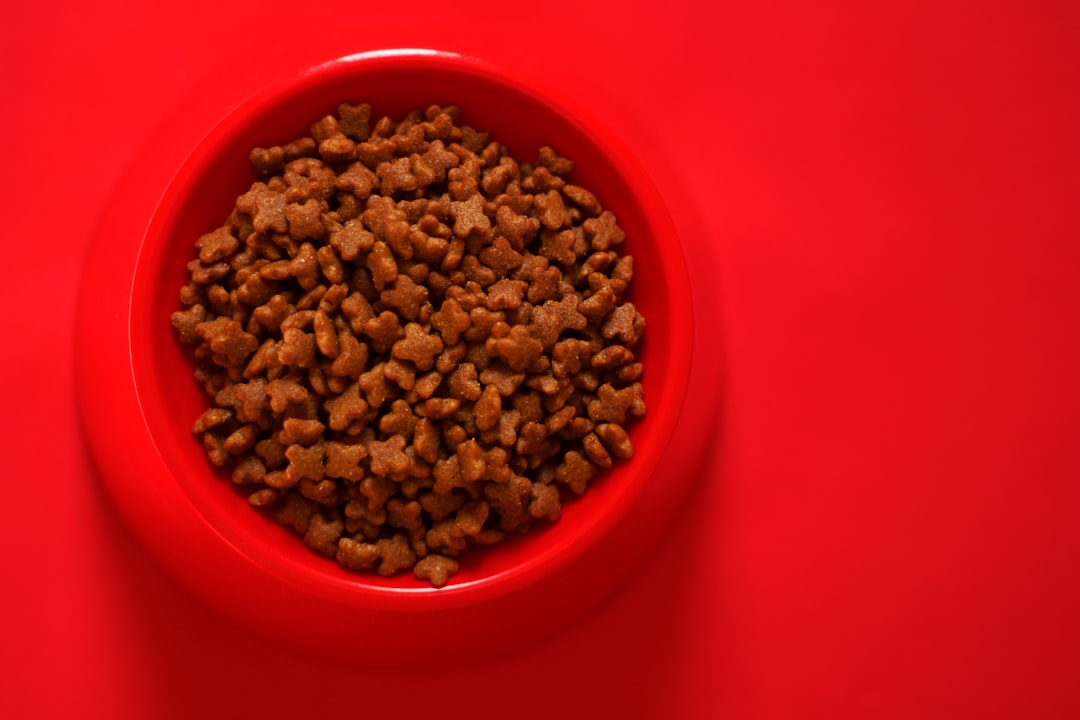
As technology weaves deeper into our daily lives, AI-powered pet nutrition looks set to become a new normal for many animal lovers. For some, it’s a thrilling leap forward; for others, it’s a step too far. But one thing is certain: our pets’ bowls will never look the same again. Will you trust an algorithm to feed your best friend, or stick with the tried-and-true?