Some of the most haunting mysteries in history are not about vanished cities or lost treasures, but about writing we can see and touch – and still cannot read. Imagine holding a message from more than three thousand years ago and having no idea what it says. Is it a shopping list, a royal decree, a love poem, or a warning we’ve completely ignored?
That is the daily reality for epigraphers, linguists, and archaeologists who devote their lives to undeciphered scripts. They stare at tiny scratches on clay, ink strokes on palm leaves, and symbols carved into stone, hoping that one more sign, one more pattern, will finally crack the code. Some of these scripts may fall in a few decades. Others might never give up their secrets.
I still remember the first time I saw a photograph of the Voynich Manuscript – those weird plants, naked bathers, and spiraling diagrams. It felt like looking at a browser tab from another planet. Since then, I’ve been hooked on undeciphered scripts; they’re like the ultimate cliffhanger in human history. Below are 14 of the most intriguing ones that specialists are still wrestling with today.
#1 Linear A: The Silent Voice of the Minoans
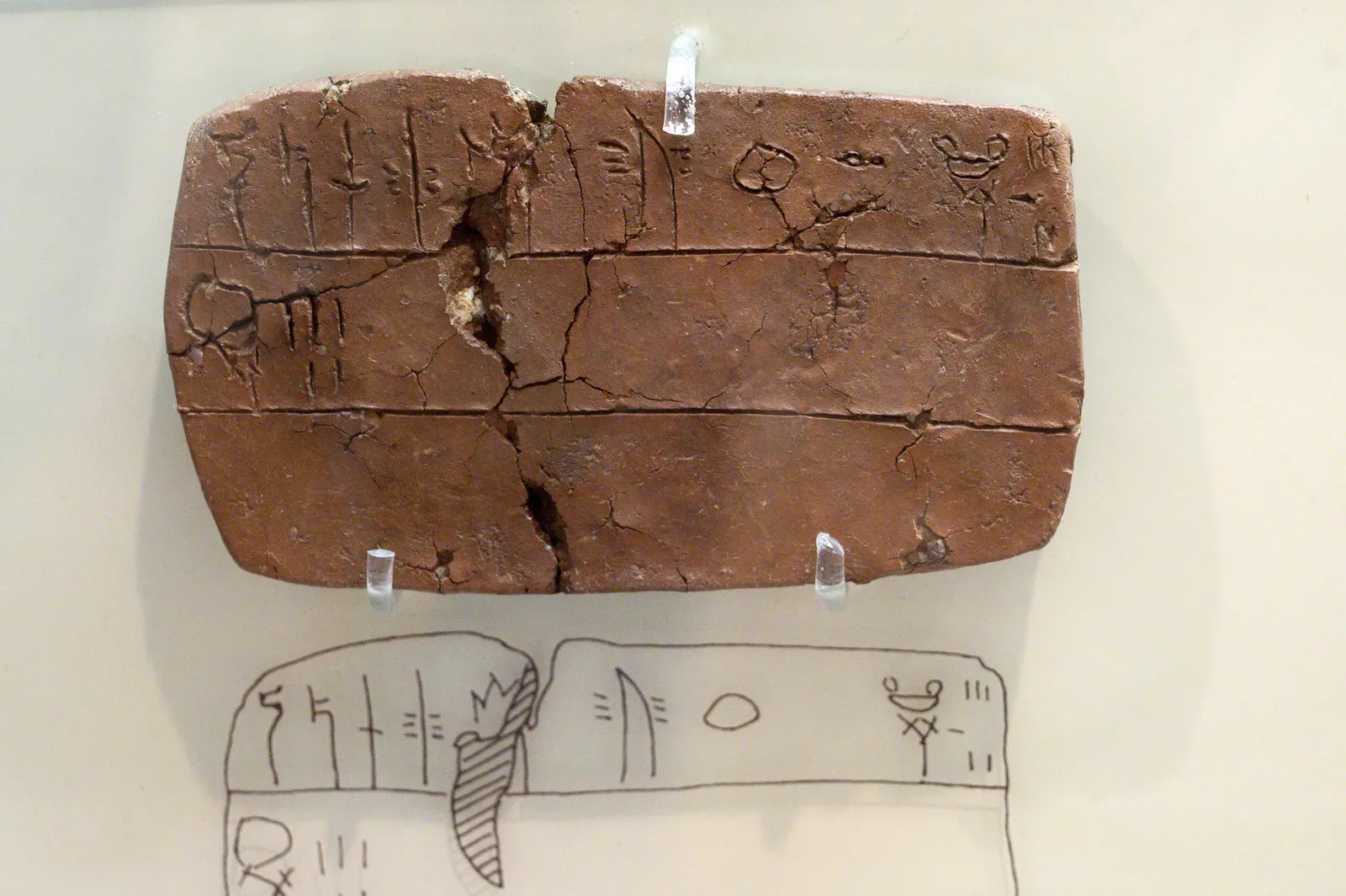
If you’ve ever seen photos of the magnificent palace at Knossos on Crete, you’ve brushed against the world of Linear A. This script was used by the Minoan civilization roughly in the middle of the second millennium BCE, long before classical Greece, on clay tablets and religious objects. It looks a bit like its younger cousin, Linear B, which was later used for Mycenaean Greek, but the resemblance has turned out to be a cruel tease rather than a shortcut.
Linear B was famously cracked in the mid‑twentieth century and revealed to encode an early form of Greek. That breakthrough gave researchers hope that Linear A might also be some kind of Greek, just written slightly differently. Decades of work, though, have shown that this neat idea does not fit the evidence. The signs overlap, but the patterns of use don’t match Greek grammar or vocabulary at all, suggesting a completely different underlying language that we no longer know.
Most Linear A inscriptions seem to be administrative: lists of commodities, rations, and offerings, similar to early accounting records in Mesopotamia. A few appear on votive objects or ritual items, hinting at religious content. The problem is that we have no long texts and no bilingual inscription like the Rosetta Stone to anchor a decipherment. Specialists can tentatively guess the values of some signs by comparing them to Linear B, but without knowing the language, they’re essentially reading sounds with no meaning attached.
What makes Linear A so tantalizing is that it holds the closest thing we have to the inner voice of the Minoans themselves. We know them through art, architecture, and myths later recorded by Greeks, but not through their own words. My personal view is that Linear A is both the best candidate to be solved in the long run and a reminder of how fragile language continuity is: one cultural collapse, one shift in population, and an entire tongue can vanish, leaving behind its stubborn, unreadable tracks.
#2 The Indus Script: Signs from a Lost Urban World
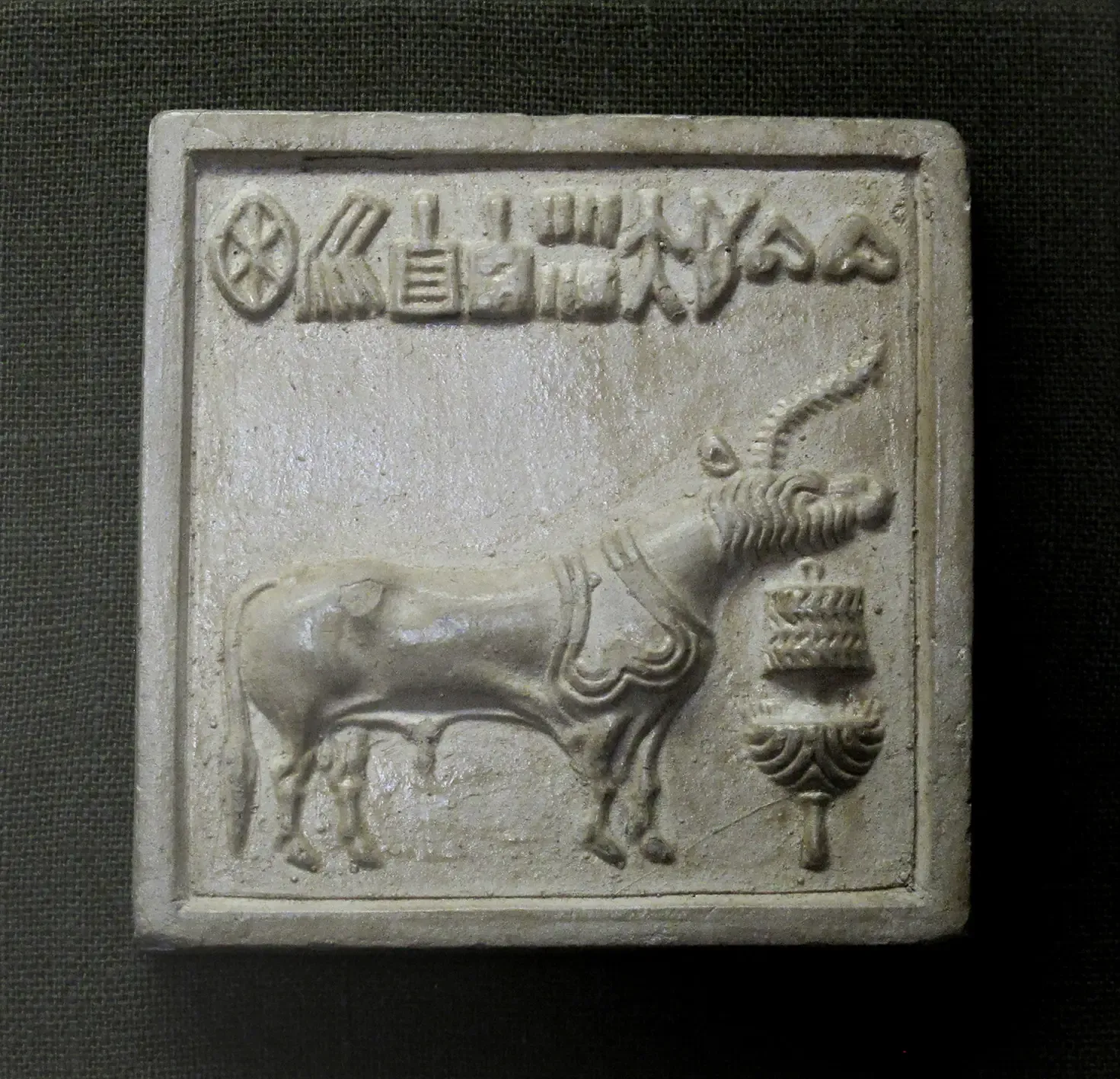
The Indus Valley Civilization – which flourished in what is now Pakistan and northwest India more than four thousand years ago – built carefully planned cities with drainage systems, standardized weights, and far‑reaching trade networks. Yet we cannot read a single sentence they wrote. The Indus script appears on small steatite seals, pottery, copper plates, and other objects, usually in extremely short sequences of a handful of characters.
These inscriptions are made up of hundreds of distinct signs, including abstract symbols, plant‑like motifs, and animal figures such as the famous “unicorn” bull. Scholars have argued for decades about whether this is a full writing system encoding language, some kind of proto‑writing, or a more emblematic set of marks closer to trademarks and clan symbols. The brevity of the texts makes statistical analysis tricky; you can only do so much with four or five characters at a time.
One big obstacle is that we have no bilingual inscription and no surviving descendant language that we can confidently tie to the Indus people. Some experts think the underlying language might have been Dravidian, related to modern Tamil and other southern Indian languages, and they’ve proposed readings along those lines. Others argue for an Indo‑Aryan language or something entirely lost. None of the proposed decipherments has gained wide acceptance; they tend to rely heavily on guesswork and cherry‑picked examples.
There’s a harsh but honest possibility here: the Indus script may never be fully deciphered unless future excavations bring to light longer texts or a miracle bilingual. That uncertainty makes it a lightning rod for speculative claims, from nationalistic narratives to outright pseudoscience. Personally, I find the caution of serious researchers refreshing; they’d rather admit “we don’t know yet” than pretend to solve one of the world’s hardest puzzles with a few wishful leaps.
#3 The Rongorongo Script of Easter Island: Echoes Before Collapse
![#3 The Rongorongo Script of Easter Island: Echoes Before Collapse (Chauvet, Stéphen-Charles; on-line translation by Ann Altman (2004) [1935] L'île de Pâques et ses mystères (Easter Island and its Mysteries), Paris: Éditions Tel, CC BY-SA 3.0)](https://nvmwebsites-budwg5g9avh3epea.z03.azurefd.net/dws/374496d9f9079ab520ebb8a72f422308.webp)
Rapa Nui – better known as Easter Island – is famous for its moai statues, but it also harbors one of the rare cases of an apparently independent invention of writing. Rongorongo is the name given to a series of glyphs carved on wooden tablets, staffs, and other objects that were first recorded by Europeans in the nineteenth century. These glyphs show stylized humans, animals, tools, and geometric shapes, arranged in lines that must be read in a special “reverse” order: you rotate the tablet at the end of each line.
The heart‑breaking twist is that by the time scholars began seriously documenting Rongorongo, the societal collapse on Rapa Nui and the ravages of slave raids and disease had nearly wiped out the class of people who knew how to read it. A few elders claimed ritual associations, but no one could actually translate the texts. What we’re left with are roughly two dozen surviving artifacts scattered in museums around the world, far fewer than would be ideal for a decipherment.
Linguists have tried to determine whether Rongorongo is a true writing system that encodes the Rapa Nui language or a more mnemonic device used to remember chants and genealogies. Statistical studies suggest a structured sequence that looks more like written language than random pictures, and some glyphs recur in ways that resemble grammatical particles. But so far, attempts to pin down specific readings have either not held up under scrutiny or explain only tiny fragments.
Rongorongo feels like listening to a radio station from the past that’s just barely coming through the static. You can sense the rhythm, you recognize repeated motifs, but the meaning escapes. What troubles me most is that colonization played a direct role in this loss; it’s not just a neutral historical accident. The tablets are a reminder that when cultures are violently disrupted, it’s not only human lives that vanish, but entire ways of recording and transmitting knowledge.
#4 The Phaistos Disc: A Single Spinning Mystery
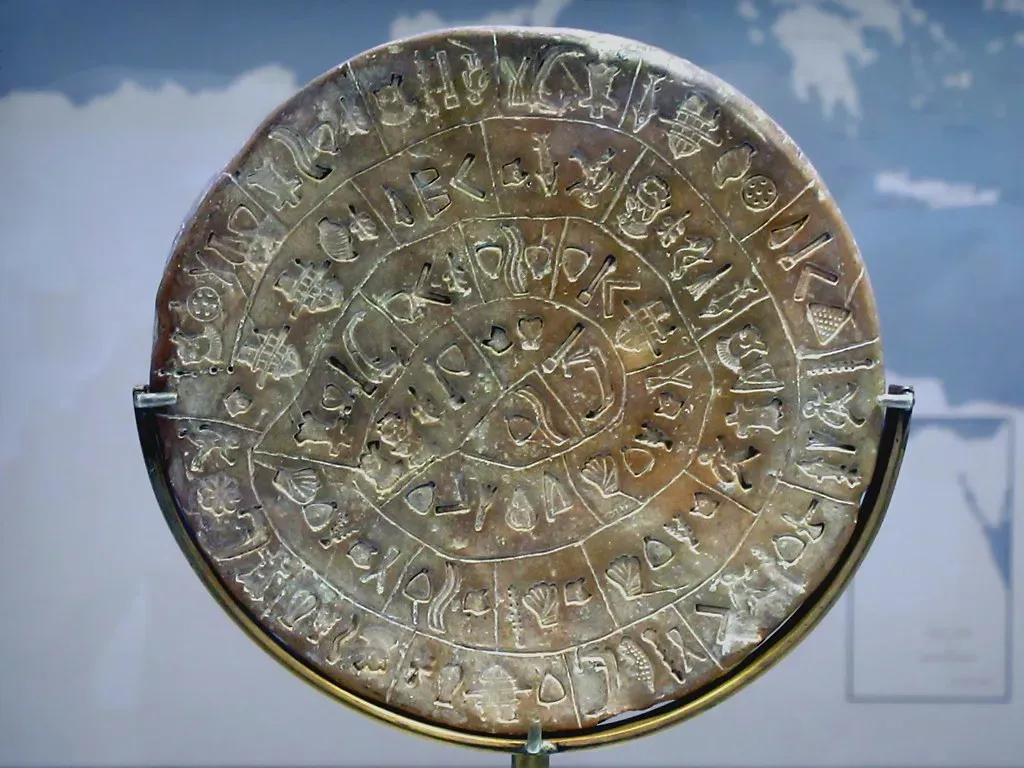
The Phaistos Disc is a small, round clay disc discovered in a Minoan palace on Crete in the early twentieth century, stamped on both sides with spiraling lines of symbols. Unlike Linear A, which appears on many tablets, this disc is a one‑off: so far, nothing else like it has been found in the archaeological record. That uniqueness is both what makes it famous and what makes it a nightmare for anyone trying to read it.
The symbols themselves are striking: a running man, a plumed head, animals, tools, plants, and abstract shapes, pressed into the clay with reusable stamps. This has led some to call it an early example of printing, though that label might be a bit generous. The text runs in a spiral from the outer edge inward, divided into groups that might be words or syllables. People have proposed that it’s a hymn, a calendar, a game, a legal document, or even a hoax, though the archaeological context argues against that last idea.
Because we only have one disc and no parallel texts, every proposed decipherment is essentially hanging in mid‑air. You can assign sounds to the symbols in dozens of different ways and “translate” it into almost any language you like if you ignore counter‑examples. Specialists in writing systems are generally skeptical of “solutions” offered in popular books or on the internet, not because they are closed‑minded, but because the available data is simply too thin to support confident claims.
In my view, the Phaistos Disc is a good example of how humans hate an unsolved puzzle so much that we’d rather accept a bad answer than live with question marks. It’s more intellectually honest to admit that this charming little artifact may remain undeciphered indefinitely. Until another disc or related inscription turns up, the smartest position is a patient shrug: fascinating object, meaningful to its maker, mostly opaque to us.
#5 Proto‑Elamite: Accounting from the Edge of History
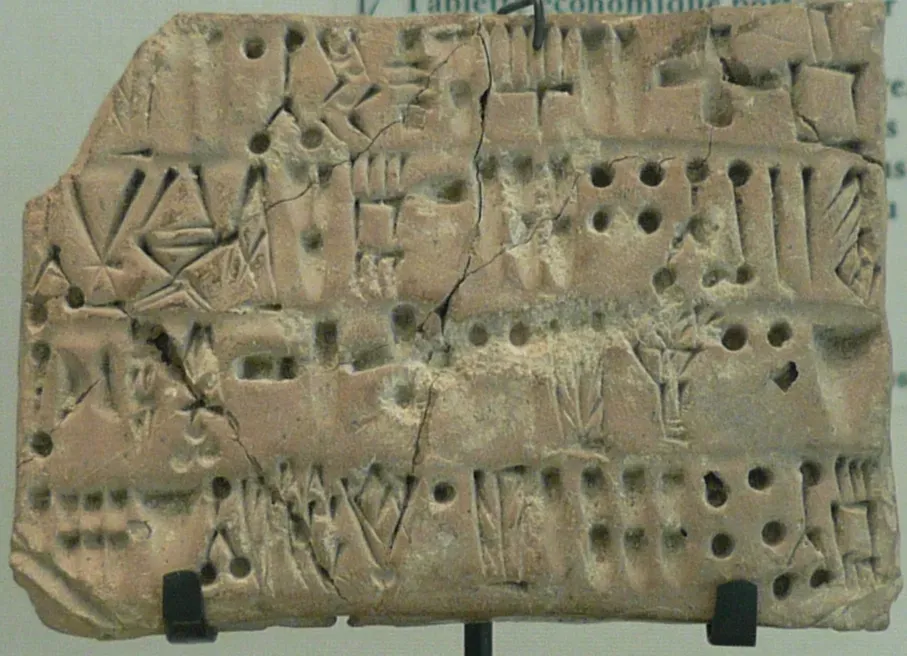
Proto‑Elamite is the name given to an early writing system used in southwestern Iran around the late fourth to early third millennium BCE, roughly contemporary with the earliest cuneiform tablets in Mesopotamia. The tablets are mostly clay administrative records: lists of animals, grain, workers, and rations. At first glance they look similar to early Mesopotamian tablets, but the symbols and structure are different enough to suggest an independent local tradition.
For a long time, Proto‑Elamite was stuck in a kind of scholarly limbo. Researchers could identify numerical signs and some repeating patterns, but the underlying language remained unknown. Recent digital imaging projects have improved the quality of the tablet photographs, allowing experts to see worn signs more clearly and to compare large sets of inscriptions systematically. That has led to better understanding of the counting systems and sign variants, but it still hasn’t cracked the linguistic code.
One major challenge is that Proto‑Elamite seems to have been short‑lived. It was used for perhaps a couple of centuries and then abandoned, replaced by other scripts. There is no later clear descendant script we can use as a bridge, and no bilingual inscriptions linking it to a known language. Some scholars suspect it encodes an early form of Elamite, a language later written with cuneiform, but the link remains hypothetical.
What I find particularly intriguing is the possibility that Proto‑Elamite, like early cuneiform, began as a highly specialized tool of administrators rather than a full, flexible writing system for all aspects of language. In that sense, it’s like a spreadsheet from prehistory: extremely powerful for numbers and categories, but terrible for poetry or gossip. The more we study these tablets, the more we realize that the road to fully expressive writing was long, messy, and full of dead ends.
#6 Proto‑Cuneiform and Other Early Mesopotamian Sign Systems
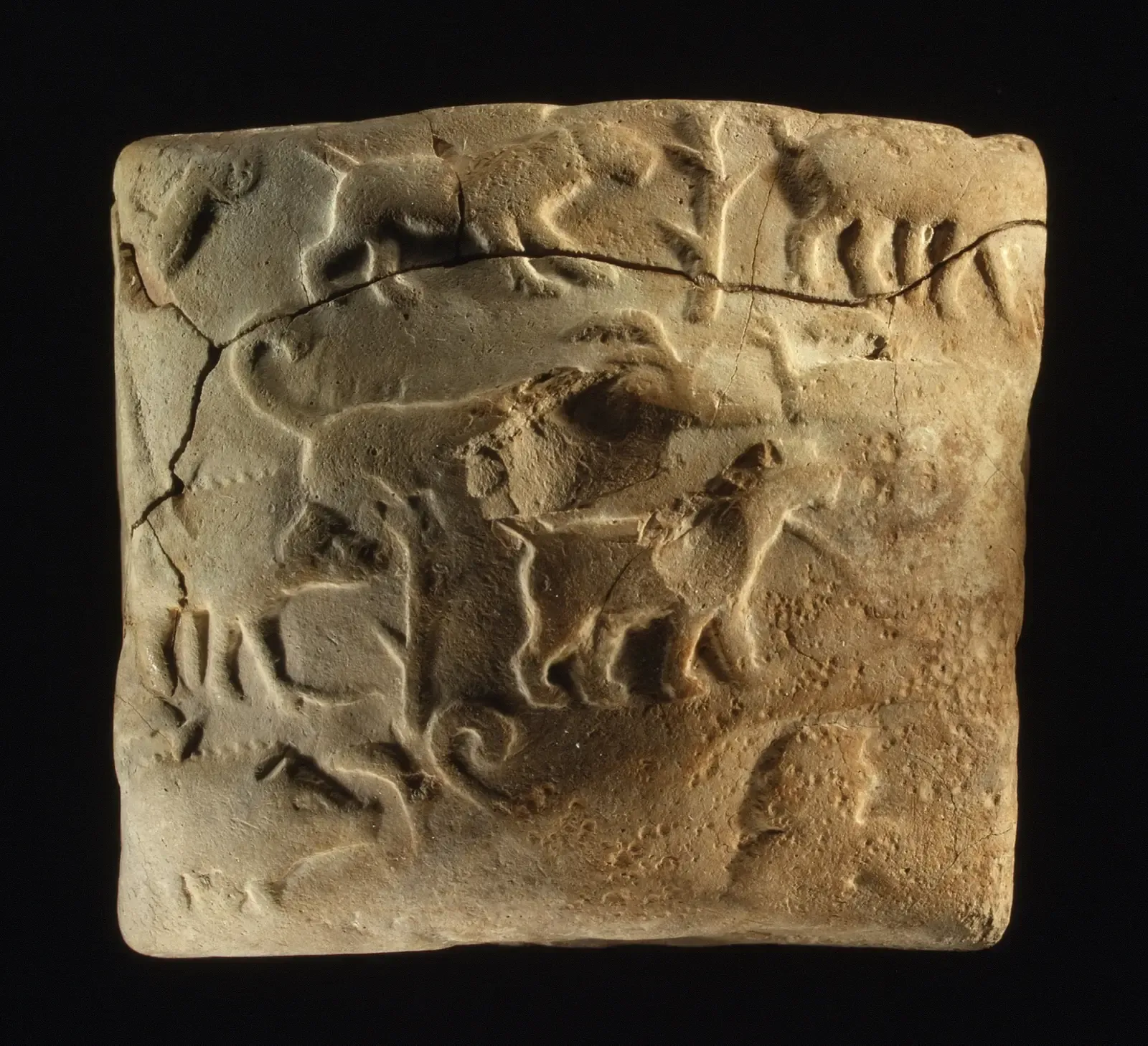
When people hear “cuneiform,” they usually picture neatly impressed wedge shapes recording the laws of a king or the epics of Gilgamesh. But the very earliest stages of this script – sometimes called proto‑cuneiform – are far more cryptic. These tablets, coming from sites like Uruk around the late fourth millennium BCE, contain pictographic and abstract signs used to track commodities, labor, and offerings. Some of the numerical notations have only been fully understood in the last few decades.
Proto‑cuneiform straddles the line between pure record‑keeping and full writing. Many signs likely stood directly for objects or categories, and only gradually came to represent sounds and grammatical relationships. Deciphering this system is like trying to reconstruct the rules of a board game when you have only scattered pieces and no written instructions. Specialists have made huge progress in identifying standard sign lists and numerical systems, but debates continue about how much of the language itself is actually encoded in these early tablets.
Complicating the picture is the existence of related mark systems across Mesopotamia and neighboring regions, some of which may be local variants or precursors, and others entirely separate traditions. Clay tokens and sealings, for example, were used for centuries to represent quantities and obligations before tablets came into play. Tracing how these technologies morphed into written language requires both meticulous cataloguing and a lot of educated guesswork.
To me, the semi‑undeciphered status of proto‑cuneiform is a humbling reminder that even in the heartland of early writing, there are still shadows. We often talk as if the story of Mesopotamian writing is neatly mapped, but the closer you get to the origins, the fuzzier the picture becomes. The frontier of what we truly understand is not in some exotic, far‑flung culture; it is right there in the cradle of civilization itself.
#7 The Symbols of Tartaria and Old Europe
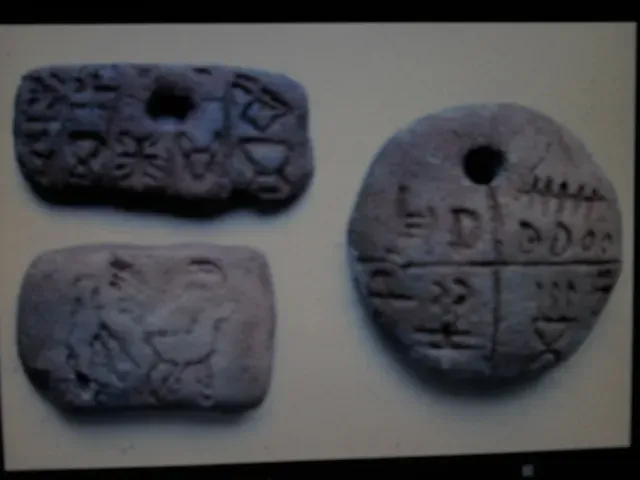
In the mid‑twentieth century, excavations in southeastern Europe – particularly in Romania and neighboring regions – uncovered small clay tablets and pottery decorated with curious incised symbols. Some of these finds, often associated with the so‑called Vinča culture or the Tartaria tablets, date back to the fifth or even sixth millennium BCE, making them older than the earliest known Mesopotamian writing. That fact alone has fueled passionate debates about whether they represent the earliest script in the world.
The markings include simple linear signs, cross‑like shapes, grids, and stylized figures. A few sequences repeat across different sites, hinting at some shared symbolic system. However, the inscriptions are very short, and many signs occur only once. That sort of pattern makes it hard to do the statistical gymnastics required to prove you are dealing with fully developed writing rather than symbolic notation or ritual marks.
Some enthusiasts have proclaimed these symbols as evidence of a forgotten Old European civilization with a literate tradition long before Sumer. Most specialists are more cautious, suggesting that while the symbols are clearly meaningful, they may not encode spoken language in a systematic way. They could mark ownership, denote religious roles, or act as memory prompts in ceremonies, all without reaching the threshold we normally call writing.
I’ll be blunt: this is one of those areas where the gap between sober archaeology and online speculation is massive. The idea of a mysterious, literate Old Europe has obvious romantic appeal, but the hard evidence is thin. Still, the symbols matter. Even if they are not “writing” in the strict sense, they show that people were searching for durable ways to fix meaning in clay long before cuneiform. The boundary between art, notation, and script is much blurrier than we like to admit.
#8 The Byblos Syllabary and Early Alphabet Experiments
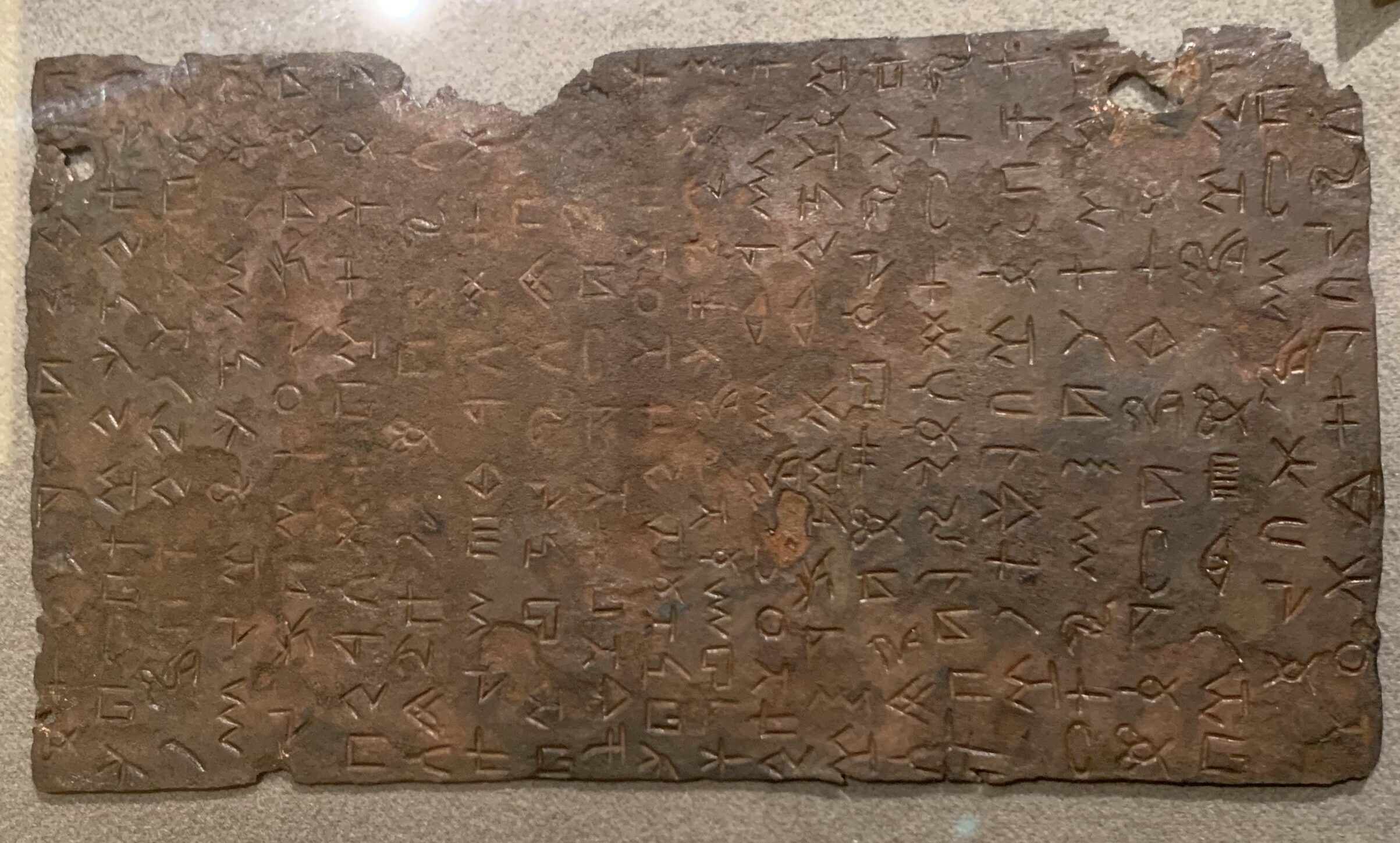
In the ancient city of Byblos, on the coast of what is now Lebanon, archaeologists discovered a small set of inscriptions written in a script that does not match any known alphabet or syllabary. These texts, carved on bronze plates and other objects, probably date to the second millennium BCE. The script uses a few dozen different signs, many of which repeat in patterned ways that look like syllabic writing systems elsewhere in the Near East.
Because Byblos was a major port linking Egypt, the Levant, and Cyprus, it sat at a crossroads of languages and scripts. Some scholars have suggested that the Byblos script represents an early attempt to adapt the idea of consonantal alphabets or syllabaries to a local Canaanite language. Others think it might encode a different Semitic language or even something non‑Semitic entirely. Proposed decipherments abound, but none has convinced a broad scholarly audience.
One difficulty is that the inscriptions are relatively short and often fragmentary. We have no narrative text, no explicit royal inscription, no handy bilingual with Egyptian hieroglyphs. Many readings rely on spotting possible word breaks and then matching sign groups to guessed words in a target language. It’s a bit like trying to solve a crossword puzzle when you’re not sure of the clues, the grid, or the language of the answers.
The existence of the Byblos script, even in its undeciphered state, supports a broader point: the alphabet was not a single, clean invention that spread unchanged. It was more like a messy startup scene, with different local scripts experimenting in parallel, some succeeding and some disappearing. Byblos looks, to me, like one of those bold experiments that almost made it into the big league but got eclipsed by more enduring systems.
#9 The Cypro‑Minoan Script of Bronze Age Cyprus
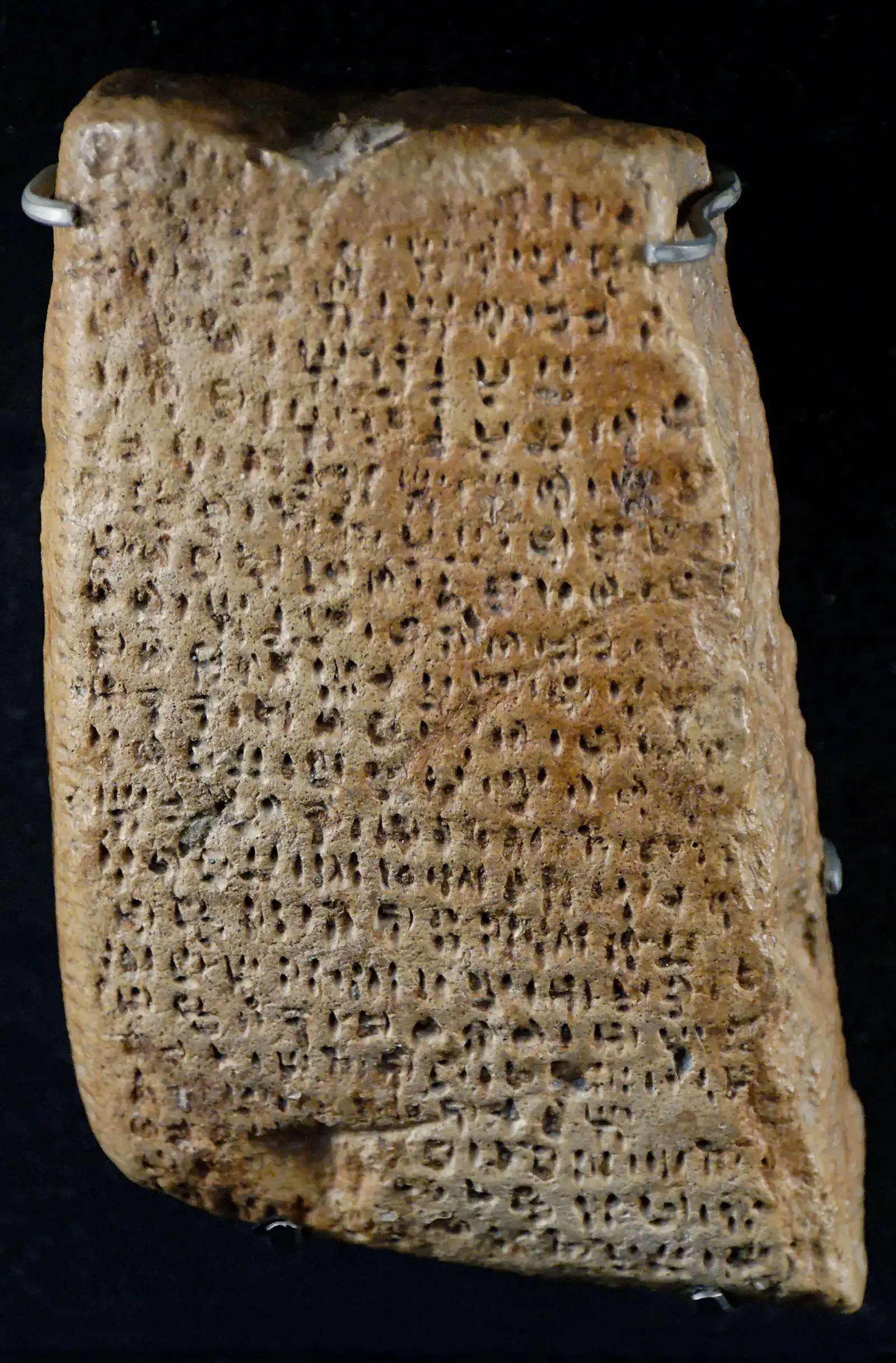
Cyprus in the Late Bronze Age was a busy hub in the eastern Mediterranean, trading copper and goods with Egypt, the Levant, and the Aegean. Among the artifacts from this period are clay tablets and inscriptions written in a script that modern researchers call Cypro‑Minoan. It shows clear visual similarities to the scripts of the Aegean, such as Linear A and Linear B, but it developed its own local flavor and sign inventory.
Cypro‑Minoan is generally thought to be a syllabic script, with each sign representing a consonant‑vowel combination. The problem is that we have no secure readings for those signs, and the language or languages underlying the texts remain disputed. Some tablets look like administrative records, while others appear as short labels or inscriptions on objects, possibly related to cult practices or ownership marks.
Unlike the later Cypriot Syllabary, which was eventually deciphered and shown to write Greek and another language known as Eteocypriot, Cypro‑Minoan has not yielded a clear key. The corpus is neither tiny nor abundant; it is stuck in that frustrating middle ground where there is enough material to tease patterns but not quite enough to shut down alternative interpretations. Digital projects mapping all known inscriptions have improved our understanding of sign frequencies and distribution, but a breakthrough has not yet materialized.
Personally, I think Cypro‑Minoan is a good candidate for a future decipherment if more tablets surface in well‑documented archaeological contexts. It sits at a crossroads of better understood scripts and languages, which gives scholars multiple angles of attack. For now, though, it remains a stubborn reminder that the Bronze Age Mediterranean was far more linguistically diverse and experimental than the neat, alphabet‑dominated picture that comes later.
#10 The Isthmian (Epi‑Olmec) Script of Ancient Mesoamerica
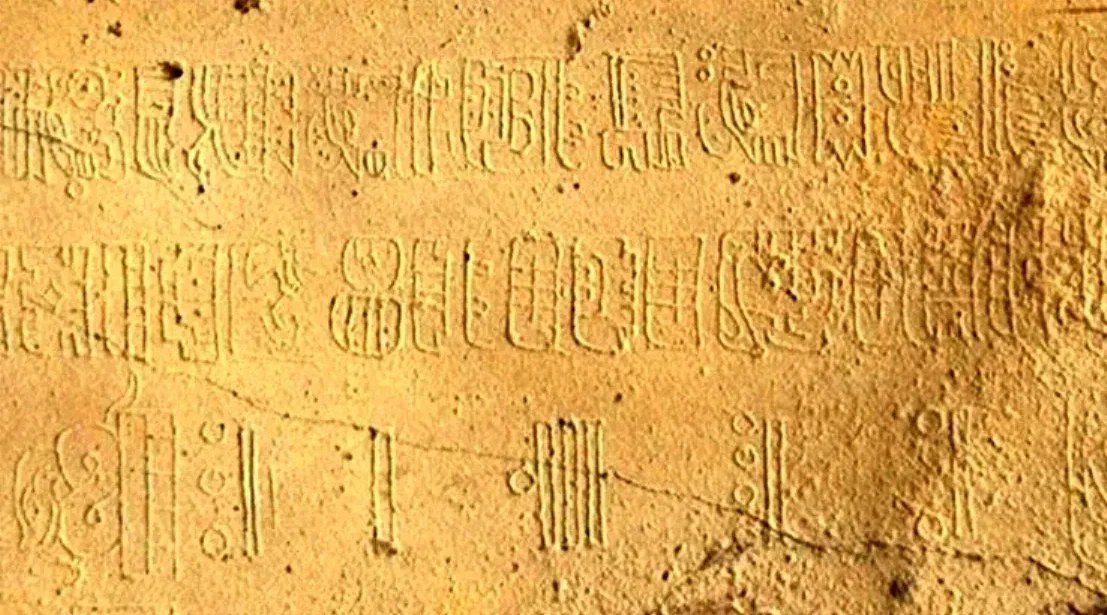
Most people have heard that the Maya had a sophisticated writing system, now largely deciphered, but they are less familiar with another, earlier script from the Gulf Coast of Mexico. Often called the Isthmian or Epi‑Olmec script, it appears on a handful of monumental stone carvings and portable objects dating to the first millennium BCE and early first millennium CE. The glyphs combine abstract shapes and stylized heads, giving them a family resemblance to later Mesoamerican scripts but with their own quirks.
One of the key inscriptions is on the so‑called La Mojarra Stela, a tall stone monument that carries a lengthy text along with a portrait of a ruler. That length makes it extremely valuable: it suggests that we are dealing with true writing that could express complex statements rather than a simple emblem system. Several researchers have proposed readings of parts of the script, linking it to a language in the Mixe‑Zoquean family, but the proposed decipherments are hotly debated.
Critics argue that the readings often depend on subjective choices about which parts of the glyphs to treat as meaningful and how to segment the text into words. Supporters counter that the interpretations account for calendrical information and repeated structural patterns in a coherent way. The reality is that the number of inscriptions is still small, and a single ambiguous case can swing opinion dramatically.
In my opinion, the Isthmian script sits at a delicate point where the line between genuine pattern recognition and hopeful projection is dangerously thin. It is plausible that we are close to understanding at least some of it, but the scholarly community is right to demand more data and more rigorous tests. The case also undercuts the simplistic idea that complex writing in Mesoamerica started and ended with the Maya; there were parallel traditions we are only beginning to grasp.
#11 The Zapotec Script: An Early Voice of Oaxaca
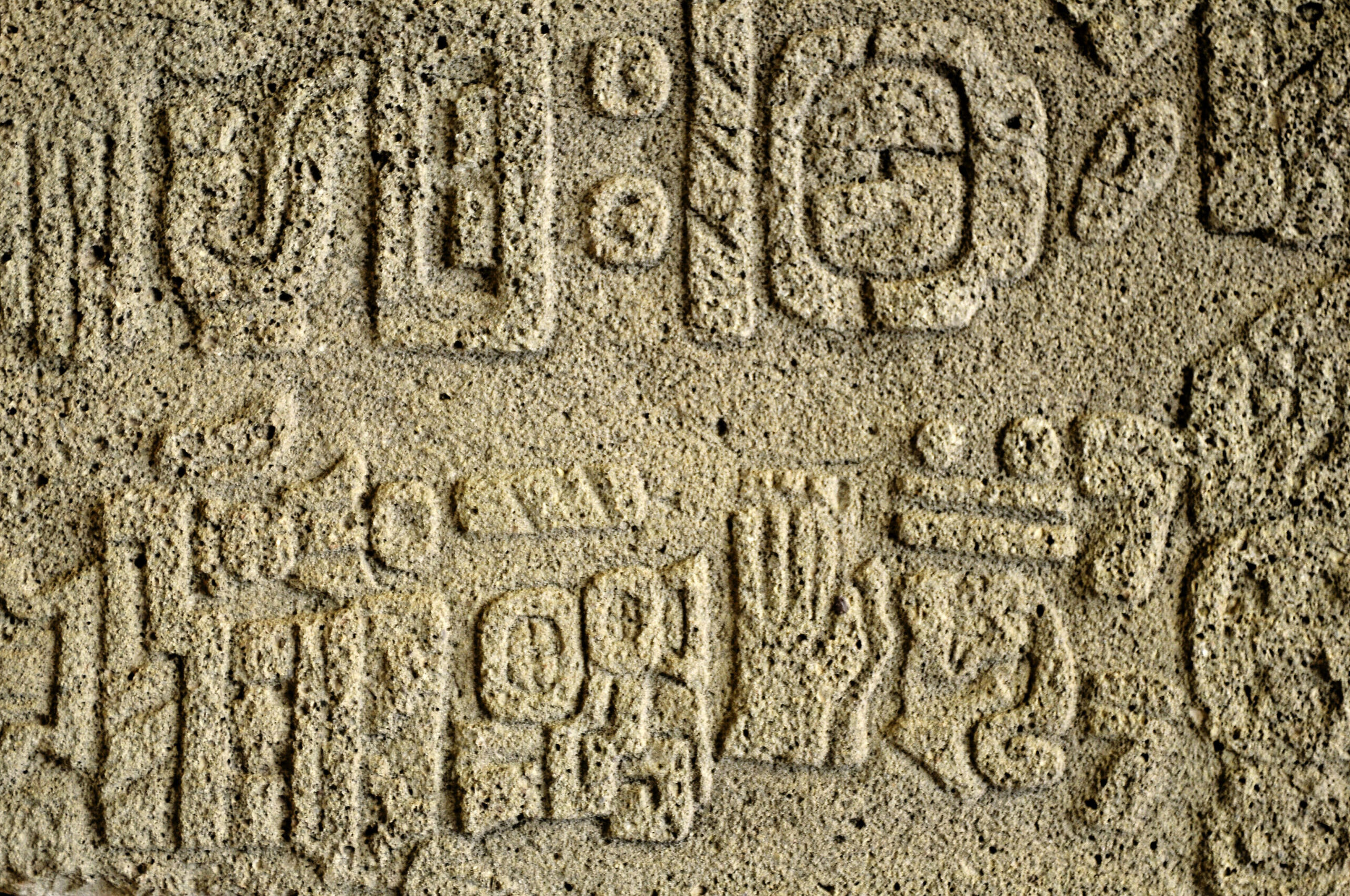
High in the valleys of Oaxaca in southern Mexico, the ancient city of Monte Albán rises with terraces and plazas that still dominate the landscape. On its walls and stone slabs, archaeologists have found glyphic inscriptions associated with the Zapotec civilization, dating back more than two thousand years. These inscriptions are among the earliest known examples of writing in Mesoamerica, yet the script remains only partially understood.
The glyphs include human figures, faces, place signs, and abstract symbols arranged in vertical and horizontal blocks. Some inscriptions clearly record dates using the Mesoamerican calendar system, which helps anchor their chronology. Others likely mention place names, captives, and rulers. Despite this, specialists have not reached consensus on exactly how the script encodes the Zapotec language or how phonetic its signs are.
Part of the problem is continuity and change. Later Zapotec inscriptions, and those in neighboring Mixtec scripts, show both similarities and innovations, making it hard to draw neat lines between stages. There is also a lack of long, continuous texts with obvious narrative structure. The result is that we can often say “this probably names a person” or “this refers to a conquest,” but we rarely know precisely what is being said.
To me, the under‑deciphered state of Zapotec writing is a quiet scandal of Mesoamerican studies. We put so much focus on the Maya that other traditions get treated like side notes, even when they are just as ancient and politically important in their regions. As more inscriptions are photographed in high resolution and reexamined, there’s a real chance that the script will yield more of its secrets – but only if the academic energy and funding follow.
#12 The Cretan Hieroglyphs: A Parallel Minoan Script
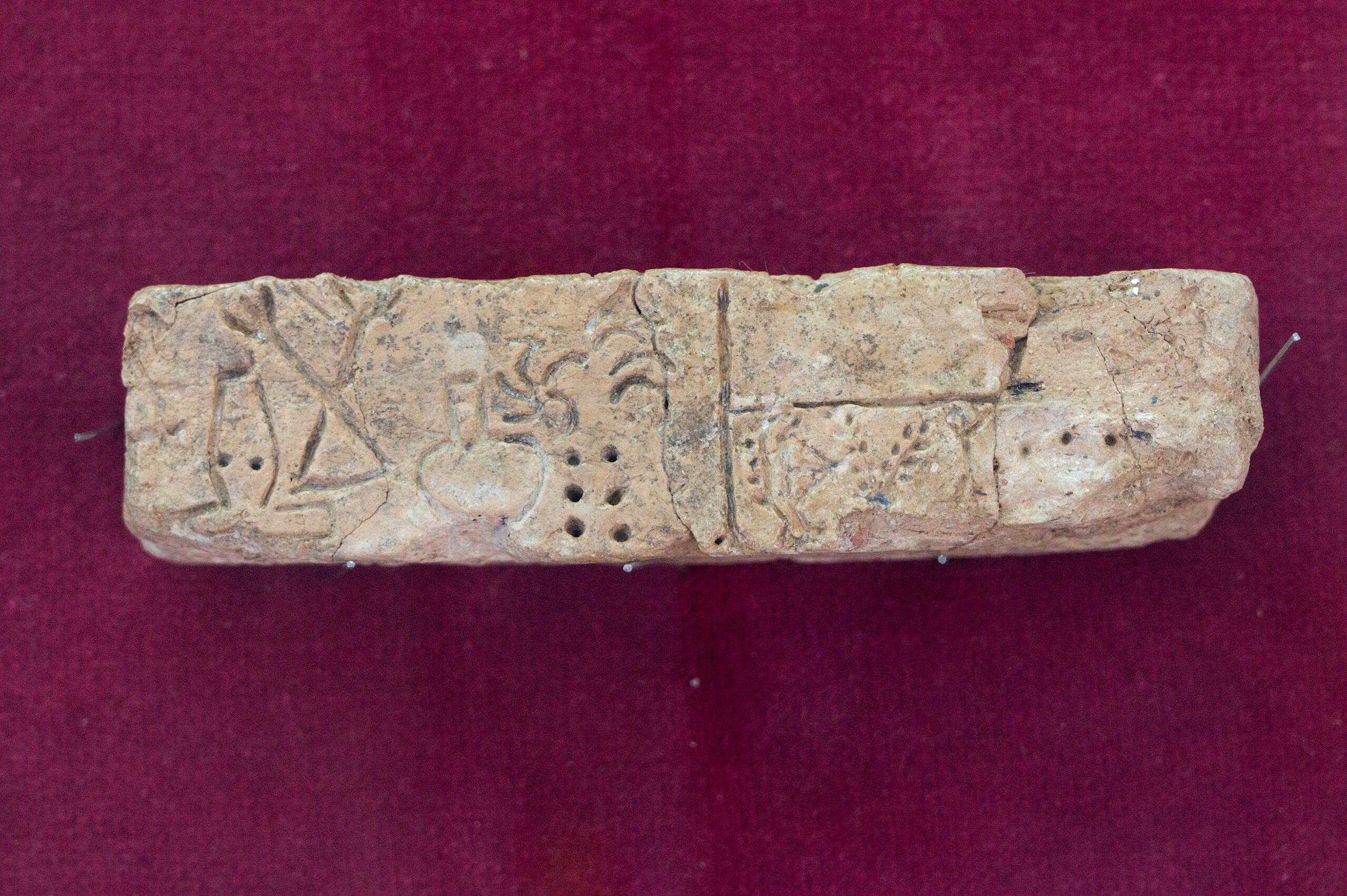
Long before the Greek alphabet, the island of Crete was a laboratory of writing systems. Besides Linear A, archaeologists have found another set of signs known as Cretan hieroglyphs, used mainly on seals and small objects from the early second millennium BCE. The name comes from a superficial resemblance to Egyptian hieroglyphs – there are little heads, animals, and objects – but there is no clear evidence of direct borrowing beyond the general idea of pictorial signs.
Cretan hieroglyphs are especially frustrating because they appear on objects that were probably used for sealing goods, marking ownership, or signaling authority. That kind of context tends to produce very short, repetitive texts: names, titles, maybe a deity or place name. Without longer sequences, it is extremely hard to tease out whether the signs stand for sounds, whole words, or a mixture of both.
Some scholars see Cretan hieroglyphs as an ancestor of Linear A, while others think the two scripts developed in parallel, perhaps for different functions or social groups. The sign inventories overlap partially but not consistently, and the chronological relationships are still debated. Attempts to assign phonetic values based on supposed links to Linear B generally run into dead ends or internal contradictions.
I like to think of Cretan hieroglyphs as the Minoan elite’s equivalent of a fancy logo or embossed seal: full of status and meaning for those in the know, annoyingly opaque to outsiders. Whether we will ever read them in detail is uncertain. But even in their undeciphered form, they show that Minoan society was complex enough to sustain multiple writing traditions, something we often associate only with much larger empires.
#13 The Runes of the Phaestos and Other Outliers
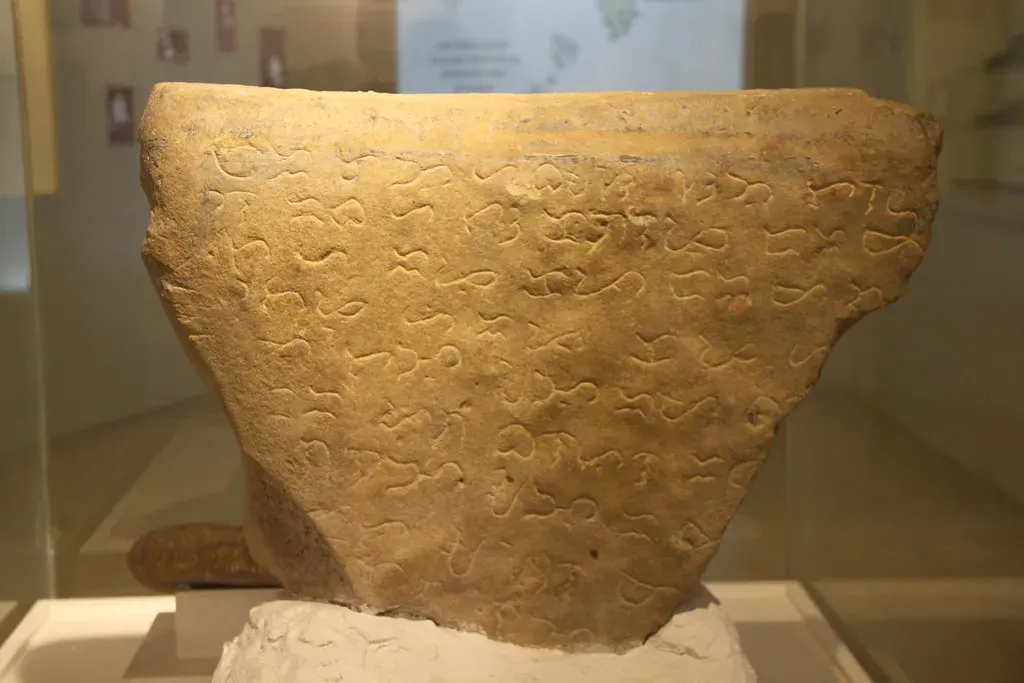
Beyond the big, well‑known undeciphered scripts, there are a number of oddball inscriptions that sit on the edge of scholarly attention. Some are isolated stones with unusual runic‑like signs, others are short texts on metal or pottery that do not match surrounding writing traditions. In the Mediterranean and Near East, a few inscriptions have been proposed as evidence for unknown local scripts, but the samples are so small that even calling them “scripts” is controversial.
These outliers often become magnets for speculative theories. Because they are poorly understood and rarely discussed outside specialist circles, they provide a perfect blank canvas for anyone wanting to connect Phoenicians to far‑flung lands or to argue for secret migrations. Serious researchers, by contrast, emphasize the need to distinguish between idiosyncratic graffiti, decorative marks, and genuine examples of structured writing.
This does not mean such finds are unimportant. Even a single inscription can alter our picture of how writing spread, which languages were present where, or how different communities experimented with signs. But without corroborating evidence, caution is essential. Declaring every odd mark a lost script does a disservice to the real, well‑documented undeciphered systems that genuinely demand our attention.
My own bias is clear: I think we should be generous in documenting these outliers but conservative in what we claim about them. It is far more valuable to say “here is a puzzling artifact; let’s keep looking” than to shoehorn it into an elaborate, fragile narrative. History has enough real mysteries; it doesn’t need help from wishful thinking.
#14 The Voynich Manuscript: The Internet’s Favorite Enigma
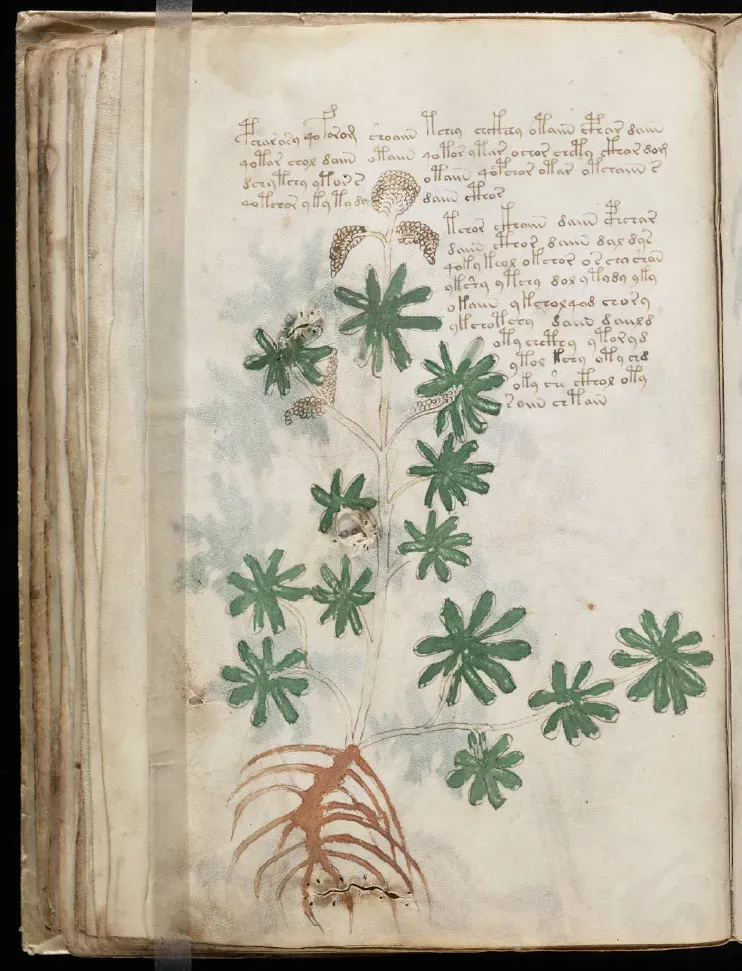
No list of undeciphered scripts and writings would be complete without the Voynich Manuscript, a lavishly illustrated codex that surfaced in the early twentieth century and was later acquired by a rare‑book dealer whose name it now bears. The manuscript is filled with flowing cursive characters that do not match any known alphabet, alongside drawings of strange plants, astronomical diagrams, nude women in baths, and complex circular charts. It looks like the notebook of a very organized alchemist from an alternate universe.
Over the past century, pretty much every type of expert has taken a swing at the Voynich: cryptographers, linguists, botanists, historians of science, and, more recently, computer scientists and amateur sleuths online. Some argue the text encodes a natural language using a clever substitution scheme; others think it might represent a constructed language, a sophisticated hoax, or even a meaningless pseudo‑text generated by a set of rules to mimic linguistic patterns. Statistical analyses show structure and regularity, which argues against pure randomness, but that still leaves many possibilities open.
Occasionally, headlines announce that the Voynich has been “finally solved,” tying it to everything from medieval proto‑Romance dialects to coded recipes. When specialists dig into these claims, they tend to fall apart under scrutiny. The proposed “translations” rarely work consistently across the whole manuscript, and they often cherry‑pick a few words that happen to fit the theory while ignoring mismatches. The truth is that no explanation has yet cleared the bar of reproducibility and consensus.
What fascinates me about the Voynich Manuscript is less the text itself and more what our obsession with it reveals. It sits at the intersection of medieval studies, cryptography, and internet culture, an irresistible playground for anyone who loves puzzles. Part of me suspects that even if it is eventually deciphered and turns out to be a fairly mundane medical or herbal treatise, the legend of the undeciphered Voynich will live on. Sometimes the story we build around a mystery becomes more powerful than the solution waiting inside.
Conclusion: Why These Silent Texts Still Matter
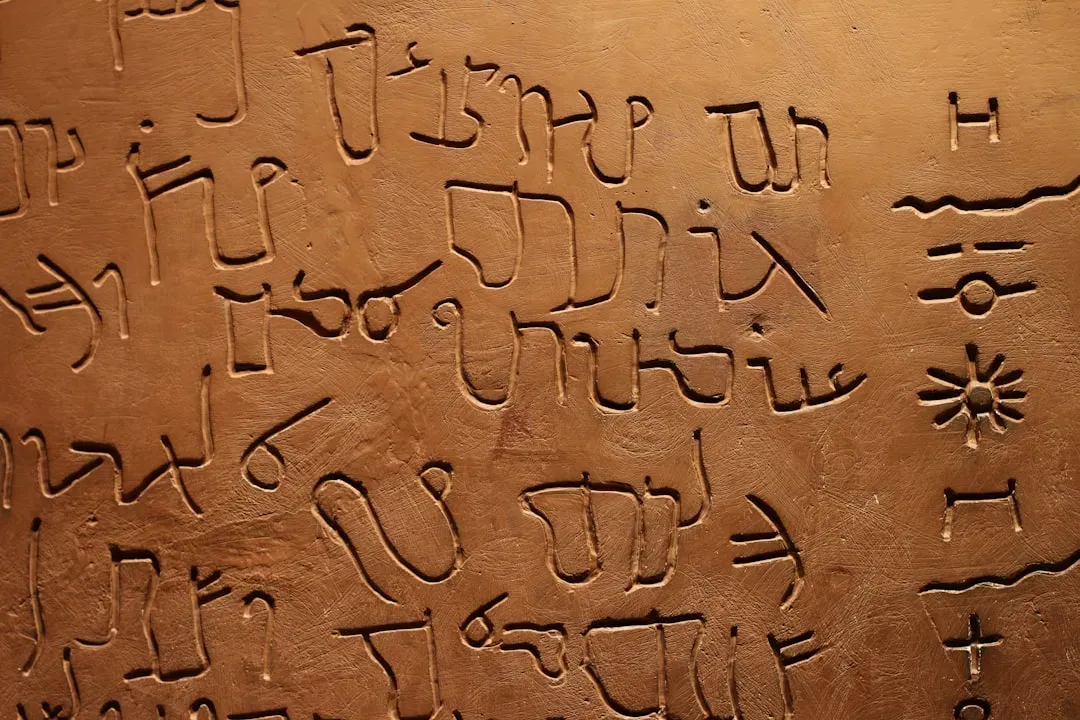
Looking across these fourteen undeciphered or under‑deciphered scripts, a pattern emerges that is both sobering and inspiring. Sobering, because it shows how easily entire languages and knowledge systems can vanish, leaving behind nothing but mute symbols we can no longer understand. Inspiring, because thousands of years later, people are still willing to devote their careers – and in some cases their obsessions – to trying to hear those voices again. These scripts are not just intellectual puzzles; they are the last, fragile links to worlds that no longer exist.
It’s tempting to demand Hollywood endings: a new discovery that miraculously functions as a Rosetta Stone, a brilliant young scholar who cracks a code with a single insight. Reality is slower and messier. Most progress comes in tiny increments – better photographs of a tablet, a more careful catalog of sign variants, a more realistic statistical model. In my view, the worst thing we can do is rush to declare any of these mysteries “solved” on flimsy evidence just because we’re impatient with uncertainty.
At the same time, I think we underestimate how much even partial decipherments can change our view of the past. Being able to read that a tablet lists sheep instead of grain, or that a monument names a particular town, can quietly transform entire historical narratives. Every sign whose meaning we pin down makes the ancient world a little less alien. And even the scripts that may never fully yield – like Linear A or the Indus signs – still force us to confront the limits of our knowledge with humility rather than bravado.
In an age when we produce oceans of text that may or may not survive a few centuries of technological churn, these stubborn, silent scripts carry a warning. Meaning is fragile. Context is everything. Without both, the most carefully written message can become an unreadable pattern of lines. Maybe that’s the real question these scripts pose to us today: a thousand years from now, will anyone still be able to read what we are writing now, or will our words look as mysterious to them as theirs do to us?