Most people assume modern chemistry can whip up any substance on Earth at the push of a button. We’ve got mass spectrometers, electron microscopes, and supercomputers running molecular simulations – surely nothing from the ancient world could stump us for long.
Except it did. Some of the hardest materials to reproduce today were already being made by craftspeople thousands of years ago, with no equations, no spectroscopy, and definitely no lab coats. When scientists finally tried to copy them, entire research careers got swallowed up in the attempt. A few of these materials are still only “close enough” – not true matches. Here’s what actually happened when modern chemistry collided with ancient know-how.
#13 – Roman Concrete That Gets Stronger in Seawater
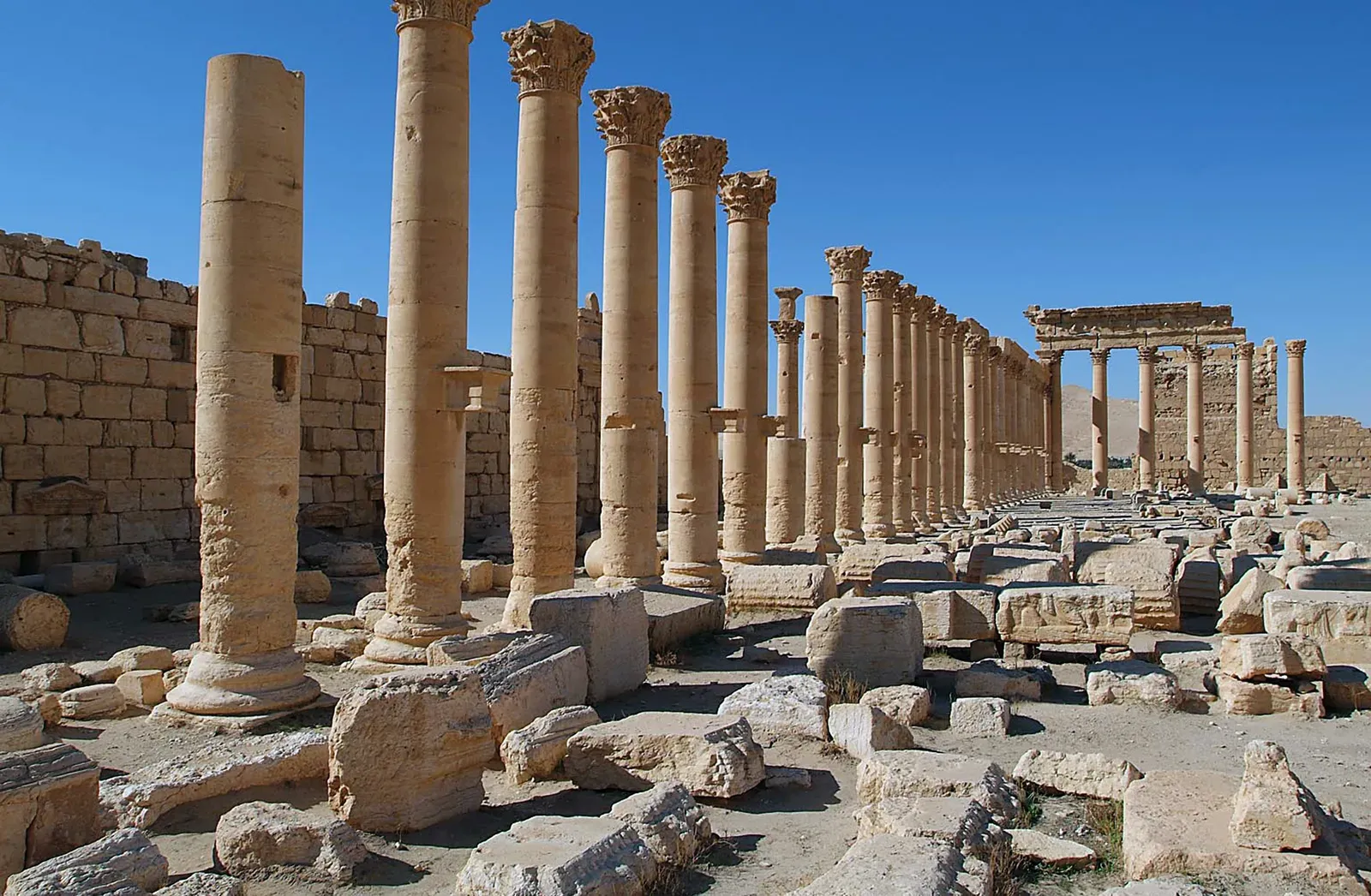
Engineers used to scoff at old ruins. “Modern concrete is way better,” the thinking went. Then researchers tested Roman harbor walls that had been sitting in seawater for 2,000 years and found something genuinely embarrassing – in many cases, the Roman stuff was outlasting what we pour today.
The Romans didn’t use Portland cement. They mixed lime with volcanic ash, called pozzolana, plus chunks of rock and brick, then sometimes let the sea itself help cure the mixture. For marine structures, they poured this blend into wooden forms underwater, where seawater triggered slow, complicated chemical reactions.
Fast Facts
- Roman harbor concrete has survived roughly 2,000 years of direct seawater exposure.
- Pozzolana, the key volcanic ash, was sourced from specific deposits near the Bay of Naples.
- Hot-mixing with quicklime could generate temperatures of nearly 400 degrees Celsius.
- Modern reinforced concrete structures are typically engineered to last only 50 to 100 years.
Over centuries, the concrete didn’t just resist damage – it literally grew new mineral crystals that locked everything together tighter over time. For decades, chemists tried to reproduce that durability and self-healing behavior without much luck.
What finally cracked the code was examining the microstructure under powerful microscopes and spotting rare minerals like aluminous tobermorite and phillipsite forming inside ancient samples. Those weren’t accidents; they came from careful ingredient choices tied to specific volcanic sources. Today, teams are testing “Roman-inspired” concretes using industrial byproducts like fly ash and slag instead of volcanic rock, chasing mixes that last centuries and use less CO2-heavy cement. We’re getting close, but no modern formula has matched the proven 2,000-year track record of a Roman harbor wall – which made what turned up next even harder to believe.
#12 – Damascus Steel: The Legendary “Watered” Blades
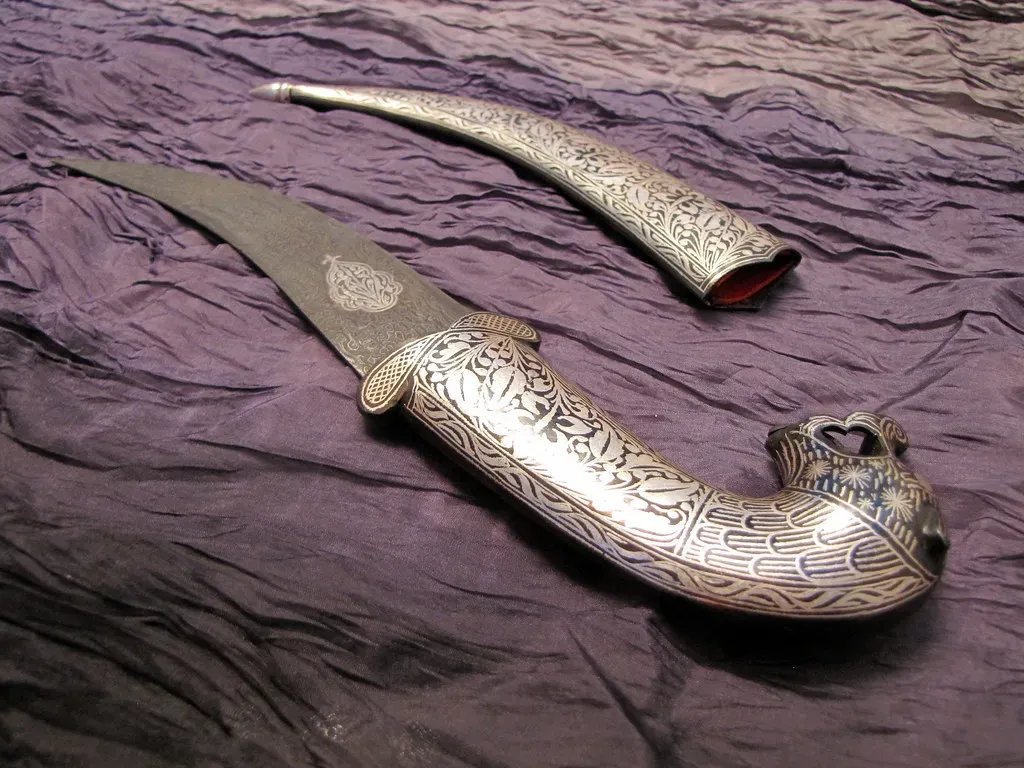
Damascus steel swords are the celebrity of ancient materials – shimmering “watered” patterns, legendary sharpness, and battlefield myths about slicing gun barrels clean in half. The twist is that for a long time, even with advanced metallurgy, nobody could reliably make the real thing again.
True historical Damascus steel wasn’t just a pretty surface pattern. It came from high-carbon wootz steel ingots made in India and Sri Lanka, then forged in the Middle East under strict temperature and folding regimes. Inside the metal, microscopic bands of carbides created both the signature wavy pattern and unusual mechanical properties – toughness paired with an edge that held.
In the 18th and 19th centuries, the traditional wootz supply collapsed, and the craft died with it. Blacksmiths could still etch patterns onto steel, but the original microstructure was gone. For over 150 years, metallurgists poked at surviving blades with microscopes and X-ray diffraction, eventually finding nano-scale cementite networks and subtle impurities like vanadium and molybdenum that had shaped how the carbides formed.
Modern smiths can now produce “Damascus-like” steels two ways: pattern-welded blades made by stacking and folding different steels, or crucible steels carefully alloyed and heat-treated. Some of these modern blades actually outperform historical pieces on objective tests. Still, purists argue we haven’t replicated the full, messy historical chain from ore selection to crucible chemistry – we’ve recreated the look and much of the performance, but not the entire lost recipe.
#11 – Maya Blue: A Pigment That Refuses to Die

Most modern paints fade, chalk, or peel within a few decades. Meanwhile, murals at Mesoamerican sites like Bonampak and Chichén Itzá still glow with a distinct turquoise hue centuries after being painted. That color is Maya Blue, and chemists were frankly annoyed at how stubborn it turned out to be.
Maya Blue isn’t just a dye smeared on a wall – it’s a hybrid organic-inorganic pigment created by heating indigo with a specific clay mineral, usually palygorskite. Somehow, the indigo molecules lock into the clay’s microscopic channels, becoming nearly bulletproof against acid rain, sunlight, and high humidity.
For years, scientists could guess at the ingredients but not the exact process. The key turned out to be controlled heating around 150-200°C and a precise ratio of dye to clay – even tiny variations in the clay’s composition changed the resulting shade and stability. Recent lab reproductions confirmed that the dye threads directly into the clay’s nano-sized tunnels, shielding it from light and chemical attack.
What’s wild is that the Maya were essentially doing molecular engineering without knowing what a molecule was. They developed a pigment more durable than many commercial blues used well into the 20th century. Materials scientists now study Maya Blue as a model for stable host-guest systems used in dyes, drugs, and catalysts – a Bronze Age recipe informing modern pharmaceutical design.
#10 – Egyptian Blue and Its Secret Infrared Glow

Egyptian Blue might look like just another pretty ancient pigment, but it’s one of the earliest deliberately engineered synthetic materials in human history, dating back at least 4,500 years. Long before factories existed, artisans in ancient Egypt were cooking up a complex calcium copper silicate called cuprorivaite.
The recipe sounds simple on paper: sand, lime, copper ore like malachite or bronze scrap, and an alkali flux, fired around 800-1,000°C. The real challenge was hitting the microstructure and shade correctly without over-melting. Too hot, and you get glassy blobs. Too cool, and the reaction never completes – archaeologists have actually found failed batches, proof that even ancient kiln masters missed the mark sometimes.
For a long time, modern chemists could produce a blue glass or frit, but not the same crystalline, finely ground pigment with Egyptian Blue’s unique properties. Only in recent decades did researchers fully map its structure and stumble onto a startling bonus: Egyptian Blue emits strongly in the near-infrared when hit with visible light, making it detectable by infrared cameras even when it looks faint to the naked eye.
That hidden glow has turned a 4,500-year-old temple pigment into a hot research topic again – for anti-counterfeiting marks, biomedical imaging, and energy-efficient coatings. Somehow the ancient Egyptians accidentally invented a material that shows up in cutting-edge physics journals today.
#9 – Chinese Imperial Porcelain: The “White Gold” Europe Couldn’t Fake
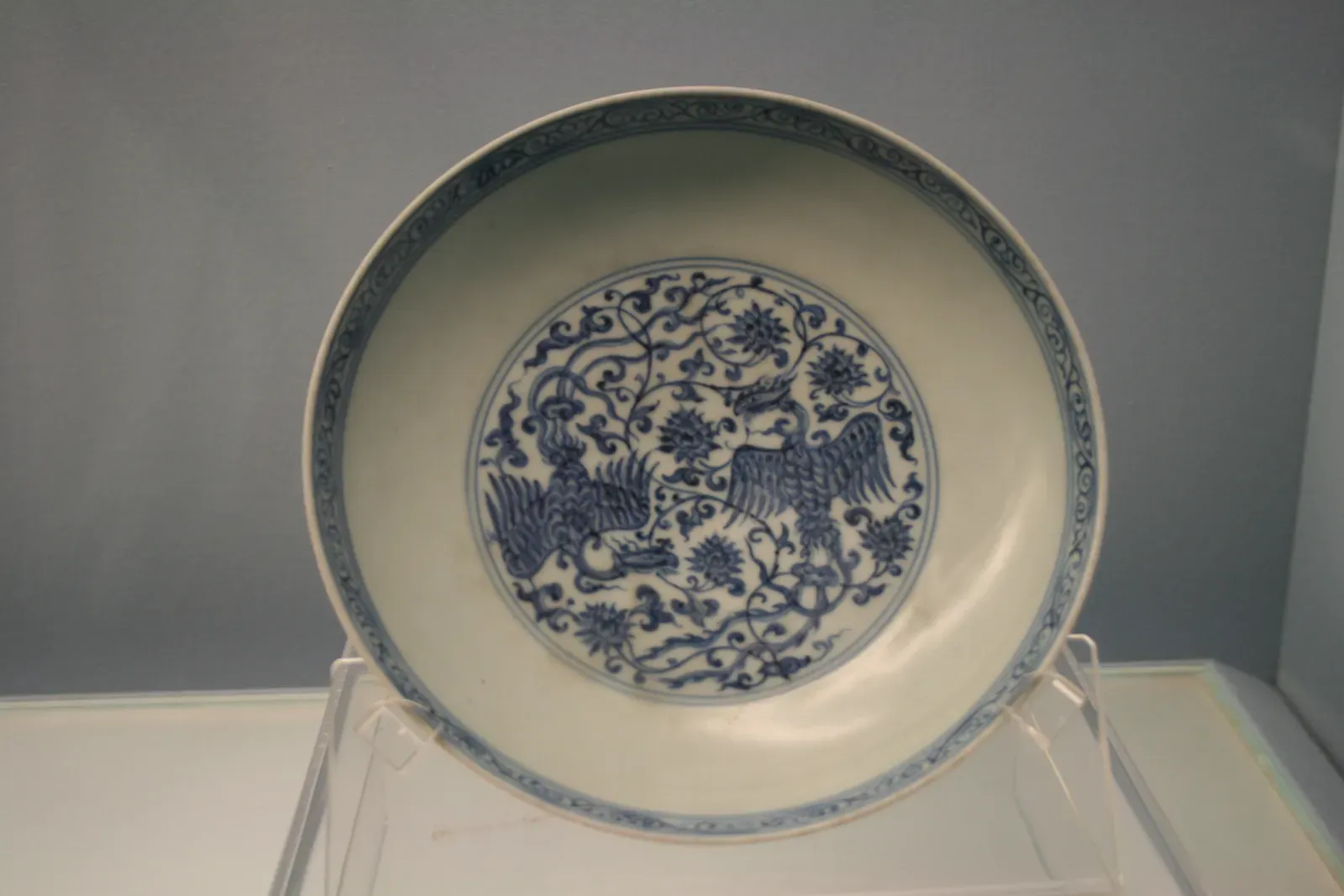
Most people think porcelain is just fancy ceramic. But the ultra-fine, translucent, bell-ringing porcelain perfected under Chinese dynasties like the Song and Ming was so exceptional that Europeans nicknamed it “white gold” – and then spent centuries failing to copy it.
True hard-paste porcelain requires a very particular mix of kaolin clay, feldspar, and quartz, fired at extreme temperatures often around 1,300°C. The chemistry has to be nearly perfect: kaolin provides structure, feldspar melts into a glassy phase, and quartz controls shrinkage. Ancient kiln workers managed this without thermocouples or phase diagrams – just experience and an almost superhuman feel for the fire.
Quick Compare
- Hard-paste porcelain (China): kaolin, feldspar, and quartz fired near 1,300°C – thin, translucent, and bell-clear.
- Soft-paste porcelain (early Europe): glassy substitutes standing in for true kaolin – softer and prone to chipping.
- Stoneware: dense and strong, but opaque and heavier than true porcelain.
- Earthenware: porous and fragile, the far end of the ceramic spectrum from imperial ware.
When European alchemists and potters tried to reproduce it in the 16th and 17th centuries, they kept landing on earthenware that was too porous, stoneware that was strong but opaque, or “soft-paste porcelain” that chipped far too easily. It took until the early 1700s for Meissen in Saxony to finally crack a working hard-paste formula, and even that wasn’t a true match for Jingdezhen’s best wares.
Modern ceramic science has since nailed the phase diagrams behind porcelain’s strength and translucency. Yet connoisseurs still argue that certain imperial pieces carry a warmth and subtlety modern factory wares miss entirely. Whether that’s real chemistry, kiln atmosphere, or pure nostalgia is still debated – which is exactly why collectors pay small fortunes chasing it.
#8 – Roman Gold Ruby Glass: Nanotech By Accident
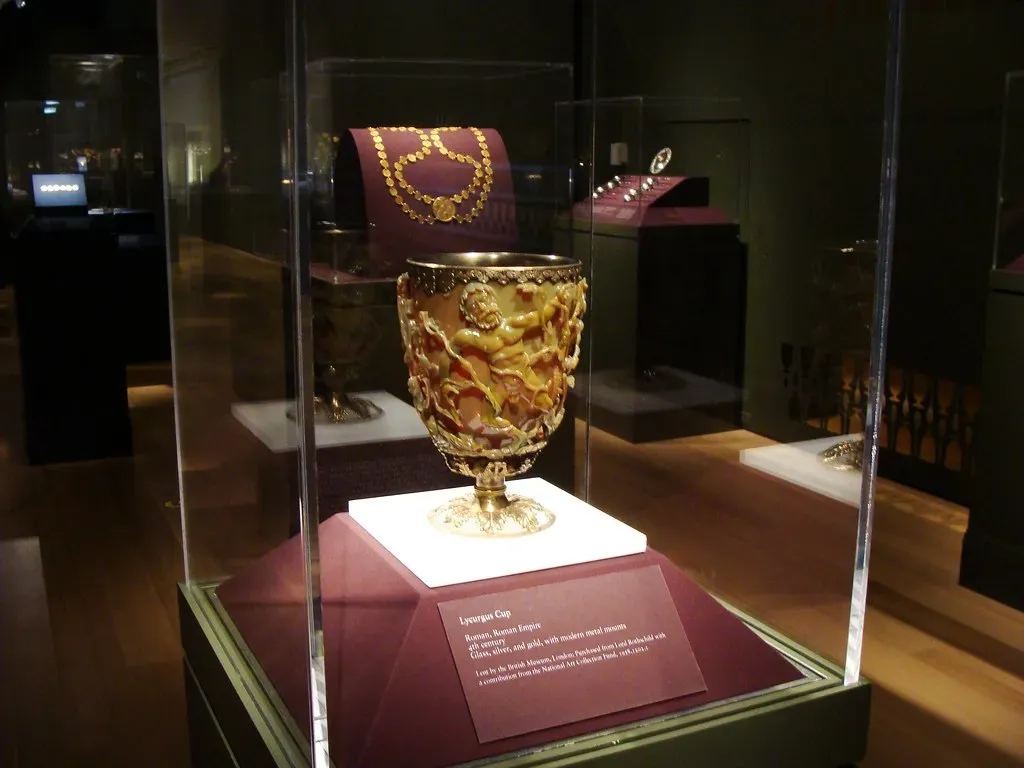
Sometimes the ancients discovered nanotechnology without knowing it existed. Roman artisans made a deep, blood-red glass used in elaborate cups and mosaics, and for centuries nobody understood how they achieved that specific, rich color without simply painting the surface.
The trick was gold nanoparticles dispersed directly in the glass. When metallic gold exists in vanishingly small particles – tens of nanometers across – it doesn’t look metallic at all. It interacts with light through localized surface plasmon resonance, absorbing certain wavelengths and transmitting a vibrant red instead. But controlling gold at that scale, in a kiln with no instruments whatsoever, was the real mystery.
Historical recipes, later written down in medieval and Renaissance texts, spoke cryptically of “tincture of gold” and strange concoctions of salts and filings. Modern analysis of surviving pieces, most famously the Lycurgus Cup, revealed a delicate balance of gold and sometimes silver, precise redox conditions in the furnace, and a cooling schedule that let nanoparticles form and stabilize without clumping.
Nineteenth-century glassmakers trying to reproduce gold ruby glass kept ending up with muddy browns or nearly clear glass. Only by carefully controlling furnace atmosphere and reheating steps did they finally manage consistent nanoscale dispersions. We now teach this phenomenon in nanophotonics classes – yet Roman artisans were playing with it 1,600 years ago with zero concept of electrons or plasmons.
#7 – The Terracotta Army’s Alloy Tricks and Vanishing Pigments
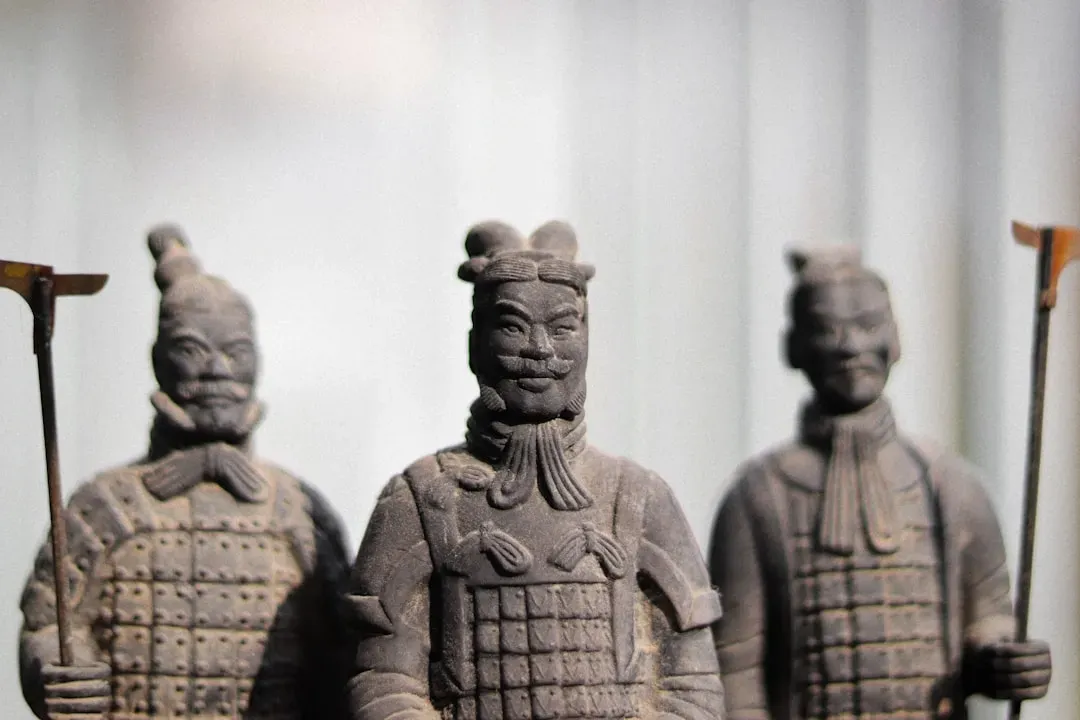
The Terracotta Army in Xi’an is famous for its sheer scale, but chemists have fixated on something smaller: the surprisingly well-preserved bronze weapons and traces of colored paint buried alongside the soldiers. A viral claim once spread that the Qin dynasty used a “chromium oxide” anti-rust coating centuries before modern stainless steel existed. The real story is more nuanced, and honestly more impressive.
Detailed analysis showed the bronzes have high tin content and some arsenic, both of which enhance hardness and corrosion resistance on their own. The supposed chromium layer likely came from contamination by lacquer or surrounding soil chemistry rather than any deliberate high-tech coating – so the anti-rust myth was oversold, but the underlying alloy design was still genuinely clever.
The pigments tell a harder story. Investigators found cinnabar for reds, azurite and malachite for blues and greens, and in some cases imported or complex mixed pigments. Reproducing those original palettes has proven brutal, because the ancient paints used organic binders and multilayered applications that flake away the moment they’re exposed to open air during excavation.
Conservation scientists have spent decades trying to stabilize newly unearthed figures before their colors vanish entirely – essentially racing against a decomposition clock the original artisans never anticipated. This is one case where modern chemistry isn’t about copying the material at all. It’s about reverse-engineering it fast enough to save what’s left before it disappears for good.
#6 – Greek Fire: The Weapon We Still Can’t Fully Rebuild

If there’s one ancient material that borders on legend, it’s Greek Fire – the Byzantine naval weapon that supposedly burned even on water and terrified enemies for centuries. Historical accounts describe jets of flaming liquid hurled from siphons, clinging to ships and soldiers alike, impossible to extinguish with ordinary water.
Worth Knowing
- Byzantine siphons could reportedly project flaming liquid directly onto enemy ships from a distance.
- No original recipe survives – only scattered references and later imitations.
- Candidate ingredients include naphtha or petroleum, pine resin, sulfur, and quicklime.
- The formula was likely a guarded, evolving family of mixtures rather than one fixed recipe.
The problem for chemists is brutal: there are no surviving samples and no complete recipe, only scattered references and later imitations. Over the last two centuries, researchers have proposed mixtures involving petroleum or naphtha, resin, sulfur, and pitch, sometimes quicklime or other reactive additives.
Some reconstructions produce nasty, sticky flames, but nothing definitively matches the full behavior described in Byzantine chronicles. Part of the challenge is that Greek Fire may never have been one fixed formula at all – it was likely an evolving family of incendiaries, guarded as tightly as a modern state secret.
Modern chemists can easily build far more dangerous napalm-like mixtures today. Yet ironically, we still argue about what Greek Fire actually was. The historical impact is certain; the molecular details died with the empire that guarded them. This is one ancient material where we’ve probably overshot the original in raw destructive power but still can’t honestly say we’ve duplicated the exact recipe.
#5 – Tamahagane: The Samurai Steel Built on Ritual, Not Formulas
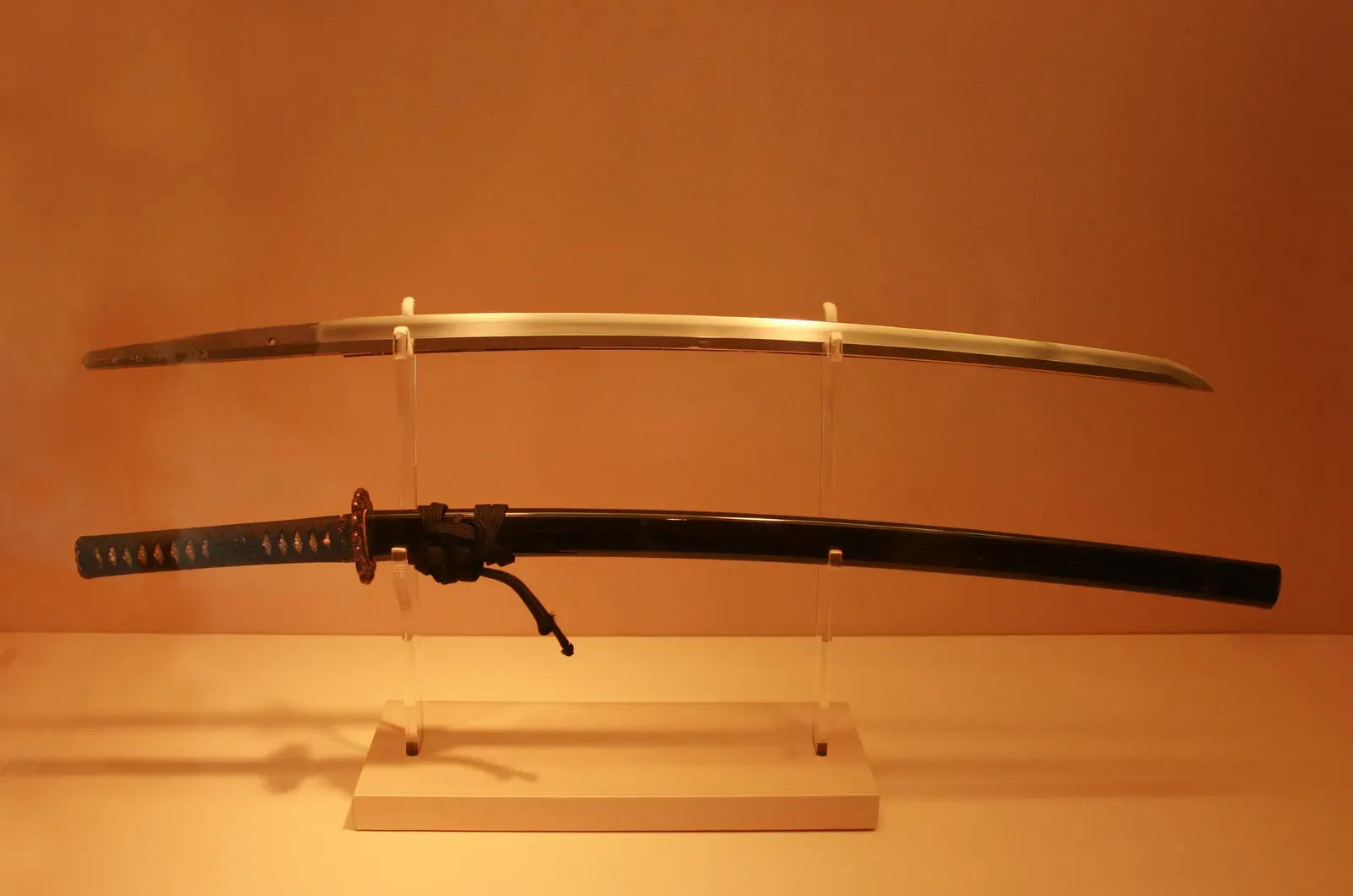
Popular culture worships the samurai sword, but underneath the mythology sits a very real materials challenge: turning impure iron sand into an ultra-refined steel called tamahagane. For centuries, this process was so tightly bound to ritual and tradition that even Japanese smiths sometimes couldn’t explain the “why” behind each step. They just knew it worked.
Tamahagane is produced in a low, box-shaped furnace called a tatara, charged with iron sand and charcoal. Over days, workers carefully control airflow and fuel additions, slowly building a semi-solid steel bloom. That bloom gets sorted by carbon content – high-carbon pieces become cutting edges, lower-carbon portions form the resilient core underneath.
The repeated folding that follows refines slag inclusions, carbon distribution, and grain orientation all at once. When Western metallurgists finally analyzed antique blades in detail, they found layered microstructures, pearlite, martensite, and controlled impurity patterns that directly shaped toughness and sharpness. Yes, the folding gets over-romanticized in movies – too much of it can actually homogenize the steel too far – but the traditional balance turns out to be surprisingly well optimized.
Modern powder-metallurgy alloys can objectively match or beat tamahagane in toughness and corrosion resistance today. Yet many smiths still chase the original everything – the charcoal, the furnace, the exact folding pattern. Part of the difficulty is that tamahagane is really a process disguised as a material, and processes are brutally hard to clone once you strip them out of their cultural context.
#4 – Medieval Stained Glass: Chemistry Nobody Wrote Down

Walk into a Gothic cathedral and look up – those stained-glass windows have been bathing interiors in colored light for 800 years. Beyond the religious symbolism, there’s serious chemistry and fluid dynamics happening in every single pane.
Medieval glassmakers produced color by dissolving metal ions into molten glass: copper for greens and reds, cobalt for deep blues, manganese for purples. They also had to work around impurities in local sand and ash that quietly shifted the glass’s basicity and melting point, with no way to measure any of it precisely.
Unlike modern float glass, medieval sheets were made through the crown process – blowing a glass bubble, puncturing it, then spinning it into a wide disk. The thickness ended up uneven on purpose, and cutters selected the regions that gave the best optical effects. Modern labs can recreate the colors easily enough by doping silica melts with the same metals.
The real puzzle was reproducing the weathering patterns and long-term stability of medieval panes – some survive almost pristine, while others crizzle and flake apart. Small differences in alkali content and furnace ash left glasses with wildly different lifespans. Ironically, some 19th and 20th century conservation projects replaced original glass with “better” industrial versions that have since aged worse than the medieval originals they were meant to protect.
#3 – The Lycurgus Cup: Roman Nanotechnology Nobody Could Explain Until the 1990s
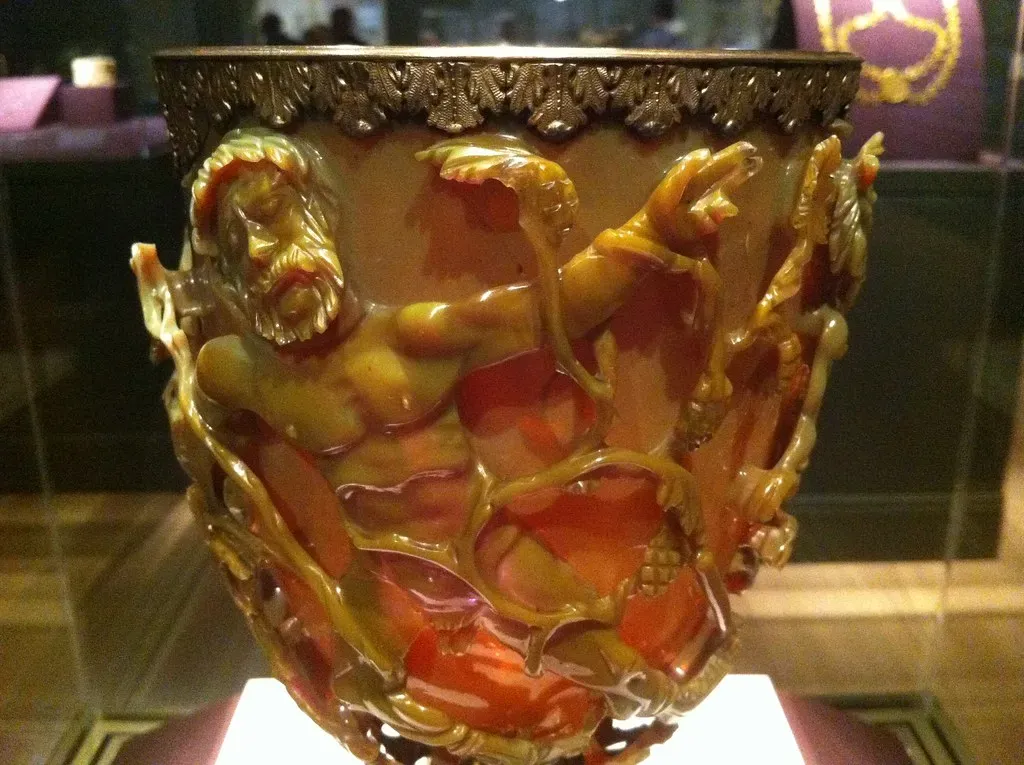
If you want a single object that proves the ancients were closer to nanotechnology than we like to admit, look at the Lycurgus Cup, a 4th-century Roman glass cage cup. In reflected light it appears green. Held up to a light source shining through it, it turns a rich, glowing red.
The effect baffled scholars for decades until electron microscopy and spectroscopy finally revealed why: the glass contains tiny gold and silver nanoparticles, finely dispersed throughout. Their collective interaction with light causes a dichroic effect – different colors depending on how light passes through the material.
Recreating this isn’t as simple as sprinkling gold into a molten batch. The particle size distribution, alloy ratio, and glass composition all have to align so nanoparticles nucleate correctly, don’t clump into bigger dull particles, and the glass stays transparent and structurally sound. Multiple labs have made “Lycurgus-like” glass since, but the color shift usually isn’t as dramatic, or the clarity suffers.
The Romans almost certainly didn’t understand the physics, but they knew empirically which “tinctures” and furnace practices produced the right effect. Today we engineer similar nanoparticle systems on purpose for smart windows, sensors, and photonic devices. It’s a strange kind of irony – we needed electron microscopes and Mie theory to systematically do what ancient artisans stumbled onto by feel in a Roman workshop.
#2 – Ulfberht Swords: Proof the Vikings Had a Global Steel Supply Chain
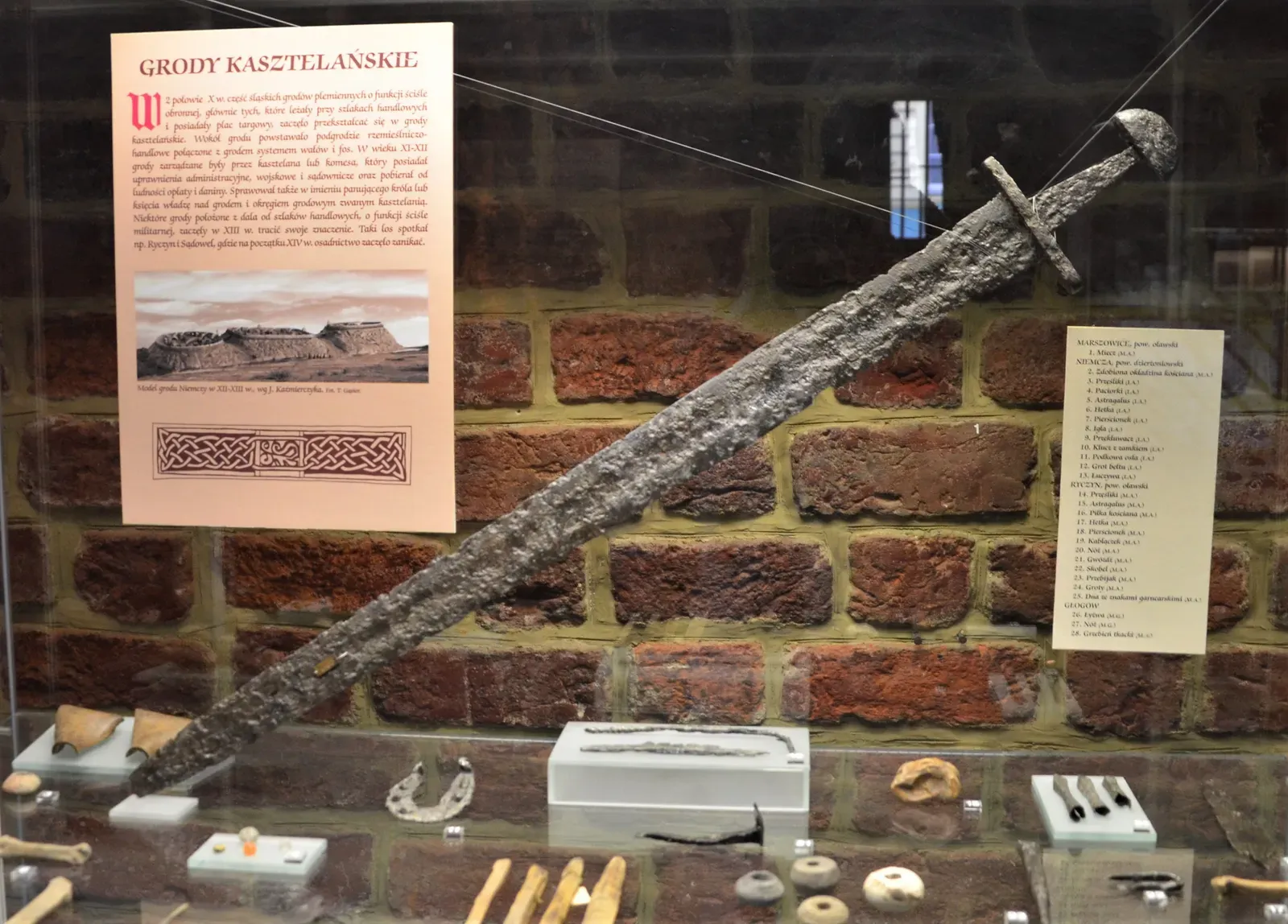
Archaeologists started noticing that some Viking-age swords stamped “+VLFBERHT+” had unusual properties: cleaner steel, fewer slag inclusions, and carbon contents comparable to steels made centuries later during the industrial era. For a long time these blades were treated as half-legend, but detailed metallographic studies confirmed the hype was real – many Ulfberhts genuinely outperformed typical swords of their era.
The mystery was how northern European smiths got their hands on such material. Local bloomery furnaces usually produced lower-carbon, impurity-heavy iron, nothing close to what these blades contained. The leading theory is that high-quality crucible steel, possibly similar to wootz, was imported along trade routes stretching from Central Asia or the Middle East, then forged locally into finished swords.
That means these iconic “Viking” weapons were actually the product of a globalized supply chain historians once badly underestimated. Modern smiths trying to reproduce Ulfberht performance have to juggle carbon content and distribution, slag inclusion control, and precise quench-and-temper heat treatment cycles all at once.
It took decades of experimental archaeology and lab replication to match the microstructures seen in excavated blades, and some attempts failed spectacularly – cracking, warping, or losing hardness entirely. Only by combining historical furnace reconstructions with modern lab analysis did researchers finally close in on the sweet spot. It’s a humbling reminder that medieval branding sometimes signaled a sophisticated materials pipeline, not just one famous local blacksmith.
#1 – The Lime Clasts That Rewrote What We Thought We Knew About Roman Concrete
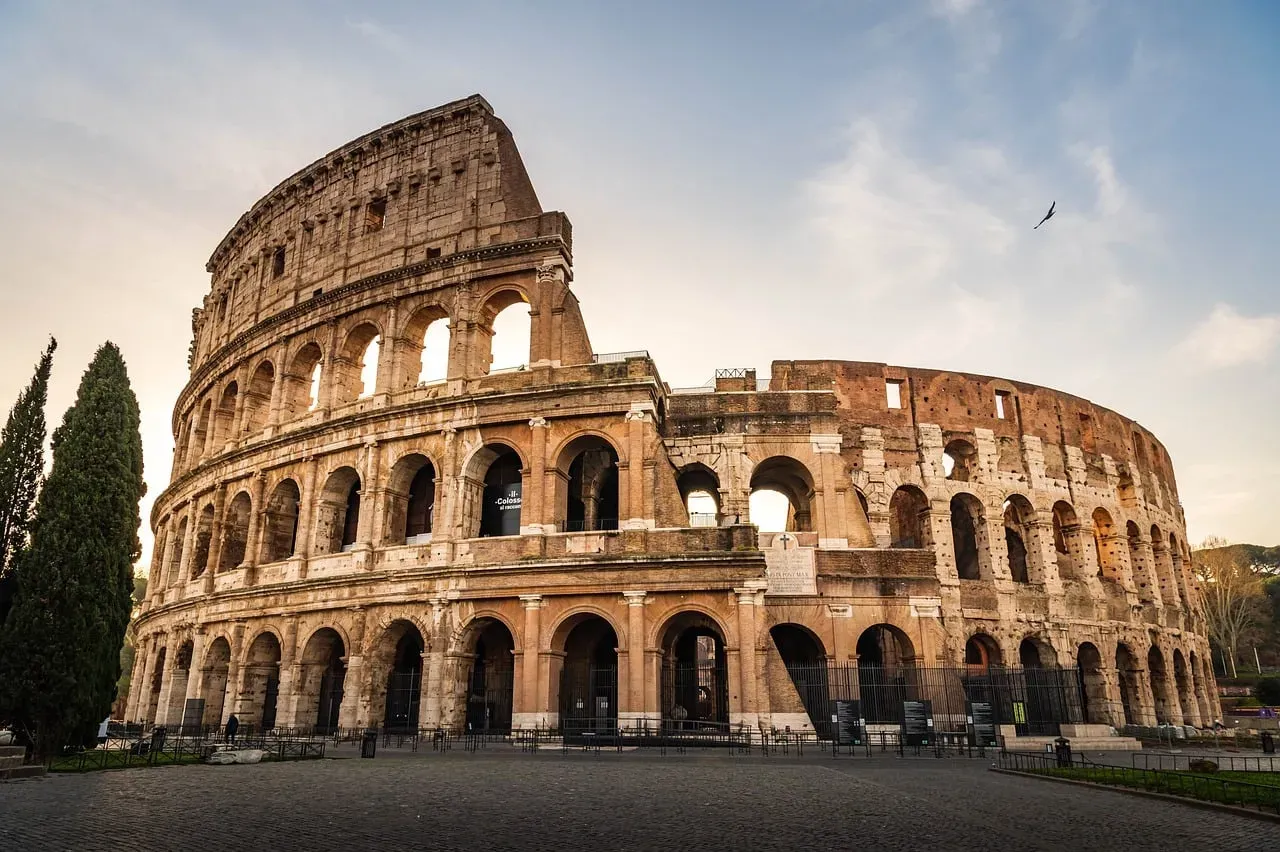
Roman concrete already showed up at #13 – but there’s a deeper twist that earns it the top spot, because chemists only recently started to fully grasp it: those strange white chunks called lime clasts. For a long time, everyone assumed they were just evidence of sloppy mixing. It turns out they may be the actual key to the concrete’s self-healing behavior.
“The idea that the presence of these lime clasts was simply attributed to low quality control always bothered me.”
Admir Masic, MIT Professor of Civil and Environmental Engineering
Recent research suggests the Romans sometimes used a technique now called hot mixing – adding quicklime directly with water and aggregate, generating intense heat right inside the wet concrete. That process created heterogeneous lime clasts embedded throughout the mix, along with highly reactive calcium-rich domains scattered unevenly through the structure.
When cracks eventually formed centuries later and water seeped in, those lime clasts could partially dissolve and re-precipitate as new calcium carbonate, effectively sealing microcracks on their own without any human intervention. In lab tests, modern replicas built with lime clasts showed dramatically faster crack-healing than smooth, homogeneous mixes ever managed.
For decades, structural engineers dismissed this kind of unevenness as a flaw – modern concrete standards obsess over uniformity above almost everything else. The Romans may have optimized for longevity over short-term strength instead, accepting a “messier” microstructure that actually ages better in the real world. Contemporary concrete chemists are now experimenting with deliberate lime clasts, encapsulated healing agents, and even bacteria-driven carbonate formation, all chasing what Roman harbor builders achieved with quicklime, volcanic ash, and time. If one ancient material has genuinely rewritten a 21st-century engineering textbook, it’s this one – and it bluntly exposes how often “primitive” methods were hiding shockingly advanced design choices all along.
The Bottom Line
Line these materials up – Roman concretes, Damascus and tamahagane steels, Maya and Egyptian pigments, nanoparticle glasses, imperial porcelains – and a pattern jumps out fast. The ancient world wasn’t “bad at science.” It was very good at iterative, empirical engineering, guided by feel, myth, and closely guarded trade secrets instead of equations.
We didn’t lose these recipes because they were trivial. We lost them because they were complex, local, and deliberately protected by the people who understood them. Modern chemists have spent decades staring at fractures under microscopes, simulating kiln atmospheres, and rebuilding lost furnaces just to get “close enough” to originals made without a single instrument.
In some cases we’ve genuinely surpassed the ancients in raw performance. In others – ultra-durable concrete, subtly tuned pigments, the exact soul of an imperial porcelain bowl – we’re still humbly borrowing from people who never had a periodic table. My honest opinion: a lot of what we call cutting-edge materials science is really high-resolution archaeology wearing a lab coat. Did we miss an ancient material you think modern science still hasn’t cracked? Make your case in the comments, and don’t be shy about being controversial.