Most people still treat crows and ravens like glorified pigeons wearing a nicer coat. For years, even trained scientists rolled their eyes at the wild stories swirling around them: crows holding grudges, trading gifts with kids, memorizing human faces like a long-lost enemy. If it wasn’t backed by a lab coat and a spreadsheet, it didn’t count as real.
Then something strange happened. Researchers started building actual experiments around those campfire stories, and one by one, the anecdotes started checking out. Not loosely, not vaguely, but in hard, repeatable, peer-reviewed data. Here are 14 things corvids do that spent decades being laughed off as folklore, before science finally caught up.
#1 – Sharing Detailed Warnings About Specific Humans
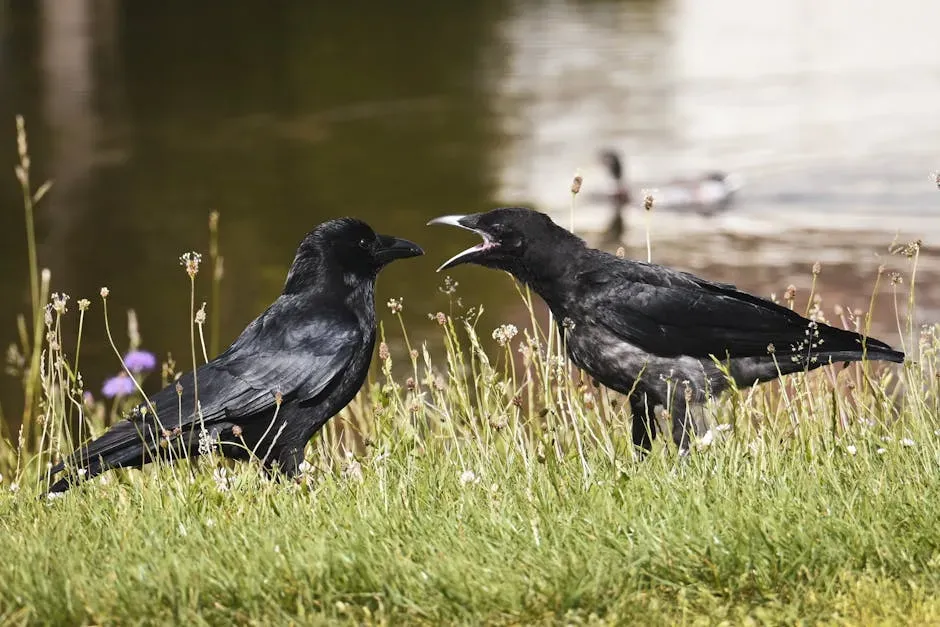
Corvid fans swore for decades that the crows remember people who mess with them, and tell their friends. Most biologists just smiled and nodded. Sure, animals learn to avoid threats, but sharing detailed “gossip” about one specific human face sounded like something out of a fantasy novel, not a field notebook.
Then researchers actually tested it. Scientists trapped wild crows while wearing distinctive, unusual masks, released them, and waited. The birds didn’t just remember the mask; they started mobbing it on sight every time it reappeared.
Here’s the part that broke a lot of assumptions: years later, brand-new crows that had never personally been trapped joined the mobbing too. They’d never met the “dangerous” mask themselves. They’d only learned about it from the birds around them.
So it isn’t simply “danger equals human.” It’s “danger equals that specific human, that specific face, with that specific history attached.” That’s not basic conditioning, that’s memory paired with social learning, passed down like a warning whispered through a neighborhood watch. Somewhere out there, your local crow community may be keeping an actual blacklist. And that’s the gentle version of what’s coming next.
#2 – Remembering Faces for Nearly a Decade (and Acting on It)
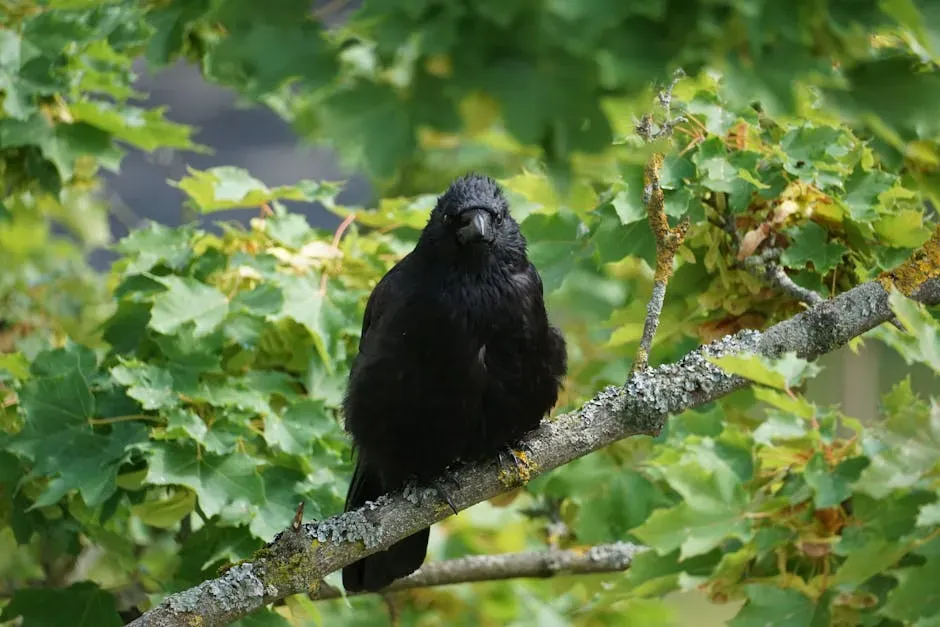
“Never cross a crow, it will remember you forever.” People have said this for generations, usually filed right next to “elephants never forget.” Charming folklore, everyone assumed, but not exactly rigorous science.
Then long-term studies started tracking it properly. Researchers kept using the same “dangerous” masks on wild crow populations for years at a stretch. The birds didn’t just remember, they kept reacting to those faces for up to nine years and counting.
Fast Facts
- The most famous version of this research began in 2006, when a University of Washington biologist trapped and banded seven crows while wearing a single “dangerous” mask.
- Nearly two decades later, researchers were still tracking scolding behavior tied to that same mask, with recognition confirmed as far out as 17 years.
- Crows that never experienced the original trapping joined in anyway, having learned the threat secondhand from parents and flockmates.
- Brain-imaging work on captured crows found heightened activity in regions tied to fear and threat memory when they viewed the “dangerous” face again.
New generations of crows learned who to hate from older birds, while the original witnesses kept the grudge alive completely on their own. And here’s the genuinely unsettling detail: crows don’t just yell and fly off. They recruit. A single offended bird can trigger a growing mob made up of crows who either had a bad personal history with you, or simply learned secondhand that you’re bad news.
That’s a strange mix of firsthand outrage and secondhand reputation, and it looks eerily human. You can slowly repair your standing with consistent, boring, nonthreatening behavior, but that early betrayal seems to leave a scar that lingers for years. Most of us were taught that kind of durable, socially shared memory required a big-brained primate. Turns out the crow on your power line might be running a mental contact list, trusted names on one side, permanent enemies on the other.
#3 – Holding Grudges, But Also Granting “Forgiveness”
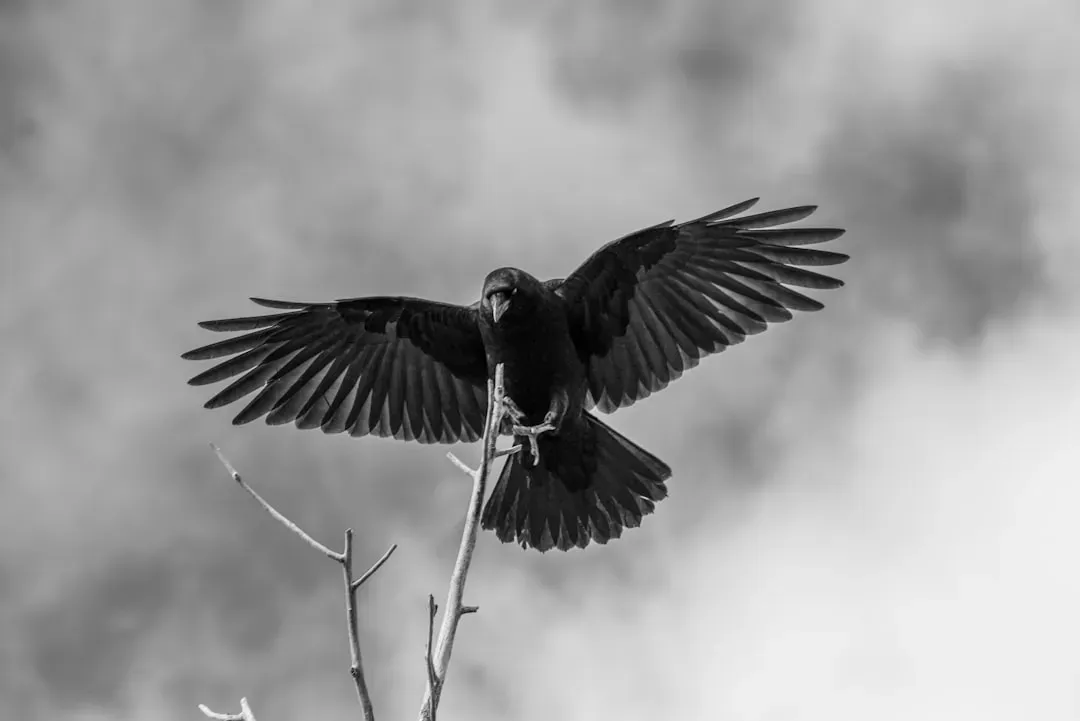
For years, birdwatchers swore crows “held grudges” and “sulked” after bad encounters, then slowly tolerated people again. Scientists called it anthropomorphism, projecting human emotions onto animals that were probably just reacting instinctively. But as more structured studies rolled in, the pattern stopped looking like projection and started looking like policy.
Here’s what repeated observations and controlled experiments suggest:
- Crows escalate over time. Harass a crow once, and you might get side-eye and a few irritated calls. Do it repeatedly, and the reaction upgrades to full-blown mobbing, complete with dive-bombing and widespread alarm calls.
- They test you later. People who switch from hostile behavior to neutral or helpful behavior often notice a subtle shift over months or years: the crows watch closely, stay wary, but gradually reduce aggression.
- Context matters. Disturb a nest, and you’re enemy number one. Accidentally walk too close once, and you might get a pass.
Is that human-style forgiveness? Strictly speaking, we don’t know if they feel it. What we do know is that they run what looks like a flexible reputation system that can downgrade or upgrade you based on long-term patterns. For decades, those “they’re mad at me but warming up” stories were laughed off as sentimental nonsense. Now they look a lot more like cautious, evidence-based relationship management.
#4 – Leaving “Gifts” for Humans They Trust
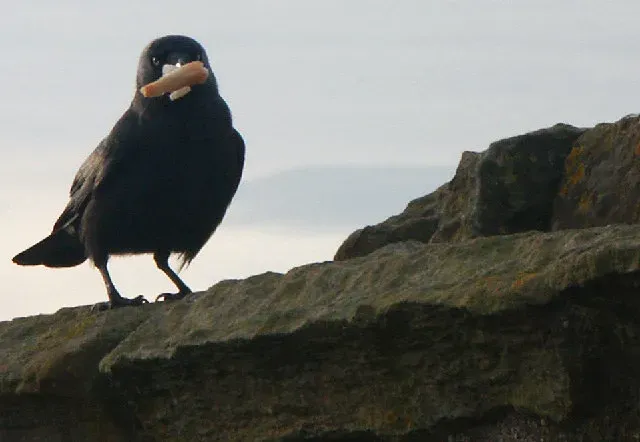
The internet made this one famous: stories of kids who fed crows, then started finding shiny trinkets left on railings, windowsills, or backyard tables. Skeptics brushed it off as coincidence. Crows like junk, junk falls near people, humans connect the dots that aren’t really there.
Except the coincidences kept piling up, and they weren’t all random. In many well-documented cases, the “gifts” show up in the exact spot food is usually left, right after a stable feeding relationship is established, and in patterns that look intentional rather than accidental litter. We’re talking about items like strips of colored plastic, polished stones, and small screws, zipper pulls, or charms.
No serious scientist will claim crows understand gift-giving the way humans do. But what’s increasingly hard to dismiss is that they sometimes place valued objects at a partner’s “exchange location” after receiving reliable food. At minimum, that looks like recognition of an individual human, association of a location with a relationship, and a behavior that goes well beyond simple take-food-and-fly-away instinct.
This doesn’t happen with every human or every crow, and that’s exactly the point. It shows up in relationships where trust is unusually high. What used to be labeled fluffy internet myth now sits in an uncomfortable zone where the data suggest some kind of reciprocal, socially targeted behavior, even if we don’t fully understand the motive behind it.
#5 – Holding “Funerals” and Investigating the Dead
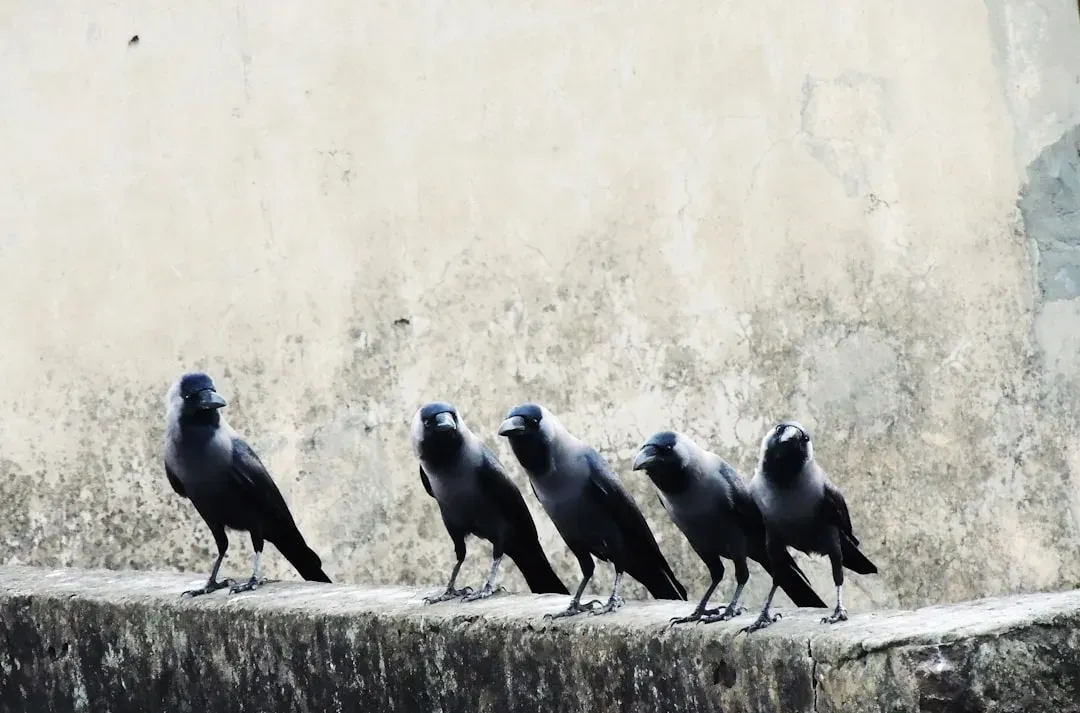
For years, people who saw crows gather silently around dead birds, or even dead cats and humans, swore they were holding funerals. Scientists pushed back hard, insisting those were likely just feeding or alarm events, not ceremonies.
Then researchers did something simple but clever: they placed dead crows and other objects in specific areas and filmed everything. What they saw was not feeding. Crows approached dead crows cautiously, called loudly, and attracted more birds. The group gathered, stared, and mob-called for a while, but never touched the body.
When the body belonged to a crow, the reaction was far more intense than to random objects or food. A dead crow signals that something in this spot is dangerous, whether it’s a predator, a poison source, or a human with a weapon. The flock often avoids that area afterward or becomes hyper-vigilant there.
Is that grief? Ceremony? We still don’t know. But the behavior itself is social, consistent, and functionally tied to learning and sharing risk information, not idle curiosity. For decades, people’s emotional interpretations were correctly challenged, but the underlying behavior was real the entire time. Now it’s treated as one of the most complex responses to death seen in any non-primate species.
#6 – Using Tools… Then Teaching Others How to Use Them
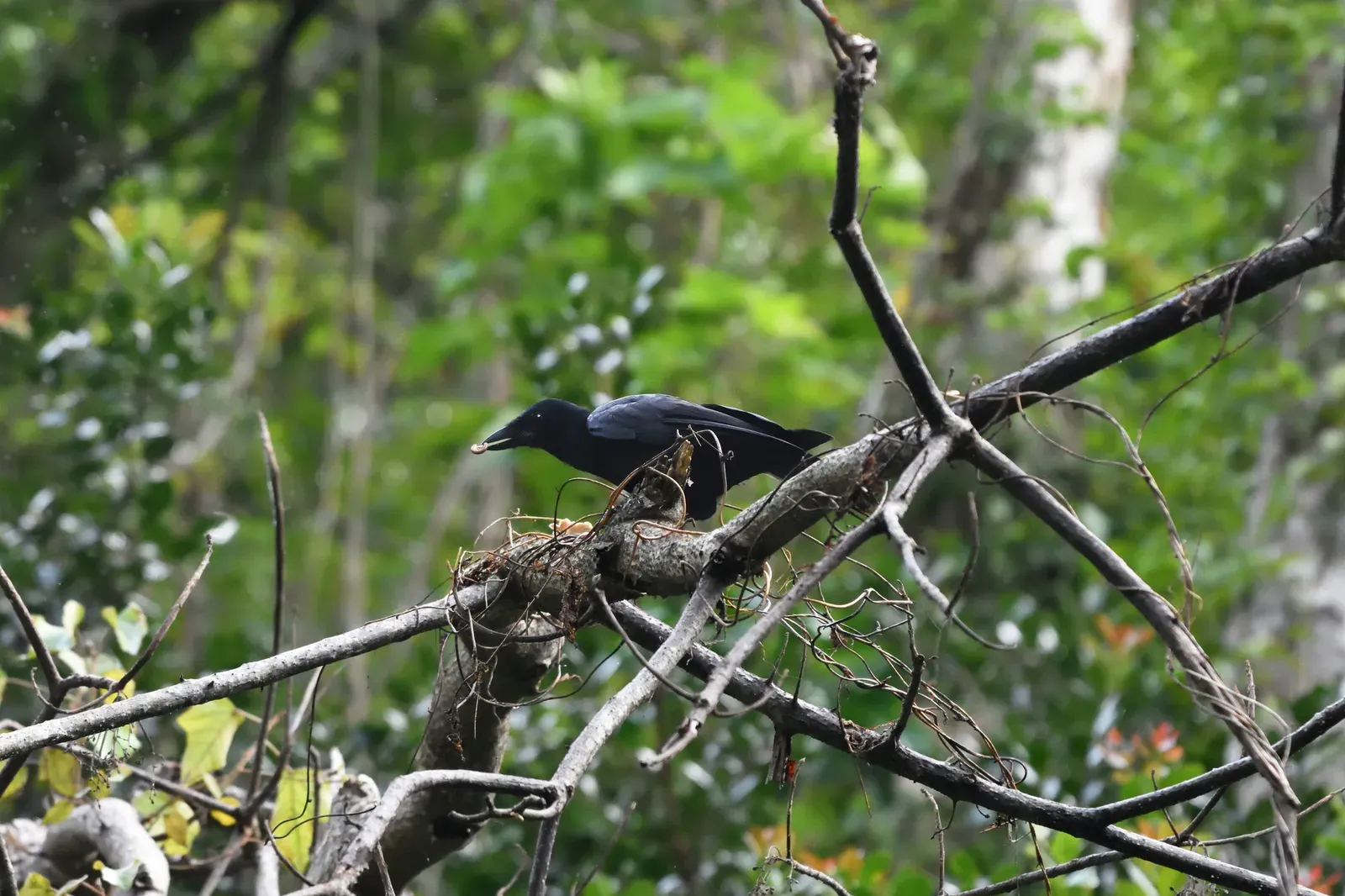
Anecdotes about crows bending wires into hooks or fishing insects out of logs with sticks sounded like one-off genius birds, prodigies rather than proof of anything general. Many scientists suspected cherry-picked stories, since tool use was supposed to be rare and special.
Then controlled studies, especially on New Caledonian crows, changed everything. These crows use twigs, leaves, and even cut-down plant stems as tools, and they modify them into hooked or barbed shapes for better performance. Even wilder, juveniles aren’t born doing this. They watch adults, experiment, and gradually refine their technique, much like human kids learning to handle utensils or devices.
Why It Stands Out
- New Caledonian crows live only on a small chain of South Pacific islands, yet they show some of the most advanced tool skills recorded outside primates.
- In 2002, a captive crow named Betty made global headlines by bending a straight wire into a hook to lift a food bucket out of a tube, with no training to do so.
- Wild crows on the islands independently snip and shape twigs into tiny hooked barbs before ever touching a lab puzzle.
- Follow-up fieldwork found that bending and reshaping tools is a natural part of their everyday foraging, not just a one-off lab trick.
Researchers have documented region-specific “styles” of tool design, transmission of those styles socially rather than genetically, and birds improvising entirely new tools in lab conditions when their usual options were out of reach.
This isn’t just “bird does clever thing once.” It’s cumulative cultural behavior, a body of know-how passed down and tweaked across generations. For years, local reports of “that crow that uses a stick like a fishing rod” were treated like fisherman’s tales. Now we know those scattered stories were the visible tip of a much larger iceberg: corvids running their own miniature technology cultures in the wild.
#7 – Planning for Tomorrow (and Turning Down Food Now)
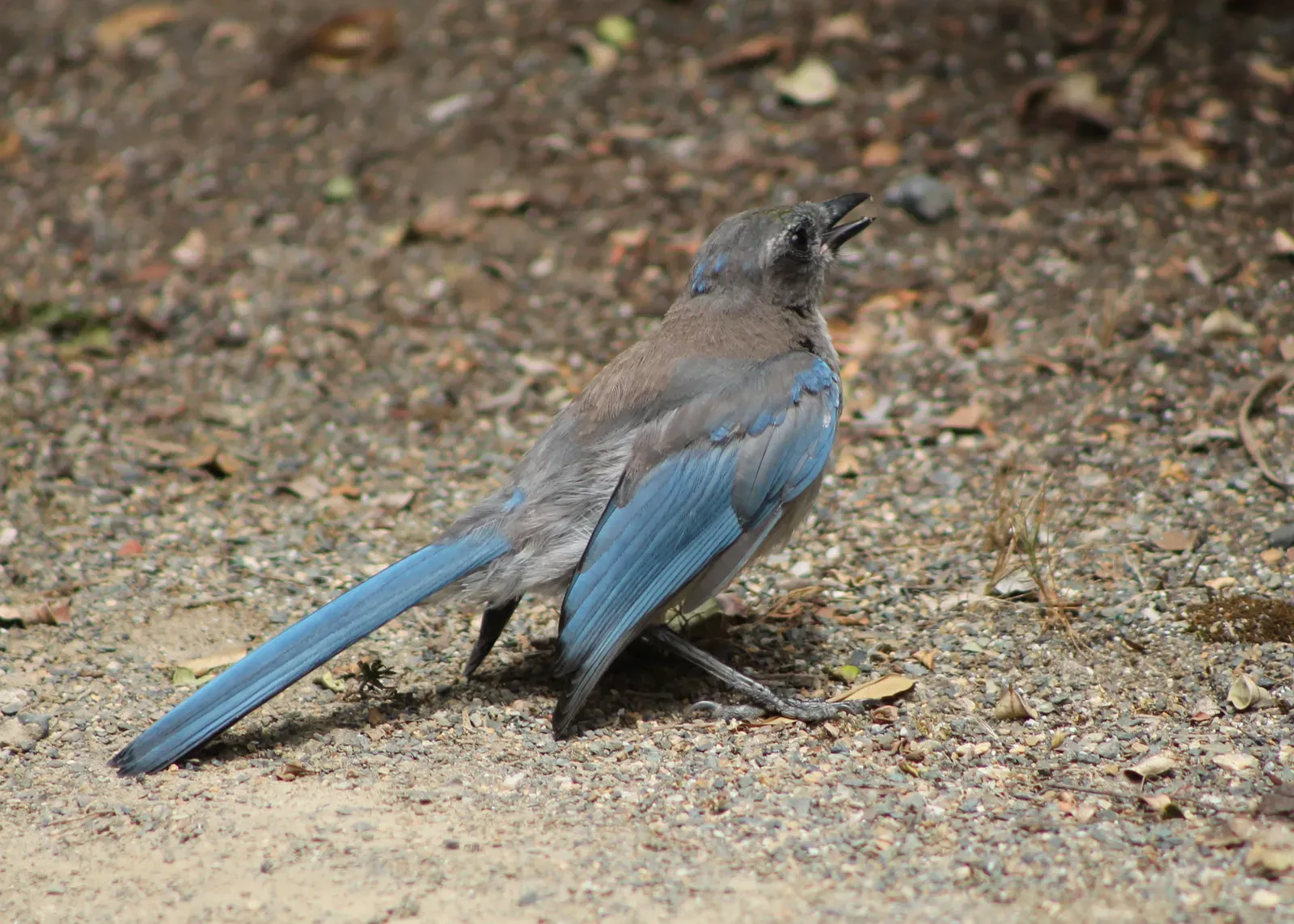
Humans love to believe planning is our thing. When early studies claimed scrub jays cached food based on future needs, like where they’d be hungry later, many scientists shook their heads. Animals live in the now, we were told. Scrub jays, a type of corvid, apparently never got that memo.
In some famous experiments, birds were fed in one room but not another, on a predictable schedule. Later, when given extra food in advance, they stored more of it in the place where they “knew” they’d go hungry tomorrow. That’s not habit; that’s anticipating a specific future state.
Even more humbling: they’ll sometimes skip eating immediately in order to save food for later, a decision most of us fail at with snacks sitting in the kitchen. This ability, sometimes called future planning or episodic-like memory, was long thought unique to humans and maybe a few apes.
The early field reports of “they hide food depending on what will happen later” sounded like wishful thinking. Now we have structured experiments, repeated results, and clear evidence that corvids let tomorrow’s needs shape today’s actions. Not every corvid species has been tested the same way, but the idea that only humans plan ahead quietly crumbled the moment the data caught up with those “suspiciously smart” backyard stories.
#8 – Deceiving, Spying, and Re-Caching to Outsmart Thieves
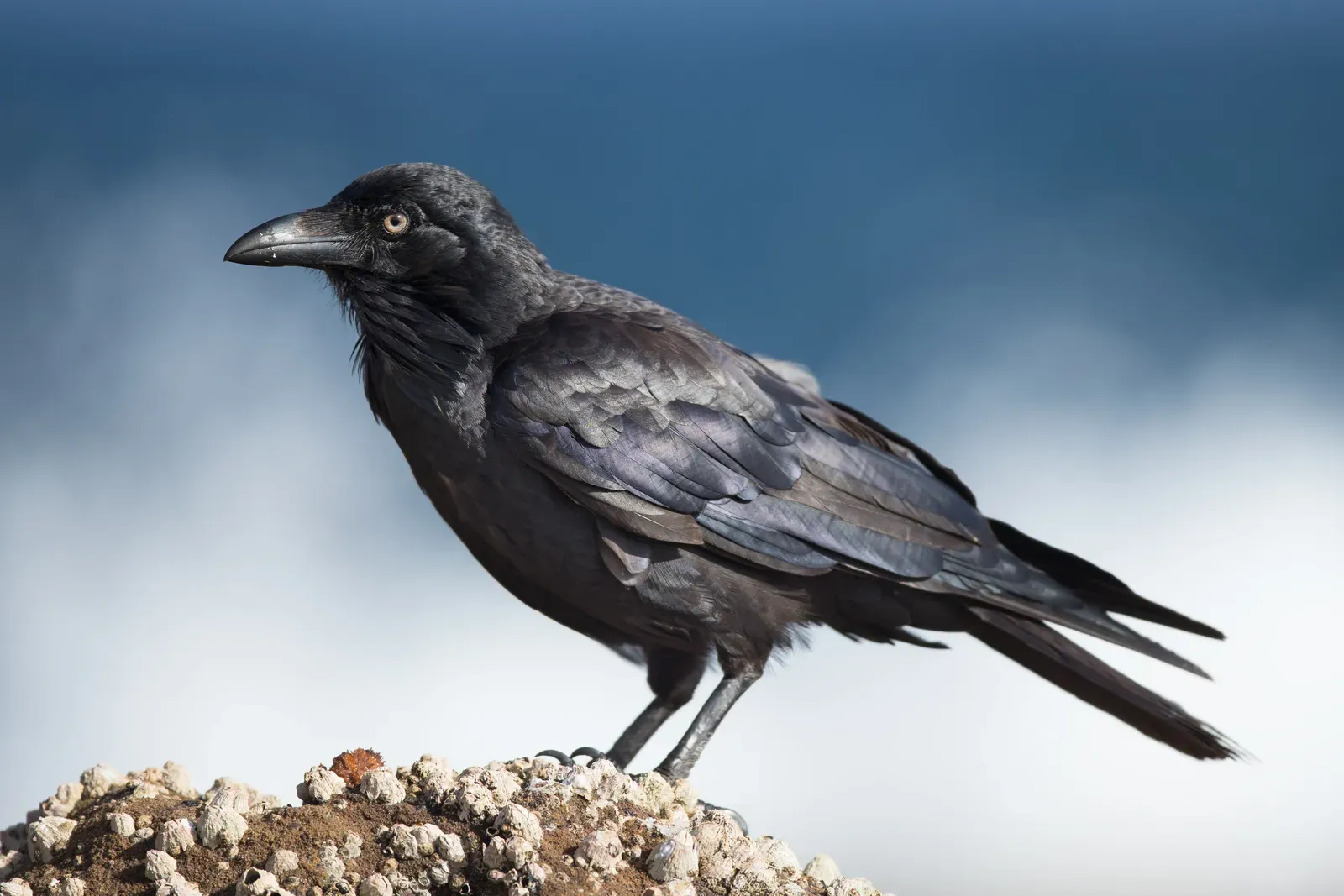
Old-school birdwatchers told stories of jays and crows that seemed sneaky: watching others hide food, stealing it later, or pretending to cache in one spot while secretly using another. For decades, that was dismissed as reading too much into random behavior.
When scientists looked closer, it didn’t look random at all. Corvids that have stolen from others are far more likely to re-hide their own food when they know they’ve been watched. Birds sometimes make fake caches, going through the motions of hiding food in one spot while actually tucking it away somewhere else. They even adjust strategy depending on who’s watching, treating known thieves differently from more trustworthy birds.
That implies two uncomfortable things: they understand that other individuals have independent knowledge, a basic form of perspective-taking, and they use that understanding to manipulate what others see and think.
The birds behave as if they know what the other bird knows.
Nicola Clayton, University of Cambridge
For years, “they’re tricking each other” sounded like cartoon logic. But the science now backs a more unsettling conclusion: these birds live in a social world saturated with espionage, deception, and counter-deception, all anchored in real, testable behavior. If you’ve ever watched a jay bury a nut, glance around nervously, then casually move it once the coast is clear, that’s not you making up a story. That’s a genuine mind-game running right under your nose.
#9 – Solving Multi-Step Puzzles Without Trial-and-Error Flailing
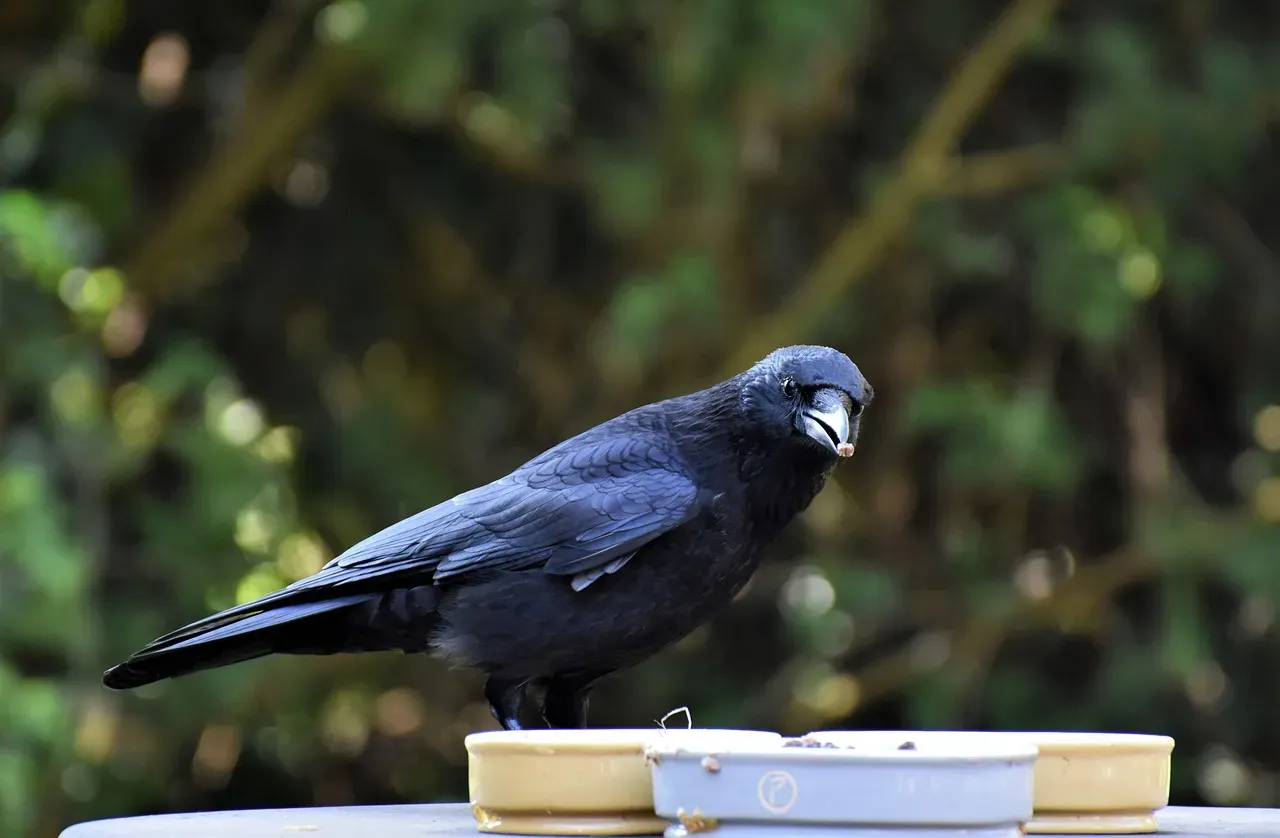
You’ve probably seen the viral clips: a crow moving blocks, pulling strings, dropping stones into water tubes to raise the level, like a real-life Aesop’s fable. For years, anecdotes like “our pet crow opened three different latches to get out” were filed in the same bucket as “my dog understands English.”
Then researchers built standardized puzzles. In some experiments, crows faced tasks like:
- Retrieve a short tool to get a longer tool.
- Use the longer tool to access stones.
- Use the stones to raise water and reach a floating treat.
What shocked researchers wasn’t just that crows eventually succeeded. It was how little random flailing they did along the way. Many birds moved through the sequence in a way that looked remarkably like insight, as if they could “see” the logic of the problem before acting. Other studies showed spontaneous solutions to brand-new puzzles requiring familiar objects combined in unfamiliar ways, a hallmark of flexible intelligence rather than rote training.
Decades earlier, when people insisted “these birds figure things out in a way that feels like reasoning,” it sounded like mushy storytelling. Once you remove the messy backyard context and drop the bird into a controlled setup, that same “mushy” pattern turns into measurable cognitive performance.
#10 – Forming Long-Term Social Alliances (and Political Coalitions)
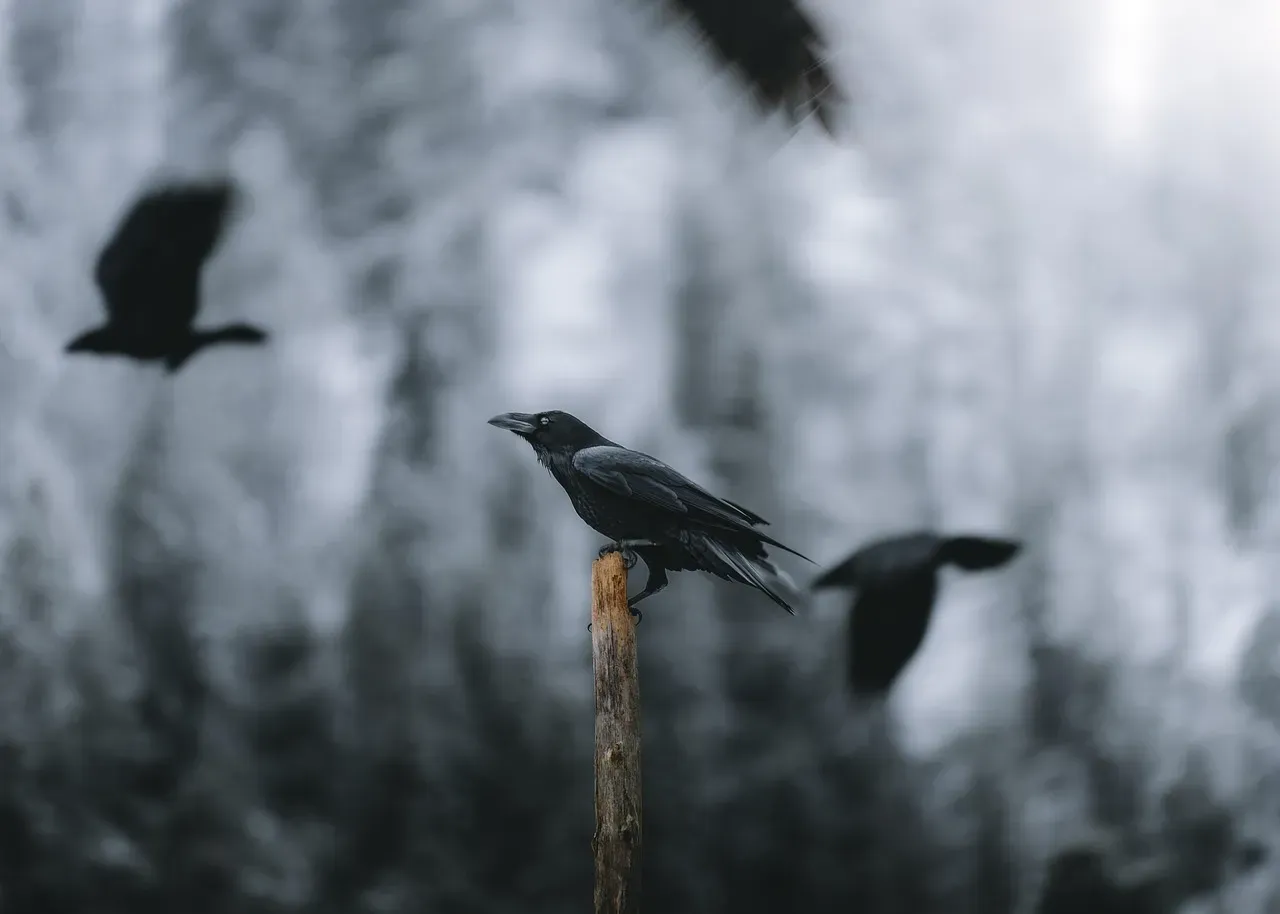
For a long time, the idea that birds, especially non-parrot birds, ran anything like politics was treated as a stretch. Sure, they flock. They pair-bond. But coalitions, long-term alliances between non-mates? That sounded more like wolves or primates.
Yet corvid observers kept reporting weirdly political behavior: certain ravens teaming up to oust a dominant bird, crows consistently cooperating with specific non-family individuals, groups that seemed to reshuffle power over time. More systematic studies, especially in ravens, backed this up. Some individuals form stable alliances with others, helping them in conflicts. Birds monitor third-party relationships, tracking who’s friends with whom, and exploit that information. Coalition partners sometimes reconcile after conflicts in ways that look eerily like social repair.
This goes beyond simple “who’s strongest.” It looks more like a messy, shifting political map where relationship history and loyalty matter. For decades, when field workers said “that raven is basically the power broker of this valley,” they were half-joking and mostly ignored.
Today it’s far harder to argue that language is purely metaphorical. If your definition of politics is who sides with whom when it matters, ravens are undeniably playing the game.
#11 – Inventing Local “Cultures” of Behavior and Passing Them On
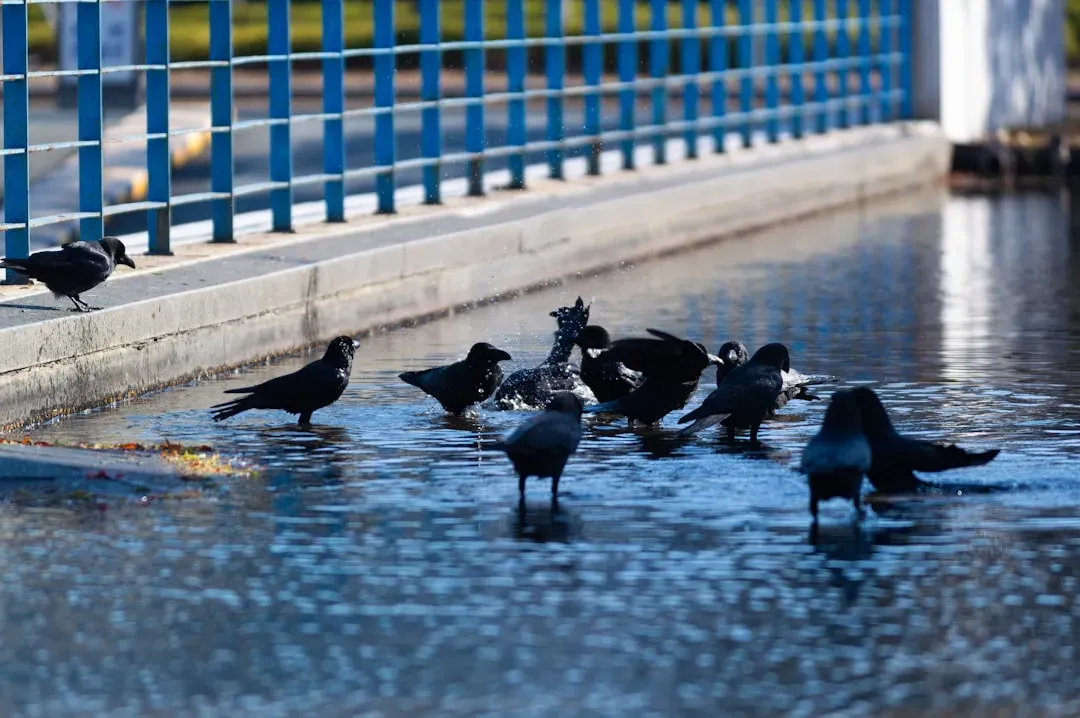
When people said “our crows do X but the ones in the next town over don’t,” it sounded like bad data. Maybe different food sources, or random variation. The idea of bird “culture” was controversial even in primates; applying it to corvids was almost taboo.
And yet, patterns kept emerging that didn’t fit genetics or environment alone. Examples include regional differences in tool shapes among New Caledonian crows even when raw materials are identical, distinct ways of mobbing predators or calling alarms between neighboring groups, and novel behaviors, like opening certain containers or exploiting new food sources, that spread through a population after apparently starting with one or a few innovators.
To qualify as culture, researchers generally look for three markers, and corvids increasingly check all of them.
Quick Compare
- Socially learned: Passed between individuals through watching and copying, not hardwired by genes.
- Stable over time: Persists across generations instead of disappearing when the original bird is gone.
- Geographically variable: Differs from one population to the next, even when food and habitat are nearly identical.
What old-school science dismissed as “random local habits” is now understood as group-specific tradition, maintained by social learning. That doesn’t mean corvid culture looks like human culture, but it absolutely means they aren’t just bundles of instinct. Those people who swore “our neighborhood crows do it differently” weren’t being parochial, they were describing a non-human cultural system in real time.
#12 – Playing, Pranking, and Doing Things That Aren’t “Useful”
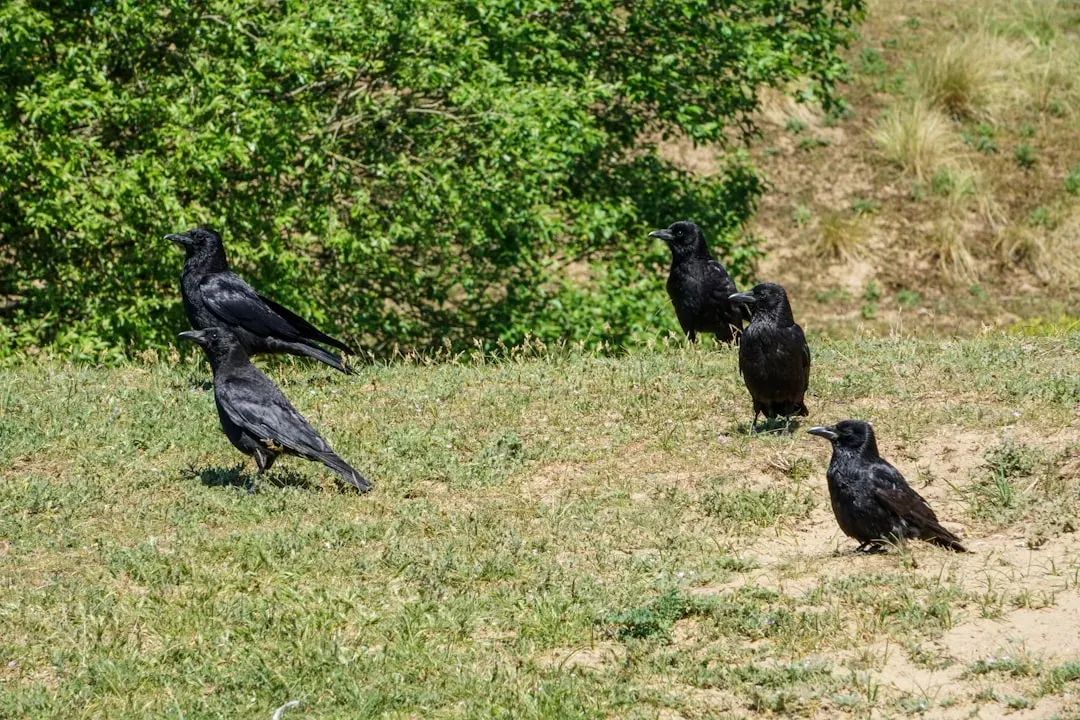
Play was long considered a luxury reserved for a few intelligent mammals. When people said they saw ravens sliding down snowy roofs, crows “snowboarding” on car windshields, or tossing objects back and forth seemingly for fun, it landed as charming but suspicious. What’s the evolutionary payoff of a crow dropping nuts in front of traffic just to watch them crack?
As scientists finally started counting and categorizing these behaviors, they saw juvenile ravens manipulating sticks, feathers, and snowballs with no clear foraging or mating function. Birds invented solitary games, like repeatedly sliding down a smooth surface, and repeated them obsessively, just as human kids do with swings or slides. Social play, chases, mock fights, aerial acrobatics, appeared that didn’t resolve into immediate hierarchy or food access.
Play is a loaded word, but the pattern is undeniable: corvids regularly engage in low-stakes, exploratory behavior that looks like practice, curiosity, and yes, enjoyment.
Critically, many of these behaviors were first spotted and described by non-scientists, farmers, hikers, bored people staring out office windows. For decades, their accounts got mashed into the “cute” bin and forgotten. Now they’re recognized as one more piece of the intelligence puzzle: flexible brains constantly testing, experimenting, and sometimes just messing around.
#13 – Using Human Infrastructure Like a Custom-Built Toolkit
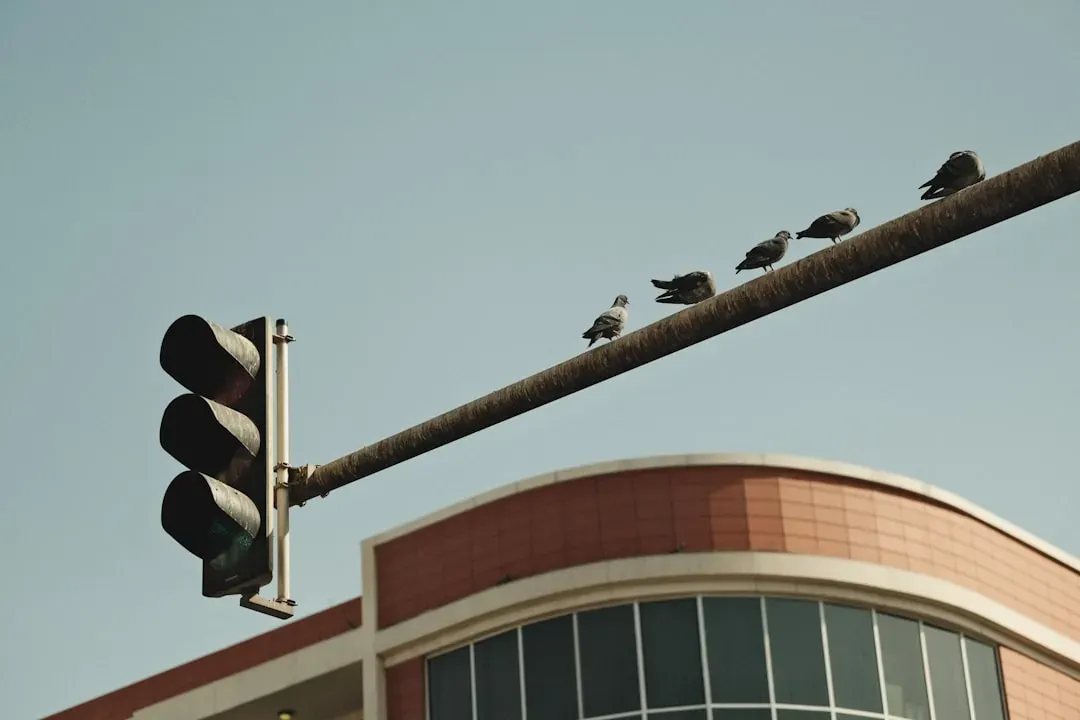
Drivers and city workers have been complaining and laughing for years: “The crows use the crosswalks better than pedestrians.” Or: “They wait for the light to change, drop nuts under cars, then swoop in when traffic stops.” For a long time, these stories were explained away as coincidence or unconscious conditioning. The birds might incidentally figure out that cars crack nuts, but that’s not the same as understanding traffic light timing.
Then detailed studies and time-lapse observations came in. Corvids in some cities drop nuts or shellfish on roads and then wait for specific traffic phases to retrieve the meat. Some use train tracks as cracking tools, returning between trains. Others exploit garbage pickup schedules, following trucks or staking out certain alleys on predictable days.
This isn’t pure instinct. It’s local know-how built from trial, error, and copying more experienced birds. The controversial part is that these patterns shift when human infrastructure shifts. Change the traffic pattern, and over time the birds adjust. Alter garbage schedules, and the crows adapt their routines right along with them.
Those early “they understand the stoplights” stories were probably still a bit generous. But the core claim, that corvids fold our machines and schedules into their own behavioral toolkit, turned out not to be fantasy at all.
#14 – Remembering Individual Humans as Friends, Not Just Threats
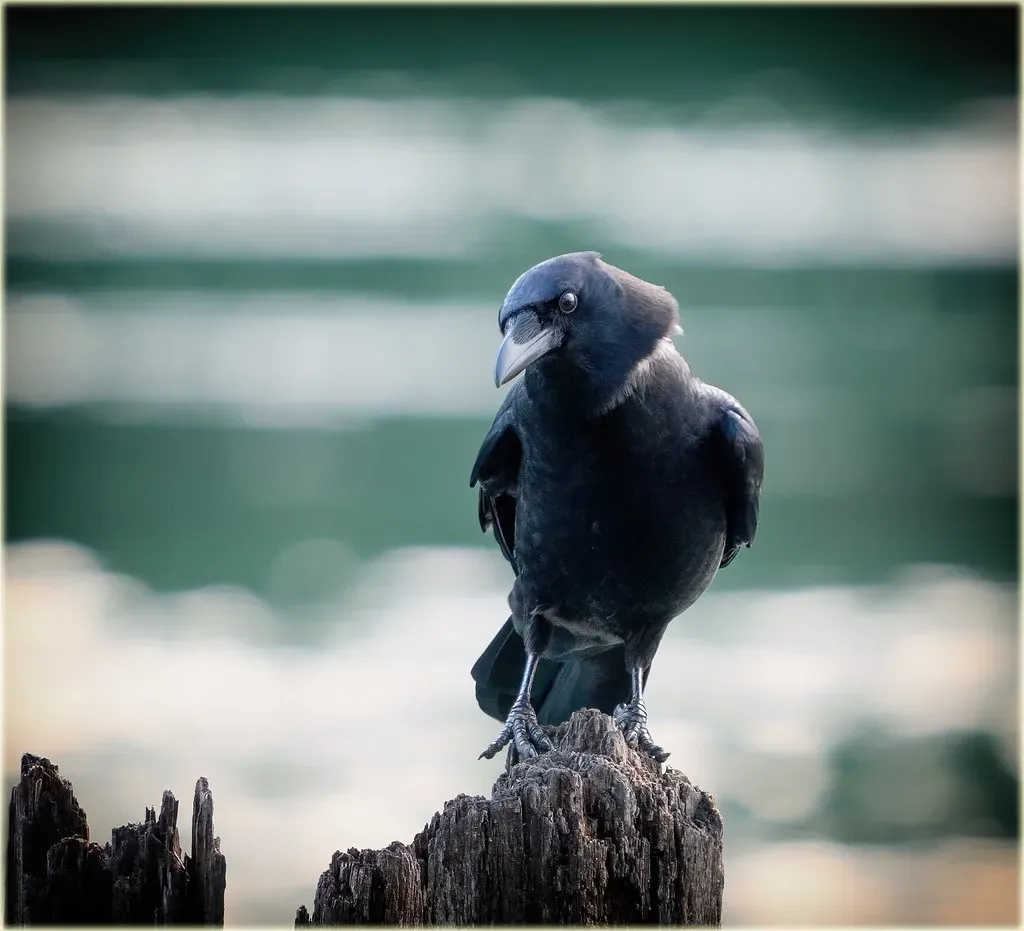
Most of the early science focused on one side of the relationship: crows recognizing dangerous humans. But bird-people insisted on the other side too. “My crows know me. They come when I call. They ignore my neighbors but flock straight to me.” For a long time, that was treated as pet-owner bias. We want to be special, so we imagine the birds feel the same way.
As face-recognition tests expanded, and as careful observations of urban corvids piled up, the friend side became harder to deny. Specific crows or ravens approach certain humans routinely while avoiding others in the very same space. Birds follow known feeders down the street, changing perches to stay nearby. Flight distance and alarm calls gradually shrink around consistent, nonthreatening individuals.
At a Glance
- Crows can tell human faces apart from clothing, gait, or other cues, keying in on the face itself.
- Positive associations with a specific person can last for years, mirroring how long grudges tend to stick.
- Familiar, friendly humans often see shorter approach distances and fewer alarm calls the longer the relationship holds.
- Some birds appear to steer mates or offspring toward trusted humans, treating a person like a dependable food source.
In some cases, birds appear to recruit mates or offspring toward “safe” humans as reliable food sources, just as they do with good foraging spots. Your face becomes, in essence, mapped into their mental landscape as a dependable resource.
This isn’t fluffy Disney magic. It’s the logical flip side of that long-term grievance memory: if they can remember and coordinate hatred, they can just as easily track and act on positive histories. The blunt truth most of us missed is that while we were busy writing them off as noisy scavengers, corvids were quietly slotting us into categories, ally, threat, irrelevant, and treating us accordingly, sometimes for the rest of our lives.
The Bottom Line
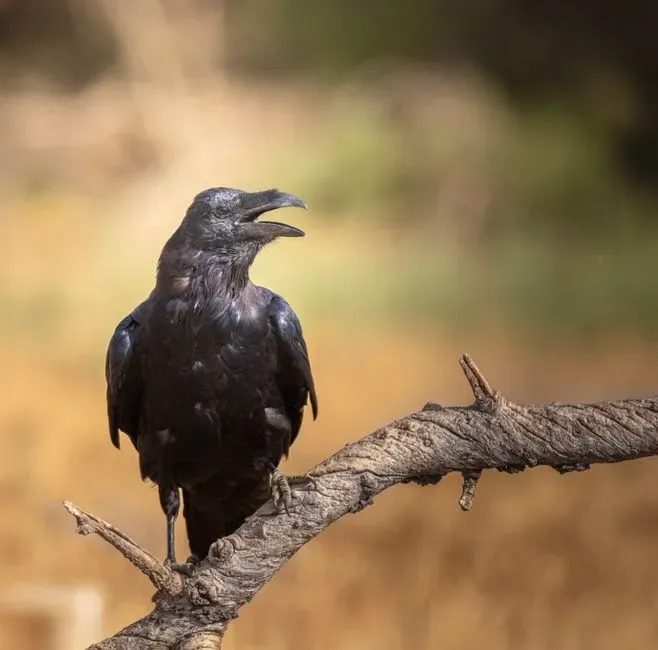
For decades, anyone who said “the crows know me,” or “they’re holding a funeral,” or “they’re planning ahead,” got a gentle pat on the head and a mental note filed under sweet but unscientific. Now, piece by piece, the evidence has flipped that script entirely.
Many of the wildest, most emotional anecdotes about corvids turned out not to be fantasy, but early, messy signals of a mind we badly underestimated. No, they’re not tiny feathered humans. Their motivations, emotions, and inner experience are still mostly opaque to us, and probably always will be.
But the old line, “it’s just a story, don’t read too much into it,” is starting to sound lazy. If anything, the safer bet now is that we’re still underestimating them. So here’s the uncomfortable question worth sitting with: if crows and ravens have been running these complex, social, culture-rich lives right over our heads the whole time, what else in the animal world are we still writing off as “just anecdotes”? Drop your wildest corvid story in the comments, and ask yourself if it might be tomorrow’s confirmed science.