Most people picture tombs as monuments built to be seen – towering pyramids, marble mausoleums, names carved deep enough to outlast empires. The truth is stranger and a lot more paranoid. Some of history’s most powerful rulers, priests, and elites spent staggering fortunes doing the exact opposite: making absolutely sure nobody could ever find their graves, or whatever was buried inside them.
Not treasure hunters. Not rival dynasties. In more than one case on this list, not even their own people were allowed to know. What follows is what archaeologists, ancient texts, and forensic evidence actually reveal about the graves that were never meant to be discovered – and the lengths people went to keep it that way.
#1 – The Hidden Chamber of Tutankhamun’s Tomb (KV62) Before It Was “Famous”
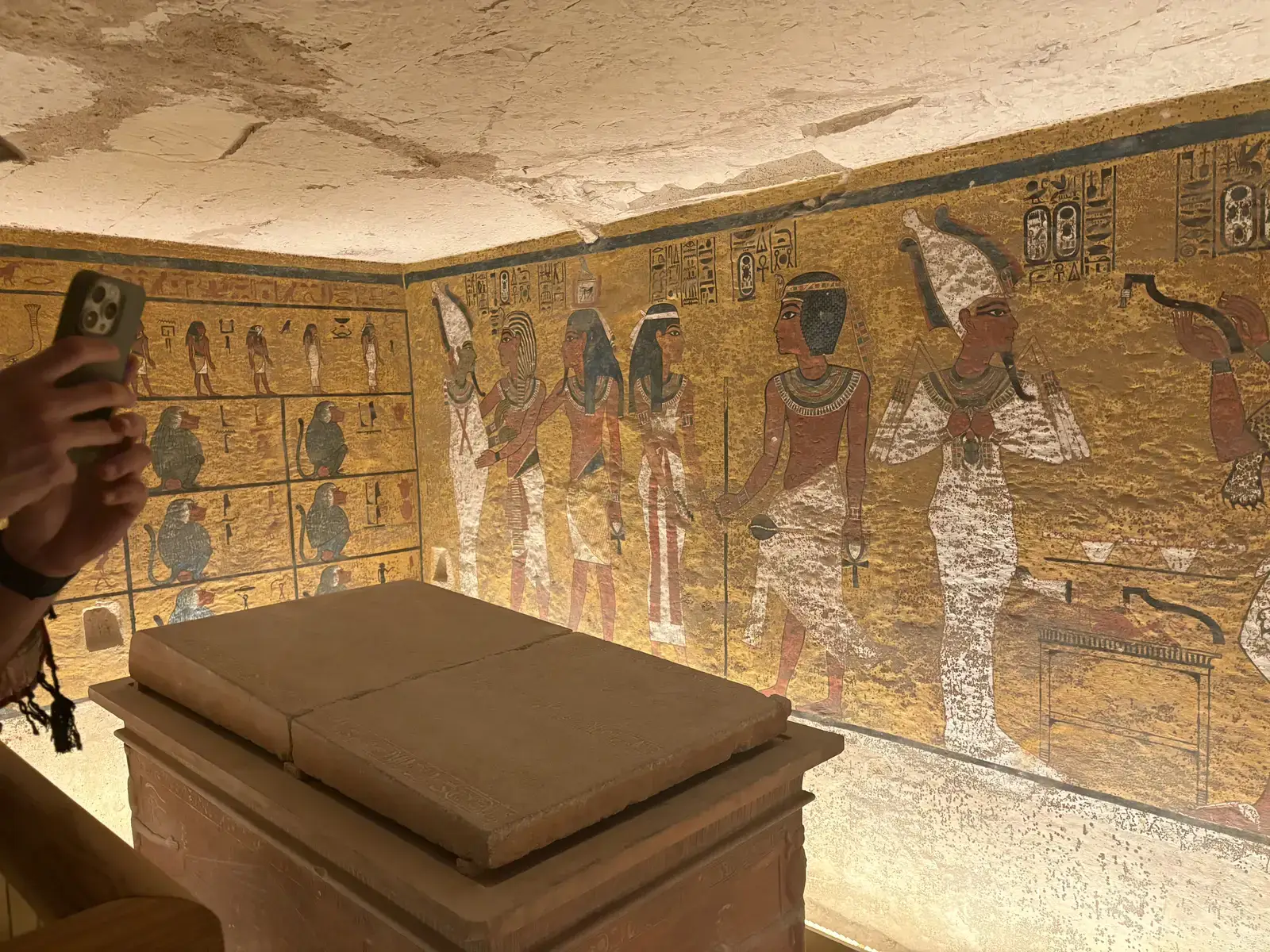
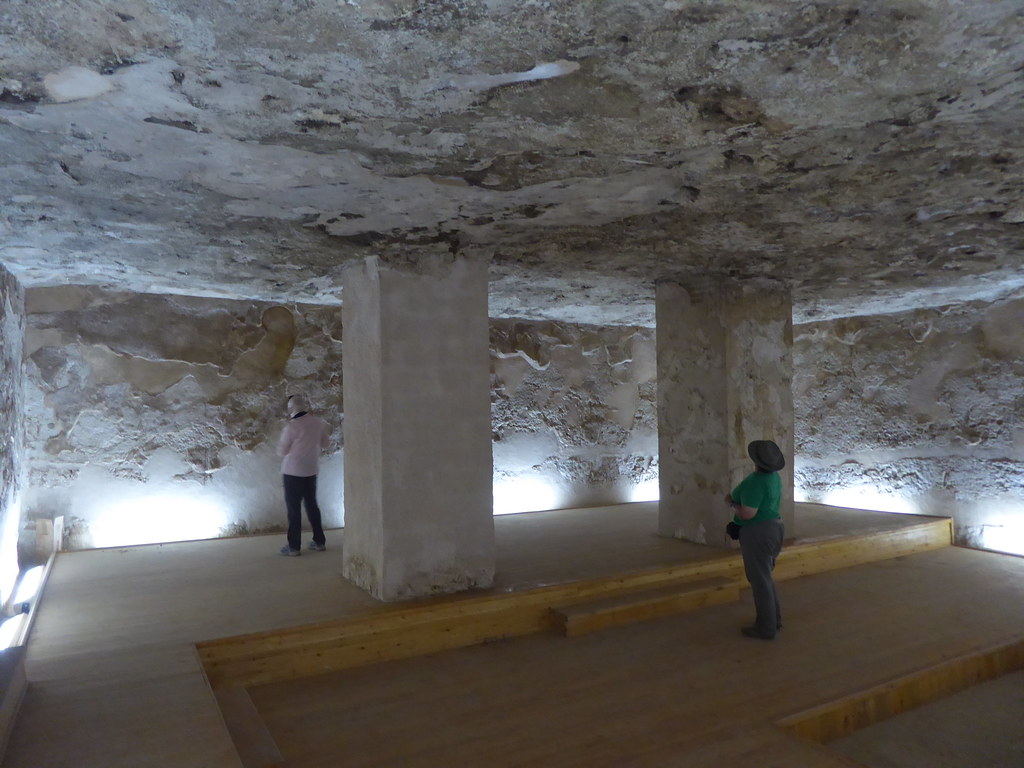
Everyone thinks King Tut is the best-known tomb in Egypt. What gets lost is how aggressively it was hidden long before Howard Carter ever set foot near it. KV62 sits in the Valley of the Kings, but unlike the grand royal tombs around it, this one was tiny, badly located, and almost certainly a rush job. The corridors are awkwardly angled and the walls were plastered and painted in a hurry, evidence most Egyptologists read as a burial for a king who died too young for his real tomb to be finished.
Then comes the part that mattered most. Shortly after the burial, workers cutting new tombs nearby dumped huge piles of limestone rubble and construction debris directly over the entrance, burying the staircase and erasing any obvious trace from the surface. Later, workers’ huts were apparently built over the same patch of ground, quietly turning a sacred entrance into what looked like just another work zone.
No towering shaft. No temple marker. Just an “oops, nothing here” pile of rubble that fooled everyone for over 3,000 years. Every major tomb around it was ransacked by looters. Tut’s survived largely untouched, not because it was better guarded, but because nobody could even find it.
Yes, wonderful things.
Howard Carter, upon first peering into the tomb
#2 – The Disappearing Tomb of Qin Shi Huang, China’s First Emperor
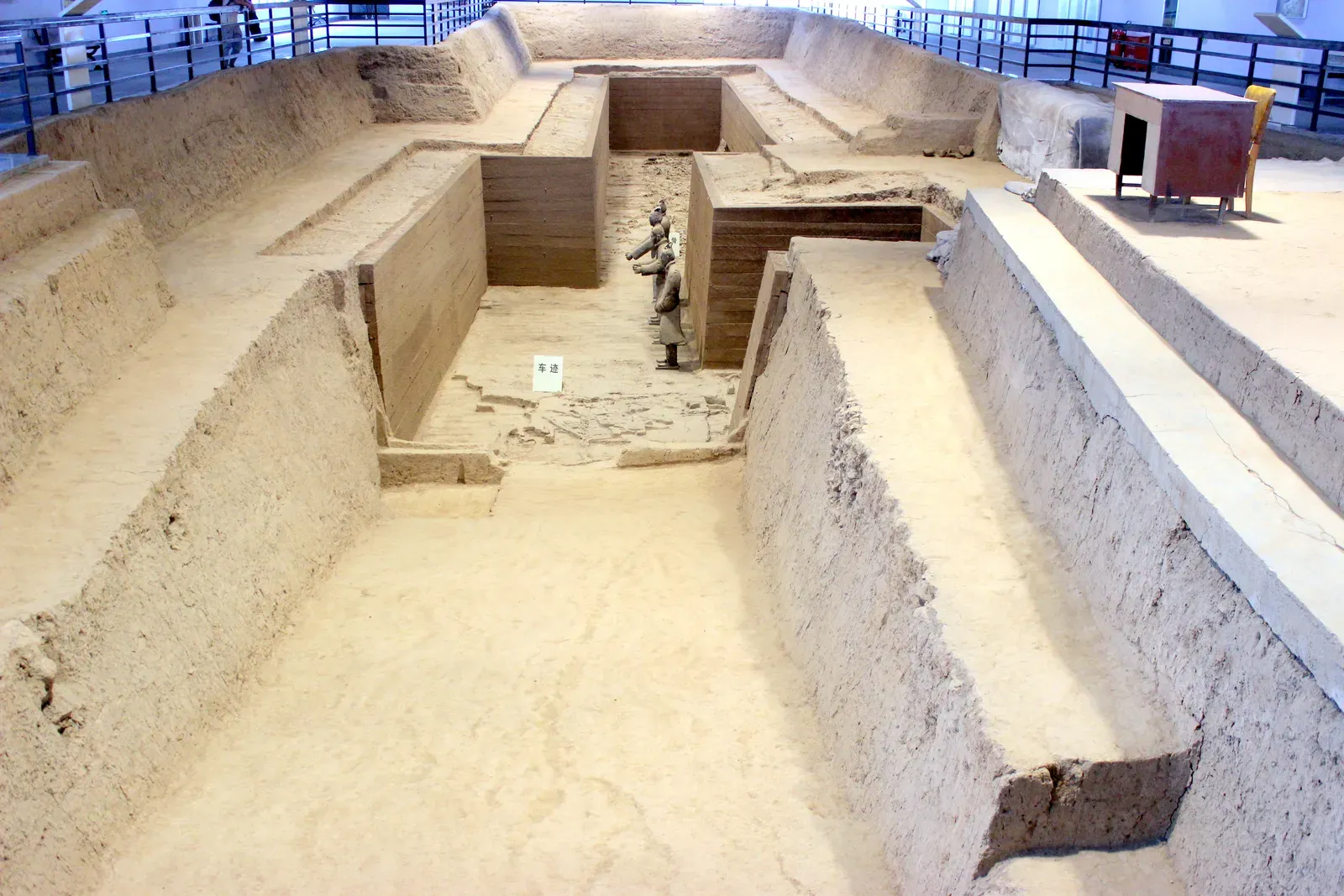
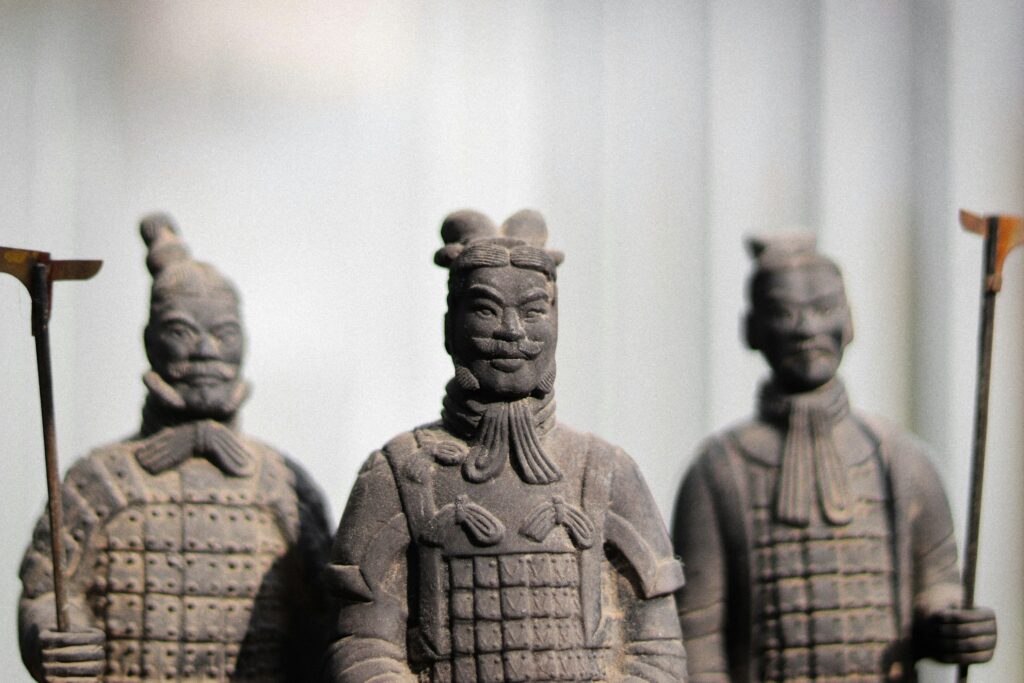
You’ve seen the Terracotta Army in every documentary about ancient China. What most people don’t realize is that the actual tomb of Qin Shi Huang has never been opened – and it was engineered to stay that way. When China’s first emperor died in 210 BCE, he was sealed beneath a man-made mound in modern Shaanxi, inside a complex the ancient historian Sima Qian described as containing rivers of flowing mercury, model palaces, and a ceiling studded with constellations made of precious stones. Modern soil tests around the mound show mercury levels far above natural background, which suggests the ancient account wasn’t exaggerating for effect.
The concealment strategy is the chilling part. Thousands of laborers and craftsmen worked on the project for decades, and according to traditional accounts, many of the people who knew the tomb’s inner layout were killed or sealed inside it so the secret would die with them. Access passages were reportedly rigged with mechanical crossbow traps aimed squarely at anyone who broke in uninvited.
Fast Facts
- Construction reportedly began when the future emperor was still a young king, decades before unification, and continued until shortly after his death in 210 BCE.
- The burial mound near Mount Li in Shaanxi Province still rises roughly 50 meters above the plain and has never been excavated.
- Soil and atmospheric surveys around the mound have repeatedly detected mercury concentrations well above natural background levels, lending scientific weight to ancient accounts of mercury rivers.
- The Terracotta Army was uncovered in 1974 by farmers digging a well and includes an estimated 8,000 soldiers positioned roughly 1.5 kilometers from the sealed tomb itself.
On the surface, the mound was left deliberately plain – just an earthen hill blending into the landscape, no flashy palace, no towering stone pyramid. The famous Terracotta Army sits about 1.5 kilometers away, essentially a decoy zone that has absorbed the world’s attention for decades while the true tomb sits untouched. Chinese authorities still refuse to open it, partly out of respect for its contents, partly because nobody is fully certain what the engineering underneath will do once disturbed.
#3 – The Vanishing Pharaoh: Amenhotep I’s Mummy and Its Second Burial
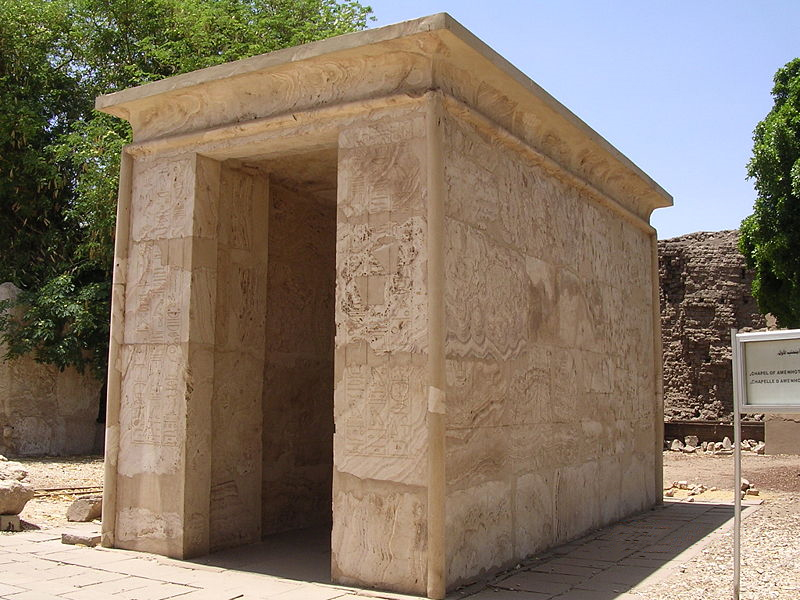
Most pharaohs got one burial. Amenhotep I effectively got two, because priests in the New Kingdom deliberately hid his body all over again. He was originally buried in a royal tomb that, like nearly every other one, eventually drew looters. Centuries later, during a period of economic collapse and rampant grave-robbing, Egypt’s high priests launched a quiet crisis operation: retrieve the pharaohs’ mummies, strip whatever grave goods survived, rewrap the bodies, and hide them somewhere the thieves would never think to look.
That somewhere became the Deir el-Bahari royal cache, a vertical shaft and narrow corridor system cut high into the cliffs. Priests packed dozens of royal mummies into it – Amenhotep I among them – creating something that looks less like a ceremonial tomb and more like a hidden archive of Egypt’s dead kings.
They weren’t just saving bodies. They were sanitizing history. The original tombs were left to decay or mislead, while the true location of the royal remains became a secret known to a tiny inner circle of priests. The cache’s entrance was completely unmarked, disguised among natural rock fissures and debris. Without a 19th-century tip from locals who’d known the secret for generations, modern archaeology might still have no idea where dozens of New Kingdom kings actually ended up.
#4 – The Invisible Tombs of Deir el-Medina’s Own Tomb Builders
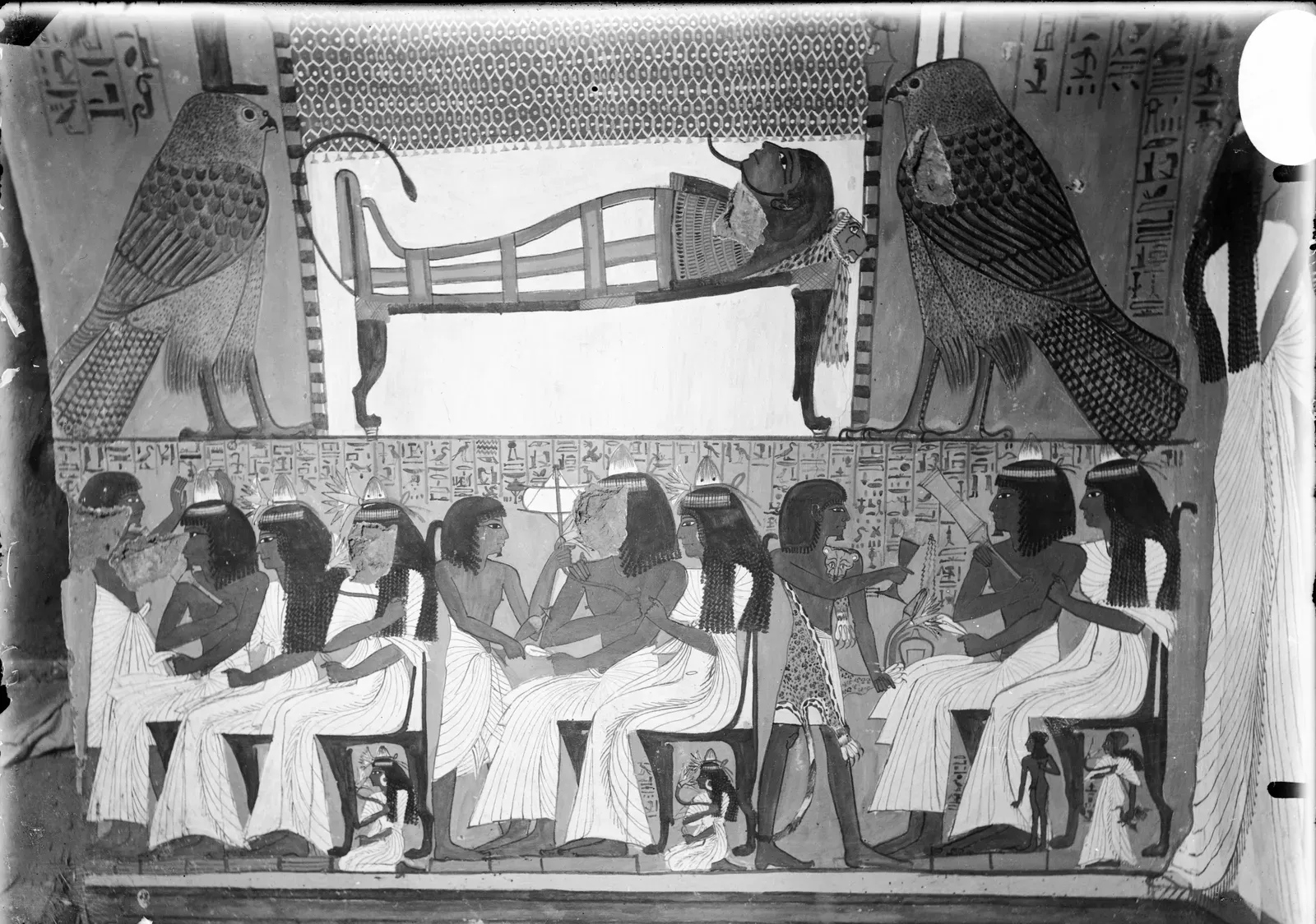
Everyone obsesses over royal tombs, but the people who actually carved them – the elite craftsmen of Deir el-Medina – built some of the most strategically concealed non-royal tombs in Egypt. These artisans were highly paid, literate, and knew every trick in the book of tomb robbery, because they’d spent their careers cutting the tombs thieves would later target. So when it came to their own dead, they got creative.
Family tombs were cut into the cliffs above and behind the workers’ village, their entrances blended into natural fractures and scree slopes. Some shafts were tucked under later house foundations or hidden behind low walls, erasing any obvious marker. Archaeologists have noticed a clear pattern: the more “insider” the tomb owner – scribes, foremen, master carvers – the more elaborate the concealment, complete with false corridors, dog-leg passages, and doorways small enough to walk past without noticing.
There’s also evidence of deliberate misdirection built into the design itself. Some tomb fronts were left plain or modestly decorated, while the richest goods and finest artwork were hidden in side chambers shielded from a casual intruder’s line of sight. Think of it as an ancient security system carved in stone, built by people who’d literally watched thieves work for a living. It worked so well that many of these tombs stayed unknown into the 20th century, overshadowed entirely by the royal finds next door.
#5 – The Sealed Shaft of Djoser’s Step Pyramid, Saqqara
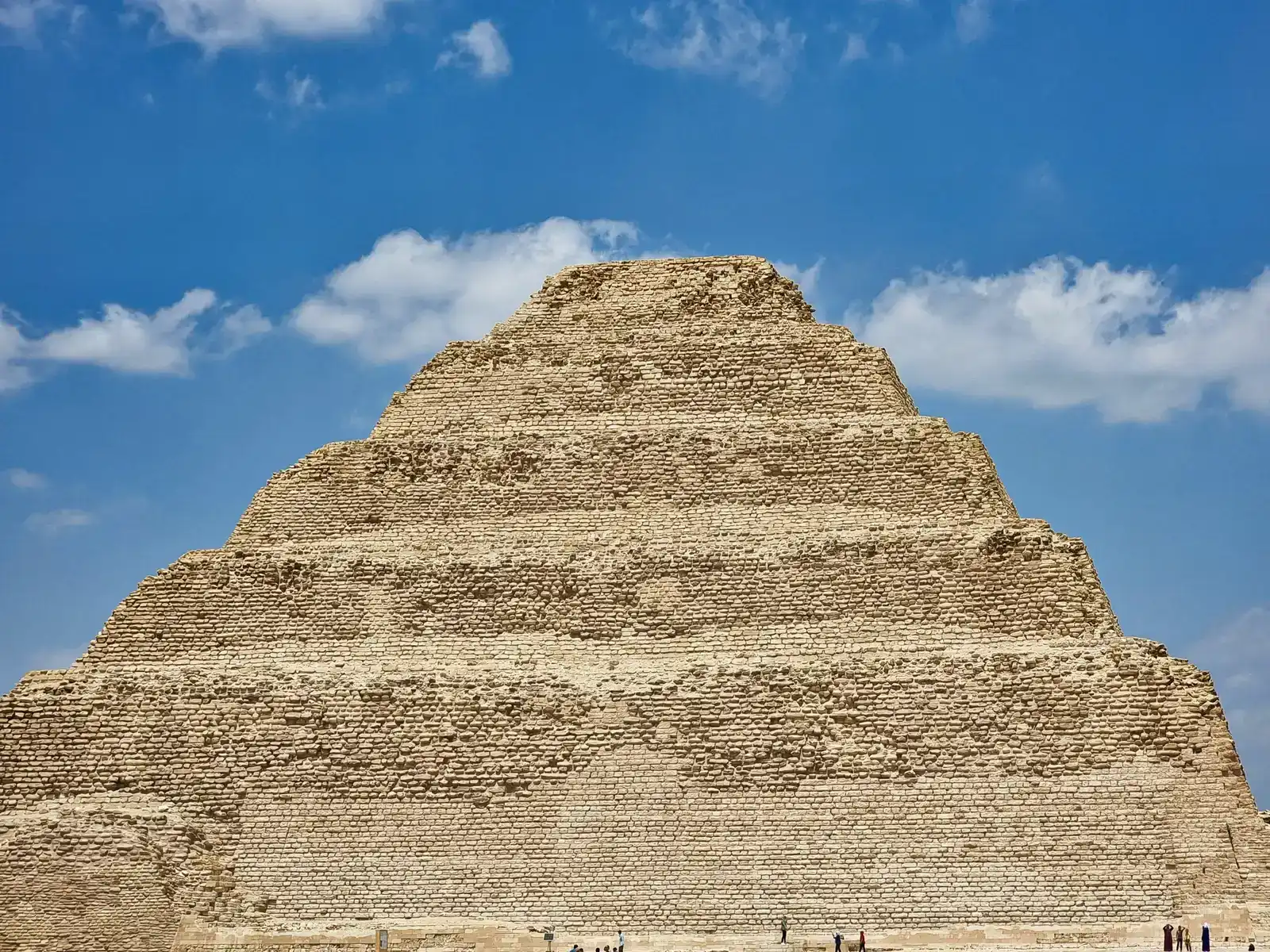
Most visitors to Saqqara snap a photo of Djoser’s step pyramid and move on, never realizing what’s buried beneath it was a masterclass in deliberate concealment 4,600 years ago. Beneath the world’s earliest large-scale stone monument lies a tangle of more than 5 kilometers of tunnels and chambers. The central burial shaft, roughly 28 meters deep, was cut straight into bedrock, then blocked with giant granite plugs slid into place from above – not symbolic gestures, but structural deadbolts meant to be irreversible once engaged.
Surrounding the shaft are decoy rooms and corridors, many beautifully decorated yet completely empty, believed to function as spiritual stand-ins for royal palaces. Any looter breaking in would have faced an overwhelming maze with no obvious payoff. The actual burial chamber sat at the very bottom, sheathed in granite and buried under layers of backfilled passages, with no visible “door” leading to it from the outside.
Priests could still perform rituals for Djoser’s cult through chapels and courtyards at ground level, all without ever exposing the true burial location, even to most of their own temple staff. Modern excavators had to clear enormous quantities of debris just to map the layout. The strategy was simple and brutal: bury the real tomb in so much architectural noise that, practically speaking, nobody could ever separate the fake from the genuine article.
#6 – The Lost Tomb of Nefertiti: Built to Vanish on Purpose
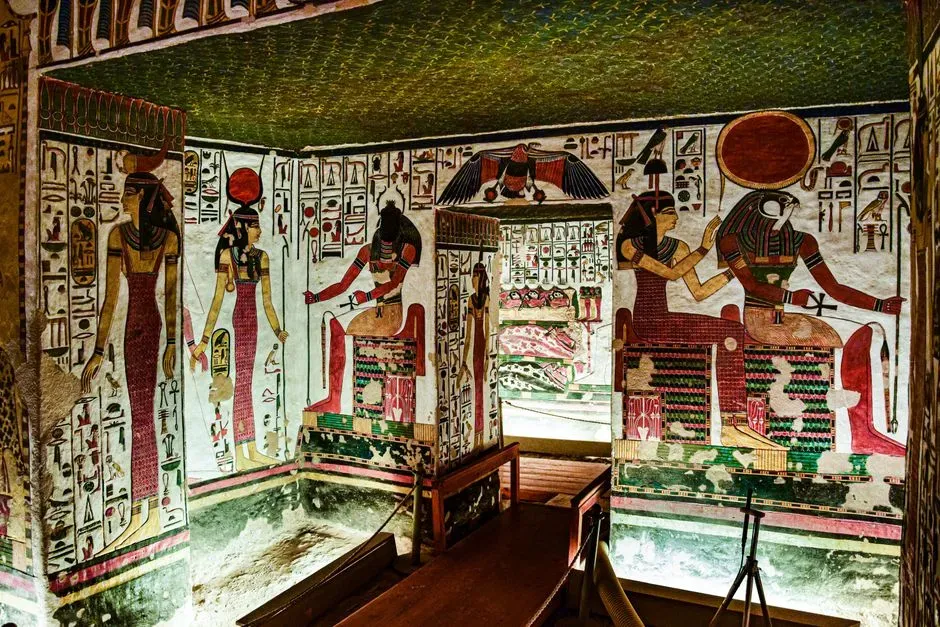
Here’s where things get genuinely controversial: Nefertiti’s tomb has never been conclusively identified, and that may be exactly what her inner circle intended. Nefertiti, the famously depicted wife and possible co-ruler of Akhenaten, disappears from the historical record in a swirl of religious and political upheaval. After Akhenaten’s radical Aten cult collapsed, the royal court shifted back to Thebes and the old gods, and later rulers had powerful incentives to erase the entire heretical episode – including its most iconic queen.
Some Egyptologists argue she was buried at Amarna and later moved. Others suspect an undiscovered chamber still waits somewhere in the Valley of the Kings. One provocative theory even suggests her burial may be hidden behind still-unopened walls in an existing tomb, controversially including within or beyond Tutankhamun’s own. Ground-penetrating radar has produced ambiguous anomalies over the years – nothing that counts as proof, but enough to keep the debate loud.
Quick Compare: Where Could Nefertiti Really Be?
- Amarna, then relocated: She was possibly buried first at the abandoned city, then quietly moved once the court returned to Thebes.
- An unopened Valley of the Kings chamber: Some researchers believe a sealed room among the valley’s known tombs still holds her remains.
- Hidden inside Tutankhamun’s tomb: The most debated theory points to possible chambers behind KV62’s painted walls.
What isn’t debated is the motive. Concealing both her burial place and much of her imagery would have been politically useful to the regime that came after her. Her name was systematically hacked off monuments; records were re-edited to erase her role. If her tomb was built or reworked during that backlash, its entire purpose may never have been display at all – just quiet, permanent disappearance.
#7 – The Secret Tombs of Ur’s Royal Cemetery, Mesopotamia
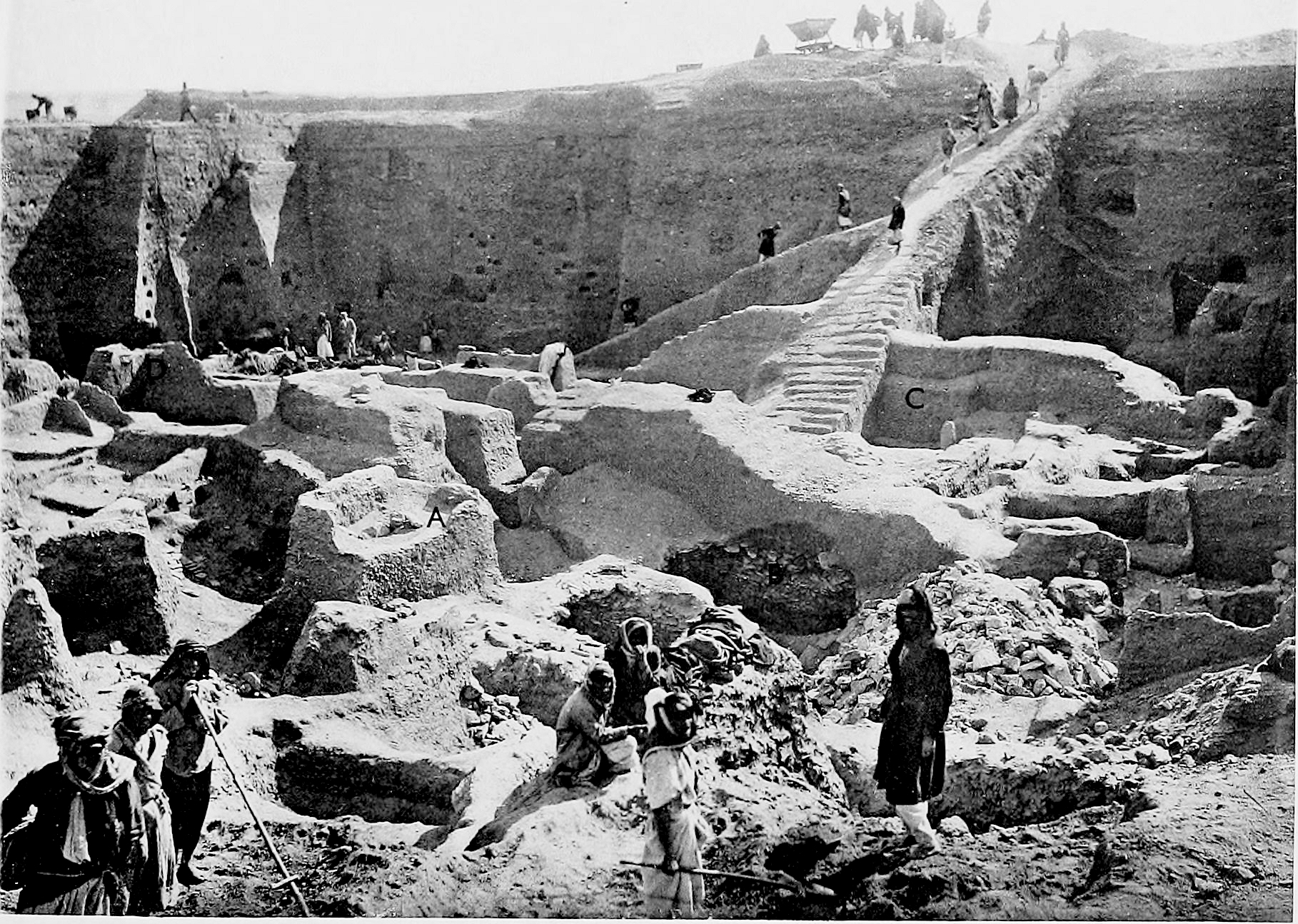
Long before Egypt’s New Kingdom, people in ancient Mesopotamia were already experimenting with burial secrecy, and the Royal Cemetery of Ur hides a darker twist than most people realize. Excavated in the 1920s and 30s, the cemetery contains around 16 so-called “royal” tombs scattered among hundreds of simpler graves. Some are essentially death pits: a central burial chamber reached by a ramp, surrounded by the bodies of attendants, soldiers, and musicians.
Gold, lapis lazuli, and elaborate headdresses grabbed the early headlines, but the architecture tells a quieter story. Several of the richest tombs have stone-lined chambers set below the surrounding ground level, then covered entirely with mudbrick and fill. Once the access ramps were backfilled, there would have been no clear marker left on the surface at all – the funerary spectacle happened above ground, while the actual burial vanished beneath later leveling.
The real concealment weapon, though, was human sacrifice. Attendants buried alongside their ruler weren’t just loyal companions – they were security. Once sealed inside a chamber together, there was no living insider left to reveal the layout, location, or contents. The royal dead were protected by the permanent silence of the people buried around them. Looting still happened over the centuries, but the pattern holds: the more sunken and structurally complex the tomb, the less likely it was ever fully cracked open.
#8 – The Erased Tombs of Akhenaten’s Abandoned City at Amarna
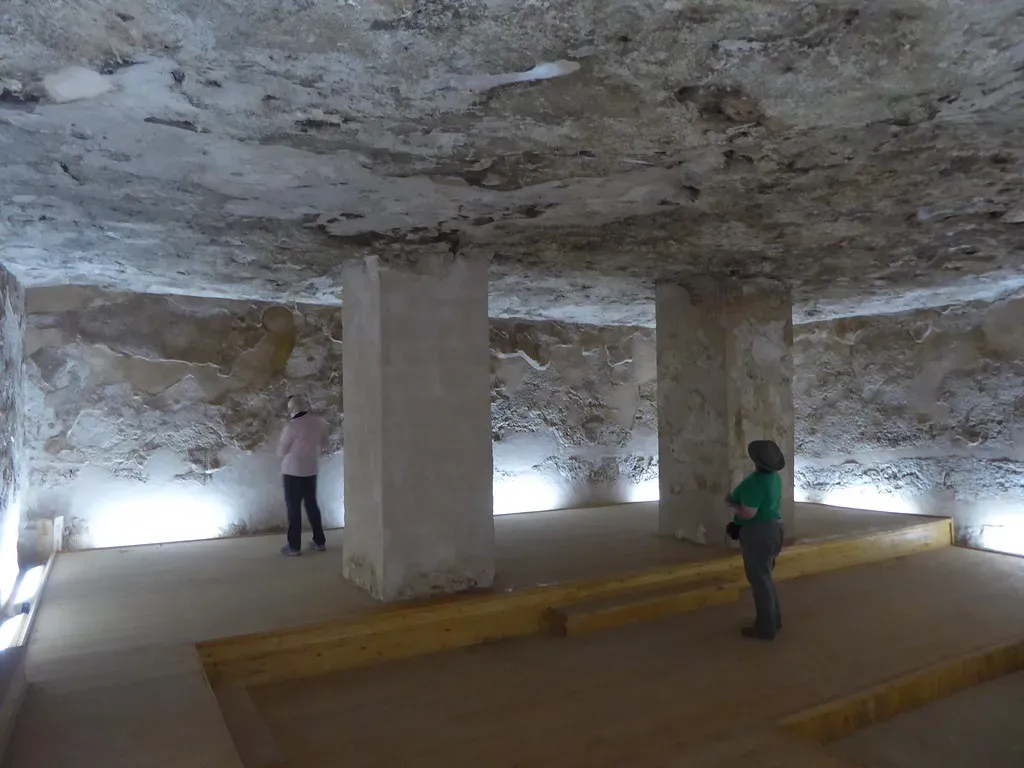
Akhenaten’s short-lived capital, Akhetaten, is famous for its radical religion, but less discussed is how deliberately isolated its elite tombs were built to be. Instead of clustering tombs near a traditional necropolis, Akhenaten ordered rock-cut tombs for himself and his officials carved into desert cliffs east of the city, reached by access roads that climb barren, waterless wadis far from any daily foot traffic.
After Akhenaten’s death, the city was abandoned outright, its temples dismantled and the stone hauled off for reuse elsewhere. The tombs, cut into relatively soft limestone, suffered from erosion and deliberate defacement, and crucially, there’s little evidence of any long-term cult activity ever returning to maintain them. Without priests coming back regularly, the entrances would have filled quietly with wind-blown sand and rockfall within a generation.
Some inscriptions show clear signs of systematic campaign damage, with Atenist imagery chiseled out and names scraped away entirely. Geographic isolation, political hostility, and natural infill combined into one of antiquity’s most effective examples of state-sponsored erasure – tombs built for a cult that later rulers actively wanted the world to forget.
#9 – The Hidden Rock-Cut Tombs of Petra’s Less Famous Dead
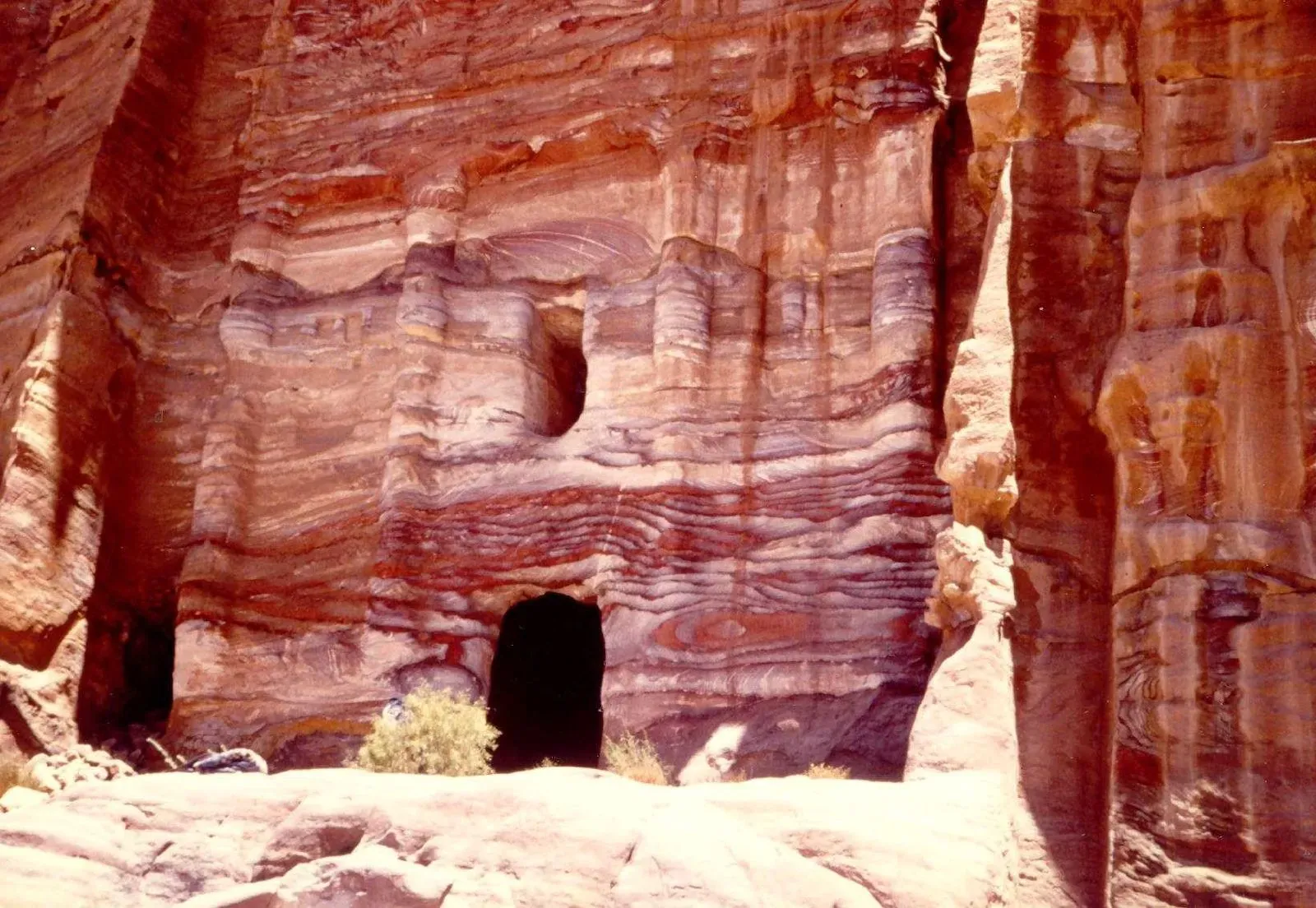
Petra in Jordan is Instagram-famous for one monumental facade, Al-Khazneh, the Treasury. But the people who actually lived and died there left behind hundreds of tombs meant to blend into the rock, not dominate it. The Nabataeans carved both showpiece facades and deliberately quiet, background burials into the sandstone cliffs, and archaeologists have catalogued small, irregular tomb openings tucked into side valleys, high cliff faces, and partially concealed ledges – some so eroded they read as natural cavities from a distance.
Why It Stands Out
- Many smaller tombs have sparse or no exterior decoration, even when their interior niches and benches suggest a genuinely high-status burial.
- Reaching some entrances requires awkward climbs along narrow ledges and routes now barely visible – never meant for casual traffic.
- Several complexes hide their real burial chambers behind squeezed passages or secondary doorways, well past an easily accessed “front” room.
- Hundreds of these quiet tombs surround Petra’s one iconic facade, yet most visitors never realize they exist.
Petra’s tourist branding makes everything look grand and obvious, but a quiet architecture of hiding runs parallel to those famous facades – proof that not every elite Nabataean wanted their resting place to be a public statement.
#10 – The Concealed Shaft Tombs of Western Mexico
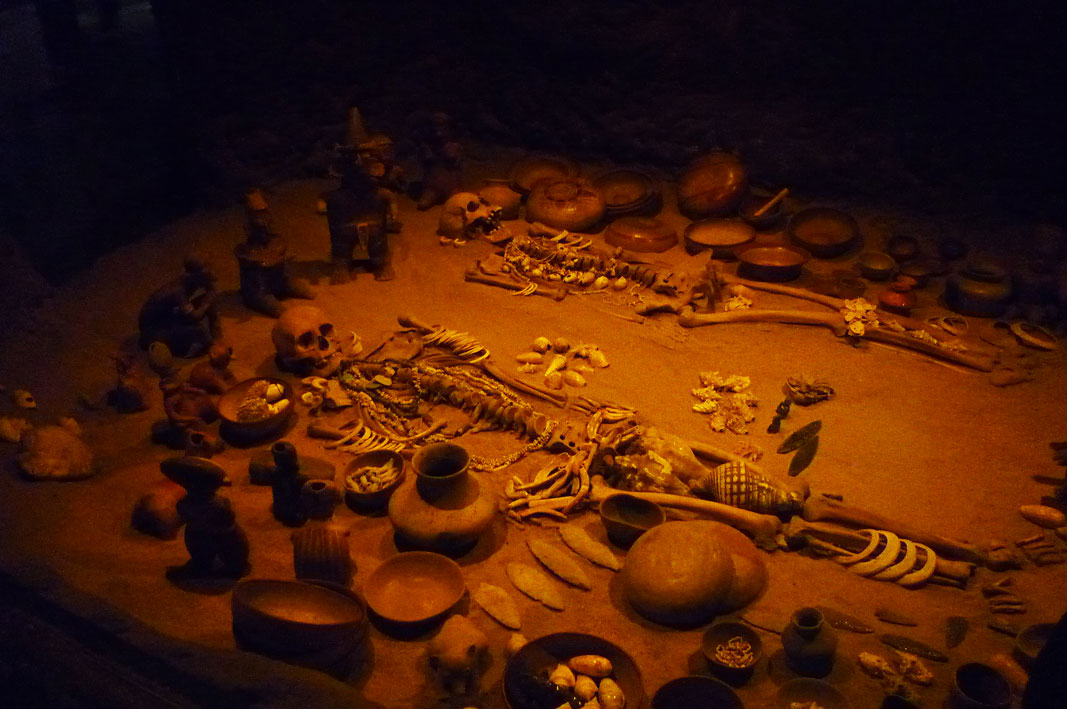
If you need proof that burial concealment wasn’t just an Old World habit, look at the shaft tomb tradition of western Mexico, roughly 300 BCE to 400 CE. Found in modern Jalisco, Nayarit, and Colima, these tombs typically consist of a narrow vertical shaft – sometimes 5 to 20 meters deep – dropping down to one or more side chambers. After burial, the shaft was backfilled with earth and rock, and any surface marker was minimal at best, later erased entirely by ordinary domestic construction built right on top.
Archaeologists have repeatedly noted that a finished shaft tomb site is essentially invisible from ground level. In many cases, houses or entire villages were built directly over these graves, meaning the living literally walked over their ancestors every day without a single obvious marker to give it away. Whether that reflects sacred proximity or intentional misdirection, the practical effect was identical: tombs that no wandering stranger or opportunistic looter could ever stumble onto by accident.
Inside, though, the burials were anything but humble. Many held multiple individuals along with striking ceramic figurines depicting families, warriors, ballplayers, and ritual scenes. Wealth was buried deep in the earth, sealed away in spaces only insiders could ever have reached in the first place. The tradition faded out before Spanish contact, but the engineering left behind is unmistakable evidence of people who worked hard to keep their dead out of reach.
#11 – The False Doorways and Hidden Vaults of Mycenaean Greece
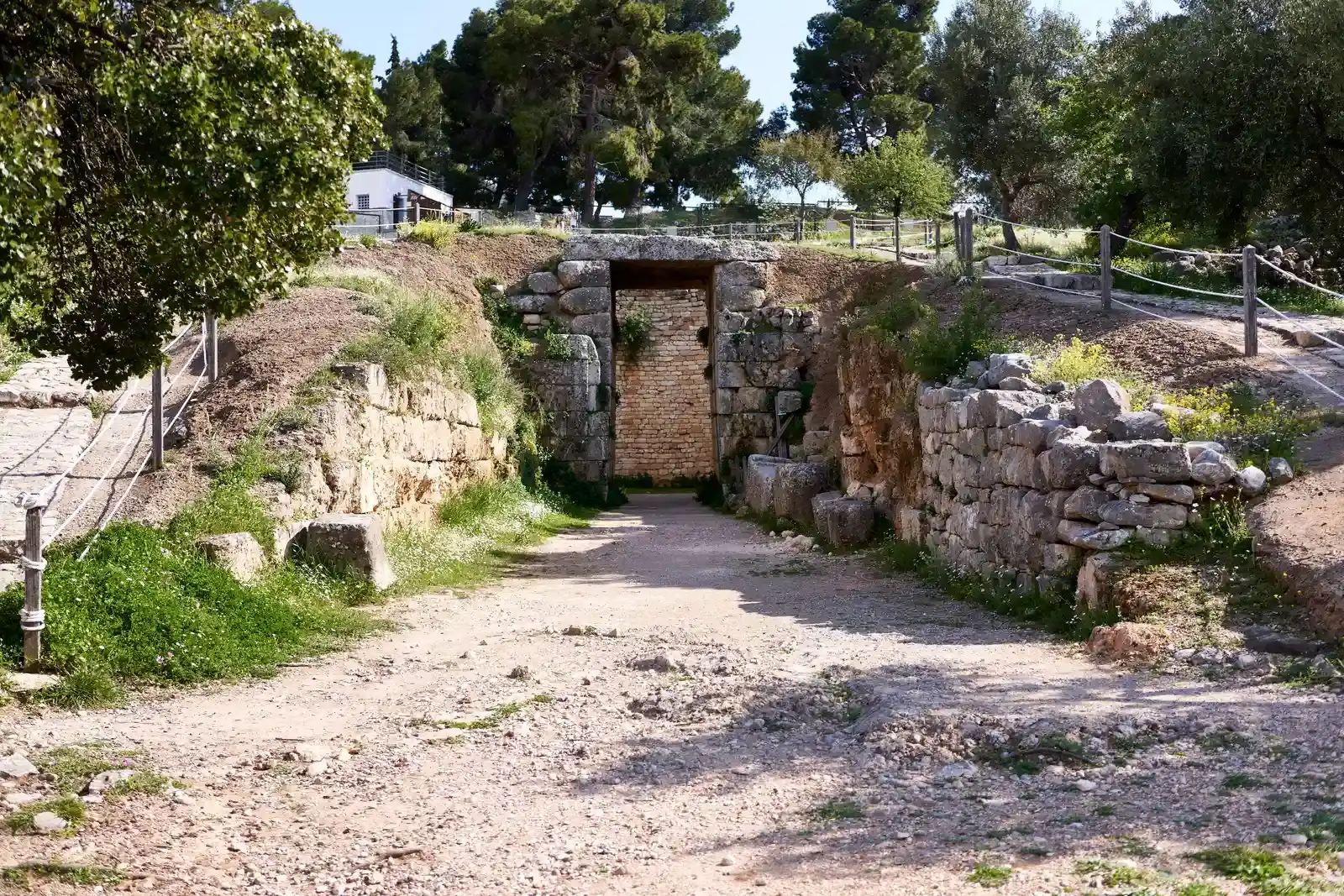
When people picture Greek tombs, they imagine open cemeteries and marble grave markers standing in plain sight. Mycenaean elites turned burial into something closer to a game of architectural misdirection. The classic example is the beehive-shaped tholos tomb: a long entrance passage cut into a hillside leading to a circular chamber capped by a high corbelled roof. Many of these grand entrances were originally sealed with massive stones and then buried under earth, making the hillside look completely natural from a distance.
Some tholoi were reused across generations, with earlier burials pushed aside or cut into the floor while later ones took center stage. Archaeologists have even found secondary burial niches hidden beneath removable slabs – almost like safes tucked inside a much larger, more obvious tomb. More intriguing still are the so-called “false doorways,” blocked side passages built to lead nowhere, apparently designed to confuse any looter who assumed a weak point in the wall meant treasure on the other side.
Tourists rave about the grand facade of the Treasury of Atreus at Mycenae, but several experts argue that facade was always the least important part. The real security was the way earth and stone quietly erased the tomb’s presence from anyone who wasn’t specifically told where to look.
#12 – The Intentionally Unmarked Graves of Early Christian Martyrs
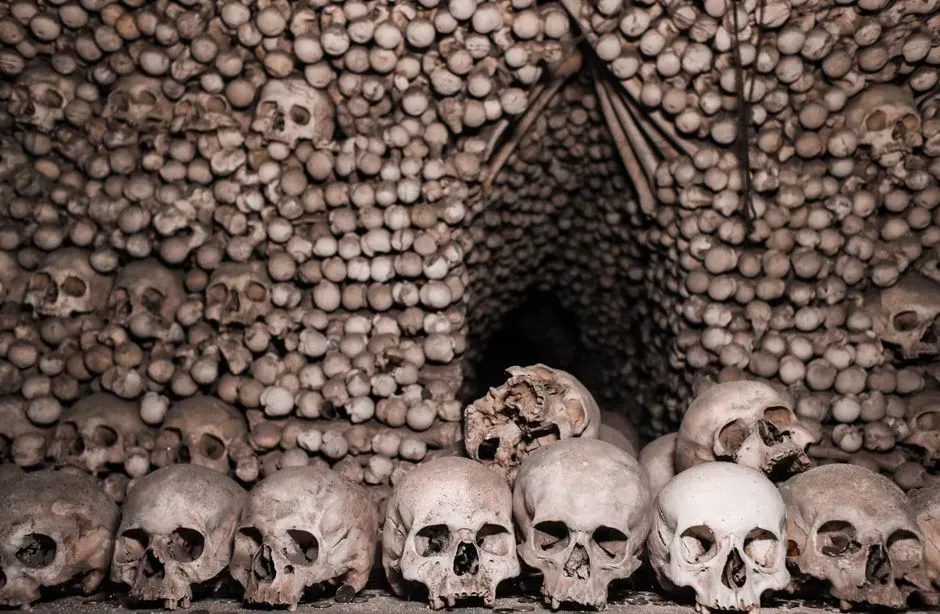
It sounds strange today, but in Christianity’s earliest centuries, some of the most venerated dead were deliberately buried in ways designed to hide them from hostile eyes. Before the religion gained legal protection in the Roman Empire, gathering openly at a martyr’s tomb could get a community killed. During periods of persecution, believers appear to have hidden their dead in catacombs and underground chambers whose entrances were disguised within ordinary cemeteries or private property.
A nondescript grave marker on the surface could conceal a shaft or stairway leading down to cramped burial galleries below. Names and stories were often passed along orally within the community rather than boldly carved into stone. Inside, paintings and symbols on the burial niches could quietly signal a martyr or revered bishop to those in the know; outside, the same site looked like any other ordinary family plot.
Once Christianity was legalized, many of these hidden sites exploded into full shrines, with churches built directly above and crypts thrown open to public devotion. Ironically, by then some of the original burial locations had grown so obscure that later believers weren’t always certain which bones belonged to which saint, sparking competing claims that echo to this day. What tourists now see as open catacombs began life as camouflage, using the ordinary burial landscape itself as protective cover.
#13 – The Tomb That Must Never Be Found: Genghis Khan’s Legendary Burial
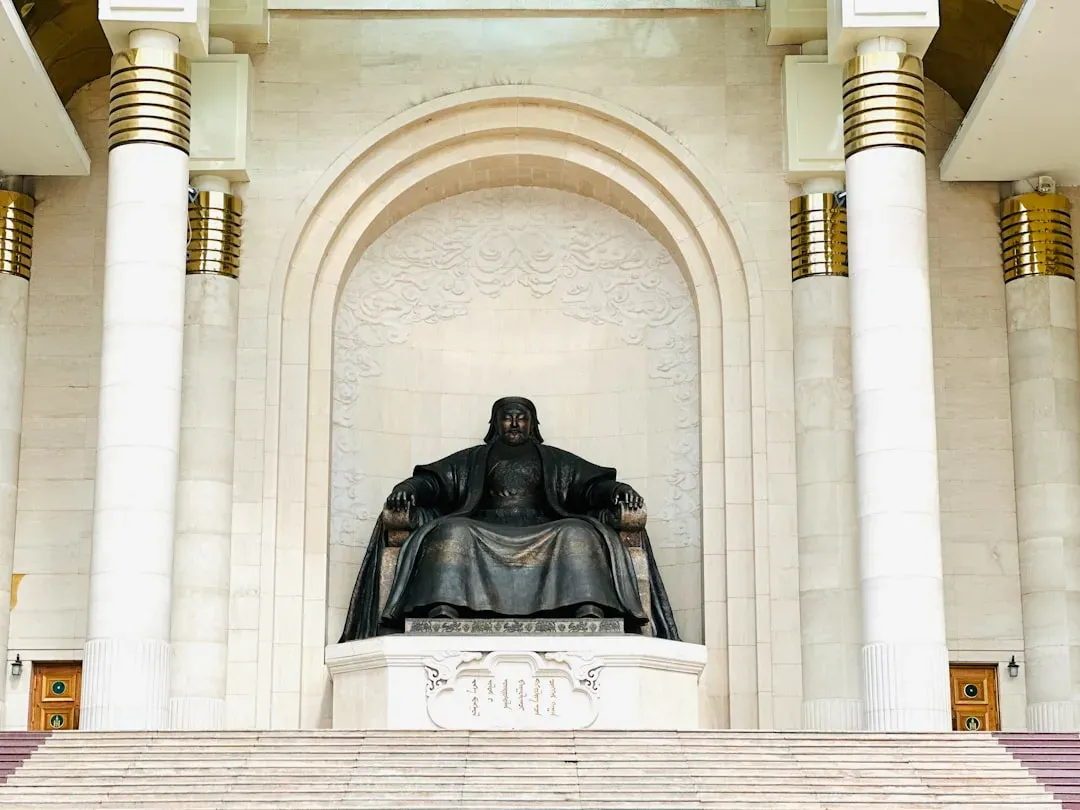
No concealed tomb on Earth has generated more speculation than Genghis Khan’s – and its invisibility is the entire point. According to later chronicles and oral tradition, when the Mongol founder died in 1227, his body was returned to Mongolia for burial. From there, the stories diverge, but several details repeat across accounts: the funeral escort allegedly killed anyone they encountered along the route to keep the burial site secret, trees were planted over the grave, and the ground was trampled by horses to erase every trace. Some versions even claim a river was diverted to run directly over the site.
Unlike royal tombs in China or Persia, there was no monumental mound, no temple, no inscription of any kind. Early Mongol belief placed value on keeping royal burials hidden from prying eyes entirely – a dead khan’s power didn’t need a visible marker to keep functioning within the culture’s spiritual framework.
Worth Knowing
- Genghis Khan died in 1227, and Mongol tradition called for royal burial sites to stay unmarked rather than celebrated.
- Modern search efforts have relied on satellite imagery, ground surveys, and even crowd-sourced digital mapping projects to scan likely regions.
- Proposed search zones range from the Khentii Mountains to remote river valleys, yet none has ever been confirmed.
- Many in Mongolia actively oppose further excavation, citing cultural taboos around disturbing the site.
Modern researchers using satellite imagery, ground surveys, and even crowd-sourced scanning projects have proposed multiple possible locations, from the Khentii Mountains to remote river valleys. None has ever been confirmed, and local sentiment in Mongolia often actively opposes excavation, arguing that disturbing the site would violate deep cultural taboos and national identity. Most conquerors in history wanted the world to remember exactly where they lay. Genghis Khan’s inner circle wanted the opposite – a burial so thoroughly erased that even 21st-century technology still can’t say, “We found him.”
The Bottom Line
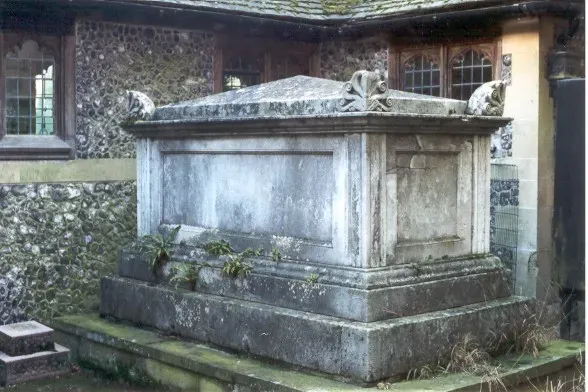
Across cultures and continents, the same pattern keeps surfacing: the people with the greatest power, wealth, or fear of vengeance were often the most determined to disappear completely in death. From granite-plugged shafts at Saqqara to mercury-laced mausoleums in China and an erased royal burial site in Mongolia, the message repeats itself in stone, mudbrick, and silence – sometimes the truest mark of status is a tomb that nobody can ever find.
It’s tempting to romanticize “lost tombs” as Hollywood treasure hunts waiting to be cracked open. The evidence tells a harder, more human story. These graves were hidden to keep loot away from robbers, bodies away from enemies, and in more than one case, memories away from future generations who were never supposed to know the truth. My honest take: the fact that a handful of these sites remain sealed today, by choice, isn’t a failure of archaeology. It’s the last part of the plan finally working, exactly as intended, thousands of years later.