A monster lurking in twisting, torch-lit corridors. The echo of footsteps, the rush of fear, and the hope for escape. The legend of the Minotaur—half man, half bull—trapped in a labyrinth beneath the Cretan sun has fascinated and haunted generations. But what if the story is more than a myth? What if somewhere beneath the earth, in the rolling hills or shadowed caves of the Mediterranean, the bones of this legend still whisper their secrets? The search for the Minotaur’s labyrinth is not just a quest for stone and ruin; it is a journey through the heart of ancient imagination, geography, and science. Step with us into the maze, where myth collides with archaeology, and every twist uncovers a new mystery.
The Ancient Roots of the Minotaur Legend
Long before the word “labyrinth” became synonymous with confusion, the Greeks wove the tale of King Minos, the Minotaur, and the brave Theseus. The Minotaur, a creature born from the union of Pasiphaë and a divine bull, was confined to a vast underground maze. This myth, first recounted in Homeric poems and later by writers like Plutarch and Ovid, is rich with symbolism. Scholars believe the story reflects ancient anxieties about power, sacrifice, and the unknown. The labyrinth itself, with its endless passages, may have represented the complexities of the human mind or the political intrigues of Minoan Crete.
The Palace of Knossos: The First Suspect
Of all the places claimed as the labyrinth’s real-world inspiration, none is more convincing than Knossos. Located near modern-day Heraklion on Crete, Knossos was the glittering seat of the Minoan civilization. Sir Arthur Evans’ early 20th-century excavations revealed a palace complex so vast and intricate that it seemed to match the myth. Corridors twist and rooms interlock in dizzying patterns. Some archaeologists argue that the palace’s complexity inspired later Greeks to imagine a literal maze. Others point to ceremonial artifacts and bull imagery, adding layers to the idea that Knossos could be the labyrinth’s true location.
Labyrinthine Architecture: More Than Myth
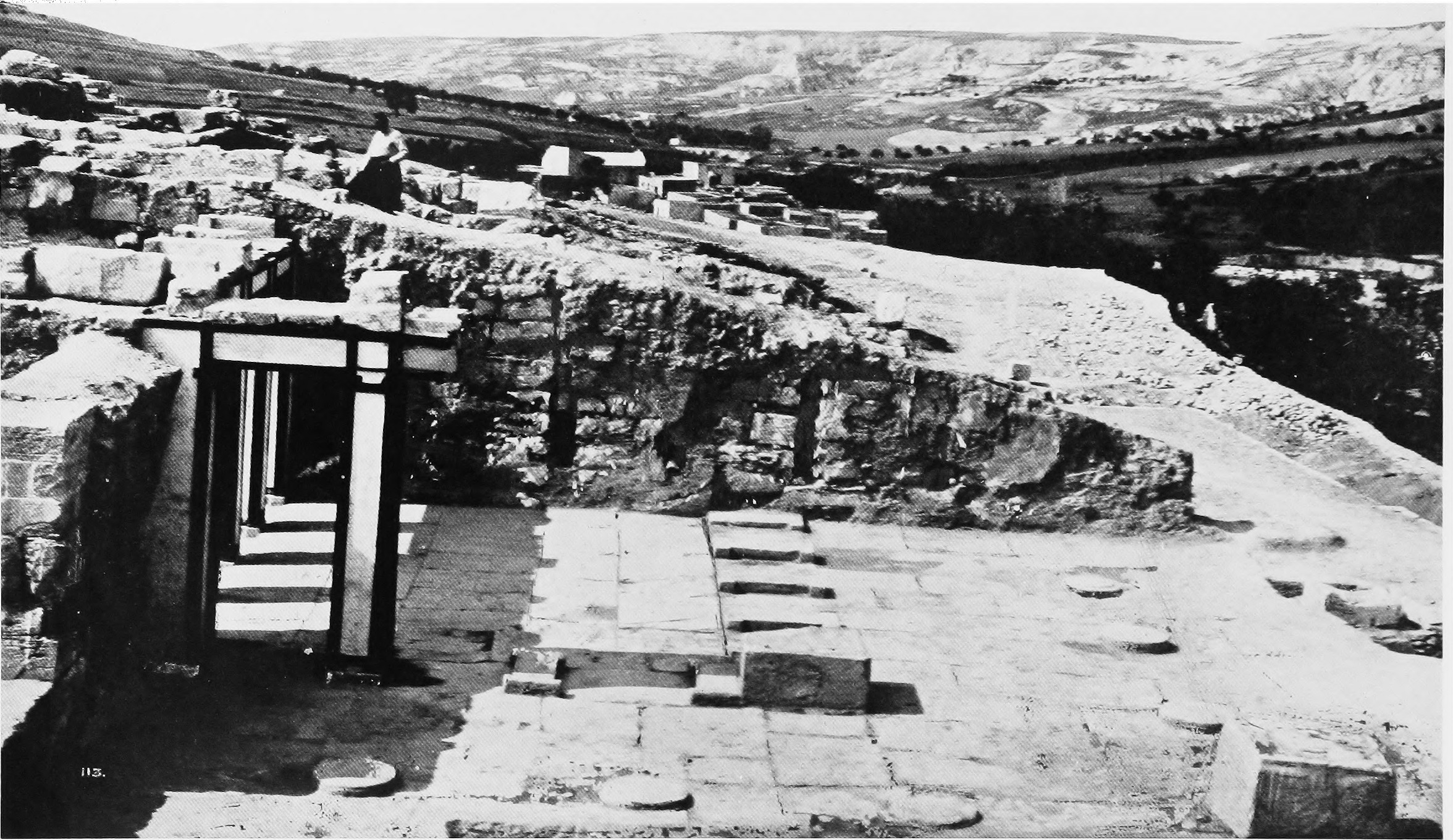
The architecture of Knossos and other Minoan sites is surprisingly labyrinthine. Narrow passages, hidden chambers, and confusing layouts were not just for show. Some researchers believe these features served ritual purposes, perhaps for initiations or mysteries. The winding corridors could also have been practical, aiding in the defense of the palace or in controlling access to sacred spaces. The real genius of Minoan builders lies in their ability to blend symbolic meaning with everyday function, blurring the line between myth and reality.
The Labyrinth Cave at Gortyn
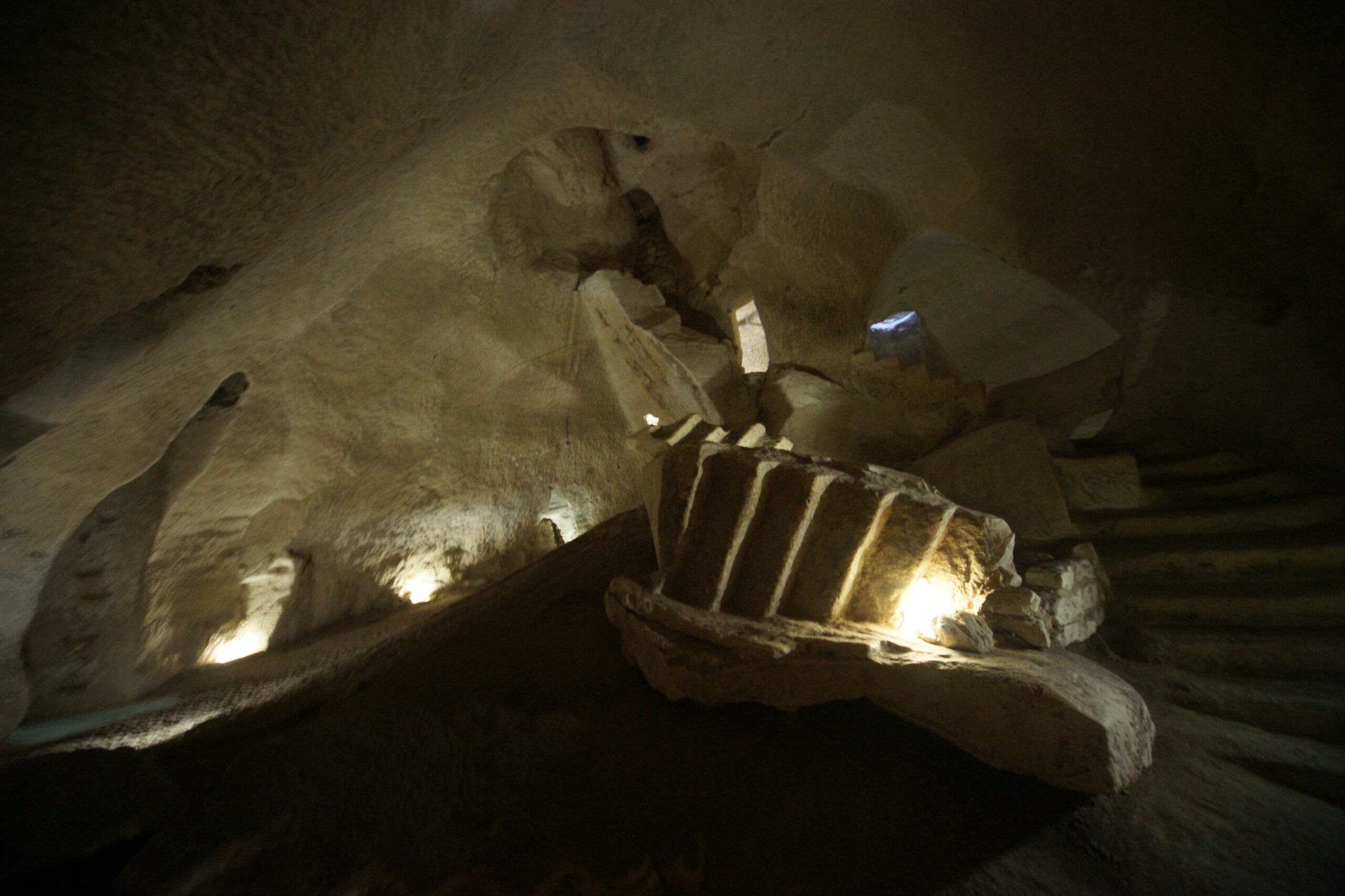
A second contender for the labyrinth’s location lies near the ancient city of Gortyn, south of Knossos. Here, a sprawling system of manmade caves winds deep into the limestone hills. Known locally as the “Labyrinth Cave,” this site stretches for miles underground. Early explorers and locals alike believed this could be the legendary maze. The cave’s twisting passages, some so narrow you can barely squeeze through, evoke the feeling of being lost in a mythic trap. While no evidence of a Minotaur has ever been found, the cave’s atmosphere is undeniably haunting.
Symbolism of the Bull in Minoan Culture
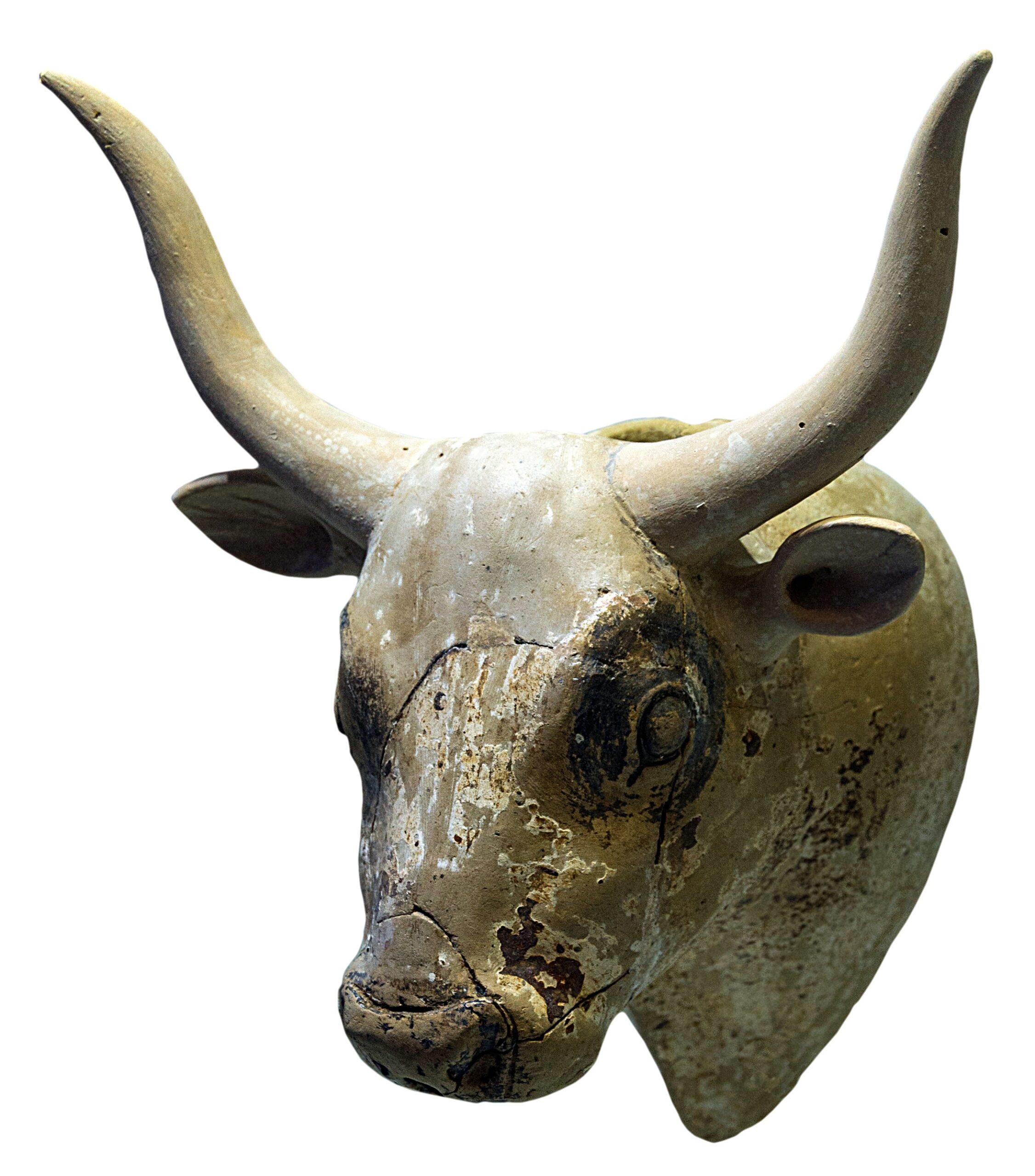
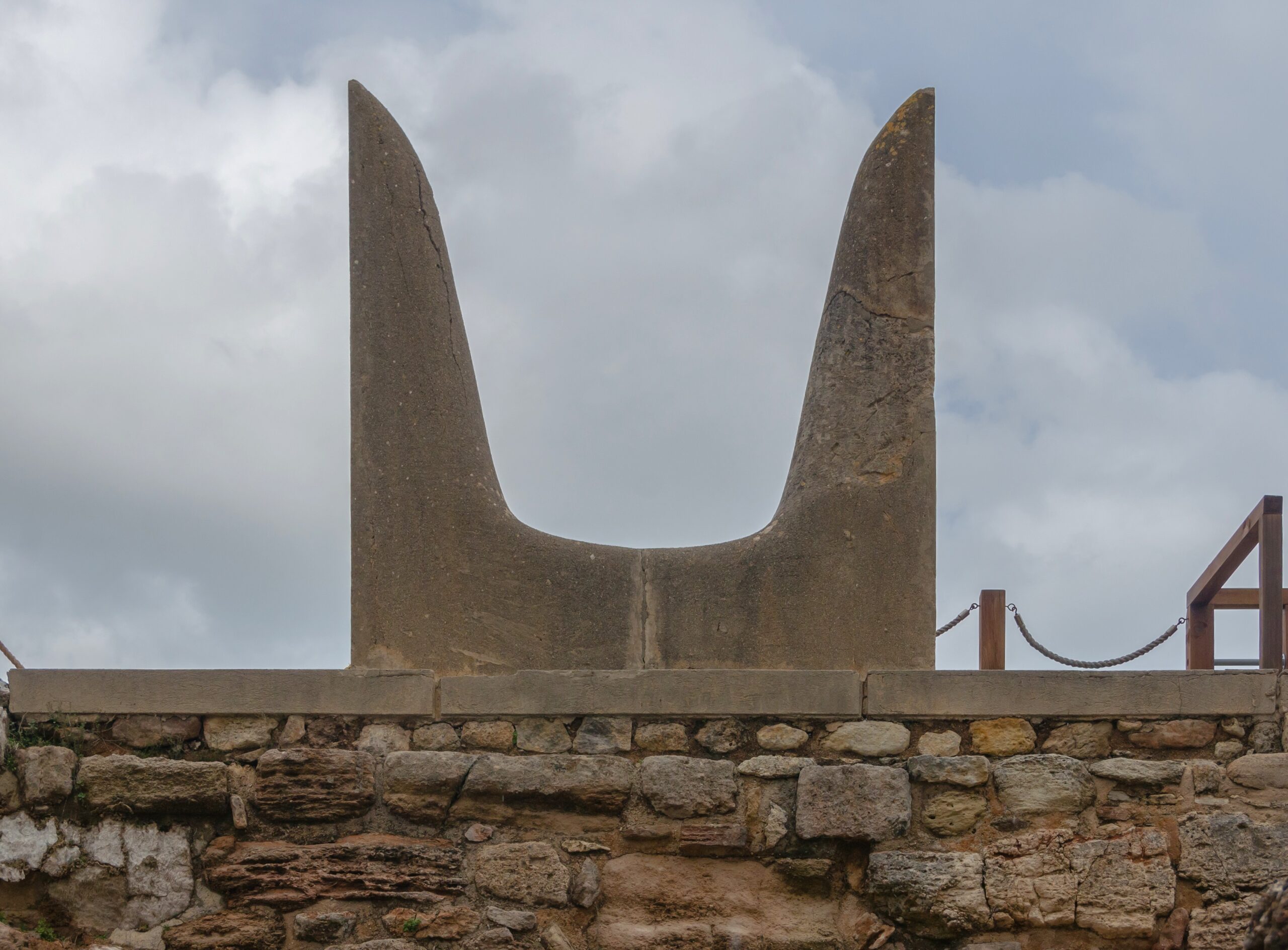
Bulls were central to Minoan religion and art. Frescoes at Knossos show young men and women leaping over the backs of charging bulls in dangerous rituals. The bull’s head appears on pottery, jewelry, and even in the palace’s architecture, with horn-shaped altars rising above the rooftops. For the Minoans, the bull symbolized power, fertility, and the raw forces of nature. It’s easy to see how the image of a monstrous bull-man could emerge from this cultural landscape. The Minotaur may have been a way to personify the awe and fear these rituals inspired.
Archaeological Clues: The Double Axe
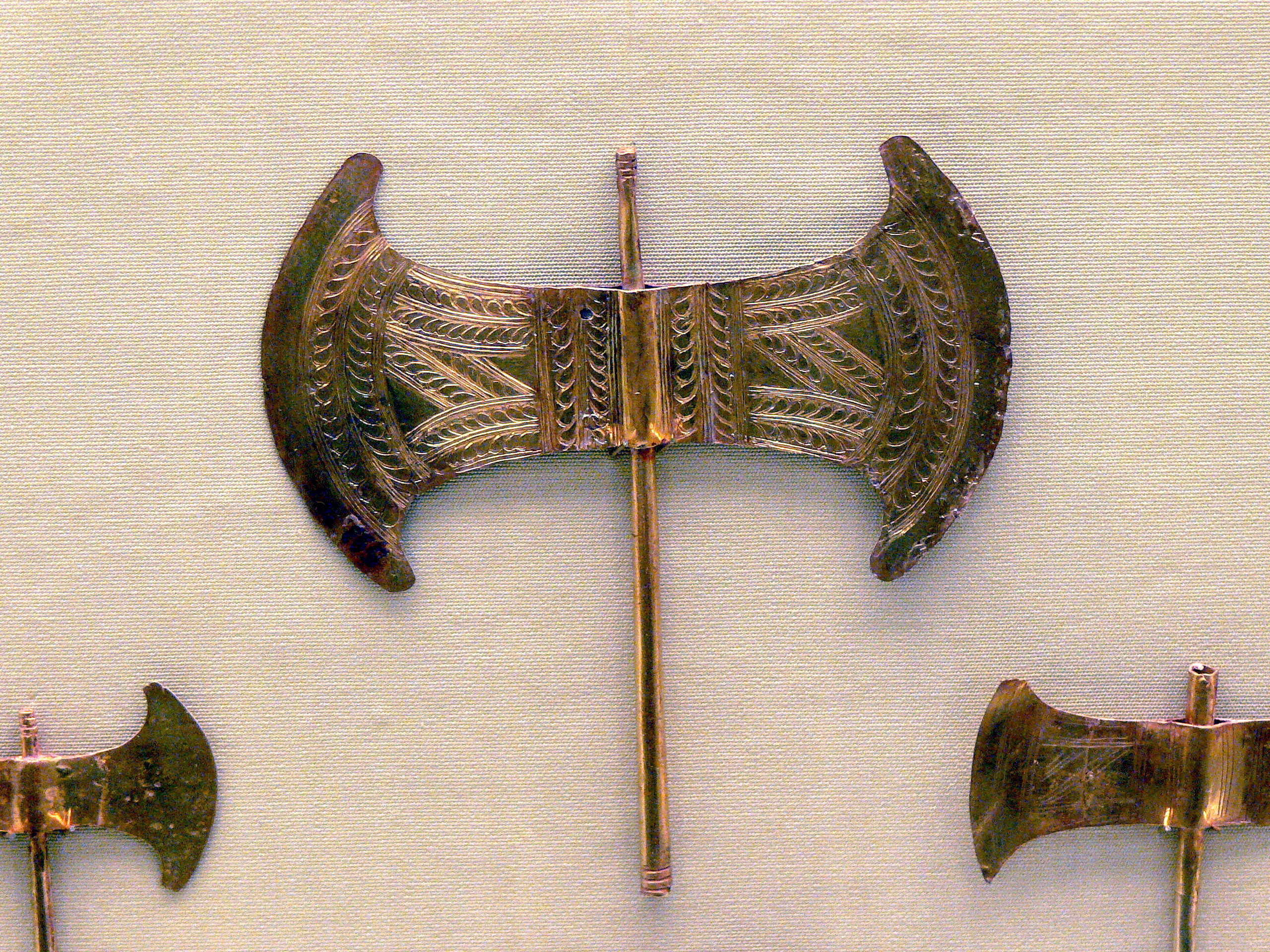
One of the most intriguing finds at Knossos and other sites is the labrys, or double axe. This symbol is etched into stones, painted on walls, and carved into ceremonial objects. Some linguists believe the word “labyrinth” itself comes from “labrys,” suggesting that the palace was known as the “house of the double axe.” The labrys was likely used in religious rites, possibly involving bulls. Its presence ties the physical locations of Knossos and other Minoan sites directly to the legend’s imagery.
Geological Mysteries Beneath Crete
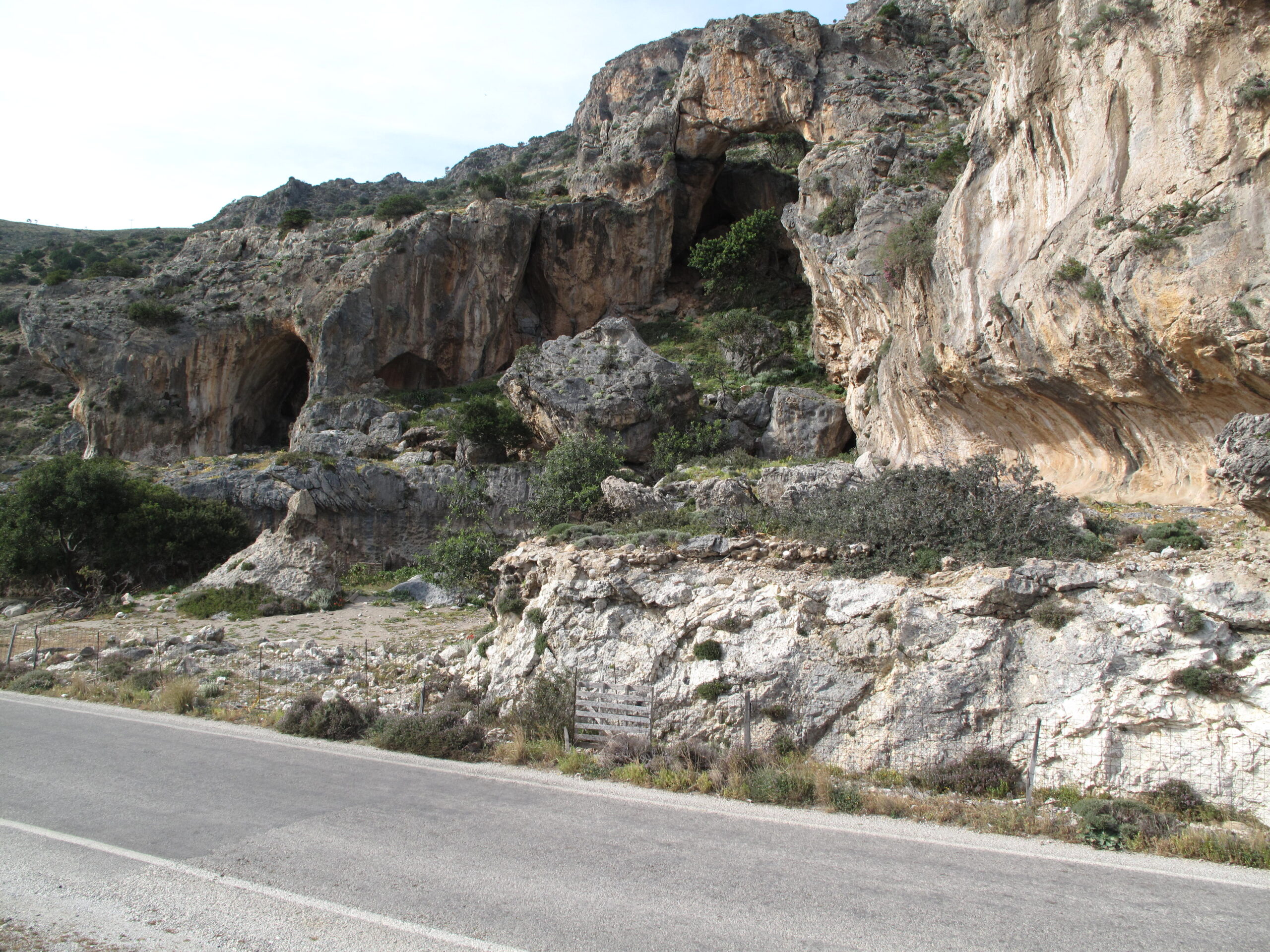
Crete is riddled with natural and artificial caves. The island’s unique geology, shaped by tectonic shifts and volcanic activity, has created a honeycomb of underground spaces. Ancient people used these caves for shelter, worship, and burial. Some scientists suggest that stories of labyrinths and monsters grew from real experiences of exploring these dark, echoing tunnels. The play of light and shadow, the sudden drafts of cold air, and the eerie acoustics would have made a strong impression on any visitor.
Myth and Memory: The Power of Oral Tradition
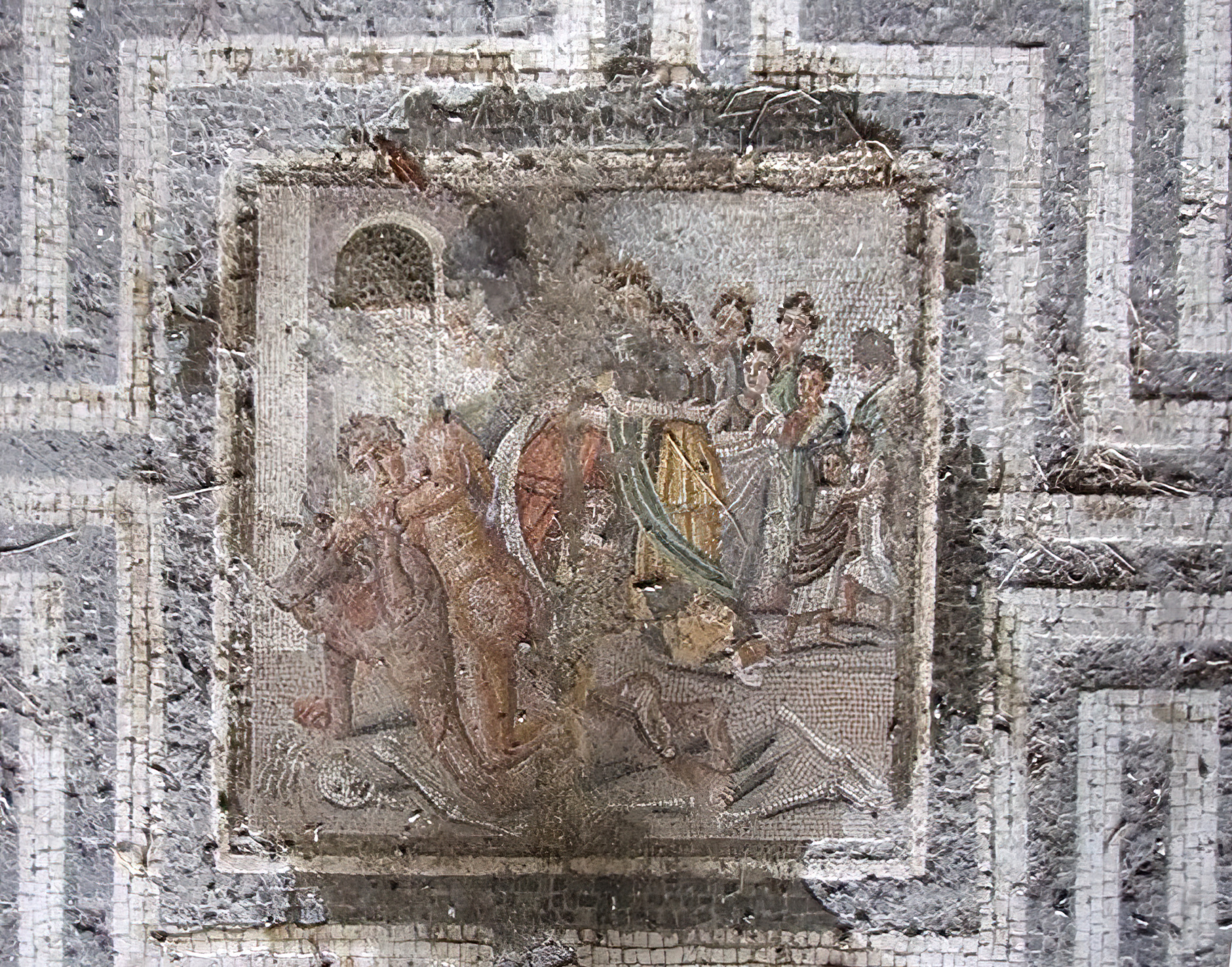
The Minotaur’s labyrinth is not just a physical place; it is a memory passed down through generations. Oral tradition can transform real locations into legendary spaces. Over centuries, stories grow, change, and absorb new meanings. Archaeologists and folklorists have traced how the Minotaur myth evolved, adapting to the fears and hopes of each era. The labyrinth is as much a place of the mind as it is a map on the earth.
The Influence of Egyptian and Near Eastern Labyrinths
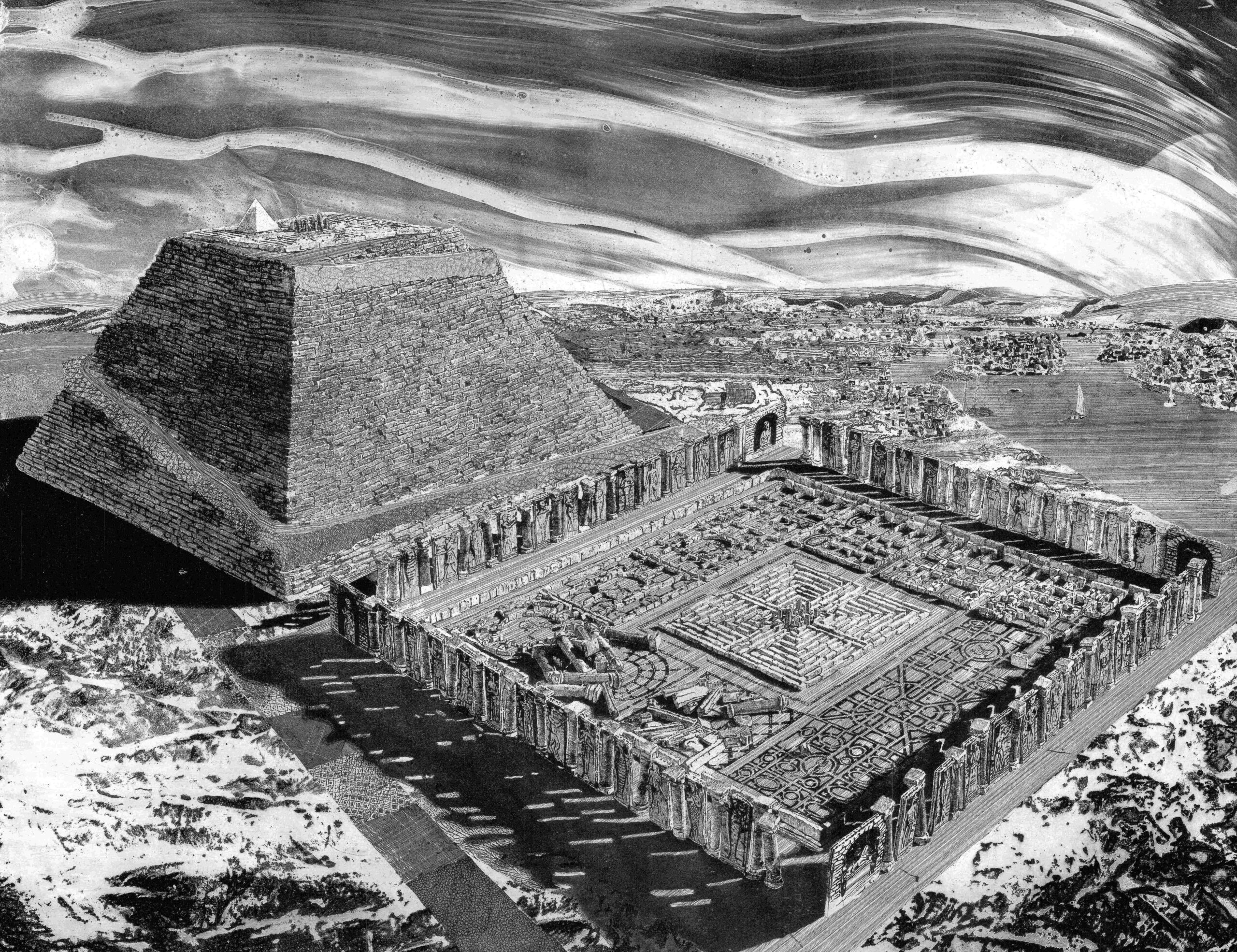
Some historians suggest that the Greek idea of the labyrinth may have been influenced by contact with Egypt and the Near East. The labyrinth at Hawara, built by Pharaoh Amenemhat III, was famous in antiquity for its complexity. Greek travelers like Herodotus described this Egyptian structure in awe, comparing it to their own legends. Trade and migration brought new ideas and stories, blending local myths with foreign marvels to create the rich tapestry of the Minotaur legend.
Minos’ Throne Room: Political Power and Fear
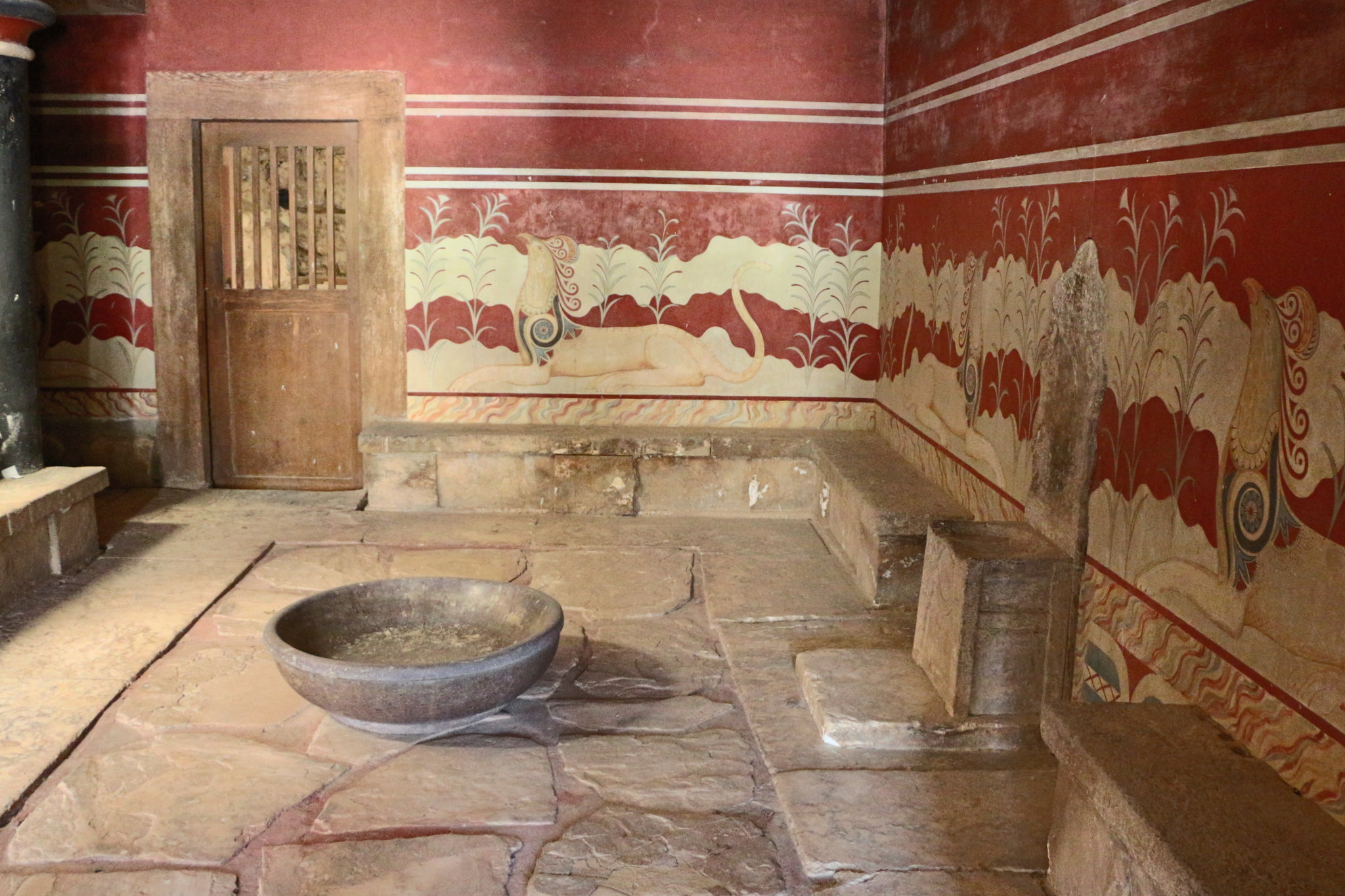
At the heart of Knossos sits the so-called “Throne Room,” a small chamber with a stone seat and mysterious frescoes. Some archaeologists believe this was the center of Minoan power. The room’s design, with its narrow entry and hidden alcoves, amplifies the sense of control and surveillance. Was the labyrinth myth a metaphor for the maze-like workings of palace politics? The fear of being trapped, lost, or sacrificed in the name of the king would have been very real for ancient visitors.
Modern Explorations: Digging for the Labyrinth
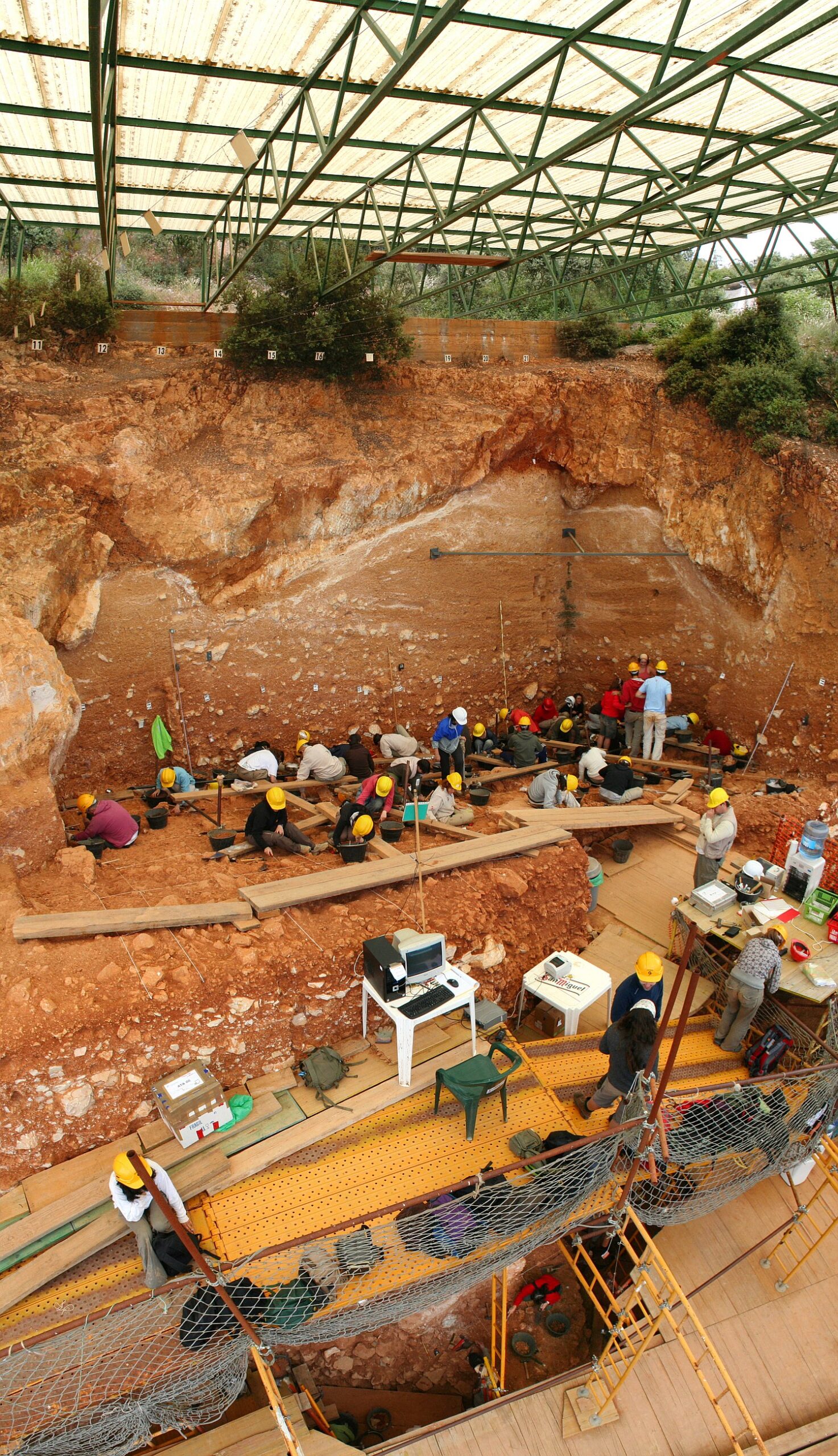
Archaeologists and speleologists continue to search for the labyrinth’s true location. Teams have mapped the caves at Gortyn, scanned the ruins of Knossos, and even used ground-penetrating radar to probe beneath the Cretan landscape. Each new discovery adds a piece to the puzzle. While no one has found a definitive “labyrinth,” the search itself is thrilling. The process of excavation, crawling through ancient tunnels and deciphering stone carvings, is its own kind of adventure.
Labyrinths in Ancient Art and Pottery
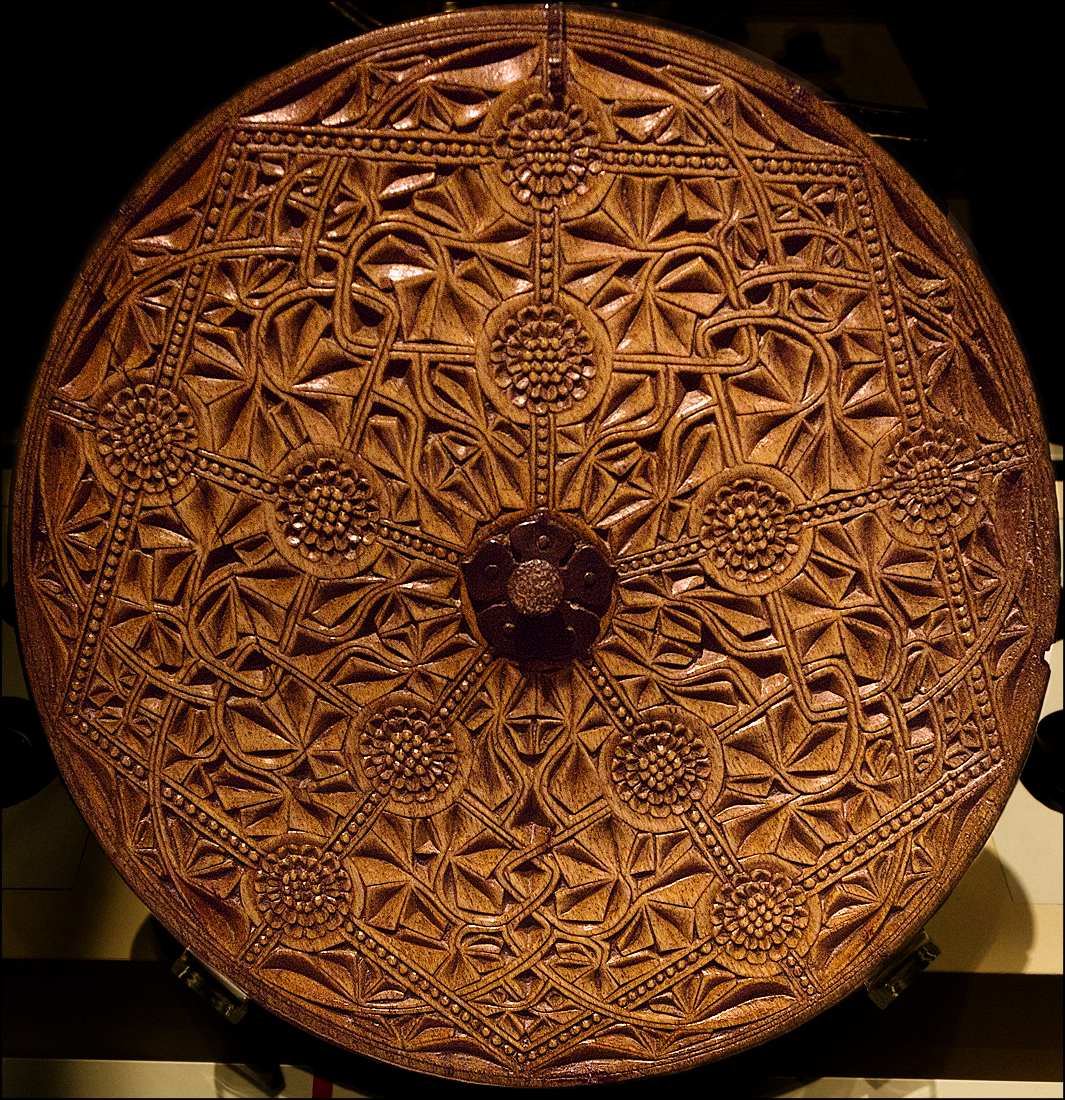
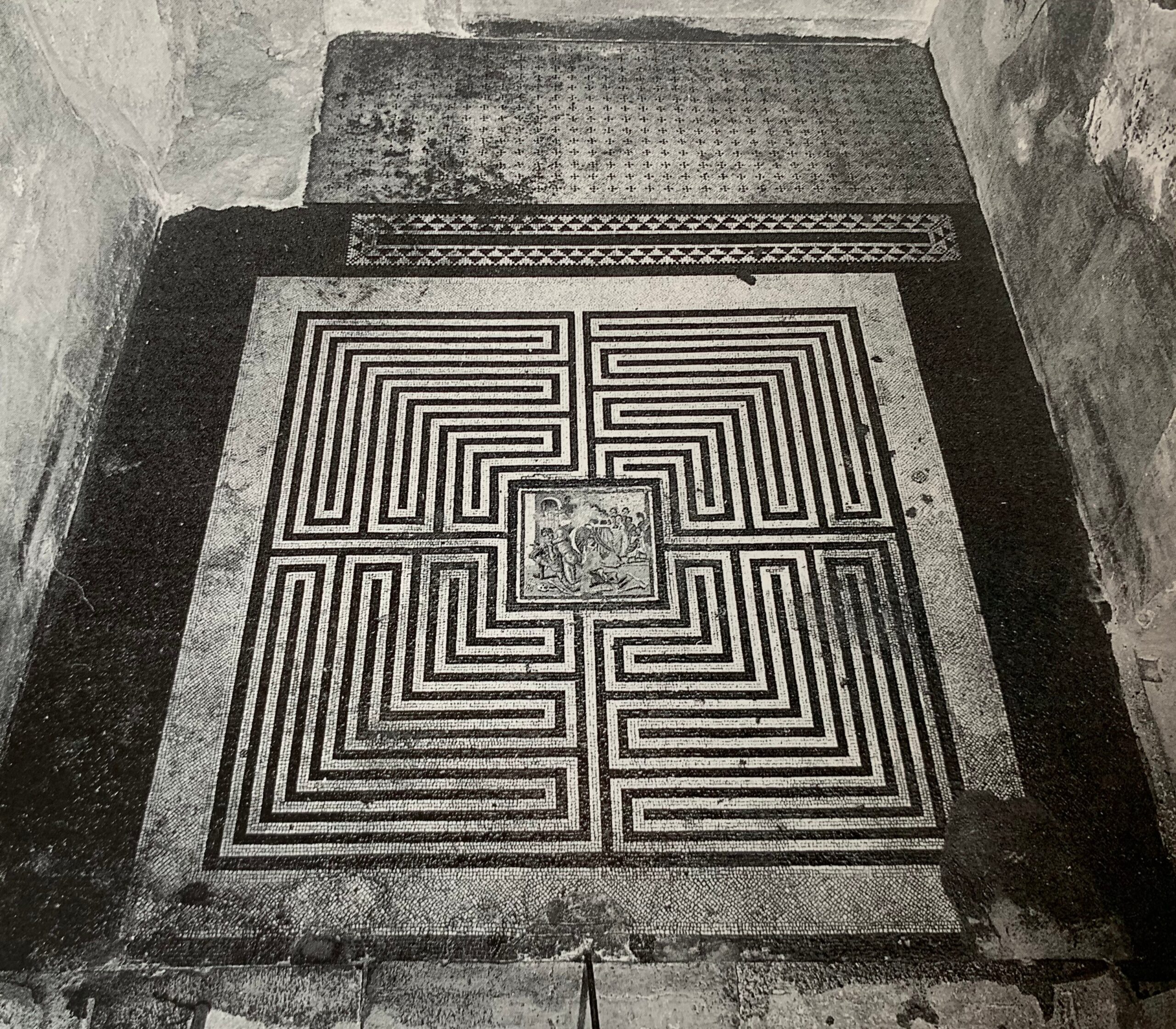
Labyrinth designs appear on coins, pottery, and mosaics from ancient Greece. These images often show a simple maze pattern with a single entrance and winding path, echoing the idea of a journey inward. Some pieces depict the showdown between Theseus and the Minotaur, capturing the tension and drama of the myth. Artworks like these show how deeply the labyrinth captured the ancient imagination, becoming a symbol for both danger and discovery.
The Science of Maze-Making: Psychology and Perception
Modern science can shed light on why labyrinths fascinate us. Psychologists study how people navigate mazes, revealing insights into memory, spatial awareness, and decision-making. The feeling of being lost and the thrill of finding your way out tap into primal instincts. In ancient times, walking through a maze might have been a rite of passage, a way to confront fears in a controlled setting. Today, the allure of mazes persists in everything from cornfields to escape rooms.
Natural Labyrinths: Crete’s Mysterious Caves
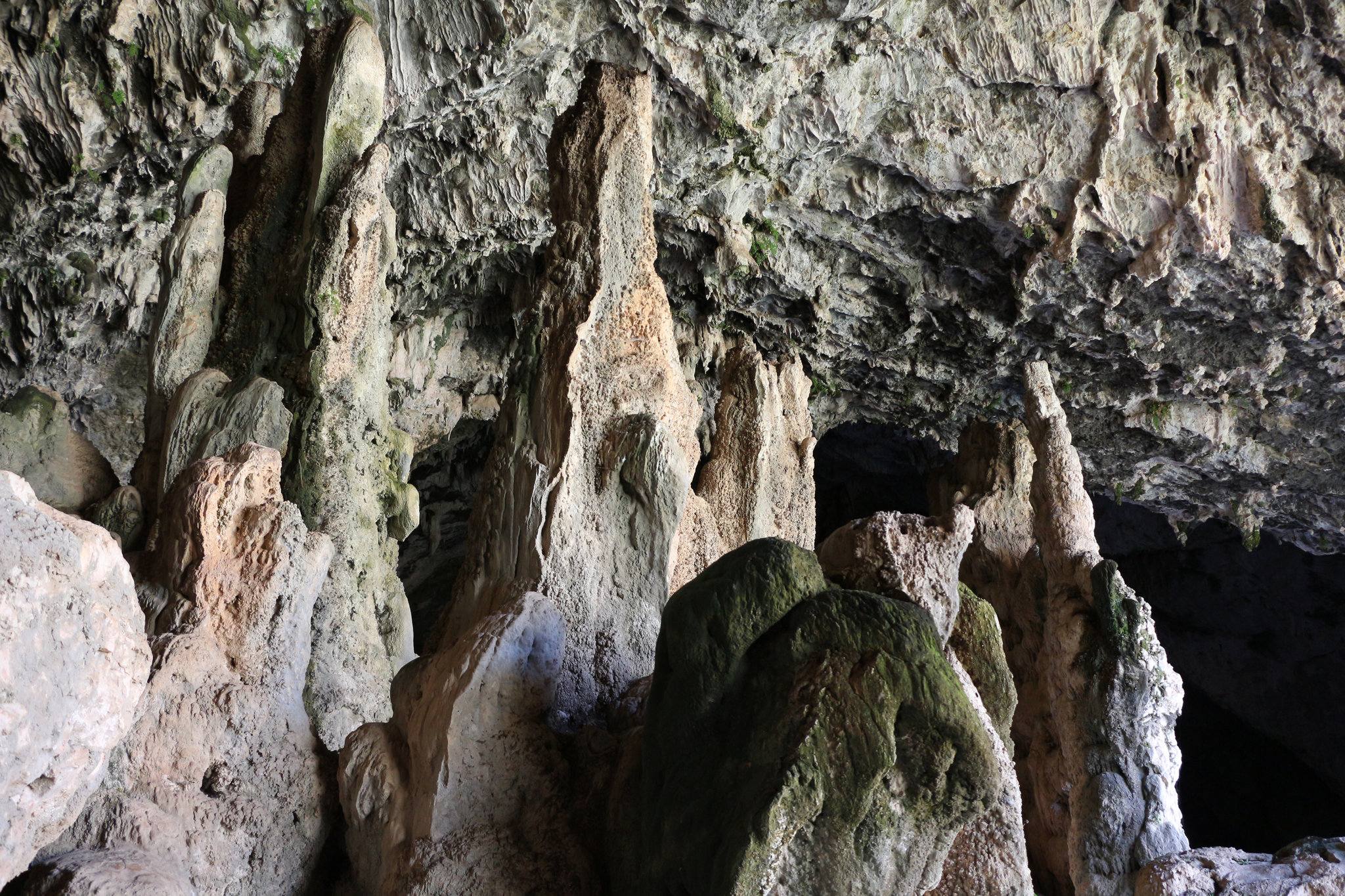
Beyond Gortyn, Crete boasts dozens of natural cave systems, some still unexplored. The Dikteon Cave, for example, is steeped in legend as the birthplace of Zeus. Other caverns, like Skotino and Melidoni, have yielded artifacts from the Bronze Age. The cool darkness, the drip of water, and the twisting paths create an environment that easily inspires myth. For the ancient Cretans, these caves were gateways to other worlds—places where monsters might dwell and heroes might be tested.
Ritual and Sacrifice: The Dark Side of the Labyrinth
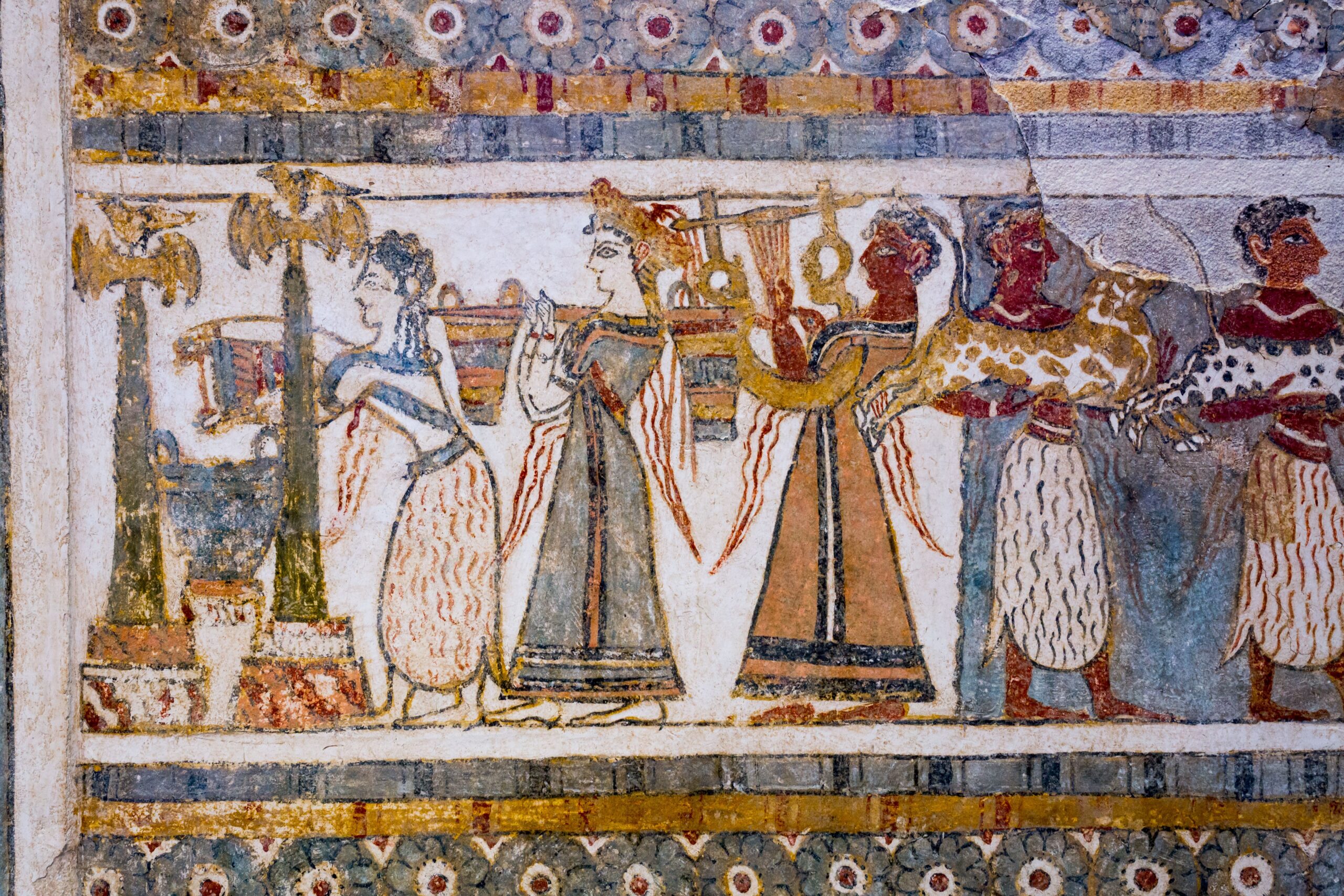
The myth of the Minotaur is inseparable from the idea of sacrifice. According to legend, Athens was forced to send its youth to Crete as tribute, to be devoured by the beast. Some historians believe this reflects real practices of human or animal sacrifice. Archaeological finds at Knossos and other sites suggest that blood rituals were an important part of Minoan religion. The labyrinth, then, was not just a prison—it was a stage for the most profound and terrifying ceremonies.
Echoes in Modern Culture
The story of the Minotaur continues to inspire writers, artists, and filmmakers. From Jorge Luis Borges’ haunting short stories to blockbuster movies and video games, the labyrinth endures as a metaphor for challenge and transformation. Modern labyrinths, whether in gardens or puzzles, invite us to step into the ancient story, to face our own monsters, and to find our way out again. The myth is alive, evolving with each new telling.
Unanswered Questions and Ongoing Debates
Despite decades of research, the true location of the labyrinth remains elusive. Some believe it never existed at all, a pure invention of the imagination. Others are convinced that a real maze, now lost to time or buried beneath centuries of earth, still waits to be discovered. The debate continues in academic circles, fueled by new finds and fresh interpretations. Each theory adds another twist to the maze of possibilities.
The Labyrinth’s Enduring Allure
Why does the labyrinth continue to captivate us? Perhaps it is the promise of discovery, the thrill of the unknown, or the hope that even the darkest maze has an exit. The story of the Minotaur’s labyrinth invites us to confront our fears, to explore the hidden corners of our world and our minds. It is a reminder that legends often grow from the seeds of reality, and that every myth is a map to something deeper.
What secrets might still be hidden beneath the stones of Crete, waiting for a new explorer to find them?