
Imagine gliding down the tranquil waters of the Potomac River, only to glimpse the eerie silhouettes of rusted ship skeletons rising from the mist. Mallows Bay is no ordinary stretch of riverbank—it’s a hauntingly beautiful graveyard, home to hundreds of sunken vessels, each with its own story to tell. This underwater fleet, frozen in time, has become one of America’s most mysterious and little-known historical treasures. Here, the ghosts of forgotten ships serve as silent witnesses to a past filled with ambition, war, and unexpected renewal. What secrets does this watery graveyard hold, and why has it remained hidden from the spotlight for so long?
The Birth of a Ghost Fleet
The story of Mallows Bay’s shipwrecks begins during the tumultuous days of World War I. As the threat to global shipping increased, the United States launched an ambitious program to build hundreds of wooden steamships in record time. Factories buzzed with urgency, workers toiled day and night, and hopes soared high. Yet, when the war ended abruptly in 1918, the need for this fleet vanished almost overnight. Left with an armada of unfinished or obsolete ships, the government faced a massive dilemma: what to do with all these vessels? The answer became Mallows Bay, a quiet cove that was destined to become an accidental maritime museum.
How Ships Ended Up Beneath the Surface
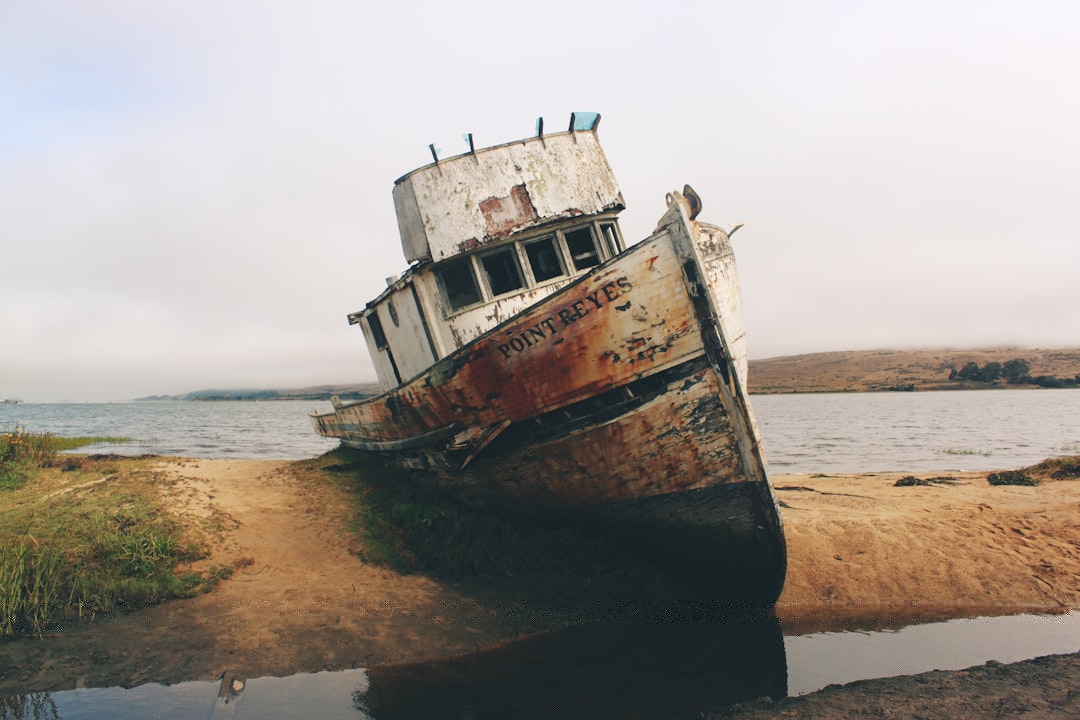
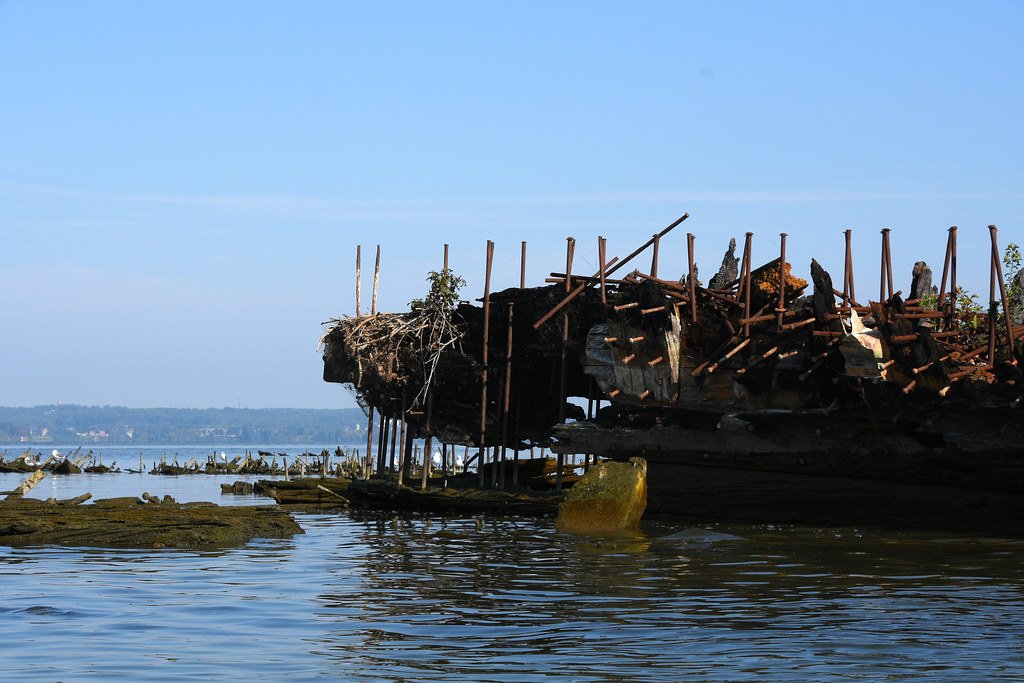
Many of the ships destined for Mallows Bay never saw open water. Built quickly and with limited resources, most were deemed unfit for service. After the war, they were towed to the bay, stripped of anything valuable, and set ablaze to salvage metal parts. The charred hulls, too big and too numerous to remove, simply sank into the mud. Over 200 ships now rest here, their remains protruding from the water like the bones of ancient sea creatures. This dramatic transformation turned a quiet river bend into the largest shipwreck fleet in the Western Hemisphere.
The Underwater Landscape: A Living Time Capsule
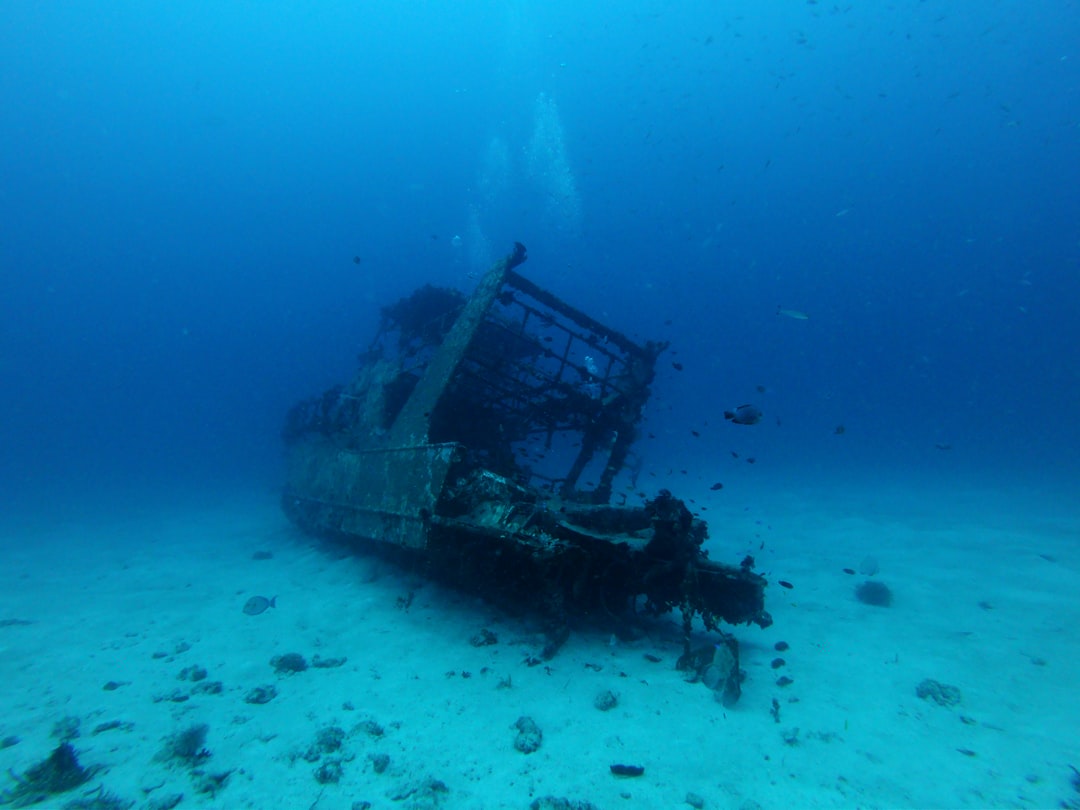
Peering beneath the surface, Mallows Bay reveals a surreal landscape of twisted beams, collapsed decks, and rusting machinery. The ships, many visible above water during low tide, create a labyrinth of wood and metal that stretches for miles. Walking along the shore or paddling through the bay, visitors can see the outlines of ships that once promised to change the course of history. The area becomes especially haunting at sunrise, when fog clings to the hulls and the silence feels almost sacred. Each wreck is a reminder of human ambition, ingenuity, and the unpredictability of fate.
A Haven for Wildlife
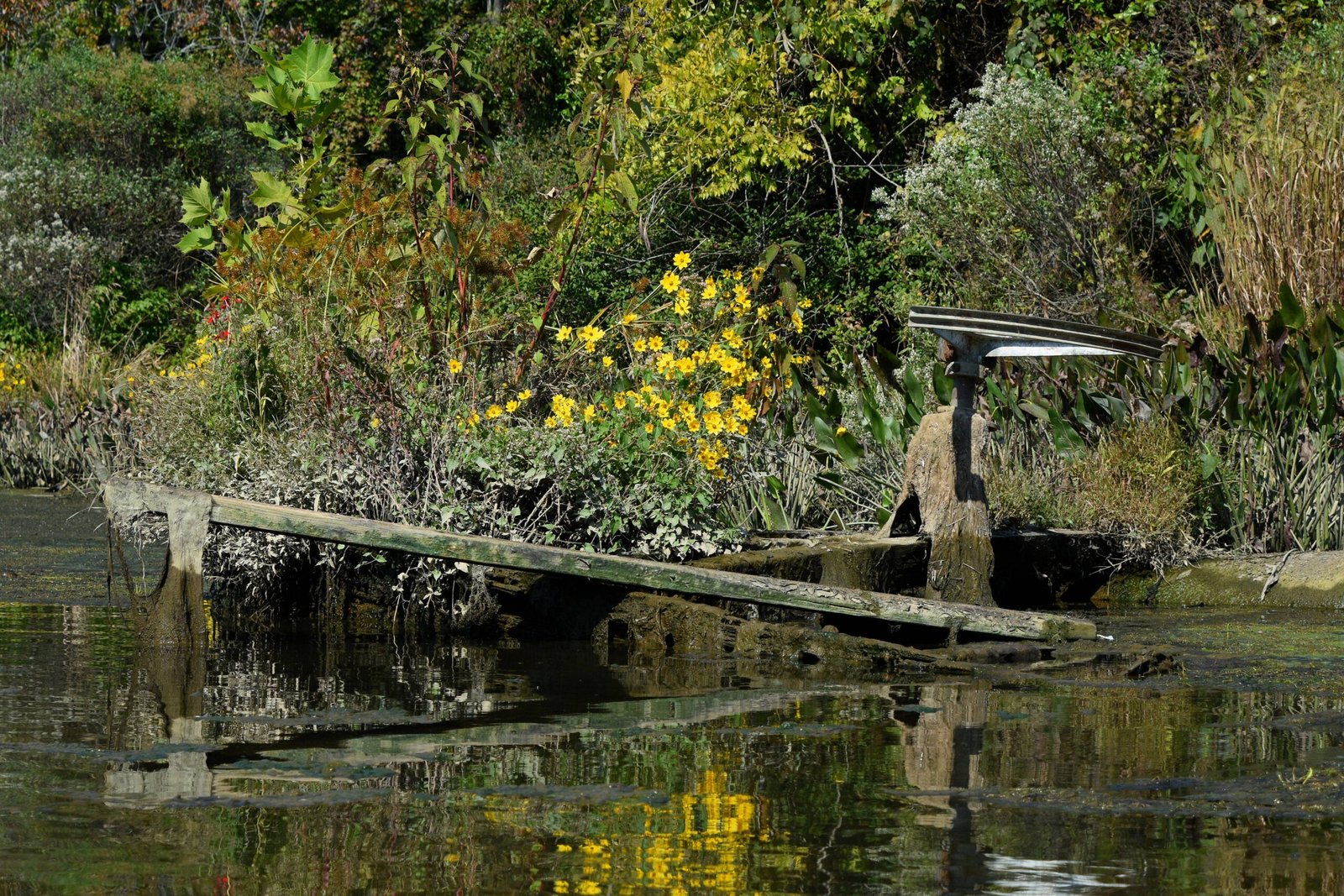
Despite the tragic origins, nature has found a way to reclaim Mallows Bay. The shipwrecks have evolved into vital habitats for a stunning variety of wildlife. Bald eagles soar overhead, blue herons wade through the shallows, and fish dart among the timbers. The wooden structures provide shelter for turtles, spawning grounds for bass, and anchors for lush aquatic plants. Scientists have marveled at how these ruins, once symbols of waste, have become a thriving ecosystem. Mallows Bay is now recognized as one of the most biodiverse places along the Potomac River.
The Science of Shipwreck Ecology
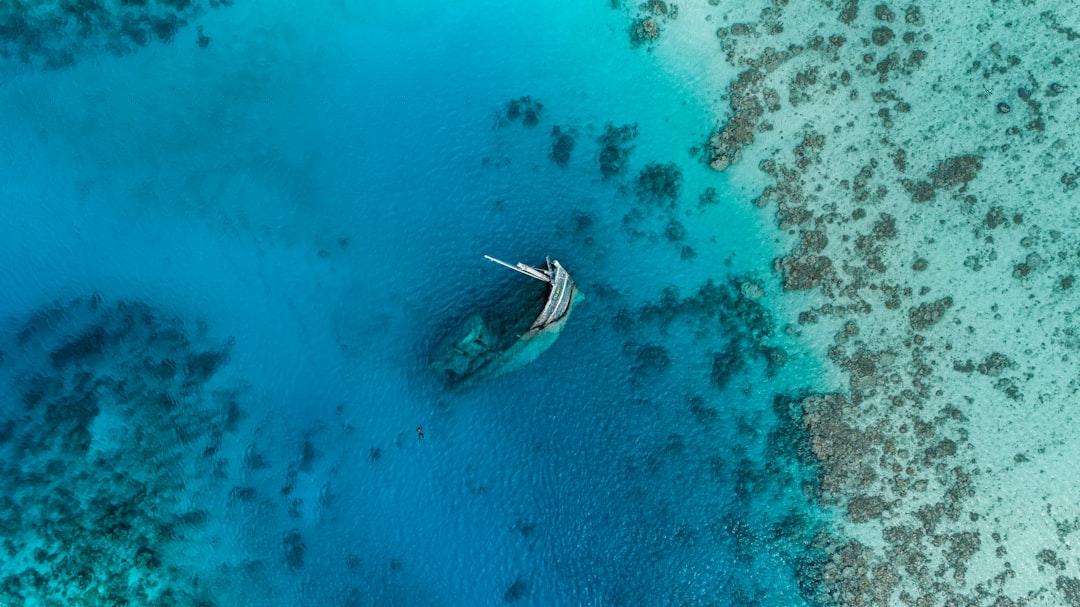
Ecologists refer to sites like Mallows Bay as “artificial reefs,” where sunken structures create new homes for aquatic life. The ships’ hulls, covered in algae and barnacles, attract invertebrates that become food for larger animals. Over time, the wrecks stabilize the riverbed and foster complex food webs. Researchers have even discovered rare species, such as freshwater mussels, nesting among the wrecks. This unexpected transformation underscores the resilience of nature and the surprising ways human mistakes can lead to new beginnings.
Stories Carved in Wood and Steel
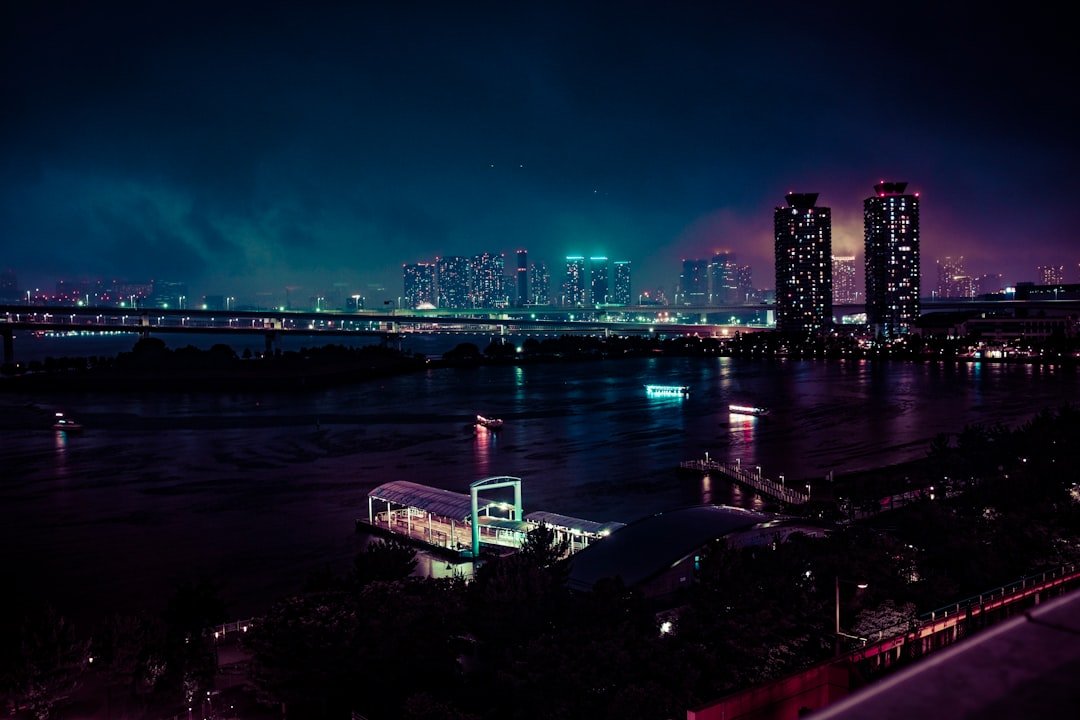
Each ship in Mallows Bay tells a unique story, from the grand aspirations of the Emergency Fleet Corporation to the individual workers who hammered the last rivets. Some vessels, like the Accomac, once ferried passengers along the Chesapeake Bay before meeting their end here. Others were never named, their identities lost to history. Local legends swirl about hidden treasures, mysterious disappearances, and ghostly apparitions that appear on misty mornings. For many, these stories add a sense of wonder and intrigue, making Mallows Bay a living archive of American maritime heritage.
The Mystery of the “Ghost Fleet” Name
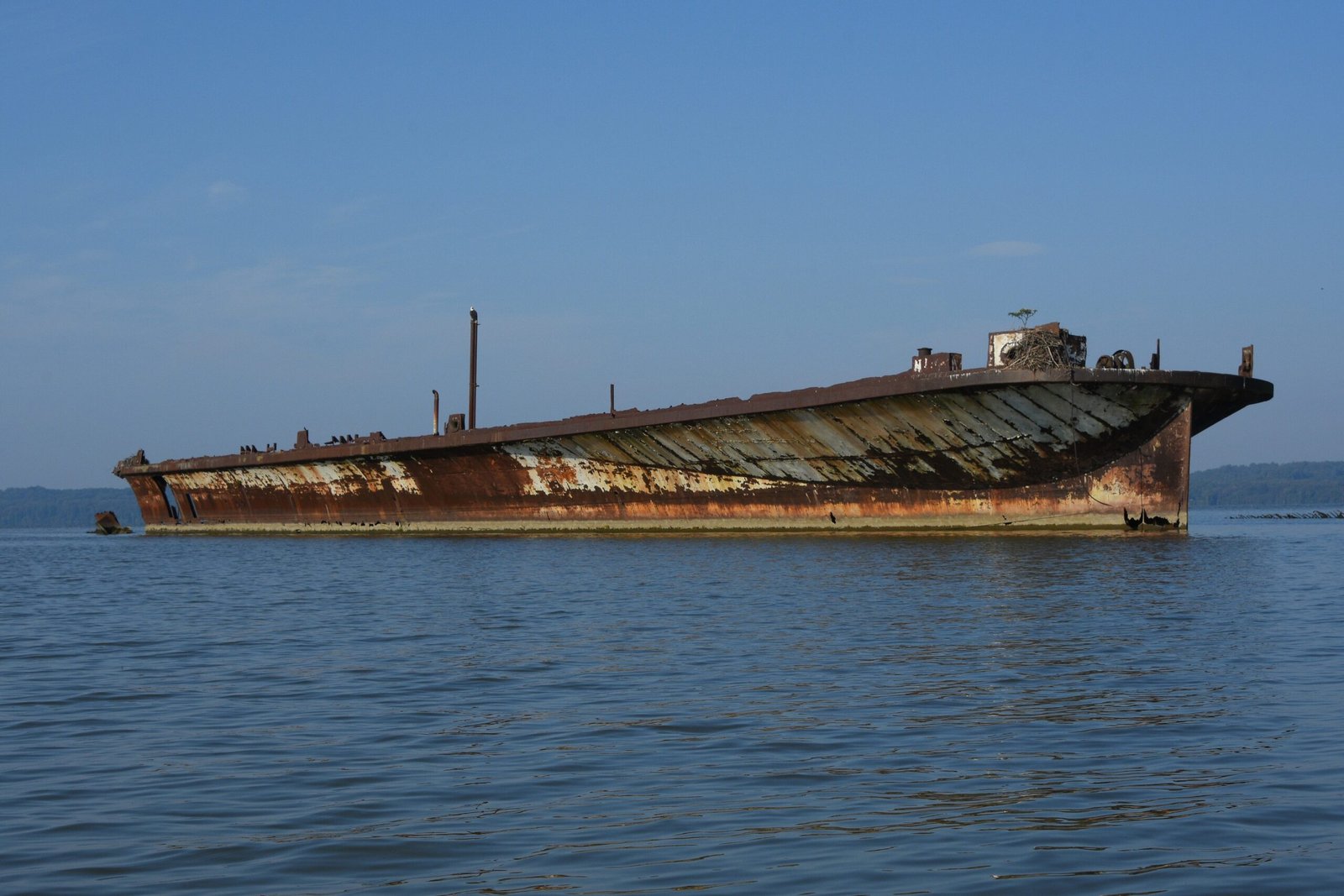
The nickname “Ghost Fleet” captures the eerie, almost supernatural, atmosphere that pervades Mallows Bay. On quiet days, the remains of the ships seem to rise out of the water, shrouded in fog and silence. Many visitors report feeling a chill as they paddle past the jagged timbers, imagining the lives of sailors and shipbuilders connected to these wrecks. The site’s isolation only adds to its mystique—few people know it exists, and even fewer have seen its full extent. This sense of forgotten history is part of what makes Mallows Bay so hauntingly memorable.
Preserving the Past: National Marine Sanctuary Status
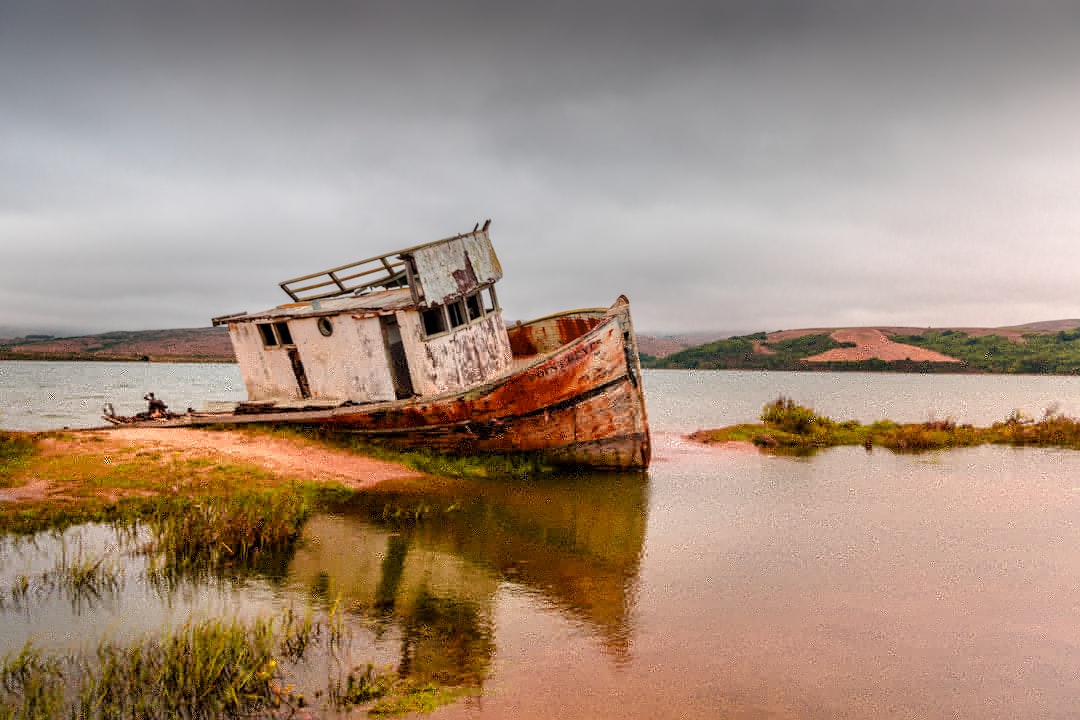
Recognizing the unique value of Mallows Bay, conservationists and historians campaigned for its protection. In recent years, the area was designated a National Marine Sanctuary, the first of its kind in the Potomac River. This status ensures that the wrecks, wildlife, and stories of the bay will be preserved for future generations. Educational programs, guided tours, and scientific research now play a vital role in sharing Mallows Bay’s treasures with the world. The sanctuary status is a testament to the enduring importance of learning from, and caring for, the past.
Adventure and Discovery for Modern Explorers
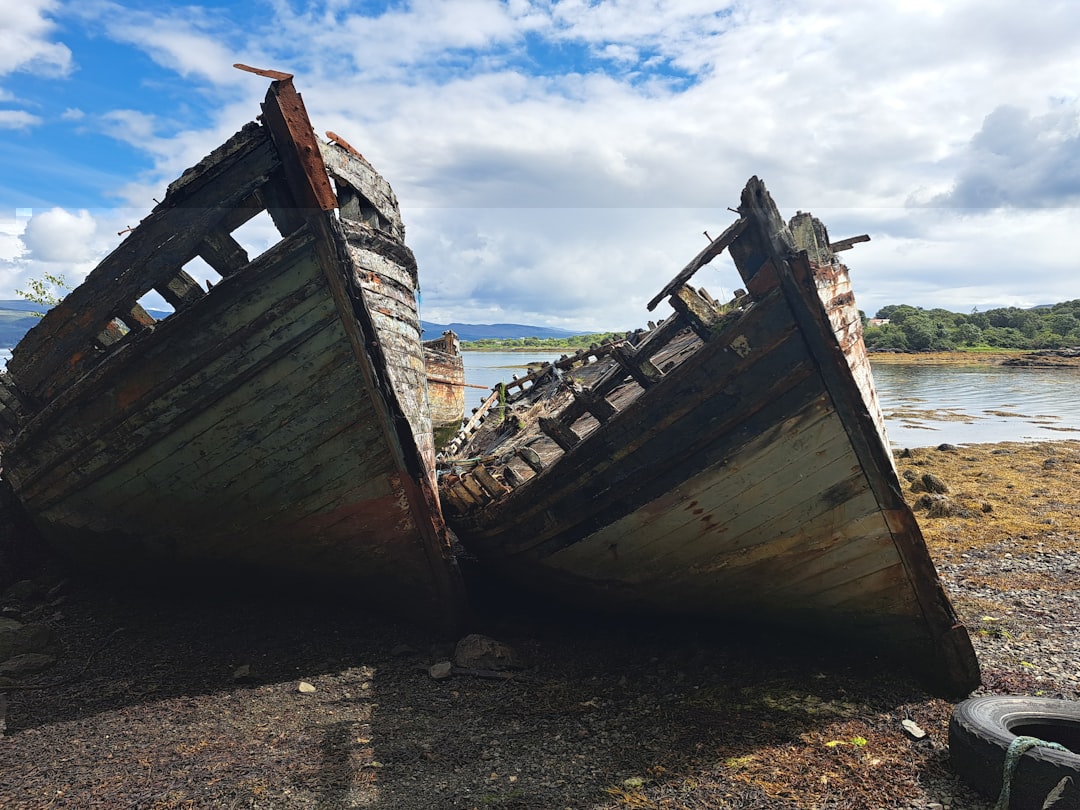
For those seeking adventure, Mallows Bay offers a truly unique experience. Kayakers, birdwatchers, and photographers flock to the site, eager to explore its hidden corners and capture its haunting beauty. The labyrinth of wrecks provides endless opportunities for discovery, with new secrets revealed every season. Local guides often share tales of strange echoes, unexpected wildlife sightings, and the thrill of paddling through America’s most mysterious ship graveyard. It’s a place where history and nature collide, offering a sense of awe that few other destinations can match.
The Ongoing Mystery: What Lies Beneath?
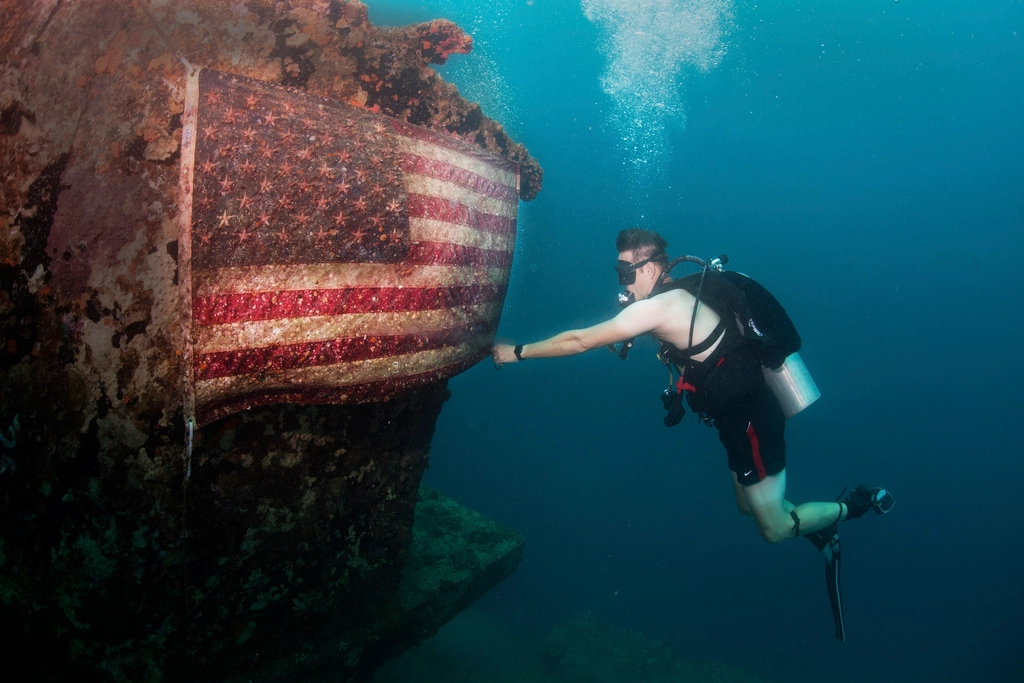
Despite decades of exploration, much of Mallows Bay remains uncharted. Silt and vegetation conceal countless secrets, and underwater archaeology continues to reveal new details about the ships and their cargo. Some believe that undiscovered wrecks—perhaps even carrying forgotten artifacts—still lie hidden in the mud. The bay’s changing tides and murky waters create an ever-shifting landscape, ensuring that the full story of Mallows Bay may never be completely known. This sense of mystery keeps scientists, historians, and adventurers coming back, eager to uncover the next chapter.
Mallows Bay’s Lesson for the Future
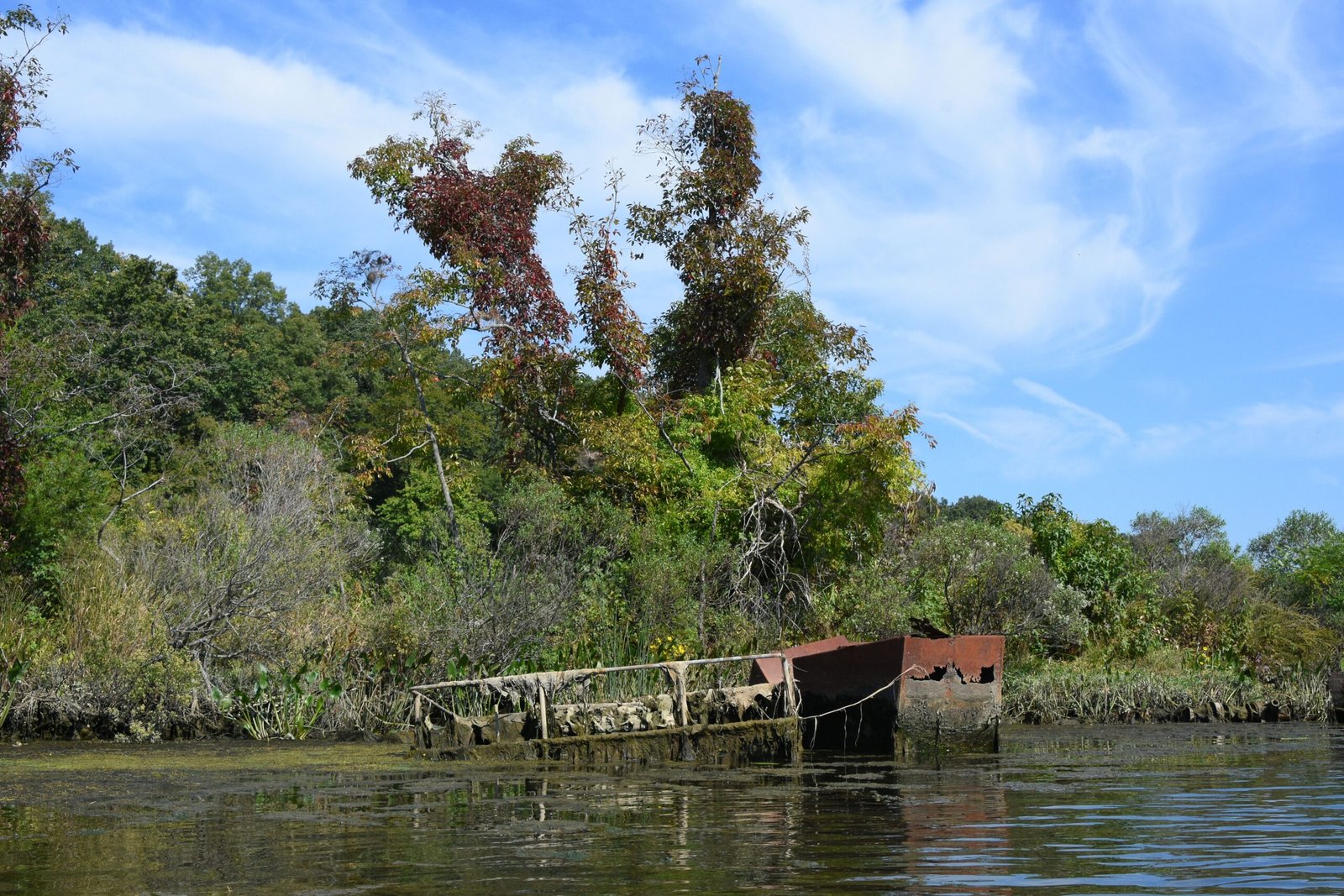
Today, Mallows Bay stands as a powerful reminder of both human ambition and nature’s resilience. The shipwrecks, once symbols of failure and excess, have been transformed into a sanctuary for life and a monument to history. As visitors paddle among the wrecks or watch eagles soar above the water, they become part of an ongoing story—one that blends tragedy, renewal, and wonder. Mallows Bay invites us to look beneath the surface, to find beauty in the unexpected, and to remember that even forgotten places can hold the keys to our shared past.