Have you ever looked at a pile of clams and wondered if they’re hiding secrets beneath their shells? In the briny waters of Rhode Island, the humble quahog—yes, that thick-shelled clam beloved in chowder—has a story that’s rich with surprises. These seemingly silent creatures are bursting with quirks, unexpected behaviors, and a resilience that puts even the hardiest New Englanders to shame. Step closer, and you’ll discover a world beneath the waves where quahogs play a starring role not just in cuisine, but in the living, breathing ecosystem of the Ocean State. Their personalities might just surprise you—and make you think twice before dismissing them as just another shellfish.
The Quahog: Rhode Island’s Unlikely Icon
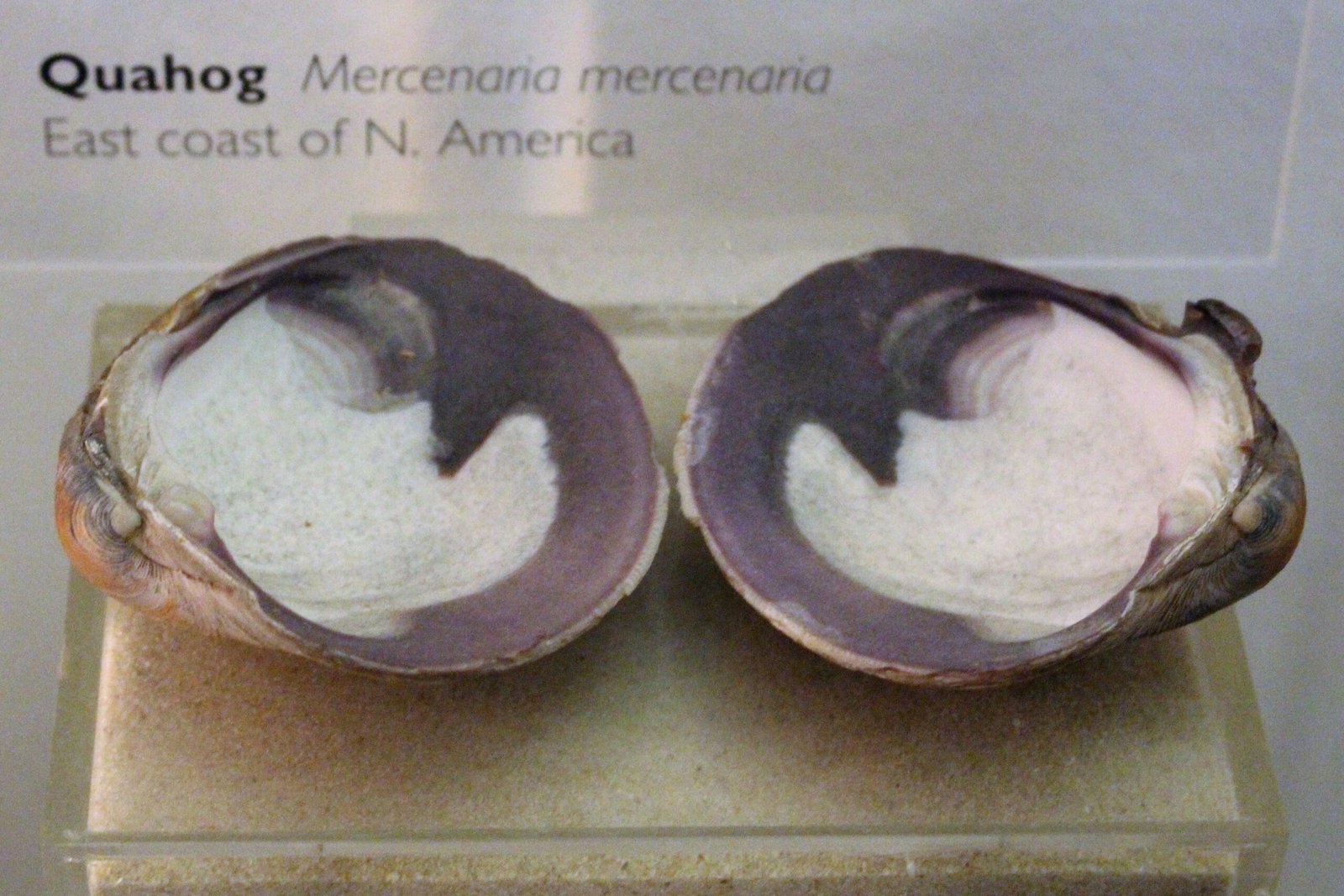
Rhode Island may be the smallest state, but its quahogs are giants in local culture and tradition. Known scientifically as Mercenaria mercenaria, these hard clams have been harvested from Narragansett Bay for centuries, serving as both sustenance and symbol. Native peoples once used quahog shells as wampum, weaving them into belts that held spiritual and economic value. Today, quahogs are celebrated in festivals, featured in the state’s official shellfish dish (stuffies), and even immortalized in local legends. The quahog isn’t just a seafood staple—it’s a living link to Rhode Island’s past, present, and identity.
Shells With Stories: Unique Markings and Longevity
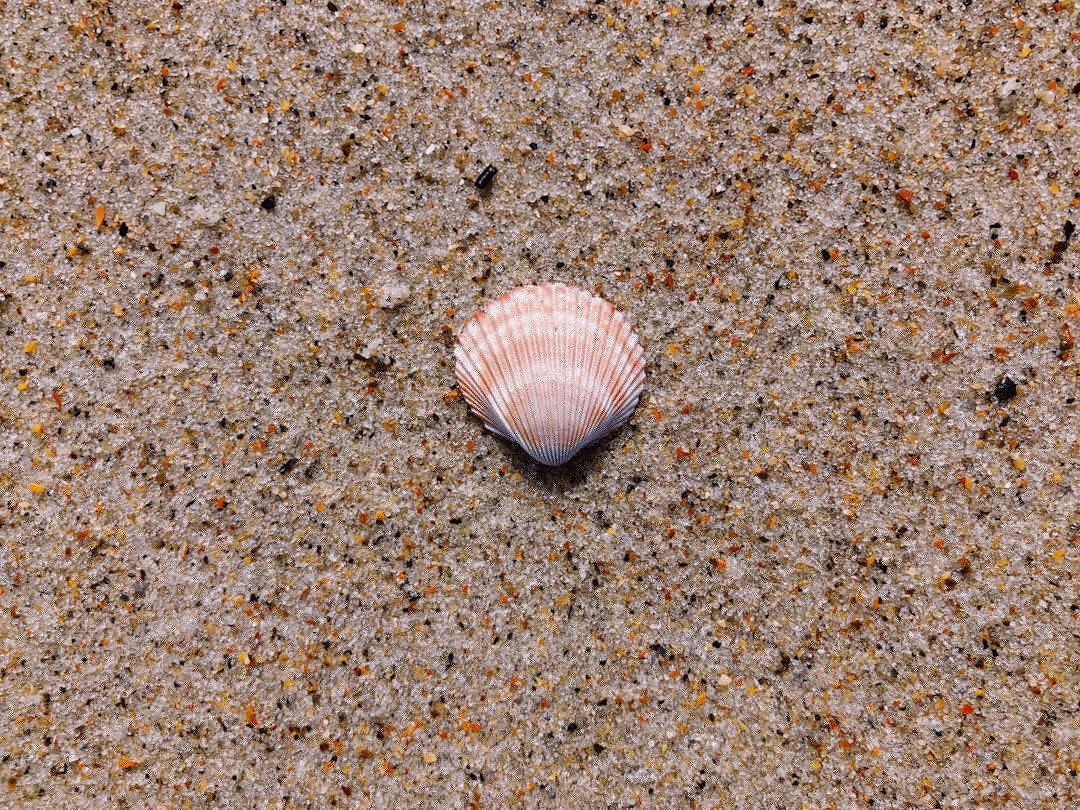
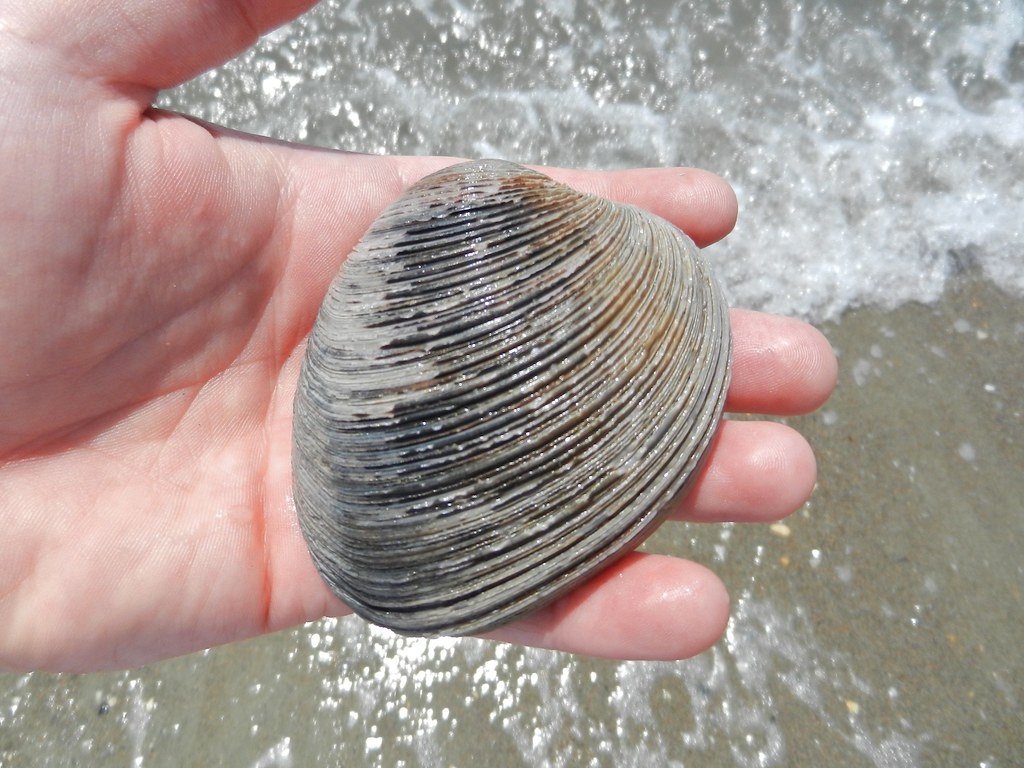
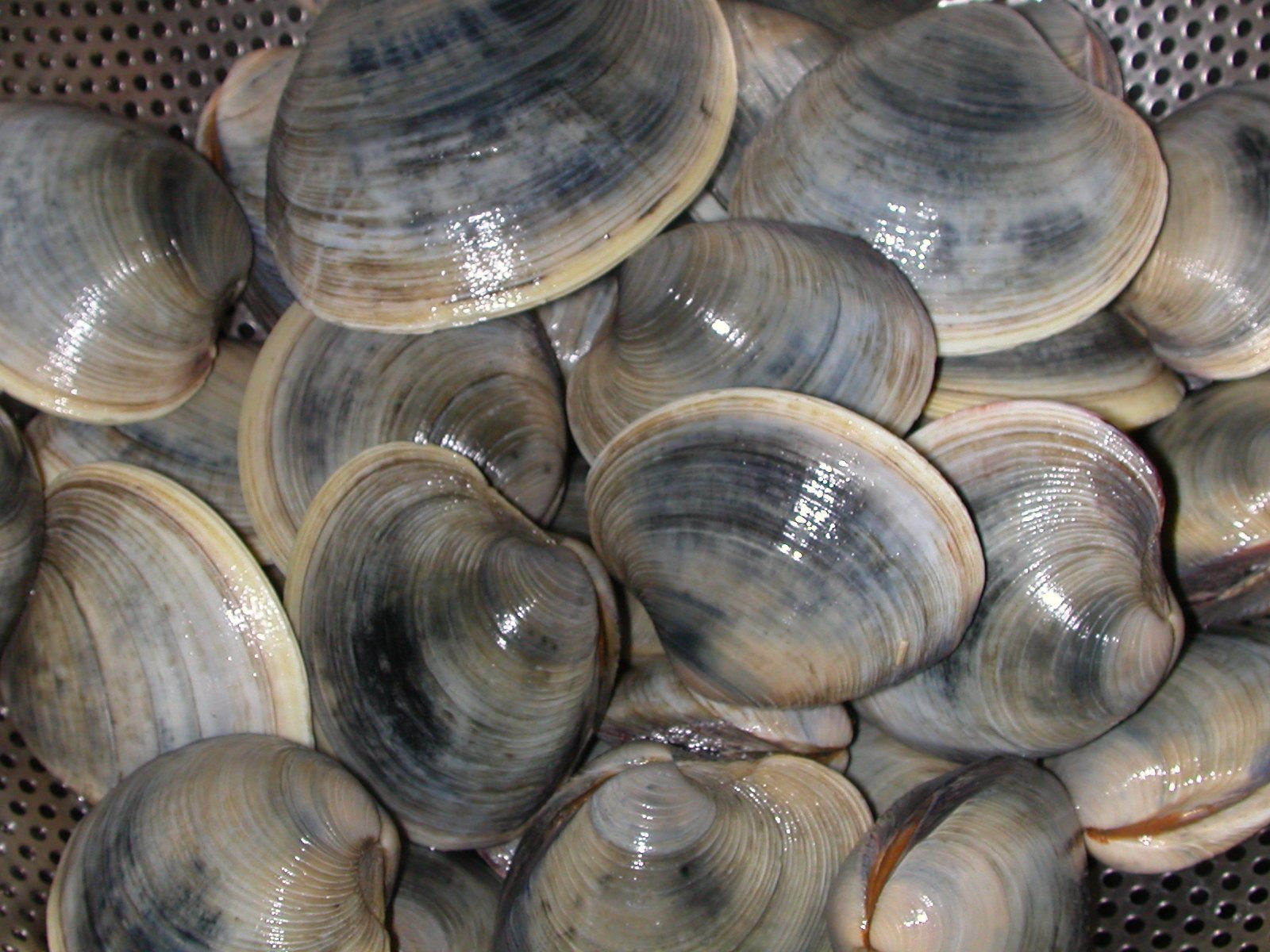
Every quahog shell is a one-of-a-kind masterpiece, etched by time and the elements. Their thick, purple-rimmed shells can tell a story of survival, with growth rings marking each year—some live for over 40 years! Like tree rings, these lines can reveal years of abundance or hardship, storms weathered, and waters traveled. Some shells develop dramatic scars from close encounters with crabs or fishing gear, while others are smoothed by gentle sand. Each shell is a living diary, proof that even the quietest creatures have tales worth hearing.
Masters of Adaptation: How Quahogs Survive
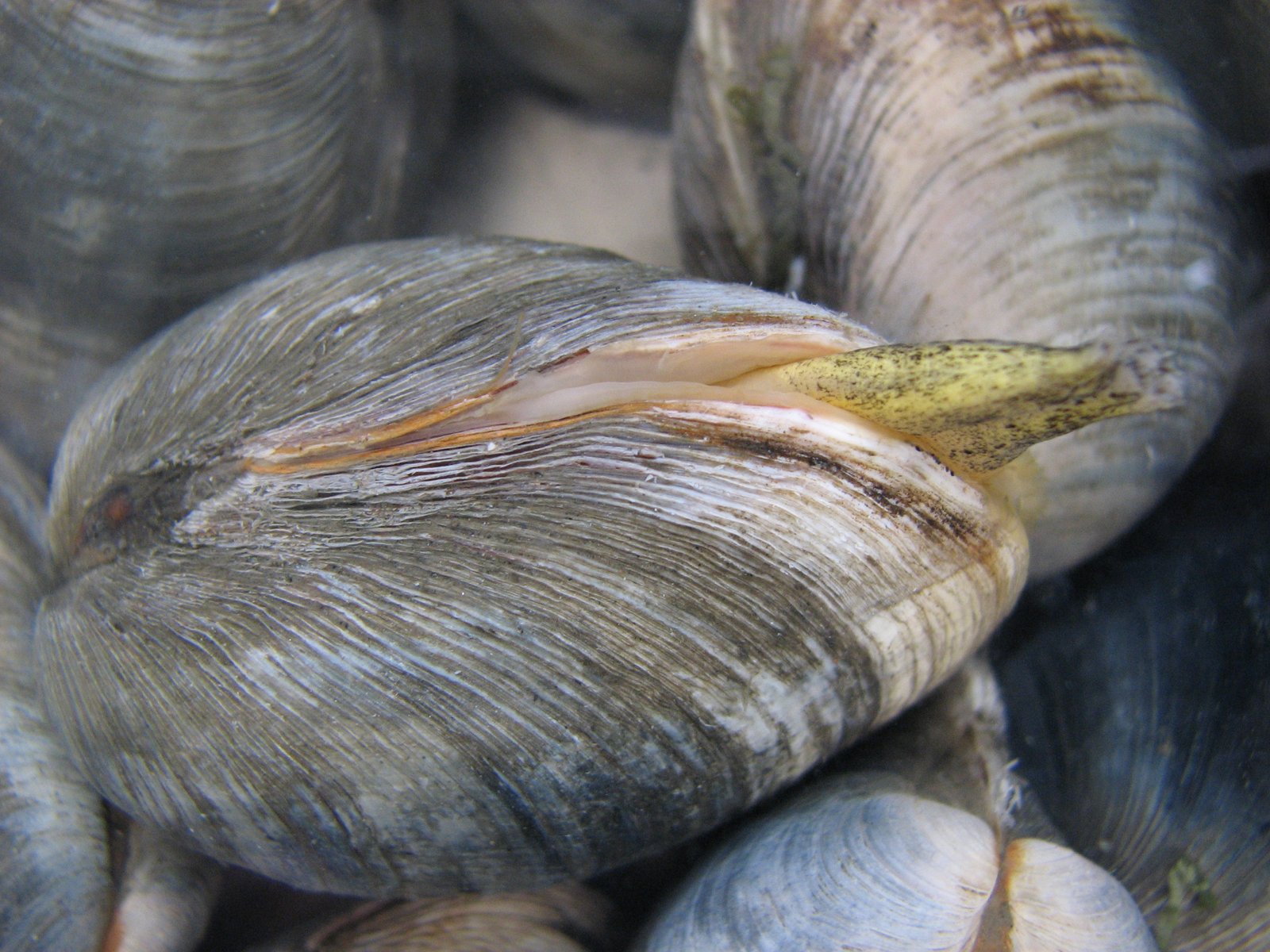
Quahogs don’t just sit still and hope for the best—they’re masters at adapting. When temperatures drop in winter, they burrow deep into the mud, slowing their metabolism to survive the cold. If oxygen levels fall, they can wait it out by closing their shells tightly, sometimes for weeks. In the face of pollution or changes in salinity, quahogs adjust their internal chemistry, displaying a resilience that scientists find remarkable. This adaptability is a big reason why quahogs thrive in Rhode Island’s sometimes harsh, changeable waters while other species struggle.
Sensory Powers: Surprising Ways Quahogs Perceive the World
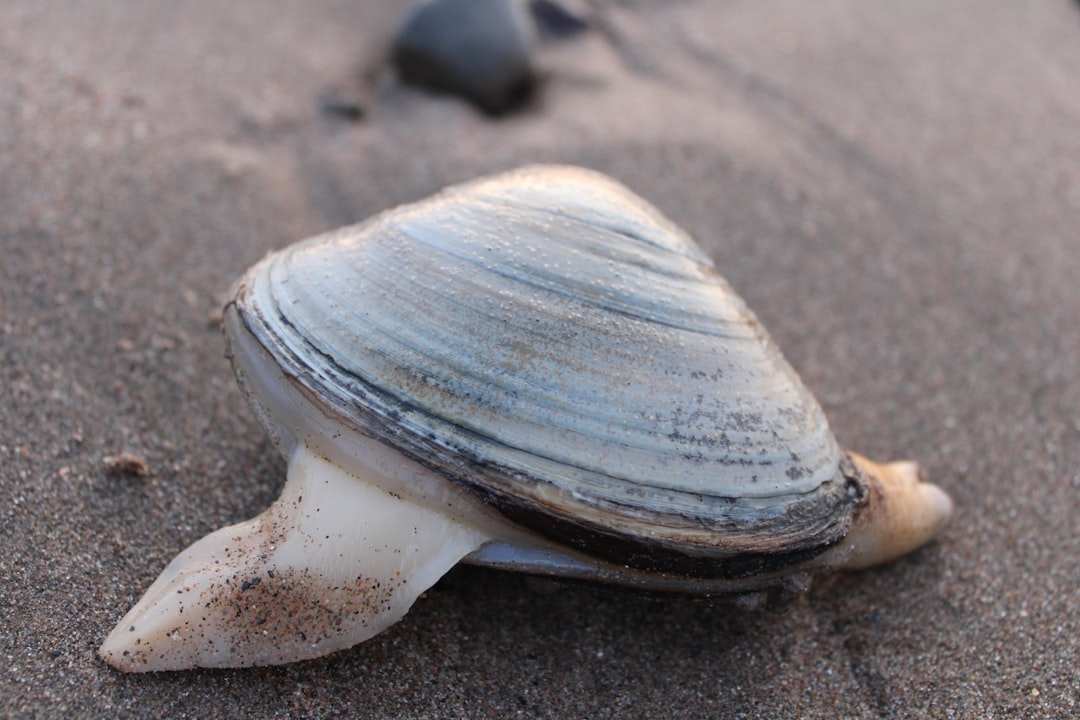
You might think a clam is just a lump in the sand, but quahogs have more going on than meets the eye. They use a muscular “foot” to dig and move, sensing the texture and chemistry of the sediment around them. Their siphons—long, flexible tubes—reach up to filter food and detect changes in water flow, temperature, and even the presence of predators. Quahogs can sense when shadows pass overhead or when vibrations signal danger. While they don’t “see” or “hear” like we do, their ability to read their environment is nothing short of astonishing.
Feeding the Bay: Quahogs as Ecosystem Engineers
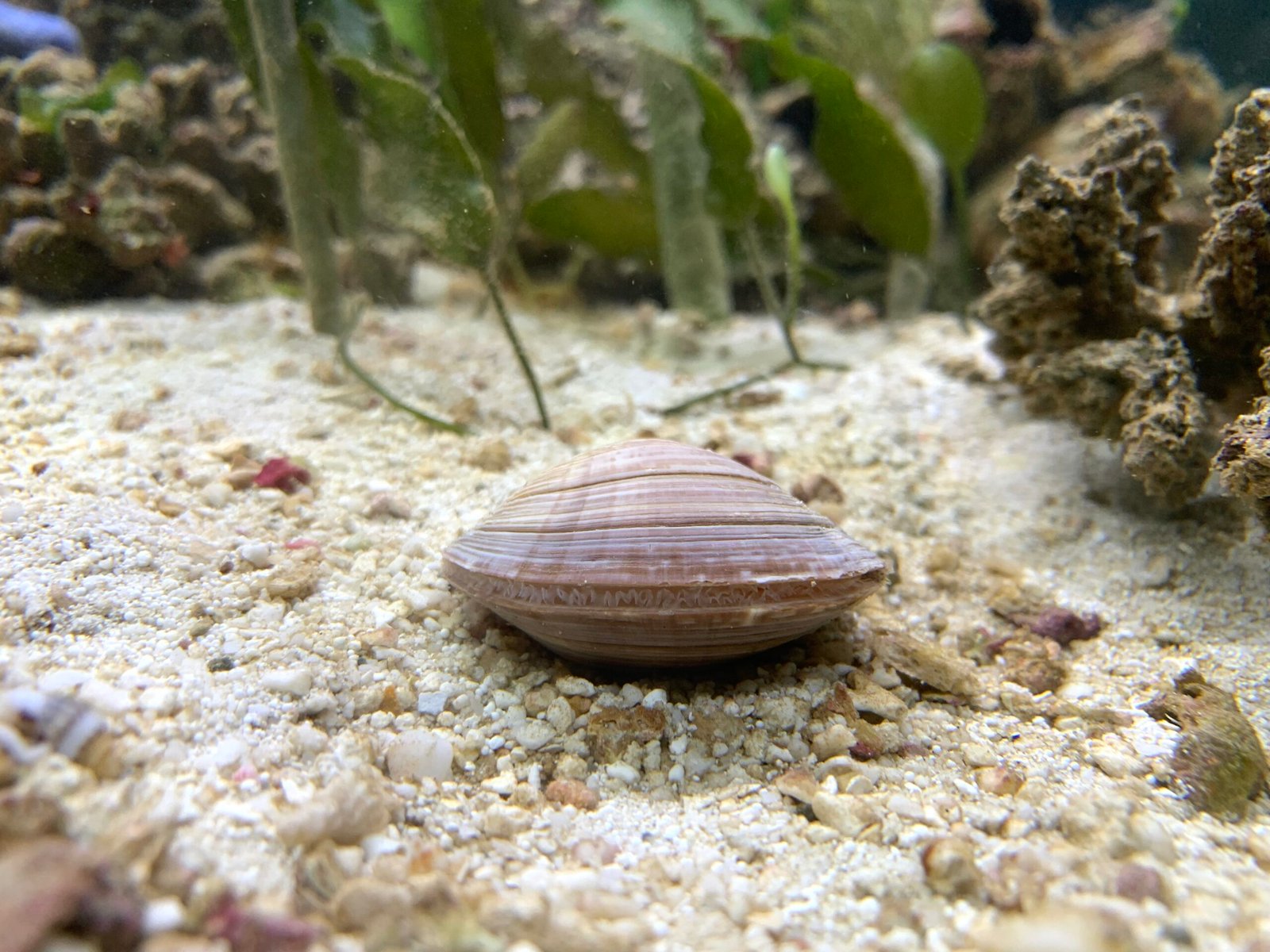
Quahogs aren’t just passive filter feeders; they’re essential to the health of Narragansett Bay. Each adult quahog can filter up to a gallon of water an hour, removing algae, plankton, and impurities. This constant cleaning helps keep the bay clear and supports a delicate balance for fish, crabs, and other creatures. When quahogs burrow, they oxygenate the sediment and release nutrients, supporting the growth of eelgrass and other vital plants. In this way, quahogs quietly shape the habitat for countless species.
Unexpected Behavior: Quahogs on the Move
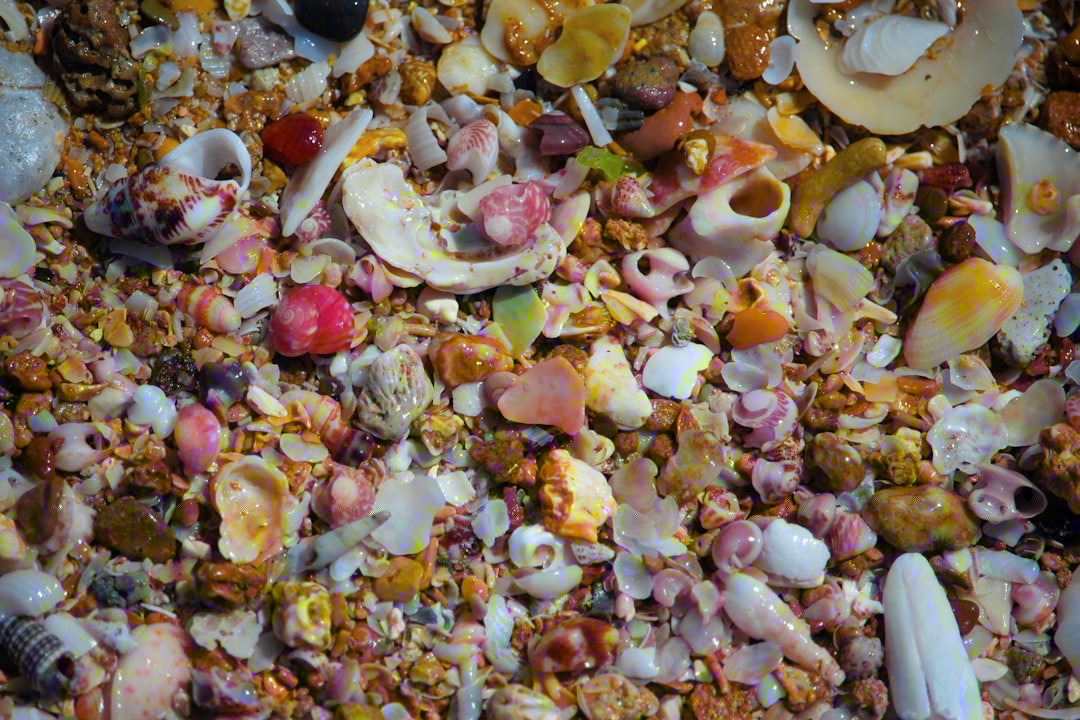
While it may seem like quahogs are rooted in place, they can actually move with purpose. Using their muscular foot, they can push through sand and mud, sometimes traveling surprising distances in search of better conditions. After storms or during spawning, whole beds of quahogs may shift location, creating new pockets of life where none existed before. Their movement helps prevent overcrowding and spreads their influence across the bay. It’s a reminder that even creatures without legs can travel and explore their world.
Quahogs and the Art of Survival: Defending Against Predators
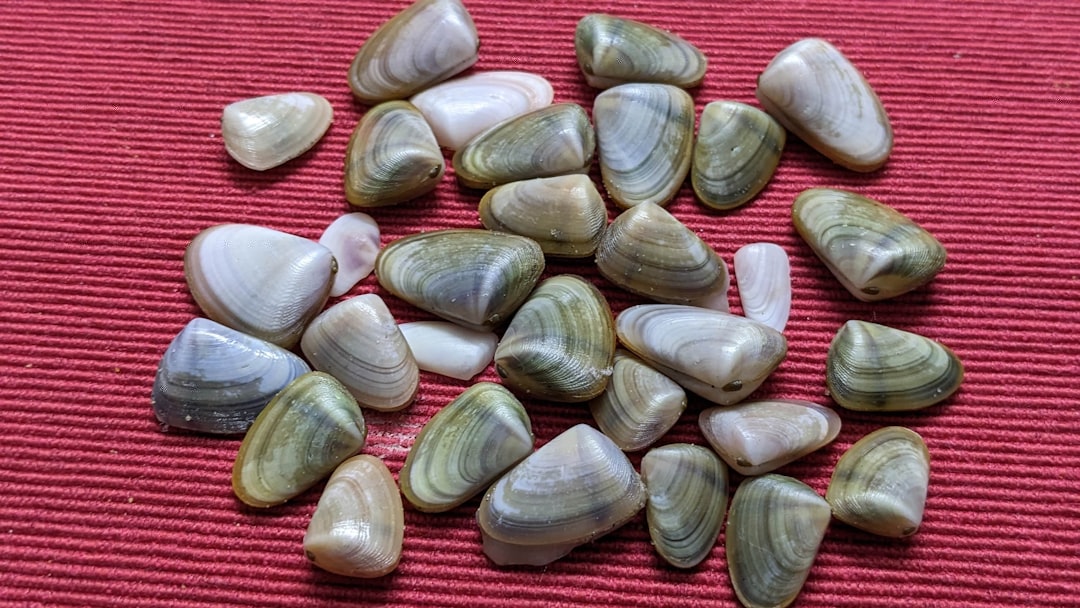
Life in the bay isn’t without danger, and quahogs have evolved clever defenses. Their thick, heavy shells are a formidable barrier against hungry crabs, fish, and even humans. When threatened, they clamp down with impressive force, making them nearly impossible to pry open. Some scientists believe the unique coloration on their shells may help camouflage them in the sand, offering a first line of stealth protection. Despite the constant threat of predation, quahogs have persisted for millennia, outlasting many would-be predators.
The Social Side: Quahog Communities and Spawning
Quahogs are more social than you might think. During spawning season, usually in late spring and early summer, they release millions of eggs and sperm into the water simultaneously. This synchronized event increases the odds of fertilization and creates a dramatic spectacle beneath the waves. Young quahogs settle together, forming dense beds that provide shelter and stability for each other. These communities are living proof that even simple organisms benefit from sticking together.
Changing Waters: Quahogs in a Warming World
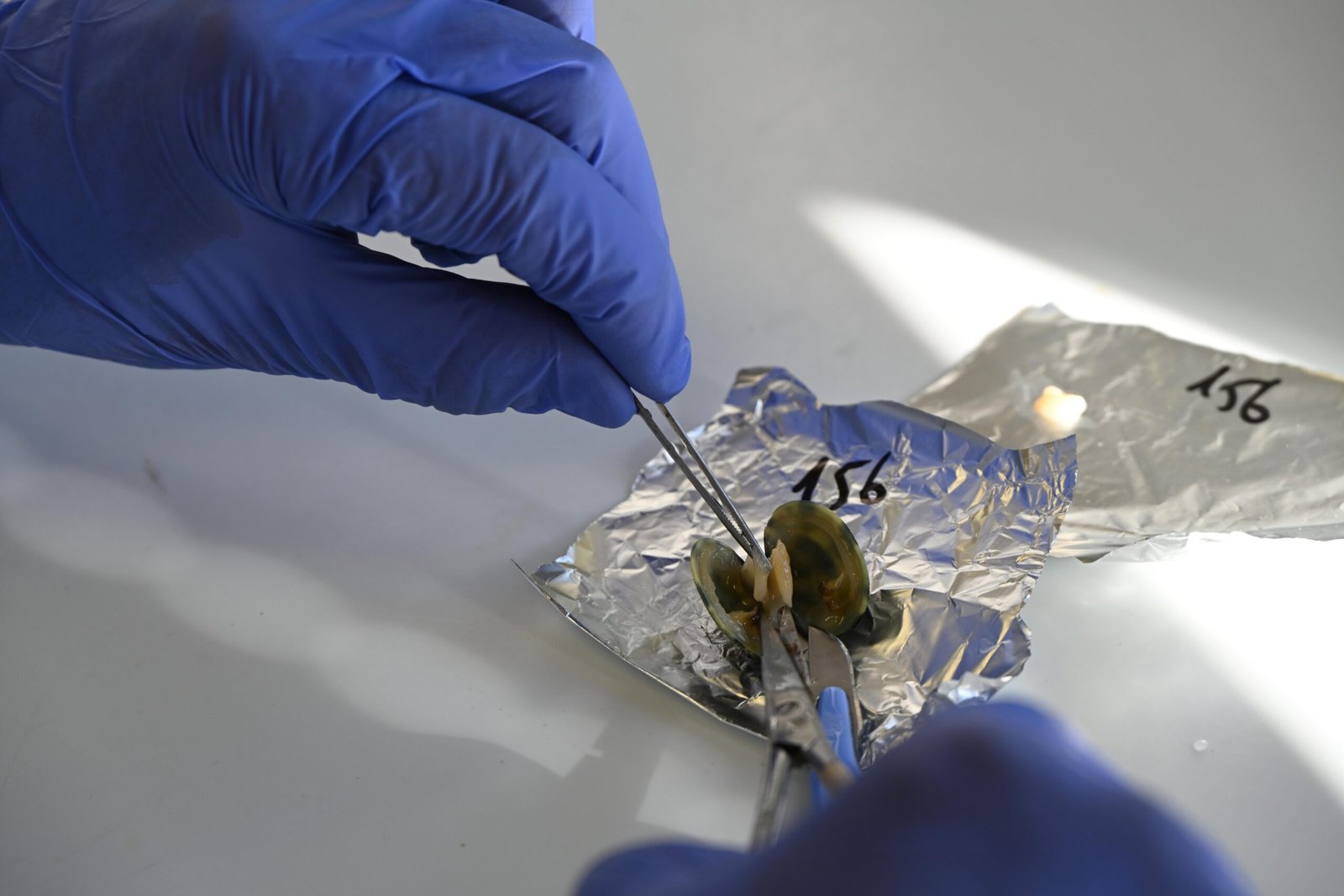
Climate change is altering the rhythm of life in Narragansett Bay, and quahogs are feeling the effects. Warmer water temperatures can disrupt their reproduction and growth, while increased storms and runoff threaten their habitat. Yet quahogs continue to surprise scientists with their ability to adapt, shifting their spawning times and burrowing deeper when necessary. Researchers are studying these changes closely, hoping that the quahog’s resilience may offer clues for other vulnerable species.
From Plate to Conservation: Why Protecting Quahogs Matters
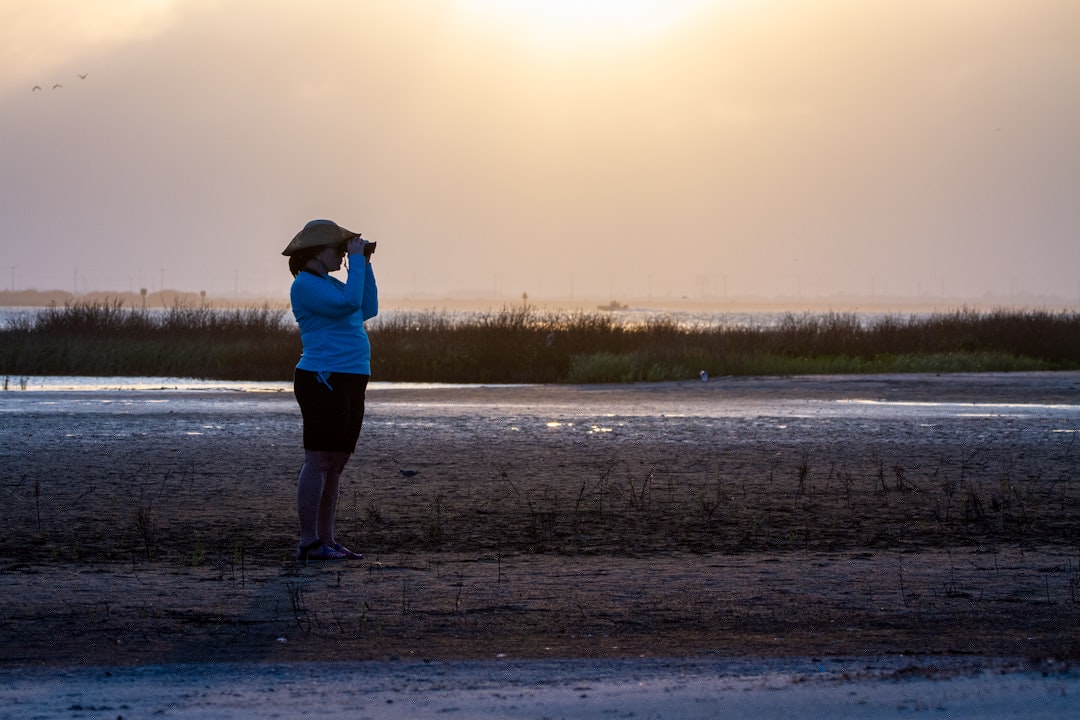
Quahogs are beloved on Rhode Island dinner tables, but their value goes far beyond taste. Overharvesting and habitat loss threaten their future, making conservation efforts more important than ever. Local fishermen, scientists, and lawmakers are working together to set sustainable harvest limits and restore shellfish beds. By protecting quahogs, we’re not just saving a seafood delicacy—we’re safeguarding an entire web of life that depends on these remarkable creatures.
Lessons from a Shell: What Quahogs Teach Us
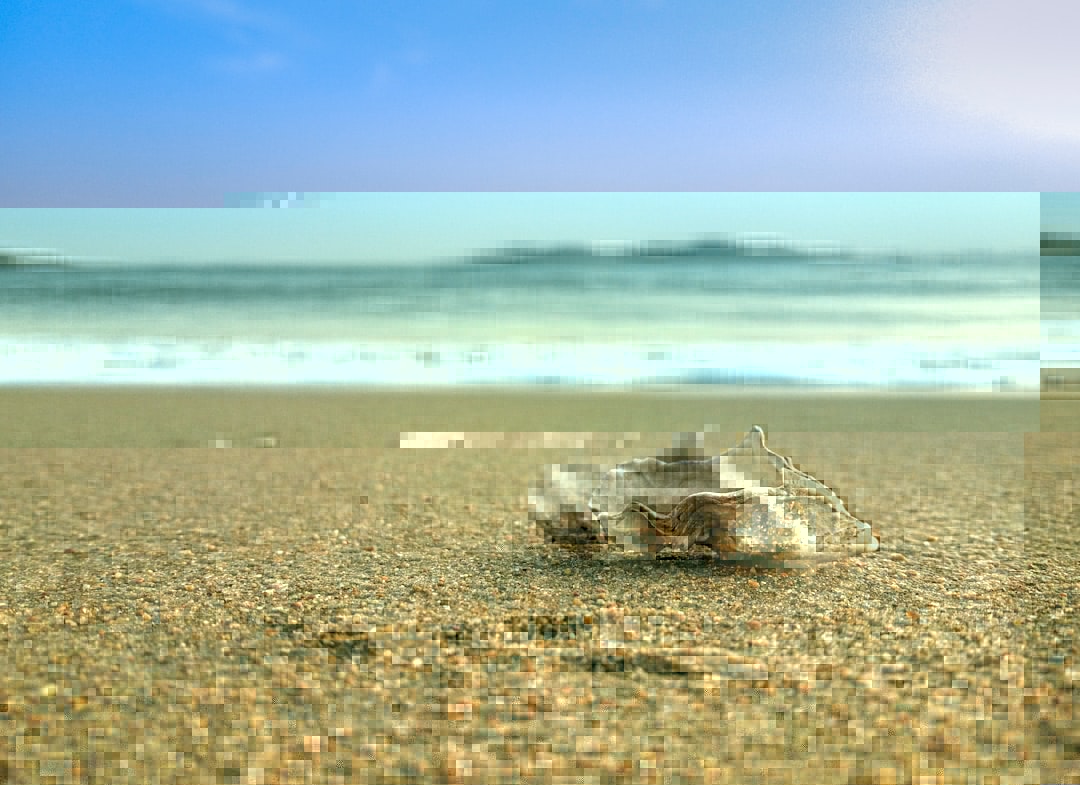
Quahogs may seem unassuming, but their lives are filled with quiet drama and unexpected depth. Their resilience, adaptability, and understated influence on the world around them offer lessons in patience, strength, and the value of community. The next time you walk along a Rhode Island shore or lift a bowl of chowder to your lips, consider the hidden personalities beneath those thick shells. What other secrets might the natural world be holding, just out of sight?