Imagine stepping into a zoo where the animals are only half the story—where the air hums with the excitement of discovery, and every corner reveals a new way to see the wild. Picture real lions roaming their enclosures, while digital ones leap beside you in augmented reality. Today’s most innovative zoos are harnessing the power of artificial intelligence (AI), virtual reality (VR), and cutting-edge technology to ignite wonder, spark empathy, and deepen our understanding of the natural world. These advances aren’t just flashy novelties; they’re transforming how millions of visitors connect with wildlife, offering heart-stirring encounters that are as educational as they are unforgettable. Let’s journey into ten zoos leading this tech-powered revolution—where science, nature, and imagination unite to inspire the next generation of conservationists.
San Diego Zoo: Intelligent Insights with AI-Powered Animal Tracking
The San Diego Zoo, world-renowned for its vast collection and conservation leadership, is blazing a trail with its use of artificial intelligence. Here, AI-driven cameras and sensors monitor animal behaviors in real time, tracking movement, feeding patterns, and even social interactions. Visitors can watch live feeds and see data visualizations that reveal the hidden rhythms of the zoo’s wildlife. Educators use this information to design interactive exhibits, allowing guests to “step into the paws” of their favorite animals through touchscreen displays. By revealing the unseen world of animal behaviors, the San Diego Zoo makes science tangible and inspires a deeper respect for the creatures in its care.
Smithsonian’s National Zoo: Virtual Reality Safaris and Immersive Storytelling
At the Smithsonian’s National Zoo, technology turns a simple stroll into an African adventure. Their VR safari experience lets visitors don headsets and travel through sun-drenched savannas or dense rainforests, encountering elephants, tigers, and endangered frogs up close—no passport needed. These virtual journeys are more than visual spectacles; they’re woven with stories about habitat loss, migration, and the delicate balance of our ecosystems. The immersive storytelling invites empathy, making it possible for children and adults alike to “walk a mile” in an animal’s world. The result is an unforgettable lesson in the fragility—and beauty—of life on Earth.
Singapore Zoo: Smart Guides and Augmented Reality Trails
Singapore Zoo is turning the traditional zoo map into a relic of the past. Guests now explore using smart guides—AI-powered apps that personalize your journey, suggesting routes based on your interests and even the animals’ current activity levels. Augmented reality (AR) stations bring extinct animals to life, letting visitors see woolly mammoths and saber-toothed cats roam alongside today’s species. Interactive screens provide instant facts, quizzes, and conservation tips, transforming every step into a learning opportunity. This blend of technology and storytelling ensures each visitor leaves with a head full of knowledge and a heart full of wonder.
London Zoo: Facial Recognition for Conservation Education
London Zoo is using facial recognition—not for people, but for penguins! Their pioneering project identifies individual animals, tracking their health and social bonds with precision. Visitors can scan QR codes to meet “celebrity” animals, tracking their stories and understanding how individual care impacts conservation. Interactive displays explain the science behind the technology, showing how AI helps biologists monitor endangered populations in the wild. This personal touch transforms each animal into an ambassador for its species, forging emotional connections that fuel conservation action.
Brookfield Zoo: AI-Enhanced Learning Labs for Students
At Brookfield Zoo, education leaps off the page and into the digital realm. Their AI-enhanced learning labs invite students to analyze animal data, solve real-world conservation problems, and test their hypotheses with instant feedback from virtual mentors. Simulations show how changes in climate, habitat, or population numbers ripple through ecosystems. By engaging young scientists in hands-on experiments, Brookfield Zoo turns passive learning into active discovery—and maybe sparks a few future zoologists along the way.
Melbourne Zoo: Digital Keeper Talks and Live Animal Monitoring

Melbourne Zoo is bringing zookeepers closer to visitors—even when they’re not on site. Through digital keeper talks, guests can watch live or recorded Q&A sessions, dive into behind-the-scenes footage, and ask questions via interactive kiosks. AI-powered monitors track animal moods, health, and behaviors, feeding real-time updates to both staff and the public. Displays show how keepers use this data to improve animal welfare. This transparency builds trust and excitement, letting visitors see the care and science that goes into every habitat.
Berlin Zoo: Smart Conservation Stations and AI-Based Species Recognition
Berlin Zoo is turning conservation into a hands-on adventure. At smart conservation stations, visitors use touchscreens to identify species, learn about threats, and “vote” for their favorite conservation projects. AI-based recognition software lets guests upload photos of animals they see, instantly receiving detailed information and fun facts. This gamified experience turns every visitor into a citizen scientist, blurring the lines between learning and play while emphasizing the role everyone can play in protecting biodiversity.
Toronto Zoo: Interactive VR Expeditions and Eco-Challenges
Toronto Zoo is taking adventure to new heights with VR expeditions through threatened habitats. Visitors can glide over Arctic ice, trek through rainforests, or dive beneath coral reefs—all without leaving the city. The experience doesn’t end with the headset: Interactive eco-challenges task guests with solving real conservation problems, like designing wildlife corridors or restoring damaged habitats. These challenges are rooted in scientific research, making visitors active participants in the fight to save endangered species.
Omaha’s Henry Doorly Zoo: AI for Animal Welfare and Visitor Engagement
Omaha’s Henry Doorly Zoo is using AI to keep animals happier and visitors more engaged. Sensors track animal stress levels, adjusting lighting, temperature, and sounds in real time to mimic natural environments. Visitors can view these dynamic changes on interactive screens, learning how zoos use technology to provide the best possible care. Educational games let children experiment with different habitat settings, teaching them about the delicate balance of animal welfare and environmental needs.
Los Angeles Zoo: Augmented Reality Conservation Missions
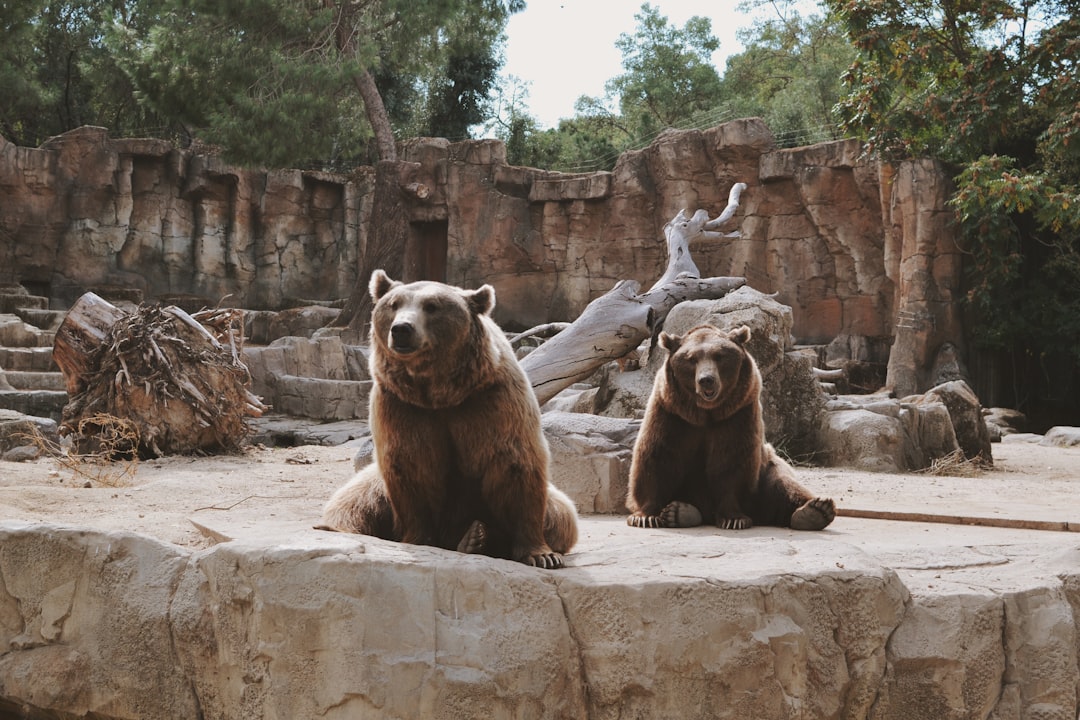
Los Angeles Zoo transforms every visit into a mission with its augmented reality conservation quests. Using a smartphone app, guests complete challenges—such as “rescuing” virtual animals or restoring digital habitats—while exploring the zoo. Each completed mission unlocks new facts, stories, and even rewards, motivating visitors to learn more with every step. The experience is both playful and purposeful, proving that technology can turn education into a grand adventure.
Seattle’s Woodland Park Zoo: AI-Driven Nature Exploration and Citizen Science
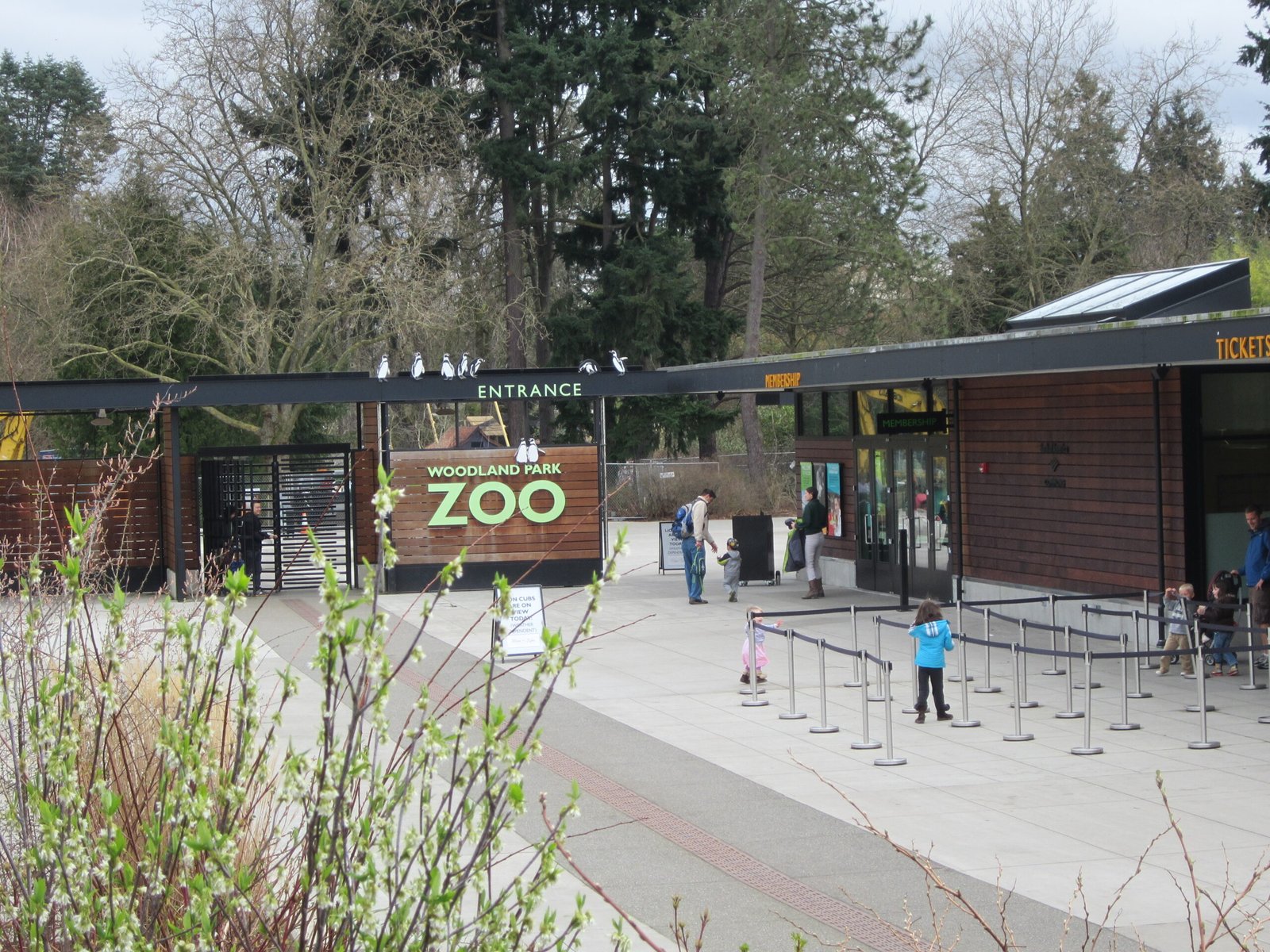
At Woodland Park Zoo, AI-driven apps guide visitors through nature trails, identifying plants and animals in real time. Guests can snap photos, log their sightings, and contribute directly to ongoing wildlife research. The app’s real-time feedback turns casual strolls into meaningful scientific journeys, encouraging everyone to become a citizen scientist. This hands-on approach bridges the gap between technology and nature, ensuring that every visitor leaves not just informed, but inspired to make a difference.