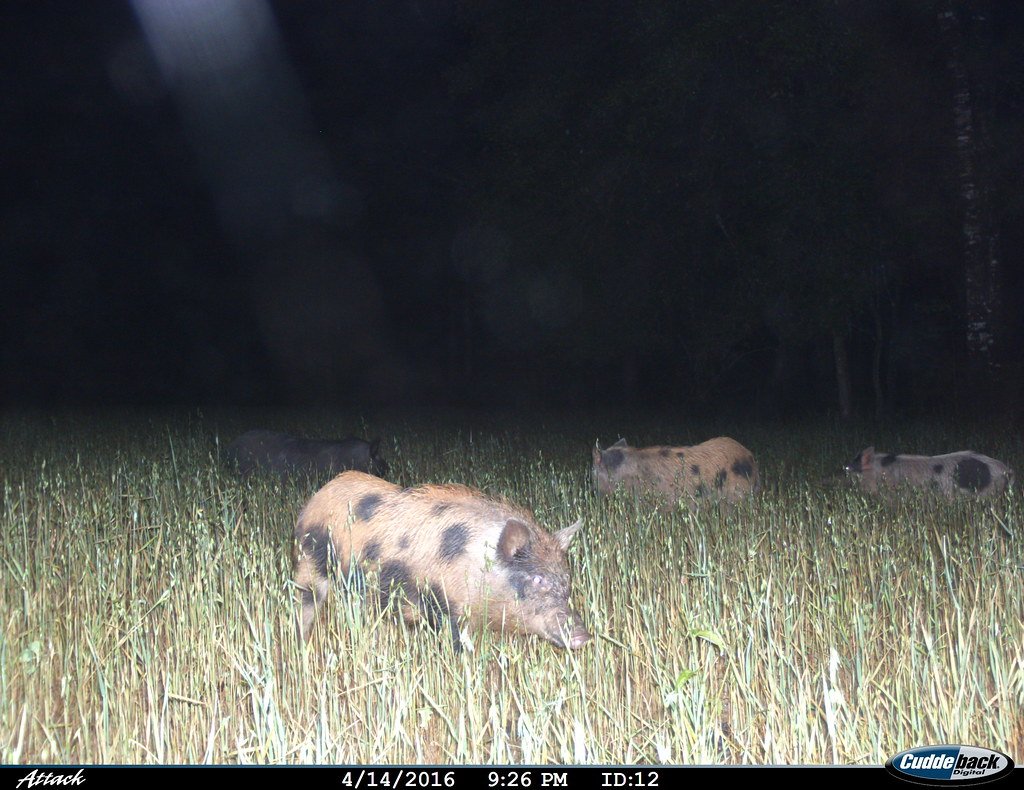
Feral hogs, also known as wild boars or wild pigs, are creating waves across continents, altering ecosystems in ways many never imagined. These creatures, which are descendants of domestic pigs that escaped or were released into the wild, have adapted remarkably well to various environments. They are now found in numerous parts of the world, from the dense forests of Europe to the sprawling plains of North America. Their adaptability, coupled with their impressive reproductive capabilities, has allowed them to thrive and multiply at an alarming rate. This has led to significant impacts on local flora and fauna, making them a subject of growing concern among ecologists and wildlife managers.
The Invasion Begins: Origins and Spread of Feral Hogs
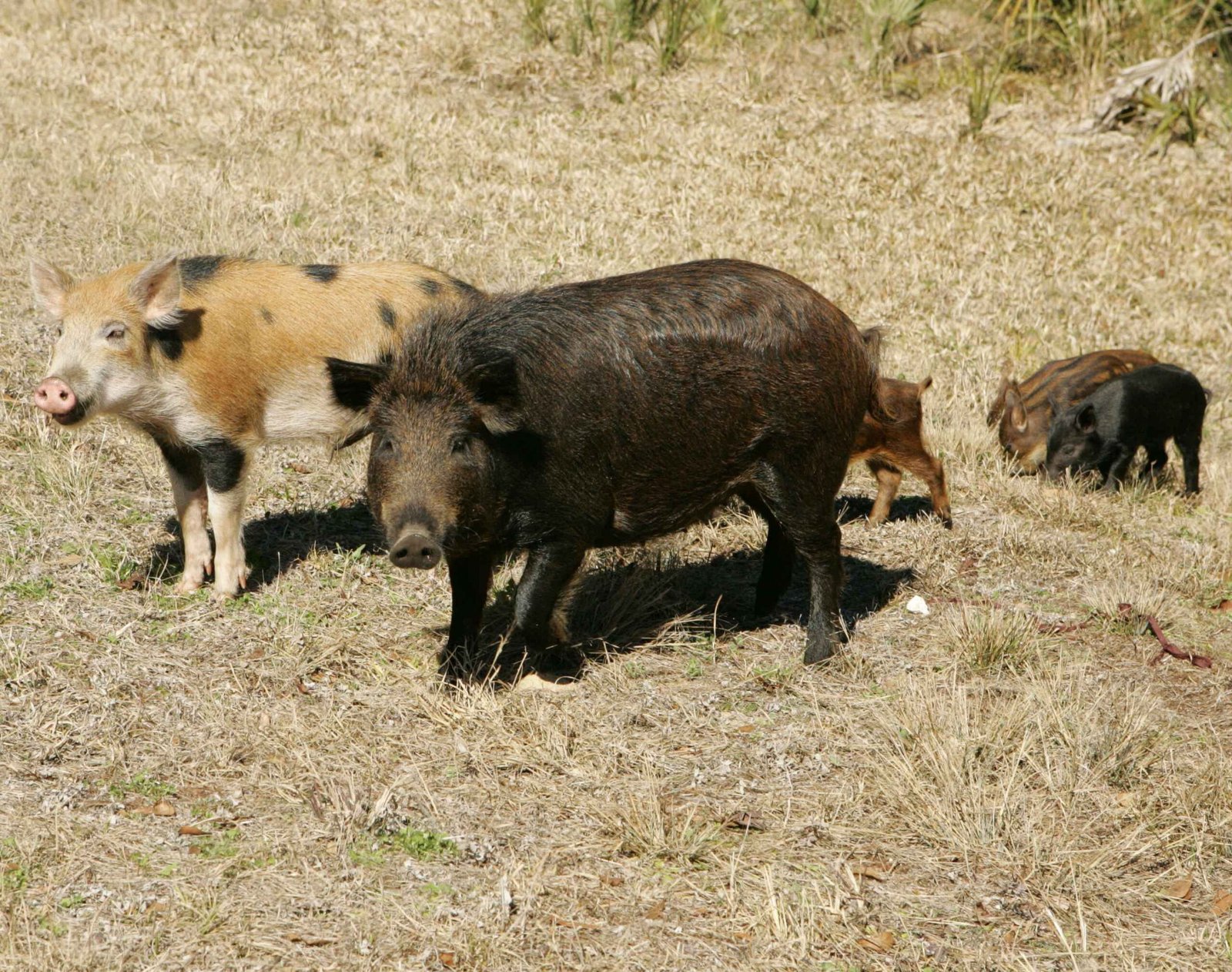
The story of feral hogs begins centuries ago when domestic pigs were introduced to new lands by explorers and settlers. As these pigs escaped or were released into the wild, they quickly adapted to their new environments. Their spread was facilitated by their lack of natural predators and their ability to thrive in diverse habitats. Over time, feral hog populations have expanded across continents, establishing themselves in regions like North America, Europe, and Australia. Their presence has been noted as far back as the 1500s in the Americas, where they were introduced by Spanish explorers. Today, their numbers continue to grow, with estimates suggesting millions of feral hogs roam the U.S. alone.
Unstoppable Multiplication: Reproductive Traits of Feral Hogs
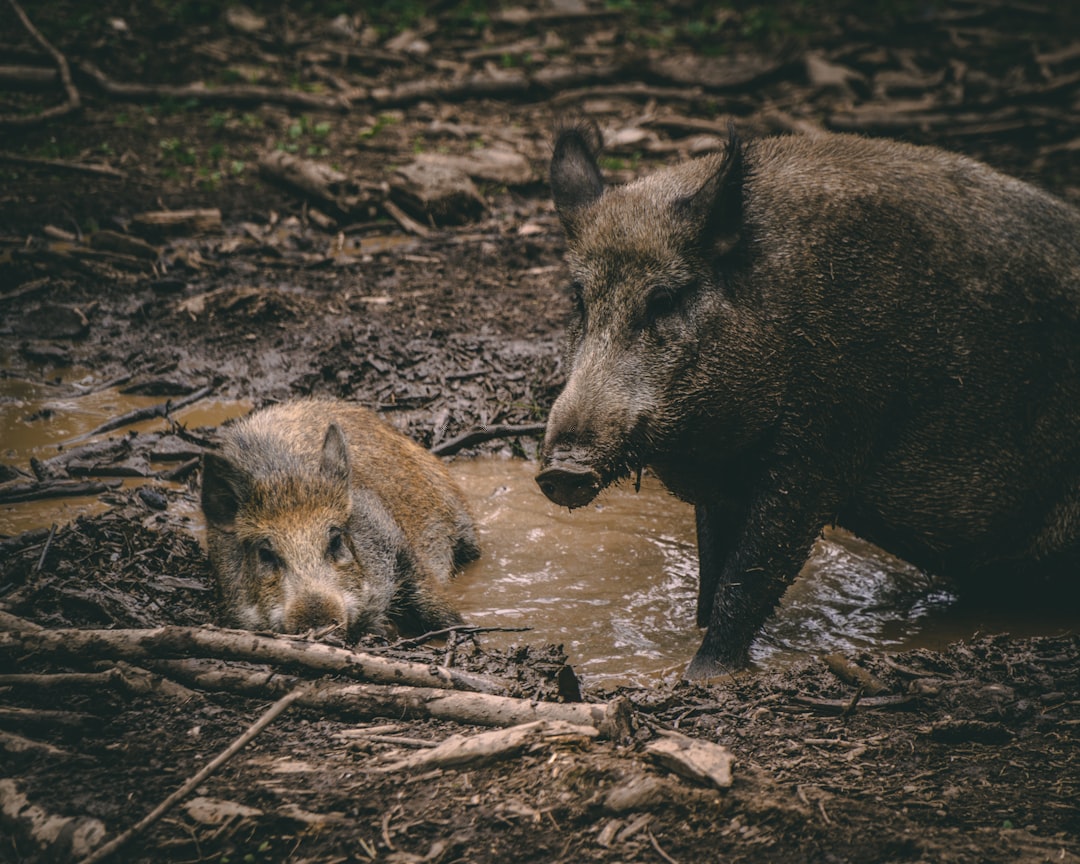
One of the key factors behind the rapid spread of feral hogs is their remarkable reproductive capacity. Female hogs, or sows, can begin reproducing as early as six months of age and can have up to two litters per year. Each litter can consist of four to twelve piglets, leading to exponential population growth. This prolific breeding means that even with natural mortality and hunting, feral hog populations can double in just a few short years. Their ability to reproduce swiftly makes controlling their numbers a significant challenge for wildlife managers worldwide.
Destructive Dining: The Impact of Feral Hogs on Ecosystems
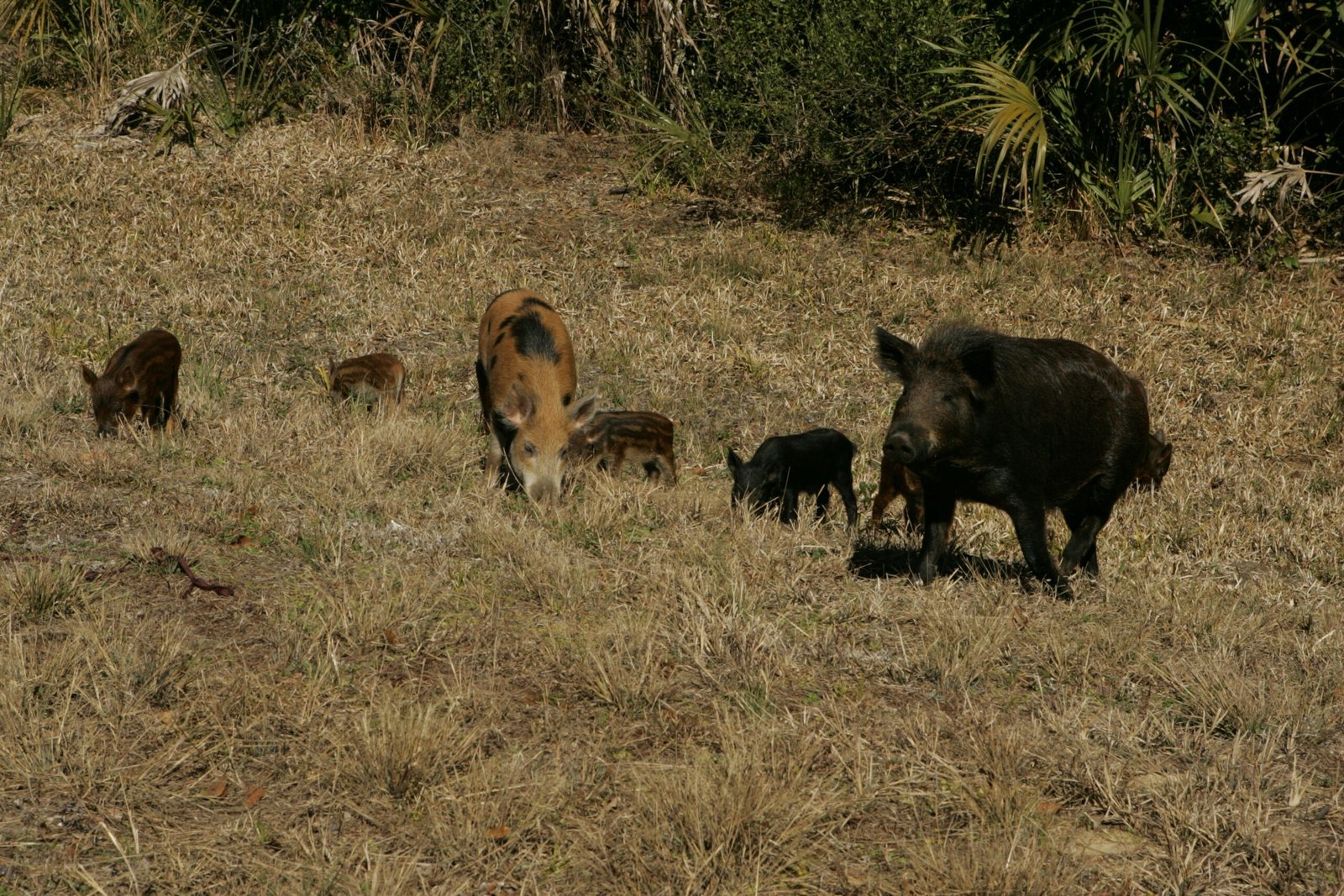
Feral hogs are opportunistic omnivores, which means they eat a wide variety of foods. Their diet includes plants, small animals, insects, and even carrion. This diverse diet allows them to thrive in many environments but also leads to significant ecological impacts. Their rooting behavior, in which they dig up the ground in search of food, can cause extensive damage to native vegetation and soil structure. This not only affects plant life but also disrupts habitats for other wildlife. Additionally, their consumption of native plants and animals can lead to declines in local biodiversity, threatening the balance of ecosystems they invade.
Farmers’ Foes: Economic Consequences of Feral Hog Invasions
Beyond ecological impacts, feral hogs pose significant economic challenges, particularly to agriculture. Farmers often find their crops destroyed by these animals, leading to substantial financial losses. Feral hogs are known to damage fields of corn, wheat, and other staple crops, undermining the livelihood of farmers. Moreover, their rooting behavior can damage pastures and fencing, further complicating livestock management. The cost of repairing this damage and implementing control measures adds to the financial burden on agricultural communities.
A Threat to Native Wildlife: Competition and Predation
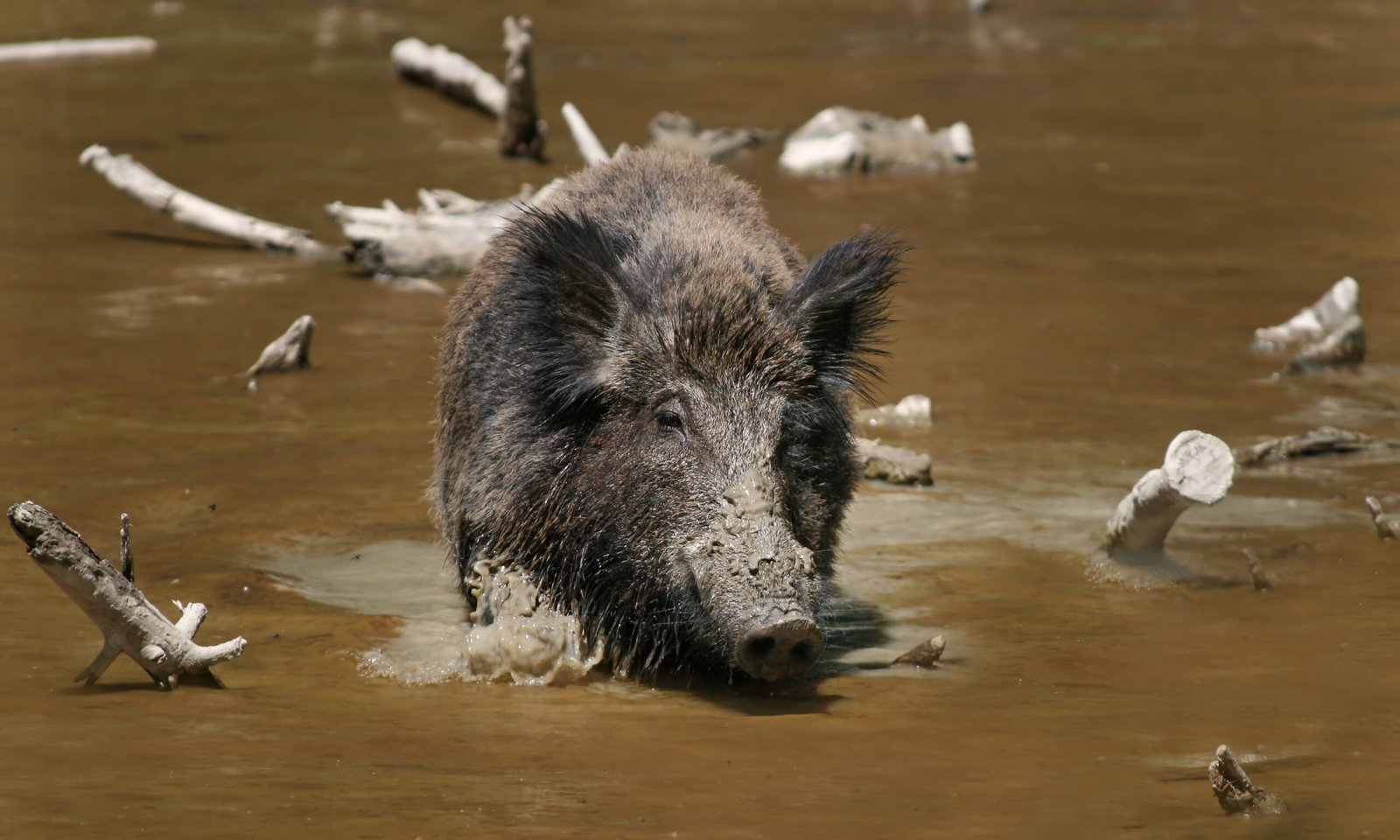
Feral hogs not only compete with native wildlife for resources but also prey on them. Their presence can lead to reduced food availability for native species, as hogs consume a wide range of plants and animals. Furthermore, their predation on eggs and young animals can have severe impacts on certain species, particularly ground-nesting birds and reptiles. This predatory behavior disrupts the delicate balance of food webs, leading to long-term ecological consequences that can be difficult to reverse.
Disease Carriers: Health Risks of Feral Hogs
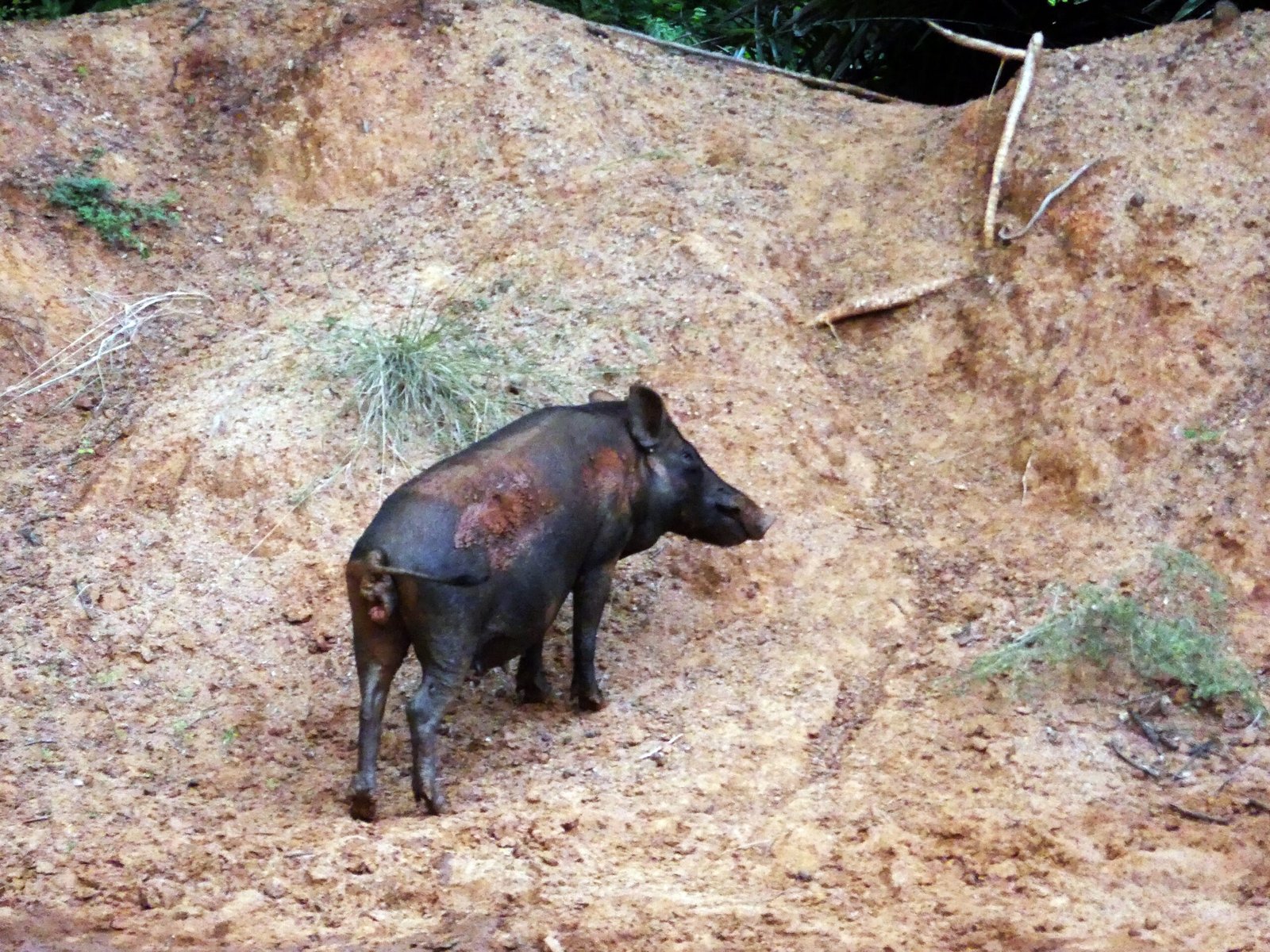
Another significant concern regarding feral hogs is their potential to spread diseases. They can carry a variety of pathogens that pose risks to livestock, wildlife, and even humans. Diseases such as swine brucellosis, pseudorabies, and leptospirosis are among those that feral hogs can transmit. These diseases not only affect animal health but can also have economic implications for farmers and ranchers. The risk of disease transmission makes managing feral hog populations a public health priority in many regions.
Management Challenges: Controlling Feral Hog Populations
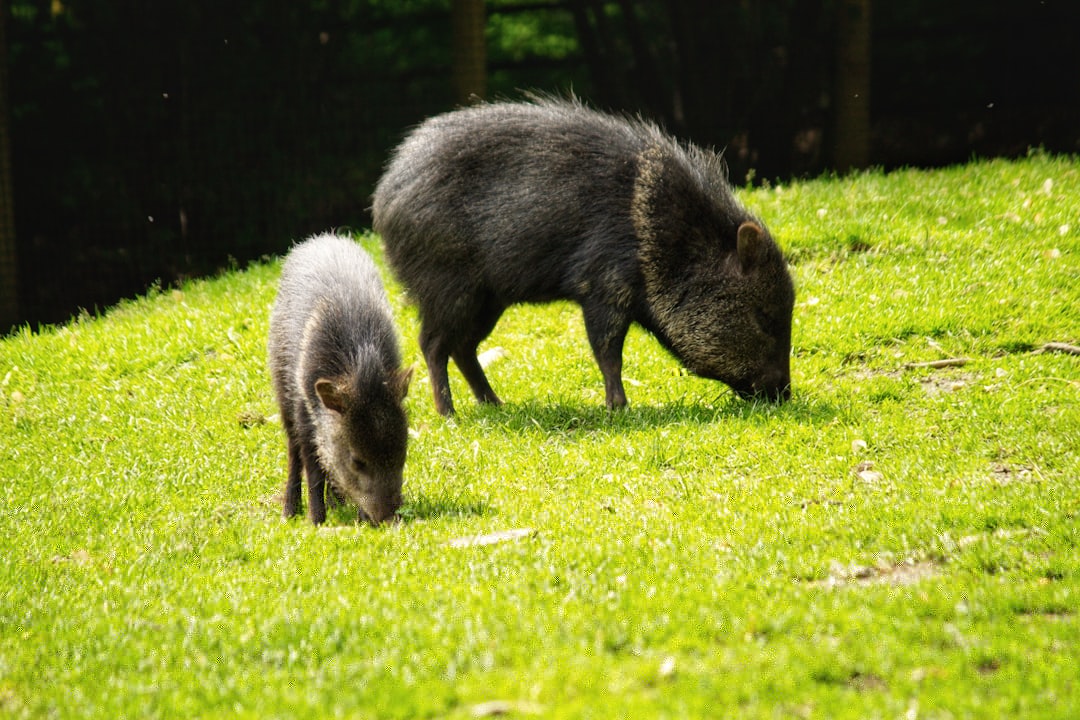
Controlling feral hog populations is a complex and challenging task. Their intelligence and adaptability make them difficult to capture or eliminate. Traditional hunting methods are often insufficient to manage their numbers effectively. Wildlife managers have turned to a combination of strategies, including trapping, hunting, and the use of contraceptives, to control populations. However, these efforts require significant resources and coordination to be successful. The challenge lies in implementing sustainable management practices that balance ecological and economic considerations.
Learning from the Past: Historical Efforts to Manage Feral Hogs

Historically, attempts to manage feral hog populations have met with varying levels of success. In some regions, intensive hunting and trapping efforts have reduced numbers temporarily, only for populations to rebound later. This highlights the need for long-term, integrated management strategies that address the root causes of population growth. Lessons from past efforts underscore the importance of collaboration between landowners, government agencies, and conservation groups to develop effective solutions. By learning from previous experiences, modern management practices can be better informed and more successful.
The Future of Feral Hogs: Ongoing Research and Innovations
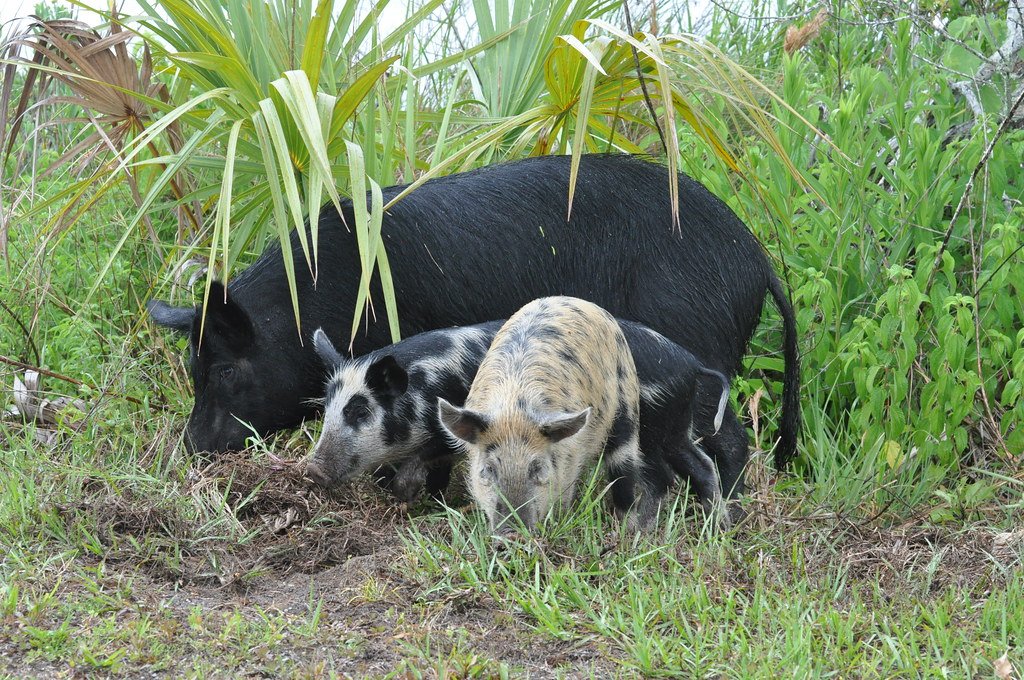
Ongoing research into feral hog behavior, ecology, and genetics is crucial for developing innovative management strategies. Scientists are exploring new technologies, such as drones and thermal imaging, to improve detection and control efforts. Genetic studies are also providing insights into population dynamics and potential vulnerabilities that could be targeted in management efforts. As our understanding of feral hogs continues to grow, so too does our ability to develop effective solutions to mitigate their impacts on ecosystems and economies.
Reshaping Landscapes: The Long-Term Effects of Feral Hog Invasions
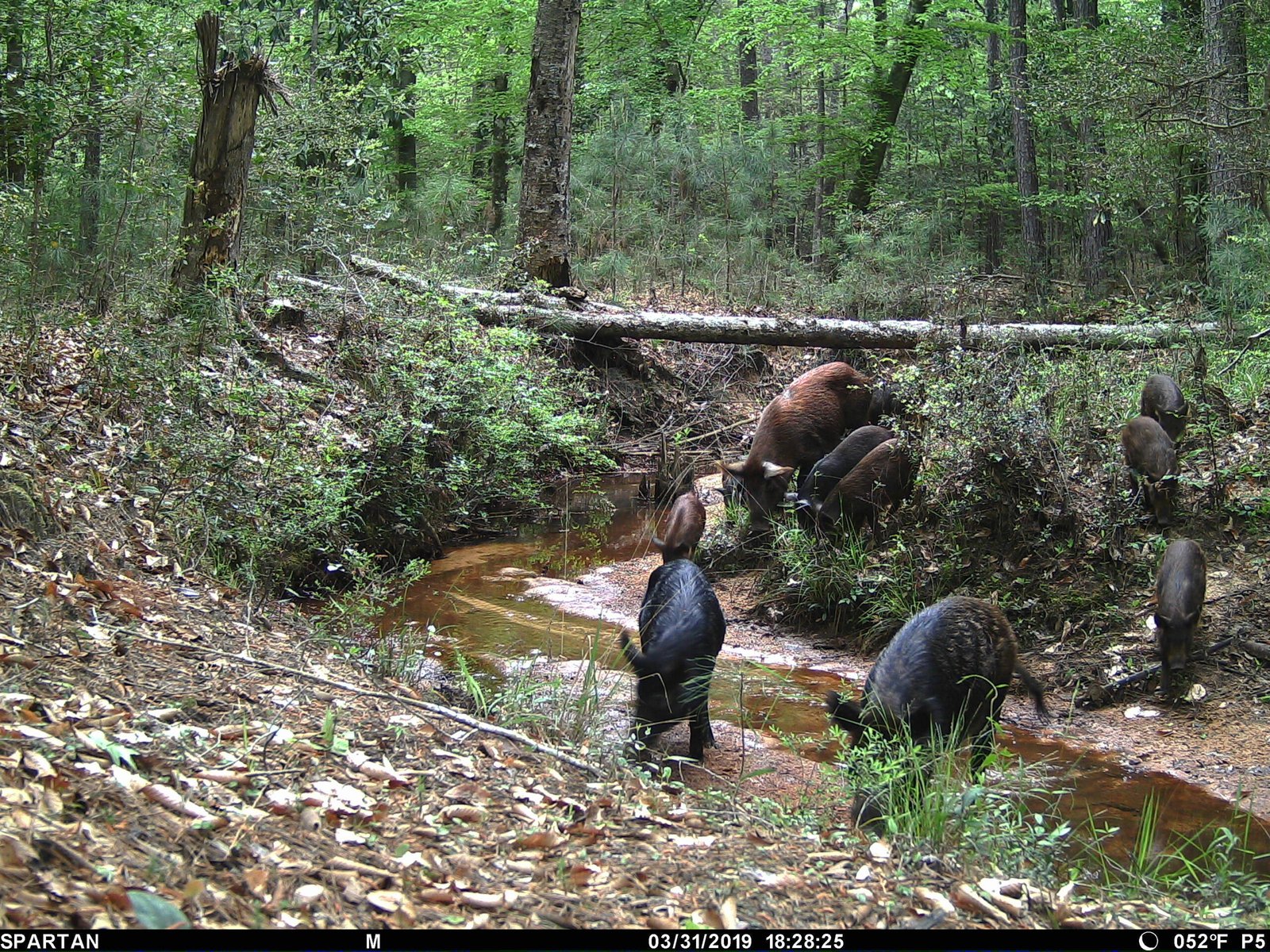
The long-term effects of feral hog invasions on landscapes are profound and far-reaching. Their activities can lead to changes in soil composition, water quality, and vegetation patterns. These alterations can have cascading effects on entire ecosystems, influencing everything from plant growth to animal behavior. Understanding these long-term impacts is essential for developing adaptive management strategies that can mitigate the negative consequences of feral hog invasions. By recognizing their role in reshaping landscapes, we can better appreciate the importance of addressing this ecological challenge.
Feral hogs are more than just a nuisance; they are a formidable force reshaping ecosystems around the world. Their adaptability, reproductive prowess, and ecological impacts make them a subject of great interest and concern. As we continue to study and manage these animals, we must remain vigilant in our efforts to protect ecosystems and economies from their influence. The journey to understanding and managing feral hogs is ongoing, but with continued research and collaboration, we can work towards a future where their impacts are minimized, and ecosystems are preserved.