In the vast theater of nature, few materials capture the imagination as vividly as spider silk. Often cloaked in mystery and wonder, spider silk is considered one of the strongest materials found in nature. Imagine a thread thinner than a human hair, yet stronger than steel. This might sound like something out of a science fiction novel, but it’s a reality woven by one of nature’s most intriguing architects—the spider. This miraculous material holds secrets that could potentially revolutionize engineering in ways we are only beginning to understand.
The Marvel of Spider Silk
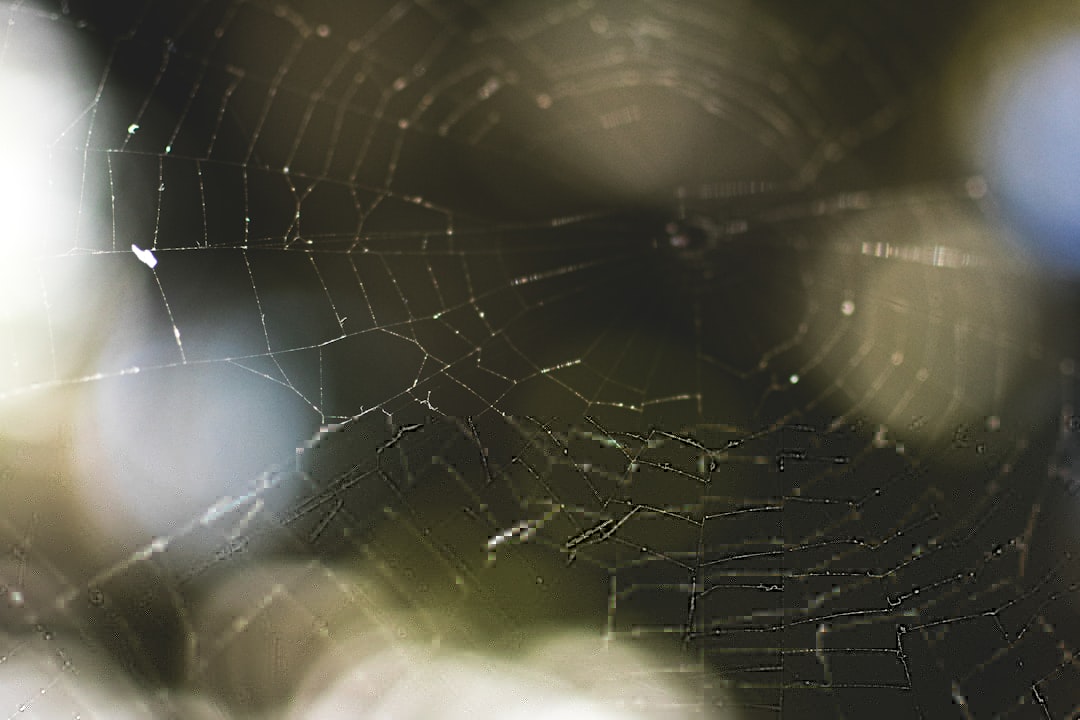
Spider silk is not just any ordinary fiber. It’s a natural wonder that has intrigued scientists and engineers for decades. With a tensile strength greater than steel and an elasticity that rivals rubber, spider silk is an engineering marvel in its own right. Unlike synthetic materials, spider silk is biodegradable and produced at room temperature without toxic chemicals, making it an environmentally friendly alternative. The combination of strength, flexibility, and sustainability positions spider silk as a material with immense potential in various fields of engineering and technology.
Understanding the Structure
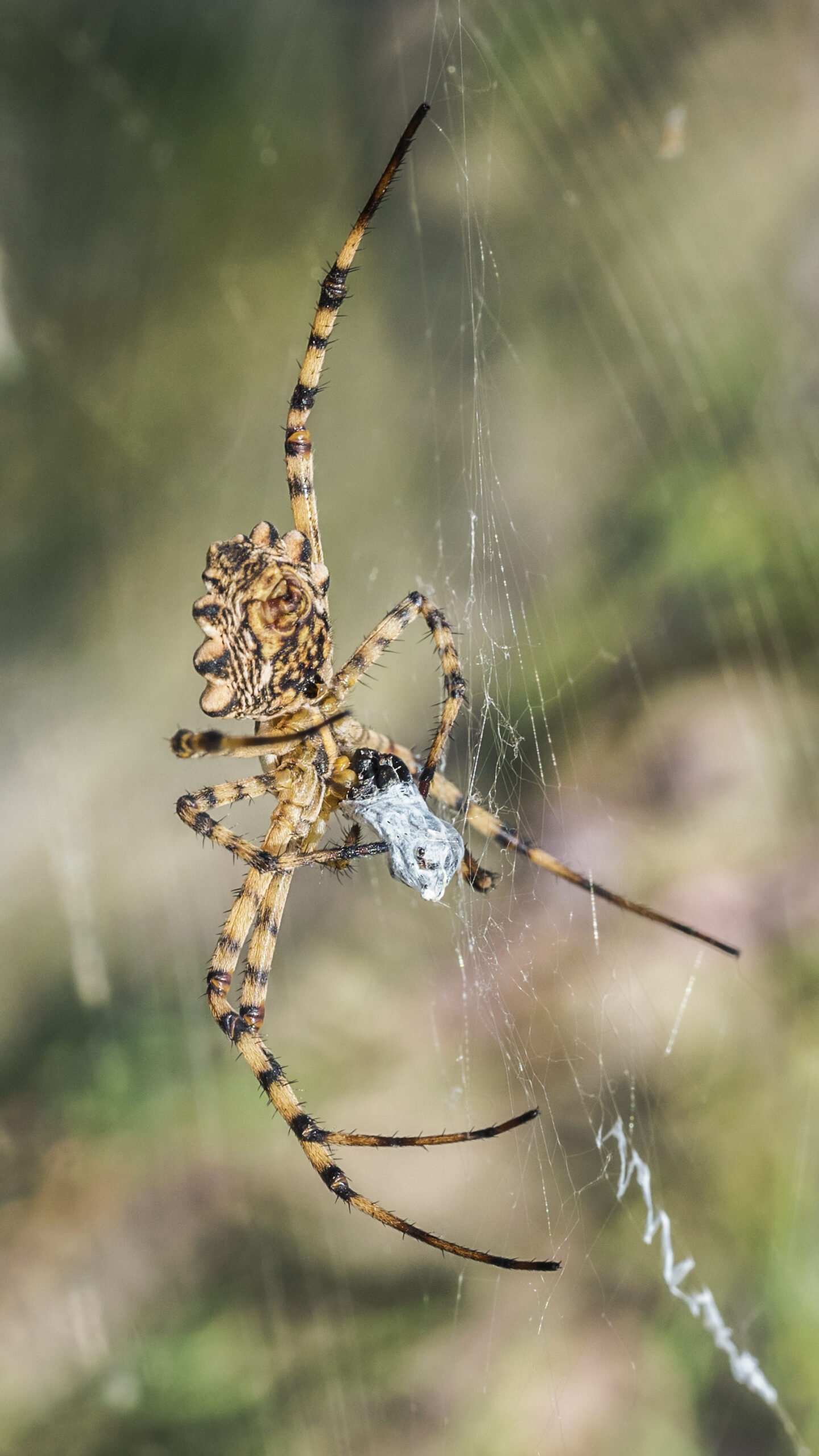
At the molecular level, spider silk is a protein fiber, primarily composed of sequences of amino acids. These sequences form a highly ordered beta-sheet crystalline structure, which is responsible for its strength. Meanwhile, the non-crystalline regions provide the silk with its remarkable elasticity. This unique combination allows spider silk to absorb energy and withstand significant force without breaking. The intricate balance between its crystalline and amorphous regions is what makes spider silk so special. By studying these structures, scientists hope to unravel the secrets of its properties and apply them to human-made materials.
The Diverse Uses of Spider Silk
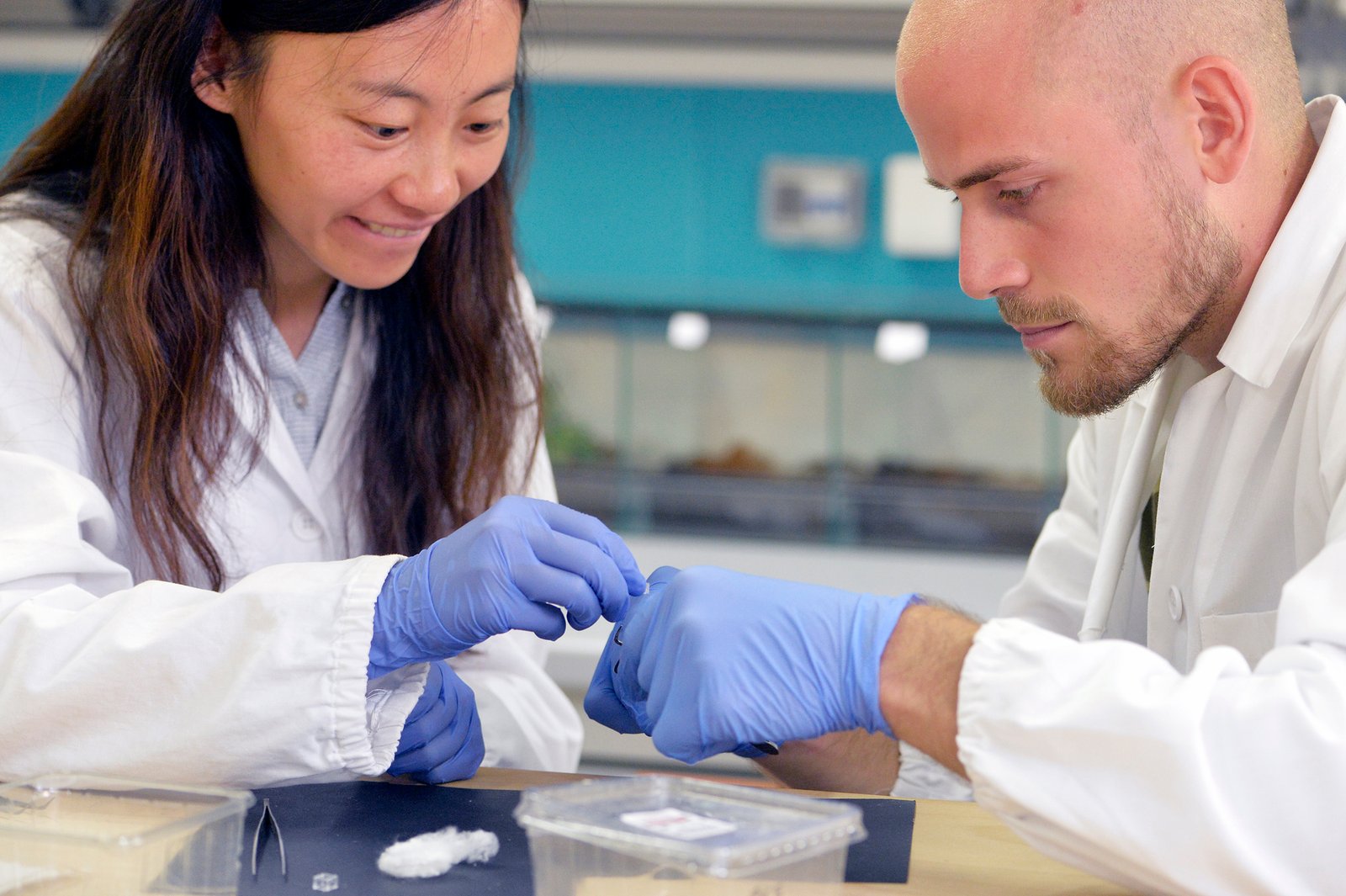
The potential applications of spider silk are as diverse as they are groundbreaking. In medicine, spider silk could be used to create biodegradable sutures that dissolve naturally within the body, reducing the need for follow-up surgeries. Its biocompatibility makes it an ideal candidate for tissue engineering and drug delivery systems. In the realm of textiles, spider silk could lead to the development of lightweight, yet incredibly strong, clothing and gear. Imagine bulletproof vests that are not only durable but also comfortable to wear. From aerospace to construction, the possibilities are as vast as they are exciting.
Challenges in Harnessing Spider Silk
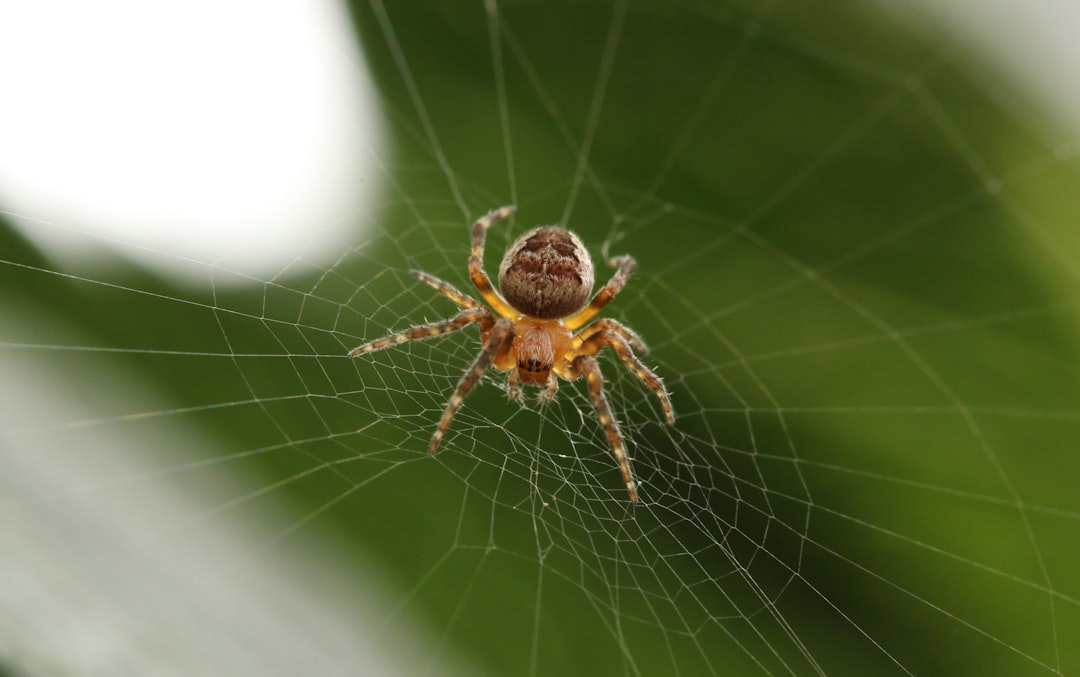
Despite its potential, harnessing spider silk for commercial use presents several challenges. Spiders produce silk in small quantities, and farming them is not feasible due to their territorial and cannibalistic nature. This has led scientists to explore alternative methods of production, such as genetically engineering bacteria, yeast, and even plants to produce silk proteins. While these efforts have shown promise, producing spider silk at a scale and cost that is commercially viable remains a significant hurdle. Overcoming these challenges is essential for the widespread adoption of spider silk in engineering applications.
Innovations in Synthetic Spider Silk
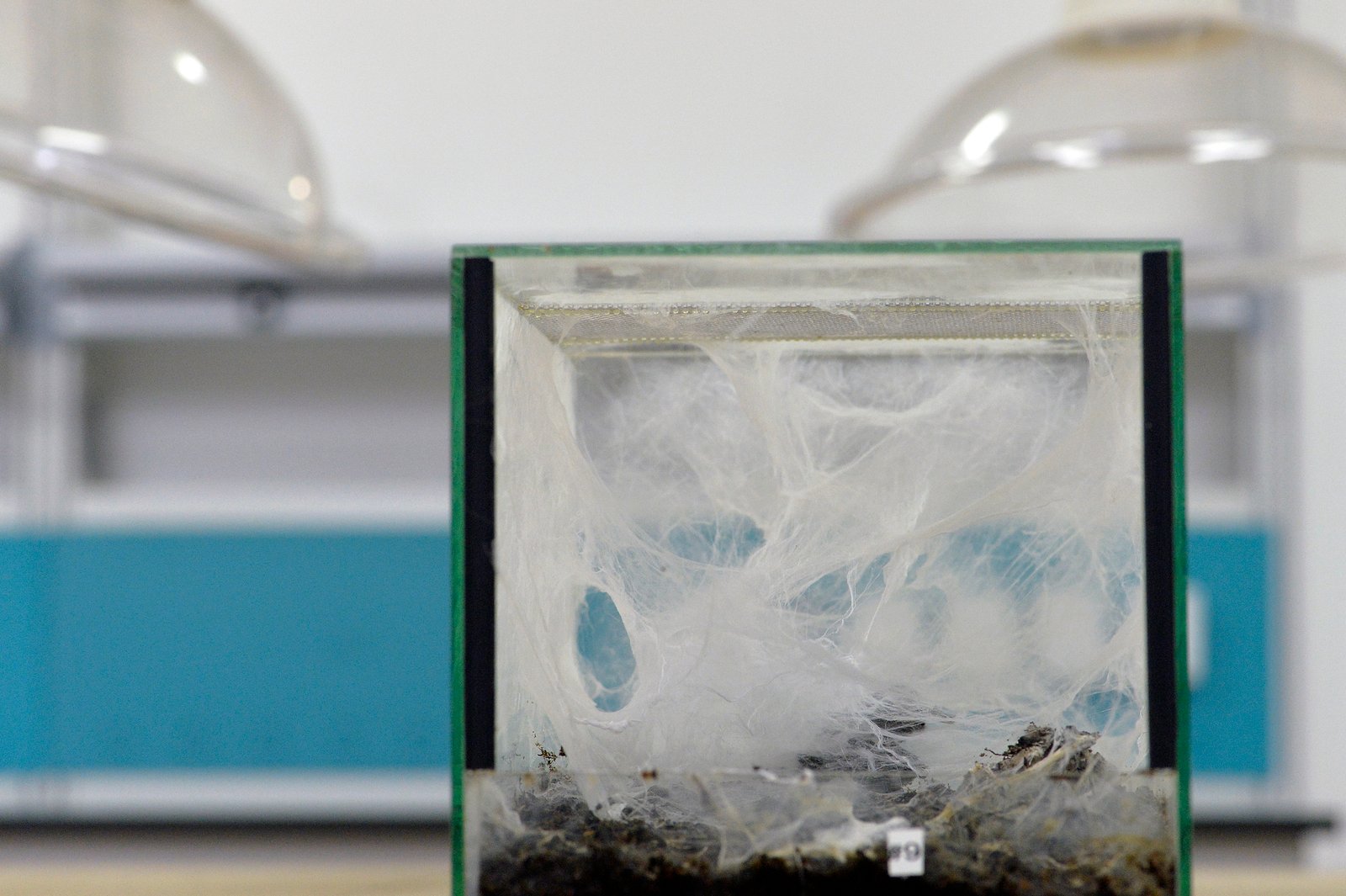
To overcome the limitations of natural production, researchers are turning to biotechnology to create synthetic spider silk. By inserting silk-producing genes into microorganisms like bacteria or yeast, scientists can produce silk proteins in a controlled environment. This bioengineered silk retains many of the desirable properties of natural spider silk and can be produced in larger quantities. Companies are already exploring the use of synthetic spider silk in various industries, from fashion to aerospace. These innovations represent a crucial step forward in making spider silk a viable material for modern engineering challenges.
Spider Silk in Aerospace Engineering
The aerospace industry is constantly seeking materials that can withstand extreme conditions while remaining lightweight. Spider silk, with its exceptional strength-to-weight ratio, is an ideal candidate for this purpose. Researchers are exploring the use of spider silk in the development of lightweight yet durable components for aircraft and spacecraft. Its ability to absorb energy makes it suitable for applications like parachute cords and safety equipment. As the aerospace industry continues to push the boundaries of exploration, spider silk could play a pivotal role in designing the next generation of aircraft and spacecraft.
Environmental Impact of Spider Silk
In an era where sustainability is paramount, spider silk offers an environmentally friendly alternative to many synthetic materials. Unlike traditional manufacturing processes that rely on petrochemicals and produce harmful waste, spider silk can be produced without toxic byproducts. Its biodegradability ensures that it won’t contribute to long-term pollution, making it an attractive option for eco-conscious industries. The adoption of spider silk in various applications could significantly reduce the environmental impact of manufacturing and contribute to a more sustainable future.
Spider Silk in Medical Applications
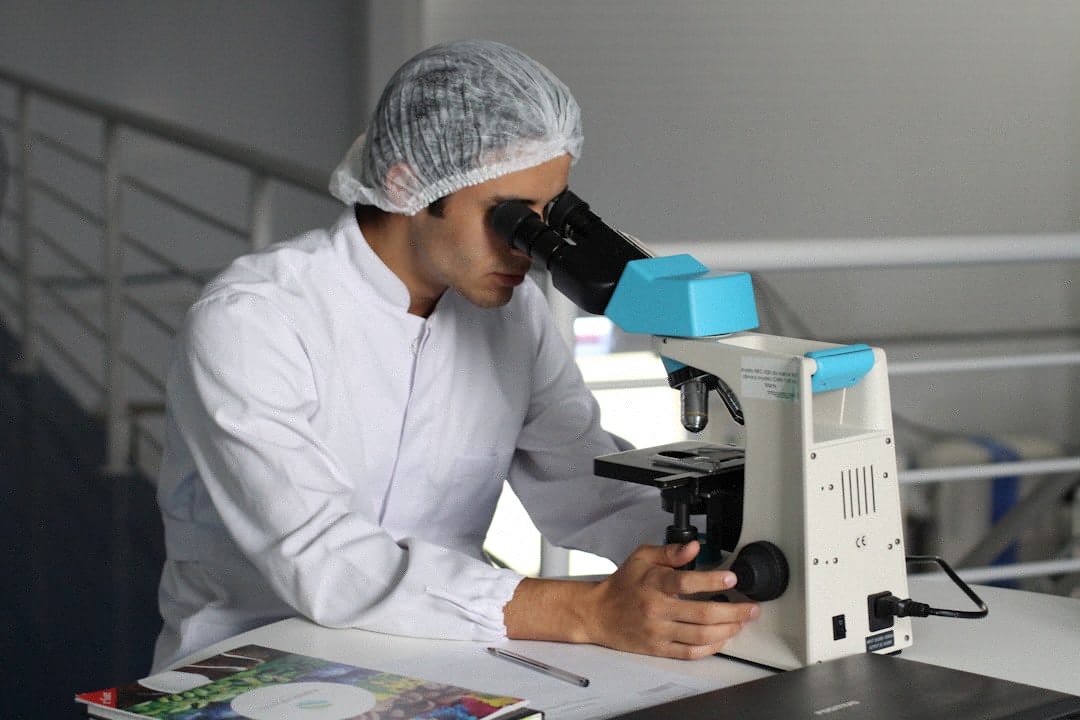
The medical field stands to benefit greatly from the unique properties of spider silk. Its biocompatibility and strength make it ideal for creating surgical sutures that dissolve safely within the body. Additionally, researchers are exploring its use in developing scaffolds for tissue engineering, where its structure can support the growth of new cells. Drug delivery systems using spider silk could offer a controlled release of medication, improving treatment outcomes. As medical technology advances, spider silk could become a cornerstone in developing innovative solutions for healthcare challenges.
Future Prospects of Spider Silk
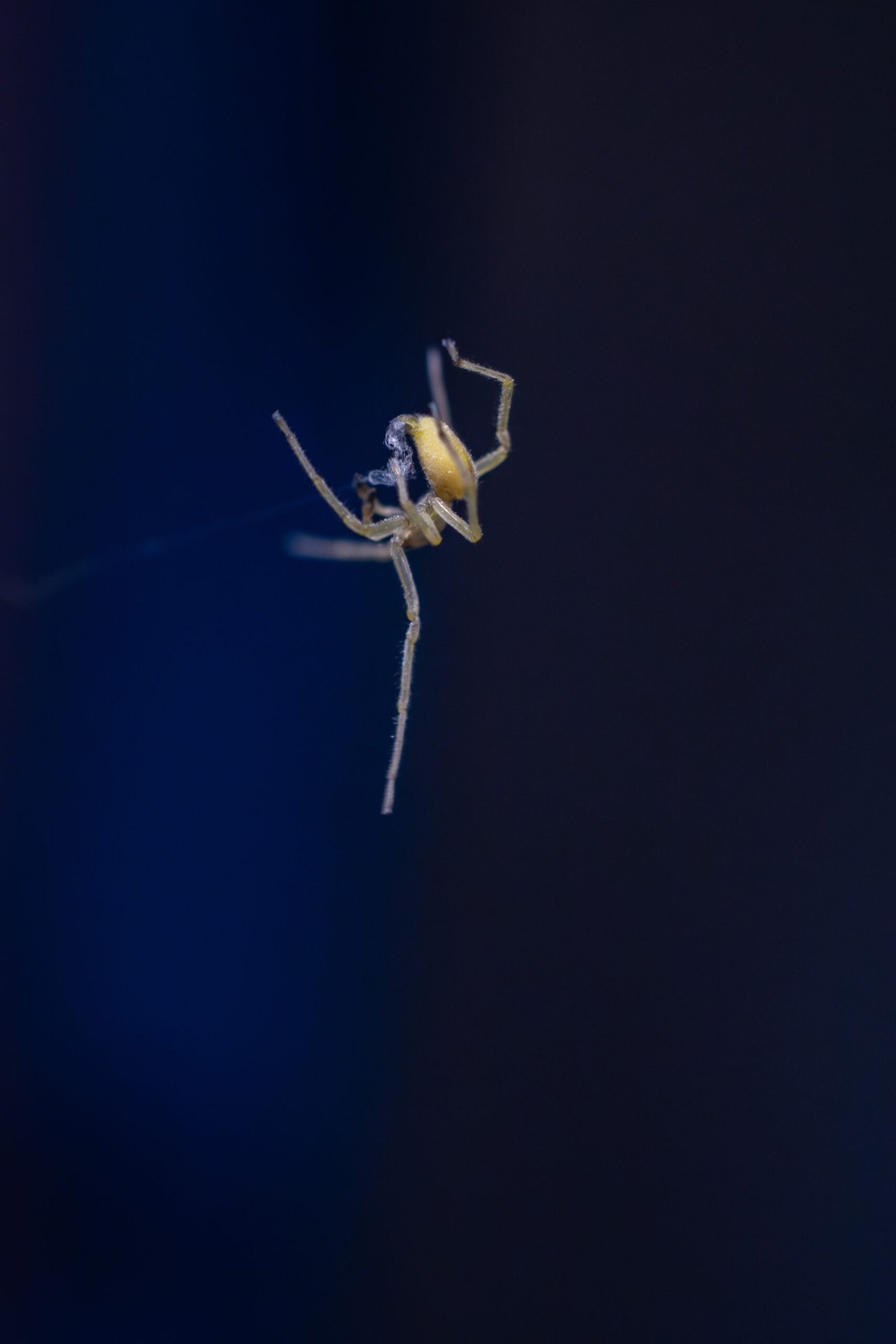
The future of spider silk in engineering and technology is bright and full of potential. As researchers continue to unlock its secrets, new applications and industries are likely to emerge. The ability to produce spider silk sustainably and at scale could transform the way we approach material science and engineering. With ongoing advancements in biotechnology and materials science, spider silk could become a staple in various industries, from fashion to aerospace. The journey to harness the full potential of spider silk is just beginning, and its impact on the world could be as transformative as it is inspiring.
Conclusion
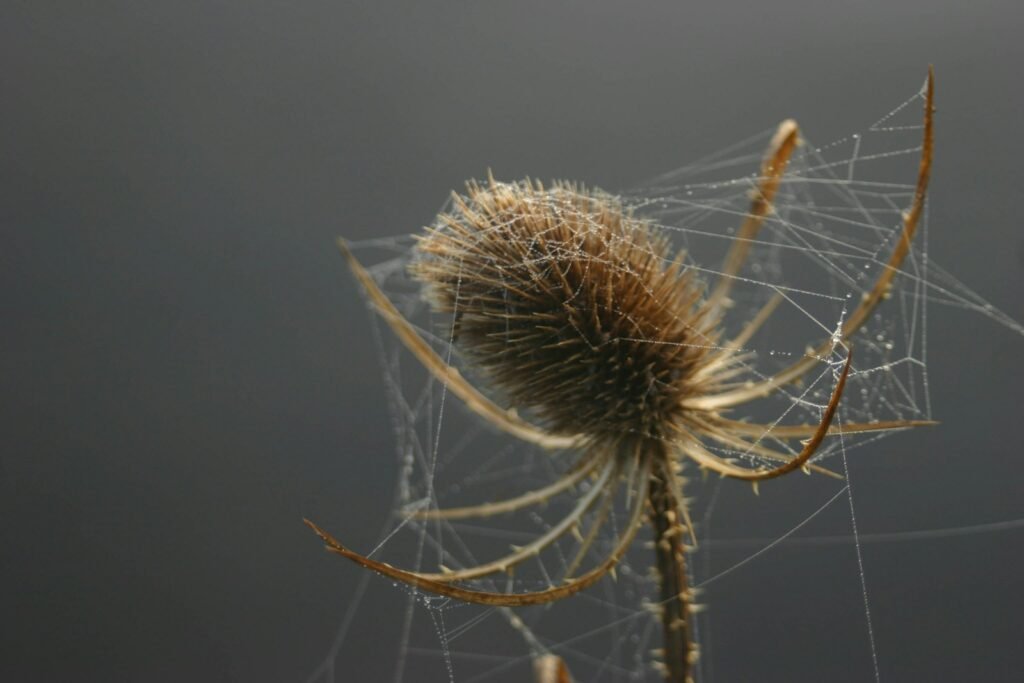
As we stand on the brink of a new era in material science, spider silk offers a glimpse into the possibilities of nature-inspired engineering. Its unique properties, combined with advancements in biotechnology, have the potential to revolutionize industries and create a more sustainable future. By continuing to explore and innovate, we can harness the secrets of spider silk and unlock a world of possibilities. The journey is ongoing, and the potential for spider silk to change the world is as vast as the web of possibilities it inspires.