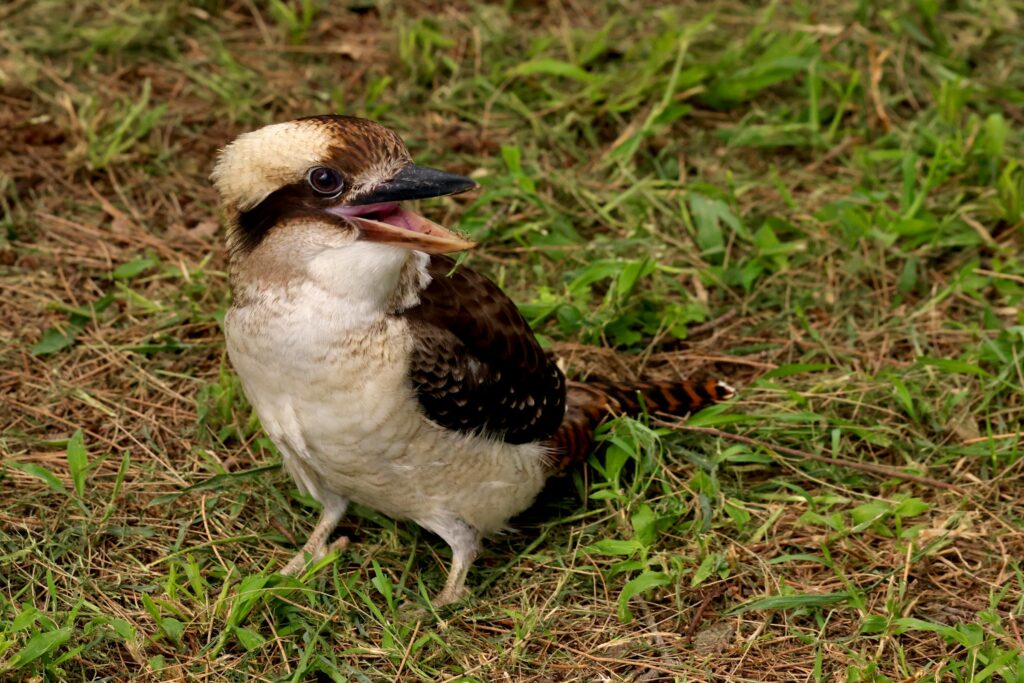
If you have ever heard a chorus of kookaburras at dawn, you know it sounds less like a bird song and more like a bushland stand‑up routine gone off the rails. What you do not hear, though, is the quiet work happening long before that famous laughter goes public. New research in animal cognition suggests that young kookaburras are not just passively soaking up the family soundtrack; they are actively practicing key parts of the clan’s call repertoire before they are allowed to blast it at full volume with the adults. In other words, there is a kind of vocal “rehearsal period” that mirrors how human kids babble and test out sounds long before they can tell a joke.
That idea may sound charming, but it is also serious science. Over the last decade, biologists and cognitive scientists have been peeling back the layers of how birds learn to communicate, showing that some species develop their vocal skills through complex social learning, memory, and feedback. Kookaburras sit right in the crosshairs of that work: a social, territorial kingfisher that lives in family groups, with a signature chorus that doubles as a neighborhood billboard. Understanding how a juvenile bird goes from fuzzy chick to full‑throated chorister is not just a cute side story; it is a window into how brains learn patterned sound at all.
The Bushland Laugh Track Starts With Awkward Practice
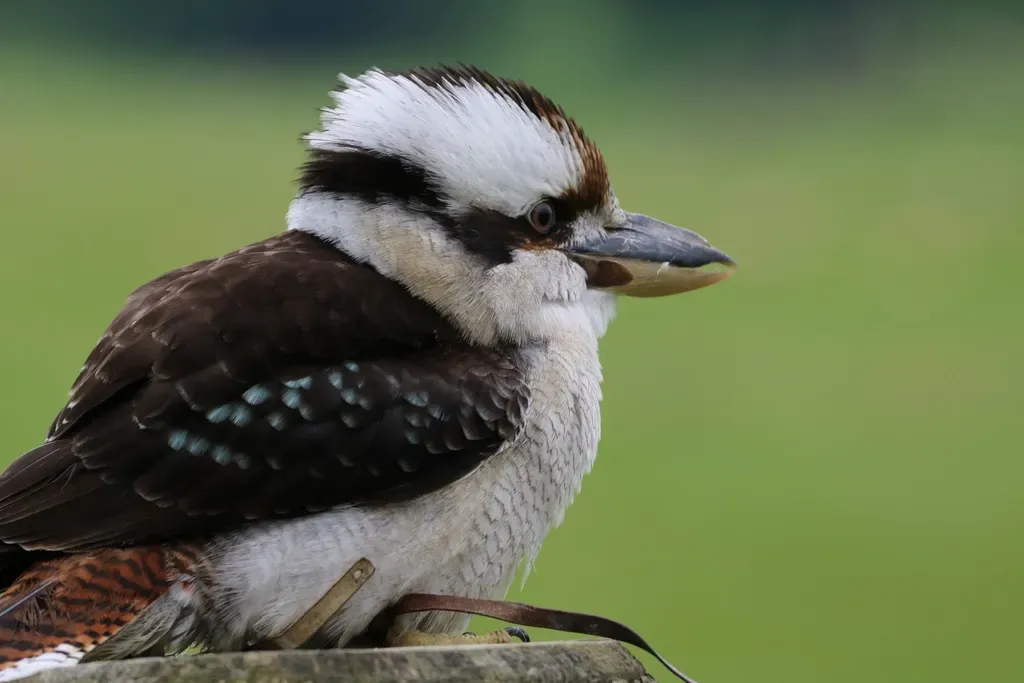
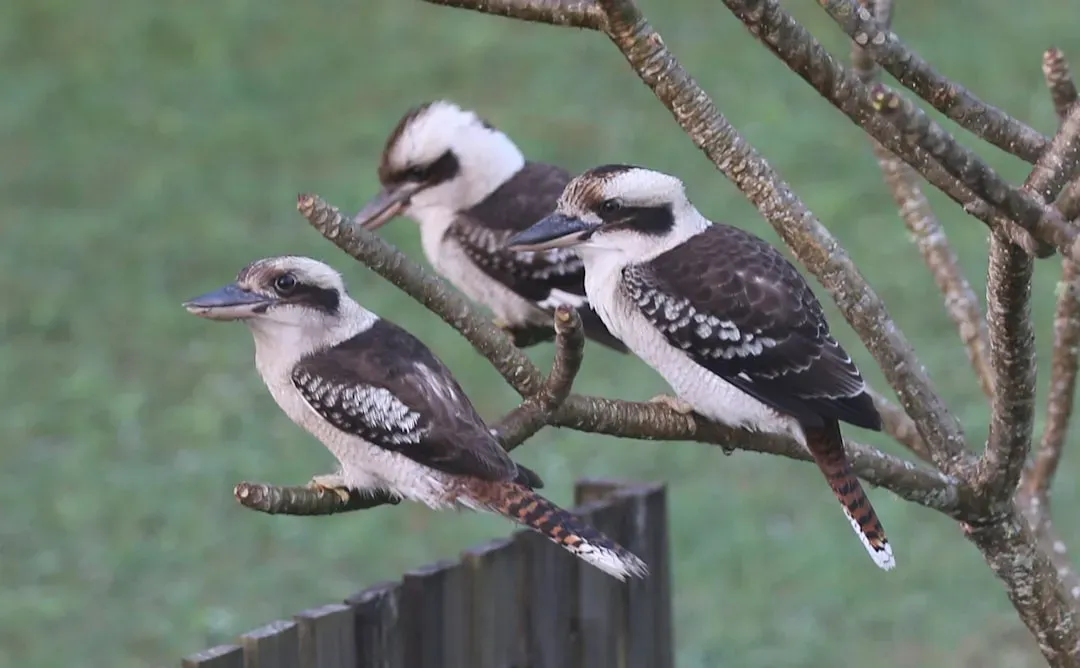
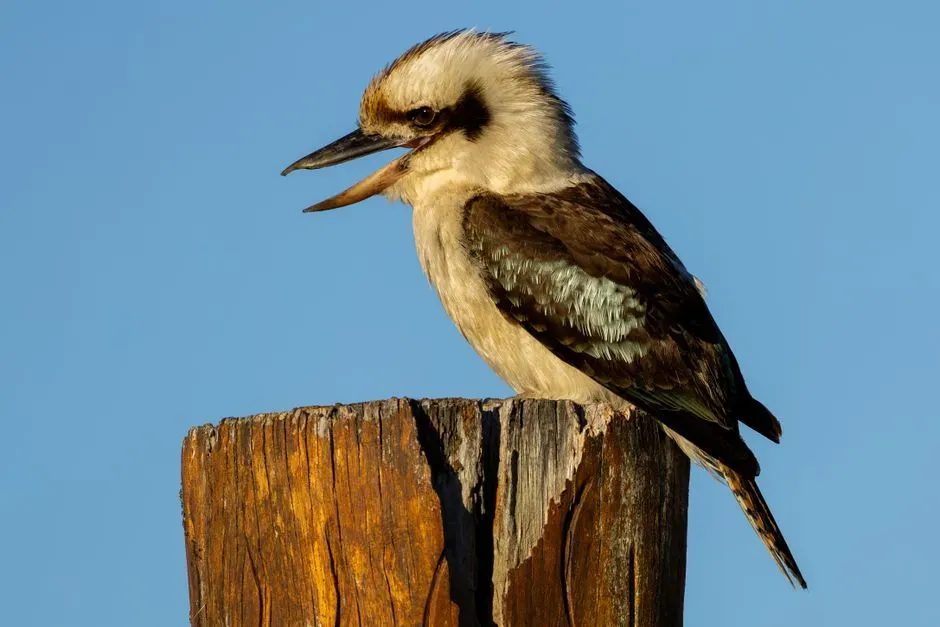
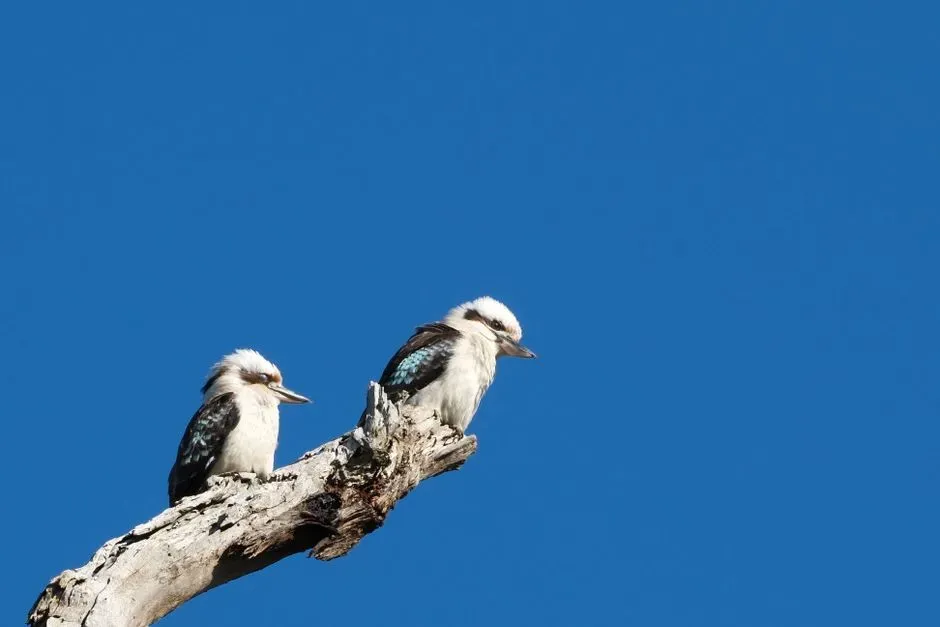
Imagine moving into an Australian woodland at dusk. A small family of laughing kookaburras perches together in a “riot” – the wonderfully apt term for a loose group – and the adults unleash a deafening, rising cackle that sounds like someone spliced together a horror movie soundtrack and a comedy show. Hidden nearby, juveniles are listening and quietly experimenting with their own versions: shorter, wobblier, and much less coordinated. Observations of wild kookaburras show that the adults’ trademark chorus is not something chicks are born knowing; it is something they grow into through repeated practice and exposure. ([en.wikipedia.org](https://en.wikipedia.org/wiki/Laughing_kookaburra?utm_source=openai))
These youngsters do not simply scream randomly until, by luck, it sounds right. Their early calls share acoustic elements with the adults’ laughter, but lack the timing, structure, and intensity that make a true territorial chorus. They start with simpler, more monotone calls, sneaking in fragments of the laugh pattern, almost like a teenager trying out bits of slang at home before using it in front of friends. By the time a juvenile is ready to join the full group call, those early experiments have been hammered into something that fits the family “sound brand” remarkably well.
Why Joining the Family Chorus Actually Matters
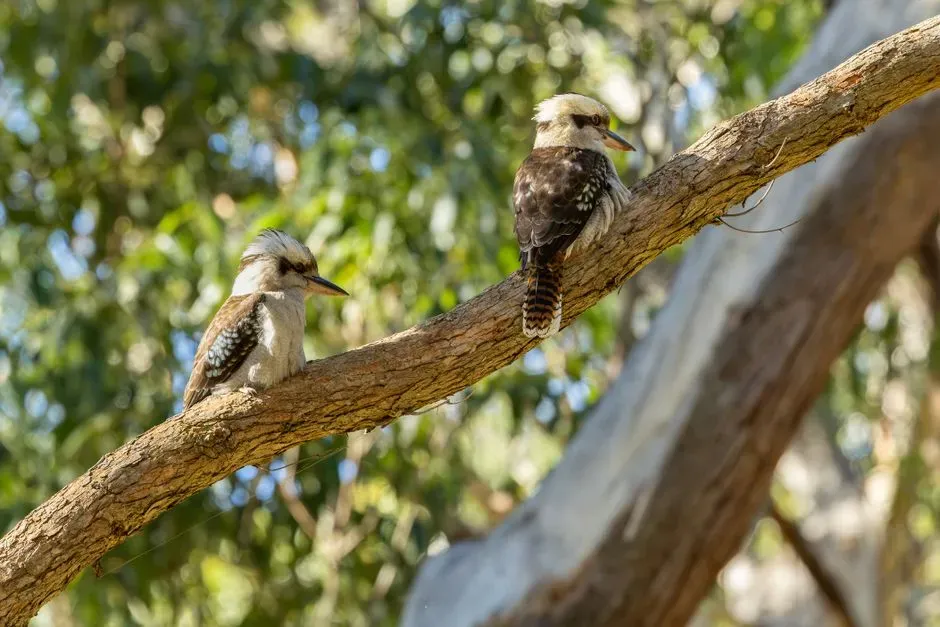
For kookaburras, the chorus is not just a fun group activity; it is a serious social and territorial signal. These birds live in family groups that defend a shared territory, and their loud laughter marks their claim to that patch of forest the way a boundary fence or a loud stereo might mark a human household. If the call sounds weak, chaotic, or mismatched, it could invite challenges from neighboring groups or give away that the territory is lightly defended. That makes vocal precision more than just aesthetics – it is a matter of security. ([en.wikipedia.org](https://en.wikipedia.org/wiki/Laughing_kookaburra?utm_source=openai))
From that angle, it suddenly makes perfect sense that young birds are not allowed to just freestyle at full blast. They need to match the family’s “signature” closely enough that the chorus reads as a unified front to outsiders. Practicing elements of the call in lower‑stakes situations lets juveniles refine pitch, rhythm, and duration without compromising the group’s public image. It is a little like a sports team drilling plays in practice before executing a polished move in a high‑stakes game: the rehearsal is quiet, messy, and essential.
What The New Animal Cognition Work Is Actually Saying
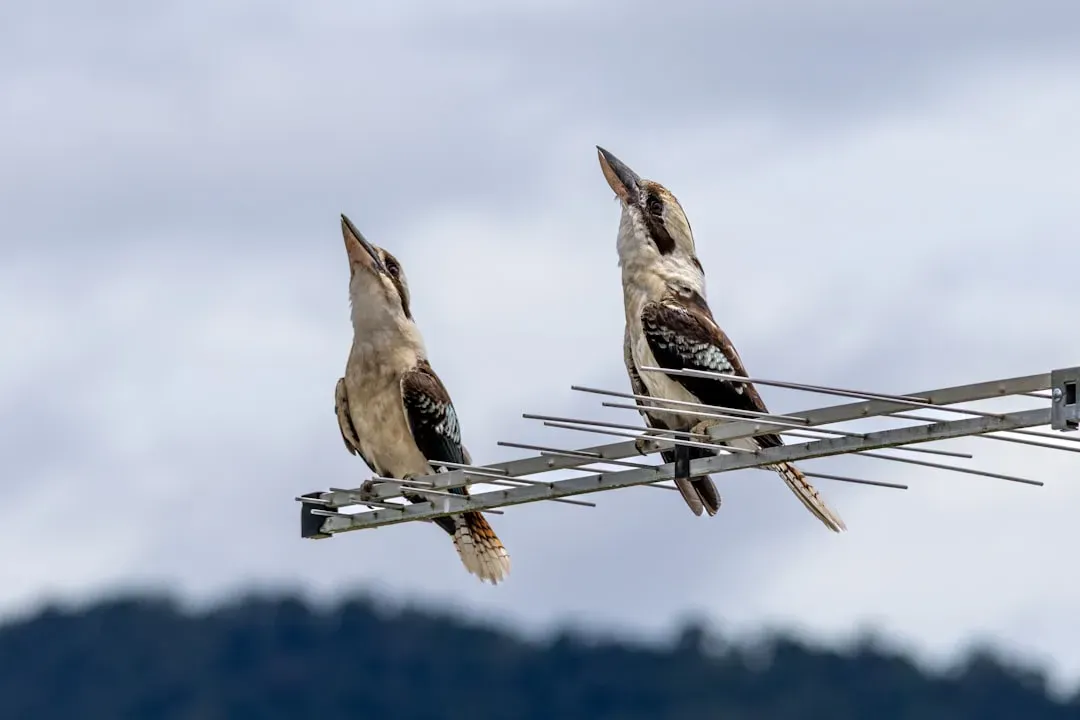
So what does it really mean to say that “”? In practical terms, it reflects growing evidence that juveniles go through a phase of controlled, socially shaped vocal rehearsal. They hear adults performing the full territorial song, then attempt their own versions in more private or subdued contexts, gradually aligning their calls with the established family pattern. This idea dovetails with broader research on vocal learning, where animals move from noisy, variable “practice” to stable, crystallized calls through feedback and comparison. ([en.wikipedia.org](https://en.wikipedia.org/wiki/Bird_vocalization?utm_source=openai))
From a cognition perspective, that is a big deal. It implies that young kookaburras are not just reflexively producing sounds; they are using memory, attention, and perhaps something like internal error checking to refine what they do. While the details of specific kookaburra experiments are still developing, the pattern fits what has been seen in other vocal learners: a period of messy, exploratory output under strong social influence, followed by gradual convergence on a culturally shared template. The headline here is not “cute baby birds make mistakes,” but “baby birds show structured learning strategies that look uncomfortably like ours.”
Parallels With Human Baby Babbling
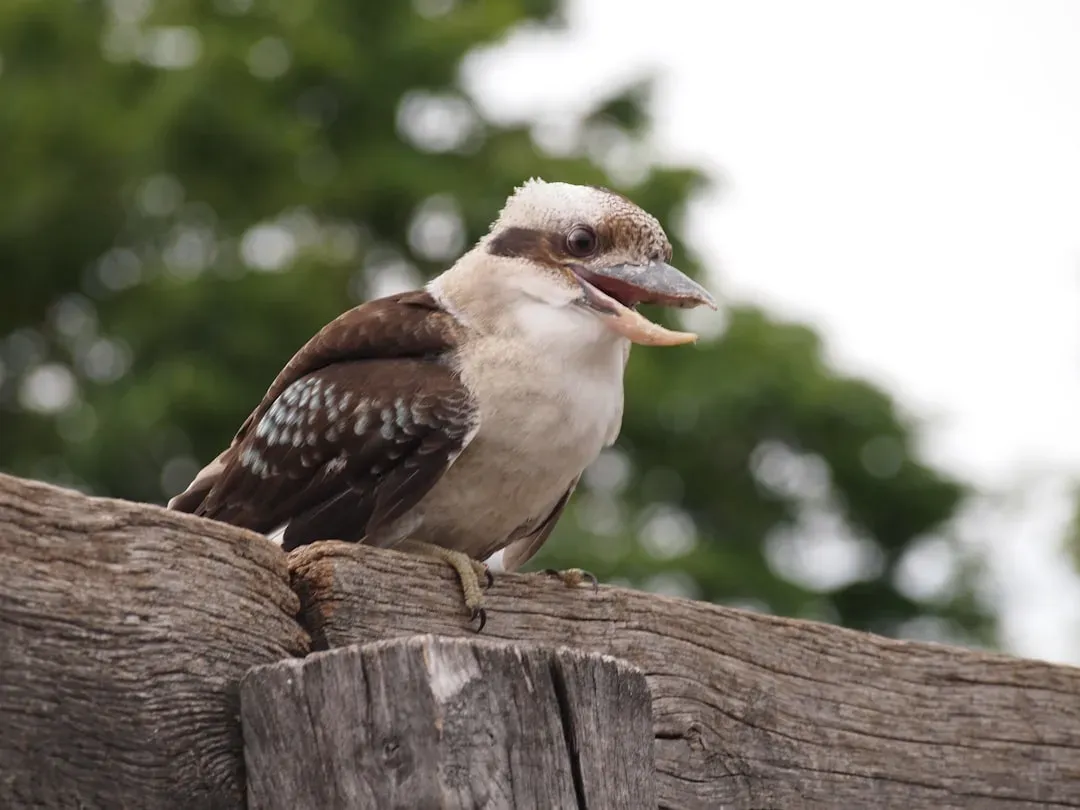
Once you see juvenile birds as careful vocal learners rather than noisy background characters, the comparison to human infants is impossible to ignore. Human babies spend months babbling – repeating syllables, stretching vowels, and playing with rhythm – long before anyone would say they are “talking.” That babbling is not wasted energy; it is how the nervous system explores the space of possible sounds, testing what the vocal apparatus can do while constantly soaking up feedback from the surrounding language. Juvenile songbirds and other avian vocal learners show a strikingly similar sensorimotor phase, where unstable “subsong” gradually sharpens into an adult‑like pattern. ([en.wikipedia.org](https://en.wikipedia.org/wiki/Vocal_learning?utm_source=openai))
Kookaburras, with their intense social vocals, appear to plug right into that framework. A young bird that mashes up call fragments or produces an off‑timed “chuckle” is doing the avian equivalent of gurgling nonsense syllables at the family dinner table. Over time, just as certain word patterns in human infants get reinforced because adults respond more, certain call structures in juveniles get more attention, more feedback, and more practice. The end result is not innate perfection, but learned competency: a culturally tuned vocal performance that says, in effect, “I belong to this group, in this place, speaking this dialect of laughter.”
Social Feedback: Families As Living Voice Coaches
One of the most fascinating pieces of this story is how social feedback shapes vocal practice. In songbirds like zebra finches, juveniles that grow up with more interactive adults – especially females that produce specific calls while the young birds are practicing – end up copying their tutor’s song more accurately. Researchers have shown that when female calls line up with moments of juvenile practice, the young males’ songs become better matches, and even the neural circuitry involved in song learning responds to those calls. ([pmc.ncbi.nlm.nih.gov](https://pmc.ncbi.nlm.nih.gov/articles/PMC11484889/?utm_source=openai))
It is not a stretch to view kookaburra families through the same lens. In a tightly knit group that forages, roosts, and calls together, juveniles are constantly surrounded by adult sound and reaction. A sloppy call might get ignored, while a better‑timed or more accurate fragment could receive subtle social reinforcement – a returned call, a closer perch, a relaxed posture. You do not need a formal “voice lesson” when your entire social world is a live feedback system. In that way, the kookaburra clan functions like a household where everyone unconsciously shapes how the youngest members speak.
Vocal Learning Is Rare – And Kookaburras Are In Elite Company
It is tempting to assume that all animals that make sounds also learn them from scratch, but that is nowhere near true. Most vocal species are largely hard‑wired: they are born with the basic pattern of their calls, which change only a little with experience. Actual vocal learning – the ability to acquire new vocal patterns by imitating others – is surprisingly rare, showing up reliably only in humans, some marine mammals, bats, elephants, and three groups of birds: songbirds, parrots, and hummingbirds. ([en.wikipedia.org](https://en.wikipedia.org/wiki/Vocal_learning?utm_source=openai))
Kookaburras, though technically kingfishers and not classic songbirds, share key features with these specialist learners. Like many territorial species, they use complex calls with fine‑grained timing and structure to communicate group identity and status. Evidence that juveniles refine their calls through practice and social input places them closer, conceptually, to parrots and zebra finches than to more stereotyped callers. From an evolutionary angle, that is provocative: it suggests that the pressures of living in long‑term social groups with coordinated vocal displays can push very different lineages toward similar learning strategies.
Beyond Kookaburras: Baby Birds Learning Before They Hatch
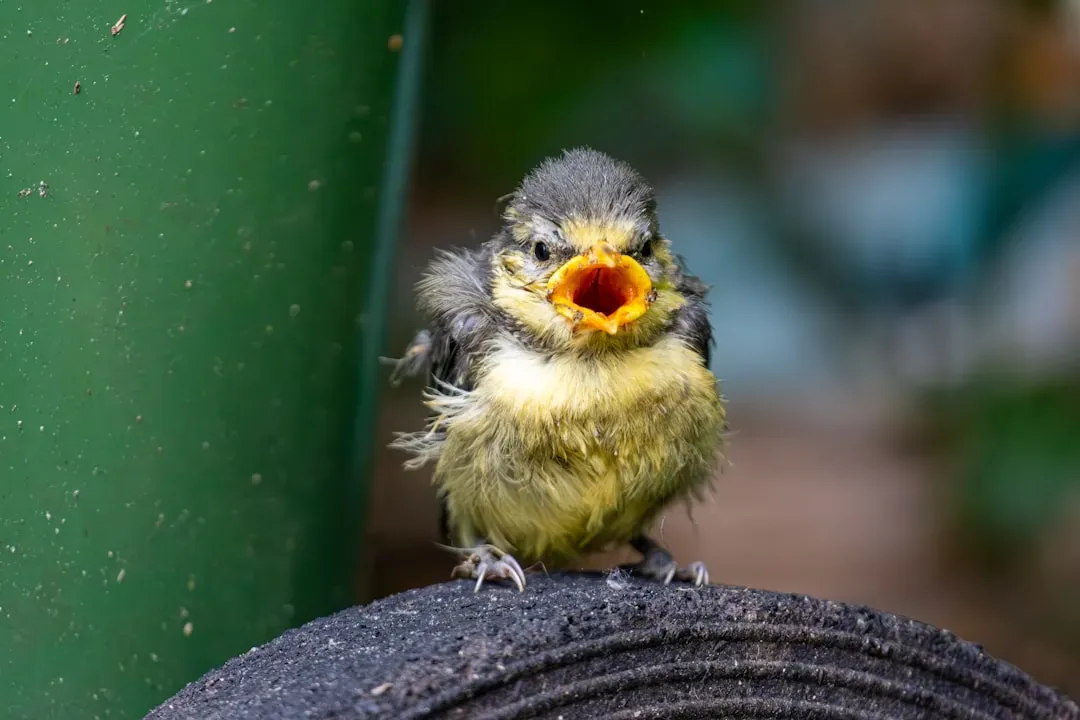
If young kookaburras are practicing their family calls before they can fully take part in the group chorus, they are not alone in starting early. Research in Australian fairy‑wrens has shown that even embryos can begin tuning into family call patterns: incubating females produce distinctive vocal elements inside the nest, and nestlings later echo those acoustic signatures in their begging calls. When mothers call more slowly to their eggs, the similarity between nestling and maternal elements increases, suggesting a prenatal form of vocal learning. ([journals.uchicago.edu](https://www.journals.uchicago.edu/doi/full/10.1086/728105?utm_source=openai))
Other species, like budgerigars, start with begging calls that gradually morph into contact calls resembling those of parents and social companions, with clear evidence of imitation and sharing within family groups. Over the weeks after fledging, their call repertoires become more diverse and structured as social experience accumulates. ([pubmed.ncbi.nlm.nih.gov](https://pubmed.ncbi.nlm.nih.gov/9286093/?utm_source=openai)) Put next to these examples, kookaburras look less like an oddity and more like part of a broader pattern: young birds in socially demanding systems begin practicing and aligning with family vocal signatures as early as possible, because falling behind in that game has real costs.
What This Tells Us About Animal Minds – And Ours
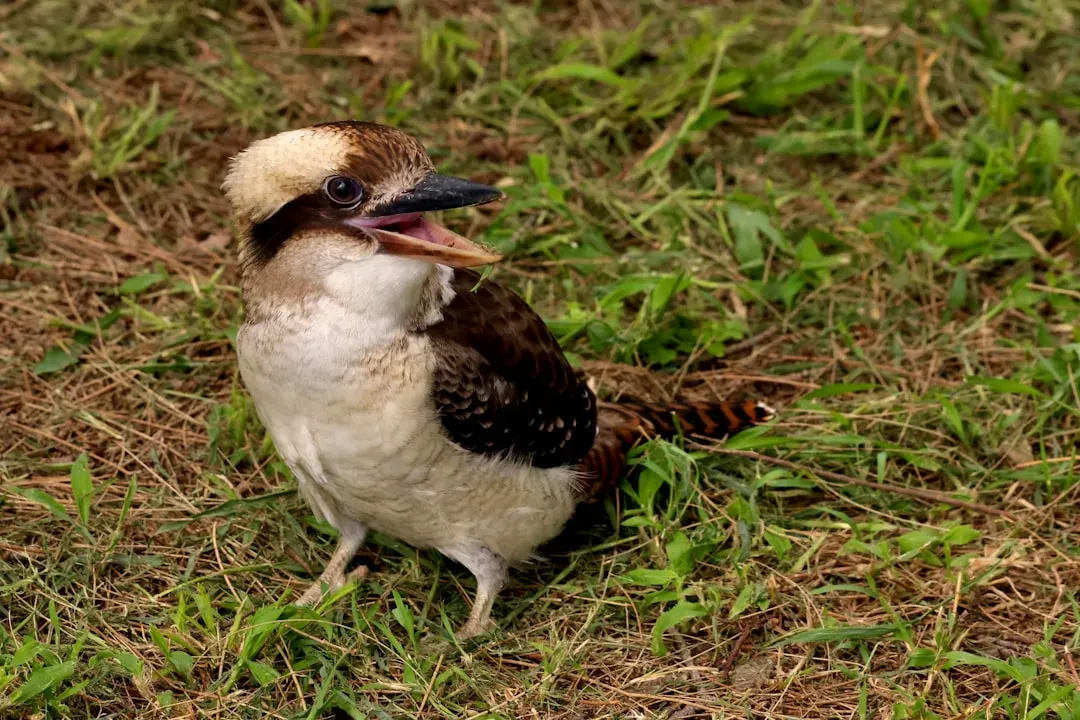
To me, the most exciting part of the kookaburra story is not that babies are cute and clumsy – we already knew that. It is that their road to the chorus reveals deep cognitive muscles at work: memory for specific sound patterns, flexible motor control of the voice, the ability to compare self‑produced sounds with an internal template, and sensitivity to social payoff. When we see a young bird quietly rehearsing a laugh pattern it has heard from its parents, we are watching a mind that can do something very weird and very powerful: turn another individual’s sound into a blueprint for its own behavior. ([en.wikipedia.org](https://en.wikipedia.org/wiki/Vocal_learning?utm_source=openai))
That ability is not some trivial side feature of intelligence; it is tied directly to how our own species learned to speak. Human language rides on a vocal learning system that lets infants map the arbitrary sounds adults use onto their own voices, gradually nailing the accent, rhythm, and structure of the local tongue. The fact that a kookaburra chick and a human baby both need long, messy practice before they can “speak” fluently is a humbling reminder that our cognitive superpowers are, in some ways, just a very fancy version of a more ancient skill: learning to join the family chorus without throwing everyone off‑beat.
Opinionated Conclusion: The Chorus Is Smarter Than We Give It Credit For
Here is where I land: we have spent far too long treating animal calls like background noise and not nearly enough time respecting them as expressions of culture and cognition. The emerging picture of young kookaburras quietly practicing family calls before they earn a spot in the dawn laugh‑fest should force us to rethink that. This is not just instinct humming along in the background; it is a developmental program that depends on listening, rehearsal, social feedback, and a shared group standard – all the things we associate with learning a human skill, whether it is language or music.
There is, frankly, something arrogant about assuming that only our babies wrestle with the problem of how to sound like “one of us.” Juvenile kookaburras, fairy‑wrens, budgerigars, and other vocal learners are solving that problem every day with tools that look remarkably familiar. If anything, the burden of proof has shifted: instead of asking whether these birds are “really” learning, we should be asking why we ever doubted it. The next time you hear a kookaburra chorus break over the treetops, it might be worth wondering how many hours of hidden practice went into that wild, rolling laughter – and whether, in their own way, they took their vocal apprenticeship just as seriously as we take teaching a child to speak. Did you expect that from a bird that sounds like it is just cracking up at sunrise?