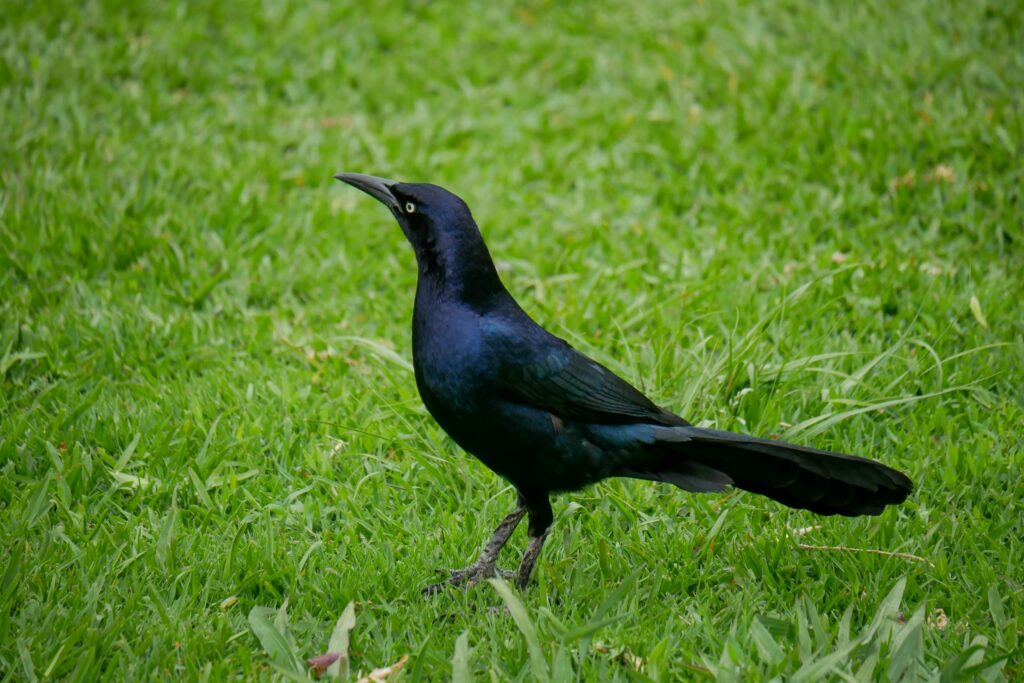
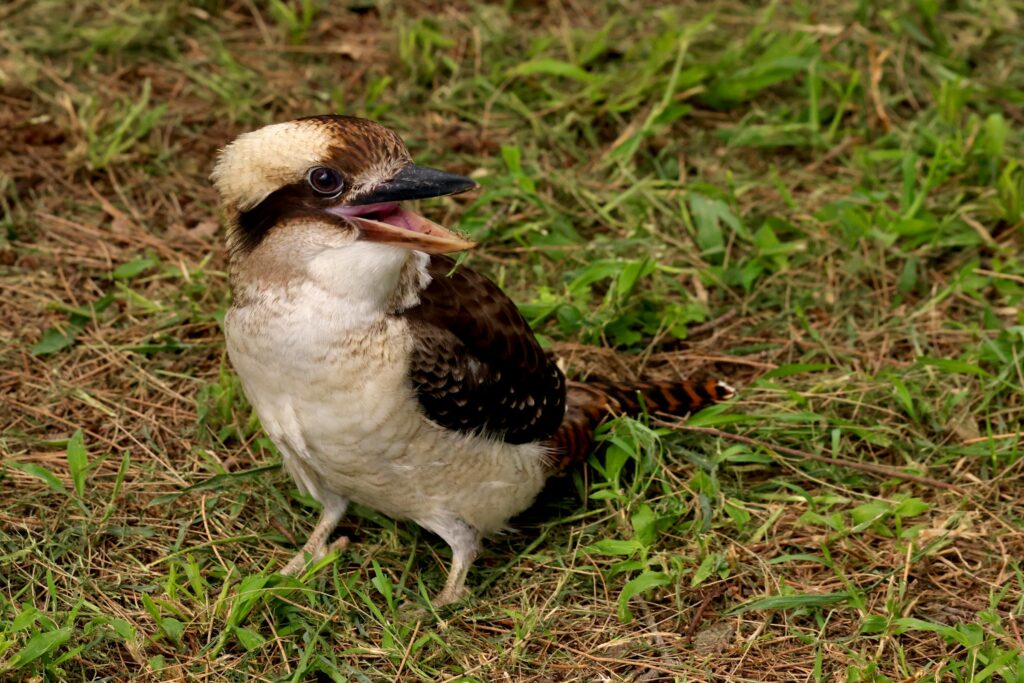
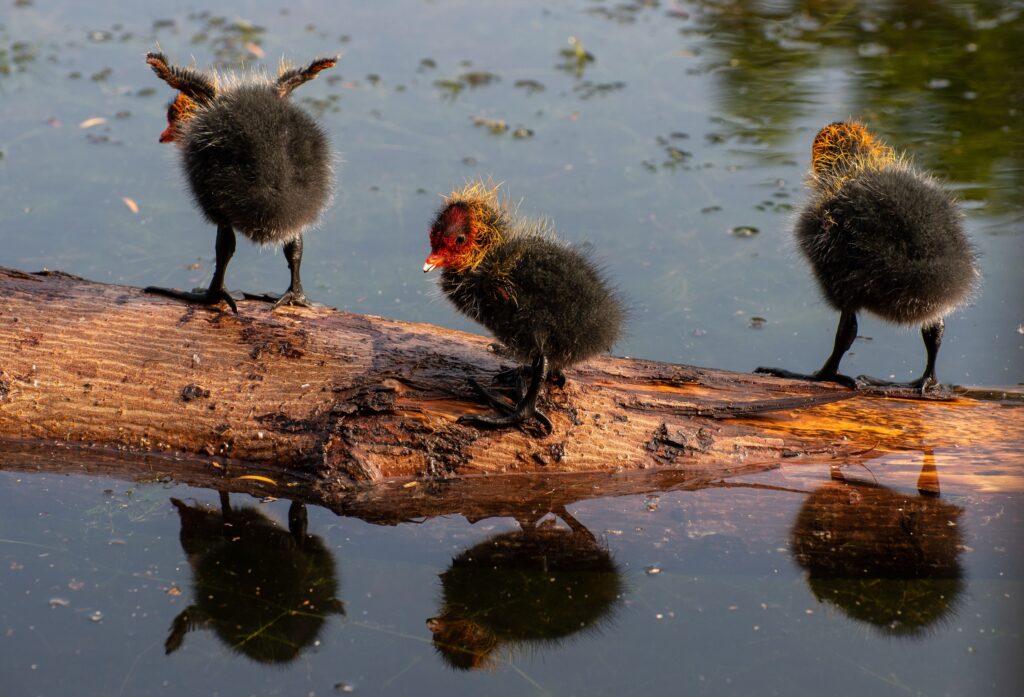
In the vibrant tapestry of the natural world, animals have evolved in the most fascinating ways, donning nature’s version of high fashion. These extravagant displays aren’t just for show; they serve crucial roles in survival, mating, and communication. From the dazzling plumage of birds to the bioluminescent skin of deep-sea creatures, the animal kingdom offers a runway of styles that would rival any fashion week. But why do these creatures sport such extraordinary looks? Let’s dive into the world of animal fashion and explore some of the most outrageous and intriguing examples.
Peacock: The Quintessential Feathered Showman
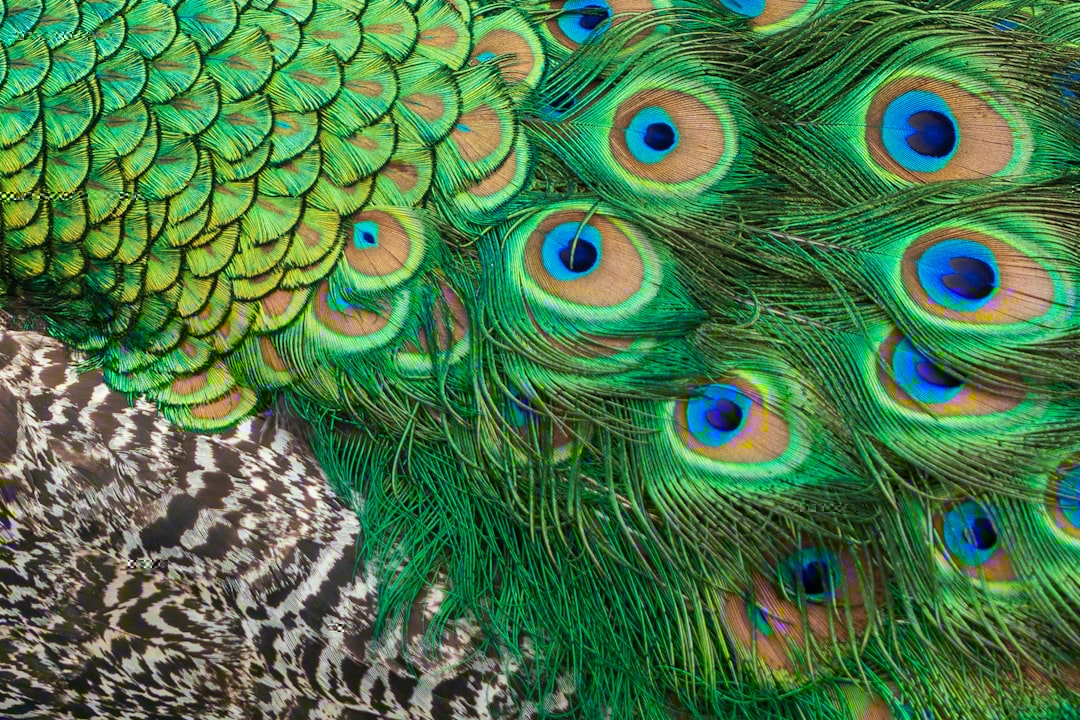
The peacock is perhaps the most iconic example when it comes to animal fashion statements. Its tail, or train, is a spectacle of iridescent blues, greens, and golds, creating a mesmerizing display. This extravagant tail is primarily used during mating season, where male peacocks fan out their feathers to attract females. The larger and more vibrant the tail, the more likely a peacock is to win a mate. In essence, the peacock’s tail acts as a billboard, advertising the health and genetic quality of its owner. This is a classic example of sexual selection, where certain traits evolve because they increase an individual’s chances of reproductive success. However, this ostentatious display comes at a cost, making peacocks more visible to predators.
Mandarin Fish: A Splash of Color Underwater
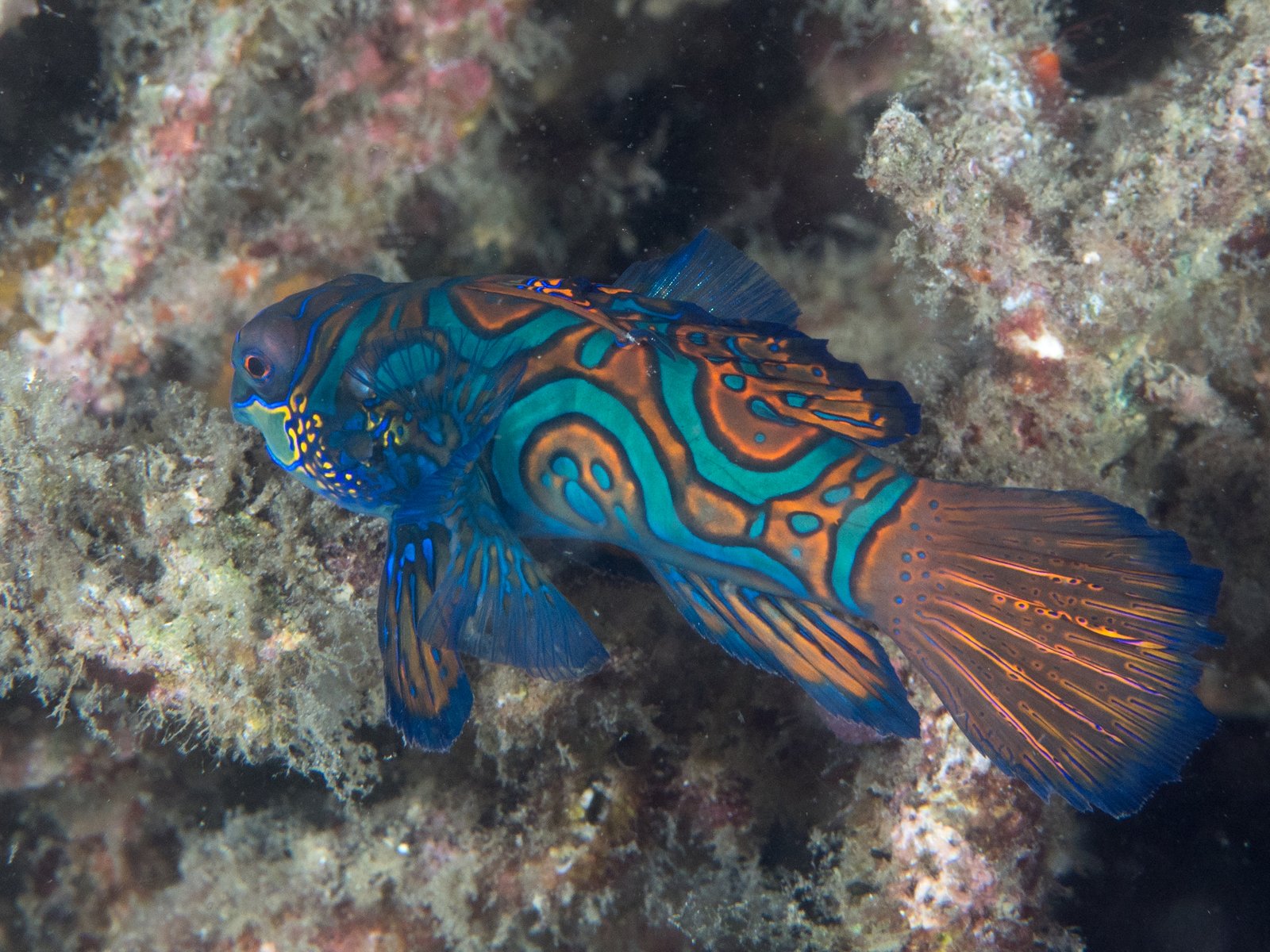
The mandarin fish is a riot of colors, with striking blue and orange patterns that seem almost too vivid to be real. This small, reef-dwelling fish uses its dazzling appearance to blend into the vibrant coral habitats it calls home. The colors are not just for camouflage; they also serve as a warning to predators about the fish’s toxic mucus coating. This is a brilliant example of how fashion in the animal kingdom can serve multiple functions, combining beauty with practicality. The mandarin fish’s vibrant hues are a testament to nature’s ability to create breathtaking art while ensuring survival.
Bowerbird: The Interior Designer of the Avian World
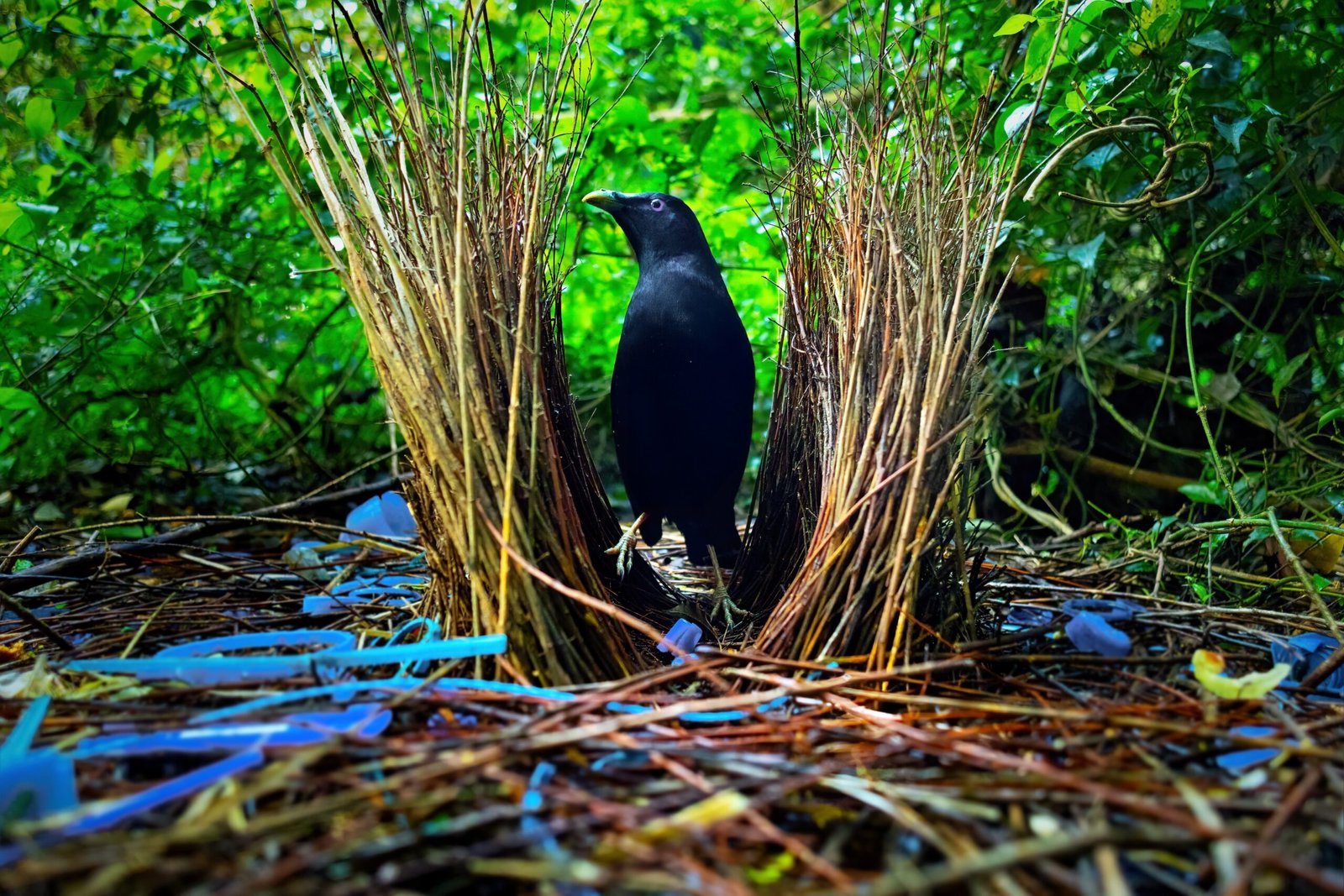
The male bowerbird is an avian artist, constructing elaborate structures known as bowers to woo potential mates. These bowers are decorated with a variety of objects such as shells, feathers, and even bits of plastic. The bowerbird’s choice of colors and materials is crucial, as females are attracted to the most creatively decorated bowers. This behavior highlights the importance of creativity and resourcefulness in the animal kingdom. It’s a fascinating example of how animals can manipulate their environment to enhance their mating prospects. The bowerbird’s artistic flair is a reminder that fashion isn’t limited to bodily adornments; it can also involve the creation of beautiful spaces.
Sea Slugs: The Underwater Fashionistas
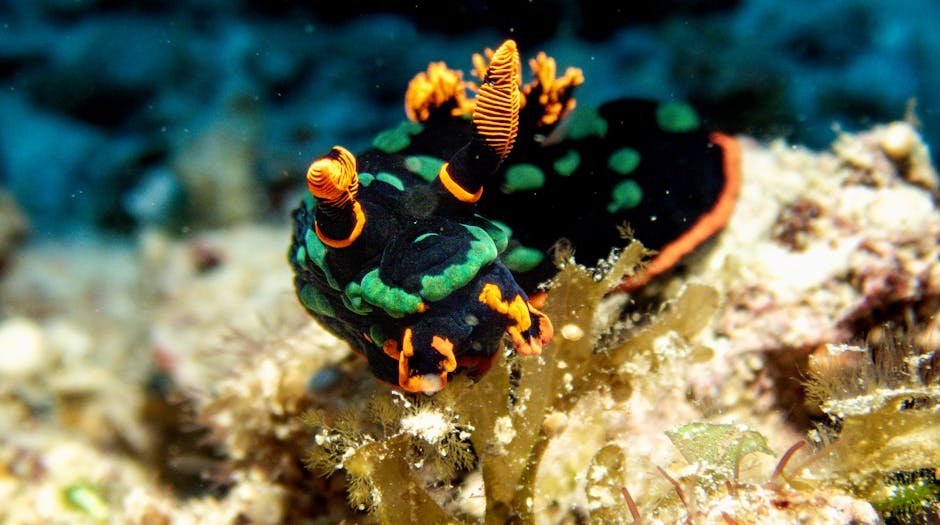
Sea slugs, or nudibranchs, are known for their stunning and varied appearances. These creatures sport an array of vibrant colors and intricate patterns that would put any designer to shame. The flamboyant hues serve as a warning to predators about their toxicity, a strategy known as aposematism. This vivid coloration is a remarkable adaptation, combining beauty with a deadly warning. Some species even incorporate the toxins of their prey into their own defenses, making their fashion statement both beautiful and functional. Sea slugs remind us that sometimes, the most striking fashion choices are those that serve a critical purpose.
Glow-in-the-Dark Animals: Nature’s Neon Lights
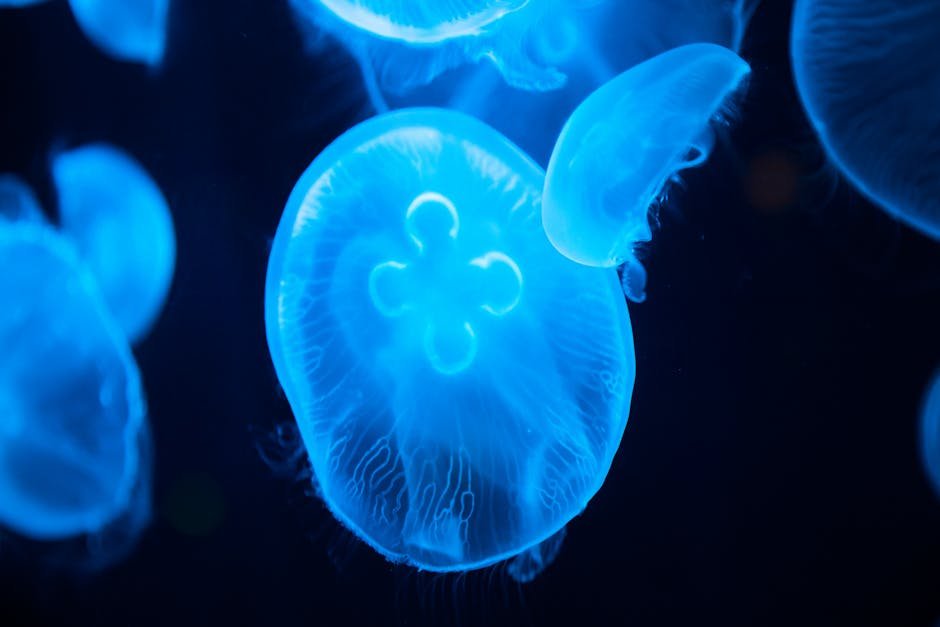
In the depths of the ocean, where sunlight never penetrates, some animals have developed the ability to glow. This bioluminescence is a fascinating adaptation that serves various purposes, from attracting mates to luring prey. Creatures like the anglerfish use their glow as a lure, while others, like the jellyfish, use it to confuse predators. This glow-in-the-dark fashion is not only mesmerizing but also incredibly practical in the dark abyss. The ability to produce light is a testament to the incredible adaptability of life in extreme environments. These neon lights of nature show us that fashion can be as functional as it is flashy.
Chameleons: The Masters of Disguise
Chameleons are renowned for their ability to change color, a feature that serves multiple purposes. While many believe they change color to blend into their surroundings, this is only partly true. Chameleons use color change as a form of communication, signaling mood, aggression, and mating readiness. This dynamic fashion statement is a sophisticated form of expression, allowing chameleons to convey complex social cues without using sound. The ability to change color is controlled by specialized cells in their skin, making chameleons true masters of disguise and communication. Their color-changing ability is a reminder of the complexity and intelligence inherent in nature’s designs.
Birds of Paradise: Nature’s Ultimate Performers
In the dense rainforests of New Guinea, birds of paradise put on one of nature’s most extraordinary displays. These birds are famous for their elaborate dances and striking plumage, which they use to attract mates. Each species has a unique courtship display, showcasing a variety of feathers, colors, and movements. This extravagant show is a result of sexual selection, where females choose mates based on the quality of their displays. The birds of paradise exemplify how fashion and performance can combine to create a captivating spectacle. Their displays are a celebration of life’s diversity and the lengths to which organisms will go to ensure their lineage.
Cuttlefish: The Underwater Illusionists
Cuttlefish are not only masters of camouflage but also skilled communicators. They can rapidly change the color and texture of their skin to blend into their surroundings or communicate with other cuttlefish. This ability is due to specialized skin cells called chromatophores, which can expand or contract to produce different colors. Cuttlefish use this dynamic fashion to hunt, hide, and communicate, making them one of the ocean’s most versatile creatures. Their skin serves as both a canvas and a tool, demonstrating the multifunctional nature of animal adaptations. Cuttlefish remind us that in the natural world, fashion is often a matter of survival.
Poison Dart Frogs: Vibrant Yet Deadly
Poison dart frogs are small, brightly colored amphibians that are as dangerous as they are beautiful. Their vivid colors serve as a warning to predators about their toxicity, a classic example of aposematism. These frogs produce powerful toxins that can be lethal to potential threats, making their fashion statement both a warning and a deterrent. The striking appearance of poison dart frogs is a bold declaration of their place in the ecosystem. They illustrate how sometimes, the most eye-catching fashion is also a formidable defense mechanism, ensuring the survival of these small but mighty creatures.
Butterflies: Nature’s Living Kaleidoscopes
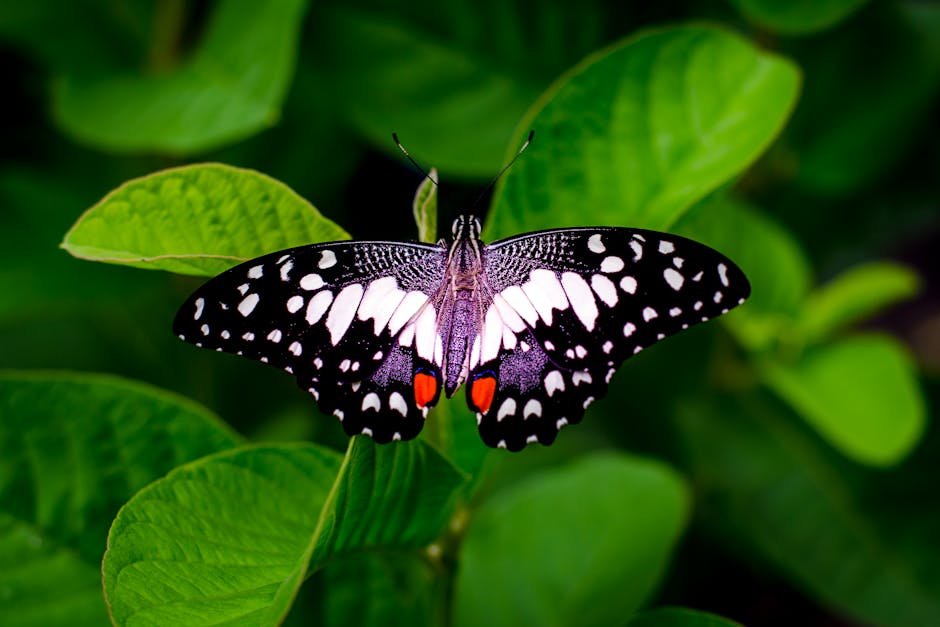
Butterflies are perhaps the most universally admired for their beauty and grace. Their wings are adorned with a spectrum of colors and patterns, each unique to its species. These intricate designs are not just for show; they play roles in camouflage, mate attraction, and predator avoidance. Some butterflies have evolved eyespots on their wings to confuse predators, while others use their vibrant colors to signal toxicity. The exquisite patterns of butterflies are a testament to the intricate dance between form and function in nature. They remind us that fashion in the animal kingdom is as diverse and dynamic as life itself.