Imagine a world where mushrooms are not just a culinary delight but also a powerful solution to some of our planet’s most pressing environmental challenges. This isn’t science fiction; it’s science fact. Across the globe, researchers and environmentalists are discovering the incredible capabilities of fungi, specifically mushrooms, in breaking down pollutants like oil spills and toxic waste. These humble organisms are proving to be an ecological ally in the war against pollution. Let’s delve into the fascinating world of mycoremediation and uncover how mushrooms are transforming environmental cleanup efforts.
The Science Behind Mycoremediation
Mycoremediation is the process of using fungi to decontaminate the environment. At the heart of this process are mushrooms and their underground network known as mycelium. Mycelium acts like a vast web, extending through soil and organic matter. This network secretes enzymes that can break down complex organic compounds, including some of the most stubborn pollutants. Think of mycelium as nature’s own recycling system, capable of transforming harmful substances into harmless ones. Scientists are particularly interested in how certain fungi can degrade hydrocarbons, the primary components of oil, making them a natural ally in cleaning up oil spills.
The Role of Enzymes in Breaking Down Pollutants
Enzymes are nature’s catalysts, speeding up chemical reactions that would otherwise take eons to occur. In the context of mycoremediation, mushrooms release enzymes that break down pollutants into less toxic substances. Laccase, manganese peroxidase, and lignin peroxidase are some of these powerful enzymes. These enzymes are particularly effective at breaking down hydrocarbons, which are prevalent in oil spills. By converting these hazardous compounds into simpler molecules, mushrooms help detoxify the environment. This enzymatic activity is akin to having an army of tiny workers tirelessly dismantling the pollutants molecule by molecule.
Real-World Examples of Mycoremediation
The real world is already witnessing the magic of mushrooms in action. In 2007, a team led by mycologist Paul Stamets conducted an experiment to clean up an oil spill in Washington State. They placed oyster mushroom spores on a pile of diesel-contaminated soil. Within a few weeks, the mushrooms grew and the soil’s toxicity levels dropped dramatically. Another remarkable example took place in Ecuador, where mushrooms were used to treat soil contaminated by crude oil. These instances show that mushrooms are not just theoretical solutions but practical, effective tools in environmental remediation.
How Fungi Compare to Traditional Methods
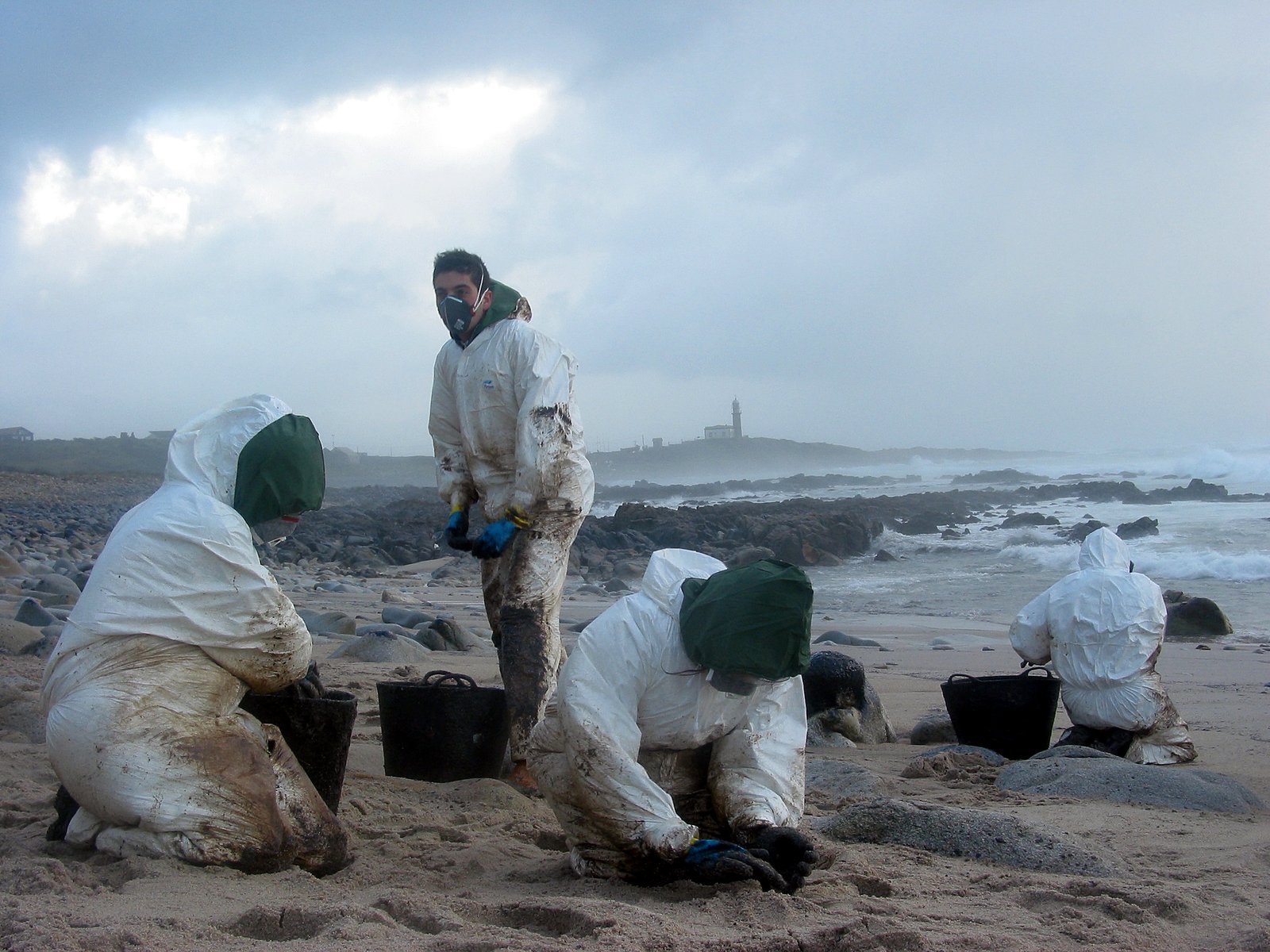
Traditional methods of cleaning up oil spills and toxic waste often involve harsh chemicals or mechanical removal, both of which can further harm the environment. In contrast, mushrooms offer a gentle, natural alternative. They don’t require additional chemicals and can thrive in various conditions, making them versatile tools for remediation. Moreover, mycoremediation is often more cost-effective than conventional methods. While traditional methods might be likened to using a bulldozer to solve a delicate problem, mushrooms act like nature’s own precision tools, quietly and efficiently dismantling pollution without collateral damage.
The Environmental Benefits of Mycoremediation
Beyond their ability to clean up pollutants, mushrooms offer a range of environmental benefits. They contribute to soil health by breaking down organic matter and releasing nutrients back into the ecosystem. This process not only detoxifies the soil but also enriches it, promoting plant growth and biodiversity. Additionally, mushrooms can help prevent erosion by stabilizing the soil with their mycelial networks. In essence, mushrooms don’t just clean up the mess; they also help restore and rejuvenate the environment, ensuring that ecosystems can thrive once again.
Challenges and Limitations of Using Mushrooms
Despite their many advantages, using mushrooms for environmental cleanup is not without challenges. One significant limitation is that not all fungi are effective against all types of pollutants. Each species of mushroom has specific capabilities, and finding the right match for a particular contamination can be complex. Additionally, environmental factors such as temperature, humidity, and soil composition can influence the effectiveness of mycoremediation. While mushrooms hold great promise, they are not a one-size-fits-all solution and require careful consideration and planning to deploy effectively.
Innovations and Future Potential in Mycoremediation
The field of mycoremediation is rapidly evolving, with researchers continually exploring new ways to harness the power of mushrooms. Advances in biotechnology and genetic engineering are paving the way for the development of fungi with enhanced capabilities to degrade pollutants. Scientists are also experimenting with combining mushrooms with other microorganisms to create synergistic effects, increasing the efficiency of bioremediation. As our understanding of fungi grows, so too does their potential to address an even wider array of environmental challenges, offering hope for cleaner, healthier ecosystems.
The Role of Community and Citizen Scientists

The success of mycoremediation is not limited to laboratories and professional scientists. Community groups and citizen scientists play a vital role in implementing mushroom-based remediation projects. Workshops and educational programs are empowering individuals to cultivate mushrooms and apply them to local environmental issues. By involving communities, we can expand the reach of mycoremediation and foster a sense of stewardship and responsibility for our natural surroundings. In this way, mushrooms become not only tools for cleanup but also symbols of collective action and environmental consciousness.
Why Mushrooms Matter in the Fight Against Pollution
Mushrooms may seem small and unassuming, but their impact on environmental cleanup is anything but. They represent a natural, sustainable solution to some of the most daunting pollution problems we face today. By leveraging the power of fungi, we can reduce our reliance on chemical and mechanical methods, paving the way for a cleaner, greener future. Mushrooms remind us that sometimes the most effective solutions are those that nature has already provided, waiting for us to discover and embrace their potential.
A Call to Action for Embracing Mycoremediation
In a world grappling with the consequences of industrialization and pollution, mycoremediation offers a beacon of hope. By supporting research, raising awareness, and participating in community projects, everyone can contribute to the success of mushroom-based remediation efforts. Let us embrace the humble mushroom as a partner in our quest for a cleaner planet, recognizing its potential to transform not only our environment but also our relationship with nature. As we look to the future, let us cultivate a deeper appreciation for the power of fungi and their role in healing the earth.