
You probably think of time travel as something that belongs in sci‑fi movies and wild thought experiments. But if you look closely at the natural world and at what modern medicine is quietly learning to do, you start to realize that you are already flirting with a softer, stranger version of time travel: slowing life down, stretching moments, and bending the rules of biology just enough to cheat death for a little while.
Hibernation and suspended animation are not magical, and they definitely are not perfect, but they push right up against the boundaries of what you think a living body can survive. When you see a tiny animal sleep through brutal winters, a human heart stopped on an operating table, or a patient cooled to near‑lethal temperatures and then brought back, you are watching real‑world time tricks in action. Once you understand the science, you may never look at time, sleep, or even your own body the same way again.
The Strange Reality of Biological Time Travel
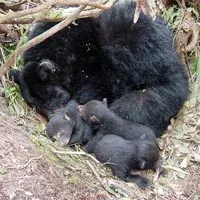
Imagine going to sleep while the world is dangerous, cold, and unforgiving, then waking up months later to warmth, food, and safety as if you just blinked. That is basically what hibernating animals do, and in a quiet way, they are already practicing a form of one‑way time travel. While the environment above ground changes dramatically, their internal clocks slow to a crawl, letting them skip over the harshest stretches of time with minimal wear and tear.
When you think about it, you already do a mild version of this every night. During deep sleep, your brain activity drops, your metabolism eases off, and your sense of time becomes fuzzy. Hibernation and suspended animation just push that same idea far more aggressively, taking a living system that should fail without constant energy and oxygen, and somehow keeping it viable while almost everything slows down. You are not breaking the laws of physics; you are just playing very cleverly with biology’s timing knobs.
How Hibernation Really Works Inside an Animal’s Body
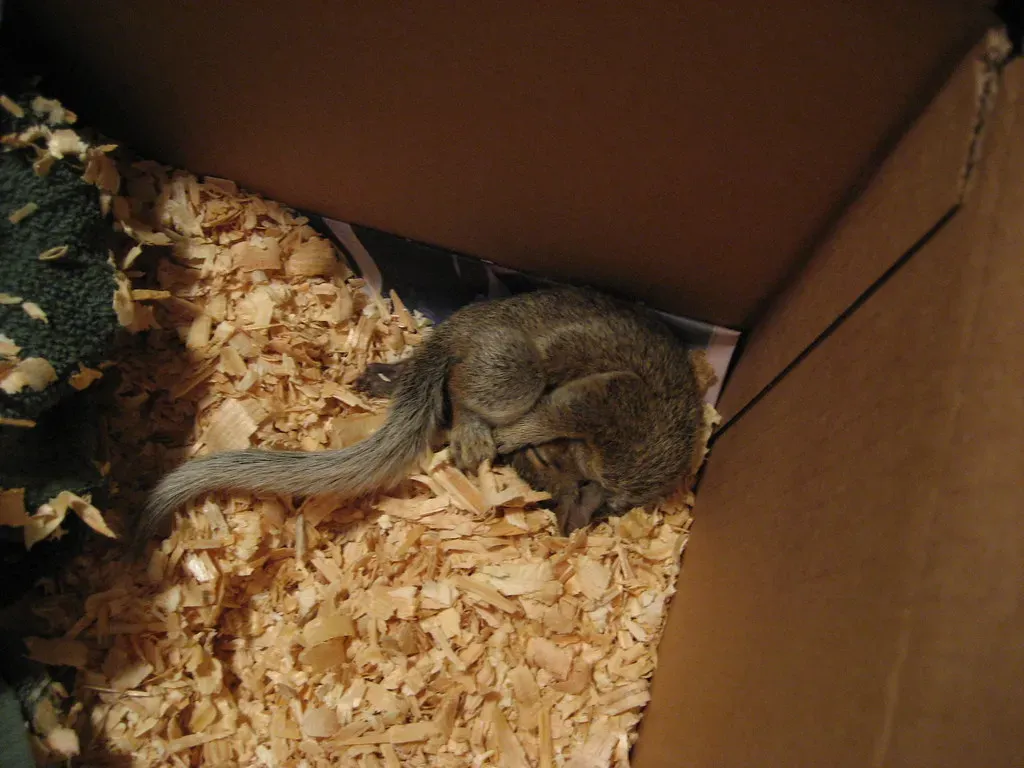
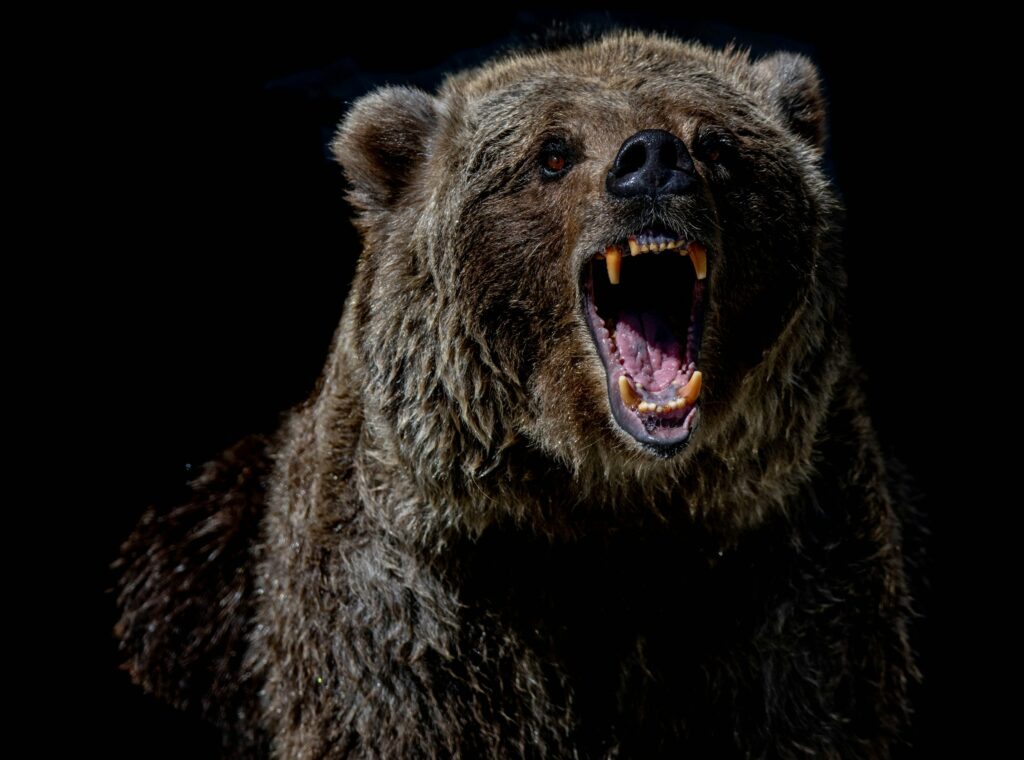
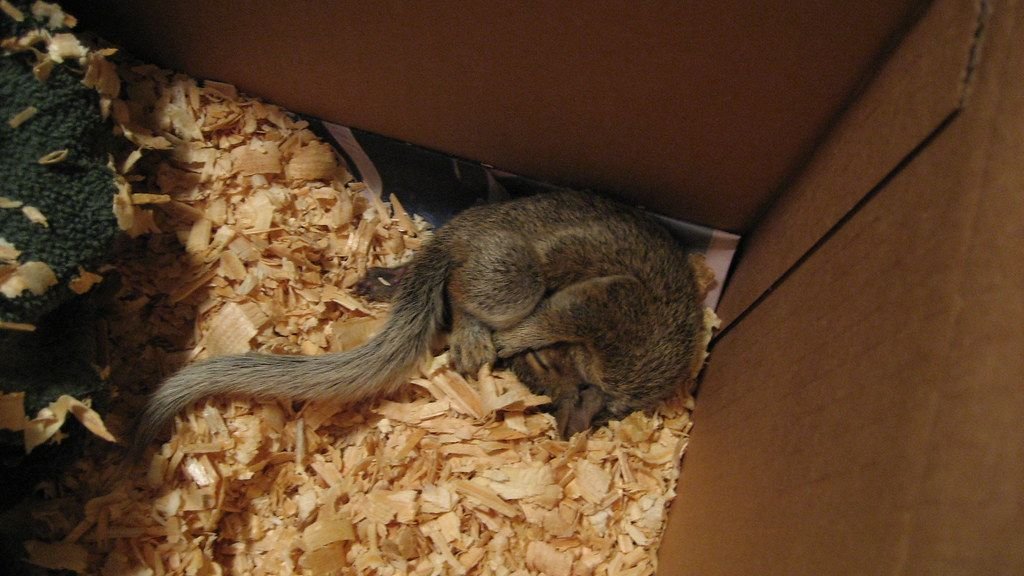
To understand how dramatic hibernation really is, you need to picture what is happening inside the body of a ground squirrel or a bear during the coldest part of winter. Heart rate can drop from dozens or even hundreds of beats per minute down to just a handful, and breathing can become so shallow and infrequent that, if you were watching, you might think the animal was gone. Body temperature can fall close to the surrounding environment, sometimes just a few degrees above freezing, without the tissues freezing solid.
Under the surface, the body is not just “off”; it is running in ultra‑low‑power mode. Cells burn far less fuel, blood flow is carefully rationed to the most important organs, and certain protective molecules increase to prevent damage from low oxygen and cold. You can think of it like putting your phone into extreme battery‑saving mode, where only the absolute essentials run and everything else pauses. What is astonishing is that, when the season changes, those same animals ramp their systems back up and return to normal life, often with surprisingly little long‑term harm.
Suspended Animation in the Operating Room
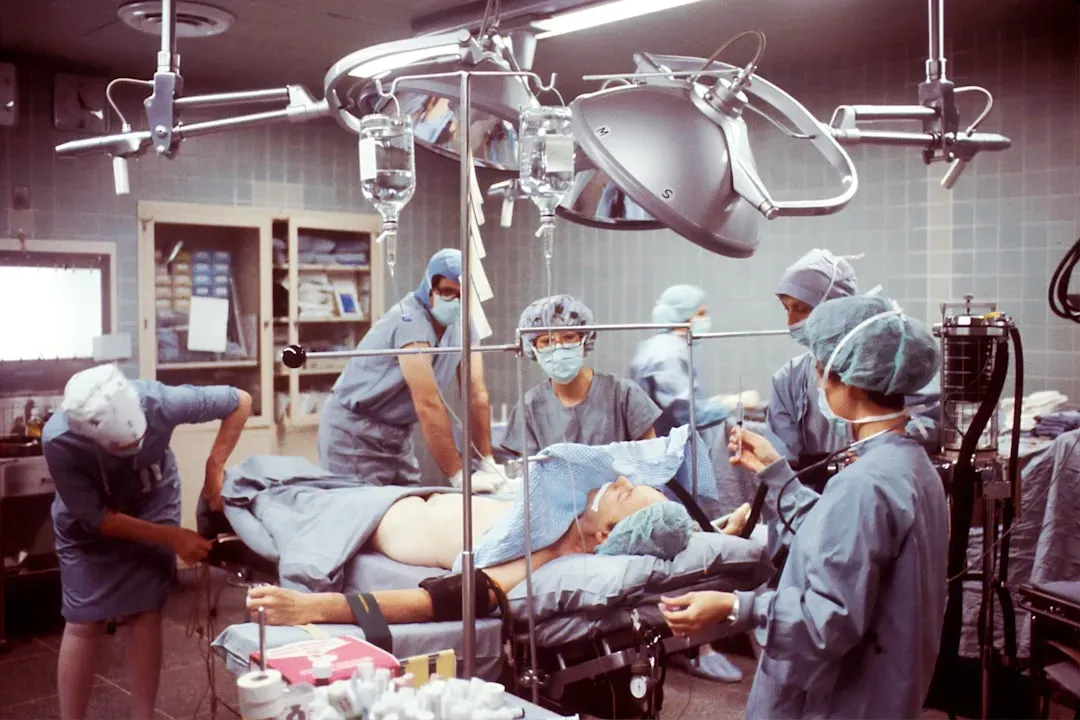
You often hear the term “suspended animation” and picture someone frozen in a glass pod on a spaceship, but in a rough, practical way, doctors already use similar ideas in extreme surgeries. During certain heart or brain procedures, your surgical team may cool your body down significantly and circulate your blood through a machine, giving the surgeon precious extra minutes to work while your tissues demand less oxygen. From your perspective, that entire life‑or‑death window feels like an instant – you go under anesthesia and then, suddenly, you wake up.
In the most extreme cases, especially in experimental trauma care, doctors have even tested rapidly cooling severely injured patients to very low body temperatures to buy time to fix otherwise unsurvivable damage. You are essentially being placed in a deeply slowed state where cells are less likely to die quickly from lack of oxygen. The clock on your tissues is ticking more slowly, even though real time is marching on outside the operating room. It is not the romantic vision of time travel, but it is brutally practical: slow biology long enough to pull someone back from the edge.
What Cold Really Does to Your Cells and Metabolism
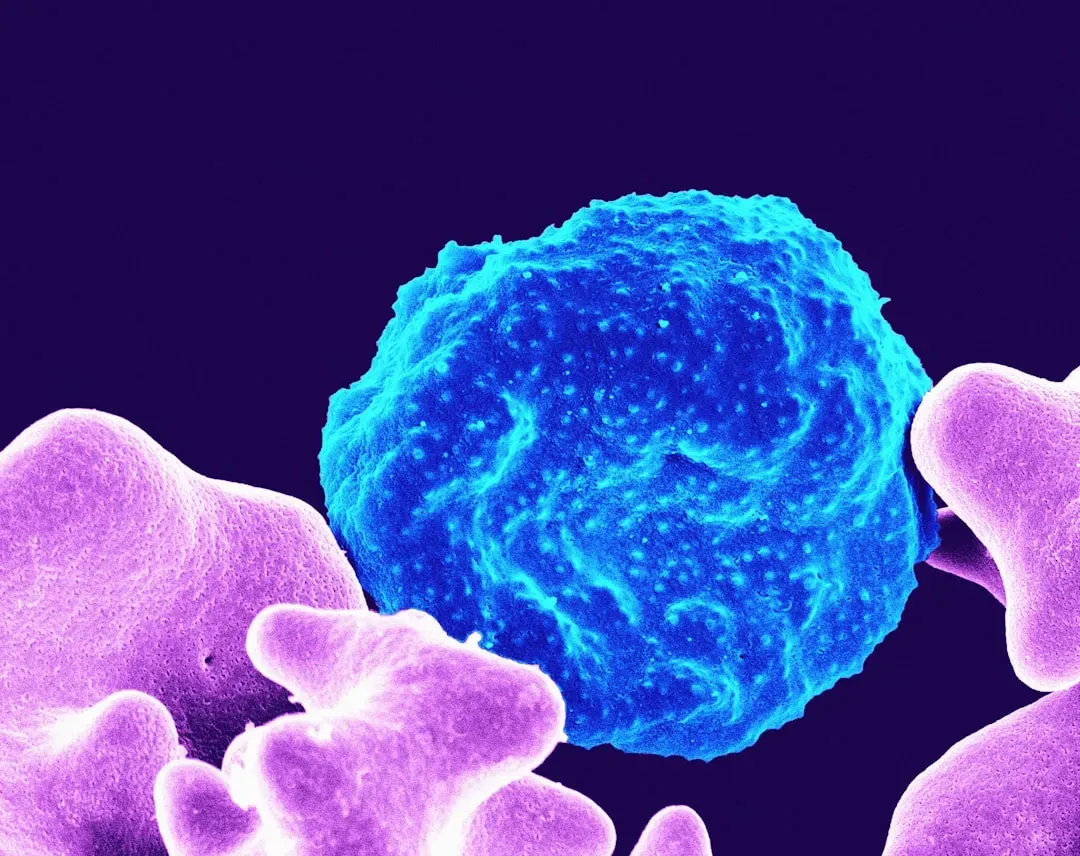
To see why cooling works at all, you need to think about your body as a dense, chaotic factory of chemical reactions. Every heartbeat, every thought, every muscle twitch is powered by reactions that depend on temperature. When you lower that temperature, those reactions slow down. Your cells burn fuel more slowly, generate less waste, and demand less oxygen, which is why you can keep tissues alive longer by chilling them – whether that is an organ waiting for transplant or a whole body on an operating table.
The risk, of course, is that cold is not gentle. If you push it too far or too fast, ice crystals can tear cells apart, delicate membranes can rupture, and normal structures can be wrecked. That is why real suspended animation is not as simple as freezing and thawing like a bag of peas. You need a careful dance of cooling, chemical protection, controlled circulation, and then equally careful warming. When you get that balance right, you are essentially stretching the same moments out, buying extra time without completely shutting life down.
Lessons from Nature’s Most Extreme Sleepers
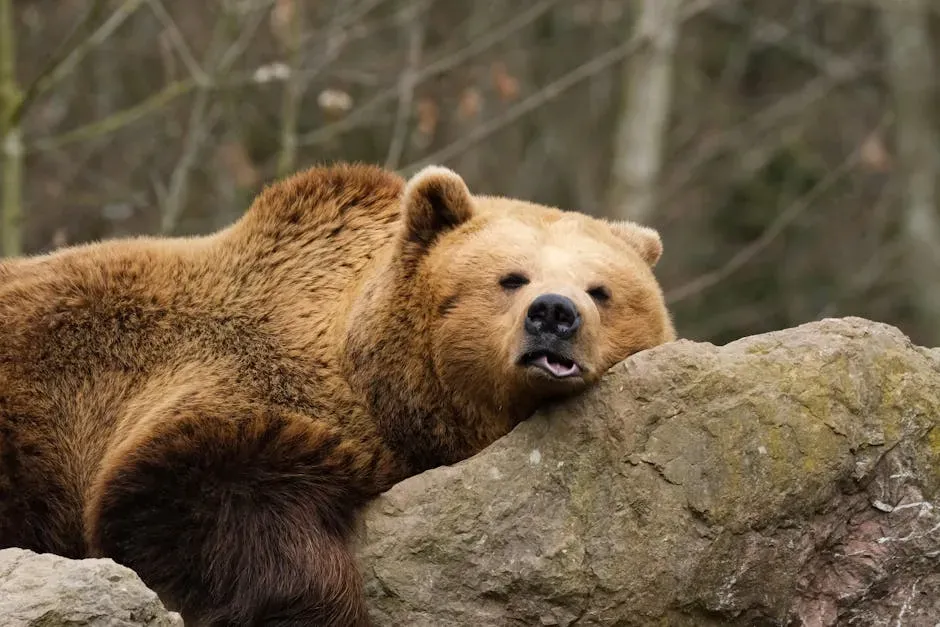
If you want a preview of what is biologically possible for your own species, you should look closely at the strangest sleepers in nature. Arctic ground squirrels can drop their body temperature below the freezing point of water and still survive, while certain frogs can literally tolerate ice forming in parts of their bodies. Some small mammals let their heart rates crawl so low that minutes pass between beats, yet they wake up months later as if nothing unusual happened. These animals are living proof that biology can handle extremes you would normally label as lethal.
What makes this even more exciting for you is that scientists are discovering the clever biochemical tricks behind these feats: special proteins that protect cells from damage, changes in how blood flows, and shifts in which fuels are burned when. You can think of these animals as nature’s field manual for safe biological slowdown. By learning how they “pause” without breaking, you gain clues for how humans might one day be guided into controlled, reversible low‑power states, whether for surgery, space travel, or emergency medicine.
Where Human Hibernation Research Stands Today
Right now, you cannot walk into a clinic, sign a form, and ask to be put into hibernation for a six‑month nap, and it is important that you treat any grand promises with healthy skepticism. What you do have are early, carefully controlled experiments in animals and ongoing research in humans using milder methods: cooling after cardiac arrest, protective hypothermia in newborns with brain injury, and very controlled lowering of metabolism during complex surgeries. Each of these is a small, cautious step toward more ambitious control over your own biological timing.
Researchers are also exploring drugs and techniques that might one day nudge your body into a hibernation‑like state without needing brutal cold. Some experimental compounds can trigger animals to lower their metabolism and body temperature, and scientists are hunting for similar switches in humans. For you, this means the idea of human hibernation is not pure fantasy anymore, but it is also nowhere near a routine option. You are living in a transitional phase where the science is real, the applications are limited, and the ethical and safety questions are only beginning to be taken seriously.
Space Travel, Deep Time, and Why This Matters for Your Future
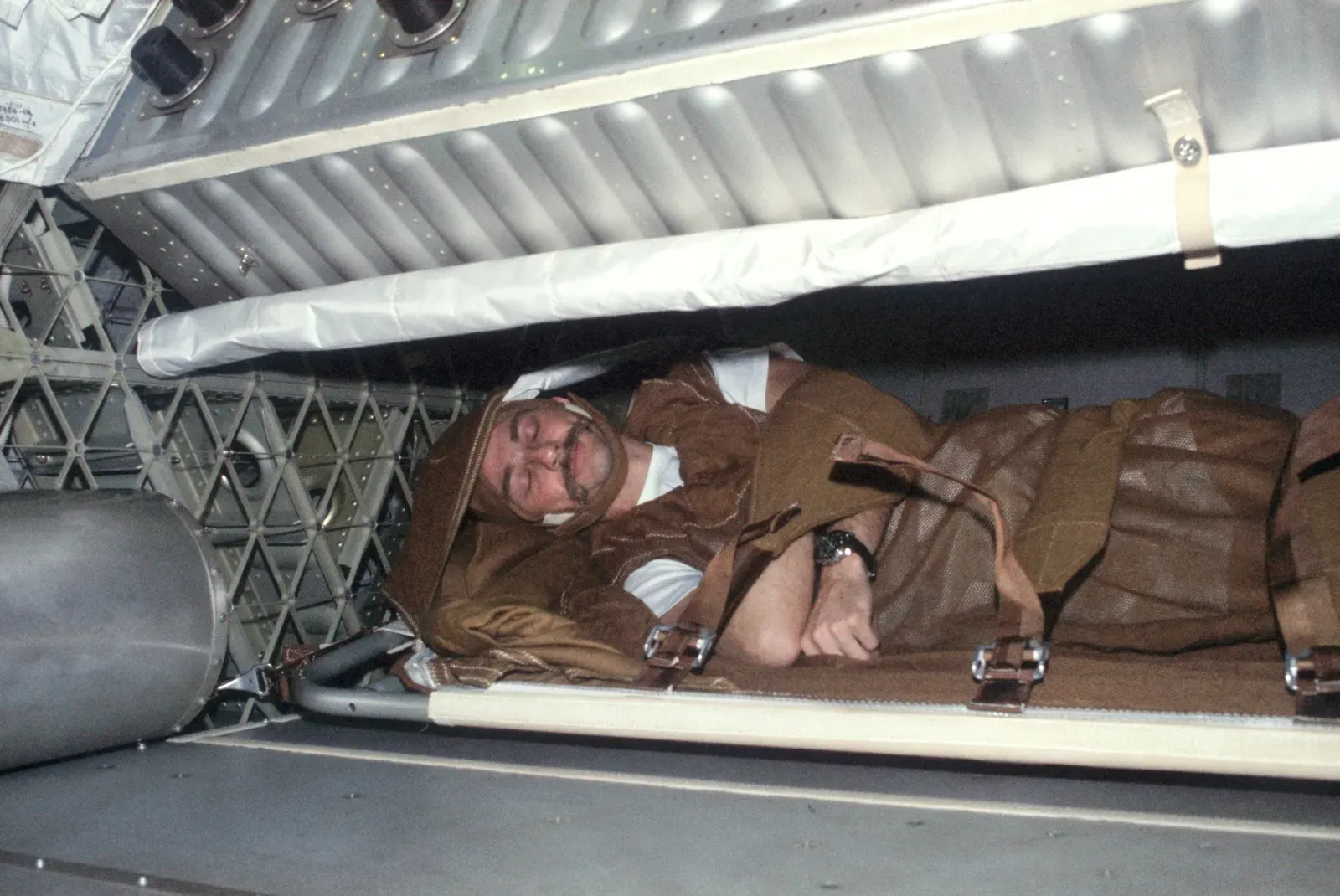
If you have ever imagined yourself on a long space voyage – months or years stuck in a metal tube – you can immediately see why suspended animation is so tempting. Keeping you awake, fed, entertained, and emotionally stable over vast distances in space is brutally expensive and complicated. If you could safely slow your body down, reduce your needs, and let the trip “pass” without you feeling every day of it, deep‑space travel suddenly becomes far more practical. You would not be dodging the speed of light, but you would be dodging the psychological and biological costs of long journeys.
Even if you never leave Earth, the same technology could change your options in emergencies. Imagine rural hospitals being able to stabilize you after severe trauma by temporarily slowing your biology, buying hours for transport and treatment that currently do not exist. Or think about preserving organs much longer for transplant so that, someday, when you or someone you love needs one, there is a better chance it is available and usable. Hibernation‑like states are not just a nerdy obsession; they sit right at the edge of future medicine and survival.
The Ethical and Emotional Questions You Cannot Ignore
As soon as you start imagining people routinely slowing or pausing their biology, the questions get messy fast. How long is it acceptable to keep someone in a slowed state, especially if they cannot give ongoing consent? Who decides when to wake them up? If someone is placed into suspended animation with today’s understanding and wakes up in a very different world, you are suddenly mixing medicine with philosophy, psychology, and even questions about identity. You are not just preserving flesh; you are stretching lived experience in ways society has never had to deal with.
On a more personal level, you might ask yourself how you would feel about losing big chunks of experienced time, even if your body survives longer because of it. Is a life with skipped sections still the same life to you? Would you trade months or years of waking experience for a better chance to see a distant future, or to survive a disease that cannot yet be cured? Hibernation and suspended animation force you to weigh quantity of time against quality of time, and there is no simple, one‑size‑fits‑all answer.
In the end, the idea of time travelers among you is not so far‑fetched; it is just less glamorous and more biological than the movies told you. Animals are already skipping seasons, surgeons are already stealing minutes and hours by slowing bodies down, and scientists are slowly learning how to twist the dials of metabolism and temperature more safely. You are living at the very beginning of an era where time, for living beings, becomes a little more flexible than it used to be.
As the science grows, you will have to decide how far you are comfortable going – both as an individual and as a society. Would you step into a controlled sleep to cross a dangerous chapter of your life or to jump ahead to a future you can barely imagine, or would you rather feel every second, even if that means facing more risk? In a world where hibernation and suspended animation inch closer to reality, how much of your own time would you actually choose to give away?