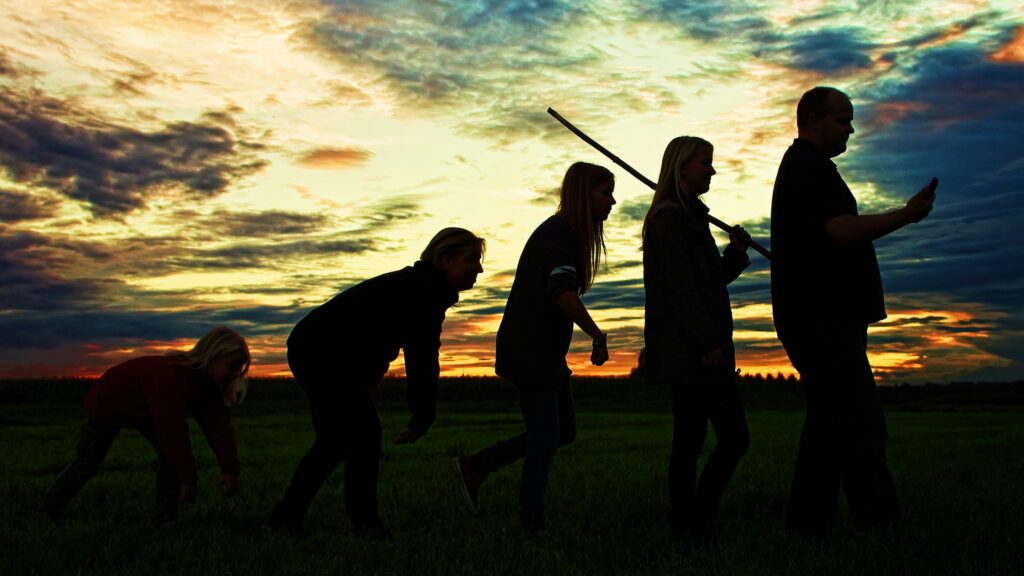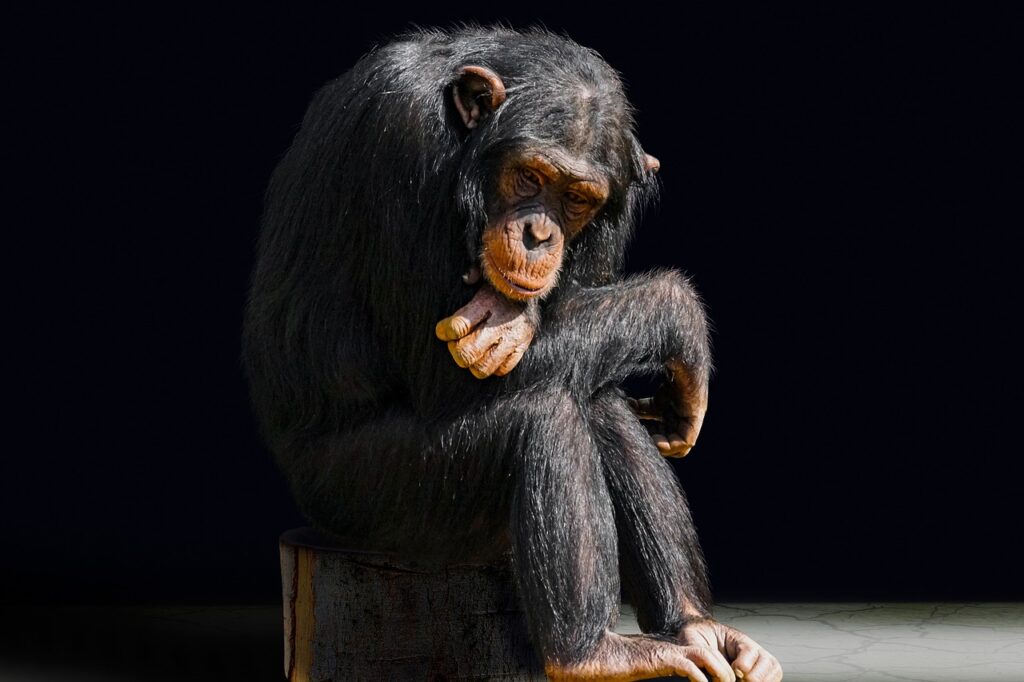

You tend to think of evolution as something that happened a long time ago, written into bones in museums and dusty fossils in the ground. But right now, in your lifetime, the forces that shape what humans become are shifting faster than at any other point in history. Technology, medicine, climate, even your social life online, are quietly rewriting the rules.
When you zoom out for a moment, you start to see something wild: you are not just a product of evolution, you are becoming an active participant in it. You are choosing partners on dating apps, editing genomes in labs, moving across continents, and surrounding yourself with machines that increasingly anticipate your thoughts. The question is no longer whether humans will keep evolving, but how much of that evolution you will steer on purpose.
You May Become a Designer of Your Own Biology
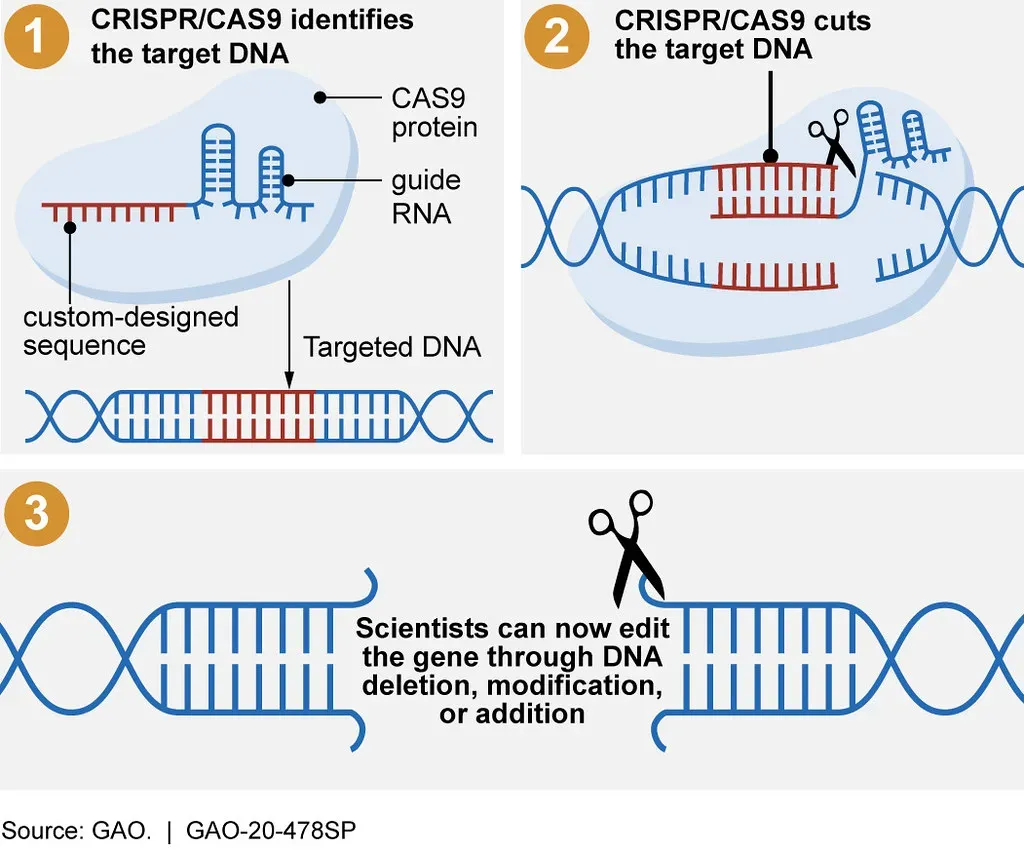
If you could tweak your body the way you tweak the settings on your phone, what would you change first? Longer healthspan, sharper memory, resistance to certain diseases? You are living in the first era where that question is slowly leaving the realm of science fiction and edging into your lifetime. Gene-editing tools like CRISPR have already been used in tightly controlled medical trials to treat certain genetic conditions, showing that changing DNA is no longer just theory but practice.
For now, strict laws and deep ethical concerns keep scientists from freely editing embryos or making inherited changes, and that caution is a good thing. You are standing at a cliff edge where the benefits are enormous, but the risks are too. Once a change is made to DNA that can be passed down, it could spread through future generations in ways no one can fully predict. So when you imagine “designer babies” or custom traits, you should also picture long debates, international guidelines, and a society arguing about what counts as healing and what crosses the line into upgrading.
Your Mind and Machines Might Start to Blur Together
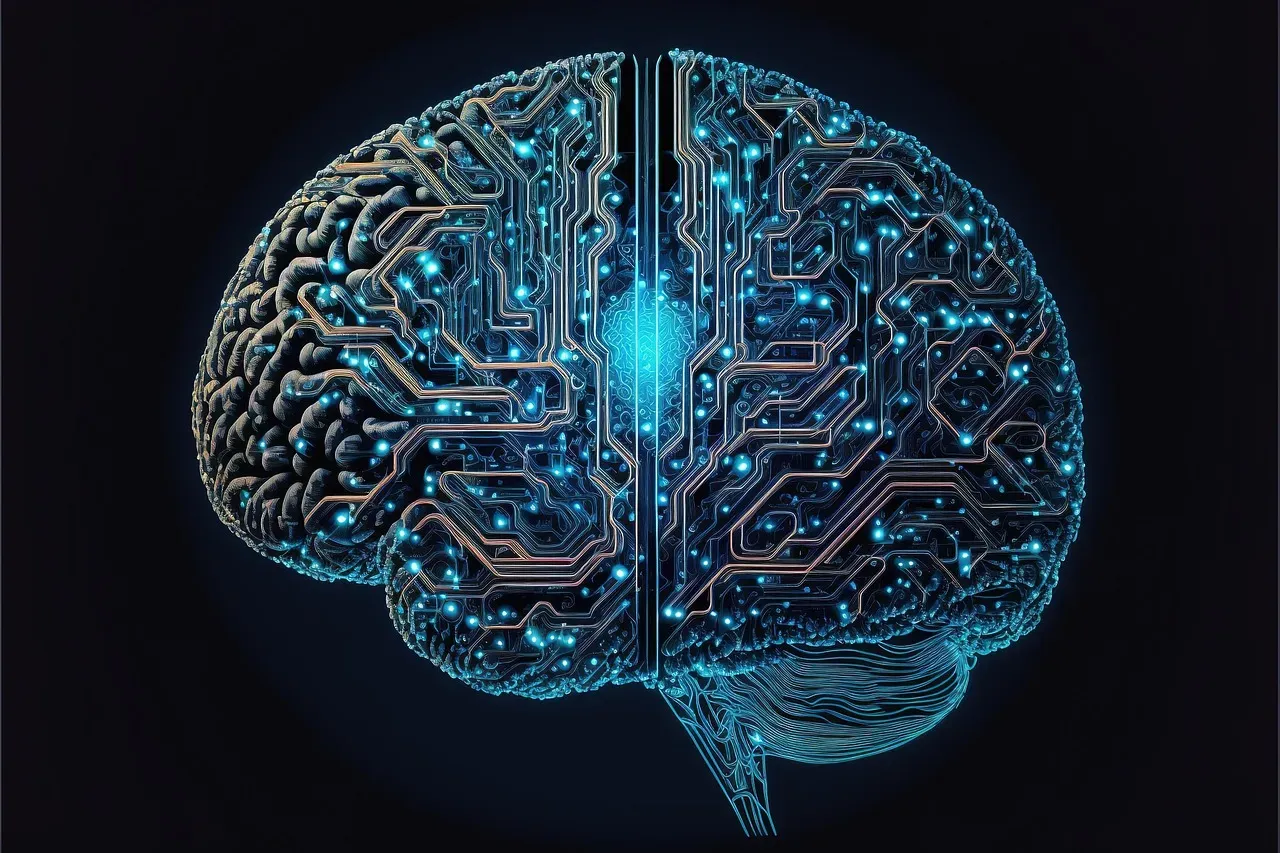
At some point, you may not be able to draw a clean line between your natural brain and your digital tools. You already outsource memory to your phone, navigation to GPS, and even parts of your judgment to algorithmic recommendations. Brain–computer interface research is exploring ways for people to communicate directly between neurons and electronics, especially to help those with paralysis or severe disabilities regain movement or speech. This is still early and experimental, but the direction is clear: your nervous system and your devices are on a slow collision course.
If such technology becomes safe, widely available, and not just medical, you could one day scroll, type, or even control external devices simply by thinking. That would not instantly turn you into a new species, but it would change the pressures shaping what skills you rely on most. If machines handle more memory and data crunching, traits like creativity, emotional intelligence, or moral judgment might become more evolutionary “valuable” for you. The real mind-bending twist is that future evolution may not be about giving you new organs, but about welding your existing ones to an ever-expanding digital nervous system around you.
You Could Live Longer, but Age in a Very Different Way
When you picture your future self, do you imagine a long, frail old age or a longer period of healthy middle life? Medical science is shifting its focus from just treating individual diseases to understanding the underlying biology of aging itself. Researchers are studying cellular damage, inflammation, and how your body’s repair systems gradually falter. If they learn how to slow some of these processes, you might spend more years with a body and brain that feel relatively young, even if the calendar says otherwise.
But even if no magical longevity pill appears, your environment is already nudging evolution toward favoring traits that help you navigate long lives. When people have children later, that subtly changes who passes on genes and when. Social systems like pensions, health insurance, and elder care also shape what kinds of lifestyles are possible for you at different ages. In that sense, is not just in labs; it is in the choices you make about nutrition, exercise, reproduction, and how you structure a society where more people may live into very old age.
Your Environment Is Pushing You in New Directions
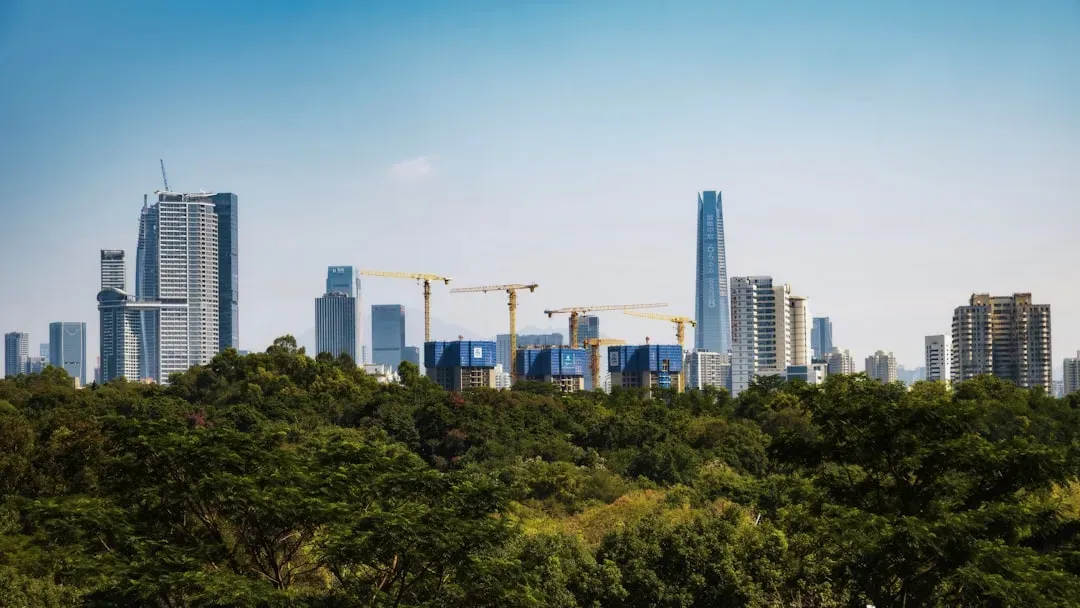
You are surrounded by an environment your ancestors could never have imagined: climate-controlled buildings, fast global travel, urban pollution, processed foods, artificial light at midnight, and screens that compete with the sun. Evolution has always responded to the environment, and this one is changing at breakneck speed. Take climate change: as temperatures rise and weather patterns shift, some regions will become harder to live in, pushing you and others to migrate, adapt, or develop new technologies to cope.
Subtle changes in things like air quality, diet, and physical activity can also act as evolutionary pressures over long periods. If certain health issues become more common, and only some people are genetically more resilient, that can change which genes are more likely to be passed on. At the same time, culture and technology give you “shortcuts” that let individuals survive conditions they might not have survived in the past. That means future human evolution will likely be a messy dance between raw biology and the ways you buffer yourself from the harshest parts of the world you have built.
Your Choices in Love and Family Are Quietly Rewriting the Gene Pool
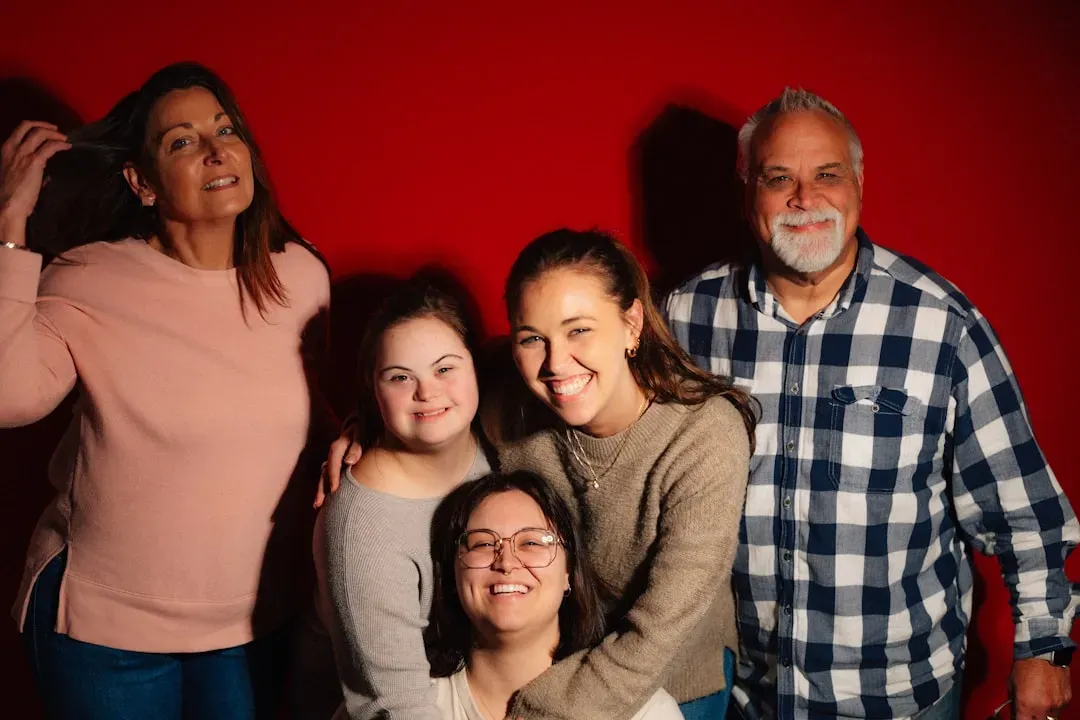
When you swipe right, move countries, or decide whether or not to have children, you are doing more than shaping your personal life. You are also nudging the next generation’s genetic mix, even if only in a tiny way. Modern dating and migration patterns mean people from very different backgrounds are having children together, blending genes that might never have met in earlier centuries. Over many generations, that can reshape traits across whole populations, from appearance to disease resistance.
At the same time, more people are choosing to have fewer children or no children at all, especially in wealthier countries. That choice changes which traits are represented more often in future generations, not in some moral sense, but in a mathematical one. Access to contraception, education, and reproductive technology gives you more control over your family structure than any previous generation had. You might not think of your dating life as evolution, but future humans will literally carry the results of those choices in their DNA.
You May Evolve More Culturally Than Biologically
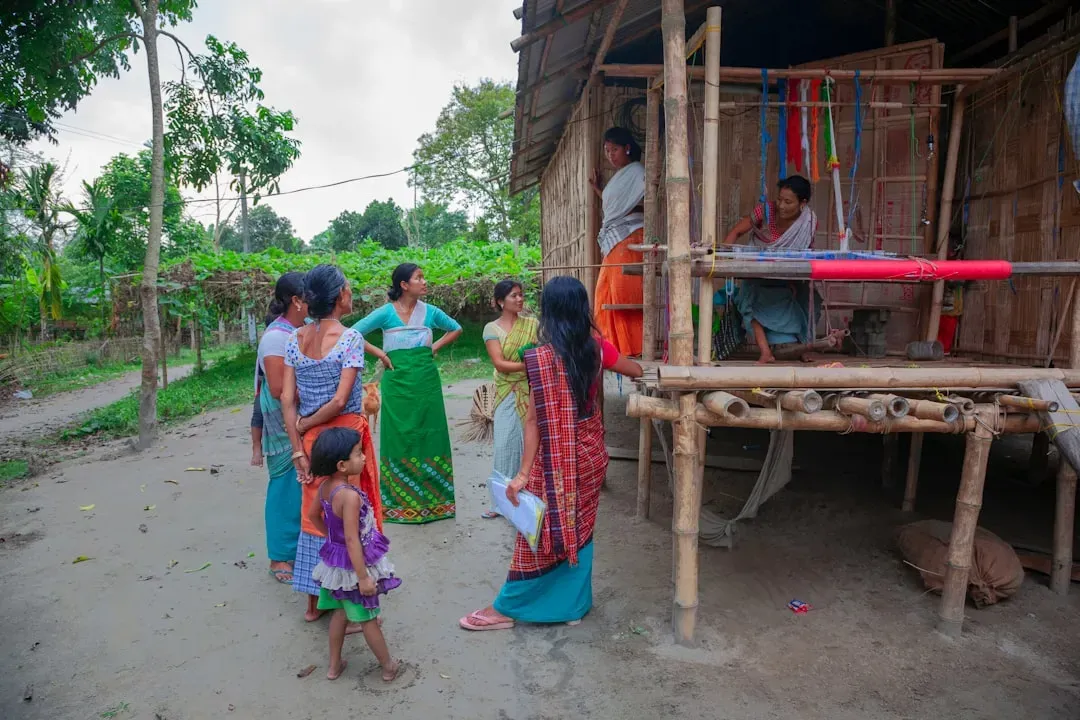
When you learn a new skill, adopt a new belief, or change your habits because of something you read or watch, you are experiencing cultural evolution. Unlike genes, ideas can spread through a population in days instead of millennia. You share a post, your friend copies it, their friend changes behavior because of it, and suddenly an entire community acts differently. This kind of rapid change can reshape how humans survive, cooperate, and compete long before any new gene variants become common.
In the coming decades, you can expect cultural evolution to speed up even more as information flows across the globe instantly. That creates a strange feedback loop: your culture changes your behavior, your behavior changes which traits are helpful, and those traits may influence which genes become more common. In other words, might be guided less by mutations in DNA and more by shifts in values, education, and the shared stories you tell about who you are and what matters.
You Might Split into Many Different “Kinds” of Humans Without Noticing
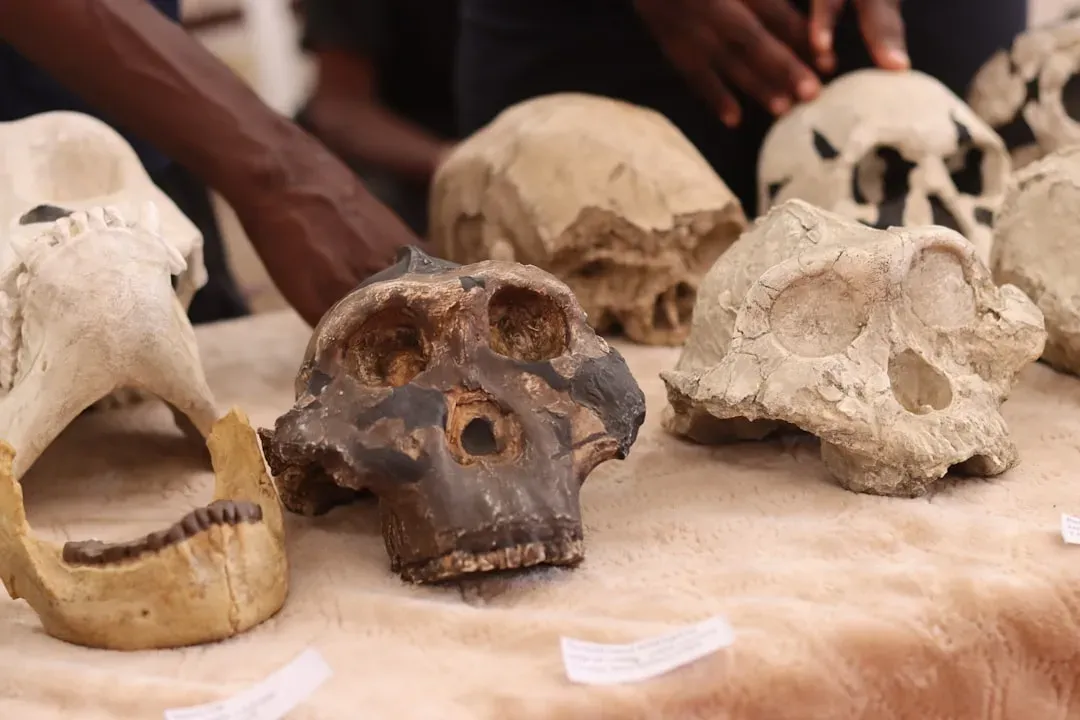
When you think of new human species, you might picture dramatic science fiction worlds with clearly different types of people. Real evolution rarely works that neatly. What is more likely is that groups of humans will gradually diverge in lifestyle, technology access, and maybe even biology, without anyone drawing a sharp line at first. Imagine one group that fully embraces brain–computer interfaces, embryo selection, and every available enhancement, and another that rejects most of those technologies on moral or spiritual grounds.
Over time, those different paths could lead to distinct patterns of abilities, health, and appearance. They may still be able to have children together, which means they are technically the same species, but their day-to-day reality could feel worlds apart. You could end up with “subcultures” of humans that are as different from each other in capability as you are now from your ancient ancestors, but living side by side. The truly mind-bending part is that you might not notice the exact moment when those differences cross from social to biological, because evolution rarely rings a bell to announce itself.
You Are Becoming a Co-Author of Evolution, Not Just Its Outcome
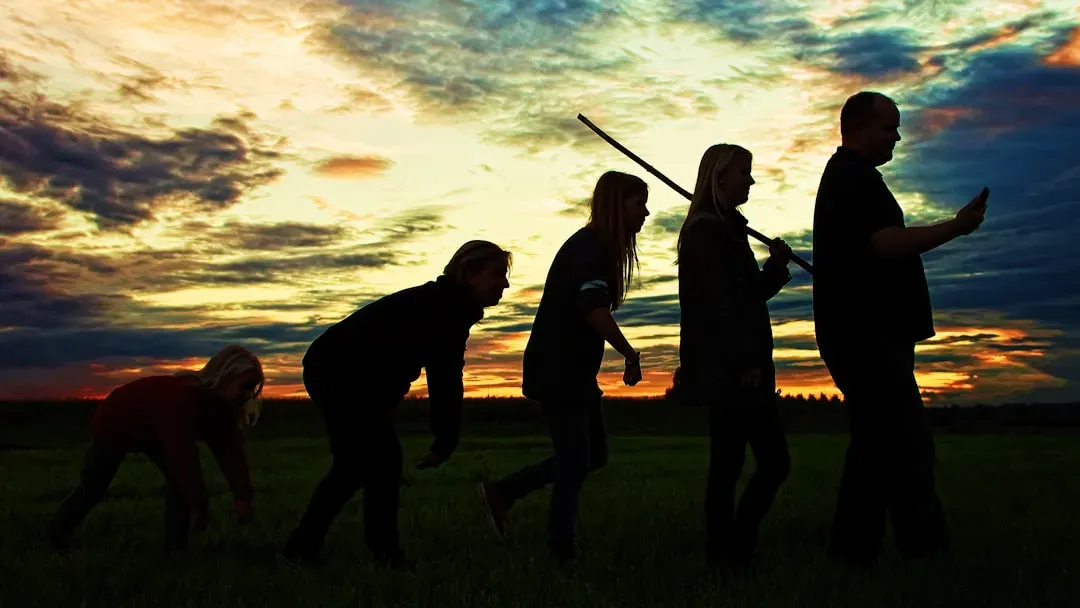
When you step back from all of this, a pattern emerges: you are no longer just being shaped by evolution; you are starting to shape it in return. Your tools, your medicine, your moral debates, your laws, and your everyday habits all feed into the long arc of what humans become. You do not control every twist of that story, and there will always be surprises, but you are not a passive character in it either. You are closer to a co-author who is still learning how powerful the pen actually is.
That means is not only a scientific question, but also a deeply personal and ethical one for you. The traits you reward, the technologies you support, the inequalities you tolerate, and the planet you help create will echo in bodies and minds long after you are gone. Maybe the most important evolutionary question you can ask is not what humans will be, but what you want humans to become. When you imagine that future, where do you see yourself standing in the story?