In the vast tapestry of nature, where survival often hinges on adaptability, certain bird species have taken a leaf out of the human playbook and turned to farming. This fascinating behavior challenges our perceptions of animal intelligence and resourcefulness. Imagine a world where birds cultivate their own food, a practice long believed to be solely a human endeavor. These winged farmers have adopted a self-sustaining approach, showcasing evolution’s creativity and resilience. As we delve into this unique phenomenon, we uncover the intricate relationships these birds share with their environment, providing insights into the broader ecological picture.
The Origin of Avian Agriculture
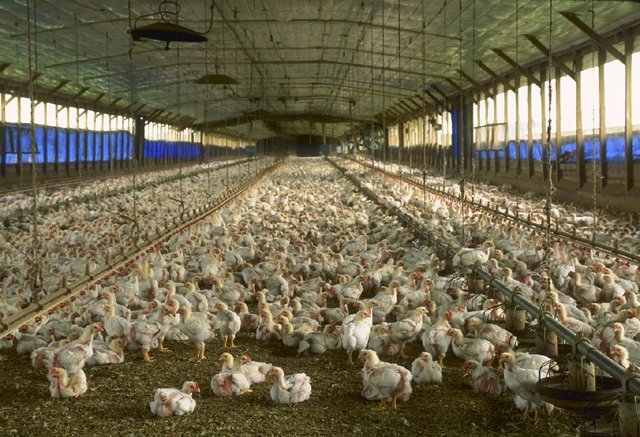
The concept of birds farming might sound like a whimsical tale, but it has roots in genuine behavior observed in nature. The evolution of farming among certain bird species can be traced back to the necessity for reliable food sources. In regions where resources fluctuate with the seasons, these birds have harnessed the power of nature to ensure a steady food supply. This behavior is primarily seen in species that face intense competition for food or live in environments where food scarcity is a constant challenge. Through generations, these birds have honed their farming skills, passing down this knowledge like a cherished family recipe.
Meet the Master Farmers: Leafcutter Ants of the Avian World
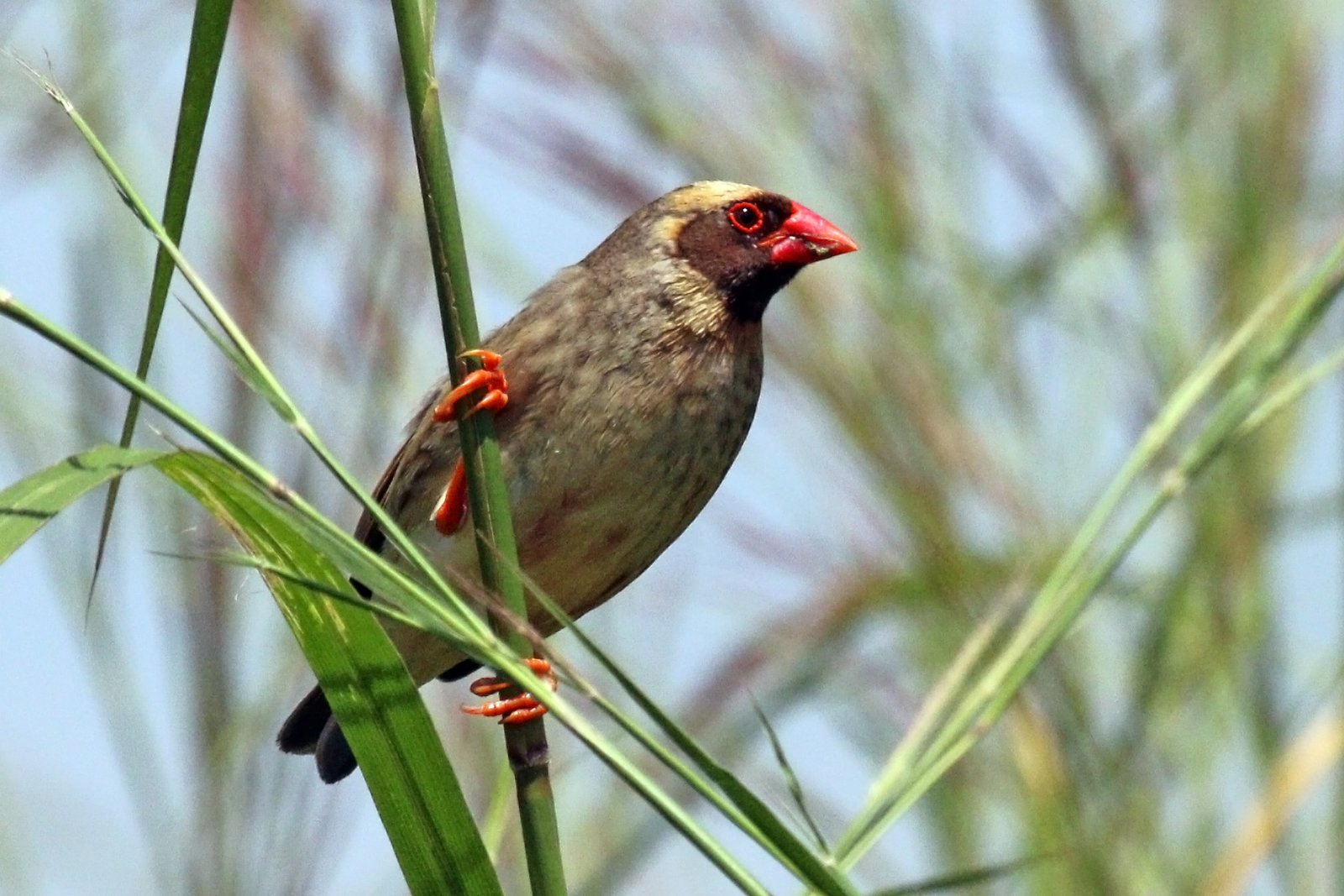
While leafcutter ants are renowned for their fungal farming prowess, certain birds parallel this behavior with their own version of agriculture. The red-billed quelea, often dubbed the “feathered locusts” of Africa, is a prime example. These birds have developed a symbiotic relationship with certain grass species, effectively cultivating them to ensure a bountiful harvest. By selectively pecking at the seeds and allowing only the healthiest plants to thrive, they inadvertently encourage the growth of their preferred food source. This selective cultivation mirrors the practices of early human farmers and highlights the birds’ innate ability to manipulate their environment for survival.
The Role of Environment in Avian Farming
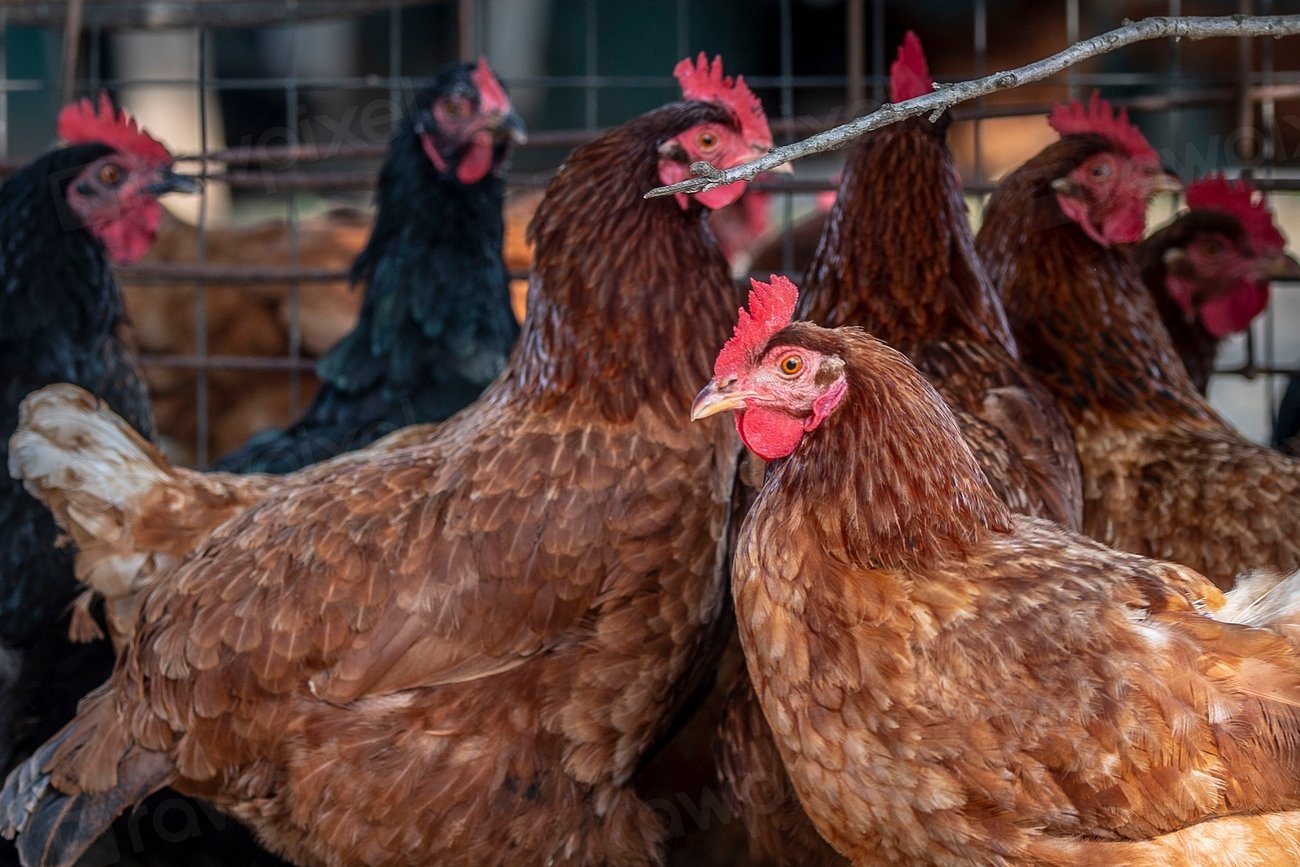
Environment plays a crucial role in shaping the farming behaviors of birds. In habitats where food is abundant, there’s little incentive for birds to invest energy in farming. However, in regions where harsh winters or prolonged droughts threaten food availability, avian farming becomes a pivotal survival strategy. For instance, the Galápagos finches have been observed manipulating cactus flowers to encourage better fruit production. By understanding the environmental pressures that drive these behaviors, scientists can gain insights into the broader ecological dynamics at play, offering a window into how species adapt to changing climates.
Techniques of Avian Cultivation
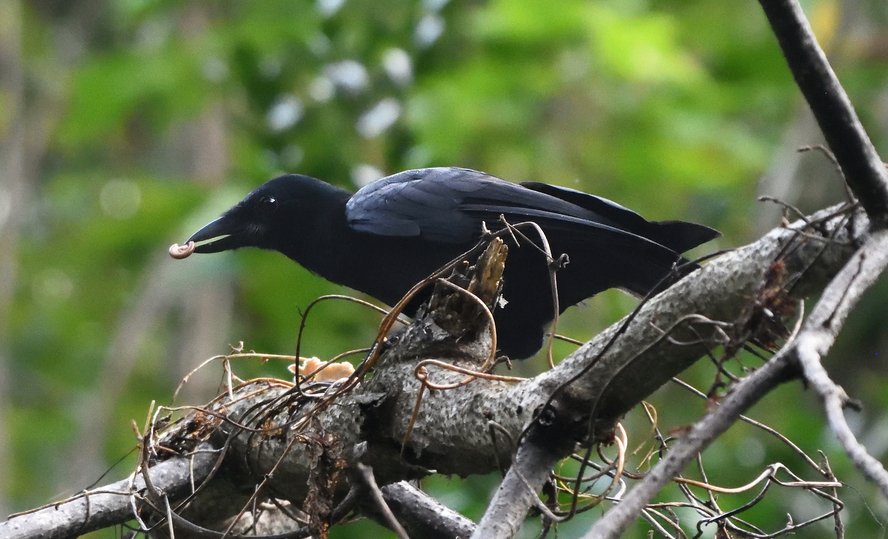
Birds employ a variety of techniques to cultivate their food sources. Some species, like the New Caledonian crow, use tools to dig and plant seeds, while others, such as the aforementioned quelea, rely on selective feeding. These techniques are not uniform across all species, reflecting the diverse ecological niches birds inhabit. The common denominator, however, is the birds’ ability to learn and adapt their strategies based on environmental cues. This adaptability is a testament to their intelligence and highlights the complex cognitive processes underlying their farming behaviors.
The Role of Communication in Bird Farming
Communication is key to successful farming, even in the avian world. Birds often rely on vocalizations and visual cues to coordinate their farming activities, ensuring that efforts are synchronized and efficient. For instance, the sociable weaver, native to southern Africa, constructs massive communal nests that serve as both a home and a farming hub. These birds communicate through a series of calls to organize their activities, from gathering seeds to tending to the nest. This cooperative behavior underscores the importance of social structures in avian farming, demonstrating how communication facilitates collective survival strategies.
Implications for Biodiversity and Ecosystems
The farming behaviors of birds have far-reaching implications for biodiversity and ecosystem health. By cultivating specific plant species, birds contribute to the maintenance of plant diversity and help stabilize ecosystems. This agricultural activity can influence plant community dynamics, leading to changes in species composition and abundance. Additionally, birds play a vital role in seed dispersal, ensuring the propagation of various plant species. This interplay between birds and their environment highlights the interconnectedness of life on Earth and underscores the importance of preserving these natural behaviors for the sake of ecological balance.
Lessons from Our Feathered Farmers
The farming practices of birds offer valuable lessons for humans, particularly in the realms of sustainability and environmental stewardship. By observing how birds manage their resources, we can gain insights into efficient and sustainable agricultural practices. Their ability to adapt to changing conditions and optimize resource use serves as a reminder of the importance of resilience in the face of environmental challenges. As we strive to address the growing demands on our planet’s resources, the humble farming birds provide a model of harmony with nature, encouraging us to adopt more sustainable practices.
Challenges Facing Avian Farmers
Despite their ingenuity, avian farmers face numerous challenges in their quest for survival. Habitat destruction, climate change, and human interference threaten their delicate ecosystems, jeopardizing their agricultural activities. As natural habitats are altered or destroyed, birds lose the resources they depend on, disrupting their farming practices. Additionally, climate change poses a significant threat, altering weather patterns and impacting food availability. These challenges highlight the urgent need for conservation efforts to protect these unique behaviors and the ecosystems that support them.
The Future of Avian Agriculture
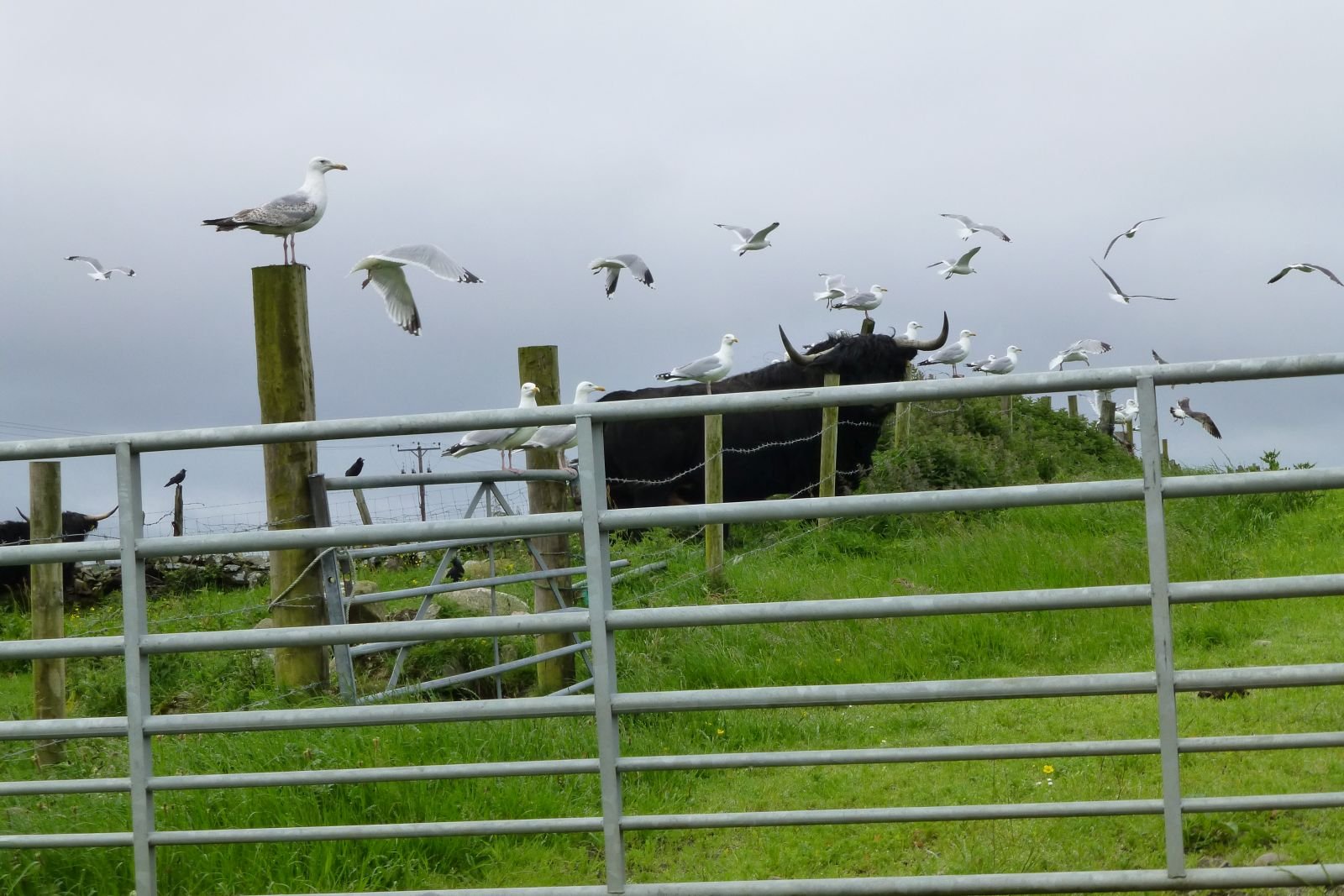
The future of avian agriculture hinges on the conservation of habitats and the protection of biodiversity. As we continue to study and understand these behaviors, there’s potential to uncover new insights into the adaptability and resilience of species. By fostering environments that support avian farming, we can contribute to the preservation of these behaviors and the ecosystems they sustain. The continued research into avian agriculture not only enriches our understanding of nature but also reinforces the importance of coexistence and conservation in a rapidly changing world.
A Call to Appreciate Nature’s Ingenuity
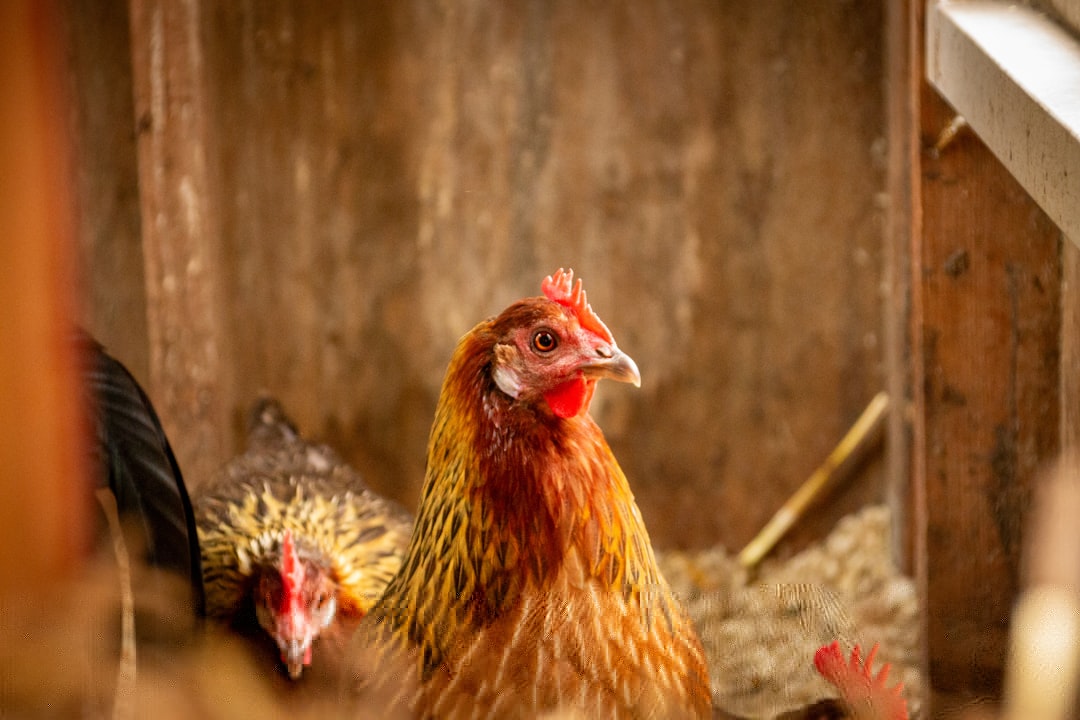
In a world where human activities often overshadow natural processes, the farming birds serve as a poignant reminder of nature’s ingenuity. Their ability to adapt and thrive through self-sustaining practices is a testament to the resilience of life on Earth. As we marvel at these feathered farmers, we are called to appreciate the delicate balance of ecosystems and the intricate relationships that sustain them. Let us be inspired by their example to foster a deeper connection with nature and commit to preserving the wonders of the natural world for generations to come.