In the heart of Italy’s beautiful yet rugged Apennine Mountains roams a creature teetering on the brink of extinction—the Marsican brown bear. As Europe’s rarest bear, this subspecies of the Eurasian brown bear has faced numerous challenges over the decades, from habitat loss to human conflict. Yet, in recent years, renewed conservation efforts have sparked hope for its survival. Can Italy save this majestic bear species from disappearing? This article delves into the ongoing battle to protect the Marsican brown bear, its significance to the ecosystem, and what the future holds.
The Unique Characteristics of the Marsican Brown Bear

The Marsican brown bear (Ursus arctos marsicanus) stands as a symbol of Italian natural heritage. Despite sharing many similarities with the Eurasian brown bear, it possesses distinct characteristics. Typically smaller and lighter in color, Marsican bears have a unique genetic lineage that sets them apart. Adapting to the dense forests and mountainous terrain of central Italy, they have evolved to forage on a diverse diet, primarily consisting of fruit, nuts, and small mammals.
Historical Challenges and Human Conflict
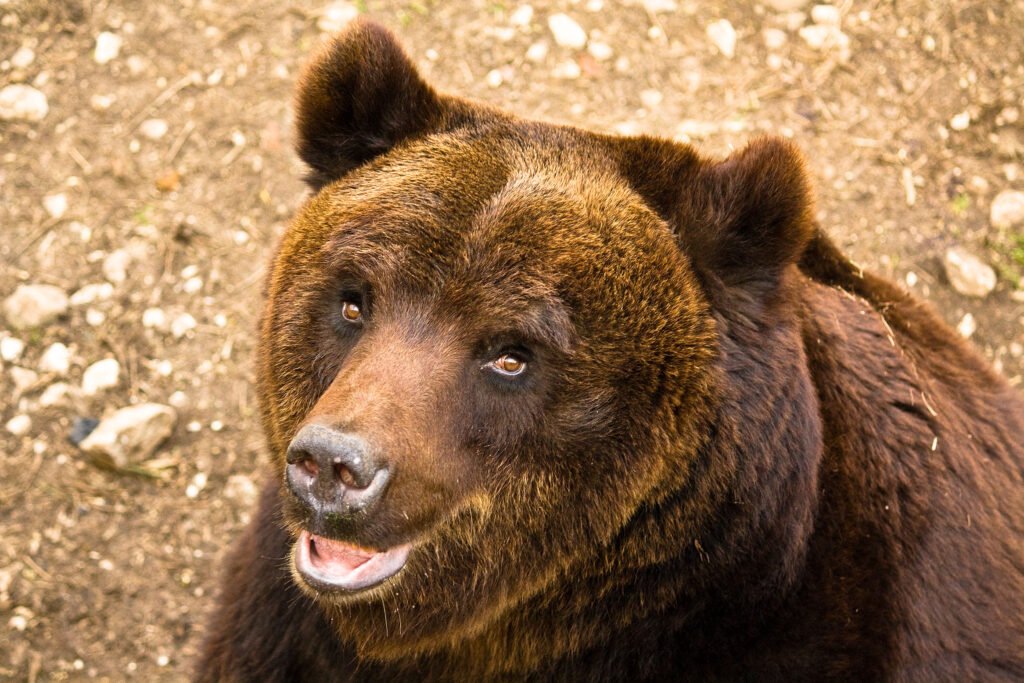
The Marsican brown bear has long lived in close proximity to humans, which has not always been harmonious. Agricultural expansion, deforestation, and illegal hunting activities have historically threatened their existence. Furthermore, lack of awareness and negative perceptions of bears among local communities have exacerbated these issues. As their habitat diminished, so did their numbers, leading to a critical period for their survival by the late 20th century.
Conservation Efforts: A Ray of Hope

In recent years, concerted conservation efforts have brought newfound hope for the Marsican brown bear. Italian wildlife organizations, alongside international partners, have initiated programs aimed at mitigating human-bear conflict, protecting habitats, and increasing public awareness. Initiatives such as land restoration, wildlife corridors, and legal protection measures have contributed significantly to stabilizing the bear population.
The Role of National Parks and Wildlife Corridors

National parks play a crucial role in the conservation story of the Marsican brown bear. The Abruzzo, Lazio, and Molise National Park, in particular, provides a safe haven for these bears. Efforts to establish wildlife corridors—to connect fragmented habitats—have allowed for more natural movement and genetic flow among bear populations, reducing the risk of inbreeding and ensuring greater survival rates.
Community Involvement and Education

Local communities are vital to the success of conservation efforts. Educating residents about the importance of coexisting with these bears and implementing bear-safe practices, such as securing waste and livestock, have proved effective. Many organizations also focus on ecotourism as a way to generate economic benefits for regions near bear habitats, further enhancing community support for bear conservation.
Scientific Research and Monitoring

Scientific research and continuous monitoring have been pivotal in understanding the behavior and needs of the Marsican brown bear. Advanced technologies, including satellite tracking and genetic studies, provide valuable insights into their population dynamics, health, and genetic diversity. This data-driven approach allows for more targeted and effective conservation strategies.
The Impact of Climate Change

Like many species worldwide, the Marsican brown bear is not immune to the impacts of climate change. Alterations in weather patterns can affect food availability and habitat conditions. Conservation strategies must adapt to these changing environmental factors to ensure the long-term resilience and adaptability of bear populations in the face of climate-related challenges.
Legal Protection and Policy Initiatives

Legal protection forms the bedrock of efforts to conserve the Marsican brown bear. National and international regulations, including those established by the European Union, enforce strict measures against poaching and habitat destruction. Policy initiatives continue to evolve, reflecting an ongoing commitment to preserving this subspecies for future generations.
Challenges Remain: The Road Ahead
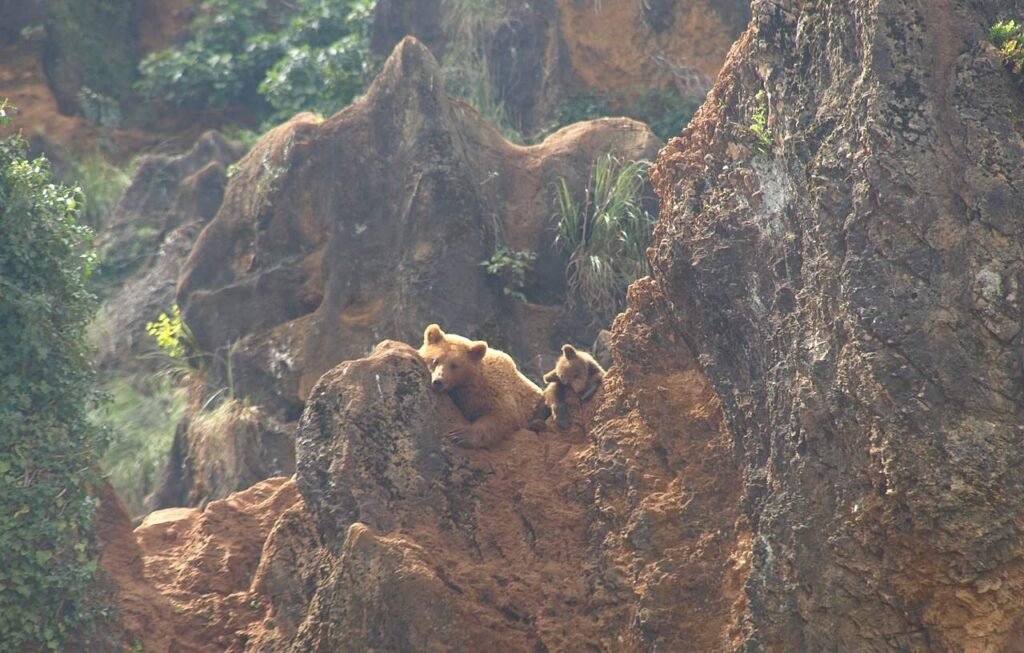
Despite positive strides, challenges remain in the fight to save Europe’s rarest bear. The small population size, estimated to be around 50 individuals, remains vulnerable to diseases, genetic issues, and accidental deaths. Continued vigilance, funding, and public support are imperative to address these ongoing risks and secure their future.
Conclusion: A Future for the Marsican Brown Bear?

The resurgence of the Marsican brown bear is a testament to the power of dedicated conservation efforts and the importance of collaborative approaches in wildlife protection. By addressing the myriad challenges facing this unique bear species, Italy sets a precedent for conservation success that can inspire similar initiatives worldwide. Although obstacles remain, the blend of scientific innovation, community cooperation, and steadfast protection provides hope that the Marsican brown bear will continue to roam the forests of Italy, preserving a part of Europe’s natural legacy for generations to come.