Situated at the heart of Southeast Asia, Singapore might be better known for its towering skyscrapers than its marine biodiversity. However, this island city-state is playing an increasingly pivotal role in conserving coral reefs in the region. With its strategic location and commitment to environmental sustainability, Singapore is leading the charge to protect these vital ecosystems, essential not just for marine life, but for coastal communities across Southeast Asia.
The Importance of Coral Reefs
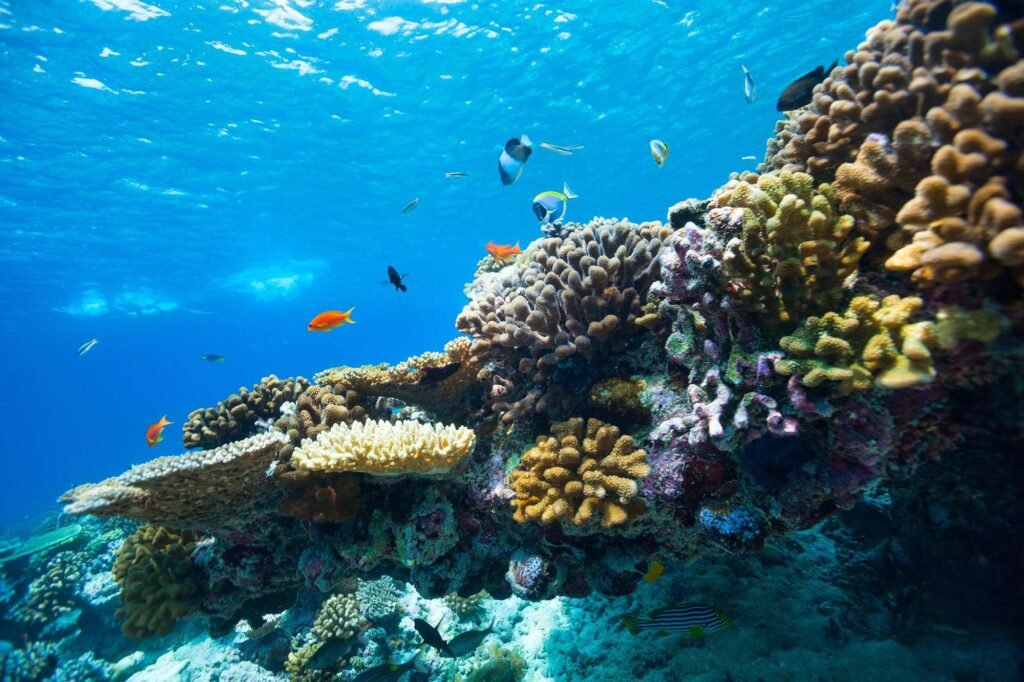
Coral reefs are often referred to as the “rainforests of the sea.” They are biodiversity hotspots, providing habitat and nursery grounds for countless marine species. Beyond their ecological significance, they offer substantial economic benefits, supporting fishing industries and tourism, and act as natural barriers protecting coastlines from erosion and storm surges.
Threats Faced by Southeast Asian Coral Reefs

The coral reefs of Southeast Asia face severe threats, including climate change, overfishing, pollution, and destructive practices such as blast fishing. Rising sea temperatures result in coral bleaching, a phenomenon that weakens corals and leads to their death. Addressing these issues is crucial for preserving the ecological balance and economic livelihoods reliant on these reefs.
Singapore’s Pioneering Research Initiatives

Singapore invests significantly in marine research, with institutions like the National University of Singapore’s Tropical Marine Science Institute leading the way. This research focuses on coral biology, ecology, and the development of strategies to enhance coral resilience and recovery, contributing valuable knowledge to regional conservation efforts.
Coral Restoration Projects
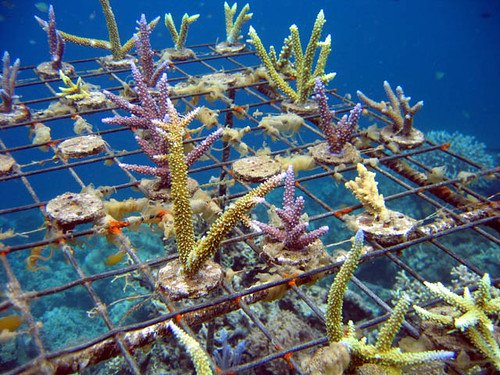
Singapore has implemented ambitious coral restoration projects, such as the transplanting of resilient coral species to affected areas. These projects aim to re-establish healthy coral ecosystems and test innovative approaches to restoration, emphasizing the importance of local biodiversity and genetic diversity in corals.
Role of Technology in Marine Conservation

The use of cutting-edge technology is a hallmark of Singapore’s approach to marine conservation. From advanced monitoring systems that track reef health to deploying artificial intelligence in data analysis, technology plays a critical role in effective and efficient conservation efforts.
Community Engagement and Education

Engaging the local community is essential for the success of conservation projects. Singapore organizes outreach and education programs aimed at raising awareness about the importance of coral reefs and encouraging sustainable practices. This fosters a culture of environmental stewardship from a young age.
Collaborative Efforts and Partnerships
Singapore recognizes that regional collaboration is key to successful marine conservation. It works closely with other countries in Southeast Asia, sharing research, resources, and strategies to combat common threats. These partnerships enhance the collective capacity to protect marine biodiversity effectively.
Sustainable Fishing Practices

To reduce the impact of overfishing, Singapore promotes sustainable fishing practices through policies and collaborations with fisheries. These practices aim to balance economic needs with ecological sustainability, ensuring fish populations remain healthy and reefs are not unduly stressed.
Policy and Legislation for Coral Protection

Singapore has implemented stringent policies and legislation to safeguard its marine environments. This includes rules on fishing, pollution control, and marine habitat protection, which are crucial in maintaining the health and resilience of coral reefs.
Marine Protected Areas and Their Impact

The establishment of Marine Protected Areas (MPAs) has proven effective in conserving critical habitats. Singapore has designated areas where human activities are regulated to allow marine ecosystems to thrive, serving as examples for conservation success and models for replication in the region.
Green Urban Planning and Its Influence on Marine Ecosystems

As a leader in urban planning, Singapore integrates green principles into its cityscape such that urban development is conducted in harmony with nature. This approach minimizes coral reef degradation caused by urban runoff and coastal development.
The Role of NGOs in Conservation

Non-Governmental Organizations (NGOs) play a crucial role in Singapore’s marine conservation efforts. They work alongside government agencies to implement projects, engage the public, and advocate for policy changes, thereby multiplying conservation impact.
Impact of Climate Change on Coral Reefs
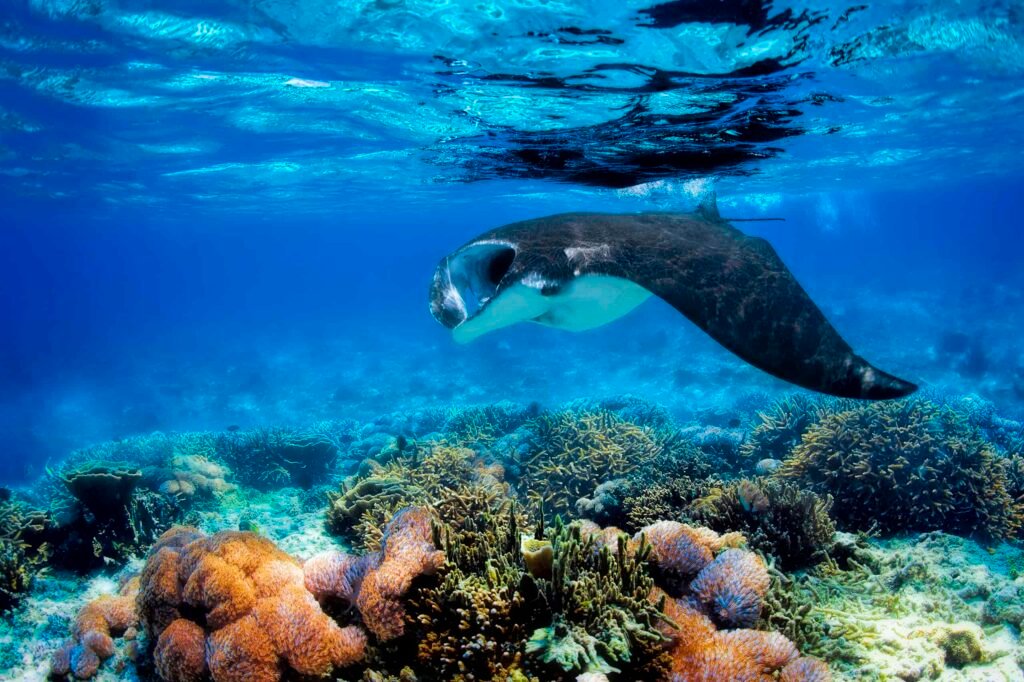
Climate change remains the most significant threat to coral reefs, with increasing ocean temperatures leading to widespread bleaching events. Singapore’s research focuses on understanding climate impacts and developing adaptive measures to mitigate these effects.
Innovative Solutions and Future Directions

Singapore continues to explore innovative solutions such as breeding heat-resistant coral species and using robotics for reef monitoring. These advancements hold the promise of making coral ecosystems more resilient to future conditions, setting a precedent for global conservation strategies.
The Economic and Cultural Importance of Coral Reefs

For many communities in Southeast Asia, coral reefs are not just environmental assets but economic and cultural cornerstones. They provide food, income, and a link to cultural heritage, emphasizing the need for comprehensive protection and sustainable management.
Singapore’s Global Marine Conservation Leadership

Beyond regional influence, Singapore is increasingly recognized on the global stage as a leader in marine conservation. Its dedication to research, policy development, and community engagement serves as a blueprint for other nations striving to protect their marine environments.
Conclusion: Protecting our Underwater Treasures
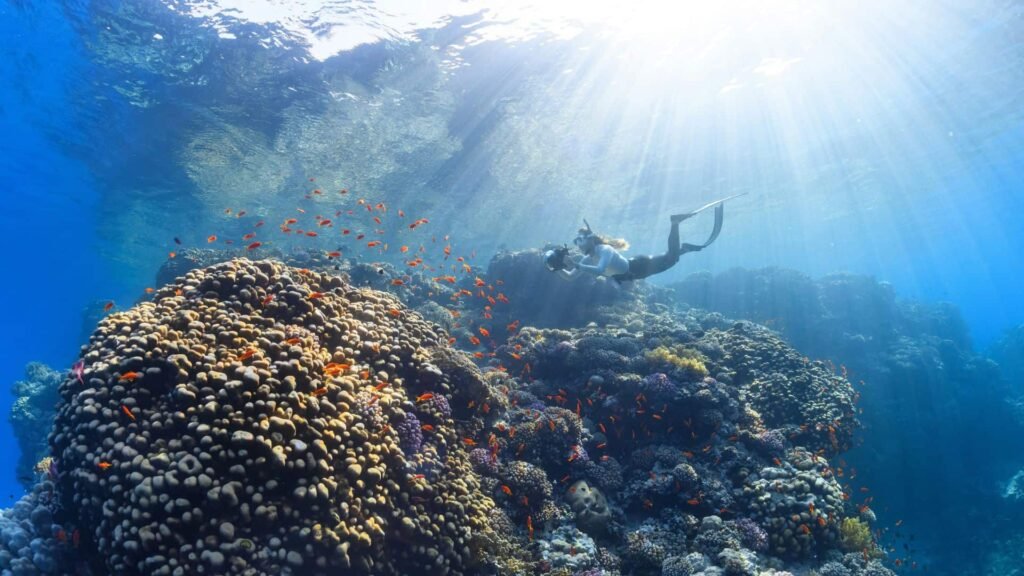
In conclusion, Singapore’s efforts in marine conservation reflect a deep commitment to preserving the coral reefs of Southeast Asia. Through research, restoration projects, community engagement, and international collaboration, Singapore is making significant strides in protecting these vital ecosystems. As threats continue to mount, such proactive and innovative strategies are essential in ensuring that these underwater treasures endure for future generations.