Dian Fossey’s groundbreaking research on mountain gorillas not only captured the world’s imagination but also laid the foundation for modern primatology. Her work emphasized the importance of long-term field studies and conservation, profoundly transforming our understanding of primates and their ecosystems.
Early Life and Journey into Primatology
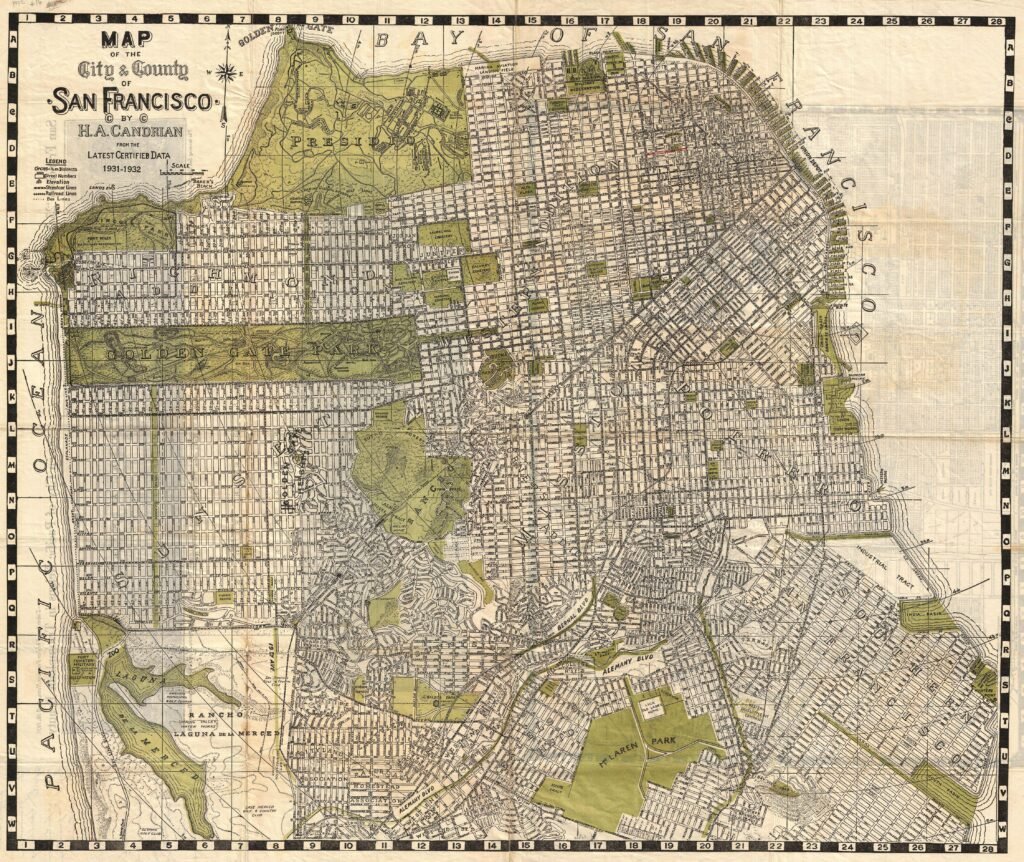
Dian Fossey was born on January 16, 1932, in San Francisco, California. Originally pursuing a career in occupational therapy, she was captivated by the wildlife and landscapes of Africa during a trip in the 1960s. This experience fundamentally shifted her career path towards conservation and primate research. Influenced by the pioneering work of Louis Leakey, Fossey was encouraged to study the mountain gorillas of Rwanda, thus setting the stage for her lasting impact on the field.
Long-term Field Studies: A New Approach
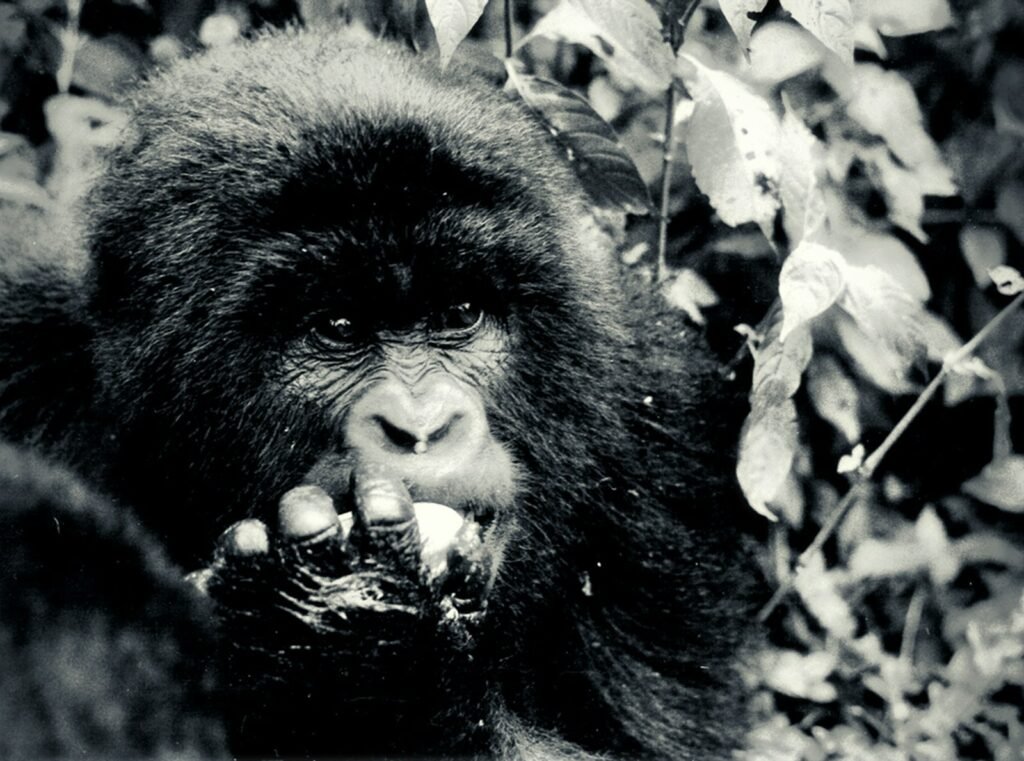
Before Fossey, little was known about the social structure, behavior, and ecology of mountain gorillas. Her commitment to long-term observation enabled her to gather comprehensive data, breaking new ground in understanding gorilla behavior and social dynamics. By spending extended periods in the field, she was able to document intricate family groups, mating behaviors, and the complex interplay within gorilla communities.
Conservation Efforts and Challenges
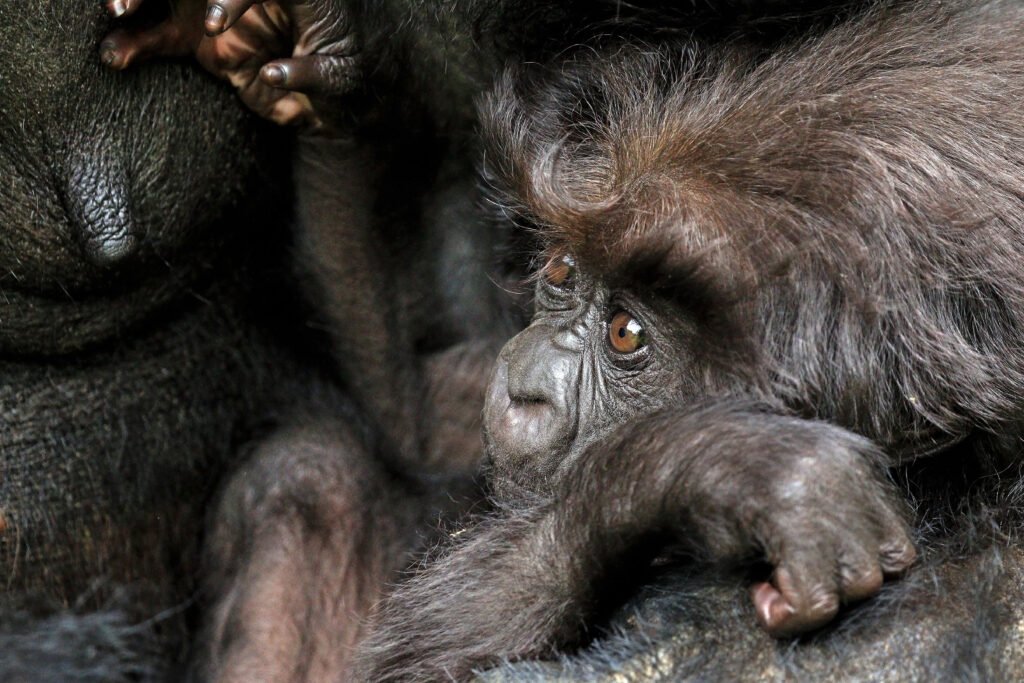
Fossey’s research highlighted the immediate threats faced by mountain gorillas, including poaching and habitat destruction. Her confrontational approach to conservation, particularly against poachers, brought her both admirers and critics. However, her dedication to protecting gorillas was unwavering. She established the Karisoke Research Center in Rwanda in 1967, which became a hub for conservation and research efforts, emphasizing the need for direct action to preserve endangered species.
Impact on Primatology and Animal Science
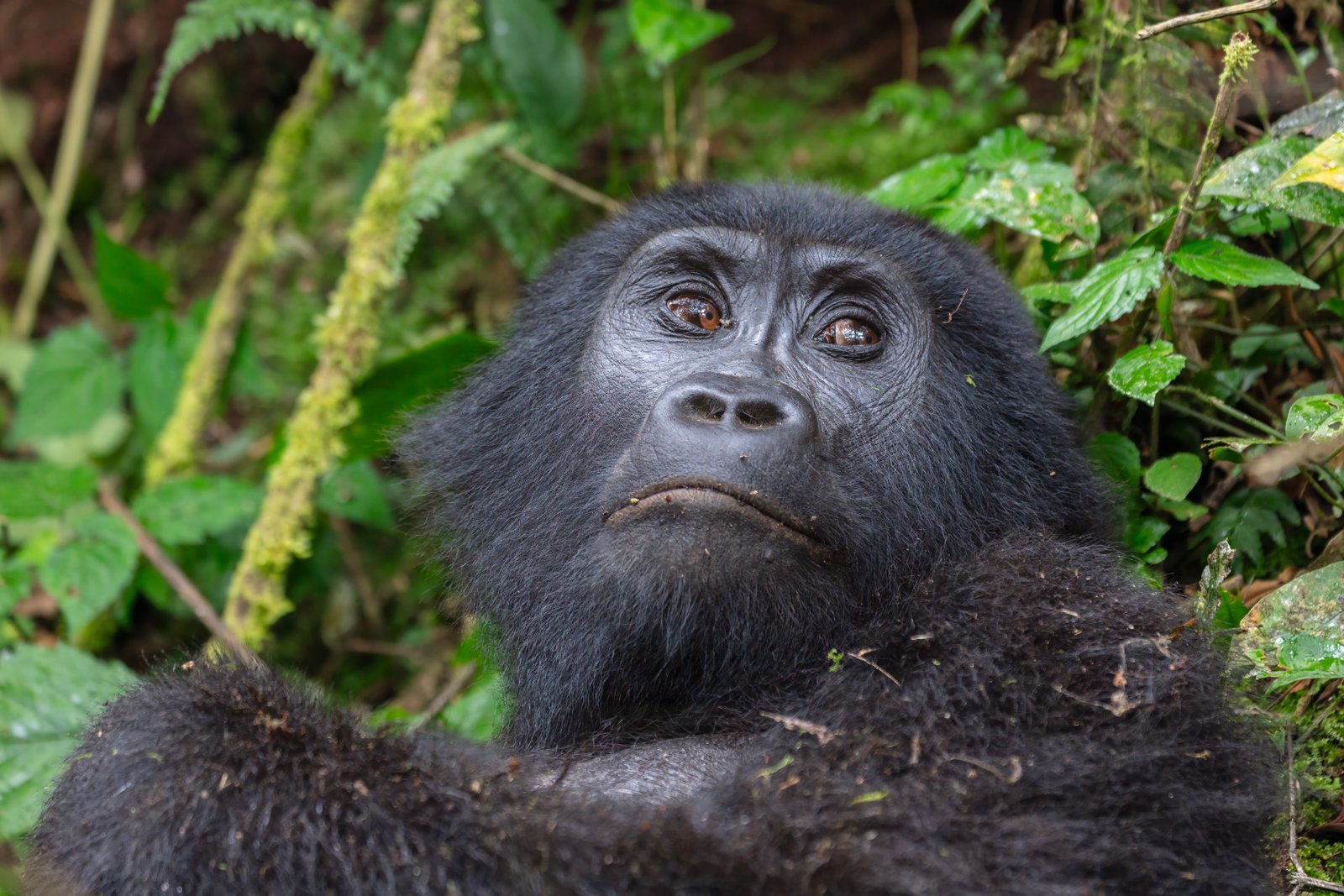
Fossey’s methodologies and conservation ethics have had a lasting influence on primatology. Her work underscored the importance of hands-on conservation practices combined with scientific inquiry. She inspired a generation of primatologists and conservationists to engage directly with endangered animals and their habitats, leading to innovative practices and policies that integrate research with conservation strategies.
Public Awareness and Cultural Significance

Fossey’s life and work gained widespread recognition through her book “Gorillas in the Mist,” which detailed her research and personal journey. The subsequent film adaptation brought the plight of the gorillas and the challenges of conservation into the public sphere, increasing awareness and support for conservation efforts worldwide.
Dian Fossey’s Lasting Legacy
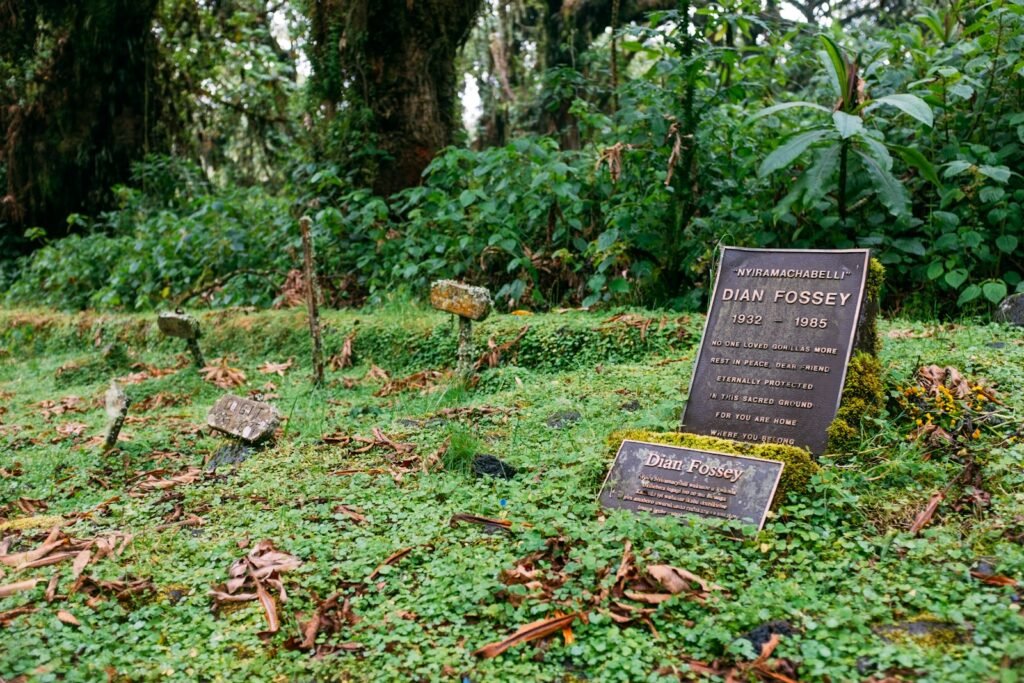
Dian Fossey’s contributions to primatology are profound and lasting. Her commitment to understanding and protecting mountain gorillas has not only enriched scientific knowledge but also galvanized global conservation efforts. Her legacy continues through the ongoing work at the Karisoke Research Center and numerous organizations dedicated to primate research and conservation.
In essence, Fossey’s blend of research and activism created a dynamic model for future primatologists, leaving a transformative impact on the field and ensuring the continued survival of mountain gorillas for generations to come.