
When it comes to saving the environment, the concept can often seem overwhelming. However, you don’t need to undergo drastic lifestyle changes or become an activist to make a difference. Everyday actions, when done collectively, can lead to a significant positive impact on our planet. This article explores simple, yet effective habits you can incorporate into your daily routine to help preserve the environment.
Reduce, Reuse, Recycle
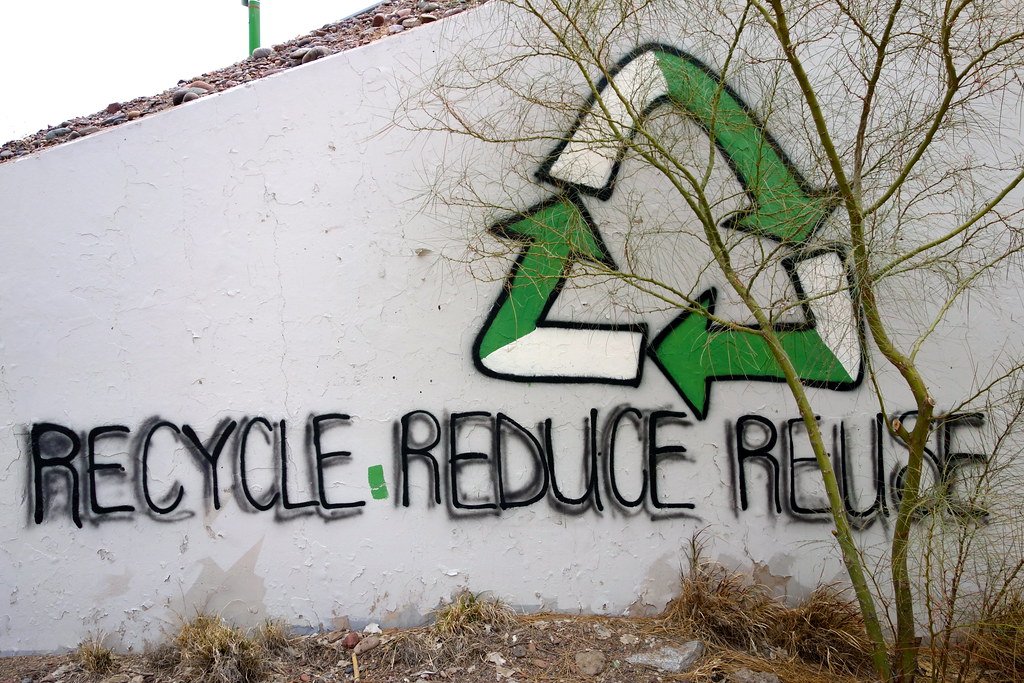
The mantra of “reduce, reuse, recycle” remains one of the most effective guidelines for environmental conservation. Start by reducing your consumption: purchase only what you need, consider minimal packaging, and choose products that have a longer lifespan. Reusing items, such as using cloth bags instead of plastic or glass jars instead of plastic containers, helps cut down on waste. Finally, make recycling a household habit by separating your waste and making use of local recycling facilities.
Mindful Eating

Your diet has a direct impact on the environment. Consider opting for locally sourced, seasonal produce to reduce the carbon footprint associated with long-distance transportation. Incorporate more plant-based meals into your diet, as meat production is a leading cause of deforestation and greenhouse gas emissions. Support sustainable farming practices and consider reducing food waste by planning meals and properly storing leftovers.
Energy Efficiency at Home

A significant amount of energy is consumed in our homes, often unnecessarily. Simple actions such as turning off lights when leaving a room, unplugging appliances when they’re not in use, and using energy-efficient LED bulbs can make a huge difference. Consider investing in smart home technologies that optimize energy usage, such as programmable thermostats and energy-efficient appliances.
Water Conservation
Water is a precious resource that’s often taken for granted. Begin saving water by taking shorter showers and fixing leaks promptly. Use water-efficient fixtures and appliances, like low-flow toilets and showerheads. Be mindful of watering plants during cooler parts of the day and opt for drought-resistant plants that require less water.
Sustainable Transportation
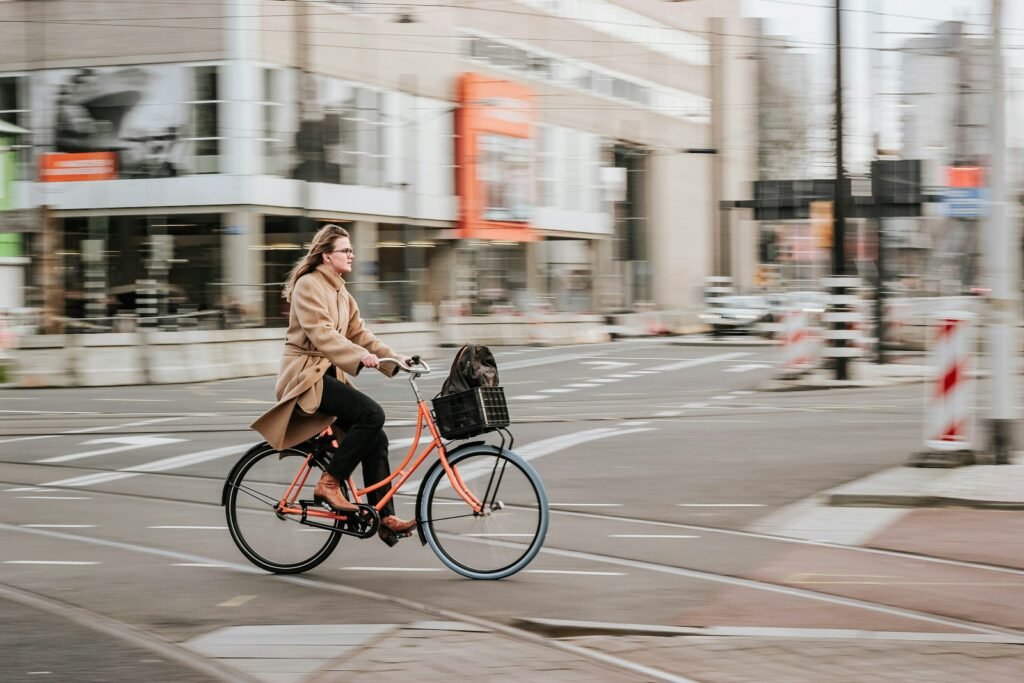
Transportation is a major source of pollution, but there are simple ways to minimize your impact. Walking, biking, or using public transportation reduces carbon emissions significantly, compared to driving a personal vehicle. If feasible, consider carpooling to cut down on individual carbon footprints. For shorter distances, consider walking or biking to your destination, which also contributes to better health.
Practice Sustainable Shopping

Your purchasing choices can have a ripple effect on the environment. Support brands and companies that are committed to sustainable practices. Look for eco-friendly certifications and prioritize quality over quantity to acquire items that last longer. Whenever possible, buy second-hand or vintage products, which helps conserve resources and reduce waste.
Engage with Your Community

Collaborative efforts can make a bigger difference than individual actions alone. Get involved in local environmental initiatives, such as community clean-up events or conservation projects. Raising awareness and participating in discussions encourages others to partake in environmentally friendly practices. Additionally, engaging with local government can kindle changes in policies for greater environmental protection.
Conclusion: Embracing a Greener Lifestyle

Living sustainably doesn’t necessitate a complete upheaval of your life. By adopting these simple daily habits, you contribute to a healthier, more sustainable planet without making dramatic changes. Every step towards reducing consumption, conserving energy, and supporting sustainable choices counts. Together, these small actions by individuals can accumulate into substantial environmental benefits.