Over the past few decades, advancements in genetic research have unlocked countless mysteries about the human genome. Next-Generation Sequencing (NGS), a revolutionary technology, has accelerated our understanding, leading to significant breakthroughs in medicine, biology, and biotechnology. This article explores the impact of NGS on our comprehension of the human genome, shedding light on its capabilities, applications, and the future of genetic research.
Understanding Next-Generation Sequencing
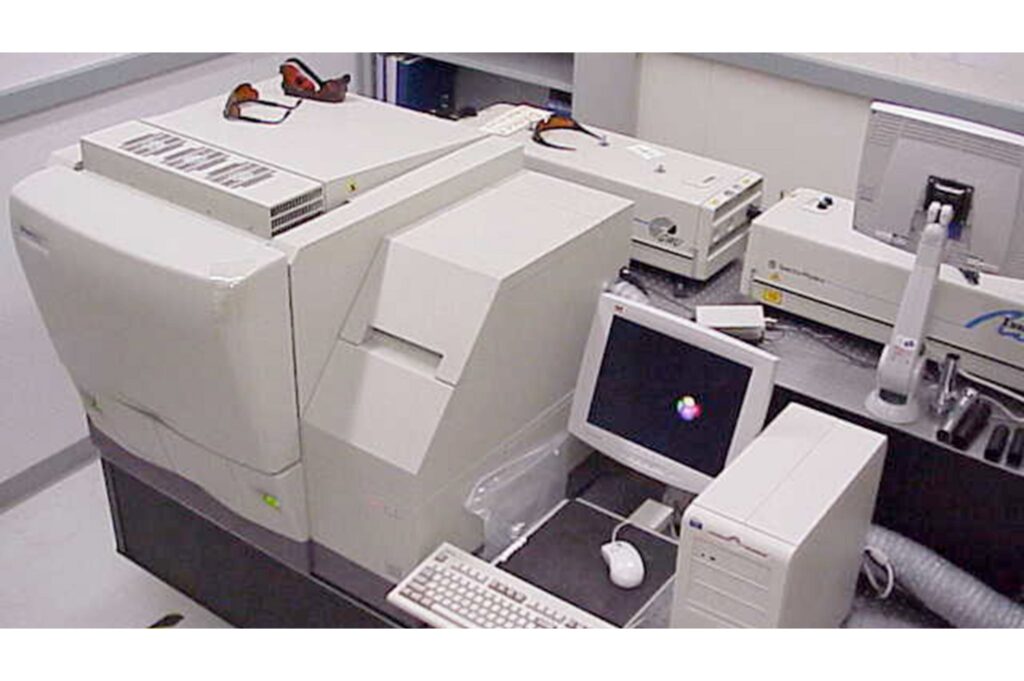
Next-Generation Sequencing refers to a group of sophisticated technologies that allow rapid sequencing of the human genome, mapping it with unprecedented speed and accuracy. Unlike traditional Sanger sequencing, NGS processes millions of fragments simultaneously, providing a comprehensive overview of genetic information. This has significantly reduced costs and time associated with genomic research, making it accessible to a broader range of scientists and researchers.
Mapping the Human Genome: The Impact of NGS

The Human Genome Project, completed in 2003, marked a milestone in genetics, setting the foundation for exploring human DNA. NGS has taken this further, allowing for large-scale genomic studies that uncover diseases, traits, and evolutionary patterns. The technology provides insights into genetic mutations and variations, critical for identifying risk factors for diseases and understanding individual genetic makeups.
Applications in Personalized Medicine

One of the most significant contributions of NGS is its role in personalized medicine. By analyzing individual genetic profiles, physicians can craft tailored treatment plans for patients, increasing the efficacy of therapies. This is particularly impactful in cancer treatment, where specific genetic mutations can inform the choice of drug regimens, leading to better outcomes. NGS also helps in predicting genetic disorders, allowing for early interventions.
Advancements in Animal Science

NGS has not only revolutionized human medical research but also animal science. By decoding the genomes of various animal species, researchers can study evolutionary biology, improve livestock breeding, and conserve endangered species. Understanding the genetic basis of traits such as growth rate, disease resistance, and behavior in animals can enhance animal welfare and agricultural productivity.
Ethical Considerations and Challenges

While NGS offers remarkable possibilities, it also raises ethical questions. Issues surrounding genetic privacy, data security, and potential discrimination based on genetic information are central concerns. Ensuring ethical guidelines are followed is imperative as the technology advances. Moreover, the sheer volume of data generated by NGS poses challenges in data processing, storage, and interpretation, requiring sophisticated computational tools and trained personnel.
The Future of Genomic Research

The potential for NGS in genomic research is vast, with the promise of new discoveries on the horizon. As technology becomes more refined, we can anticipate more precise genetic editing, better understanding of complex genetic diseases, and advanced applications in biotechnology. Future research may also focus on integrating genomic data with other biological datasets to create holistic models of human health and disease.
Conclusion: A Transformative Tool

Next-Generation Sequencing has transformed our approach to genetic research, offering unprecedented insights into the human genome and beyond. It has broadened the horizons of medicine, ecology, and evolutionary biology, paving the way for innovations that address both human health and ecological challenges. As we continue to unlock the mysteries of the genome, NGS stands as a cornerstone of modern science, guiding us toward a future of personalized and predictive healthcare.