
Every time astronomers think they’ve nailed down how the universe is supposed to behave, the cosmos quietly drops something on the table that says: think again. Nowhere is this more obvious than in the giant structures we keep finding far out in deep space – enormous arcs, walls, and filaments of galaxies so vast they seem to break the very rules of modern cosmology. These are not tiny edge cases or subtle anomalies. Some of them stretch across billions of light-years, dwarfing anything our theories said should exist.
In principle, the standard cosmological model puts a kind of size limit on how big coherent structures can get if they form from random quantum fluctuations in the early universe, later amplified by gravity. Yet with better telescopes, deeper redshift surveys, and clever statistical tricks, we keep stumbling across cosmic features that look way too large, too ordered, or too early to be comfortably explained. Are we misinterpreting patterns in noisy data, or are we staring at cracks in one of the most successful theories in science? Let’s walk through nine of the most provocative examples and see why they have cosmologists both fascinated and just a little uneasy.
The Huge Large Quasar Group That Shattered the Size Limit
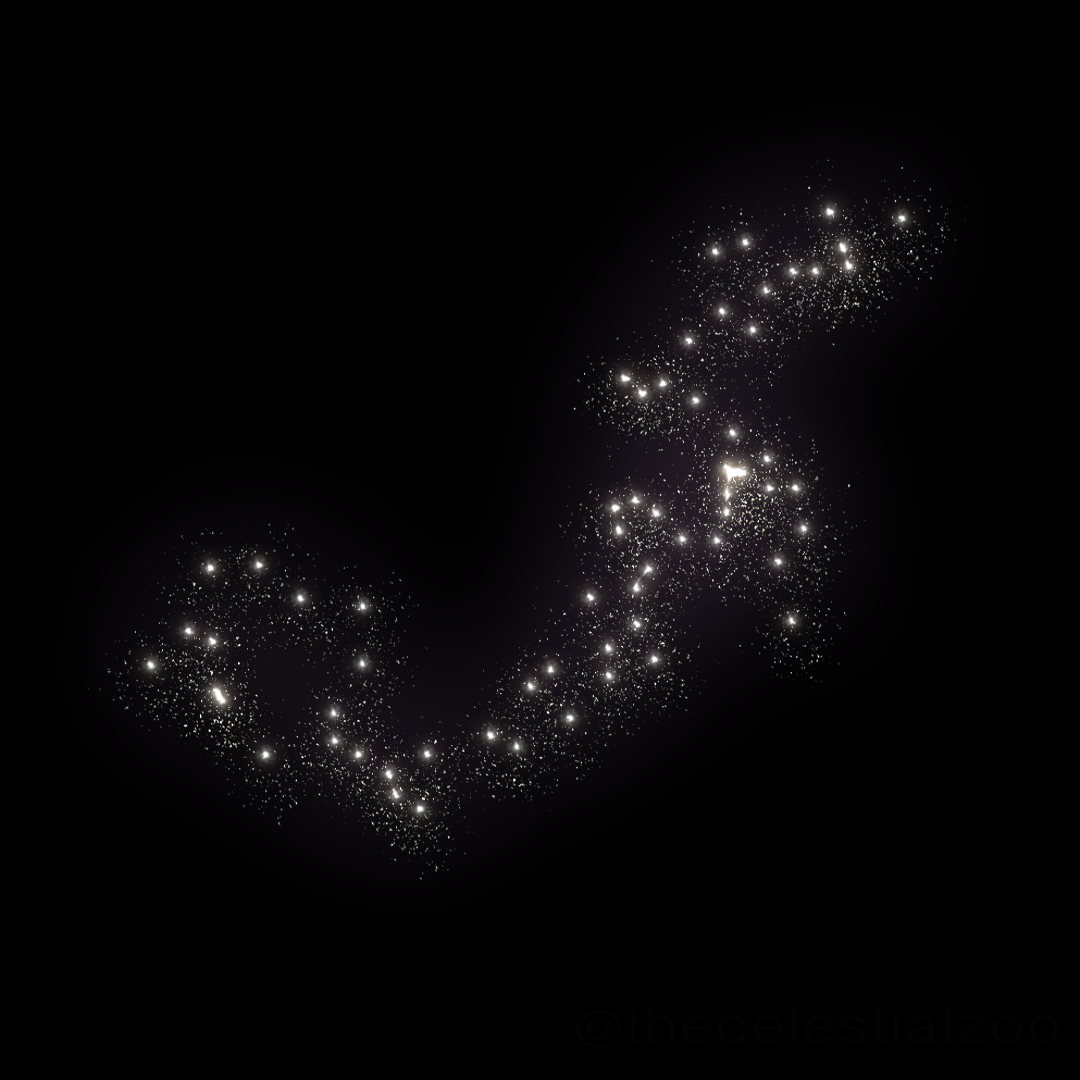
If you want a neat example of the universe trolling cosmologists, the Huge Large Quasar Group is hard to beat. This structure is an association of quasars – galaxies with actively feeding supermassive black holes – linked together over a span on the order of several billion light-years. According to the usual rules, large-scale structures should start to blur out beyond a few hundred million light-years; on scales much bigger than that, the cosmos is supposed to look statistically uniform. Yet this quasar group appears to form a connected pattern that is well beyond that expected upper scale.
The controversy is not just its size, but what it implies about the foundational assumption that the universe is homogeneous and isotropic on the largest scales. Some researchers argue that with enough objects, random clustering can produce something this big if you look long and hard enough, a sort of cosmic lottery win. Others counter that the probability of such a configuration emerging by chance, under standard assumptions, is extremely low. Either way, the Huge Large Quasar Group has become a poster child for the idea that our current cosmological model may be missing something about how large-scale structure really emerges.
The Sloan Great Wall and the Problem of Cosmic “Walls”
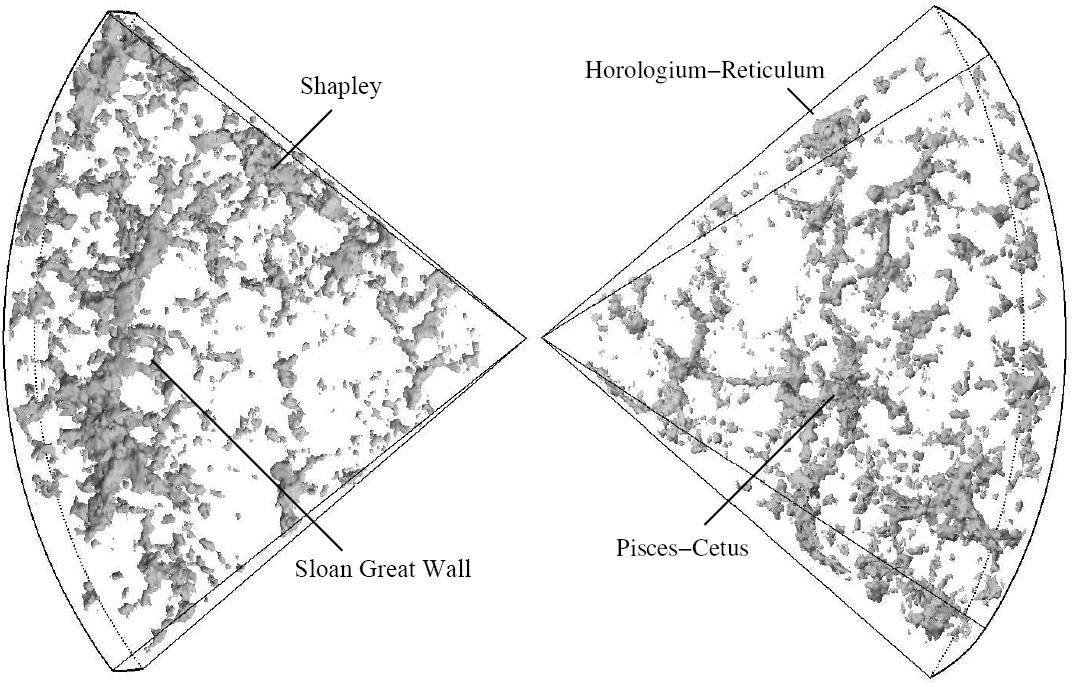
The Sloan Great Wall is a sprawling concentration of galaxies discovered in one of the most influential redshift surveys ever done. Think of it as an immense wall-like ridge of galaxy clusters and filaments, stretching across a huge chunk of the observable universe. It is not merely a one-off overdensity; it is a connected region that runs to scales where, again, theory expects things to start smoothing out into statistical noise rather than forming a coherent feature.
Cosmological simulations can produce filaments and sheets of matter, but structures on the order of the Sloan Great Wall start to push against the comfortable margins of what the standard model typically generates. Some cosmologists lean toward a conservative interpretation: they see it as a rare but still possible outcome of random initial fluctuations. Others look at it and say, if our most sophisticated simulations struggle to reproduce this kind of wall naturally, maybe our assumptions about dark matter clustering, inflation, or primordial fluctuations need a second look. The Sloan Great Wall lingers as an uncomfortable reminder that real data sometimes looks messier than our neat theoretical expectations.
The Hercules–Corona Borealis Great Wall: The Alleged Titan
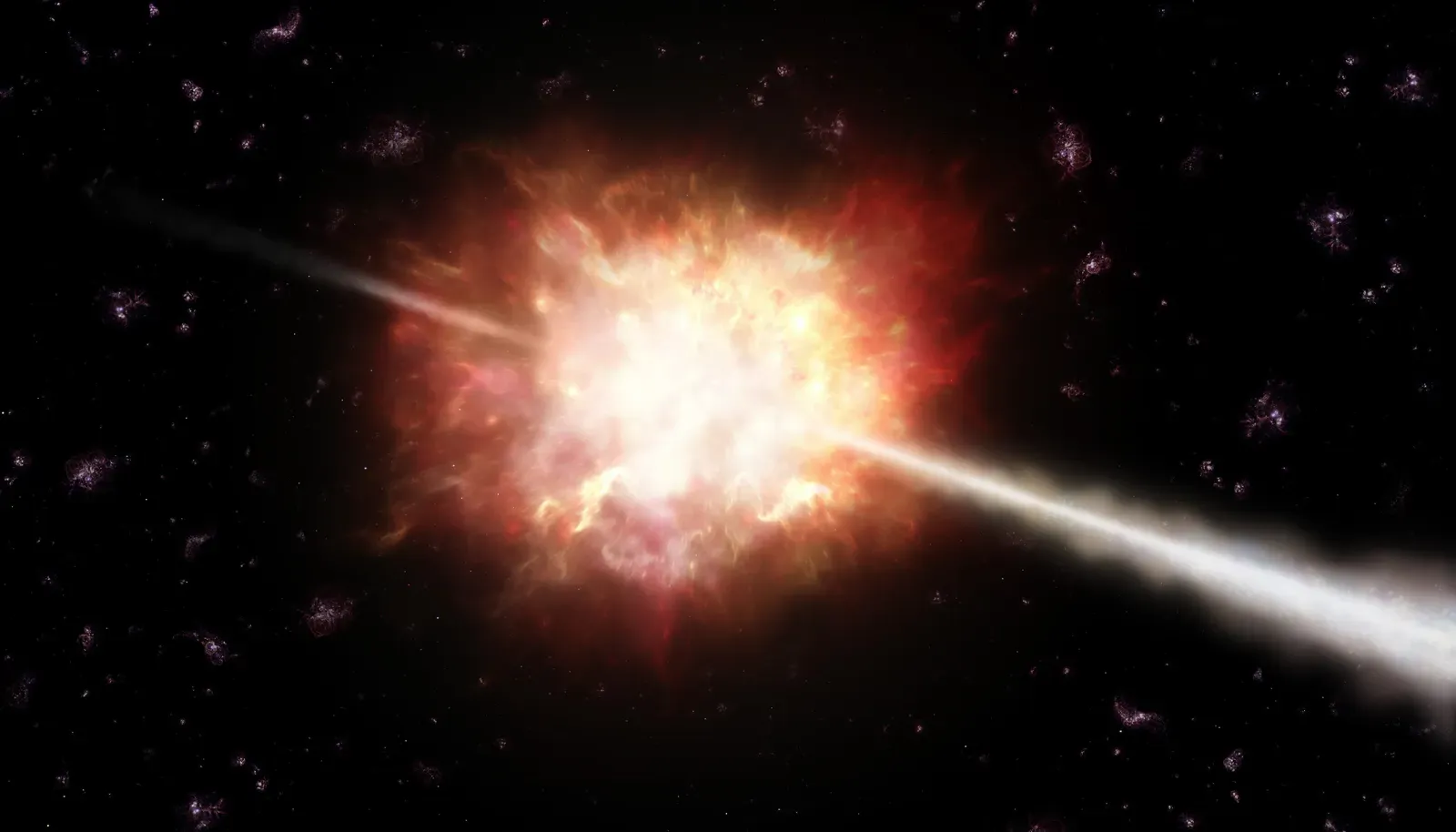
When gamma-ray burst catalogs were mined for patterns, one result made headlines: a gigantic feature dubbed the Hercules–Corona Borealis Great Wall. Based on the distribution of extremely distant gamma-ray bursts, this supposed structure appeared to span an almost ridiculous swath of the sky, implying a scale well beyond what the standard model finds palatable. If taken at face value, it would be one of the largest known connected structures in the observable universe, seemingly in open defiance of the idea that the cosmos smooths out beyond a certain scale.
But here, the story gets tricky – and this is where scientific humility matters. Gamma-ray bursts are relatively rare, and using them as tracers of large-scale structure is intrinsically noisy. Numerous astronomers have questioned whether the Hercules–Corona Borealis Great Wall is a real physical structure or an artifact of small-number statistics, selection effects, and how the clustering was analyzed. So while it is often cited as a “too-big” structure, the honest stance is that its reality is uncertain. It is a great illustration of the tension between mind-blowing claims and the cautious, often frustrating process of scientific validation.
Giant Gamma-Ray Burst Arcs and the Puzzle of Cosmic Rings
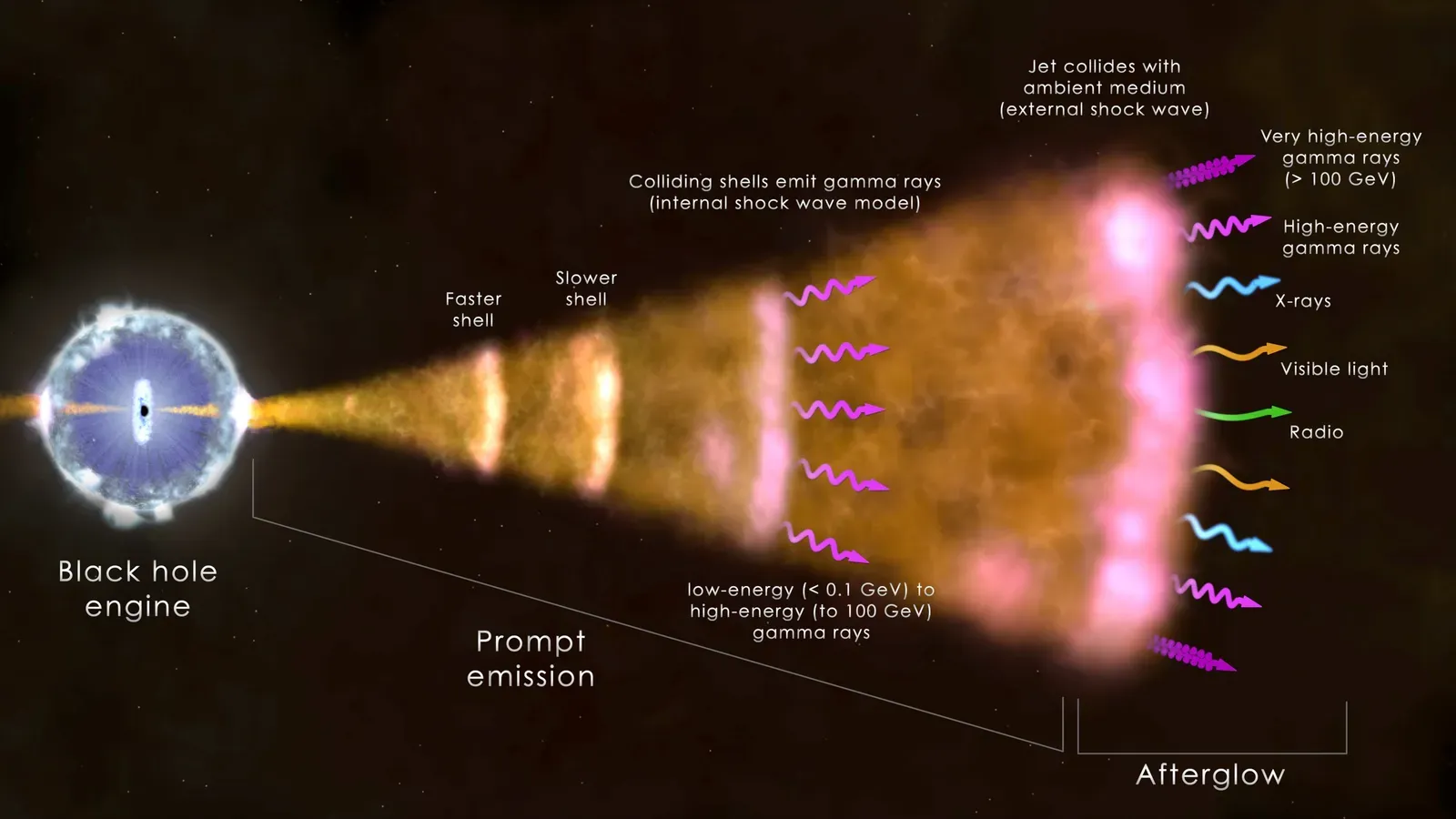
In the last few years, analyses of long-duration gamma-ray bursts have suggested enormous arc-like patterns on the sky – massive ring or arc structures where bursts seem unusually concentrated. If those arcs correspond to actual giant shells or rings of galaxies at similar distances, we are talking about features on the order of billions of light-years across. That is the kind of scale that makes cosmologists sit up straight, because canonical models of structure formation are not fond of producing coherent rings that large.
Critics point out that our brains are pattern-detection machines, and when dealing with sparse data, it is dangerously easy to draw circles where none truly exist. Supporters argue that the statistical significance of the arcs is still surprisingly high even after controlling for known biases. This tug-of-war goes to the heart of the question: are these gamma-ray burst arcs glimpses of some deeper, unexplained organization in the cosmos, or are they telling us more about the limitations of our data and methods than about the universe itself? Either answer would be important, but only one would require us to rethink cosmological physics.
The Huge GRB Ring and Hints of Cosmic Anisotropy
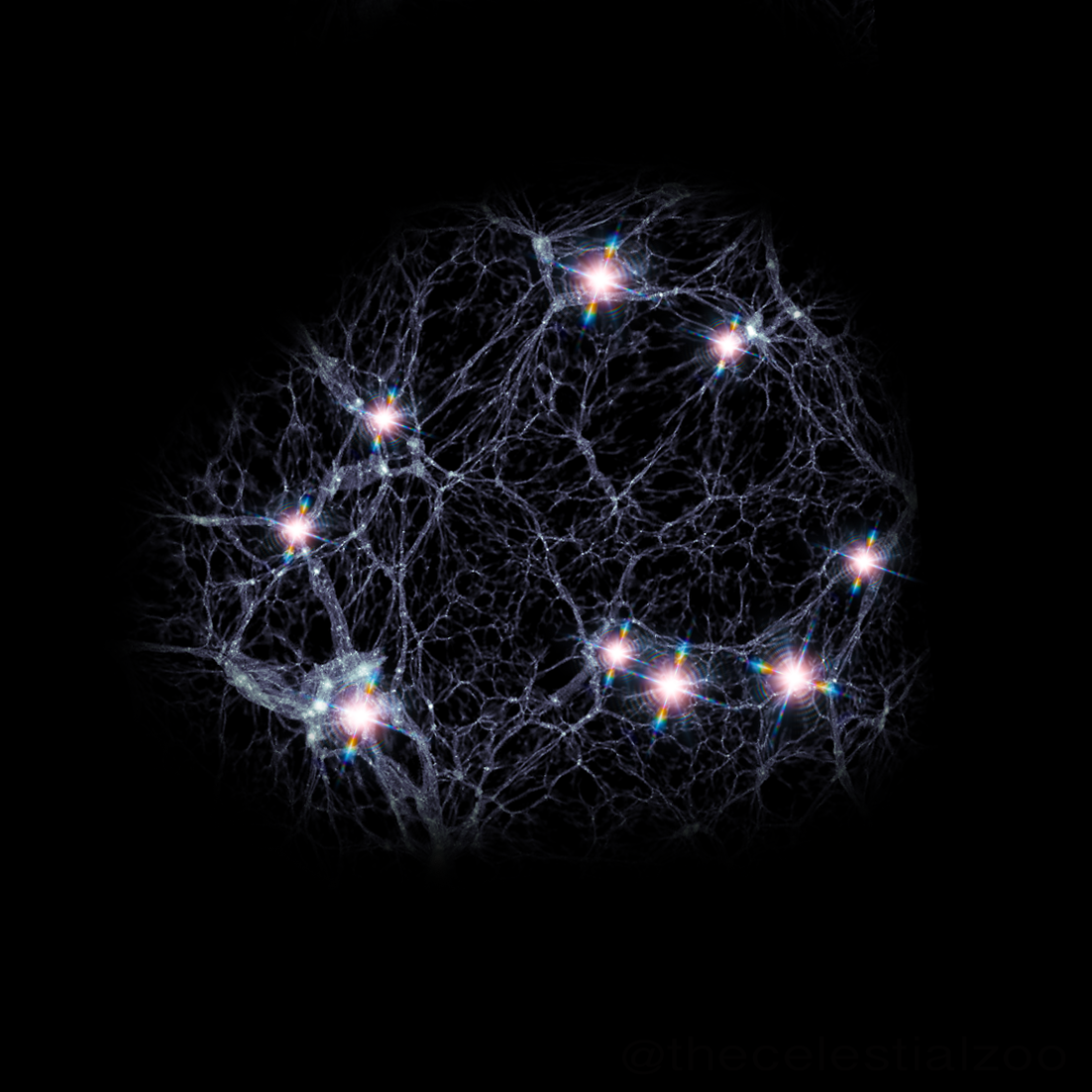
One particular candidate structure, sometimes called a huge gamma-ray burst ring, has grabbed attention because of its seemingly clean geometry: bursts arranged in what looks like a giant loop at roughly the same redshift. If interpreted literally, this would suggest a ring-like over-density of galaxies or matter on a vast scale, almost like a necklace draped across a massive portion of the universe. That picture is deeply uncomfortable for a model that expects randomness and approximate uniformity on such scales.
Some researchers have proposed that the ring, if real, might hint at large-scale anisotropy or relic patterns from exotic early-universe physics, such as non-standard inflation or topological defects. Others emphasize that a ring can emerge statistically from a random distribution if you slice and select the data in just the right way. My own view leans toward skepticism: until independent tracers – galaxy surveys, gravitational lensing maps, or other datasets – confirm a matching structure, the safest bet is that this ring is a suggestive, maybe even tantalizing, but unproven anomaly.
Early, Overmassive Galaxy Clusters That Formed Too Fast
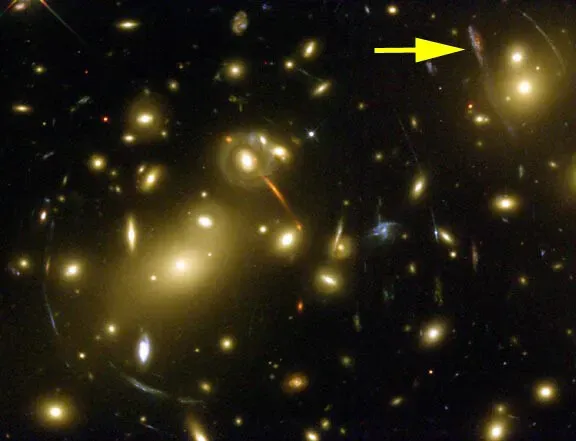
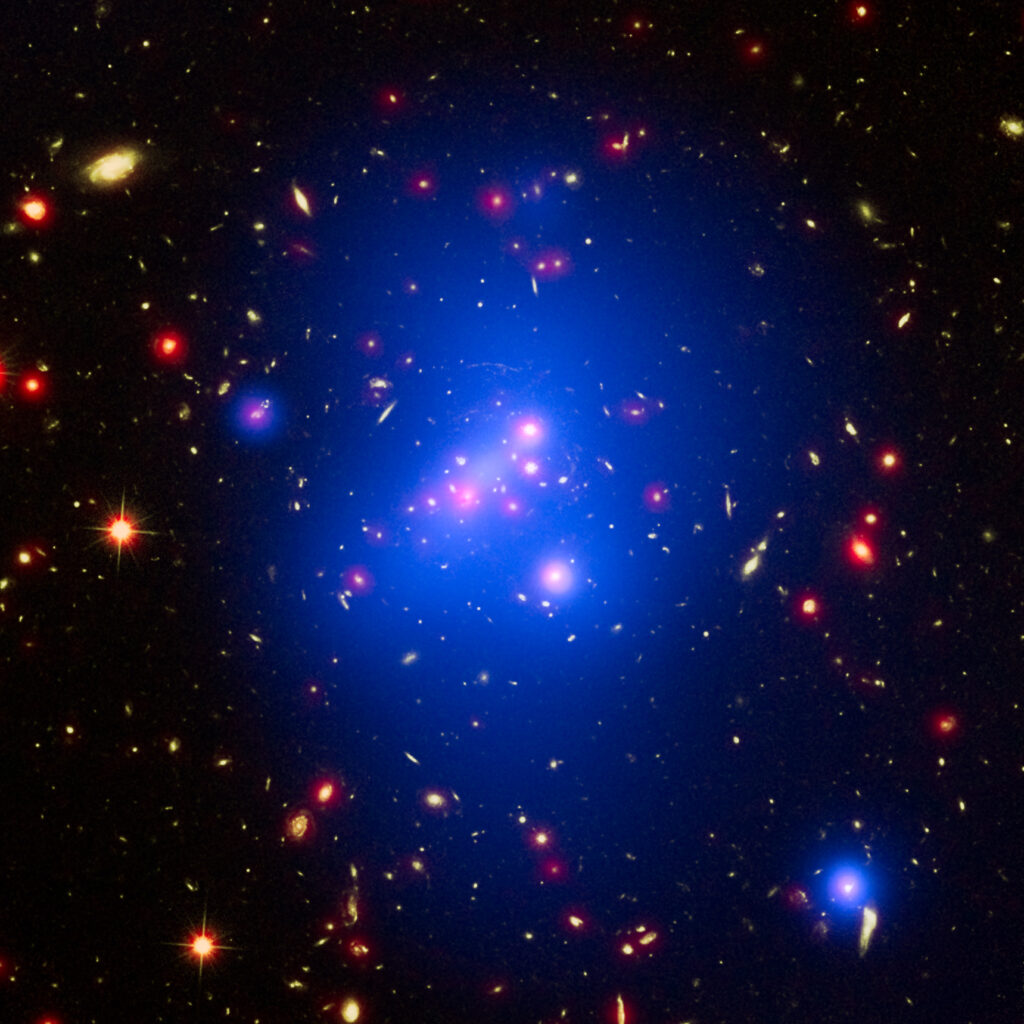
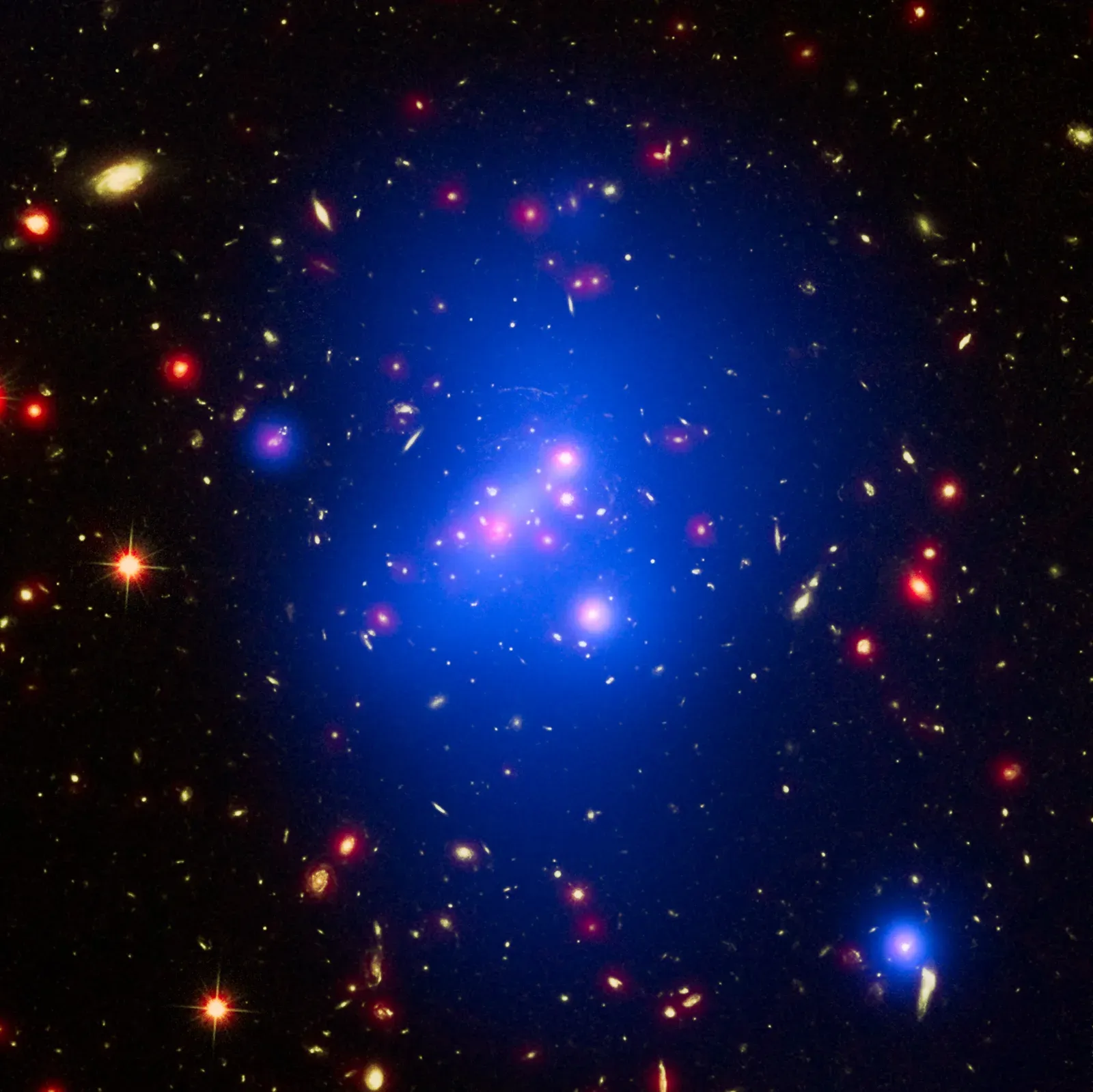
Not all troubling structures are huge in length; some are huge in mass and appear too early in cosmic history. Observations of very massive galaxy clusters at high redshifts – when the universe was only a fraction of its current age – have repeatedly nudged at the edges of what standard structure formation calculations predict. These clusters pack an enormous amount of matter into a relatively small volume, and some of them seem to be in place surprisingly early.
To be fair, this tension is not as dramatically headline-grabbing as a billion-light-year wall, but in some ways it is more concrete. If clusters of a given mass should be exceedingly rare or practically impossible at a specific early time under the standard model, yet we observe them, something in the model, the data, or both has to give. It could mean we underestimate how quickly dark matter clumps, or that our assumptions about the initial power spectrum of fluctuations are slightly off. Or it could mean our mass estimates are biased. Still, each new overmassive cluster at high redshift is like a quiet protest sign saying: your timelines might be wrong.
The Cosmic Microwave Background’s Giant Anomalies
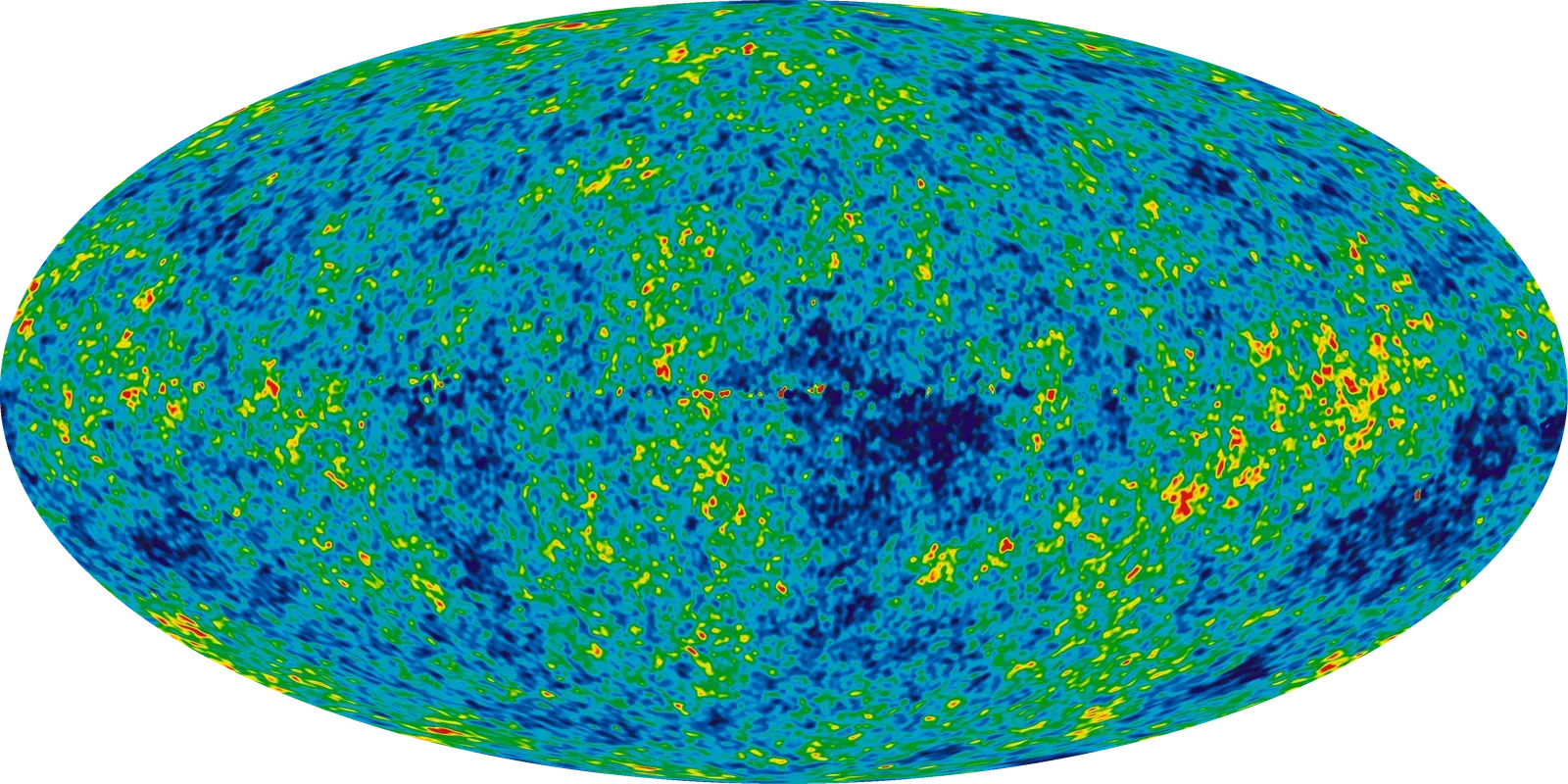
The cosmic microwave background (CMB) is often celebrated as the gold standard success story of modern cosmology, but it also harbors some of the strangest large-scale puzzles. Among them are the so‑called low quadrupole power and large-scale alignments that suggest the biggest temperature fluctuations are weaker or oddly oriented compared to what the standard inflationary model likes to see. Features such as the “cold spot” and alignments nicknamed for their strange directional patterns have raised questions about whether something non-random is imprinted at the largest angular scales.
These are not “structures” in the usual sense of walls and clusters, but they are patterns across enormous swaths of the sky that our models did not predict in detail. One reading is that they are just statistical flukes: roll the cosmic dice enough times and some outcomes will look weird. Another, more radical interpretation is that they might be signatures of exotic physics, like non-trivial cosmic topology, remnants of collisions with other universes, or features in the early inflationary field. The sober position is that the evidence is intriguing but not decisive. Still, if you are looking for structures that feel uncomfortably big for our current picture, the CMB anomalies are among the deepest and most fundamental.
Supervoids and Superclusters That Challenge Smoothness
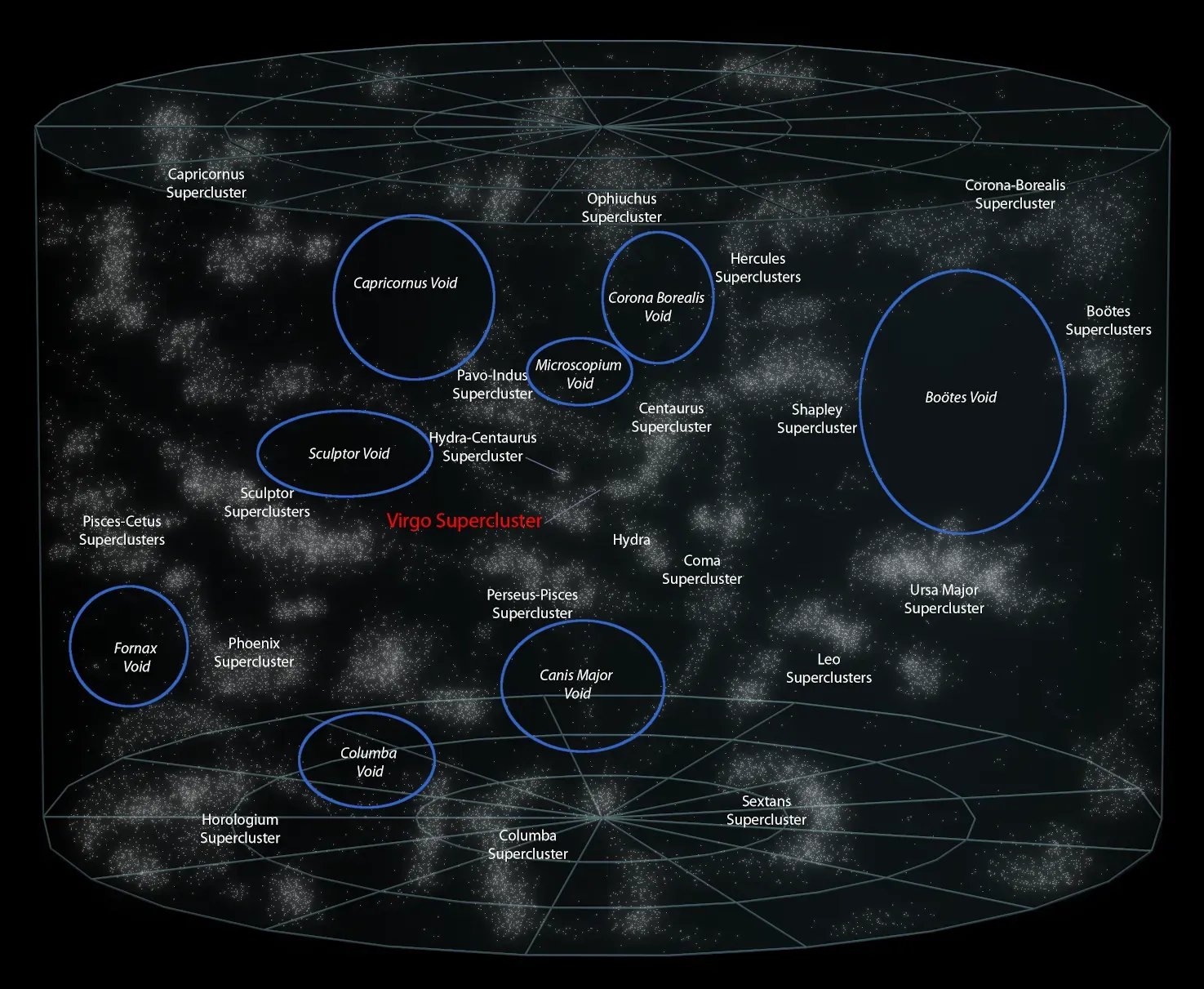
As galaxy redshift surveys have grown, we have mapped out enormous superclusters – huge conglomerations of clusters and groups – as well as vast cosmic voids where there are far fewer galaxies than average. Some of these voids and superclusters, taken individually, do not break physics. But put together, the sheer contrast and arrangement can nibble at the edges of what is expected from a perfectly Gaussian set of initial conditions. Structures like particularly large supervoids along specific lines of sight have even been linked, tentatively, to anomalies in the CMB.
Again, nuance matters. The standard model does allow for both very large underdense regions and very rich overdense ones; the real question is whether the most extreme examples we see are still comfortably within the predicted tail of the distribution or whether they are outliers that signal deeper issues. Some analyses argue these features are perfectly compatible with standard cosmology once all uncertainties are included. Others keep finding small but persistent tensions. It is like looking at a city skyline: even if tall buildings are expected, one skyscraper that is far taller than the rest makes you question whether you have fully understood the building codes.
Hints of a Discrete or Fractal-Like Cosmic Web
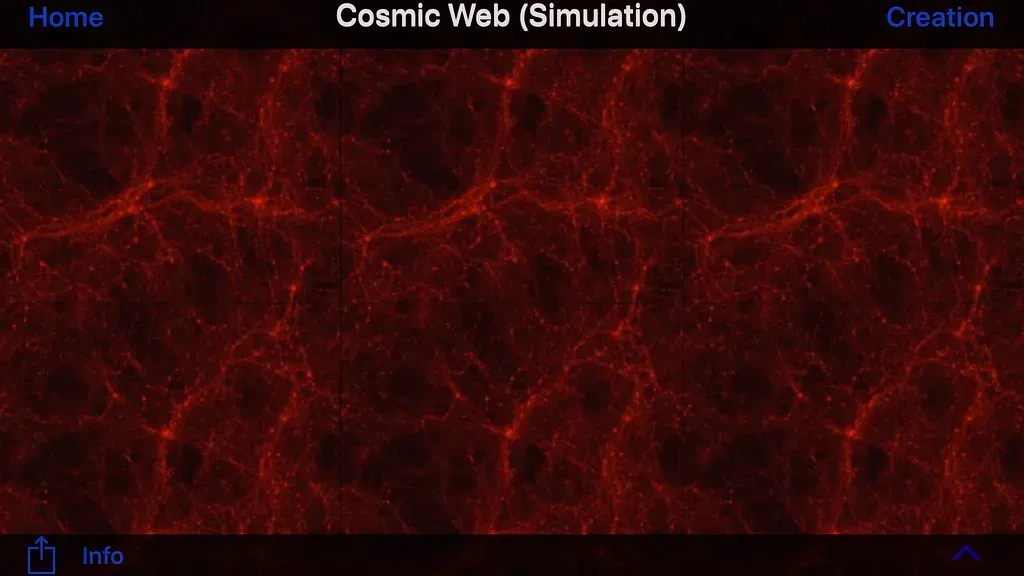
When you zoom out on the distribution of galaxies, you see a web-like pattern: filaments, walls, and nodes separated by voids. For decades, some researchers have explored whether this web exhibits fractal behavior on larger scales than standard cosmology allows. A true fractal universe, where the same type of clustering repeats again and again without settling into uniformity, would contradict the usual assumption that the cosmos becomes homogeneous beyond a certain scale.
Most mainstream analyses conclude that homogeneity does set in on sufficiently large scales, with the universe averaging out and fractal behavior fading away. Yet a minority of studies, and some fits to galaxy distributions, suggest that signs of scale-invariant clustering may persist farther than expected. If the cosmic web really behaves more like a fractal than a smooth soup on the largest scales we can probe, that would spell trouble for the simplest versions of the standard model. So far, the evidence is mixed, but the mere possibility is a reminder that even the basic question “how smooth is the universe?” is still open to debate at the bleeding edge of observation.
Conclusion: Are These Structures Breaking Physics or Testing It?
Looking across these nine cases, a pattern emerges: every time we map the universe a little better, we bump into something at the edge of what our theories can easily explain. Some alleged mega-structures – especially those based on sparse tracers like gamma-ray bursts – may turn out to be illusions born of noisy data and eager pattern-seeking. Others, like early massive clusters or the most extreme galaxy walls, feel more like genuine pressure tests on key assumptions in cosmology. They do not outright demolish the standard model, but they erode the sense that everything is neatly solved.
My own opinion is that these anomalies are exactly where the most interesting physics of the next few decades may hide. Either we tighten our measurements and see them fade into statistical flukes, strengthening our current picture, or some of them stubbornly remain, forcing us to rethink deep ideas about inflation, dark matter, or even the large-scale structure of spacetime itself. The universe has no obligation to fit the tidy boxes we build for it, and that is what makes this field so addictive. When you look at these gigantic, awkward structures, do you see annoying errors on the margins – or the first cracks in a beautiful but incomplete story?