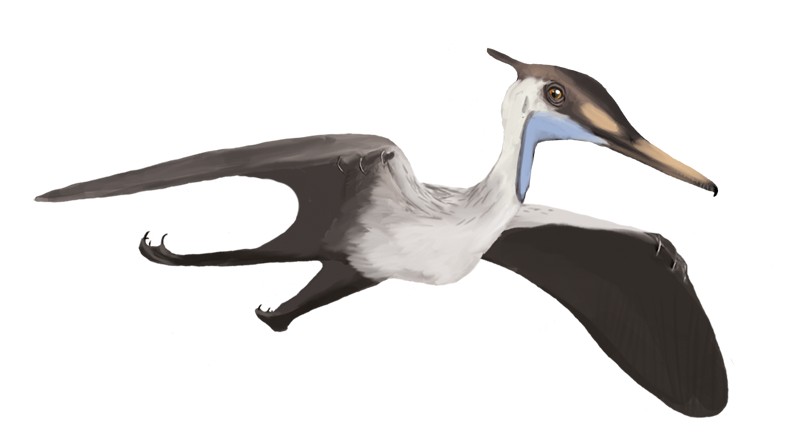
If you could step into a time machine and hover over the warm, shallow seas of Late Jurassic Europe, Aerodactylus would probably be one of the first shapes slicing past you in the sky. It looked a bit like a dragon drawn by someone who really knew aerodynamics: long wings, a needle beak, and a body pared down to the essentials. This creature was not some clumsy proto-flier just figuring things out. It was a fully tuned flying predator that had already solved many of the challenges that modern birds and bats wrestle with today.
What makes Aerodactylus especially fascinating is that it sits right at the intersection of prehistoric weirdness and very modern-looking flight engineering. Even though it lived around one hundred and fifty million years ago, its skeleton reads like a checklist of features a flight engineer might sketch on a whiteboard. The more you look at its bones and soft‑tissue impressions, the more it feels like nature ran a long series of experiments and Aerodactylus was one of the winning prototypes. Let’s break down why this pterosaur was so perfectly built for the skies it ruled.
A Lightweight Skeleton That Turned Bone Into Airframe
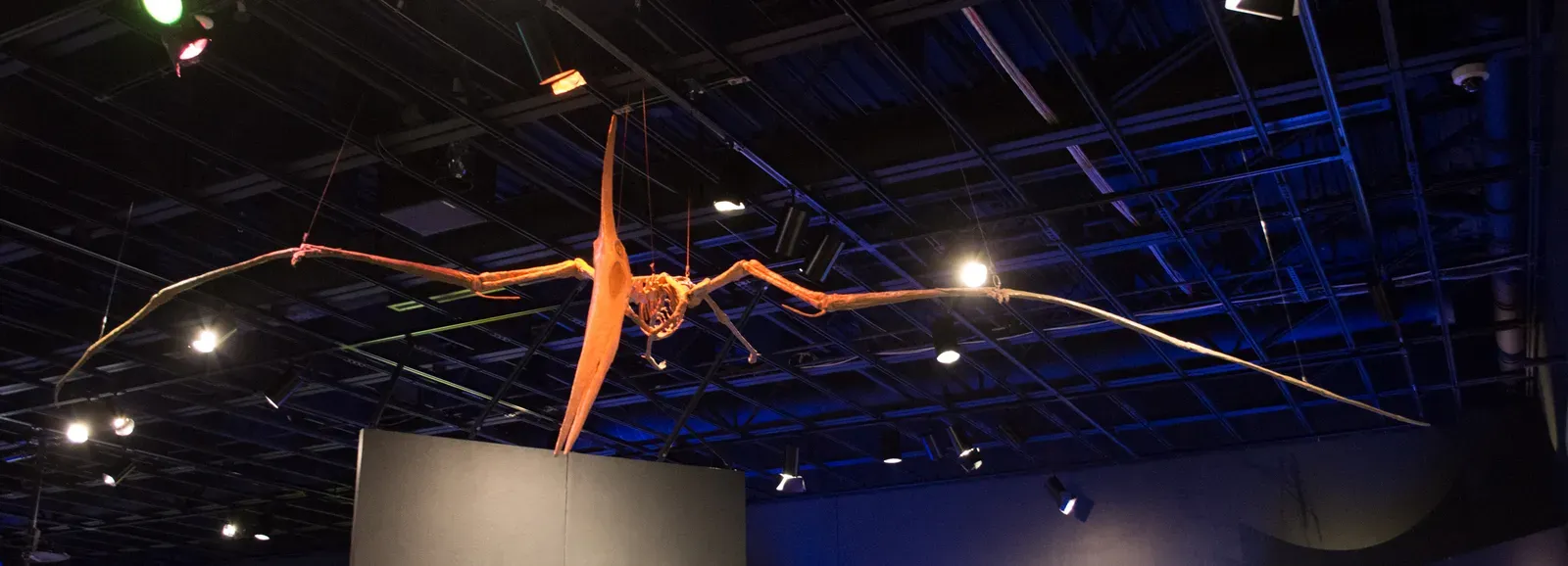
One of the most shocking things about flying reptiles like Aerodactylus is how little actual bone they needed to hold everything together. Their skeletons were packed with air spaces, a bit like the interior of a bird’s bones, which slashed weight while still keeping the structure strong. When you picture its frame, think more along the lines of a carbon‑fiber bike than a heavy steel one: thin, rigid, and built to do one job with maximum efficiency.
This lightness was not just a nice bonus; it was the difference between powering real flight and simply gliding like a falling leaf. A slender torso meant the wings did not have to lift unnecessary bulk, and hollow, reinforced bones kept the wings from snapping during hard flaps or tight maneuvers. The result was a creature that could launch, climb, and turn without fighting its own mass at every wingbeat. In the thin balance between gravity and lift, Aerodactylus had tipped the scales decisively in its favor.
An Elongated Wing Finger That Supercharged Wing Span
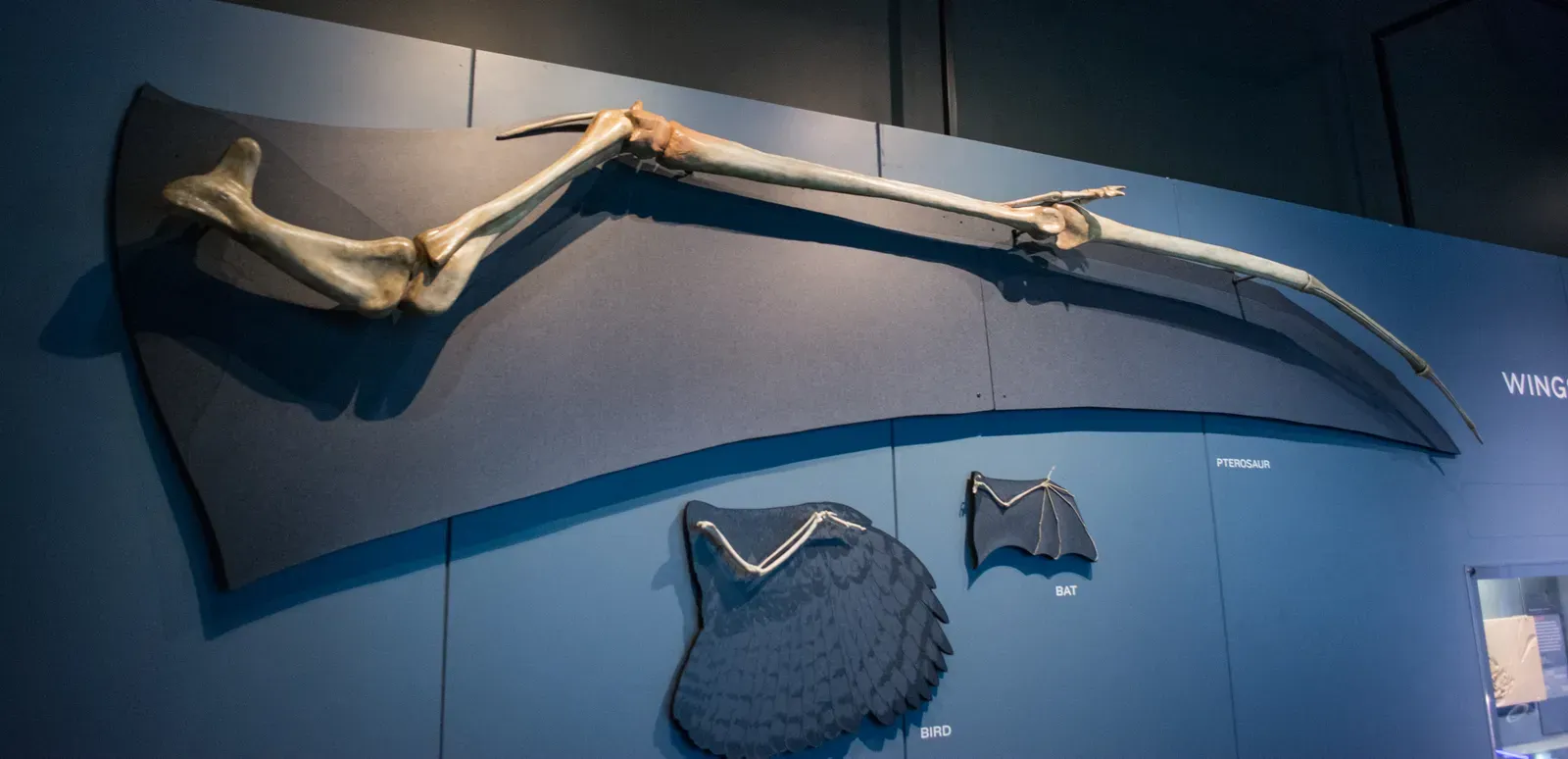
Aerodactylus, like other pterosaurs, flew on wings stretched across an outrageously long fourth finger. It is one of those details that sounds almost silly until you realize how clever it is: rather than spreading the load across multiple short fingers like a bat, this animal turned one finger into a main wing spar. That single elongated digit supported a broad, membrane wing that could extend far beyond the body, giving it an impressive wingspan relative to its size.
That design let Aerodactylus generate lift efficiently without hauling around a bulky frame. A long span means more air is intercepted with each pass, which is great for gliding and for cruising over long distances. It is similar to how high‑performance sailplanes today have long, narrow wings rather than stubby, compact ones. By committing to that exaggerated wing finger, Aerodactylus essentially built itself into the Jurassic version of a sleek glider, perfectly tuned to staying aloft with minimal effort.
A Flexible Wing Membrane Built for Fine‑Tuned Control
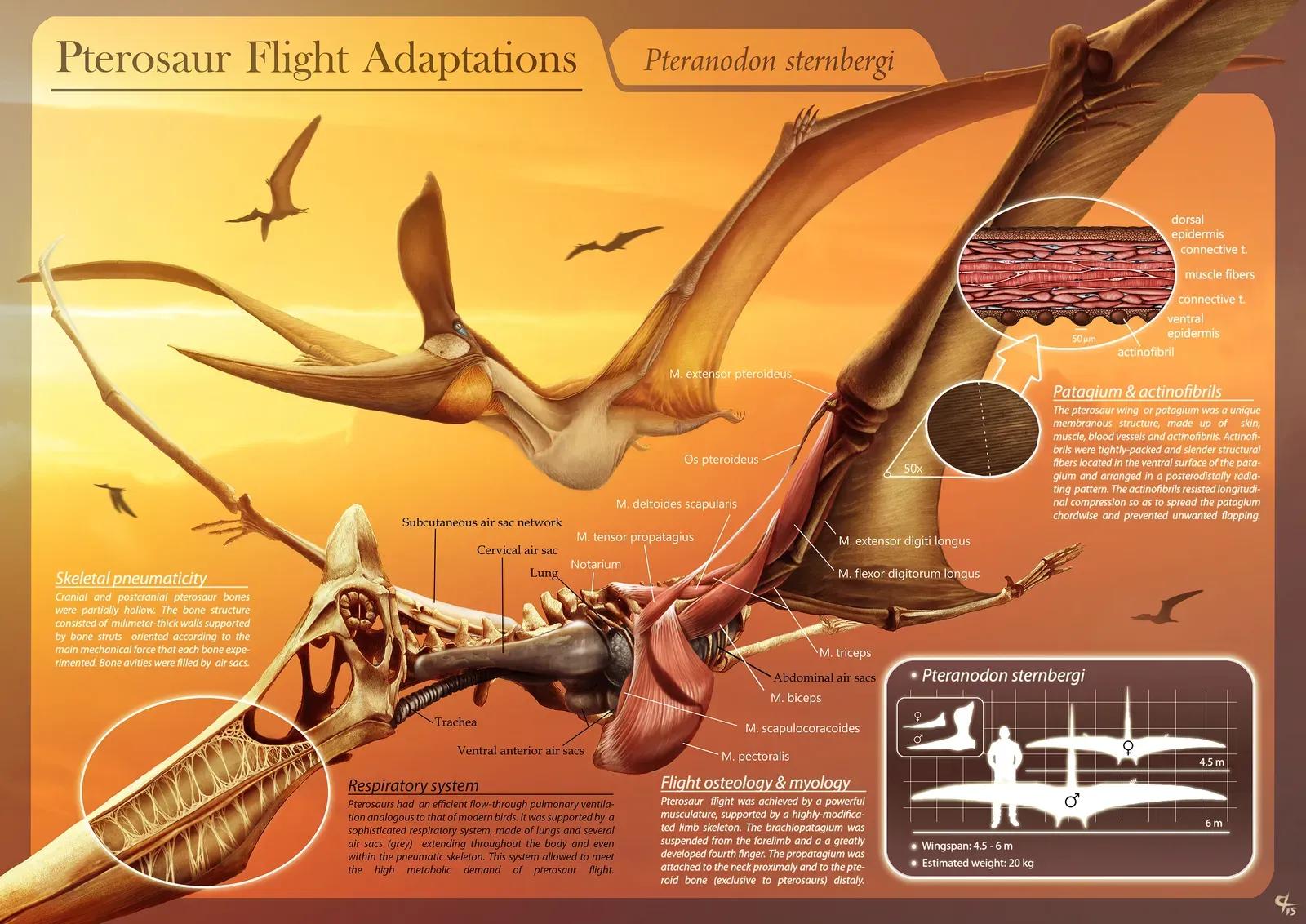
Unlike birds, which rely on feathers, Aerodactylus flew on a continuous skin‑and‑muscle membrane stretching from its elongated finger down toward its body and often the hind limbs. That might sound primitive at first, but the actual engineering behind this membrane was sophisticated. The tissue could include stiffening fibers and muscular control, turning the wing into a living, shape‑shifting surface rather than a rigid plank. That gave it a huge amount of control over the shape and camber of the wing in real time.
Imagine having a paraglider wing that can subtly tighten, loosen, and twist itself in response to every small gust of wind. Aerodactylus could adjust its membrane tension to trade speed for lift, tighten its turns, or flare for landing. This kind of dynamic wing surface is something modern aerospace engineers are still trying to copy with flexible, morphing wings. For prehistoric skies filled with changing air currents above coastlines and lagoons, that level of responsiveness was a serious superpower.
A Streamlined Head and Jaws Tailored for Aerial Hunting
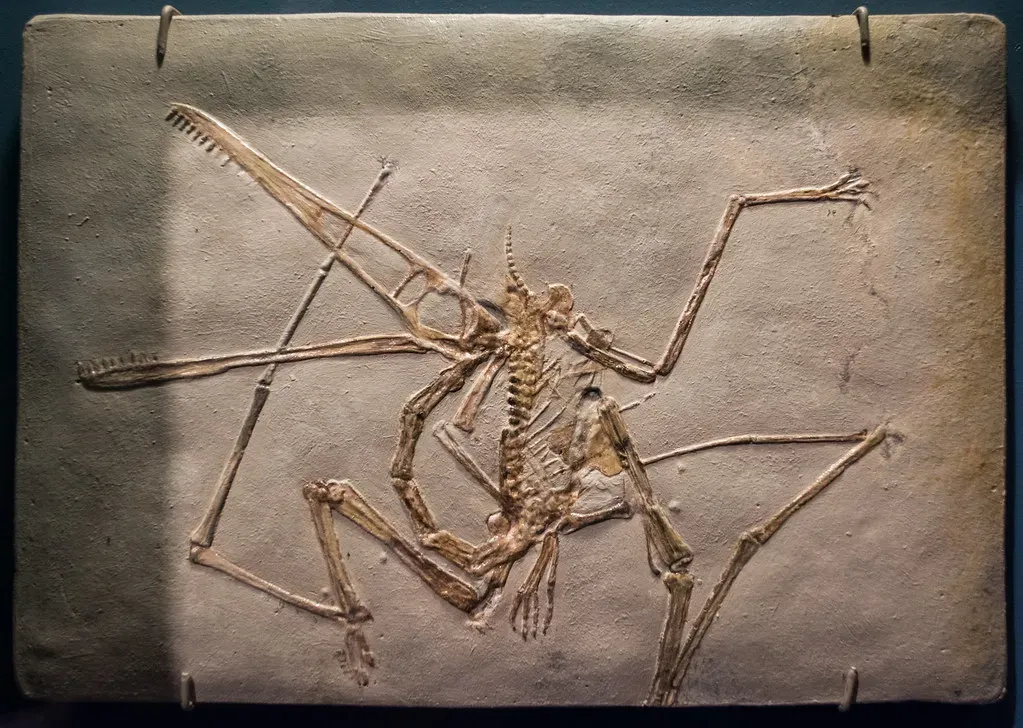
The skull of Aerodactylus was long and narrow, with a pointed snout that cut through the air like the nose of a racing yacht. That streamlined shape was not just about looking intimidating; it reduced drag at the front of the animal where airflow first hit. Every bit of drag saved meant more energy left for flapping, gliding, or sudden bursts of speed when prey appeared. When you are living by your wings, wasted energy is the enemy.
Its jaws and teeth, where preserved, point to a lifestyle that probably involved snatching small marine life or terrestrial prey, possibly even snapping at insects or small vertebrates while on the wing. That means its head had to serve both as a catching tool and as an aerodynamic leading edge. Think of it like a high‑performance aircraft nose cone that also happens to be a precision set of tongs. Aerodactylus managed to blend those two roles into a single sleek structure that worked for both flight and feeding.
A Tail and Body Balance That Kept It Stable in the Air
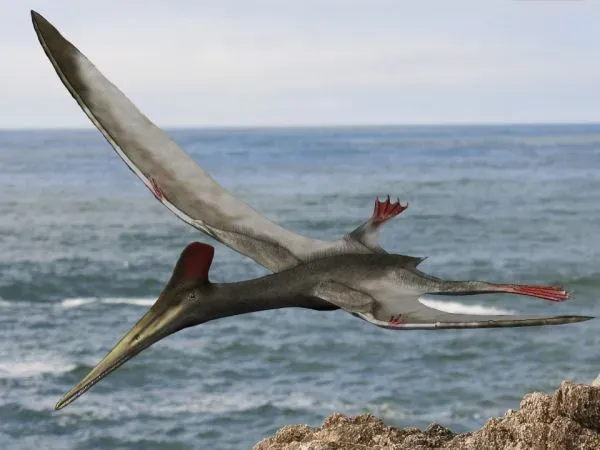
In flight, balance is everything, and Aerodactylus carried its mass in a way that helped keep the whole airframe stable. Its body was compact, with much of the weight concentrated near the shoulders where the wings attached. That reduced the twisting forces that can plague long‑winged animals and allowed it to respond quickly to changes in direction or wind. A well‑centered mass is the difference between graceful turns and wild, wobbling flaps.
Any tail it carried would have played a role more like a fine‑tuner than a heavy rudder, helping adjust pitch and stability as it glided or flapped. In modern aircraft, designers sweat over where to place the center of gravity, and Aerodactylus had that figured out through evolution. A balanced body meant it could ride windy coastal air without constantly fighting to stay level. That left more of its mental and physical energy free for spotting prey, avoiding predators, and actually living its life rather than just battling physics.
Powerful Flight Muscles Anchored to a Robust Shoulder Girdle
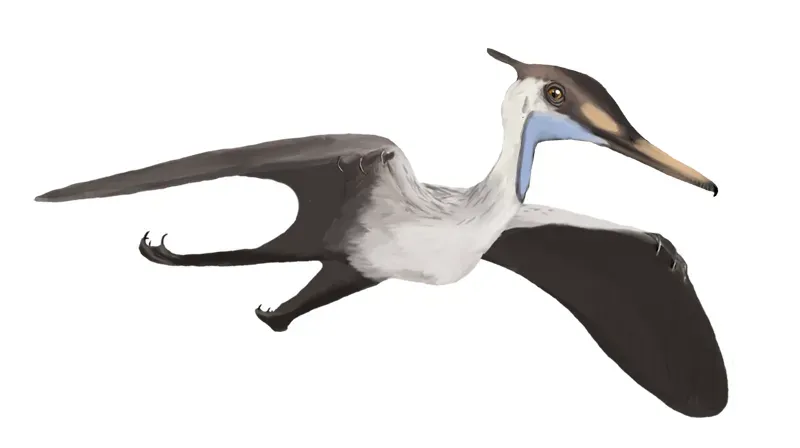
Even the best wings are useless without enough power to drive them, and Aerodactylus had a shoulder and chest setup designed to do exactly that. Its pectoral girdle and breastbone provided solid attachment sites for the flight muscles that pulled those long wings down through the air. You can picture the chest region as a compact, efficient engine block, where muscle and bone locked together to convert chemical energy into thrust and lift.
Unlike giant later pterosaurs that leaned more heavily on soaring, Aerodactylus sat in a size range where powered flight really mattered. It needed to flap strongly to take off, maneuver near cliffs or trees, and perhaps burst upward from the water’s edge. A strong flight apparatus meant it did not have to rely solely on perfect wind conditions. In a world where wind, waves, and weather could change quickly, that kind of muscular power made the difference between being grounded and staying in the game.
A Quadrupedal Launch System That Solved the Takeoff Problem
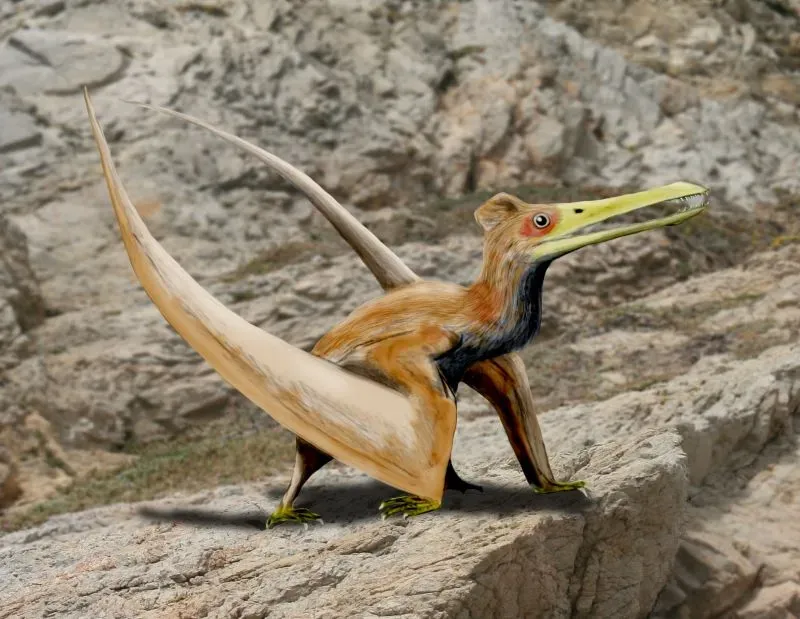
One of the coolest things about pterosaurs in general, and likely true for Aerodactylus, is the way they probably launched into the air. Instead of waddling around on two legs and flapping like a bird, they seem to have used all four limbs to vault themselves skyward. This quadrupedal launch would have been more like a powerful leap, with the wing fingers snapping open at just the right moment to catch the air. It is a bit like watching a parkour athlete use both arms and legs to explode off the ground.
This method gave Aerodactylus a big advantage when it came to takeoff from flat ground or rocky ledges. It did not necessarily need a long runway or a steep drop to get airborne, which opened up more habitats and escape options. In an ecosystem where predators, competition, and sudden changes were constant, being able to launch quickly from awkward spots was priceless. The fact that its whole body plan worked in harmony for this move shows just how integrated its design really was.
A Lifestyle Perfectly Matched to Coastal Winds and Jurassic Climates
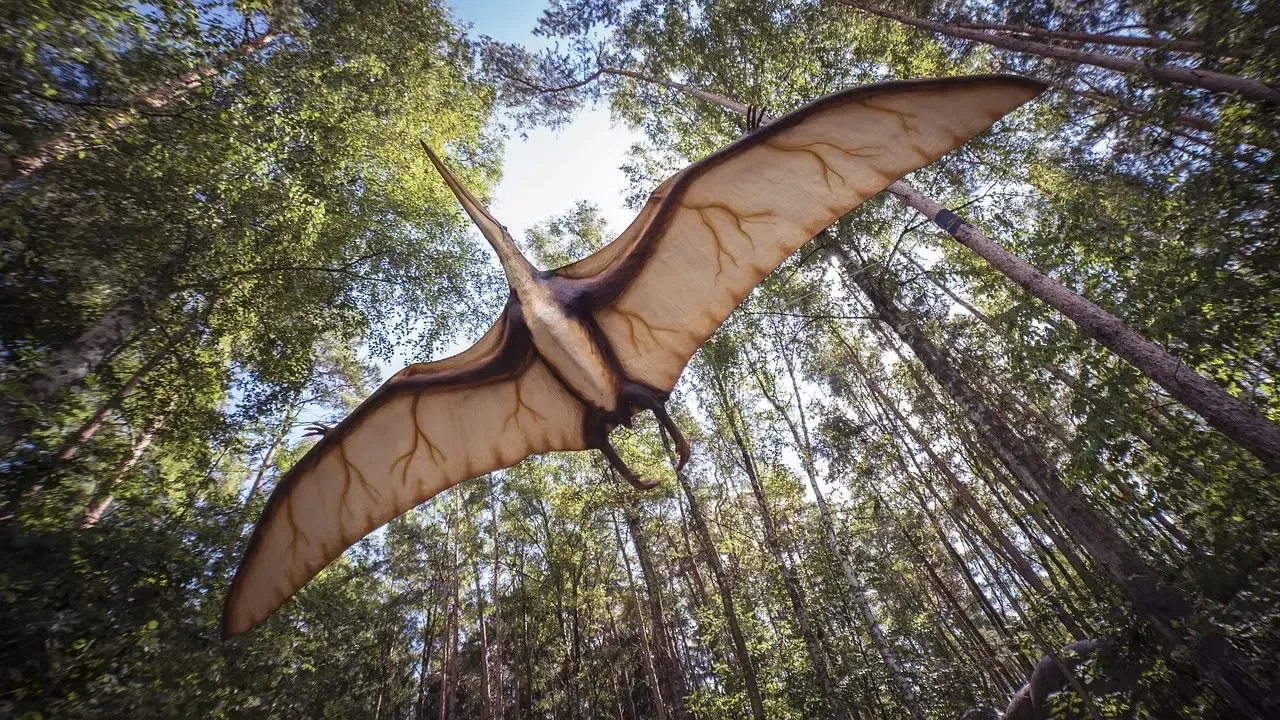
The world Aerodactylus flew through was warm, humid, and often dominated by shallow seas and island chains. That kind of environment generates strong, reliable air currents along cliffs, coastlines, and open water. Its long wings, light body, and flexible membranes were ideal for riding these winds, turning the energy of the atmosphere into effortless travel. It probably spent long stretches gliding, only flapping when it needed to climb, turn sharply, or accelerate after prey.
This is where its entire design really comes together: bones, muscles, wings, and behavior all tuned to the same environmental soundtrack. It was not optimized for every possible setting, but it was exquisitely suited to the one it actually lived in. I sometimes think of Aerodactylus as the Jurassic version of a high‑end surfboard, completely at home only when meeting the right wave or breeze. That tight fit between body and world is what makes it feel so perfectly built for its skies rather than ours.
A Snapshot of Evolution’s Early Mastery of Powered Flight
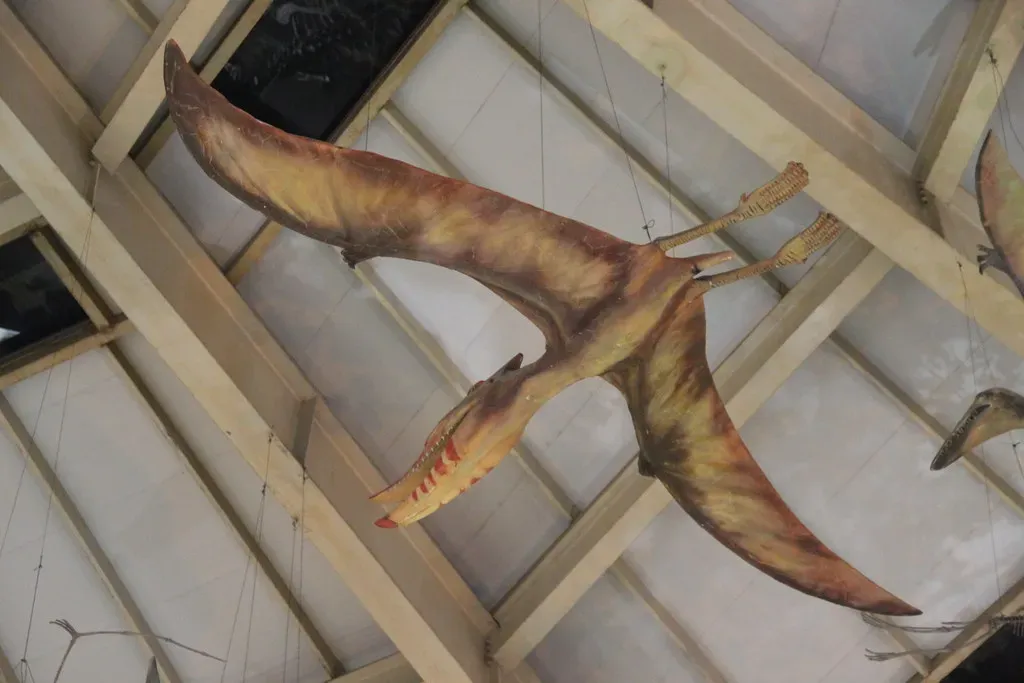
When you stack all these features together, Aerodactylus stops looking like a crude early attempt at flight and starts looking like proof that evolution nailed many of the big design questions surprisingly early. Hollow but strong bones, extended wings, flexible membranes, powerful shoulders, efficient launch mechanics, and aerodynamic skulls are not half measures. They are a full, coherent solution to the brutal demands of living in three dimensions above the ground. That alone makes this pterosaur feel less like a relic and more like a demonstration model.
Personally, I think we tend to underestimate just how refined these animals were because they lived so long ago and because popular images often turn them into clumsy movie monsters. Aerodactylus was closer to a high‑performance flying machine than a stumbling experiment. Was it perfect in some absolute sense? Of course not. But for its place, time, and environment, it came remarkably close to the sweet spot. And honestly, if you had to bet on one prehistoric flier to survive a windy day over a Jurassic lagoon, would you really bet against it?
Conclusion: Why Aerodactylus Still Deserves Our Awe
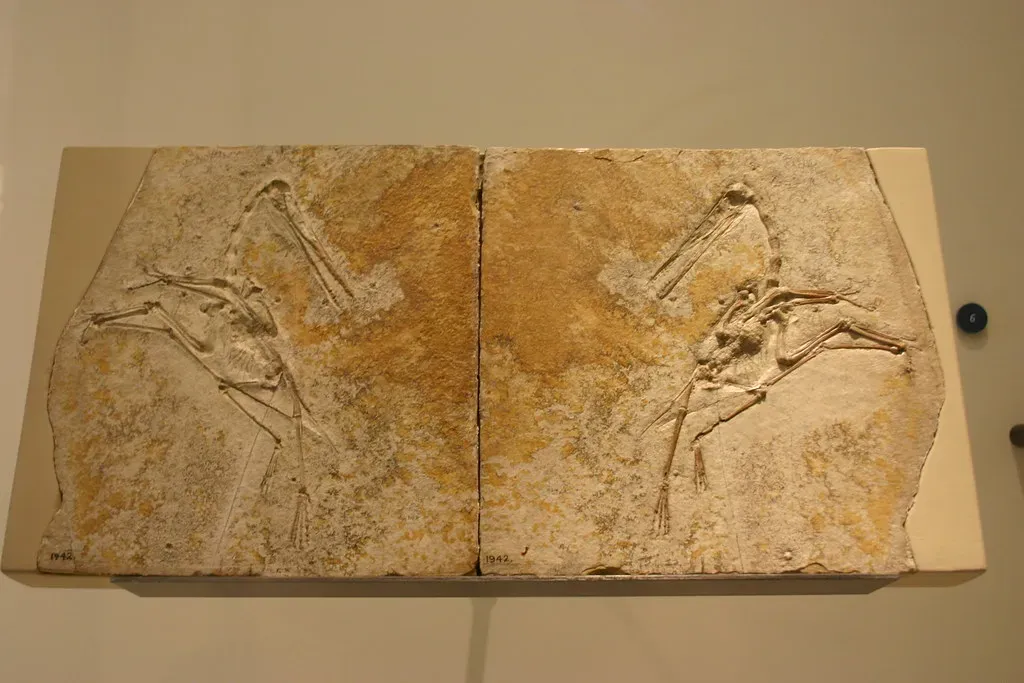
Looking back at Aerodactylus from the comfort of the twenty‑first century, it is tempting to treat it as just another fossil name in a long list. Yet the more you unpack its anatomy and its world, the more it feels like a creature that had already answered most of the hard questions about flight long before birds took over the skies. Light but strong bones, a wing system that blended power with control, and a body balanced around fast, reliable takeoffs all point in the same direction. This was not a rough draft. This was a polished chapter in the story of life learning to fly.
My own take is that Aerodactylus represents one of evolution’s most underrated success stories: a specialized, efficient aerial predator that fit its niche so well we almost overlook it. Maybe that is the real lesson here. Perfection in nature is not about some abstract ideal; it is about matching the realities of a particular time, place, and way of life. By that measure, Aerodactylus was about as close to perfectly built for its prehistoric skies as anything could be. When you picture it gliding over warm Jurassic seas, do you see an awkward reptile, or can you finally see the precision flying machine hidden in the bones?