If you grew up trusting that a compass needle always points steadily toward the North Pole, the real Earth is about to ruin that comforting picture. Our planet is riddled with strange patches where magnetic fields twist, fade, or flip just enough to turn a simple compass into a tiny liar. Pilots, surveyors, and scientists have spent decades mapping these places, and what they’ve found is a lot weirder than a school textbook ever suggests.
Some of these locations are famous trouble spots for navigation, others are quiet scientific curiosities hidden behind locked doors or in remote corners of the map. All of them are formally documented in scientific literature, aviation notices, or geophysical surveys. Let’s walk through nine of the most intriguing spots on Earth where your compass behaves differently – not because of myths or urban legends, but because the physics of our planet genuinely goes off-script.
The Magnetic North Pole: Where “North” Won’t Sit Still
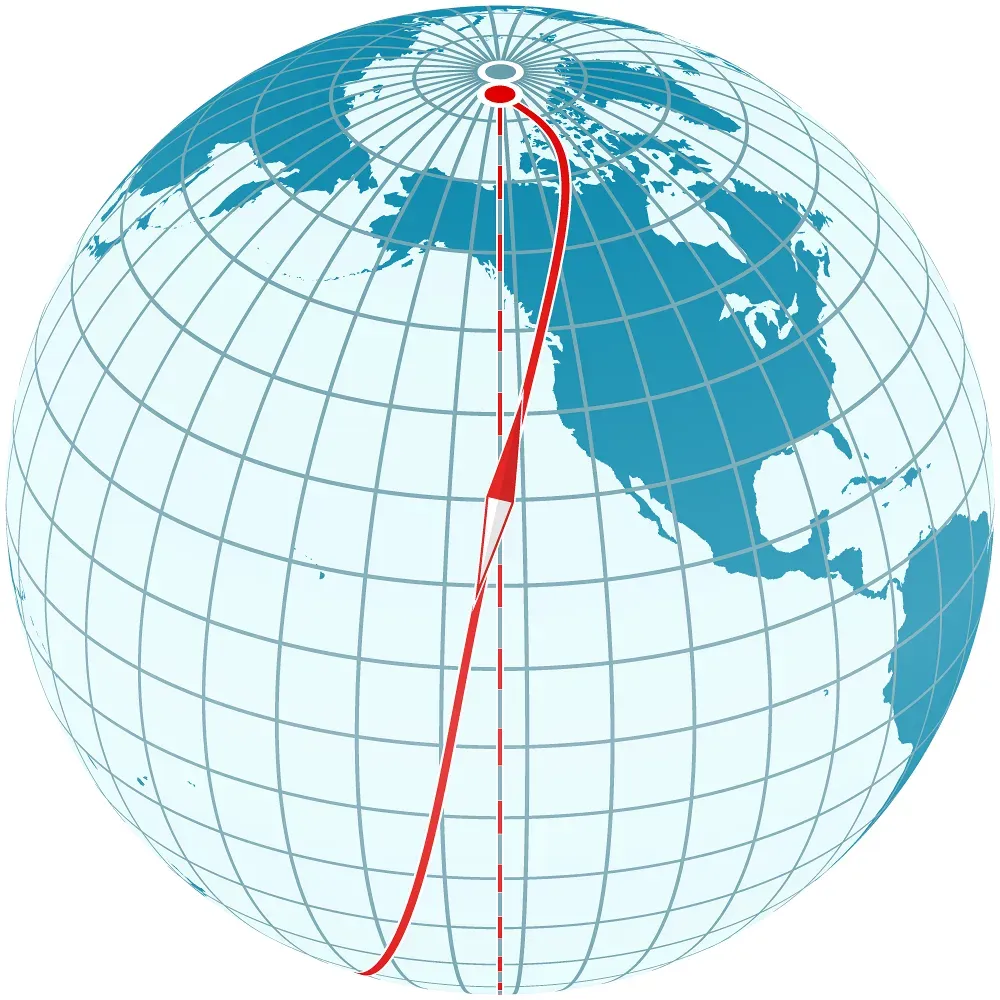
The most obvious place to start is the one everyone thinks a compass points to: the magnetic north pole itself. The catch is that this pole is not a fixed point like the geographic North Pole; it wanders, sometimes surprisingly fast, because it’s controlled by molten iron sloshing deep inside Earth’s outer core. Close to this moving target, your compass no longer calmly settles toward a neat direction – the horizontal component of the magnetic field is so weak that the needle can swing unpredictably, tilt downward, or even become practically useless.
As you get near the polar region, navigators rely far more on satellite positioning and inertial systems than on a traditional magnetic compass. What looks like a simple red arrow in your hand is actually trying to follow complex field lines that plunge steeply into the planet, not skim along the surface. I remember being genuinely shocked the first time I learned that, in high-latitude expeditions, some old-school gear becomes more psychological comfort than practical tool. At the top of the world, the rule is simple: the closer you get to magnetic north, the less you should trust a basic compass.
The South Magnetic Pole and the Antarctic Compass Trap
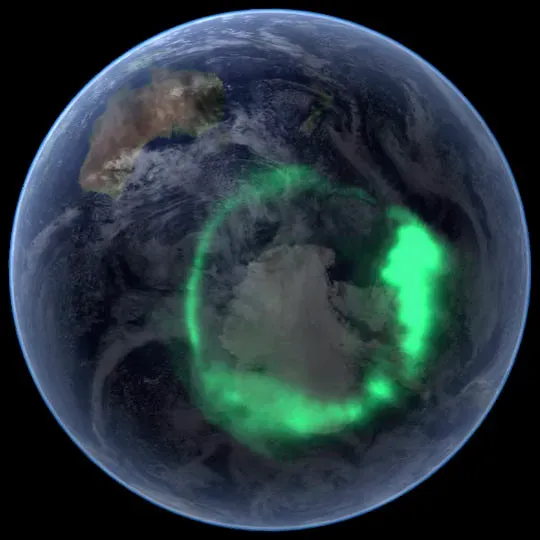
On the other side of the planet, the south magnetic pole plays its own tricks. Just like its northern counterpart, this pole is offset from the geographic South Pole and it too migrates over time as the geomagnetic field evolves. When explorers and researchers approach this region, they find that compasses behave more like nervous weather vanes than serious instruments, often dipping steeply and losing crisp directional alignment.
Antarctica adds another twist: the field geometry and local magnetic anomalies from the underlying crust can combine to create bigger-than-normal deviations called magnetic disturbances. Survey teams working in certain sectors rely heavily on specialized correction tables, fluxgate magnetometers, and gyroscopic compasses to handle these variations. Down there, a simple hiking compass is like bringing a toy keyboard to a symphony orchestra – it technically makes sound, but you would not use it to conduct the performance.
The South Atlantic Anomaly: A Weak Spot Above, a Compass Quirk Below
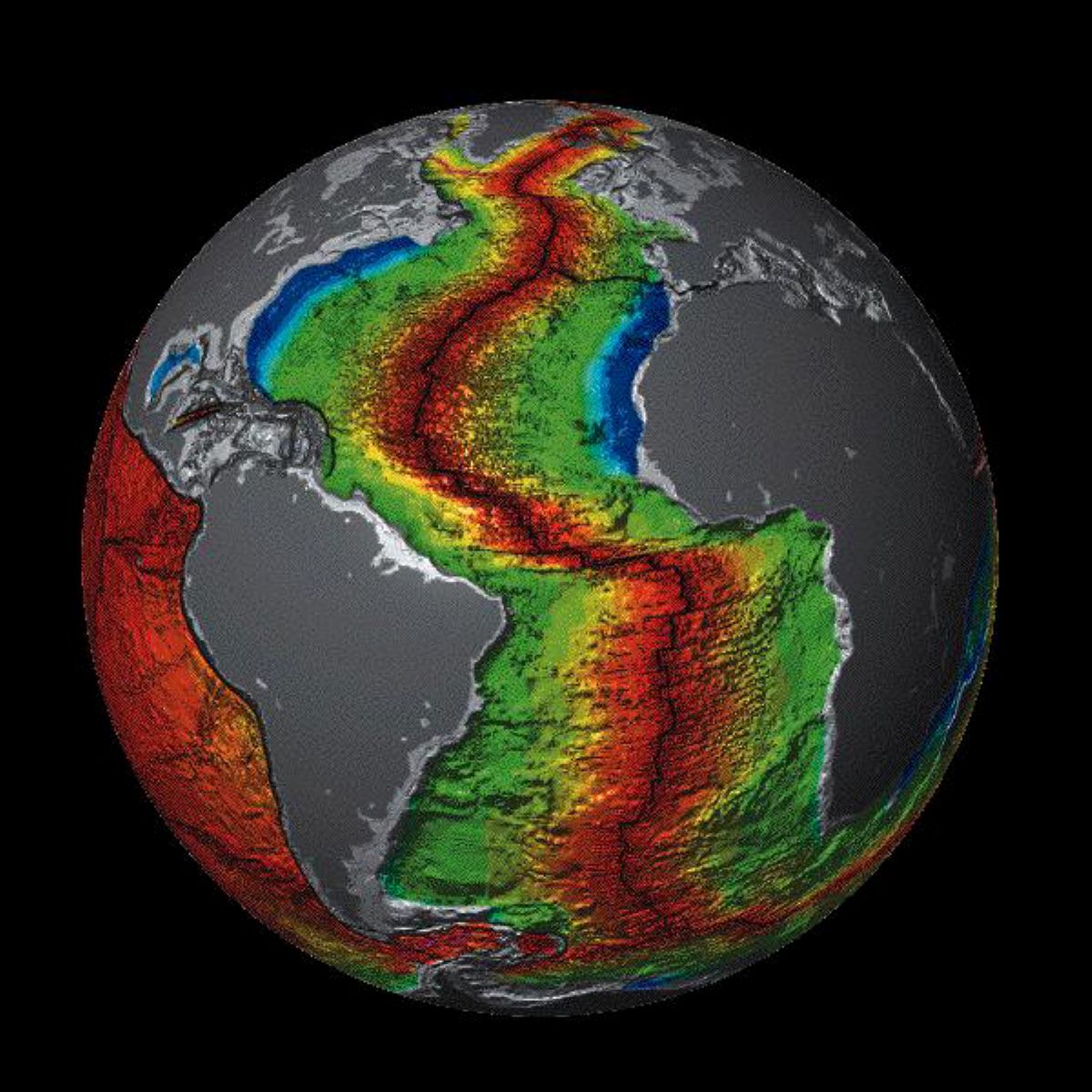
The South Atlantic Anomaly is famous mostly in space and satellite circles as the region where Earth’s magnetic field is unusually weak, causing increased radiation exposure for spacecraft passing overhead. But that weak patch, roughly over parts of South America and the South Atlantic Ocean, also affects navigation on the surface. In some locations within this zone, compasses can show larger deviations than you’d expect at similar latitudes elsewhere, and pilots are formally briefed on the unusual magnetic environment when flying transoceanic routes in that region.
This is not the kind of Hollywood compass chaos where the needle spins in circles, but the difference between safe navigation and a problem is often just a few degrees. Aviation and maritime charts include detailed magnetic variation data that account for the anomaly’s influence on heading calculations. For anyone used to smooth, predictable corrections, operating across the South Atlantic Anomaly can feel like driving on a road with subtle but persistent grooves tugging your steering slightly off center. It works, but you have to pay closer attention than you might think.
The Bermuda Triangle: Real Magnetic Oddities Behind the Myth
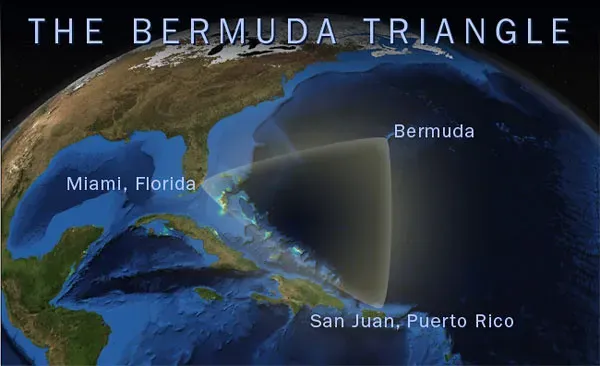
The Bermuda Triangle is drenched in sensational stories, but behind the folklore sits a genuine and documented magnetic peculiarity. Historically, navigators noted that in this region, lines of equal magnetic declination behaved differently, and at certain times and places, magnetic north and true north nearly lined up. That meant a compass could briefly appear “perfectly accurate” with no correction, then progressively diverge as a vessel moved away – a subtle trap for anyone who did not understand declination properly.
Modern science does not support the idea of supernatural forces here, but it absolutely recognizes that the magnetic environment across this patch of the Atlantic is complex. Variations in the field, combined with human error, weather, and sometimes poor equipment, have contributed to navigational confusion. To me, the real story is almost more interesting than the myths: it’s a reminder that when you mix tricky magnetics with overconfident humans, you do not need sea monsters to lose a ship – a few degrees on a compass and a bad storm will do just fine.
Local Magnetic Anomalies in the Canadian Shield
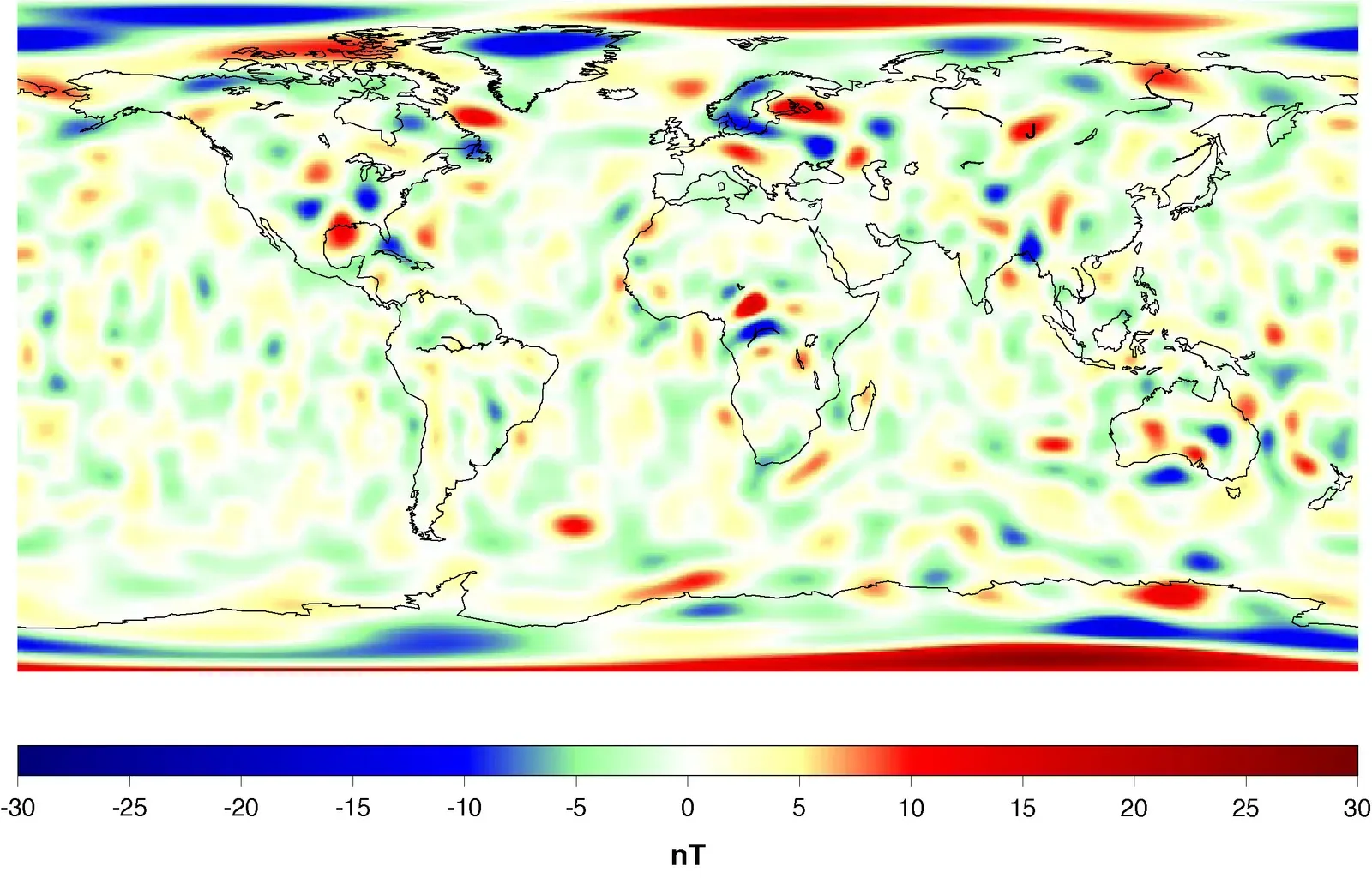
Spanning large parts of Canada, the Canadian Shield is a colossal block of ancient rock that hides a patchwork of magnetic highs and lows. Geophysicists have carefully mapped these variations because they matter for both resource exploration and navigation. In some mining regions, compasses can be significantly deflected by nearby iron-rich formations, making conventional bearings unreliable unless corrected using detailed local anomaly maps or independent positioning systems.
Surveyors working in these areas often carry more sophisticated magnetic instruments in addition to ordinary compasses, and they sometimes repeat measurements at different times to average out strange readings. For hikers or hunters using basic gear, an unrecognized local anomaly can quietly turn a straight path into a slow arc without anyone noticing at first. It is a bit like walking through a neighborhood where every street sign is slightly rotated – nothing dramatic at a glance, but over time, you end up somewhere you never planned to be.
Volcanic and Ore-Rich Regions of Scandinavia and Russia
Across parts of Scandinavia and northern Russia, formal geophysical surveys have cataloged strong magnetic anomalies tied to ore bodies and ancient volcanic structures. In some of these locations, especially near major iron deposits or intrusive igneous rocks, a compass needle can swing several degrees away from the regional magnetic trend. That may sound minor, but for tasks like precise land surveying, military navigation, or geological mapping, those few degrees matter a lot.
These anomalies are not random; they are caused by the magnetization of the rocks themselves, frozen in during long-past geological events. Modern maps in these countries often incorporate separate magnetic anomaly charts, and specialists are trained to recognize when a compass reading is probably contaminated by local geology. I love the image of someone standing on a quiet, empty tundra, no obvious features in sight, while invisible structures deep below their feet quietly tug the needle away from where physics textbooks say it should point.
Airport Runways Where Compass Headings Change Over Time

Many international airports have had to rewrite the numbers painted at the ends of their runways because of long-term changes in Earth’s magnetic field. Runway designations are based on magnetic heading rounded to the nearest ten degrees, so when the local magnetic declination drifts far enough, the official number must be updated to keep charts and instruments in agreement. Each such change is formally documented in aviation notices and can cause a surprising amount of logistical work even though the physical runway has not moved an inch.
For pilots, this is a very real reminder that the compass world is not static. A runway that was once labeled “18” for roughly south might eventually become “17” or “19” as the field evolves, forcing updates to charts, cockpit databases, and even pilot training materials. Whenever I see a story about a runway renumbering, it feels like the planet quietly sending a memo: the molten core is still swirling, the geomagnetic field is still shifting, and our neat human labels are always playing catch-up.
Magnetic Equator Zones With Almost Zero Inclination
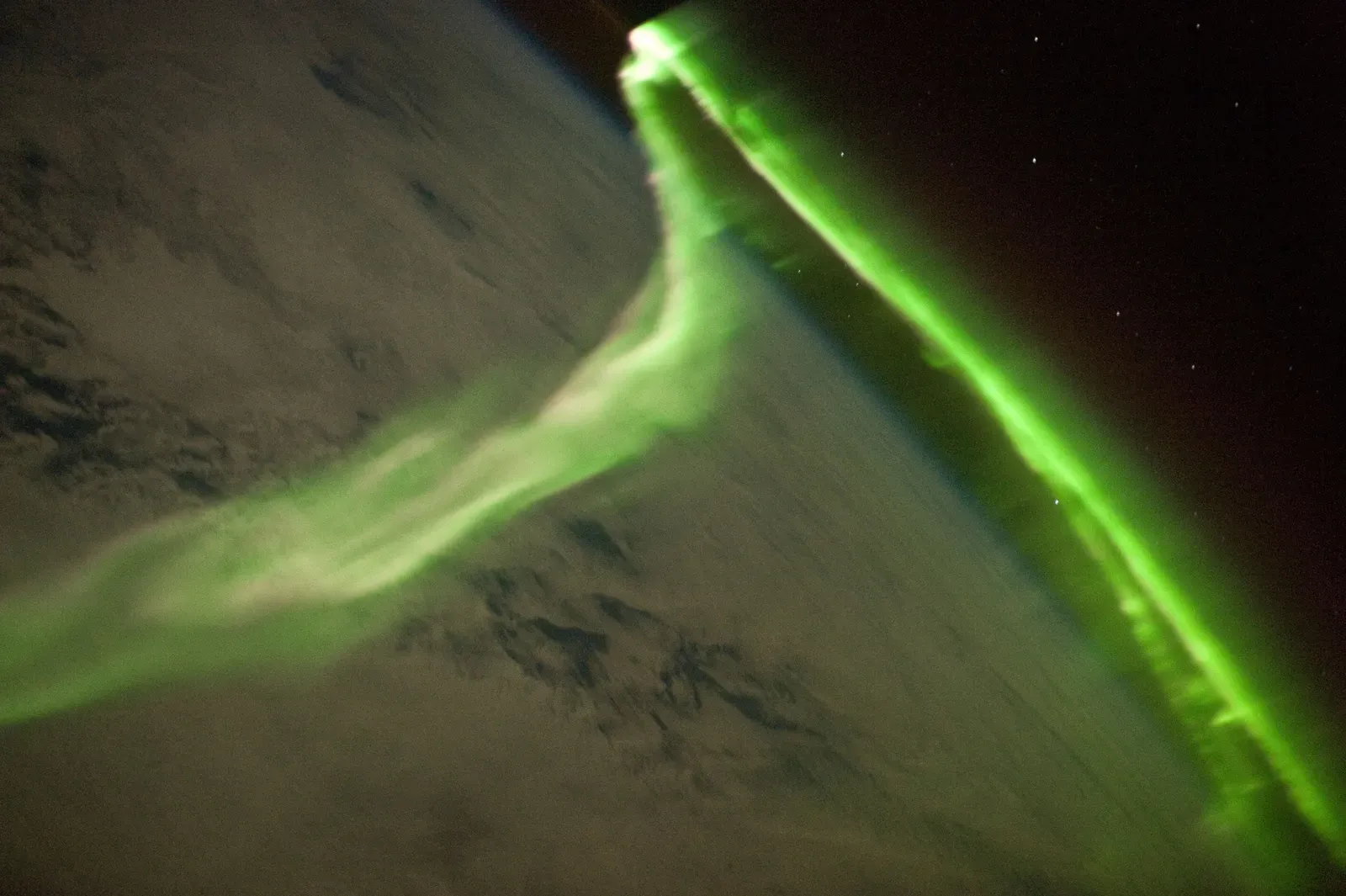
Around the Earth runs an invisible belt called the magnetic equator, where the magnetic field lines are almost parallel to the surface, giving the field a very small inclination. In these zones, the vertical component of the field is minimal, and compasses can behave a bit differently than they do at higher latitudes. Certain types of compasses, especially older or poorly balanced ones, may become more sensitive to small mechanical imperfections or local disturbances because they are not being firmly “pulled” into a tilted position.
Scientists and navigators formally map the magnetic equator and monitor its slow drift, because it affects not only navigation but also ionospheric behavior and radio communication. For everyday travelers, this belt does not cause dramatic chaos, but it is another place where the basic mental picture of the compass as a uniform tool breaks down. It is like driving a car onto a section of road where the usual lane markings suddenly fade; most of the time you will be fine, but the margin for small errors grows wider.
Research Labs and Test Ranges With Artificially Controlled Fields
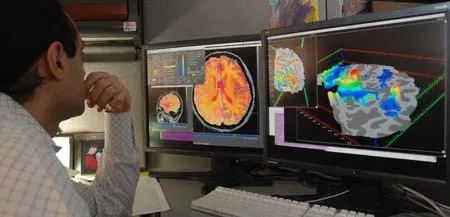
Finally, there are locations where compasses behave strangely not because of nature, but because scientists deliberately reshape the magnetic environment. Specialized research laboratories and test ranges use large coils and shielding to cancel, distort, or replicate magnetic fields for experiments. Inside these spaces, a regular compass can point in manufactured directions, lag, or even seem to ignore the real north outside the building entirely.
These facilities are formally documented in scientific literature and often support research in fields like sensor development, spacecraft instrumentation, and fundamental magnetism. Walking into one for the first time can be an oddly unsettling experience – you know you are still on Earth, but your most basic orientation tool has been quietly hacked. To me, these labs are a neat metaphor for our relationship with nature: we have learned enough to bend the magnetic rules in small rooms, while the planet outside reminds us that, at large scale, we are still students taking notes from a restless, molten teacher.
Conclusion: Trust Your Compass, But Not Blindly
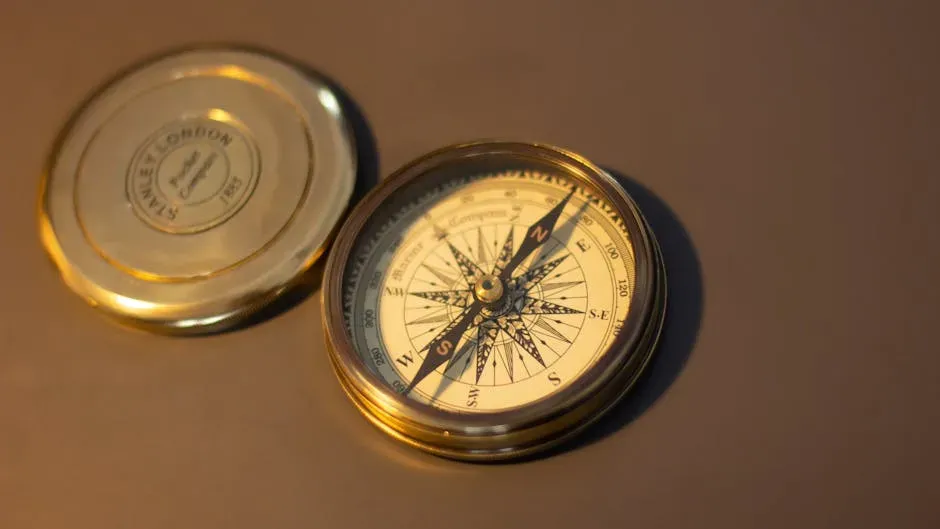
Across these nine locations and situations, a pattern emerges: the compass is not broken, it is honest about what it senses, but the magnetic field it is reporting can be far more complex than our schoolbook diagrams admit. From drifting poles and weak-field anomalies to ore-rich crust and artificial labs, each of these places shows that “north” is not a simple, universal direction; it is a moving, sometimes distorted product of deep planetary processes. When we pretend otherwise, we set ourselves up for confusion, bad decisions, and occasionally, very expensive mistakes.
My own bias is that we romanticize the compass as a symbol of certainty when it is actually a symbol of humility; it whispers what the field is doing, not what we want it to do. In a world where we lean heavily on GPS and digital maps, I like the idea that an old needle in a case can still surprise us, reminding us the Earth is active, layered, and slightly unruly. Maybe the real lesson is this: tools are only as reliable as our understanding of the environment around them. Next time you see a compass calmly pointing “north,” will you still see a simple arrow – or will you wonder what invisible battles it is quietly fighting to get there?