If you have ever watched a firefly glow on a summer night or seen videos of electric-blue waves crashing onto a dark beach, you have already witnessed one of nature’s most magical tricks: bioluminescence. It looks almost supernatural, as if someone hid neon lights inside living creatures, yet everything you see is powered by chemistry, evolution, and survival. Once you understand how it works, it somehow becomes even more astonishing.
As you explore these nine facts, you’ll discover that glowing life is far more common, stranger, and more strategic than it first appears. You will step into deep oceans where nearly every animal glows, learn how some species use light to hunt or hide, and see why scientists and doctors are obsessed with borrowing this glow for real-world technology and medicine. By the end, you may find yourself looking at a simple firefly with completely new respect.
1. You’re Watching a Chemical Reaction Turn Into Light
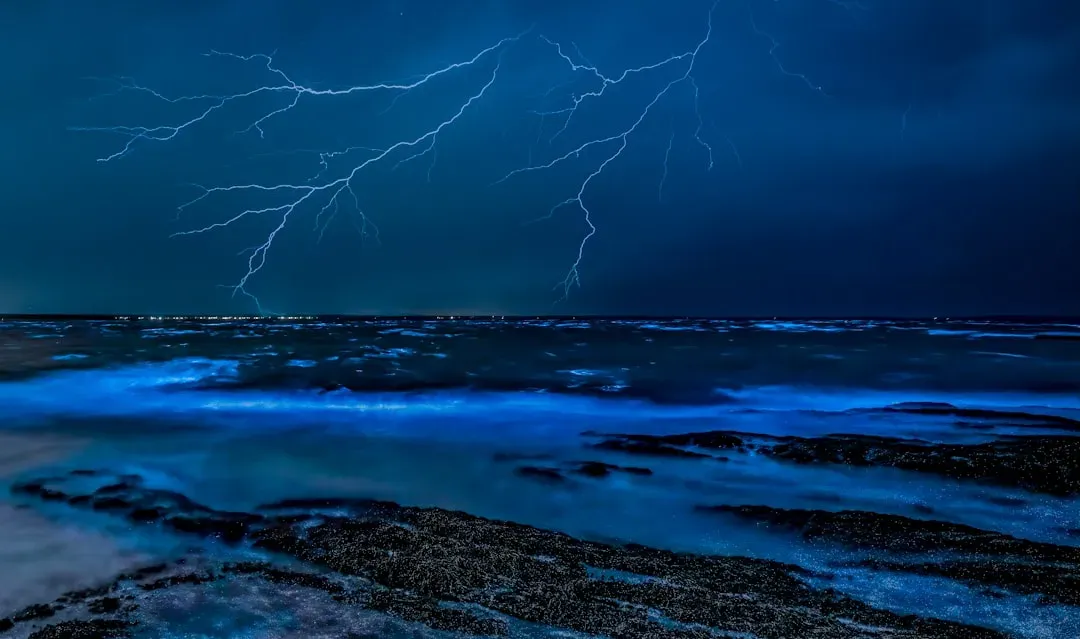
Whenever you see a living thing glow, you’re essentially watching a tiny, controlled chemical reactor inside its cells. Most bioluminescent organisms use a light-producing molecule called luciferin and an enzyme called luciferase; when these react with oxygen, they release energy as visible light instead of heat. You can think of it like a miniature glow stick reaction happening inside a cell, only the organism can turn it on or off as needed.
What makes this especially wild is how efficient it is compared to the lighting you’re used to. A traditional lightbulb wastes a lot of its energy as heat, but bioluminescent reactions are finely tuned so that nearly all the energy becomes light. That means the animal can glow brightly without overheating or wasting precious energy, which is a huge advantage when every bit of fuel can mean the difference between life and death in the wild.
2. Most Bioluminescent Life Lives in the Deep Sea
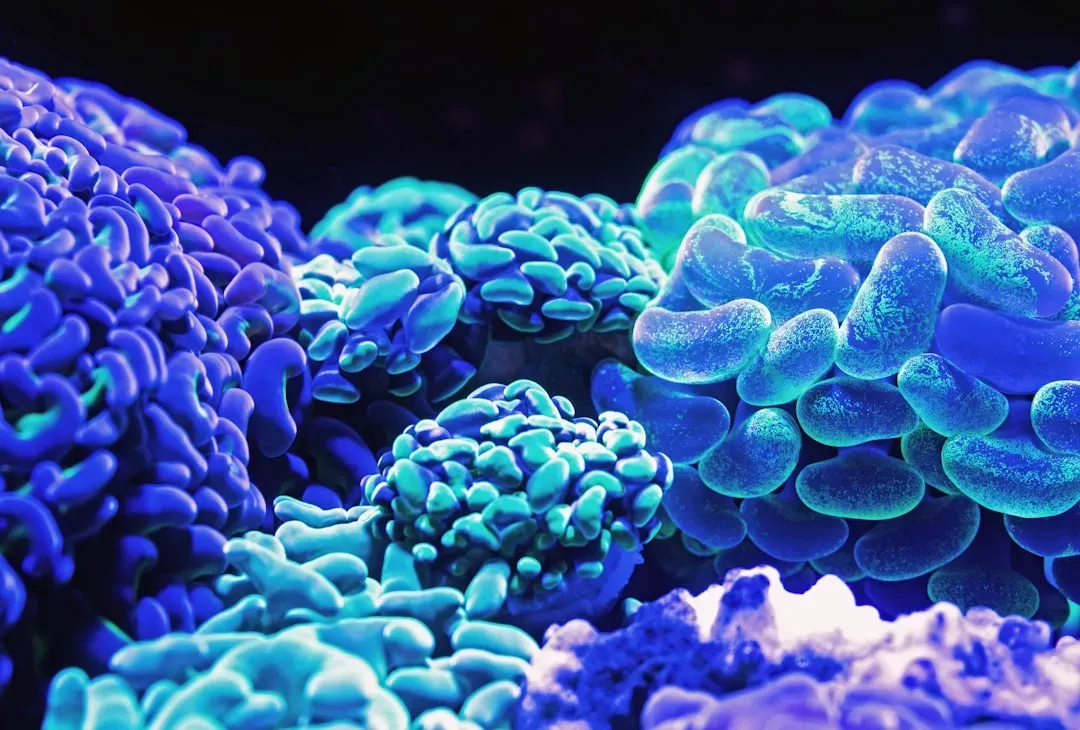
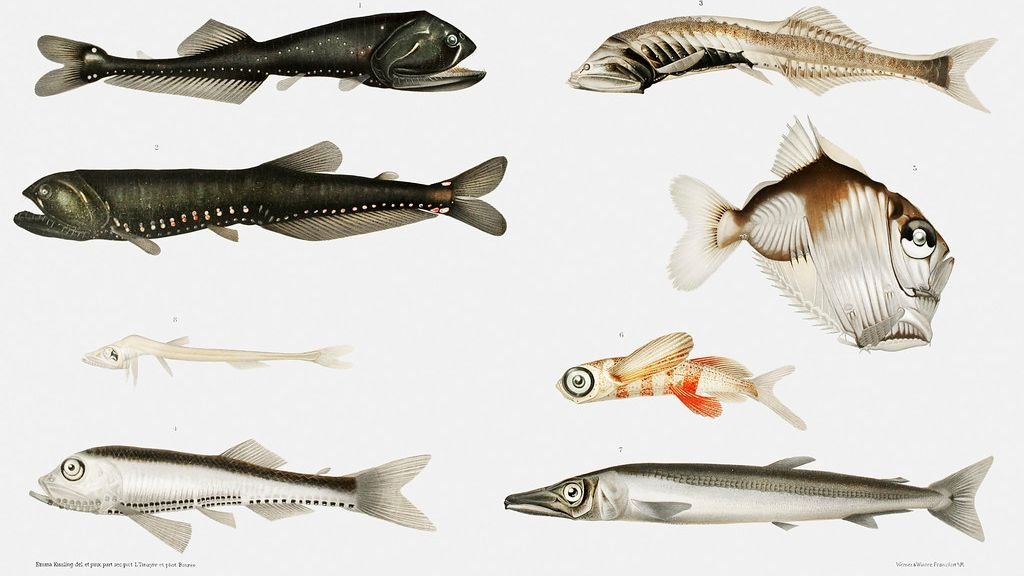
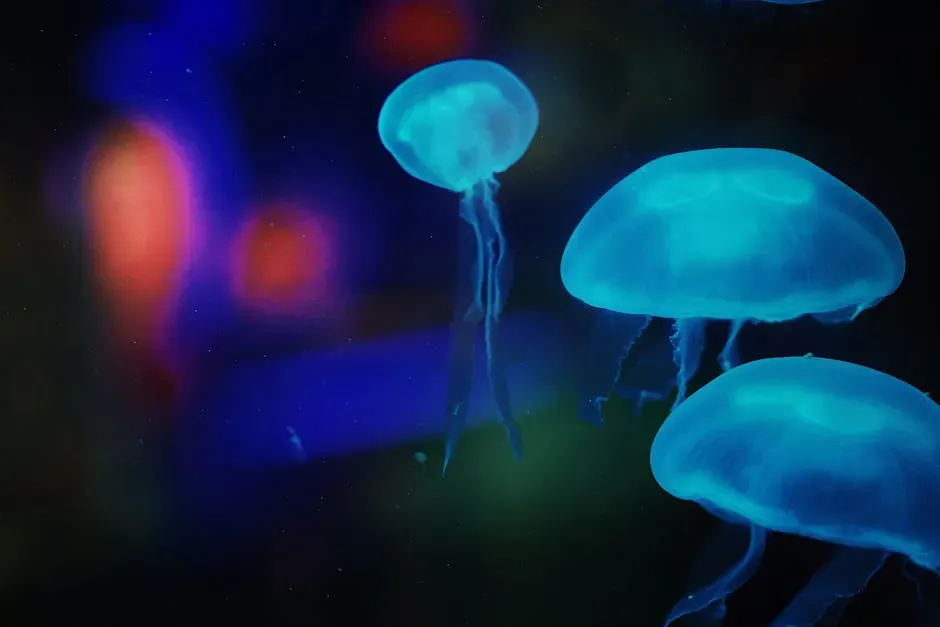
If you really want to be surrounded by living light, you wouldn’t go to a forest or a field; you’d head down into the deep ocean. Once you’re a few hundred meters below the surface, sunlight essentially disappears, and yet the darkness is full of points, streaks, and even clouds of blue and green light from living organisms. In some layers of the deep sea, a large portion of animals you would encounter are bioluminescent, including fish, jellyfish, squid, shrimp, and even some microbes.
Down there, glowing is not a rare party trick; it’s a standard survival tool. Animals glow to find food, attract mates, confuse predators, or hide against the faint light above. When you picture the deep ocean, imagine less an empty black void and more a cosmic sky turned upside down, with drifting constellations of living light pulsing and flashing all around you.
3. Bioluminescence Is Different From Fluorescence and Phosphorescence
You may have seen fluorescent posters under a blacklight or glow-in-the-dark stickers on a bedroom ceiling and assumed they were the same kind of glow as fireflies. They are not. Bioluminescence creates light from a chemical reaction inside the organism, while fluorescence and phosphorescence require an external light source to “charge” the material, which then re-emits that light. If you turn off the external light, a fluorescent object goes dark immediately, while a bioluminescent creature can keep shining as long as the chemistry keeps running.
Phosphorescent objects, like classic glow toys, slowly release stored energy as light over time, but again, they don’t make that light from scratch. A firefly, on the other hand, is generating new light on command, not just releasing what it has absorbed. When you see a living organism glowing in total darkness with no lamp or sun nearby, you’re almost certainly looking at true bioluminescence, not simple glowing paint or minerals.
4. Fireflies Use Morse-Code-Like Flashes to Talk and Attract Mates
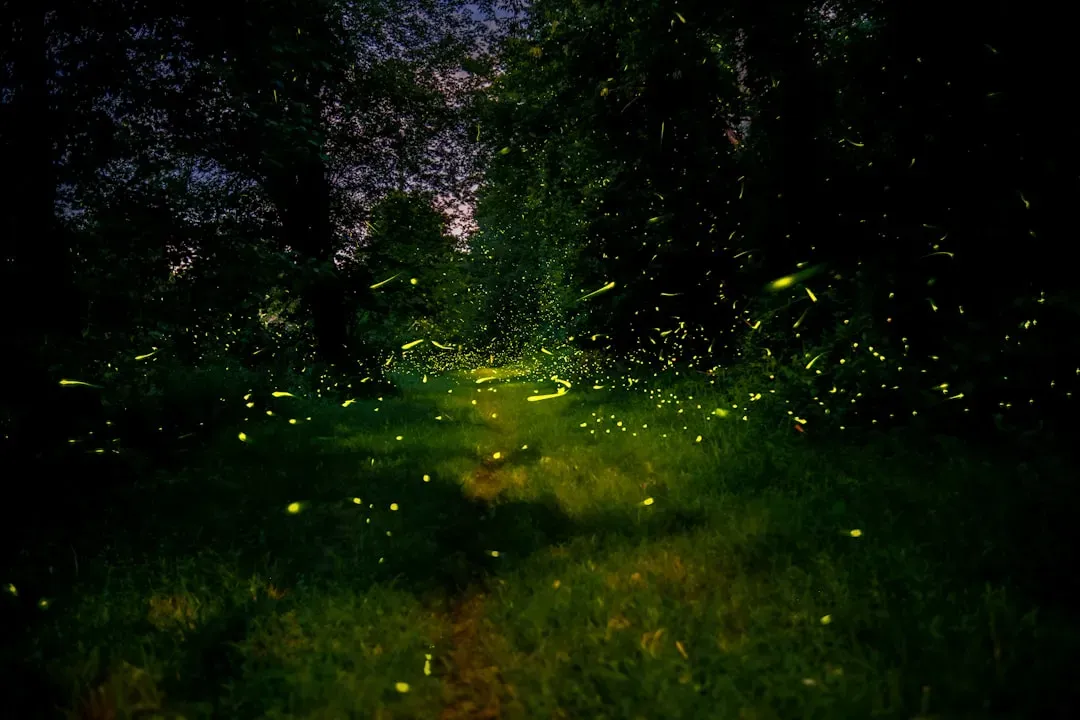
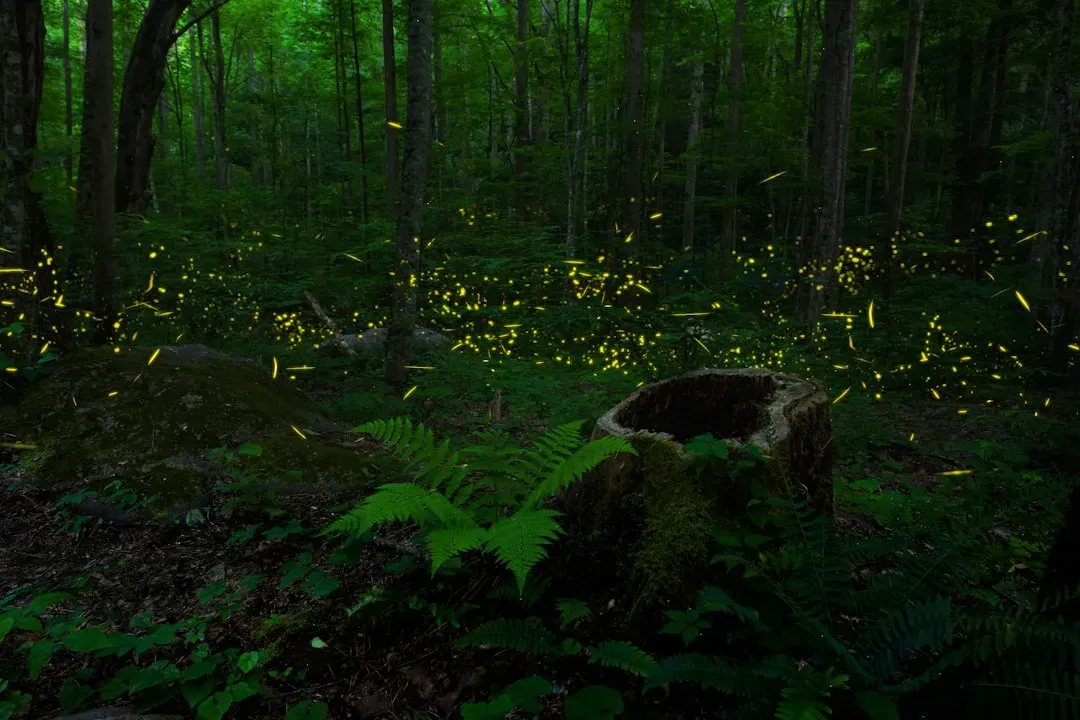
On a warm summer night, when you see fireflies blinking in a field, you might think they are just randomly twinkling. In reality, you’re watching a sophisticated light-based conversation. Each species of firefly has its own flash pattern, timing, and rhythm, like a built-in code that helps males and females of the same species find each other. Males often fly around flashing a specific pattern, and females waiting in grass or trees answer back with their own timed response.
There’s even a darker twist: some firefly species can mimic the mating flashes of other species to lure in unsuspecting males and then eat them. So when you see those serene, gentle blinks, keep in mind that you’re also looking at a battleground of deception, attraction, and survival. The light is beautiful to you, but to the fireflies, it’s a language, a dating app, and sometimes an ambush signal, all rolled into one.
5. Some Animals Glow to Disappear, Not to Be Seen
It sounds backwards, but some creatures use light not to stand out, but to vanish. In the open ocean, predators below you can look up and see your dark silhouette against the faint, filtered sunlight from the surface. To avoid this, many fish and squid have light organs on their undersides that produce a soft glow matching the light coming from above, a strategy called counterillumination. To a predator looking up, the glowing belly fills in the shadow so the animal blends seamlessly into the background.
This is like wearing the perfect color of clothing to match the sky, except the animal is actively adjusting the brightness of its “lights” to match changing conditions. Some species can control these organs incredibly precisely, tweaking intensity as the ambient light changes with depth or time of day. You might think glowing would make an animal more obvious, but in this case, the right glow is the ultimate invisibility cloak.
6. Other Creatures Use Light as a Lure or a Weapon
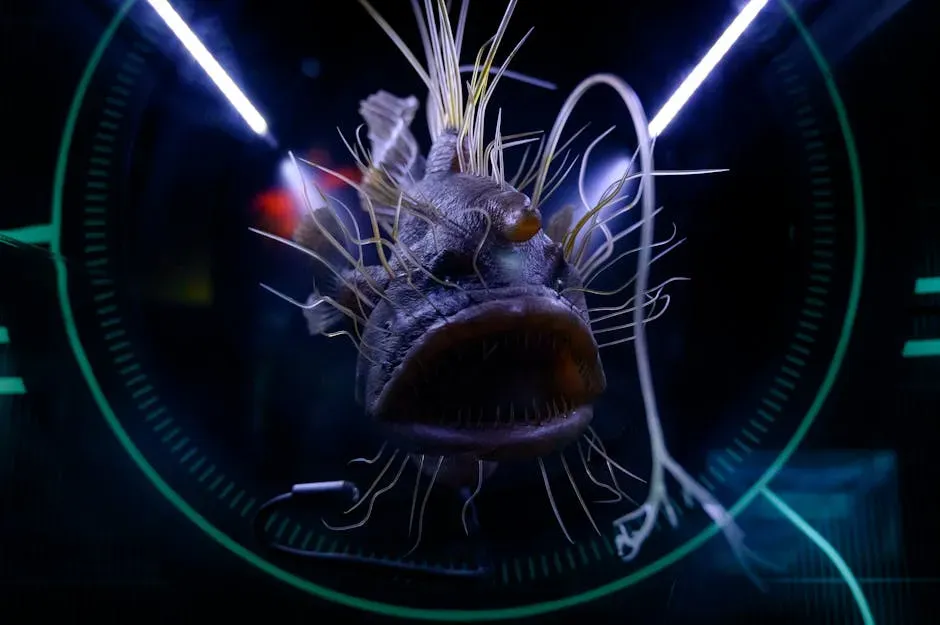
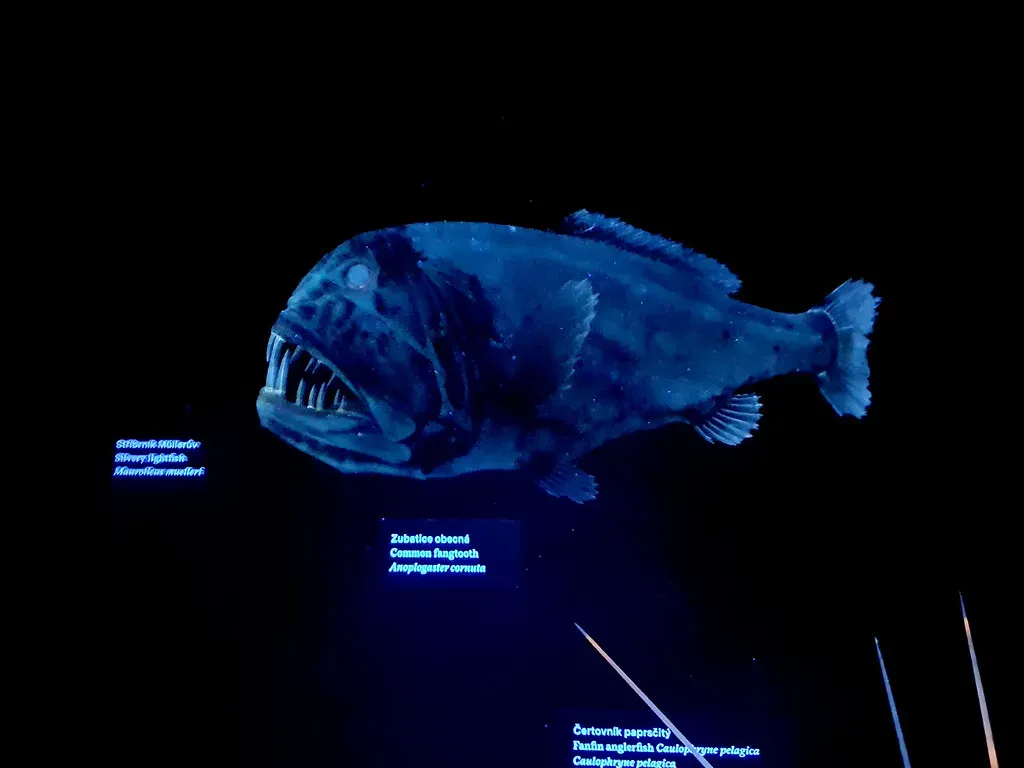
You have probably seen an image of an anglerfish, with its terrifying teeth and a glowing lure dangling in front of its mouth. That lure is powered by bioluminescent bacteria living in a special organ, and it works like a fishing bobber of light in the darkness. Curious prey swim up to investigate the glow, only to be swallowed in a split second. In the deep sea, where food is scarce, that little patch of light can be the difference between starving and surviving.
On the flip side, some animals use bioluminescence as a form of defense, almost like a flashbang. Certain shrimp and squid can eject glowing clouds of fluid into the water when threatened, startling or confusing predators long enough for them to escape. Others will suddenly flare brightly to shock or temporarily blind an attacker. When you imagine underwater combat, you probably think of teeth and speed, but light itself can be a powerful weapon.
7. Glowing Plankton Can Turn Ocean Waves Into Liquid Stars
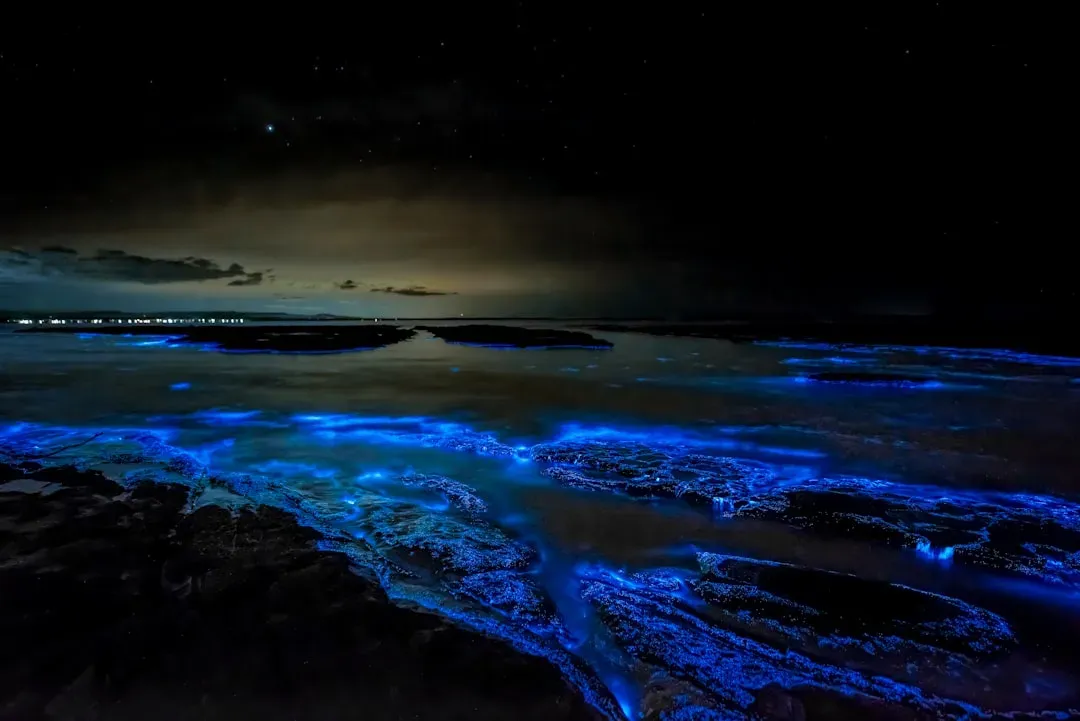
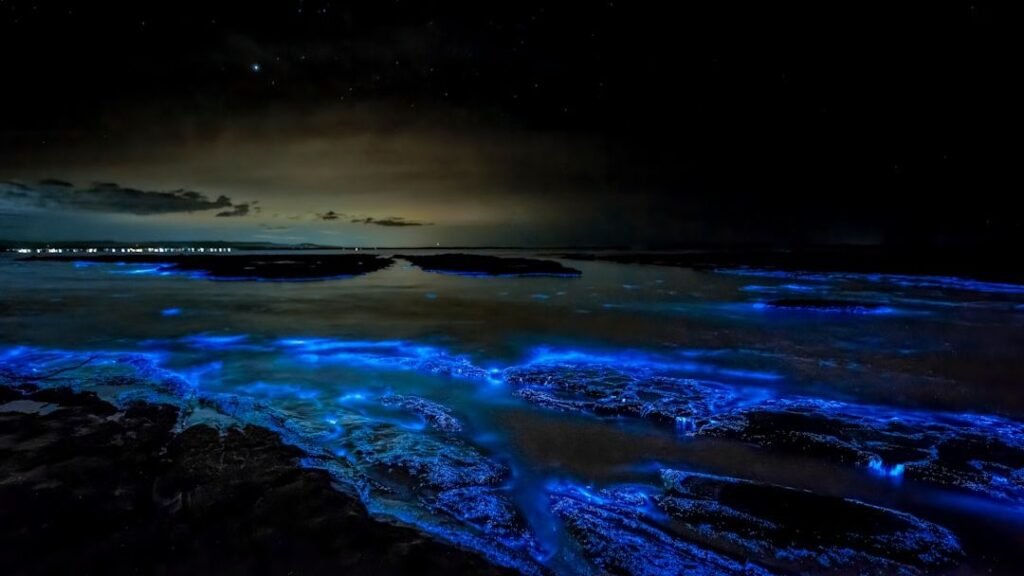
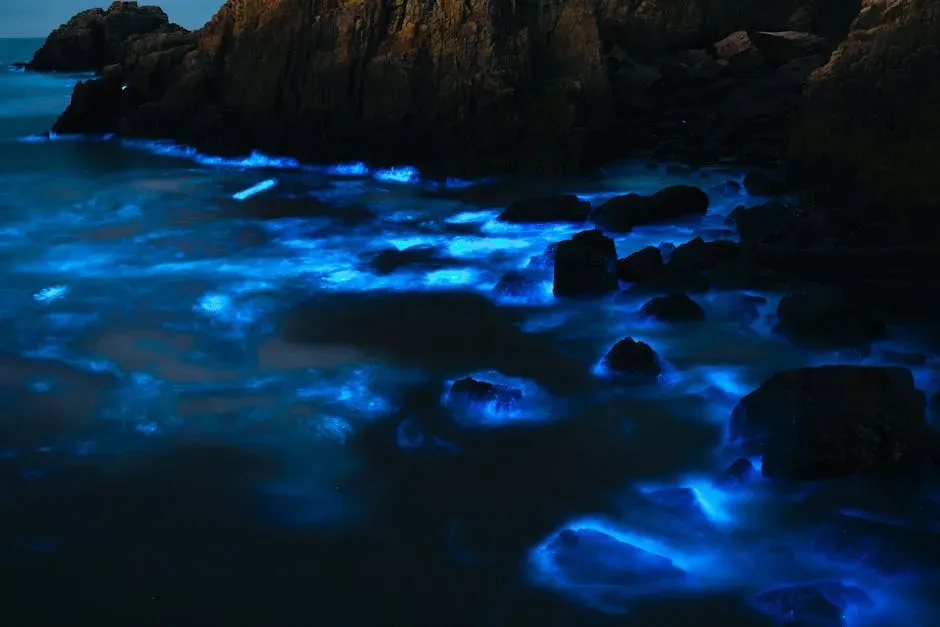
If you ever walk along a beach at night and see waves light up bright blue as they break, you are likely watching bioluminescent plankton, often tiny organisms called dinoflagellates. They glow when they are disturbed, so the crashing of waves, the splash of a kayak paddle, or even your footsteps in wet sand can trigger a cascade of sparks. The effect can be so intense that entire shorelines seem to shimmer like spilled starlight.
Scientists think this glow may act as a kind of burglar alarm. When a small predator disturbs the plankton, the sudden flash can attract larger predators, which may then eat the original attacker. So when you run your hand through glowing water, you’re not only creating a beautiful visual show; you’re also accidentally activating an ancient defense system that turns movement into bright, electric-looking pulses of light.
8. Fungi and Even Some Land Plants Can Glow Too
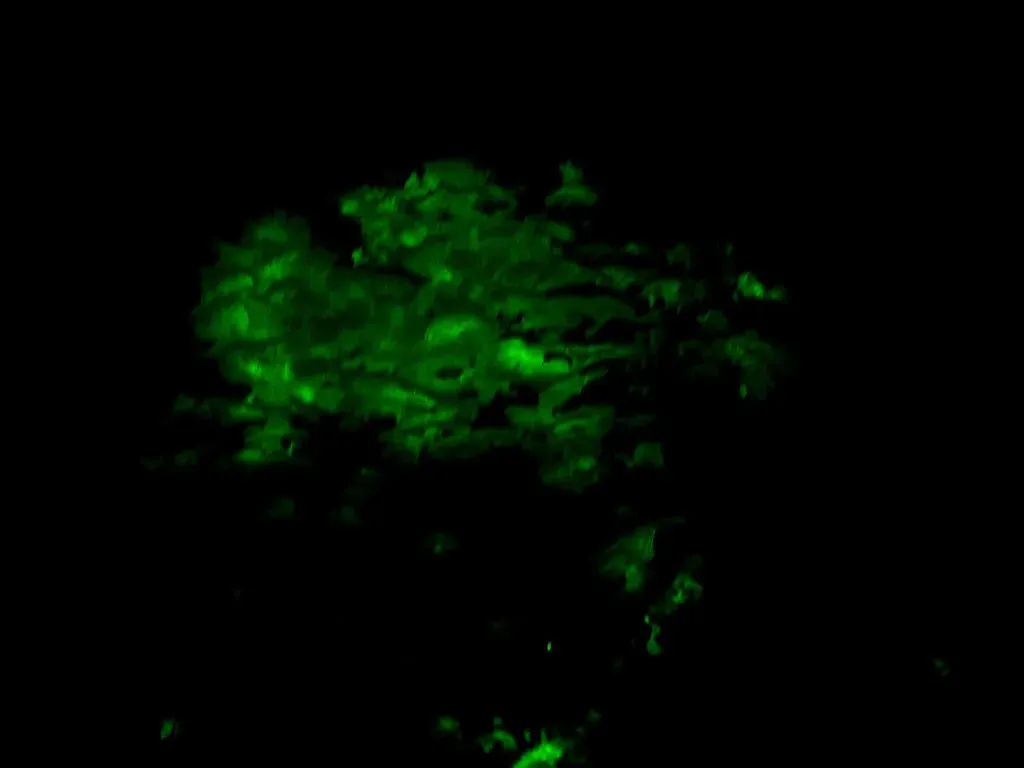
You might associate glowing life mostly with oceans and insects, but some forests come with their own quiet neon accents. Certain mushrooms, sometimes called “foxfire” or “ghost fungi,” naturally emit a soft greenish light from their caps or mycelium. If you were to walk through a humid forest at night where these fungi grow, you could see small patches of the forest floor or fallen logs faintly glowing, as if the ground itself were breathing light.
Researchers are still untangling exactly why fungi glow, but there is evidence that the light may help attract insects that then spread the spores. In recent years, scientists have even transferred fungal bioluminescence systems into some plants, creating houseplants that produce their own gentle light. You may not be buying fully glowing trees at the local nursery anytime soon, but the idea that everyday plants could one day softly light your room is no longer just science fiction.
9. Bioluminescence Is Changing Medicine, Research, and Technology
Beyond its beauty, bioluminescence has quietly become one of the most useful tools in modern biology and medicine. When scientists attach bioluminescent or related light-producing systems to specific genes or cells, they can literally watch biological processes light up, helping them track tumors, infections, or gene activity in real time. This approach lets researchers see where drugs are going in the body or how diseases spread, without having to cut open tissue again and again.
You also see related ideas in everyday technology, like certain imaging tools or sensors that use light signals to report what is happening at a microscopic level. There is ongoing work exploring how to harness bioluminescent systems for low-energy lighting, biosensors for pollution, and even new art forms. When you think about the glow of a firefly now, you’re not just looking at a pretty insect trick; you’re looking at a living blueprint that scientists are rewriting into tools that could reshape how you diagnose illness, monitor environments, and maybe even light your world.
Conclusion: A World Lit From Within
Once you know what you are looking at, bioluminescence stops being just a pretty party trick and becomes a window into how cleverly life has solved the problem of surviving in the dark. You see fireflies not as tiny lanterns, but as expert communicators; deep-sea fish not as monsters, but as engineers of camouflage, lures, and living flash grenades; and simple plankton as guardians that turn movement into a defensive beacon. The more you learn, the more it feels as if the planet has been quietly hosting its own light show all along, and you are only now dimming the room enough to notice it.
Next time you catch a glimpse of a glowing creature or a video of shimmering waves, you can remind yourself that this is not magic, and yet it is no less wondrous for being understood. You’re watching chemistry, evolution, and survival braided into one soft, shimmering glow. With so much of this hidden beneath the waves or in the shadows of forests, it makes you wonder: how many other natural light shows are still waiting for you to turn off the lights and really look?