
When you look in the mirror, you’re staring at a walking miracle of chemistry, physics, and time. Your heart is beating, cells are dividing, and thoughts are firing in your brain, all without you having to remember a single instruction. It feels ordinary because it happens every second, but under the hood, life is running some of the most mind-blowing processes in the known universe.
From the way plants turn sunlight into sugar, to the way your DNA tirelessly repairs itself, biology is basically a series of quiet miracles. In school, a lot of this stuff gets flattened into boring diagrams and vocabulary lists. But if you zoom in just a bit, it’s honestly wild how any of this works at all – and even wilder that it works so reliably that you can sit here and read this sentence.
Photosynthesis: Turning Sunlight into Food
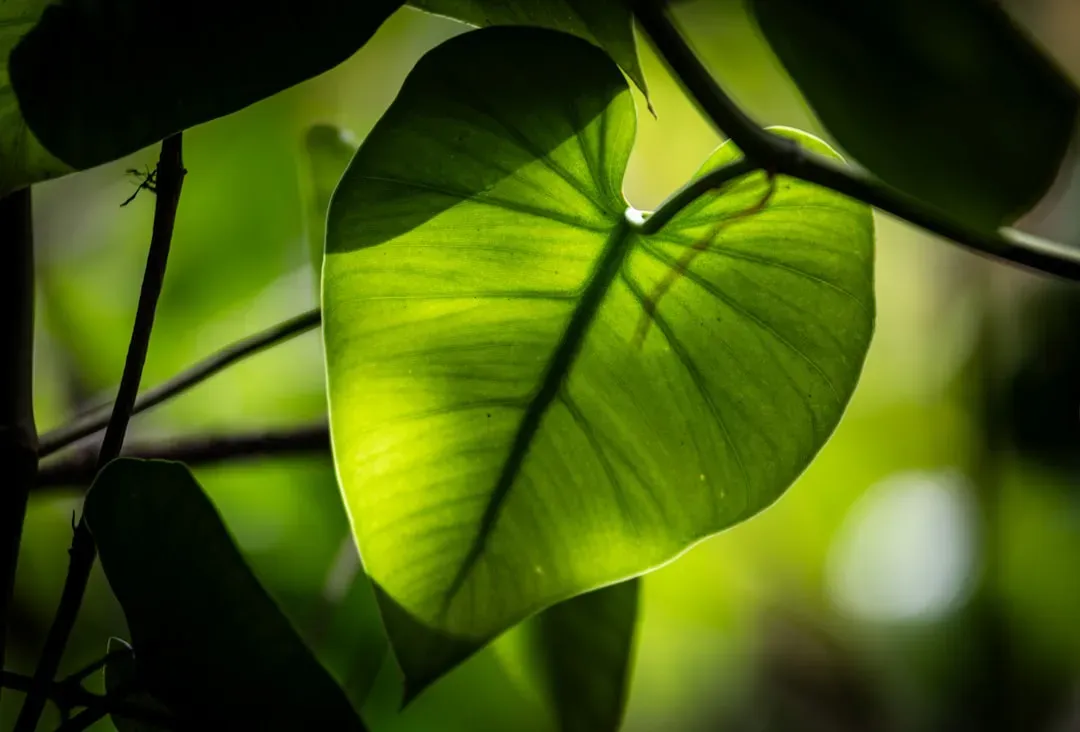
Imagine powering an entire city just by standing in the sun for a while – that’s essentially what plants do. Photosynthesis is the process where plants, algae, and some bacteria capture light energy and convert it into chemical energy stored in sugars. It happens mainly in chloroplasts, the tiny green structures packed with a pigment called chlorophyll that absorbs light. Inside those chloroplasts, light energy drives a cascade of reactions that split water, release oxygen, and eventually build energy-rich molecules like glucose.
What makes photosynthesis so astonishing is how efficient and foundational it is for life on Earth. Nearly all food chains start with organisms that do this, meaning every meal you eat is basically stored sunlight passed along. Photosynthesis also constantly replenishes the oxygen in our atmosphere, which animals – including us – need to breathe. The balance is delicate: if photosynthetic organisms faltered on a global scale, both our food systems and breathable air supply would crash. It’s quiet, green, and looks harmless, but it’s one of the most powerful energy-conversion technologies nature has ever engineered.
Cellular Respiration: Harvesting Energy from Food
While plants are busy making sugar, your cells have their own high-tech way of cashing it in. Cellular respiration is how living cells break down glucose and other molecules to release energy in a usable form called ATP, the main energy currency of the cell. This process happens mostly in mitochondria, sometimes described as the “powerhouses” of the cell, but they’re more like microscopic chemical factories running at full tilt. Inside them, energy from food gets passed down a chain of proteins, a bit like a waterfall spinning tiny molecular turbines.
The scale is hard to wrap your head around: your body produces and uses roughly your own weight in ATP every day, constantly recycling it as you move, think, and even sleep. Cellular respiration is also remarkably controlled; instead of burning sugar in one explosive reaction, cells release its energy step by step, minimizing waste and damage. When this process goes wrong, everything from muscle fatigue to serious metabolic diseases can appear. But when it’s working well, it’s so seamless you forget that every blink, every heartbeat, every keystroke is powered by a storm of chemistry inside you.
DNA Replication: Copying the Blueprint of Life
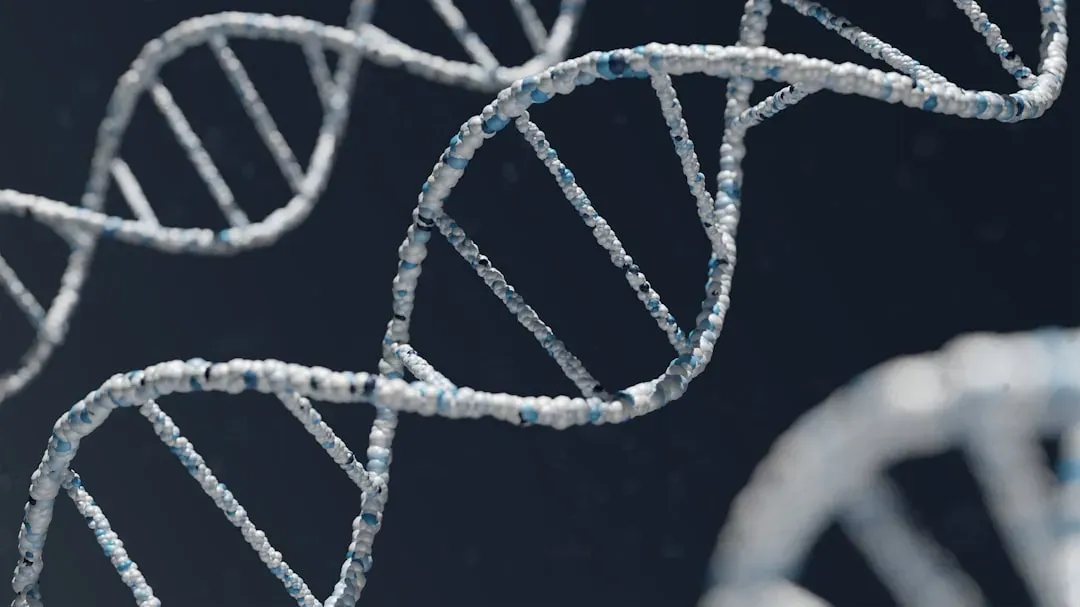
Every time one of your cells divides, it has to pull off an extremely delicate trick: copy its entire instruction manual without losing pages or mixing up the order. DNA replication is the process of duplicating a cell’s DNA so each new cell gets a complete set of genes. The DNA molecule is a long double helix, and during replication enzymes unzip it, read each strand, and build a matching partner strand using molecular “letters.” It’s like a team of super-fast, super-precise scribes copying a book while the pages are still turning.
The precision is stunning. Your cells make billions of new DNA letters every time they divide, and the error rate after proofreading is incredibly low. Specialized enzymes scan for mistakes, cut out incorrect pieces, and patch in the right ones. When errors do slip through, they can contribute to mutations – some harmless, some harmful, and occasionally, some that help species adapt over generations. So DNA replication is both a guardian of stability and a quiet source of change, preserving who you are while still leaving room for evolution to work.
Protein Synthesis: Building the Machinery of Life
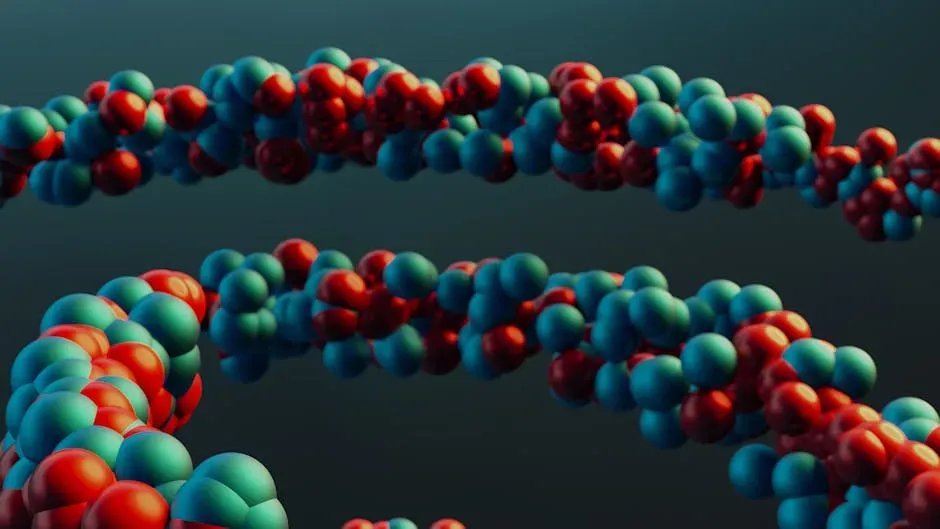
If DNA is a blueprint, protein synthesis is the actual construction work. Proteins do most of the real jobs inside a cell: they form structures, catalyze chemical reactions, move things around, and relay signals. Protein synthesis turns a gene’s instructions into a specific protein in two major steps: transcription and translation. In transcription, a copy of the gene is made in the form of messenger RNA, which acts like a temporary work order that leaves the DNA safe in the nucleus.
Translation is where it gets beautifully mechanical. Ribosomes, tiny molecular machines, read the RNA code three letters at a time and match each triplet with a specific amino acid. Piece by piece, they build a protein chain that then folds into a complex three-dimensional shape, like a string spontaneously folding into a functional tool. The same basic machinery builds everything from muscle fibers to antibodies using the same four-letter genetic alphabet. It’s a bit like having one universal assembly line that can switch from making bricks to engines to antennas, just by changing the instructions.
Mitosis and Meiosis: Driving Growth, Repair, and Reproduction
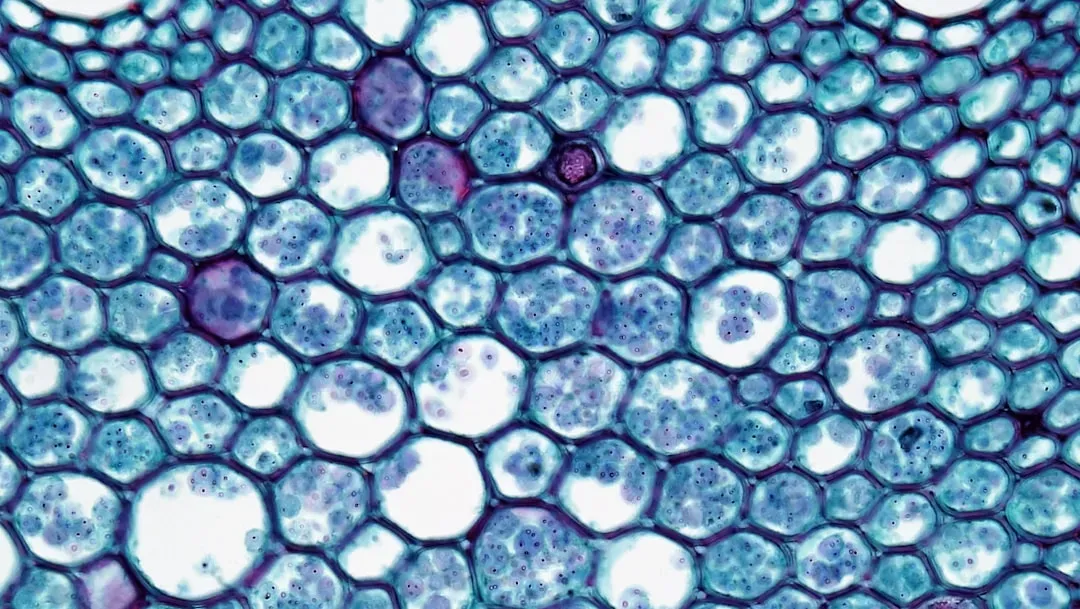
Your body is a constantly shifting mosaic of cells, and cell division is how it grows, heals, and passes life to the next generation. Mitosis is the process that produces new body cells identical to the original, allowing a cut to heal or a child to grow taller. During mitosis, chromosomes are carefully duplicated and then separated into two daughter cells with matching sets of DNA. It’s choreographed with almost eerie precision; if chromosomes mis-segregate, serious problems like developmental disorders or cancer can result.
Meiosis, on the other hand, is the specialized division that creates sperm and egg cells for sexual reproduction. Unlike mitosis, meiosis shuffles genetic material and cuts the chromosome number in half, so that when sperm and egg fuse, the offspring has a full set again. This shuffling – through processes like crossing over – creates new genetic combinations in every generation. That genetic diversity is a cornerstone of evolution, helping populations adapt to changing environments and resist diseases. Every person alive is a direct result of these two forms of cell division working together in staggeringly intricate ways.
Immune Response: Your Body’s Relentless Defense System
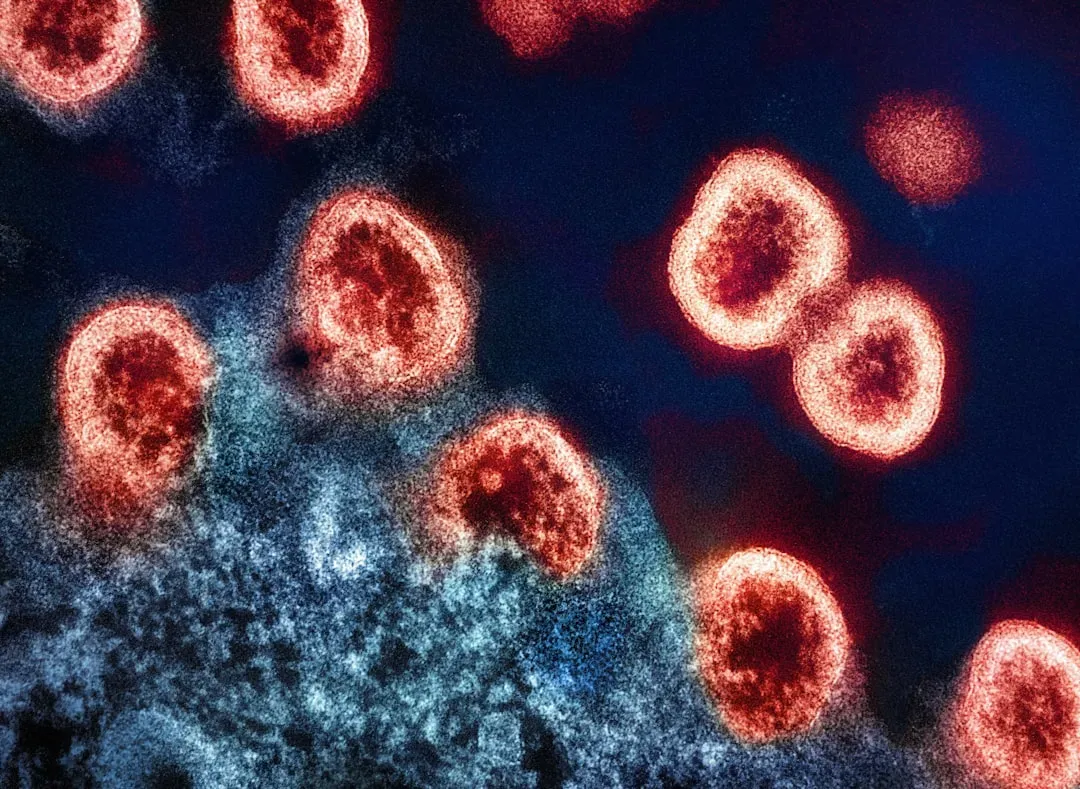
Right now, there are bacteria, viruses, and fungi trying to make a home in your body, and most of the time you don’t feel a thing. That’s because your immune system is on constant patrol, identifying threats and eliminating them with a ruthless efficiency that would make a security agency jealous. The immune response begins with general defenses like skin, mucus, and inflammation, which act quickly against many kinds of invaders. Then the adaptive immune system joins in, using specialized cells that can recognize specific pathogens with incredible precision.
What makes this process so extraordinary is its memory. After fighting off a particular virus or bacterium, your immune system often “remembers” it, so a second encounter triggers a faster, stronger response. This is the basis of how vaccines work: they train your immune system in advance, so it’s prepared without you having to get seriously ill first. Of course, the system isn’t perfect; it can be tricked by new variants, or misfire and attack your own tissues, leading to autoimmune diseases. But for most people, most of the time, it silently keeps life-threatening infections at bay while you go about your day, blissfully unaware of the microscopic battles being fought on your behalf.
Neuronal Signaling: Electricity and Chemistry in Your Brain
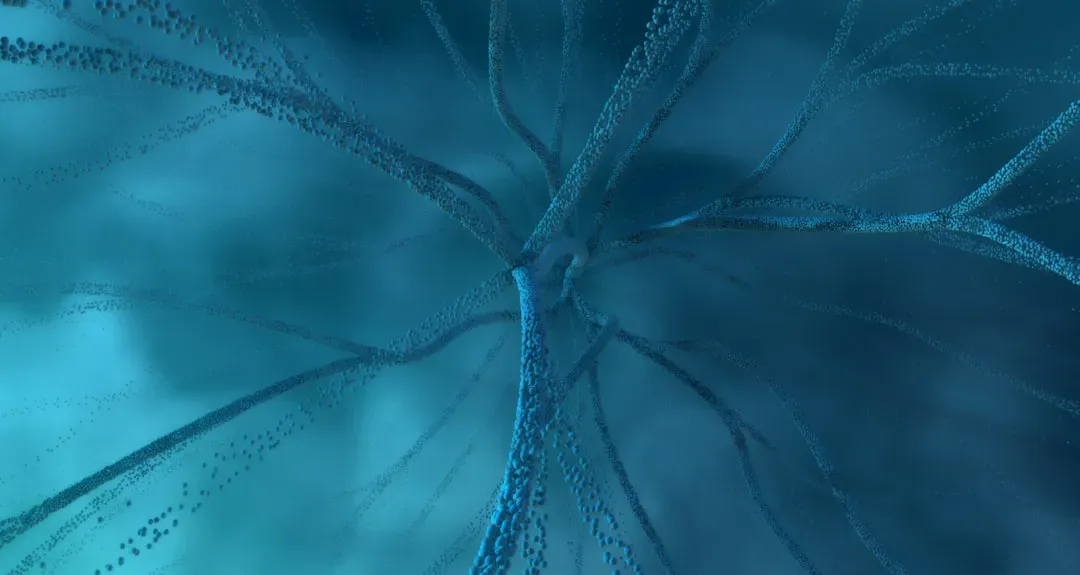
Every thought you have, every memory, every feeling of awe or boredom is built from cells talking to each other at high speed. Neuronal signaling is the process that allows nerve cells, or neurons, to send messages using electrical impulses and chemical messengers. Along the length of a neuron, a quick electrical signal called an action potential shoots down like a tiny lightning bolt. When it reaches the end of the neuron, it triggers the release of neurotransmitters, molecules that cross a gap to the next cell.
This all happens in milliseconds, and it happens trillions of times a day in a human brain. Networks of neurons constantly adjust their connections based on experience, strengthening some paths and weakening others. That flexibility, often called plasticity, is how you learn new skills, form habits, and store memories. The same underlying signaling can produce everything from a reflex that pulls your hand away from a hot stove to the slow, layered feelings involved in falling in love. It’s basically a living, self-rewiring circuit board that writes its own software as it runs.
Homeostasis: Keeping the Internal Balance
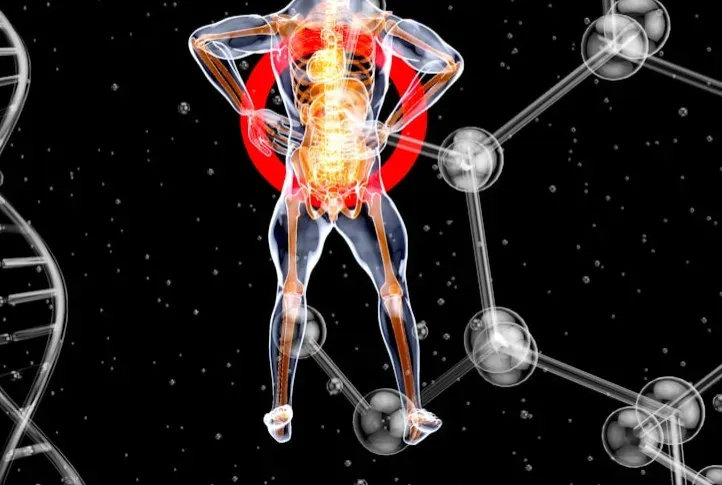
Life doesn’t just happen; it has to be kept within some very tight boundaries to work. Homeostasis is the set of processes that keep the internal conditions of an organism relatively stable, even when the outside world is chaotic. Your body temperature, blood sugar, salt levels, and pH all hover in narrow ranges that cells can tolerate. When something drifts too far, sensors detect the change and trigger responses to bring things back into balance, like a thermostat switching on the heat when the room gets too cold.
The beauty of homeostasis is how many systems work together in feedback loops. If your body temperature rises, you sweat and your blood vessels widen near the skin to release heat; if it drops, you shiver and conserve warmth. Hormones, nerves, and organs coordinate constantly without your conscious input, making thousands of tiny corrections every hour. When these systems fail or are overwhelmed, illness follows – think of dehydration, heat stroke, or uncontrolled diabetes. But when they work, you glide through wildly different environments and experiences, barely noticing that your body is operating like a finely tuned control system.
Evolution by Natural Selection: Life’s Long Game
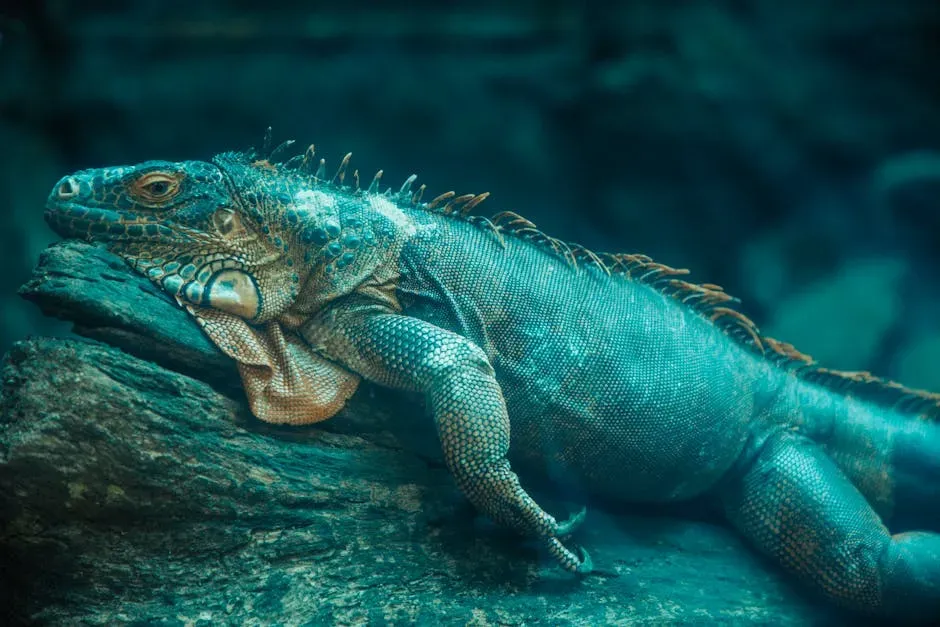
Most biological processes happen within a single lifetime, but evolution by natural selection plays out across many generations. It’s the process that shapes species over time as individuals with traits better suited to their environment tend to survive and leave more offspring. Those helpful traits, rooted in genetic variation, gradually become more common in the population. This isn’t guided by any intention; it’s more like a long series of tiny edits, where reality itself is the editor.
The result is both brutally simple and endlessly creative. Over immense stretches of time, natural selection has produced everything from the streamlined body of a dolphin to the complex eye of an eagle and the social brains of humans. We see its fingerprints in antibiotic-resistant bacteria today and in fossils that reveal long-extinct life forms. Evolution doesn’t plan ahead, but it constantly tests what works in the moment, keeping life aligned with a changing planet. In a way, all the other processes – DNA replication, mutation, reproduction – feed into this one, making evolution the slow, steady engine behind the living world’s staggering diversity.
Conclusion: The Quiet Miracles Inside Every Moment
When you stack these processes side by side – photosynthesis, respiration, DNA replication, protein building, cell division, immunity, brain signaling, homeostasis, and evolution – it’s hard not to feel a little stunned. Life is not just one miracle; it’s a layered system of interlocking miracles, each one precise enough to work and flexible enough to adapt. Most of the time, they run in the background, unnoticed, like a flawless operating system that never crashes. But understanding even a fraction of what’s going on can make an ordinary breath or a walk in the park feel strangely profound.
I still catch myself staring at a leaf or thinking about a racing heartbeat and feeling a mix of awe and disbelief that all of this is “normal.” We’re so used to being alive that we forget how outrageously unlikely it all is. Maybe the most astonishing thing is that these processes don’t just keep us going – they also gave us the curiosity to study them in the first place. Knowing what you know now, which of these hidden engines of life surprised you the most?