If you live anywhere near wild country in the western United States, there’s a decent chance a mountain lion has slipped past your neighborhood in the middle of the night and you never knew it. These big cats live in a shrinking world, boxed in by highways, suburbs, vineyards, and energy projects. What used to be a continuous wilderness is now a maze of deadly gaps. Wildlife corridors are one of the few concrete tools we have to stitch that maze back together.
When I first saw a trail‑camera clip of a young lion successfully crossing under a busy freeway through a narrow underpass, it honestly shook me. It felt like watching an animal walk a tightrope over extinction itself. Corridors are not a magic fix, but they’re shockingly powerful when done right. From freeway overpasses lush with native plants to quiet creekside strips that look unassuming on a map, they are giving mountain lions a fighting chance in a human-dominated landscape.
1. Reconnecting Isolated Populations Across Highways and Cities
Imagine trying to find a partner, food, and a safe home when your world is chopped into islands by rivers of speeding cars and walls of concrete. That’s exactly what mountain lions face in places like Southern California, where major freeways have turned once‑continuous habitat into genetic dead ends. Wildlife corridors, especially purpose‑built overpasses and underpasses, function like bridges that quietly reunite these islands of habitat so lions can actually move, explore, and survive.
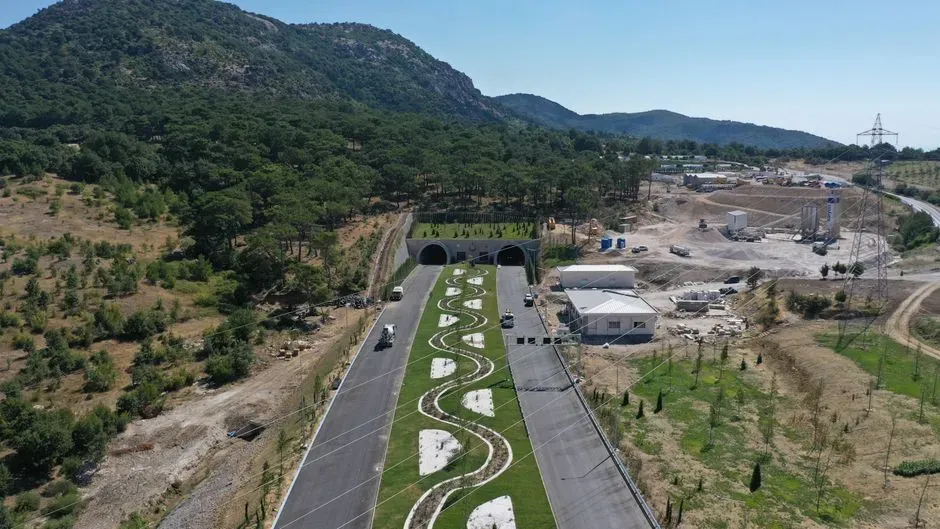
These structures are not just empty tunnels and bridges; they are carefully designed pathways that feel safe to a wary predator. Engineers and biologists tweak the width, height, noise level, lighting, and vegetation so lions will actually use them instead of risking open pavement. When tracking collars show a cat safely crossing a freeway it previously bounced off again and again, you can literally see the corridor turning a lethal barrier back into a navigable landscape.
2. Reducing Deadly Vehicle Collisions
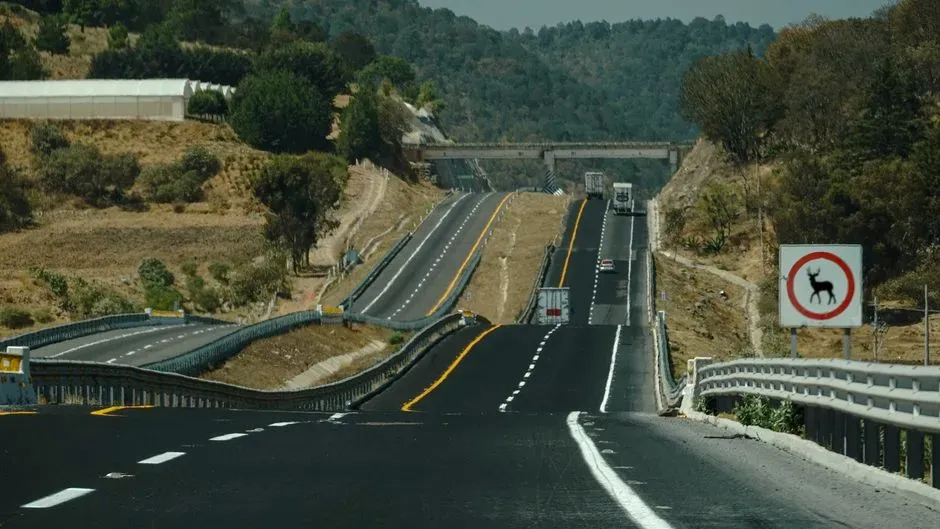
One of the most heartbreaking realities of fragmented landscapes is how many mountain lions die on roads. A single highway can quietly kill several animals a year, and when populations are already small, every loss matters. Corridors that funnel animals toward safe crossing points dramatically cut down on these collisions, especially when paired with fencing that keeps lions off the asphalt and guides them to underpasses or overpasses.
There’s something oddly hopeful about this: a problem humans created with pavement and speed can be partly undone with smart design and some well-placed fencing. Over time, as more animals learn and follow the safe routes, roadkill numbers tend to drop, and so do the tragic headlines about famous local lions struck by cars. It is one of the clearest, most measurable benefits of wildlife corridors, and you do not need to be a scientist to understand the power of fewer dead cats on the roadside.
3. Boosting Genetic Diversity and Long-Term Survival
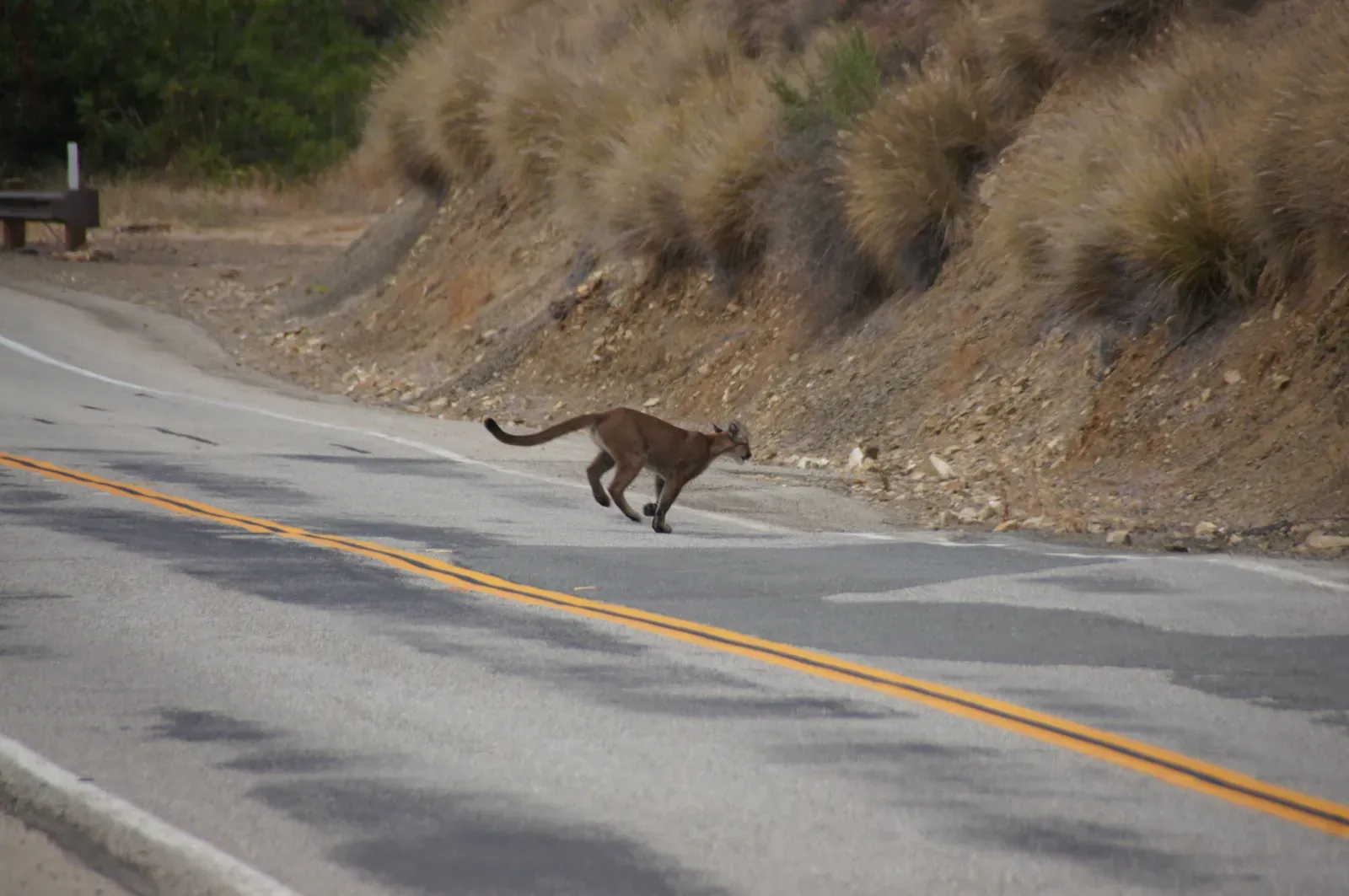
Mountain lions are solitary, and they roam over huge territories, but they still need to meet other lions to breed. In highly fragmented landscapes, a few small, isolated groups can become genetic islands where inbreeding starts to creep in, leading to health problems, lower survival, and even strange physical deformities. Corridors give these populations a lifeline by allowing new males and females to move in, shake up the gene pool, and restore some much‑needed diversity.
Scientists track this change through DNA samples, and the results from places with well-designed corridors are cautiously optimistic: new genetic lineages show up once animals finally have safe routes across roads and developed areas. The way I see it, every successful crossing by a dispersing young male looking for territory is like a deposit into a long‑term survival account for that population. Without corridors, some of these groups are on a quiet trajectory toward genetic collapse, even if they look fine to a casual observer today.
4. Creating Safe Pathways for Dispersing Young Lions
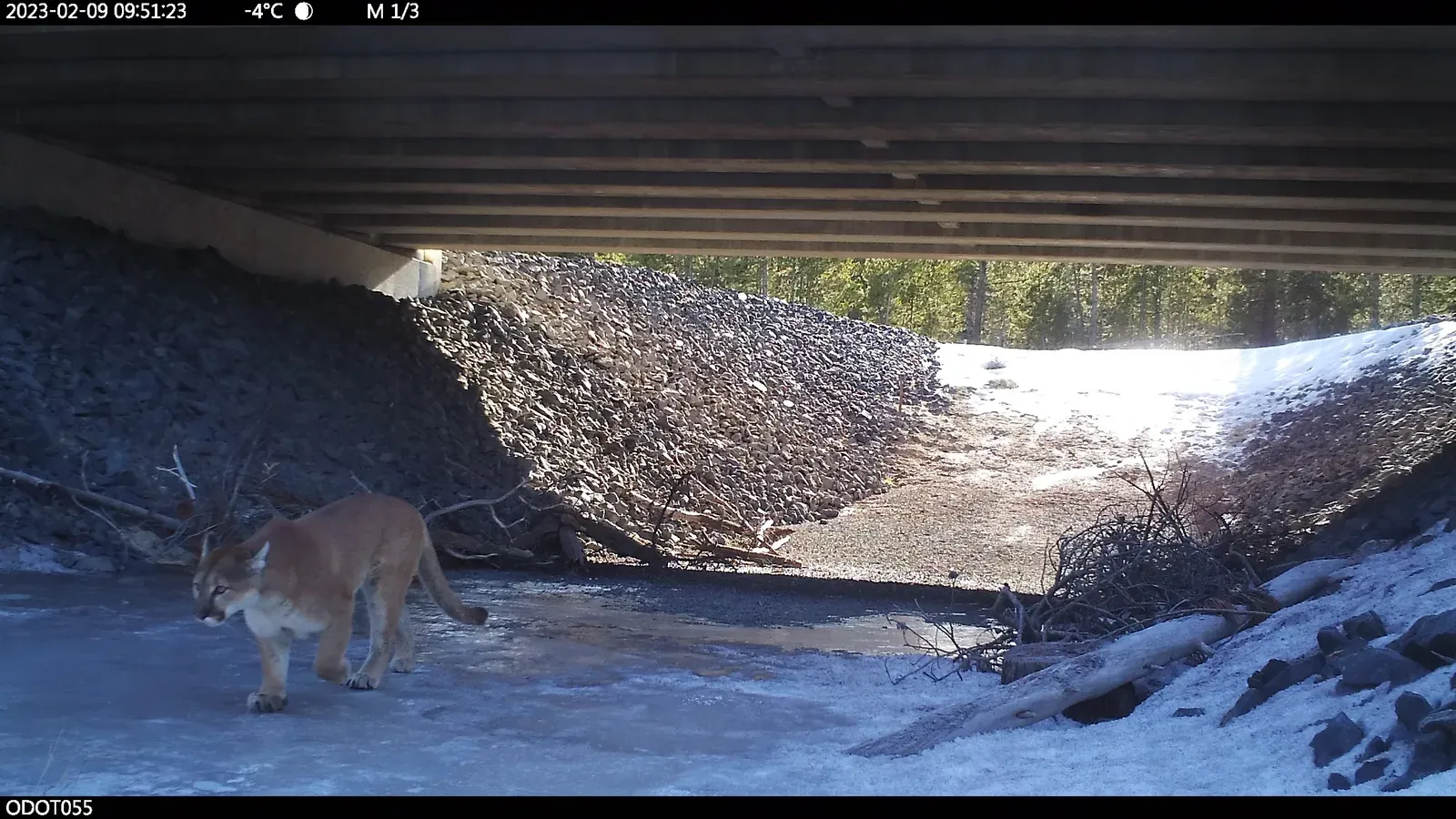
Most mountain lions do not spend their adult lives anywhere near where they were born. Young males especially can travel jaw‑dropping distances as they search for open territory and avoid older, dominant males. In fragmented landscapes, that natural dispersal becomes a high‑risk, high‑mortality journey through suburbs, road networks, and fenced farmland. Wildlife corridors act like secret back alleys and side doors, offering safer routes that avoid the most dangerous choke points.
Trail cameras have recorded young lions using narrow riparian strips, foothill ridges, and road undercrossings as stepping stones through what otherwise looks like a human world. When those stepping stones are connected – protected creek corridors, vegetated overpasses, undeveloped ridgelines – they start to function like a loose‑knit highway system for cats. For these young dispersers, a corridor can literally mean the difference between establishing a new home range and ending up in someone’s backyard, a busy freeway lane, or the sights of law enforcement forced into a lethal removal.
5. Supporting Prey Movement and Overall Ecosystem Health
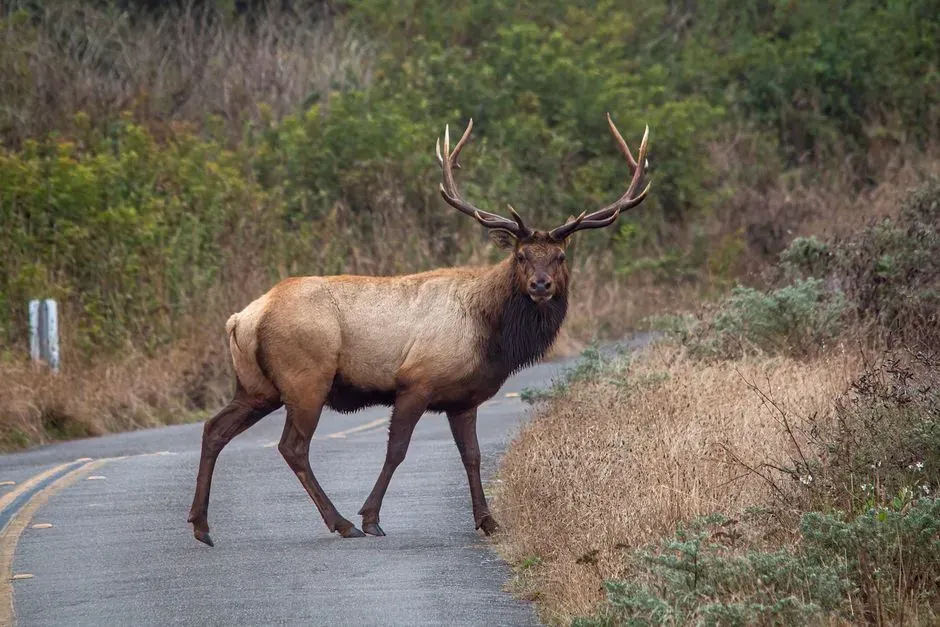
Mountain lions do not move through a vacuum; they follow prey. Deer, elk, and smaller mammals also need to travel between feeding, resting, and breeding areas, and fragmented landscapes make that harder too. A corridor that works for lions often doubles as a pathway for these prey species, keeping natural predator–prey dynamics intact instead of forcing animals into tiny pockets where overgrazing or overhunting can quickly tilt the balance.
Over time, this movement helps maintain healthier vegetation, more dynamic food webs, and even better conditions for things like pollinators and songbirds. It is a ripple effect: give a mountain lion a pathway, and you often end up giving an entire suite of species a way to move, adapt, and respond to droughts, fires, or shifting seasons. That is why many ecologists argue that corridors are not just lion projects; they are ecosystem infrastructure, the biological equivalent of keeping the circulation system open in a living body.
6. Allowing Climate and Fire Adaptation Through Range Shifts
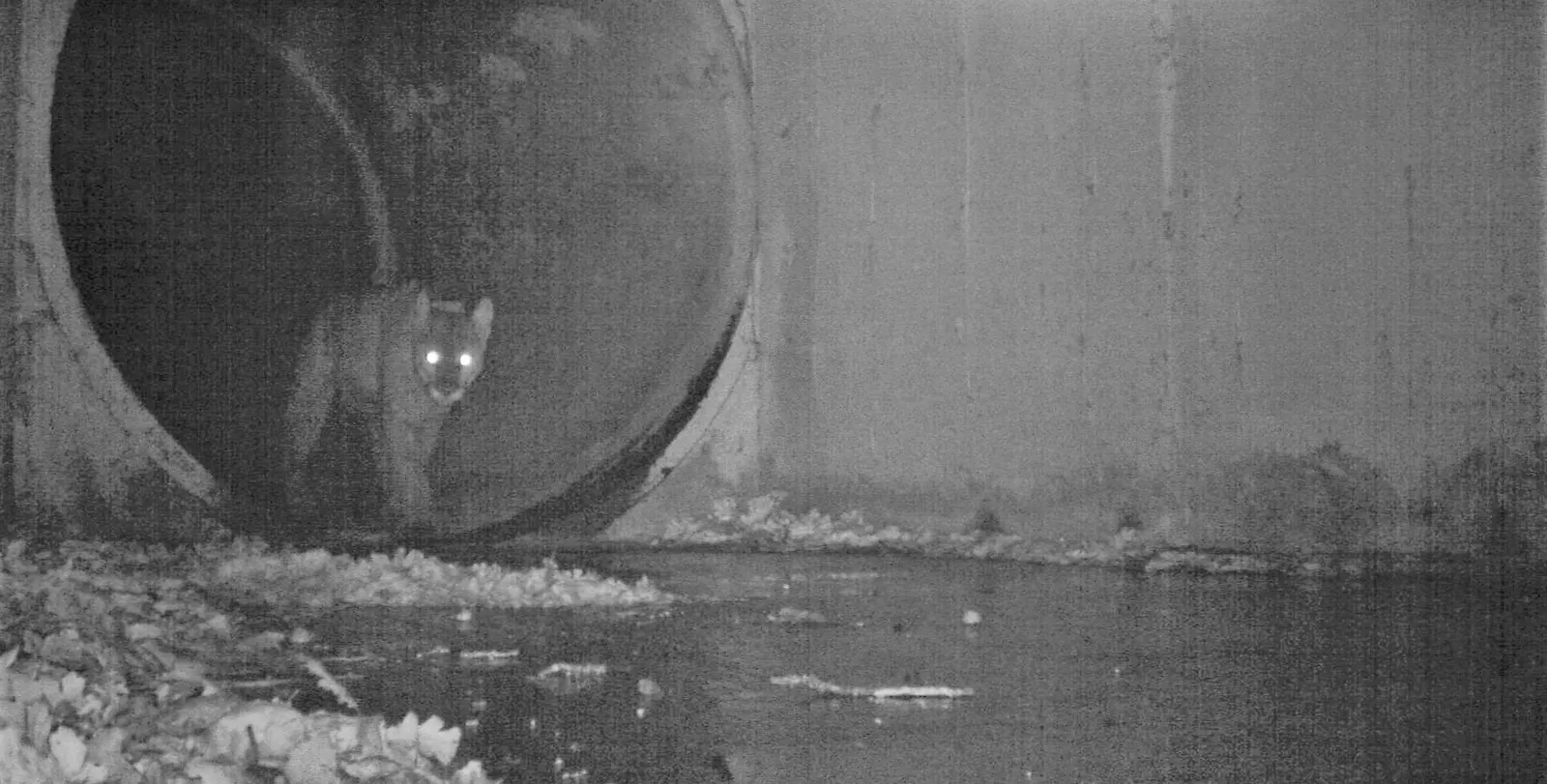
In a warming, more fire‑prone world, mountain lions cannot just stay put and hope for the best. As prey shifts to higher elevations, cooler ravines, or greener patches after a big wildfire, predators need the freedom to follow. Fragmented landscapes, with their fences, subdivisions, and highways, can trap lions in areas that no longer support them well. Corridors that connect lowlands to foothills, and foothills to higher mountains, give them vertical and horizontal escape routes.
These routes matter during and after disasters too. After a major wildfire, the surviving cats often have to navigate a mosaic of burned and unburned patches, sometimes moving into new drainages or mountain ranges entirely. Corridors that preserve creek lines, ridges, and key passes allow for this kind of reshuffling instead of forcing desperate crossings through neighborhoods or along exposed roads. If we want lions to be part of future landscapes, not just relics of the past, helping them move in step with a changing climate is non‑negotiable.
7. Reducing Human–Lion Conflict by Guiding Movement Away from Homes
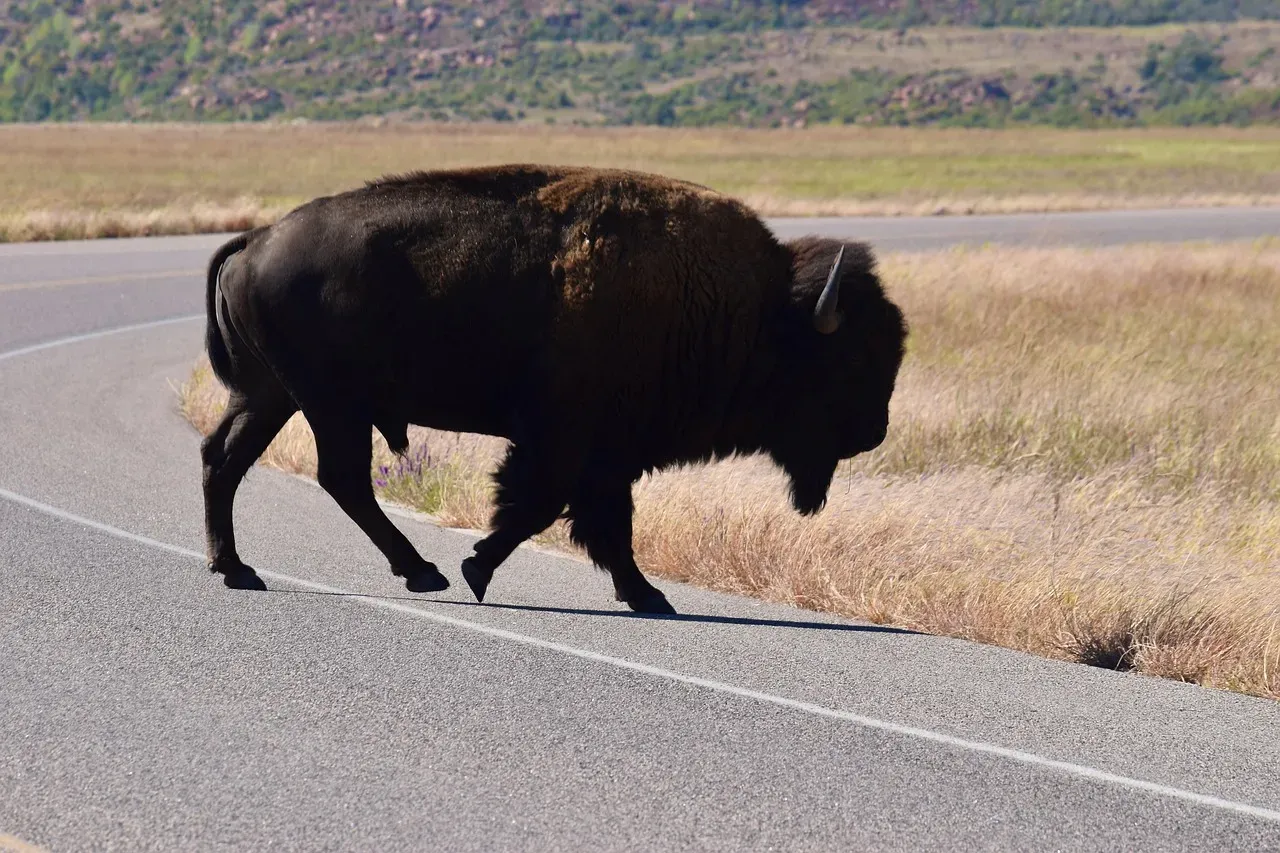
I used to think that giving mountain lions more ways to move around people would automatically mean more conflict. The counterintuitive truth is that good corridors usually do the opposite: they give lions predictable, relatively wild pathways so they are less likely to wander into backyards, livestock enclosures, or schoolyards. When movement is channelled through vegetated underpasses, creek greenways, and protected ridgelines, encounters with humans tend to become rarer and more fleeting.
This is where thoughtful design really matters. Corridors that skirt the edges of dense neighborhoods instead of slicing right through them can act like quiet bypass routes for predators and prey. Paired with community education, better garbage management, and smarter livestock practices, corridors help keep the relationship between people and mountain lions mostly invisible, which is exactly how both sides prefer it. From my perspective, they are one of the few tools that simultaneously support lion conservation and give communities a practical path to coexistence.
8. Inspiring Public Support and Large-Scale Conservation Planning
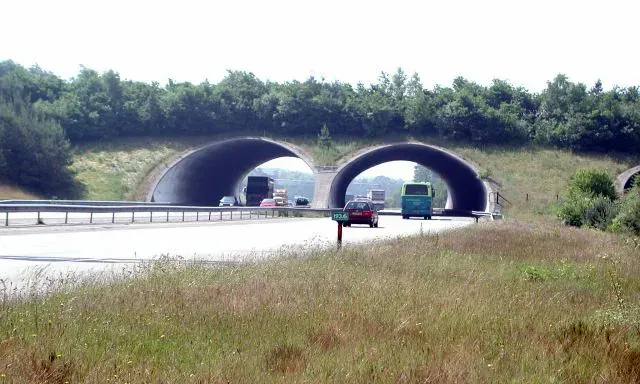
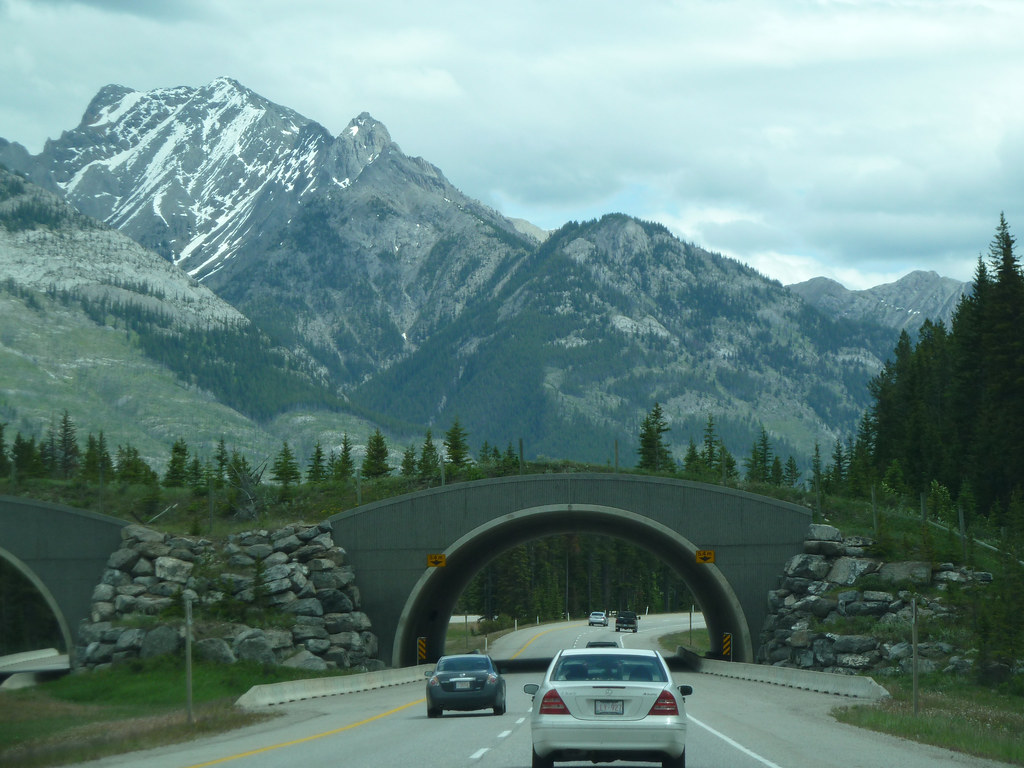
There is something visually and emotionally powerful about a wildlife overpass blooming with native plants arching over a river of headlights. These projects capture public imagination in a way that abstract conservation plans almost never do. When people see a visible, tangible structure built specifically for animals, they start to understand that coexistence is not just a slogan; it is a real design choice we can make. That visibility helps secure funding, political support, and long‑term planning commitments that go far beyond one species or one crossing.
What often starts as a project to help a struggling mountain lion population can morph into a broader conversation about regional connectivity, open‑space protection, and smarter land‑use planning. Corridors end up on maps, in zoning discussions, and in school projects, slowly shifting how communities think about development. In my opinion, this cultural shift might be the most underrated benefit of all. Once you see your city or region as part of a movement network for wildlife, it becomes harder to accept every new barrier as inevitable and easier to demand that the next road, housing tract, or solar field be built with those invisible paw prints in mind.
Conclusion: Corridors Are Not a Luxury, They Are the Bare Minimum

When you put all of this together – fewer road deaths, healthier genes, safer dispersal, more resilient ecosystems, and less conflict with people – it becomes hard to argue that wildlife corridors are some kind of optional, feel‑good add‑on. For mountain lions living in heavily fragmented landscapes, they are the bare minimum needed to keep populations functional and free enough to still act like wild animals. Without connectivity, we are not really conserving lions; we are curating small, isolated remnants and hoping they somehow beat the odds.
Personally, I think the most honest stance is a bold one: if we choose to carve up landscapes with highways and sprawl, we also choose the responsibility to sew some of it back together. Corridors are a practical, proven way to do that, and they are one of the few tools that give me real hope that mountain lions can share space with tens of millions of people and still thrive. The question is not whether they work – they clearly do when we invest in them – but whether we are willing to build enough of them, fast enough, to matter. If you look at the roads around your own town, what paths for wild movement can you imagine threading back through that concrete web?