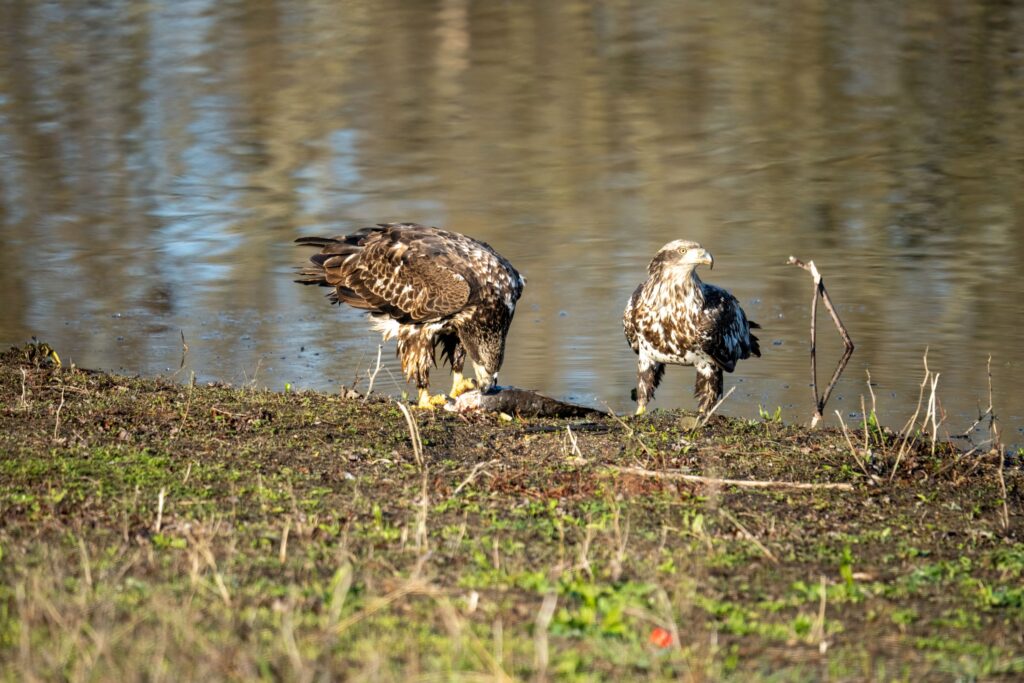
For a bird that once teetered on the edge of disappearing from the Chesapeake Bay, the bald eagle has staged a comeback that still feels a bit miraculous. Not long ago, spotting a single eagle felt like winning the wildlife lottery; now, in many parts of the Bay, you can watch them glide overhead like they own the sky again. That shift did not happen by accident, and it definitely did not happen overnight.
What changed? A lot, actually: laws, chemicals, land use, fishing rules, and even how ordinary people think about nature. The story of the bald eagle’s return along the Chesapeake is really a story about how messy, stubborn, and surprisingly hopeful conservation can be. Let’s dig into the seven biggest reasons these birds are thriving again – and why their success says something important about what we’re capable of fixing.
Reason 1: Banning DDT Stopped a Silent Killer
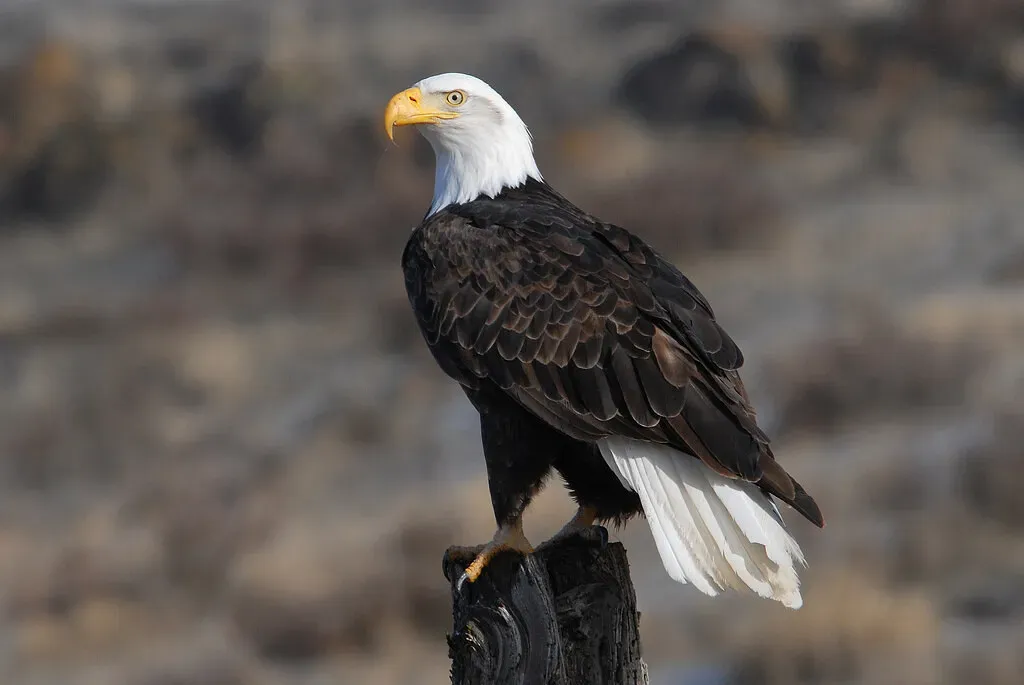
If there is a single turning point in the bald eagle’s story, it is the nationwide ban on the pesticide DDT in the early 1970s. DDT did not usually kill adult eagles directly; it did something more insidious, building up in the food chain until it reached top predators like eagles and ospreys. When that happened, females laid eggs with shells so thin that they cracked under the parents’ own weight, turning entire nesting seasons into tragic failures.
Along the Chesapeake Bay, where fish are the main course on an eagle’s menu, DDT’s effects were especially brutal. Once the pesticide was banned, the concentration of its breakdown products in fish slowly dropped, and with it the pressure on raptors’ reproductive systems. It took years before the eagles’ chemistry reset enough for eggshells to toughen and hatching rates to truly rebound, but the ban removed the main invisible force pushing the birds toward local extinction.
Reason 2: Stronger Wildlife Laws Gave Eagles Legal Muscle
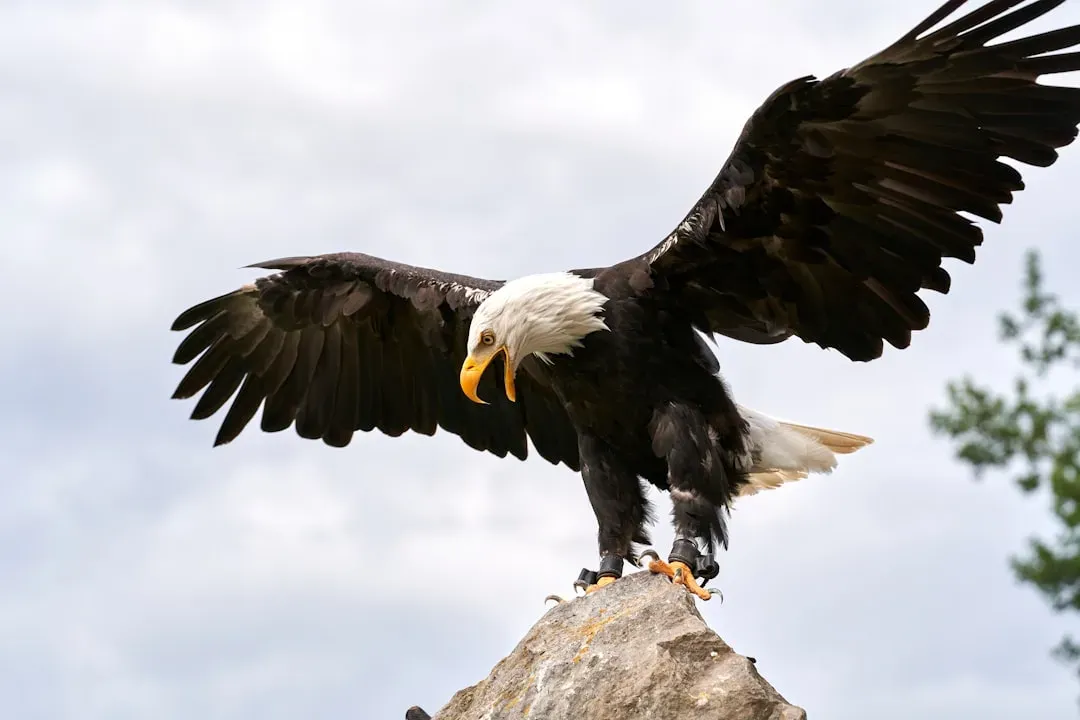
DDT’s exit would not have been enough on its own without a legal safety net to protect every surviving bird, nest, and egg. The Bald and Golden Eagle Protection Act and the Migratory Bird Treaty Act made it illegal to kill, disturb, or possess eagles or their parts, turning what had once been tolerated – shooting eagles as “pests” or trophies – into serious violations. These laws essentially wrapped each bird in a layer of legal armor, especially important when their numbers were still fragile.
Later, listing the bald eagle under the Endangered Species Act added yet another layer of protection, forcing federal agencies and projects to consider how their actions would affect eagle populations and habitat. Around the Chesapeake Bay, that meant more careful planning for shoreline development, energy projects, and large-scale infrastructure. Even after bald eagles were removed from the federal endangered list, many protections remained, ensuring that recovery did not flip back into decline the moment the label changed.
Reason 3: Cleaner Water Meant Healthier Fish (and Healthier Eagles)
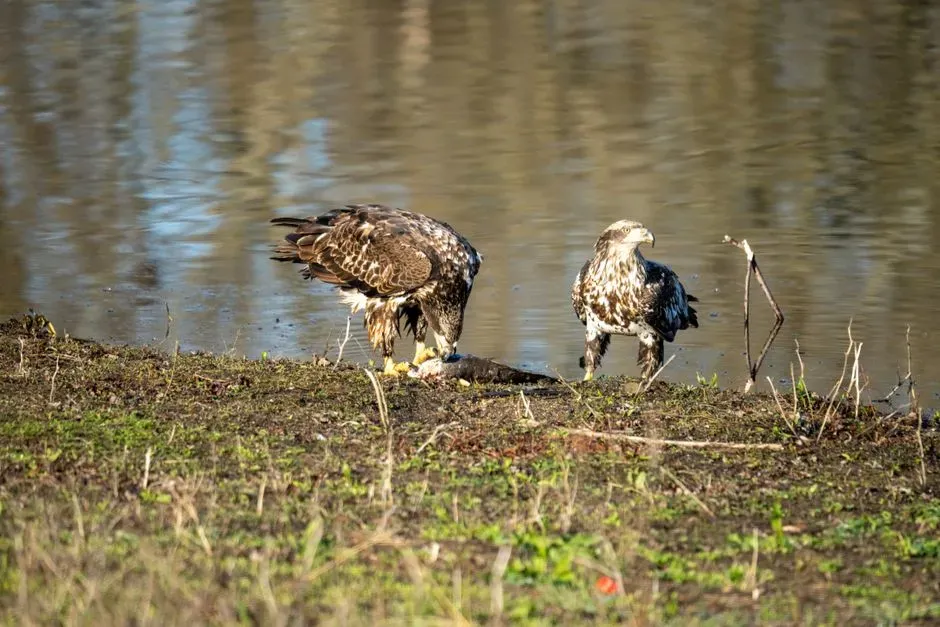
You cannot have healthy eagles without healthy fish, and you cannot have healthy fish in a dead, polluted estuary. For decades, the Chesapeake Bay suffered from nutrient overload, toxic runoff, and sediment that clouded the water and smothered habitat. Step by step, efforts through the Chesapeake Bay Program and other regional initiatives pushed to reduce sewage discharges, control fertilizer use, and manage agricultural and urban stormwater more responsibly.
While the Bay is still far from pristine, many fish populations and key habitats have stabilized or improved in important ways. That means eagles now have more consistent access to prey that is not only abundant, but also gradually less contaminated with industrial and agricultural chemicals. Every time an eagle pulls a fish from clearer water instead of a polluted slick, you are seeing the connection between big, boring-sounding policy changes and very real improvements in a predator’s daily life.
Reason 4: Protected Nesting Habitat Along the Shoreline
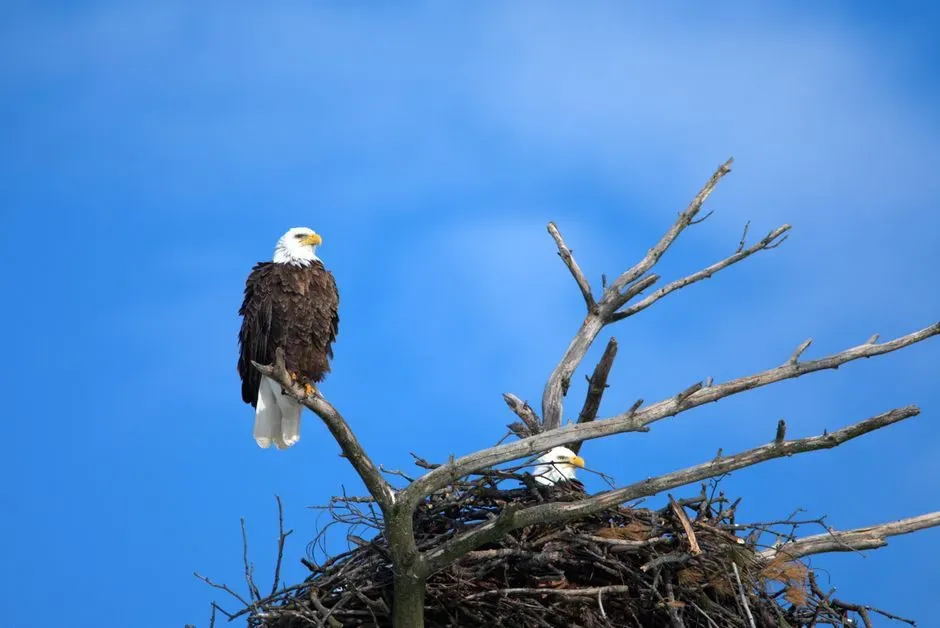
Bald eagles are picky about where they build their nests: they want tall, sturdy trees with open flight paths, usually close to water but not right on top of constant human chaos. In the Chesapeake region, that meant undeveloped shorelines, mature forests, and buffer zones where disturbances were limited during the nesting season. Over time, conservation groups, land trusts, and government agencies worked to set aside large stretches of shoreline as parks, refuges, and conservation easements.
These protected areas became safe real estate in a housing market that could easily have been paved over. When an eagle pair invests in a nest, they may use and expand it for many years, even decades, turning a single protected shoreline into a long-term nursery for multiple generations. Without that relatively quiet, tree-rich space along creeks, rivers, and coves, the Bay might still be full of fish but strangely empty of eagle nests.
Reason 5: Changing Human Attitudes Turned Killers Into Guardians
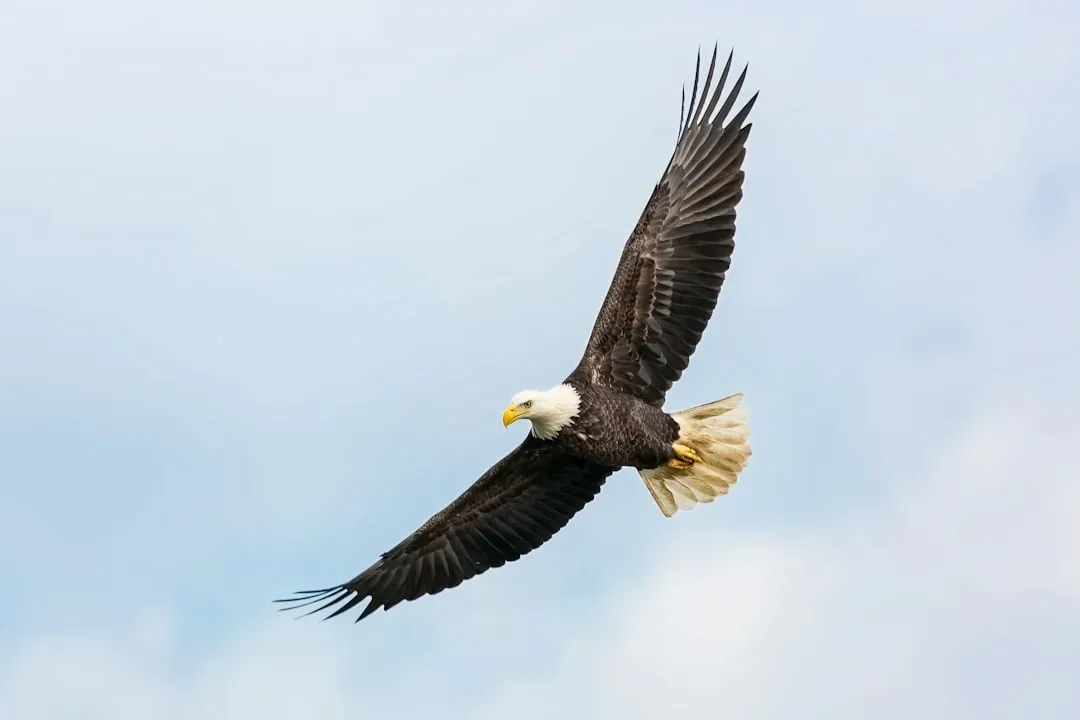
One of the most underrated reasons for the eagle’s comeback is simply this: people changed their minds. In earlier decades, eagles were often seen as competitors for fish and game or as dangerous nuisances, and shooting them was not unusual. As environmental awareness grew and the bald eagle became a symbol of national identity and wildness, the idea of killing one shifted from acceptable to unthinkable for most people.
Today, many Chesapeake Bay communities are proud to host eagle nests, and homeowners brag about “their” pair down the creek like they would about a local sports team. Birders and photographers travel to see eagles wintering along the rivers, and their tourism dollars quietly reward places that protect habitat. That cultural flip – from enemy to honored neighbor – may be impossible to measure with a statistic, but you can feel it every time someone pulls over on a bridge just to point out an eagle soaring above the marsh.
Reason 6: Abundant Food From a Complex, Recovering Ecosystem
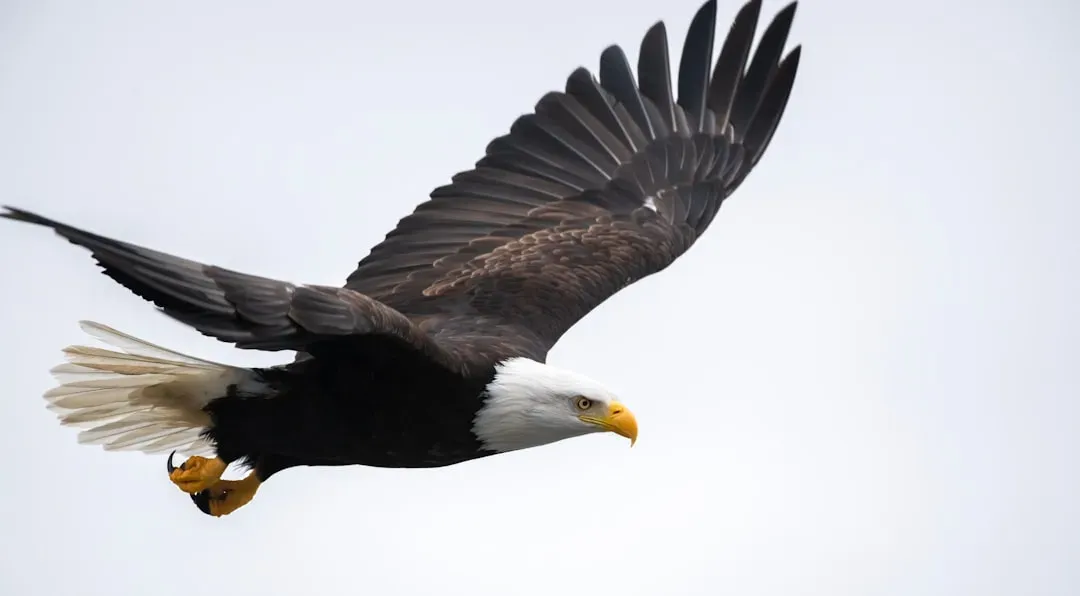
Bald eagles are opportunists in the best possible way: they eat live fish, dead fish, waterfowl, carrion, and sometimes whatever else the shoreline offers. Along the Chesapeake, that means they benefit from not just one prey species bouncing back, but a whole messy web of life being slowly rebuilt. Improvements in certain fish stocks, better management of waterfowl hunting, and even an increase in roadkill or discarded fish scraps can all add up to a more predictable buffet.
An eagle that does not have to fight constantly for its next meal can invest more energy in territory defense, nesting, and raising chicks. In some parts of the Bay, you now see clusters of eagles loafing on sandbars or tall snags, almost like gulls, because food is reliable enough to support more birds in a smaller area. That kind of abundance was once unthinkable when the population was crashing; now, it is one of the most visible signs that the ecosystem, while far from perfect, can once again support a healthy top predator.
Reason 7: Long-Term Science and Monitoring Kept Recovery on Track
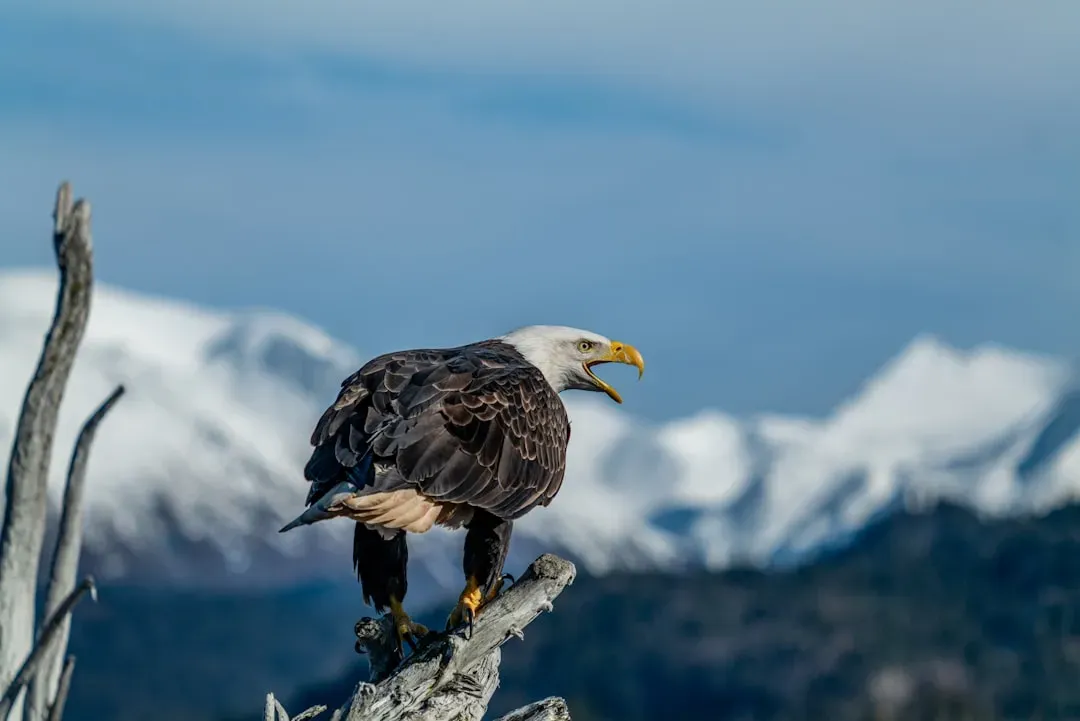
Behind all the dramatic photos of eagles locked in talon-grappling flights, there is a quieter story of biologists in small boats, peering at nests through spotting scopes year after year. Long-term monitoring projects around the Chesapeake Bay have tracked where eagles nest, how many eggs hatch, and how many young survive. That data let scientists see early signs of recovery, identify problem areas, and push for targeted protections when certain regions lagged behind.
Science also helped challenge assumptions, such as how close human activity can be to a nest before it becomes a serious disturbance, or which pollutants still linger in eagle tissues. Instead of guessing, managers had numbers and trends to work with, which made protective rules more defensible and more precise. In my view, this may be the most underrated hero of the whole story: the unglamorous grind of counting birds and climbing trees so that policy and practice could keep up with what the eagles actually needed.
Conclusion: A Comeback Story With Strings Attached
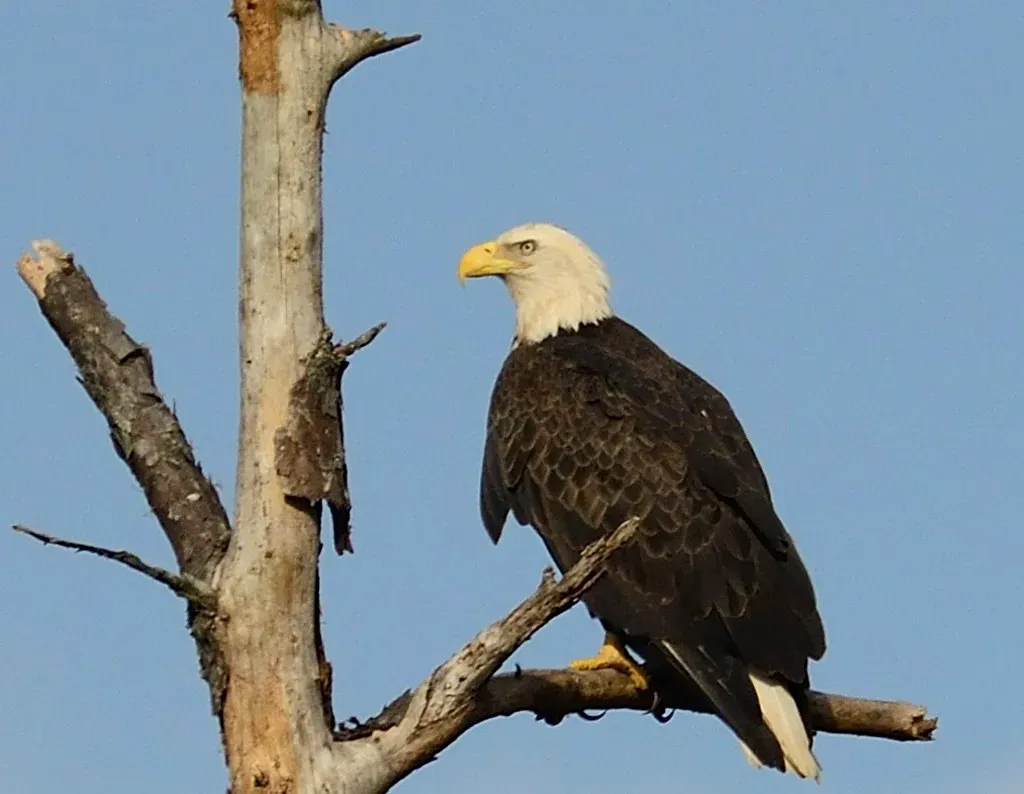
The bald eagle’s resurgence along the Chesapeake Bay is often told like a neat, triumphant arc: we messed up, we fixed it, the birds came back, roll credits. I do not buy that tidy version. The truth is more complicated: we solved one massive problem like DDT, chipped away at others like habitat loss and pollution, and the eagles turned out to be tough enough, and lucky enough, to ride that wave of improvement. Their return is proof of what happens when law, science, culture, and sheer stubborn effort line up, even imperfectly.
At the same time, their success should make us a little uneasy, because it shows how close we came to losing them and how quickly things could tip again if we let protections slide or ignore new threats like climate change and emerging contaminants. To me, bald eagles around the Chesapeake are less a victory lap and more a living reminder that recovery is a choice we have to keep making, not a box we checked once in the past. The next time you see one tracing the shoreline with those massive wings, it is worth asking yourself: if we could bring this bird back from the brink, what else are we finally ready to fight for?