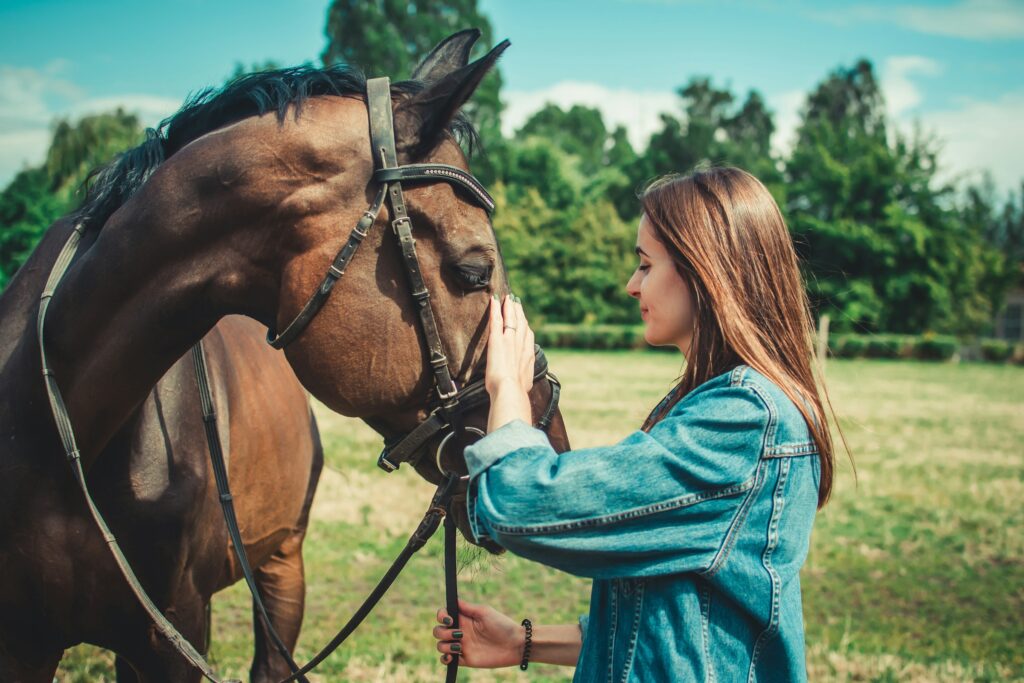
Imagine walking into a barn after months away and feeling a pair of huge, dark eyes lock onto you with instant recognition. The horse pricks its ears, steps toward you, and breathes into your hands like you never left. Now picture another scene: the same horse stiffens, whites of the eyes showing, body on edge the moment a different person approaches. These reactions are not random; they are memories, written not in words but in emotion and experience.
For a long time, people talked about horses as if they were big, beautiful machines: you press the right buttons, you get the right responses. Modern animal cognition research has quietly shredded that idea. Study after study suggests that horses are not only highly sensitive, but that they remember us – who was kind, who was rough, who listened, who ignored. And those memories may shape how safe, relaxed, or anxious they feel around us for a very long time.
Horses Are Experts At Reading Human Faces And Emotions
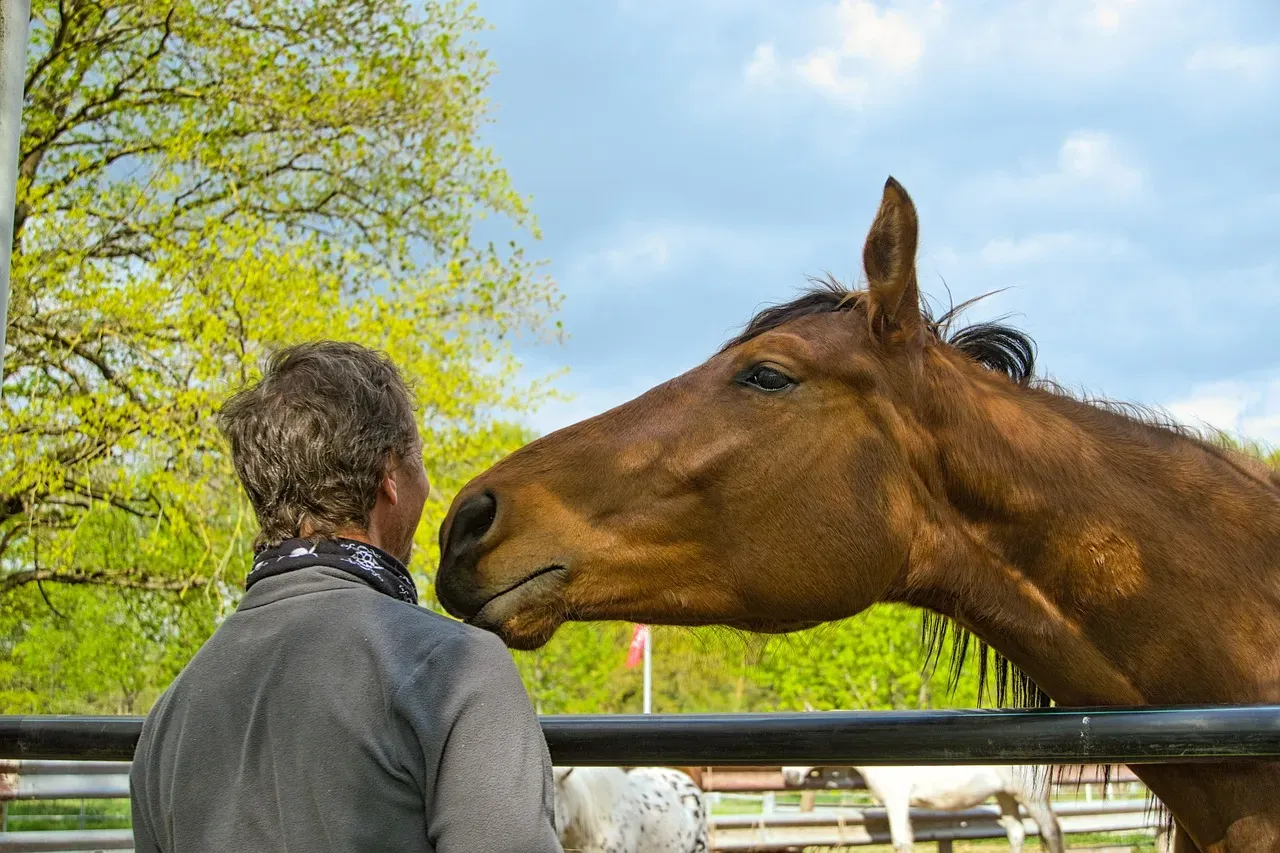
One of the most striking findings in animal cognition is that horses can recognize and remember human facial expressions. In controlled experiments, horses shown photos of angry human faces later reacted differently to the same person in real life, even when that person’s face was now neutral. The horses watched the person more closely, showed signs of tension, and were clearly not starting from a blank slate.
This suggests horses are not just reacting to what is happening in the moment, but to an emotional history they have stored. They link the memory of what they saw before with what they experience now, a kind of emotional file system. If your face was associated with calm, positive handling, they are more likely to greet you as a friend. If it was paired with stress or fear, they remember that too – and they behave accordingly.
Positive Treatment Leaves A Lasting Emotional Trace
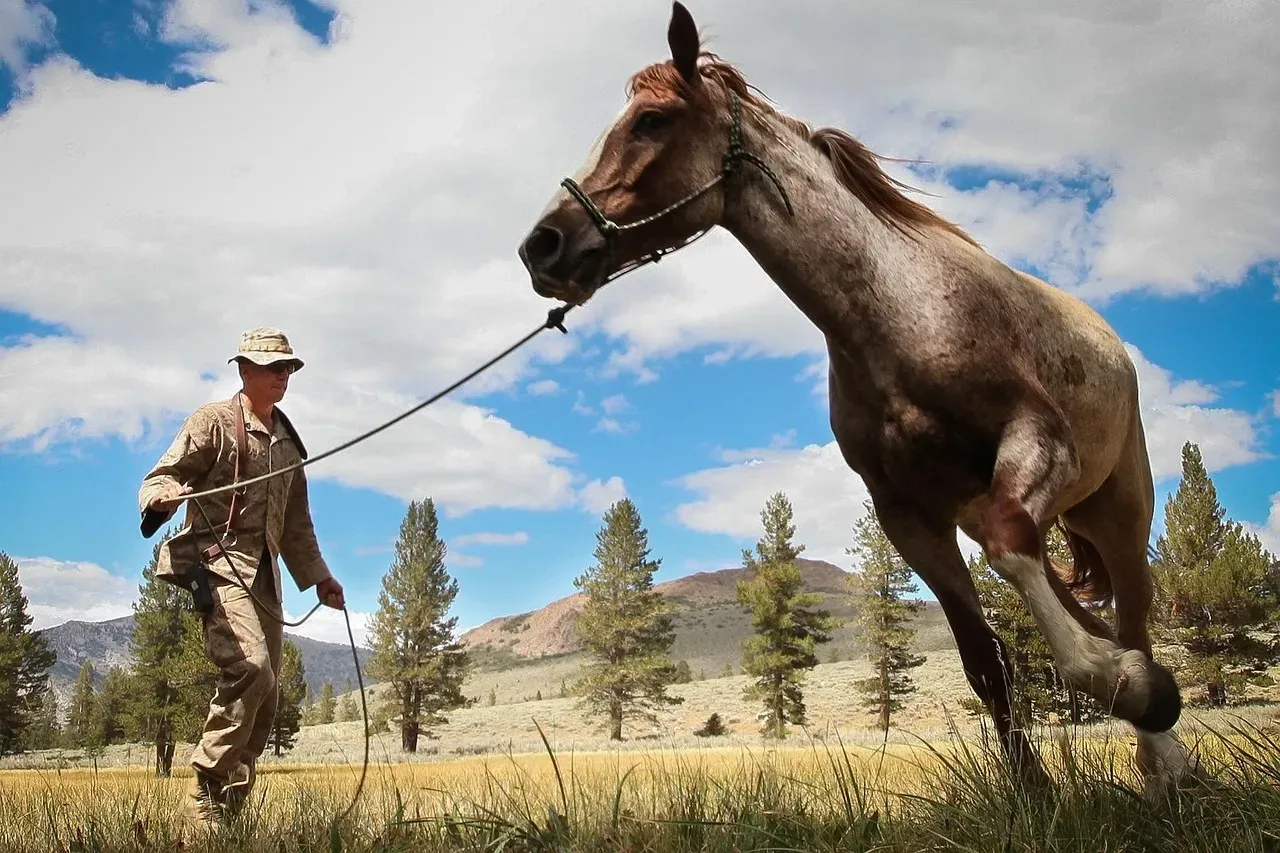
When horses are handled gently, given time to process, and rewarded for trying, it is not just their behavior that changes in the moment. Their bodies respond differently over time. Research has shown that horses treated in a calm, predictable, and friendly way often have lower baseline stress responses with those handlers, measured through things like heart rate and behavior. It is as if their nervous system collectively exhales when that person walks up.
Anyone who has had a horse trot up to them in a big field, bypassing everyone else, has felt this in real life. Positive treatment does not just build “obedience”; it builds trust and a sense of safety. That feeling seems to stick. Horses often remember who released pressure when they tried, who scratched their favorite spot, and who respected their fear instead of forcing them through it. Over time, those memories can turn a wary prey animal into a willing partner.
Negative Experiences Are Stored As Powerful Warnings
The flip side is uncomfortable but important: bad treatment also leaves a deep and lasting mark. Horses are prey animals designed by evolution to remember threats. If a person yanks on their mouth, hits them in confusion, or repeatedly ignores signs of fear or pain, the horse does not simply “get over it.” Instead, their brain quietly logs that person as unsafe, and their future reactions can become defensive, explosive, or shut down.
In real barns, you see this when a horse that is calm with one caregiver suddenly becomes hard to catch, head-shy, or tense when another person walks in. That is not the horse “being difficult”; it is the horse saying, very clearly, that past experiences with this individual or this style of handling were not okay. Negative experiences can create an internal warning label: avoid, resist, or brace when this person appears.
Memory In Horses Is Emotional First, Practical Second
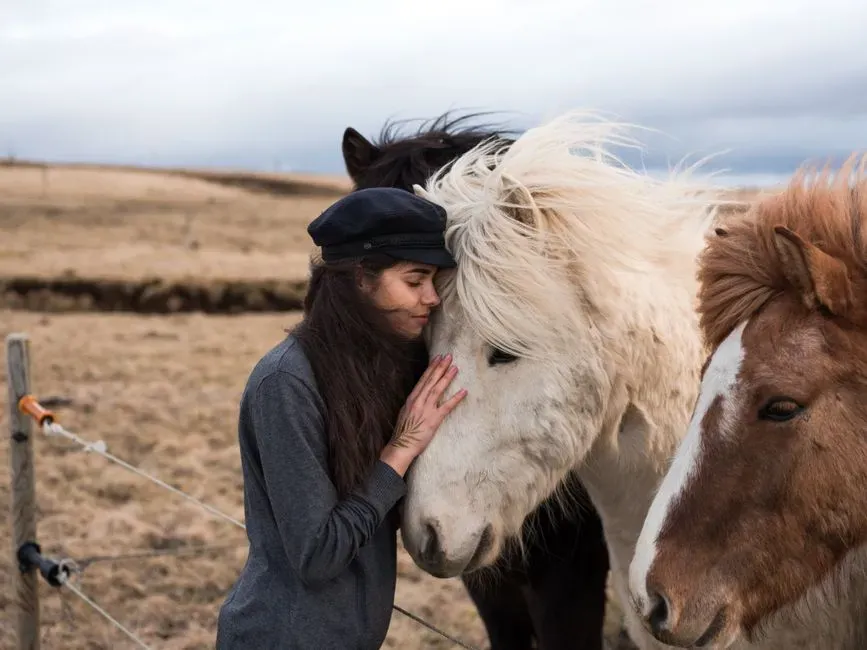
We often think of memory as a list of facts, but for horses, emotion seems to come first. They may not remember the exact sequence of your training exercises, but they remember how they felt around you. Did their body feel relaxed and curious, or tense and trapped? That emotional tag colors every future interaction, sometimes more strongly than any specific “lesson” you tried to teach.
This explains why a horse can look “fine” in terms of training cues but still act strangely around certain people. They might obey but with stiffness, delayed responses, or a checked-out expression. Their body is telling the truth even if their behavior appears cooperative. In a way, a horse’s emotional memory is like a background soundtrack: always playing, sometimes subtle, but constantly shaping how they interpret what happens next.
Horses Generalize People, But Still Remember Individuals
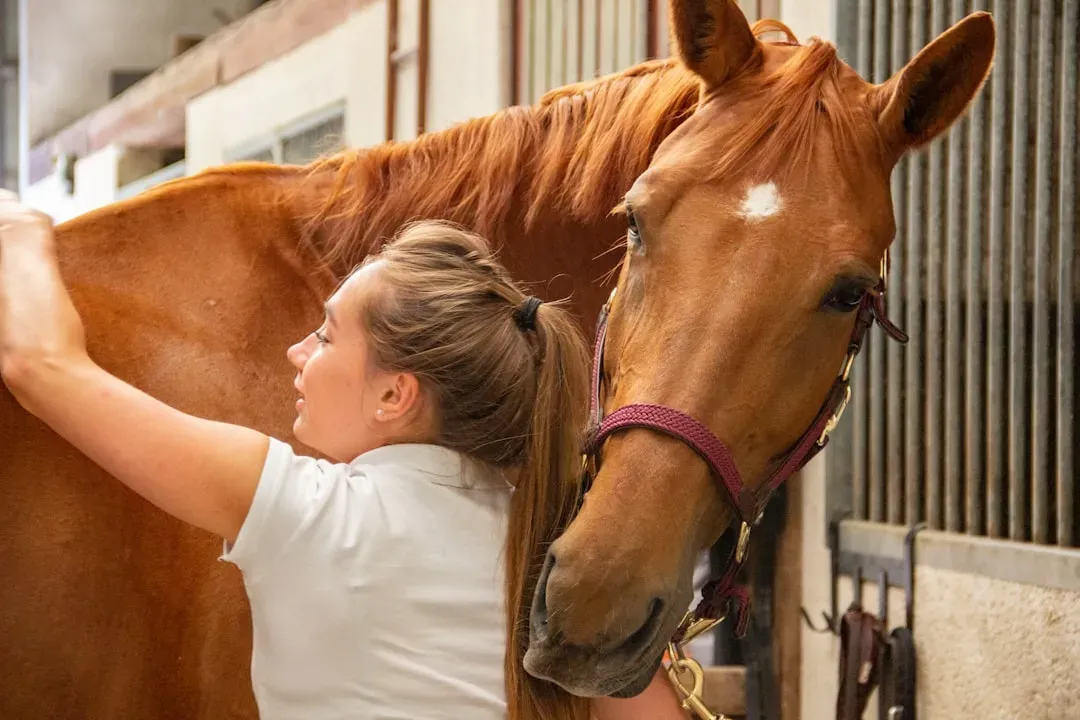
Horses can both generalize and discriminate when it comes to humans. If they have repeated bad experiences with impatient or rough handling, they may start out more suspicious of new people in general. Yet studies and everyday experience also show that they can identify and remember specific individuals by face, voice, smell, and body language. It is not just “humans = good” or “humans = bad”; it is more like a detailed contact list in their head.
This dual ability is why a horse might be wary of strangers but instantly soften when “their” person walks into the arena, even among a crowd. It is also why one harsh interaction may not ruin a carefully built relationship if the overall history is overwhelmingly positive. Just like us, horses weigh patterns over time. Still, some individuals are more sensitive than others, and for them, a single frightening experience can overshadow many quiet, easy days.
Body Language And Subtle Cues Matter More Than We Think
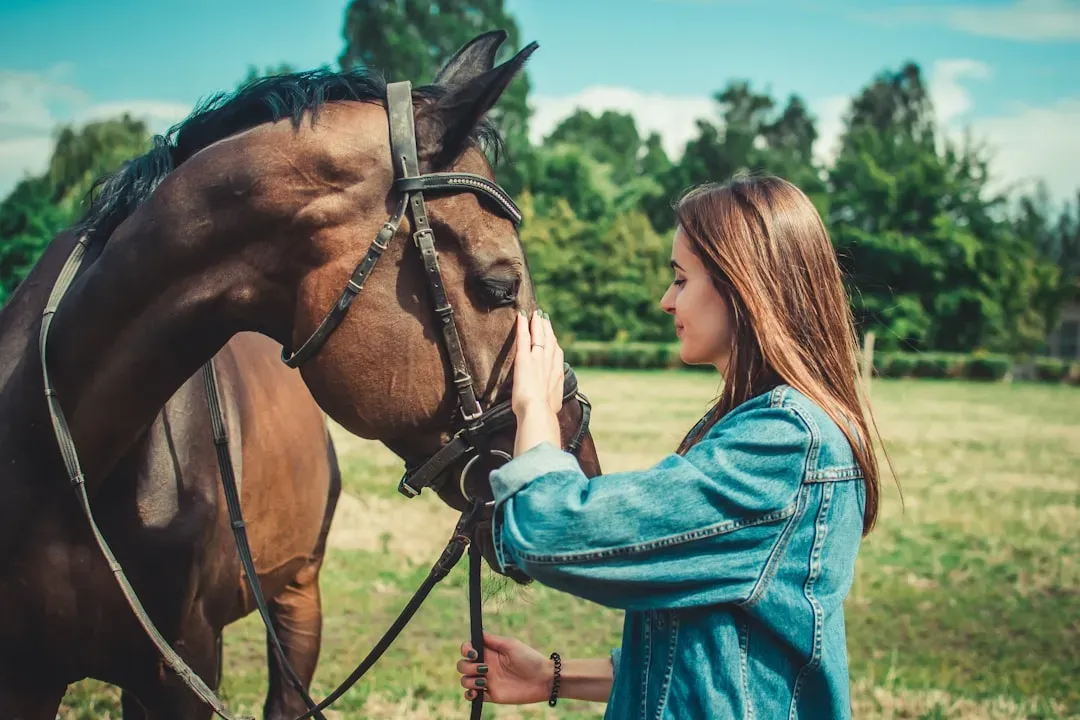
To a horse, your body language is louder than your voice. Studies show they pick up on tiny changes in posture, tension, and gaze direction and link those with outcomes. If a person often approaches with tight shoulders, quick steps, and inconsistent pressure, horses may associate that whole “package” with confusion or discomfort. That memory can get triggered the next time someone moves in the same way, even if the person is different.
On the other hand, someone who consistently moves with calm, clear intention and respects the horse’s space becomes associated with safety. Over time, horses can respond to these people with softer eyes, relaxed necks, and easier breathing almost the moment they appear. The key point is that horses are not just remembering individual events; they are reading and storing patterns in how we move, touch, and approach them.
Time Apart Does Not Erase Strong Relationships
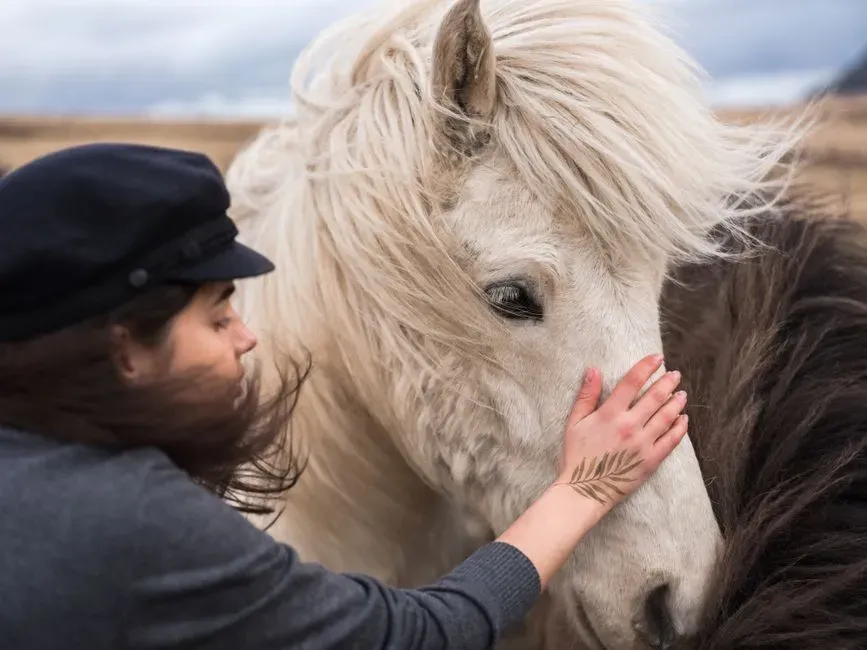
One of the most moving things in horse-human relationships is how they can pick up where they left off after weeks, months, or even years. Many owners have had the experience of returning to a horse after a long gap and finding that the bond feels strangely intact. While science is still catching up to exactly how long and in what detail horses remember, the balance of evidence suggests their social memories, especially for emotionally significant individuals, can be surprisingly durable.
In practice, this means the way you treat a horse today might still matter to them far into the future. Time does not automatically heal emotional damage, and it does not automatically erase trust, either. I still vividly remember working with a horse I had not seen in nearly two years who walked straight past other people in the paddock and parked his nose against my chest, sighing. Was that perfect science? No. But it fit everything research has been screaming for years: these animals remember us.
Training Methods Shape What Horses Remember About Us
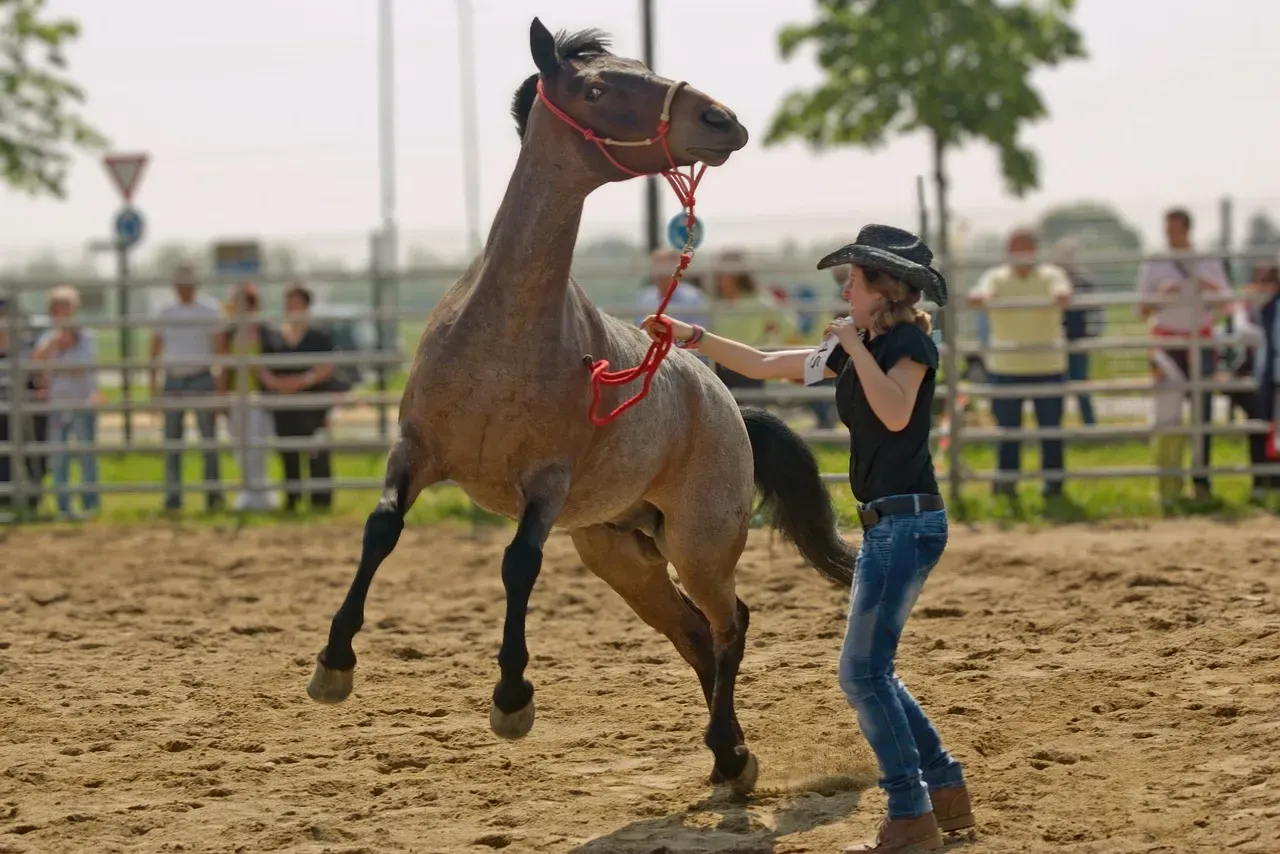
The training philosophy you use is not just about teaching skills; it is about shaping memory. Methods built on pressure, fear, or learned helplessness can produce horses that appear obedient but carry a constant undercurrent of anxiety. Their memories of humans are colored by unpredictability and the need to protect themselves. You can see it in horses that flinch at quick movements or brace before a cue they know well.
On the other end, approaches that prioritize clarity, small steps, and choice help horses build a very different archive of experiences with people. They learn that trying is safe, mistakes are not punished harshly, and communication goes both ways. Over time, they remember humans as partners rather than threats. The hard truth is that our methods become their memories, and those memories show up in their eyes, their breathing, and their willingness to meet us halfway.
Why This Science Demands We Rethink “It’s Just A Horse”
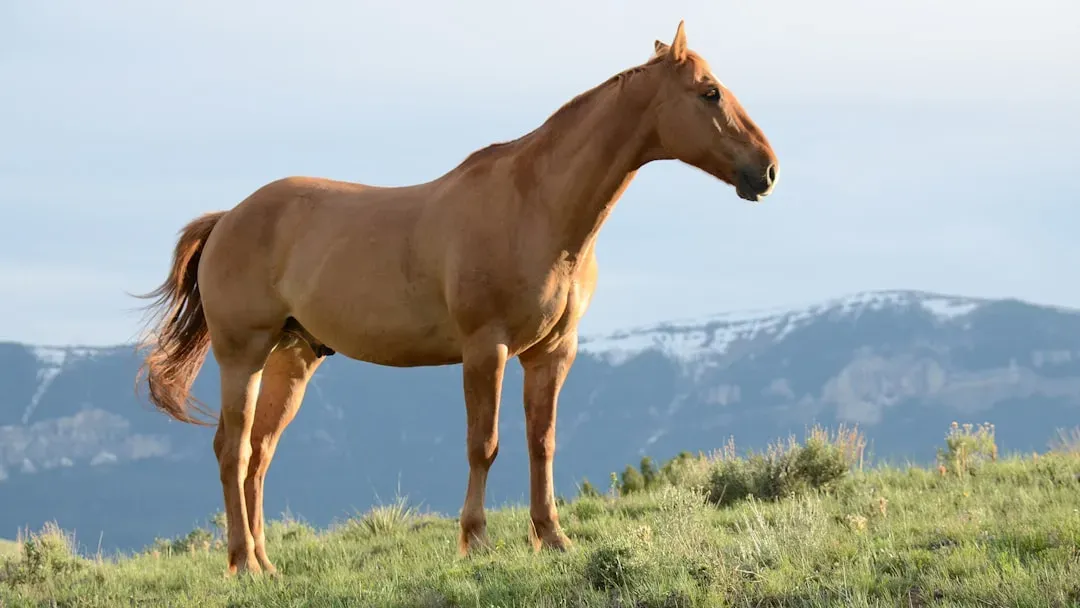
Once you understand how deeply and specifically horses remember how they are treated, the casual phrase “it’s just a horse” starts to sound brutal. We are not working with blank slates or simple reaction machines. We are dealing with large, sensitive animals whose brains are constantly recording how safe or unsafe they feel around us and replaying those recordings in future encounters. Pretending otherwise is not just ignorant; it is unfair to the animals in our care.
In my view, the science leaves us with a moral responsibility that is impossible to dodge. If horses remember the hands that hurt them and the hands that helped them, then every interaction counts in a way that should change how we train, stable, ride, and even talk about them. We can no longer hide behind old myths about short memories or “stubborn” behavior. The evidence is pointing in one clear direction: how we treat horses becomes part of who we are to them, for a long time.
Conclusion: Your Horse’s Behavior Is A Story About You
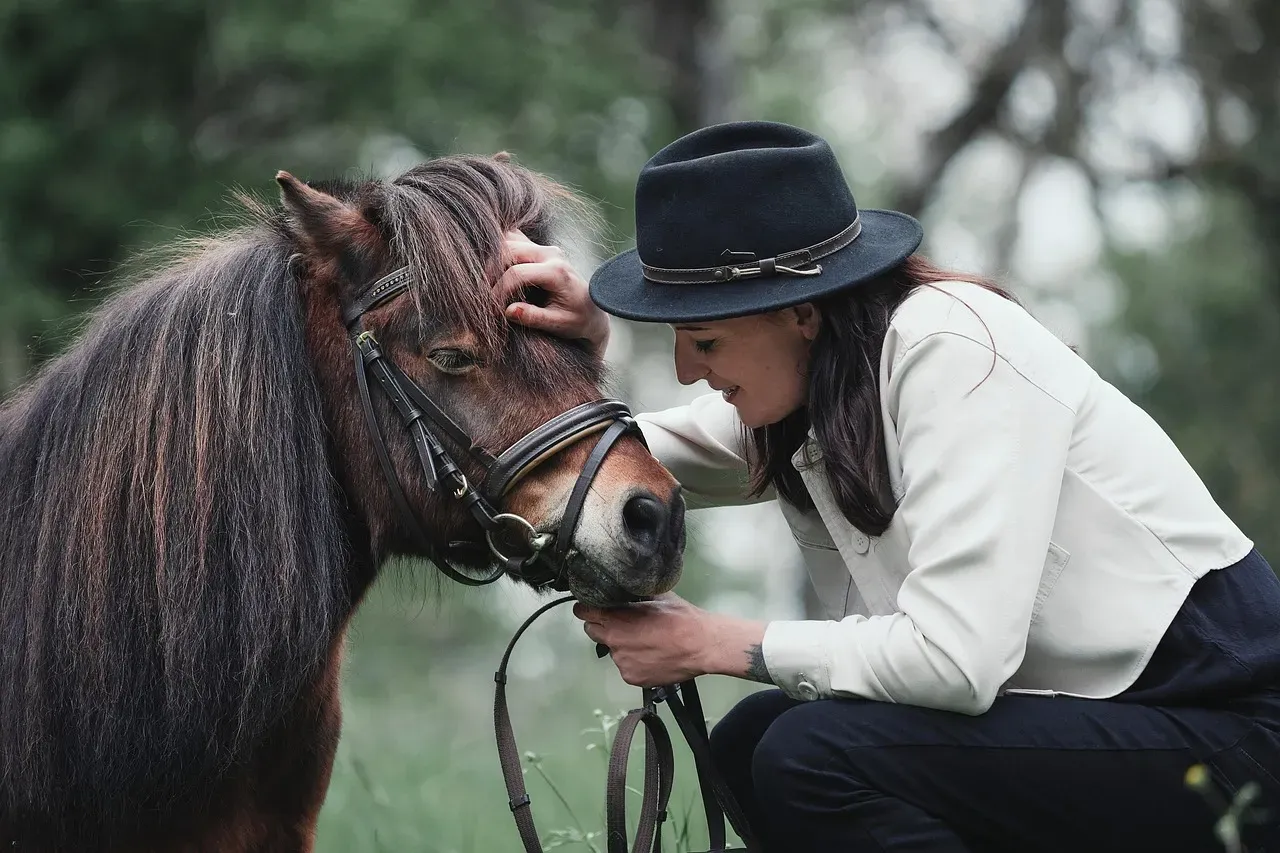
When you look at a horse’s reaction to you – ears forward or pinned, muscles soft or coiled, eyes bright or shut down – you are not just seeing a snapshot. You are seeing a story they have been writing about you, one interaction at a time. Animal cognition research has made it painfully clear that horses remember the , and they carry those memories into every new moment. That should be both a sobering warning and a deeply hopeful invitation.
My honest opinion is this: if we choose to work with horses, we do not get to be neutral characters in their lives. We are either building a library of safety and understanding, or we are layering in pages of fear and confusion. There is no middle ground where our actions simply vanish. So the real question is not whether horses remember us – it is what, exactly, we are asking them to remember. When your horse looks at you tomorrow, what story do you want to see reflected back?