
Have you ever walked into a room, met someone new, or read a message and instantly felt that something was off, even though you could not say exactly why? That uneasy inner jolt is not magic and it is not you being irrational. It is your brain quietly crunching data in the background, spotting patterns, and screaming a soft warning long before your logical mind catches up.
I still remember once stepping into an empty parking garage and, for no obvious reason, feeling my whole body tense up. Nothing “bad” happened, but later I noticed the tiny details: a half-open door, a fresh cigarette smell, a car engine still warm. My conscious mind missed them, but my brain did not. Moments like that are your nervous system doing what it evolved to do: keep you safe. Let us unpack how that actually works.
Your Predictive Brain: When Reality Does Not Match the Script
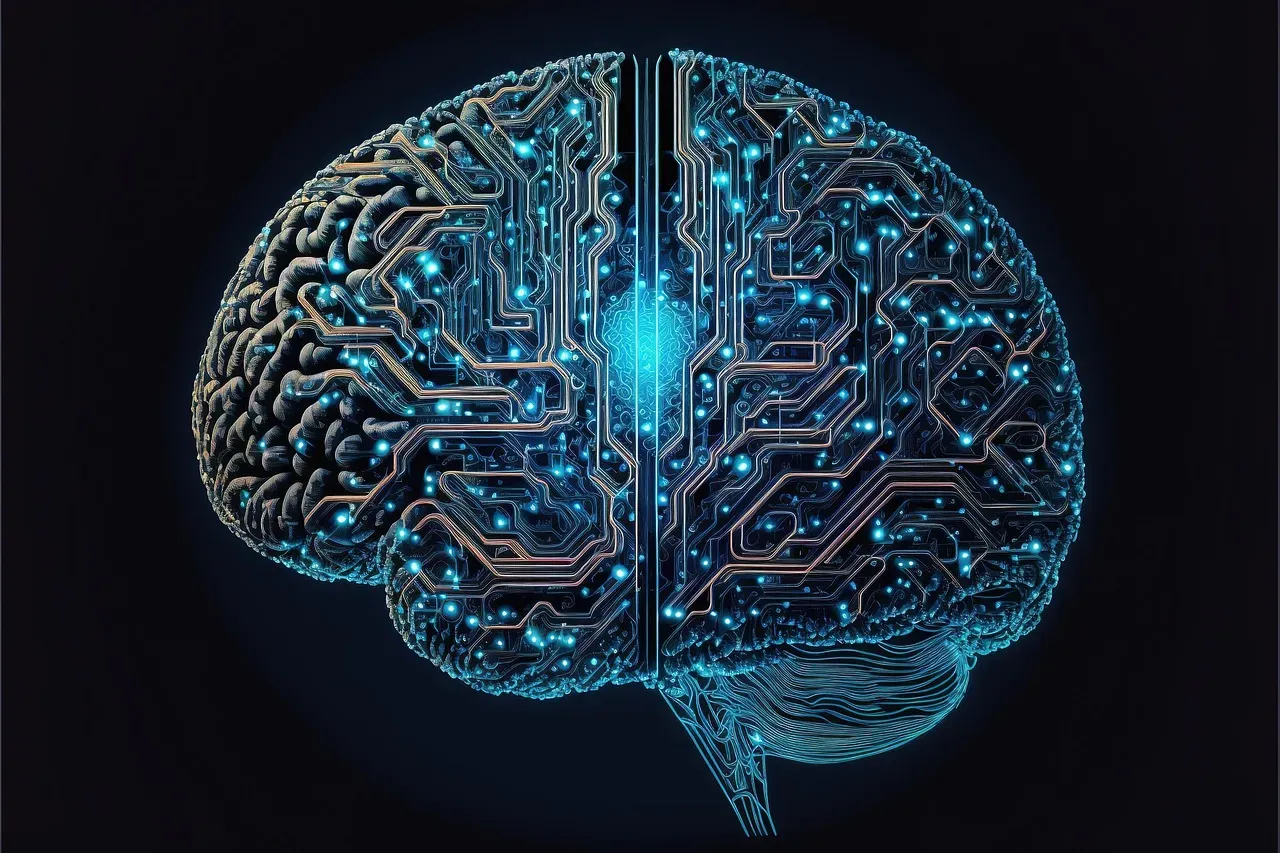
Here is a wild idea that neuroscientists take seriously: your brain is less a camera and more a fortune-teller. Instead of just recording the world, it constantly predicts what is about to happen next, right down to what you are likely to see, hear, and feel in the next moment. When reality suddenly does not match the script, that mismatch can feel like a tiny shock, a kind of mental record scratch that just feels wrong.
Think about when you go to grab a mug you always use and it is heavier or lighter than usual. You get that strange jolt before you even realize the difference. That is your predictive machinery screaming that the world is not behaving as expected. The same system flags subtle social weirdness, odd facial expressions, or an unusual tone of voice, long before you can put it into words. The discomfort is your early-warning system telling you to pay attention.
Gut Feelings: Your Second Brain in the Belly

When people say they “feel it in their gut,” they are not being poetic; they are accidentally being anatomical. You have a massive network of neurons in your digestive system, often called the second brain, that is tightly wired to your emotional centers. Changes in your environment or social context can activate this gut–brain loop, causing nausea, tightness, or butterflies before you consciously know what is bothering you.
Imagine sitting in a meeting where everyone is smiling, but you suddenly feel slightly sick or heavy, and you have no idea why. It might be that your brain picked up on a micro-expression, a shift in group mood, or a subtle power dynamic change. Your gut reacts because that is how your nervous system has learned to flag risk. You are not being dramatic; you are getting early intel from a biological alarm system that has kept humans alive for a very long time.
Subconscious Pattern Detection: Your Inner Supercomputer
Your conscious mind is like the front desk of a hotel: polite, slow, and handling just a few guests at a time. Your subconscious is the entire building: thousands of rooms, endless activity, a ridiculous amount of information flowing constantly. While you are busy thinking about your to-do list, your brain is quietly tracking faces, voices, smells, habits, and tiny inconsistencies you never deliberately notice.
This is why someone can seem “off” to you even though they are saying all the right things. Your brain might remember that their smile does not quite reach their eyes the way it did before, or that their story does not fit previous details, even if you cannot name those specifics in the moment. The unease you feel is your inner supercomputer flashing a warning message to the slow, talkative part of your mind: something in this pattern is broken.
Body Signals: Tension, Heart Rate, and the Quiet Alarm

Long before you think “I feel unsafe,” your body is already running the numbers. Your heart rate creeps up, your muscles tighten, your breathing changes, and your vision subtly narrows. These are not random reactions; they are your autonomic nervous system preparing you for possible danger, often based on cues you have not consciously processed yet. Your body is like that friend who notices the red flag in a relationship before you do.
Paying attention to these small physical changes can be surprisingly informative. Maybe your jaw clenches every time a certain person walks into the room, or your shoulders tense when you open an email from a specific sender. Those reactions are data. They suggest your brain has associated those people or situations with stress or threat, even if your rational story about them still sounds polite and reasonable.
The Amygdala: Your Brain’s Rapid-Response Guard Dog
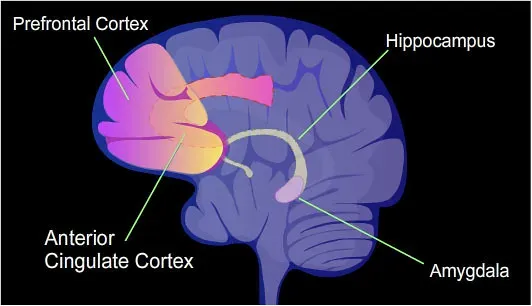
Deep inside your brain sits the amygdala, a small almond-shaped structure that acts like a highly sensitive guard dog. Its job is to scan for threats and trigger fast emotional responses, especially fear and anxiety. The amygdala gets priority access to incoming information, meaning it can fire off a reaction before your thinking brain has finished reading the situation.
This is why you can jump at a shadow or a sudden noise before you realize it is harmless, and it is also why you can feel a sudden sense of dread around a person or place without a clear explanation. The amygdala works with rough, quick impressions, which is fantastic for survival but imperfect for nuance. Sometimes that “something is wrong” feeling is the guard dog saving your life, and sometimes it is just barking at the wind. The trick is learning to listen without always obeying blindly.
Memory and Trauma: When the Past Hijacks the Present

Your brain never really forgets threats; it just files them away. If you have had painful or frightening experiences, especially early in life, your brain builds a kind of pattern library of what danger looks, sounds, and feels like. Later, when something even slightly rhymes with those old situations, your nervous system can react intensely, even if your rational mind thinks everything is fine.
For example, someone who once worked in a toxic office might instantly tense up in a new job when they hear a similar tone of voice or see a familiar smirk in a manager’s expression. They may not consciously connect the dots, but their body reacts as if history is about to repeat itself. That “this feels wrong” signal might not be about the present at all; it might be your brain yelling that it has seen this movie before and did not like how it ended.
Social Intuition: Reading Tiny Cues in Other People

Humans are insanely good at reading other humans, even when we think we are not. Your brain constantly tracks micro-expressions, eye movements, posture shifts, and voice tone. Most of this never reaches your conscious awareness, but it shapes how safe or unsafe someone feels. When those signals do not match their words, your brain flags a discrepancy, and it can land as a vague sense of unease or distrust.
You might meet someone who tells a perfectly reasonable story, yet you walk away unsettled. Maybe their smile was a fraction too delayed, their laugh a bit too sharp, their eyes darting just enough times for your inner radar to light up. None of those tiny pieces on their own explain the feeling, but together they form a pattern your social brain has learned to recognize. It is like noticing that the rhythm of a song is just slightly off, even if you cannot play a single instrument.
Moral Intuition: When Your Values React Before Your Words Do

Sometimes that sense that something is wrong is not about physical danger; it is about values. Your moral sense does not live only in careful reasoning and debate; it also lives in your emotions. You can feel disgust, anger, or deep discomfort when a situation clashes with your internal standards of fairness, honesty, or respect, even if no one has technically broken a clear rule.
Think about overhearing a “joke” that everyone else laughs at but that makes you deeply uncomfortable. Long before you find the perfect argument for why it bothers you, your nervous system has already decided it is crossing a line. That pre-verbal reaction is not irrational noise; it is your lived experience and cultural learning condensed into a fast, emotional judgment. You may refine or even override it later, but its first job is to signal that something about this moment does not sit right with who you are.
Dreams, Flashes, and Nighttime Processing

It is easy to dismiss dreams as random nonsense, but your sleeping brain is busy replaying, sorting, and reorganizing your experiences. Sometimes, your worries and subtle observations show up at night in exaggerated, dramatic form. You might dream about losing control, being chased, or failing at something, only to realize later that your waking life has been quietly nudging you about the same themes.
I have had stretches where I kept dreaming about missing flights or being late, and only afterwards did I admit to myself that I was overloaded and ignoring real-world warning signs. Your dreams are not prophecies, but they can expose patterns and tensions you have brushed aside while awake. When you repeatedly wake up feeling unsettled about a job, relationship, or decision, that might be your brain’s way of insisting that something deeper needs your attention.
Learning to Listen Without Panicking

Here is my honest take: your early-warning signals are usually based on something real, but they are not always right about what that “something” is. Sometimes they are spotting genuine danger or manipulation. Other times they are echoing old fears, past trauma, or simple misread cues. The smartest move is not to worship your intuition or ignore it, but to treat it like a very opinionated friend who often sees things you miss and occasionally overreacts.
When you feel that quiet alarm – the gut twist, the tension, the prickly sense that something is off – pause and get curious instead of instantly pushing it down or spiraling into panic. Ask yourself what feels mismatched, what this reminds you of, and whether your body is reacting to the present moment or to a ghost from your past. Your brain is an incredibly advanced pattern-detection machine, and those weird, hard-to-explain feelings are one of its most powerful features. The real question is: will you learn to listen to them wisely, or will you keep pretending they are just in your head?