
Look up on a clear night, and the sky seems calm, predictable, almost comforting. Yet behind the familiar stars and shifting clouds, researchers are tracking a catalogue of atmospheric mysteries that still refuse to fit neatly into our equations. From ghostly flashes above thunderheads to radar echoes that behave like living things, the air above us is far stranger than most of us realize. Scientists are not just chasing curiosities; these puzzles touch everything from aviation safety to climate models. As new instruments and satellites peel back layers of the atmosphere, the story is getting richer, weirder, and far from finished.
The Hidden Clues: Mysterious Sky Flashes Above Thunderstorms
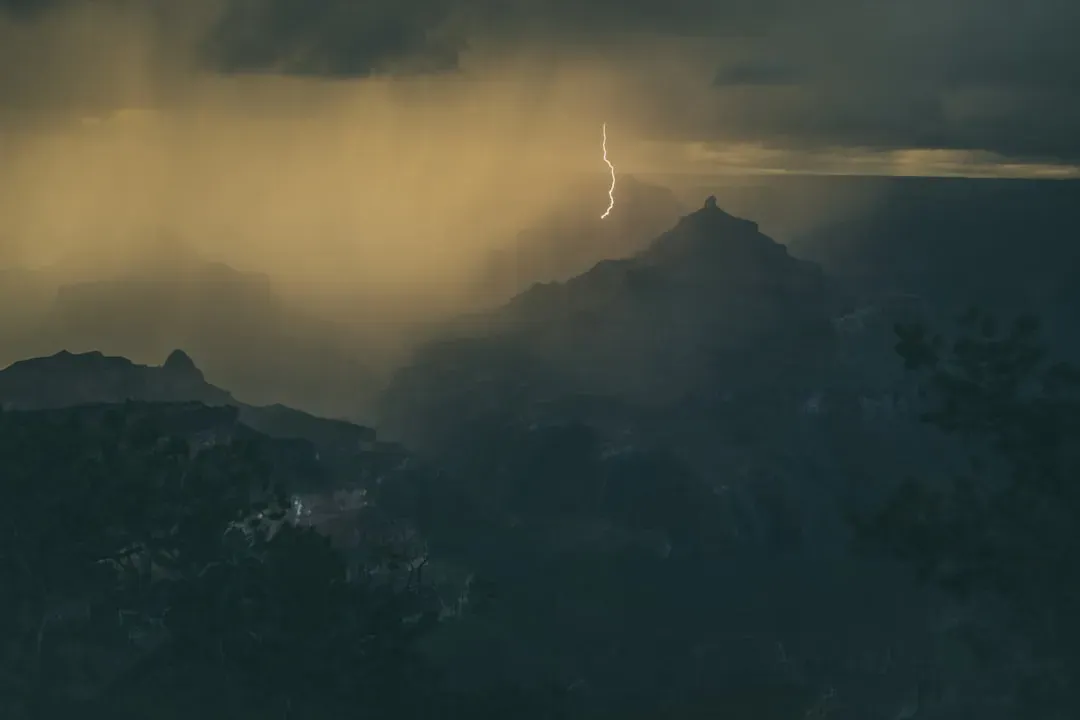
For most of the twentieth century, pilots’ reports of red glows above storms were often dismissed as misperceptions or fatigue. Now we know these events are real and spectacular: sprites, blue jets, and elves, collectively called transient luminous events, erupt high above thunderclouds in the thin upper atmosphere. Sprites can tower upward like crimson jellyfish, while blue jets lance from cloud tops toward the edge of space, lasting mere thousandths of a second. High-speed cameras on the ground and instruments aboard the International Space Station have captured them in striking detail, yet their physics is still not fully nailed down. We know they are linked to powerful lightning strokes, but why some storms produce abundant sprites and others almost none remains an active area of research.
These flashes are more than sky fireworks; they may be changing the chemistry of the upper atmosphere in ways we are only beginning to quantify. When sprites and jets rip through the thin air, they create bursts of reactive molecules such as nitrogen oxides that can influence ozone and radiation balance around the edge of space. Researchers are trying to estimate how often these events occur globally, with some estimates suggesting that they may happen thousands of times a day. The challenge is that most of them flare far from cities and conventional instruments, over oceans and remote land, where few people are watching. Each new observation adds a clue, but also reminds us how incomplete our picture of storm–space interactions still is.
Strange Echoes: The Enigma of Atmospheric Radar “Ghosts”
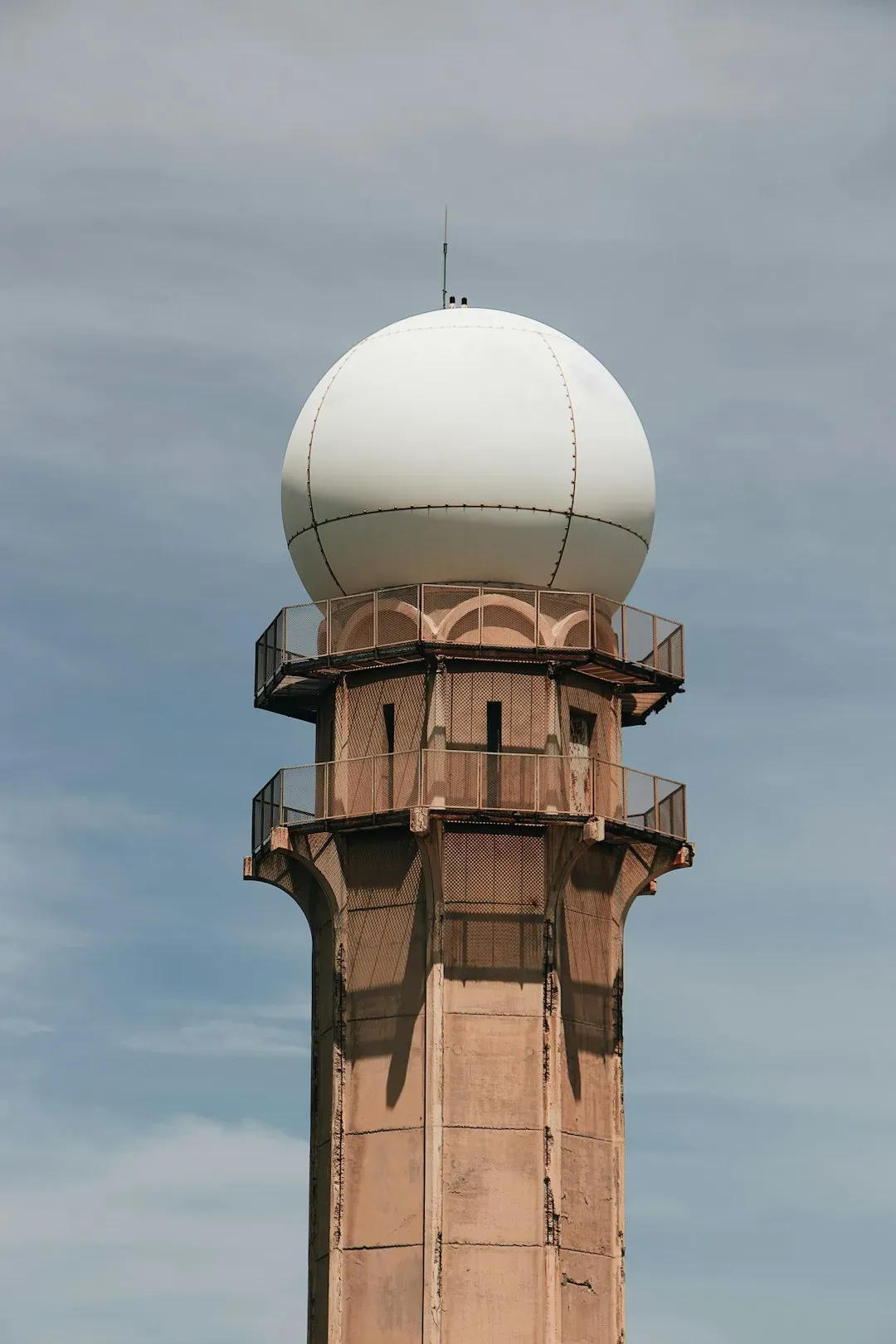
Meteorologists rely on radar to track rain, hail, and snow, but sometimes the screens light up with echoes that do not match what anyone sees outside. These so-called anomalous propagation events or radar ghosts appear as arcs, blobs, or sweeping bands that look like heavy storms yet vanish when checked with surface observations. One culprit is temperature inversions, layers where warm air overlies cooler air and bends radar beams toward the ground like a mirage, making hills or buildings masquerade as towering storm cells. In other cases, swarms of insects or birds can mimic weak rainfall, blurring the line between weather signal and biological noise. Even with sophisticated filters, operational forecasters still wrestle with when to trust what the radar is telling them.
Beyond the frustration for weather services, these echoes are a scientific puzzle about how energy, moisture, and living organisms share the same airspace. Prior research has shown that during certain seasons, the majority of nighttime radar returns in some regions actually come from insects, not raindrops. This has given birth to a quiet crossover field called aeroecology, where biologists mine weather radar archives to track migrations and population changes. At the same time, engineers are experimenting with dual-polarization radar and machine learning to tease apart real storms from phantom echoes in real time. The mystery here is not whether the signals are real, but what, exactly, they are whispering about the atmosphere’s hidden inhabitants and structures.
Above the Aurora: Elusive STEVE and Other Odd Lights
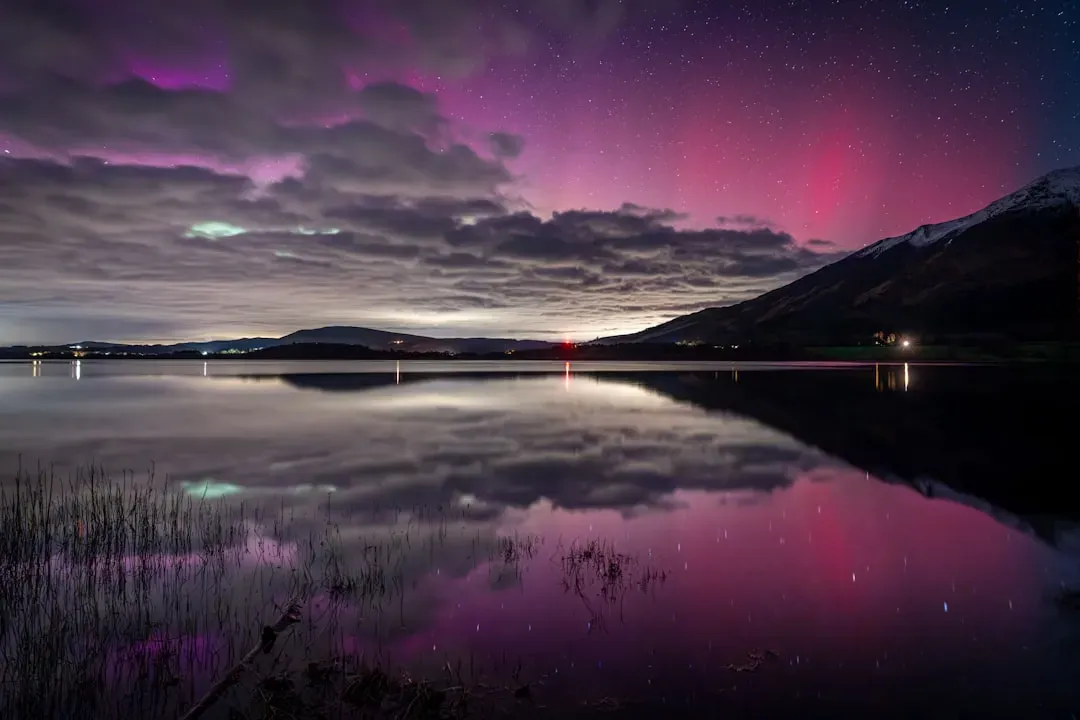
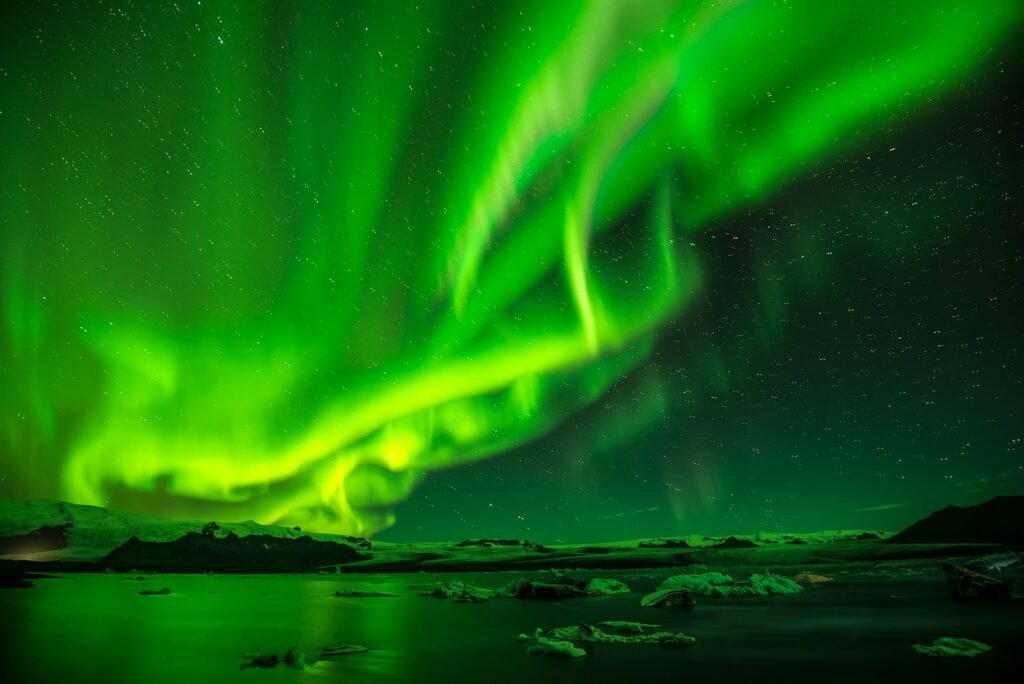
In the past decade, social media has helped thrust a new sky oddity into the scientific spotlight: a narrow mauve arc dubbed STEVE, short for Strong Thermal Emission Velocity Enhancement. At first, many thought it was just a quirky aurora, but satellite measurements and ground cameras revealed that STEVE behaves differently from classical northern lights. Instead of shimmering curtains driven by charged particles raining down along Earth’s magnetic field, STEVE appears as a thin, stable ribbon aligned east–west, often accompanied by green picket-fence structures below it. It forms at lower latitudes than typical aurora and seems linked to intense flows of hot plasma racing through the upper atmosphere. The phenomenon was only recognized and formally named in the last decade, which is astonishing given that people have watched the sky for millennia.
What makes STEVE so compelling is how it emerged from collaboration between dedicated skywatchers and professional scientists. Citizen observers first flagged the recurring feature in photographs, then researchers connected those images to satellite data capturing surges of high-speed ion drift. Yet key questions persist, including exactly how energy is transferred from the magnetosphere to create such a sharply defined band and why it can appear without strong traditional aurora nearby. Similar odd lights have likely been missed in historical records because they are subtle, brief, and require wide-field, sensitive cameras to record. As more all-sky imaging networks come online, scientists expect that STEVE might be just one member of a larger family of previously overlooked atmospheric light shows.
Invisible Rivers: Gravity Waves You Can Sometimes See
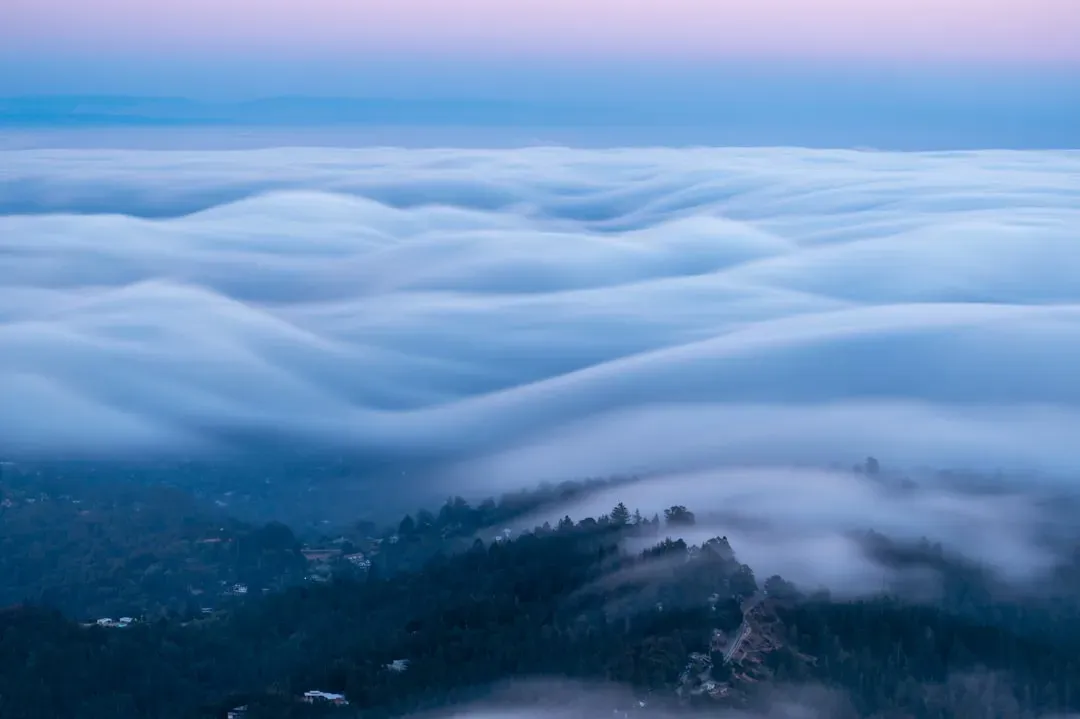
On some evenings, you might see ripples rolling across a high cloud deck, as if the sky were a slow-motion pond disturbed by a stone. Those bands are often the visible fingerprints of atmospheric gravity waves, not to be confused with the spacetime ripples studied by astronomers, but waves of air set in motion when mountains, storms, or jet streams disturb stable layers. These waves can travel hundreds or even thousands of kilometers, moving energy and momentum vertically and horizontally through the atmosphere. In satellite images, they can appear as delicate, comb-like structures stretching over oceans or desert regions, stunning to look at yet difficult to predict. Although the basic physics has been known for decades, their full role in global circulation and weather extremes remains surprisingly uncertain.
Climate and weather models struggle to resolve gravity waves directly, because their typical size is smaller than the grid cells used in global simulations. Instead, scientists use approximate recipes to represent their average effects, and those approximations can introduce errors in forecasts of the jet stream, monsoon behavior, and even polar vortex stability. Recent research flights have flown instrument-packed aircraft directly through wave fields to measure the turbulence and heating they generate. At the same time, new satellite missions are mapping wave activity in the upper atmosphere by tracking faint airglow patterns at night. The better we understand these unseen rivers of energy, the closer we get to predicting how local storms can trigger distant weather surprises days later.
Signs from Space: Fast Radio Bursts and the Upper Atmosphere
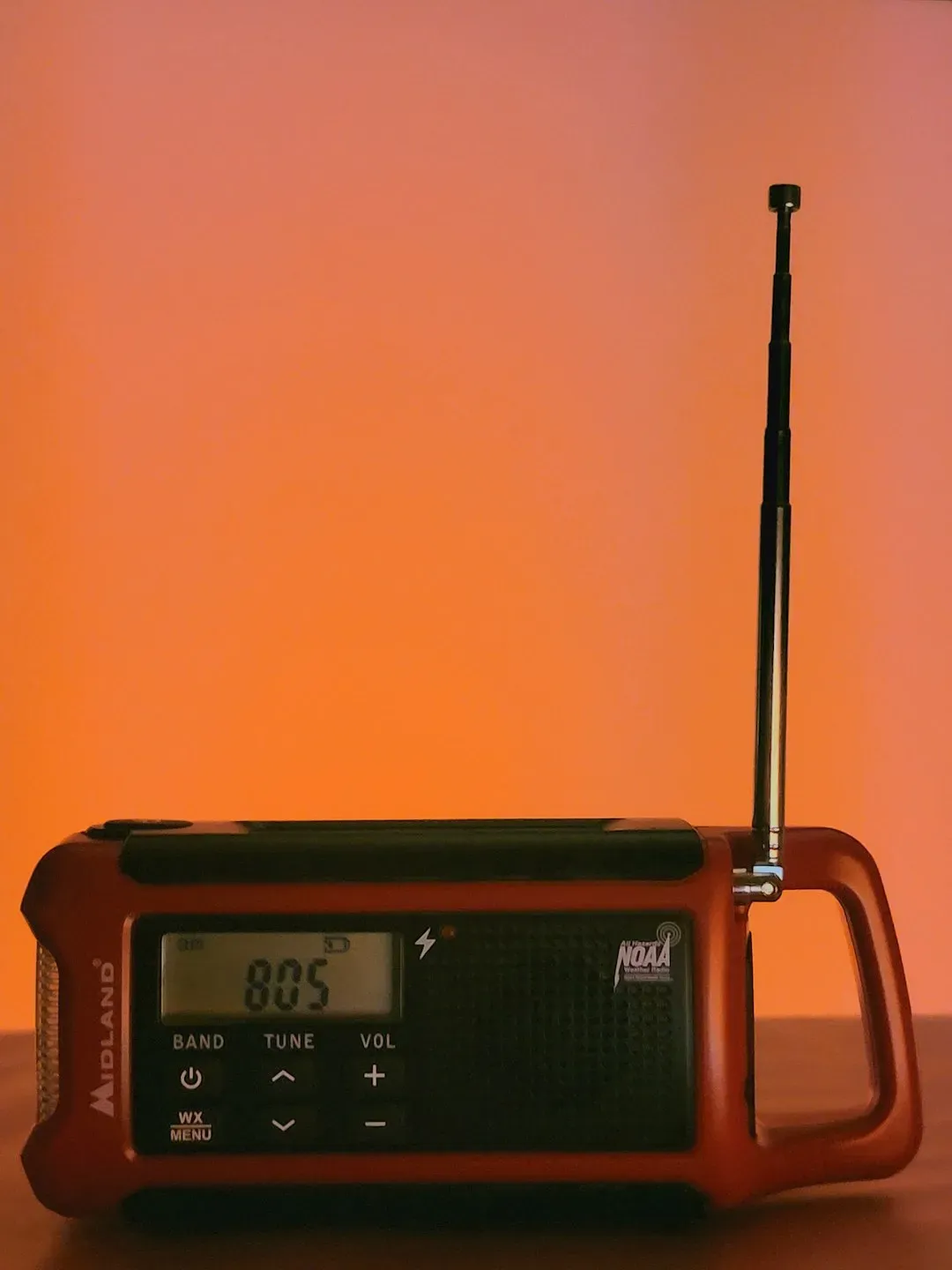
Fast radio bursts, or FRBs, are intense millisecond flashes of radio waves from distant galaxies, and on the surface they seem far removed from clouds and weather. Yet they have unexpectedly become tools for probing our own sky and near-space environment. As FRB signals pass through the plasma surrounding Earth, their timing and frequency pattern get subtly distorted, like light passing through a foggy window. By carefully analyzing these distortions, scientists can infer properties of the ionosphere, the electrically charged region starting roughly sixty kilometers above our heads. In some cases, FRBs arriving during geomagnetic storms have shown extra delays that point to sudden ionospheric disturbances triggered by space weather.
This is a striking example of how a cosmic mystery doubles as a diagnostic instrument for the thin shell of gas our technology depends on. Satellite navigation, over-the-horizon radar, and long-distance radio communications all rely on knowing how the ionosphere bends or scatters signals. Traditional methods use ground-based transmitters or satellite beacons, but FRBs offer a random, powerful, and extremely precise set of probes from well beyond our solar system. As radio telescopes catalog more bursts every year, researchers are beginning to sift the database not only for clues about exotic objects like magnetars, but also for signatures of how Earth’s upper atmosphere swells, ripples, and recovers after solar storms. The unexplained origin of FRBs thus overlaps sharply with the very practical challenge of keeping our technology resilient.
Why It Matters: From Flight Safety to Climate Predictions
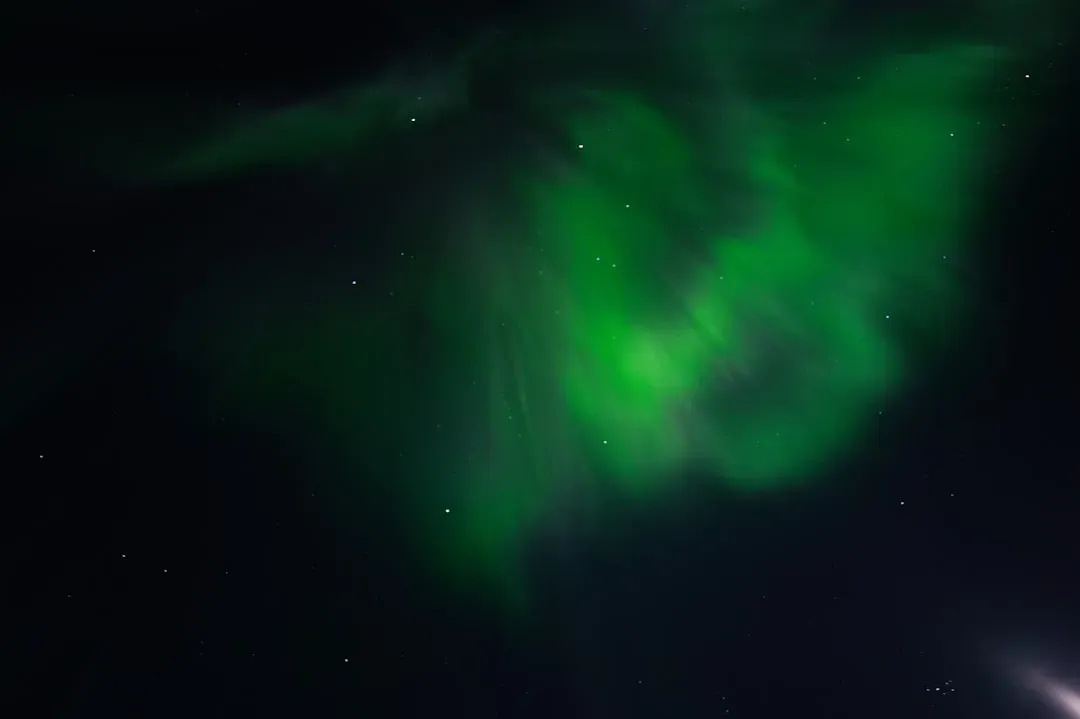
It is tempting to treat odd lights and ghostly echoes as atmospheric trivia, but they intersect with real-world stakes in ways that surprised even many researchers. For aviation, a better grasp of phenomena like gravity waves and upper-atmospheric electrical events feeds into turbulence forecasts and storm avoidance strategies. Pilots flying through storm anvils, for example, can encounter sudden, severe turbulence linked to wave breaking far above, and small improvements in prediction can prevent injuries. Space agencies track sprites and jets not only for curiosity, but because they connect thunderstorms to the near-space environment where satellites orbit. What happens in a thunderhead over the tropics can, indirectly, influence drag on spacecraft or conditions that affect radio blackouts.
There is also a climate dimension that is easy to overlook when you are staring at a single photograph of a purple arc or a stripy cloud. Many unexplained or underexplained sky phenomena live in the boundary regions that climate models historically represent poorly: the upper troposphere, lower stratosphere, and ionosphere. Small errors in how we simulate wave-driven mixing, high-altitude chemistry, or polar night airglow can accumulate into big differences in long-term projections. When we ignore these mysteries, we essentially hide uncertainties under the rug instead of confronting them. Understanding them is not about satisfying abstract curiosity; it is about narrowing the gap between what our models say and what the real, messy atmosphere actually does.
From Folklore to Datasets: A Global Perspective on Sky Mysteries
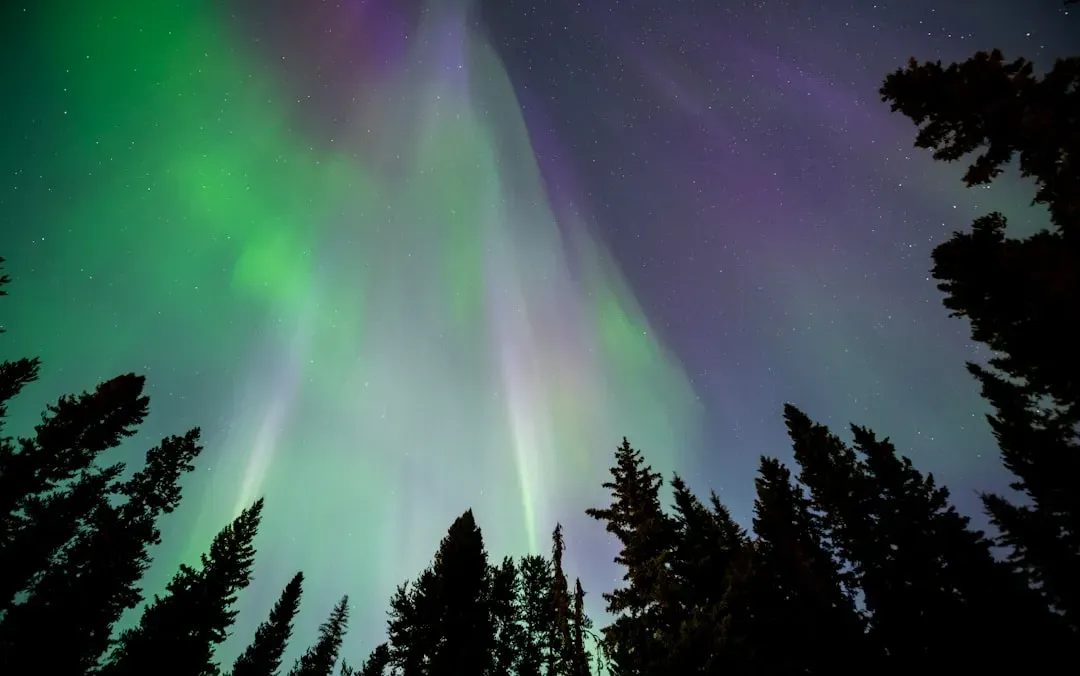
Long before satellites and high-speed cameras, communities around the world told stories about strange things in the sky: dancing lights, ghostly glows, rippling stars. Many of those accounts were folded into mythology or dismissed as superstition, but modern scientists are increasingly revisiting such narratives with a more open mind. Descriptions that once sounded fanciful now echo what we see in images of sprites, STEVE, or atmospheric halos under rare conditions. For example, repeated historical reports of white or purple arches far from the polar regions take on new weight now that we know such structures really do occur. Oral histories and old ship logs are being mined as potential long-term records of unusual events that our modern instruments have only just started to document systematically.
The globalization of sky-watching through smartphones and online networks has added an entirely new layer. Today, a faint, unusual glow seen in rural Canada or New Zealand can be photographed, timestamped, and shared across continents in minutes. This collective vigilance dramatically increases the odds of catching rare alignments of atmospheric conditions that produce unexplained displays. Scientists have begun building platforms that let volunteers upload observations, which are then cross-referenced with satellite and radar data. In this way, mysteries that once stayed local, wrapped in folklore, are transformed into data points in a global investigation of our living sky.
The Future Landscape: New Eyes and Algorithms on the Sky
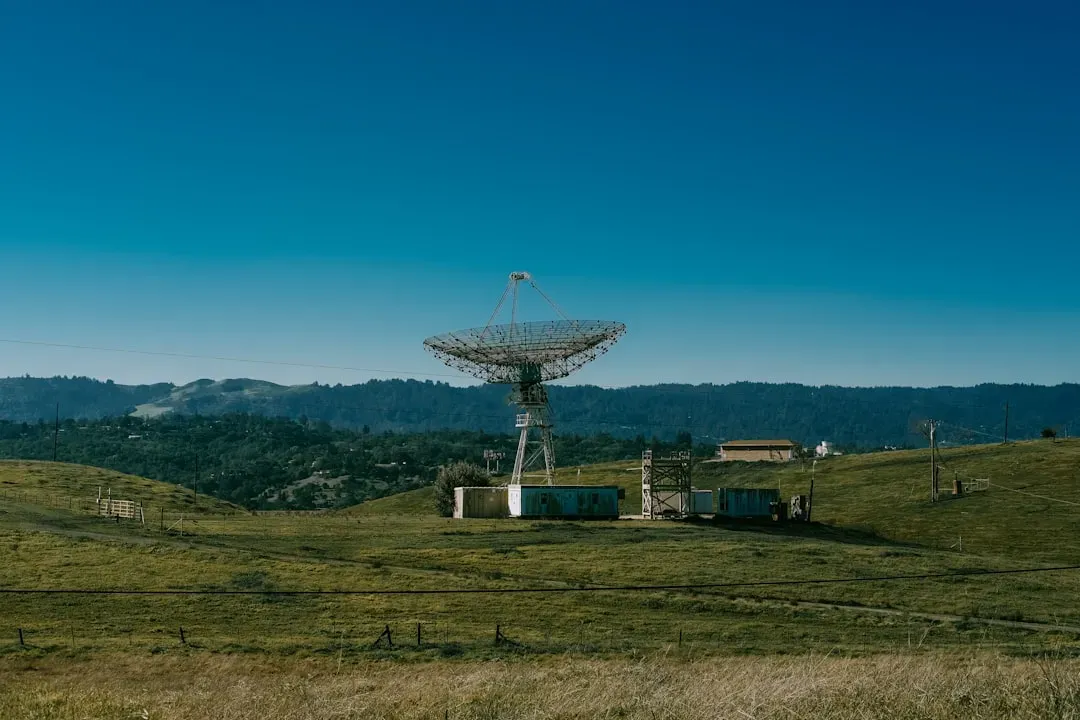
The next decade of sky-mystery hunting will not rely solely on lucky pilots or insomniac photographers. Fleets of small satellites, high-altitude balloons, and autonomous cameras are being deployed to watch the atmosphere around the clock, in wavelengths invisible to human eyes. Some networks already stitch together images from hundreds of ground-based all-sky cameras, creating near-continuous movies of auroras, airglow, and transient flashes. At the same time, advances in machine learning are helping scan staggering volumes of radar and optical data for patterns humans might miss, such as recurring wave signatures or fleeting, unusual arcs of light. Instead of just waiting for anomalies to jump out, algorithms will be actively scouting for anything that looks “off script.”
Of course, this raises new challenges along with new opportunities. More data means more false alarms, and scientists will need careful validation strategies to avoid chasing digital ghosts created by instrument glitches or processing artifacts. There is also the question of how to integrate new discoveries into existing models without overcomplicating them beyond practical use. Yet the payoff could be enormous: better forecasts, more accurate space-weather alerts, and unexpected insights into how Earth’s atmosphere might respond to a warming climate or to future technologies like large satellite mega-constellations. The sky has always been our oldest observatory; now it is becoming our most data-rich laboratory as well.
How You Can Engage: Becoming a Thoughtful Skywatcher
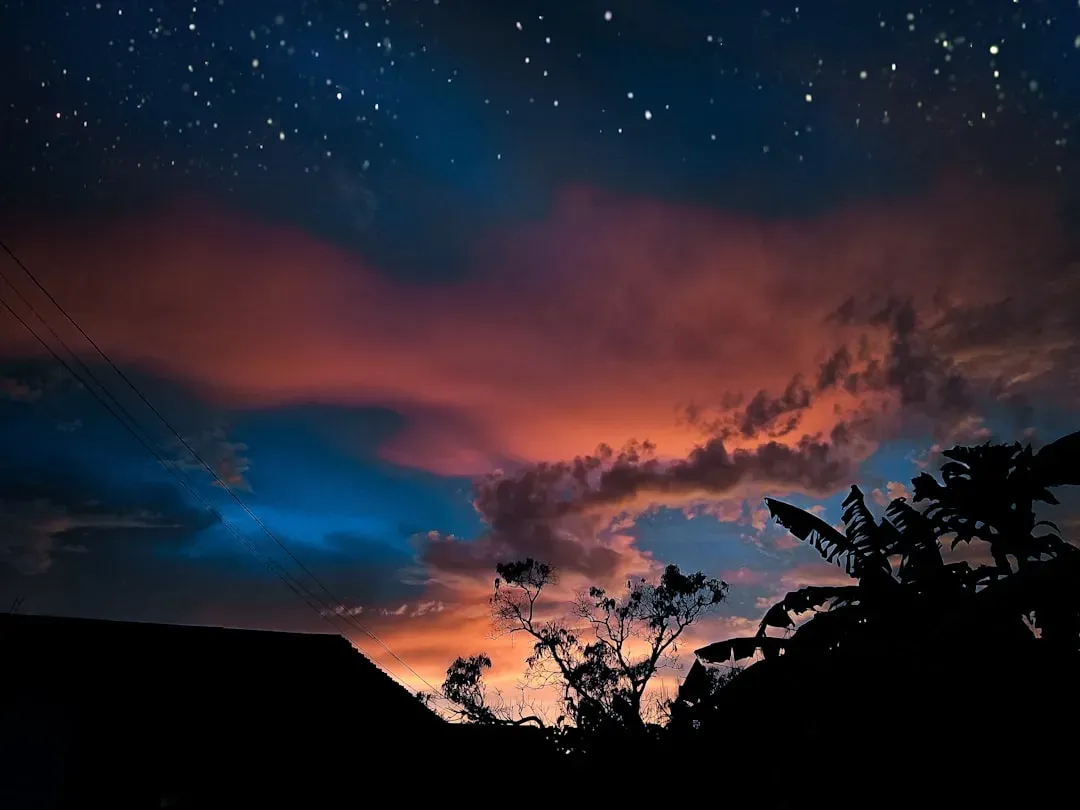
You do not need a telescope or a physics degree to be part of this unfolding story; in fact, many recent discoveries began with ordinary people simply paying attention. One of the easiest steps is to get in the habit of looking up more often, especially around twilight and during storms, when many unusual phenomena are most visible. If you see something that seems out of place, take a photo or short video, note the time and direction, and compare it later with local weather or aurora forecasts. Several citizen-science platforms now invite people to submit such observations, where they can be matched with satellite and radar records. Small contributions like this have already helped scientists identify new categories of atmospheric lights and refine models of storm behavior.
Beyond direct observation, you can support organizations that maintain open data on weather, climate, and space weather, because transparency is crucial for spotting anomalies and learning from them. Staying curious, asking questions about strange headlines, and sharing reliable information about atmospheric science in your community also helps push back against conspiracy theories that tend to fill any gap in understanding. Teachers and parents can turn an odd cloud formation or halo around the Moon into a quick science conversation rather than just a passing curiosity. The mysteries overhead are not going away, but that is precisely what makes the sky such a powerful gateway into science for people of all ages.
Suhail Ahmed is a passionate digital professional and nature enthusiast with over 8 years of experience in content strategy, SEO, web development, and digital operations. Alongside his freelance journey, Suhail actively contributes to nature and wildlife platforms like Discover Wildlife, where he channels his curiosity for the planet into engaging, educational storytelling.
With a strong background in managing digital ecosystems — from ecommerce stores and WordPress websites to social media and automation — Suhail merges technical precision with creative insight. His content reflects a rare balance: SEO-friendly yet deeply human, data-informed yet emotionally resonant.
Driven by a love for discovery and storytelling, Suhail believes in using digital platforms to amplify causes that matter — especially those protecting Earth’s biodiversity and inspiring sustainable living. Whether he’s managing online projects or crafting wildlife content, his goal remains the same: to inform, inspire, and leave a positive digital footprint.