
You probably use your phone more consciously than you use your own brain. You charge it, organize it, tweak its settings, and yet the most advanced “device” you own sits on autopilot most of the time. Neuroscience over the past couple of decades has revealed something quietly radical: your brain is far more adaptable, powerful, and improvable than you were ever told in school.
What is truly astonishing is not that a few geniuses can do incredible things, but that the same basic biological machine sits inside your head right now. You are constantly rewiring it, training it, and shaping what it can do – usually without realizing it. Once you understand how this works, you can stop treating your brain like a fixed piece of hardware and start treating it like a living system you can deliberately upgrade.
You Can Physically Rewire Your Brain Throughout Your Entire Life
You might have grown up hearing that your brain is “basically done” by early adulthood, but that idea has been demolished. Your brain stays plastic – changeable and trainable – from childhood through old age. Every time you learn a skill, form a habit, or even repeat a thought, you are nudging networks of neurons to strengthen some connections and weaken others. It is less like a solid sculpture and more like a garden that keeps growing and pruning depending on how you use it.
This means you are never stuck with the brain you have today. When you practice a language, an instrument, a sport, or even a mental skill like reframing negative thoughts, you are literally reshaping neural pathways. Practice is no longer some vague motivational phrase; it is the physical engineering of your own mind. The flip side is uncomfortable but empowering: what you do not use, you really can lose, so neglecting curiosity and challenge is like letting parts of that garden go wild with weeds.
Your Brain Can Recruit New Areas After Injury Or Loss
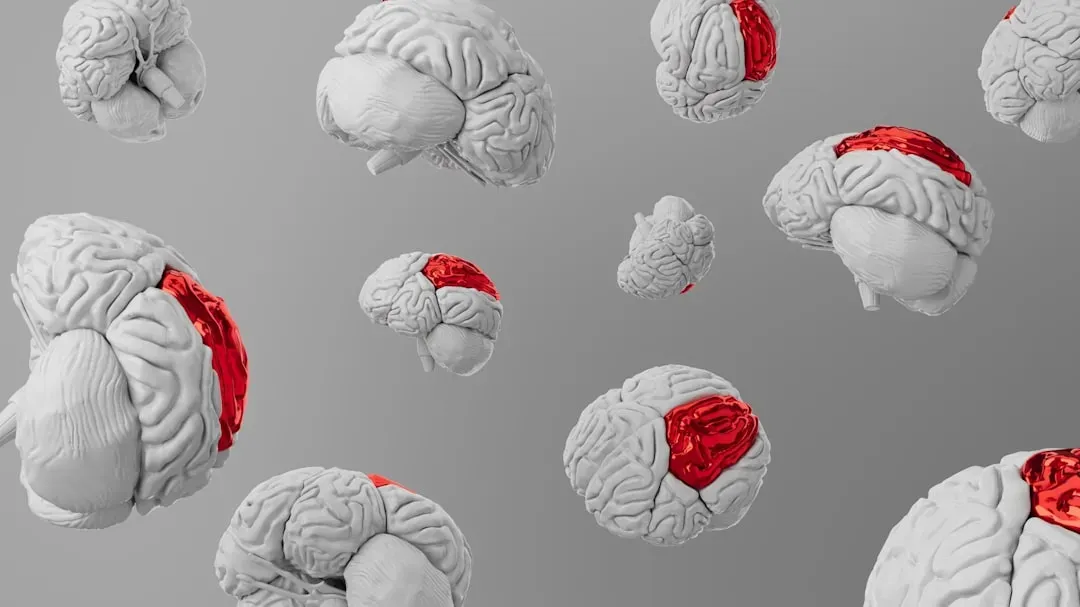
One of the most dramatic discoveries about your brain’s potential shows up after something goes wrong. When someone loses a sense – like vision or hearing – or experiences a stroke, their brain does not simply quit; it starts looking for workarounds. Areas that once processed visual input might get repurposed to improve touch or hearing, and regions damaged by a stroke can sometimes have their functions partially taken over by neighboring zones. In a very real way, your brain can reassign jobs when old routes are blocked.
For you, this has a hopeful message even if you never face a major injury. It means your brain is capable of far more creative reassignment than you have probably assumed. When you train a new skill later in life or switch careers after decades, you are asking your brain to do a smaller version of what it already does after trauma: recruit new circuits to meet new demands. That is why intensive, targeted practice – like focused physical therapy or deliberate learning – is so powerful; you are telling your brain where to send its “backup team.”
Your “Limit” For Learning And Memory Is Much Higher Than You Think
You might feel like your memory is just “good” or “bad,” but a lot of that judgment comes from using it passively. Your brain has evolved to remember patterns, stories, emotions, and locations far better than random facts. When you tap into that, you suddenly find that you can remember much more than you assumed. Techniques like turning information into vivid images, linking ideas into a story, or placing items along an imagined route play directly to how your brain naturally encodes and retrieves data.
What often feels like a hard limit is more like using the wrong strategy. If you reread notes over and over, you are barely leveraging your brain’s strengths. But if you quiz yourself, teach what you learned to someone else, or connect new information to things you already understand, you are building a dense web of associations. That web is what makes recall fast and reliable. You might never choose to memorize decks of cards or long strings of numbers, but realizing that your brain can do it with the right approach should make everyday learning feel a lot less intimidating.
Your Thoughts And Habits Can Reshape Your Emotional Wiring
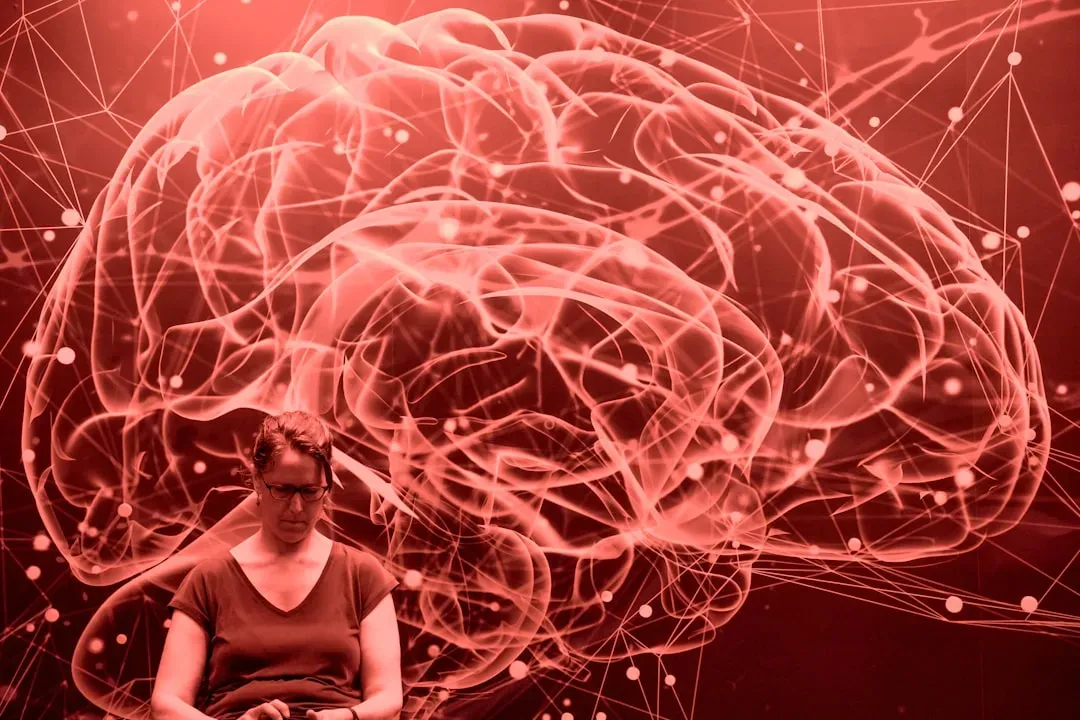
You are not just stuck with whatever emotional patterns you picked up in childhood. Repeated thought patterns and behaviors can change how strongly certain circuits fire, especially those involved in fear, reward, and attention. When you constantly rehearse worst-case scenarios, you are training your brain to prioritize threats and anxiety. When you repeatedly notice small wins, write down good moments, or practice gratitude, you are training your brain to spot and savor positive cues more easily.
This does not mean you can simply “think your way” out of serious depression or anxiety, and it is important not to oversimplify real mental health struggles. But it does mean your daily mental habits are not neutral background noise; they are reps in an emotional gym. Practices like cognitive-behavioral techniques, mindfulness, and journaling work partly because they give your brain new patterns to rehearse. Over time, those rehearsals can make it easier for you to calm yourself, shift perspective, and bounce back from stress, even if your starting point felt overwhelming.
Your Brain Thrives On Challenge, Not Just Comfort
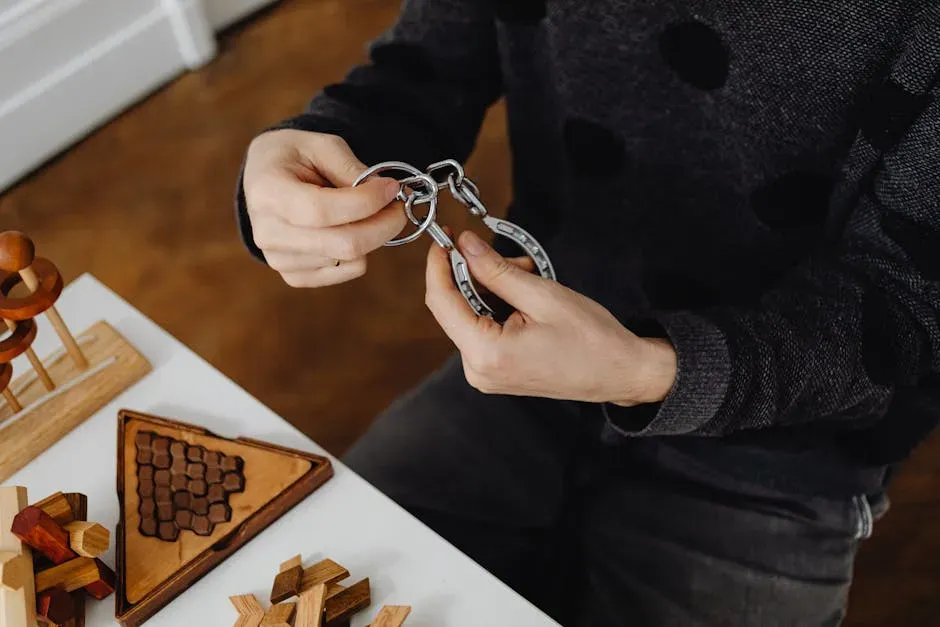
It is tempting to think that a relaxed, low-effort life is what your brain wants, but biologically it is the opposite. Your brain upgrades itself when it faces meaningful challenge: learning something just beyond your current ability, grappling with a new environment, or solving a problem that actually matters to you. When you are slightly out of your depth, your attention sharpens, your brain forms new links, and your sense of mastery grows. That mild discomfort you feel when something is hard is often a sign that growth is happening.
If you avoid challenge to protect yourself from frustration, you accidentally deprive your brain of exactly what it needs to stay sharp. Over time, that can leave you feeling dull, stuck, or oddly restless, like a high-performance engine idling in a parking lot. When you intentionally choose small challenges – learning a new skill, tackling a side project, or even changing your routine – you are giving your brain a reason to strengthen and adapt. Think of challenge not as punishment, but as the “loading weight” your mental muscles need in order to stay strong.
Your Lifestyle Choices Quietly Sculpt Your Cognitive Future
It is easy to imagine that your mental abilities are mostly about genes and luck, but research keeps pointing back to everyday choices. How well you sleep, how often you move your body, what you eat regularly, and how connected you feel to other people all feed into the health of your brain. When you sleep deeply, your brain clears waste, consolidates memories, and resets its emotional circuits. When you exercise, you increase blood flow and support the growth of new connections, not just stronger muscles.
Social connection and mental novelty matter just as much. When you engage in real conversations, work through conflicts, or share experiences, you are giving your brain rich, unpredictable input to process. When you expose yourself to new places, ideas, and cultures, you are asking it to stretch its existing maps of the world. None of these things feels flashy in the moment, but together they act like long-term investments in your cognitive future. You cannot control everything that happens to your brain, but you can massively influence the conditions it has to work with.
In the end, the most astonishing discovery about your brain’s untapped potential might be this: so much of it depends on what you decide to do with it, day after day. You are not just a passenger inside your skull; you are the gardener, the coach, and the architect, whether you claim that role or not. If you start treating your brain as something you can shape, protect, and challenge on purpose, the ceiling on what you can learn and become lifts higher than you might expect. So the real question is, now that you know this, what kind of brain are you going to build from here?